
92 Photos and videos





Jun 5
I love this.
Jun 5

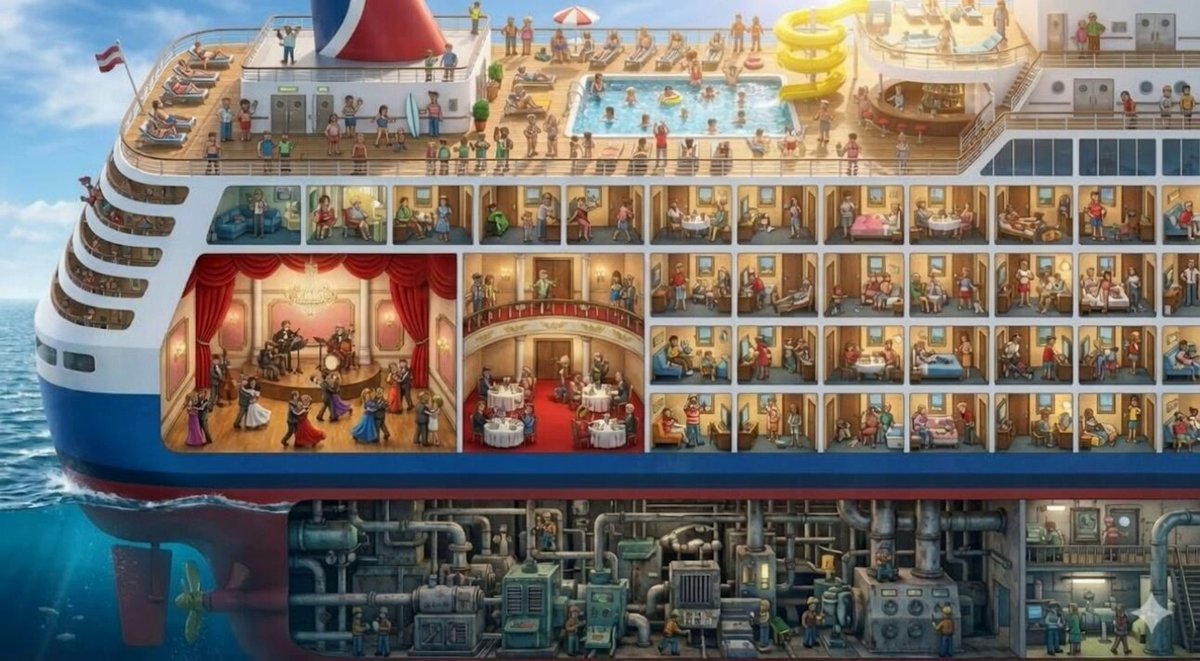
Today's students don't read massive walls of text—they skim and bounce. 📲 Our digital textbook uses smart, bite-sized formatting to keep their attention focused exactly where it needs to be.
smart-biology.com/subjects
#biology #science #3D #animation #Edtech #HigherEd
2
3
93
May 28
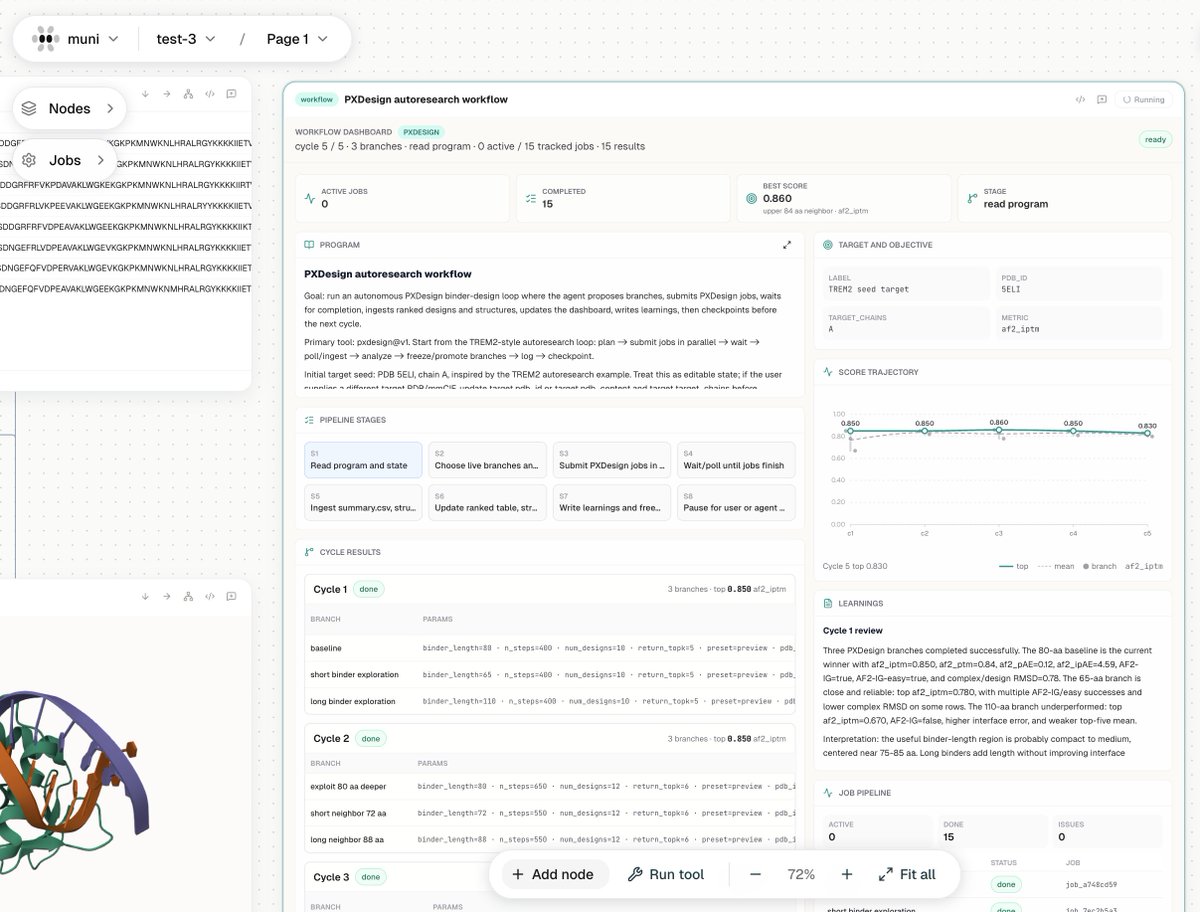
Upcoming feature: @muni_bio uses dynamic workflows to power its autoresearch, chaining the best bio chem tools/models to go after hard problems.
Unlocking the ai bio pipeline for real-world problems has been our core mission these past few months.
2
3
22
11,627
May 27
This is so cool, congrats on the launch.
May 27

Today we're announcing ESMFold2, an open scientific engine to power prediction, design, and discovery across protein biology.
The new model delivers state of the art performance on protein interactions, especially antibodies, a critical modality for therapeutics.
We have designed and validated miniprotein binders and single chain antibodies across five therapeutic targets that are important in cancer and immunology. We are seeing very high success rates, and affinities at levels consistent with therapeutic activity.
We’re also releasing an atlas of 6.8 billion proteins, and 1.1 billion predicted structures.
ESMFold2 is built on a state of the art language model that has been trained on billions of protein sequences.
A world model of protein biology emerges through language modeling.
We’ve used the techniques of mechanistic interpretability developed to understand large language models to understand the concepts ESM uses to represent proteins.
The model’s representation space has a compositional organization of features across scales, levels of complexity, and abstraction, that reflects and mirrors the understanding of protein biology developed through a century of empirical science.
This understanding emerges without prior knowledge, just from language modeling of protein sequences.
Language models are becoming a powerful substrate to understand and program biology.
The design of protein interactions is one of the most fundamental problems in biophysics, and has critical implications for the discovery of new medicines. A simple gradient based search with the model was able to discover high-affinity protein binders.
I'm excited by the potential this has to accelerate basic science and the understanding of proteins. And especially for the new avenues it opens up for therapeutic design and medicine.
2
164

May 21
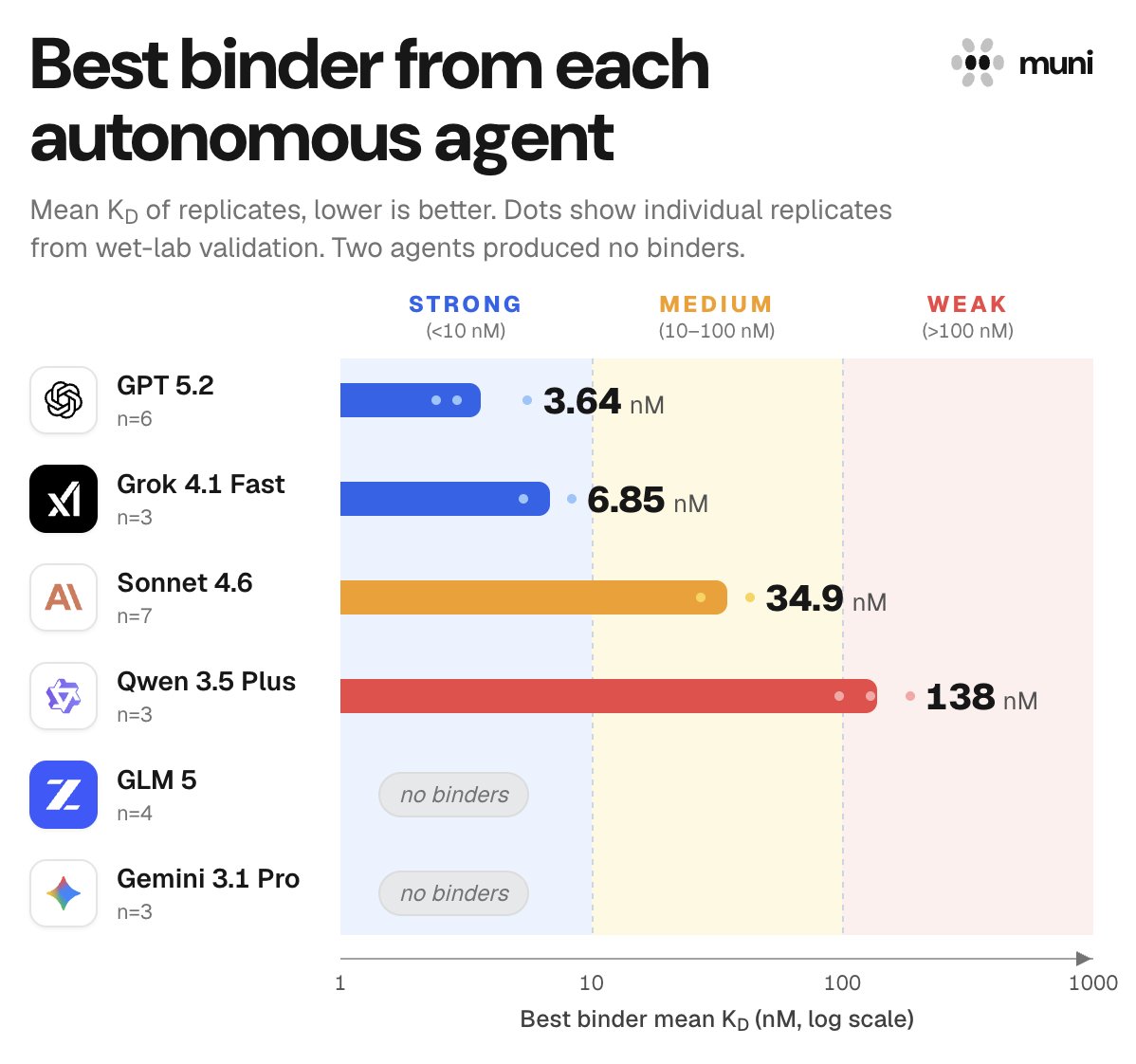
Congrats to @OpenAI and @xai for their scientific reasoning.
Last week we got the wet-lab results back from our TREM2 hackathon. 6 autonomous agents 9 human teams designed TREM2 binders in a single day.
Agents nearly matched human hit rates.
read more: muni.bio/research/agents-vs-…
5
6
72
212,154
May 14
very cool

NSF announces $1.5B NSF X-Labs initiative to pursue generational breakthrough science efforts. NSF X-Labs will scale a new generation of transformative independent research organizations to advance breakthrough science outside of traditional institutions. nsf.gov/news/nsf-announces-1…
3
176
May 14
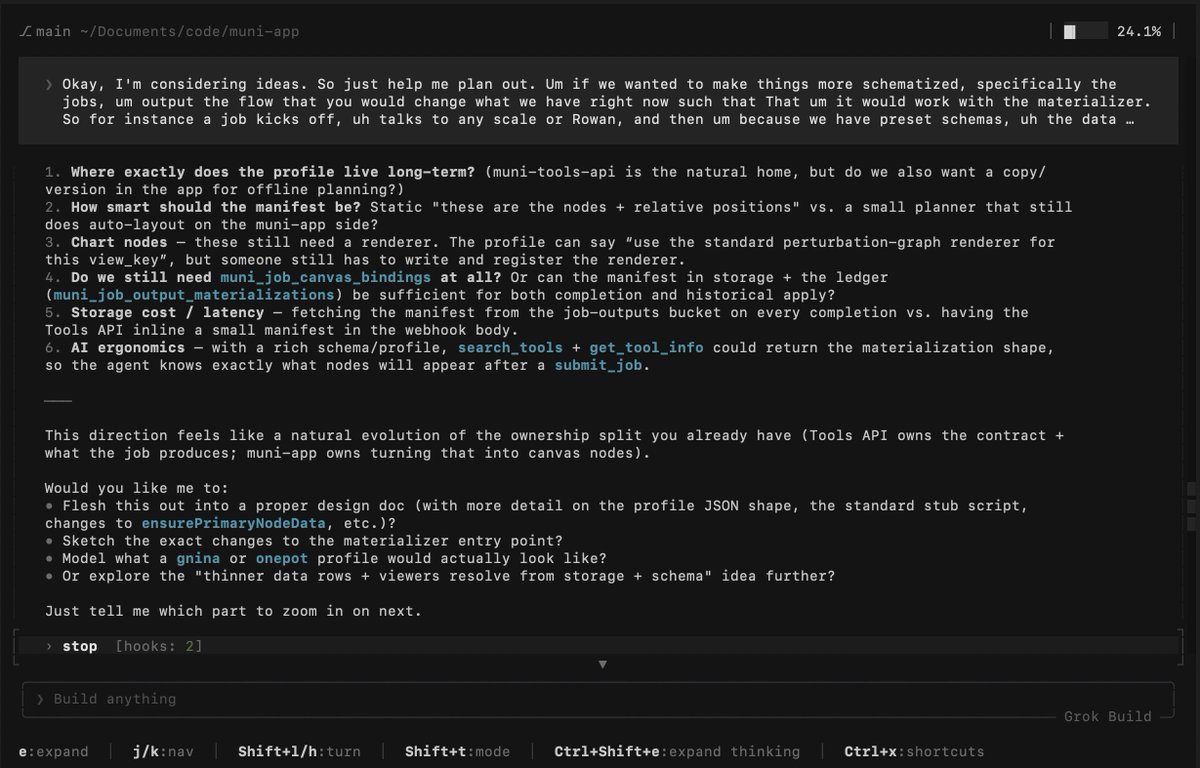
Just started using Grok Build and the first thing you'll notice is the speed. It's so fast 👀
I'm so used to sending a request and then switching context and then coming back. I think that speed helps you stay in the loop of solving the task at hand. Which is a game changer. gg

An early beta of Grok Build, an agentic CLI for coding, building apps, and automating workflows is now available for SuperGrok Heavy subscribers.
Through this early beta, we will improve the model and product based on your feedback.
Try it at x.ai/cli
8
165
May 13
Minority Report vibes here -> "These “sentinel” cells can be used to figure out what a person looks like, solely by storing the trace amounts of DNA they leave behind in a room."
May 13

Underrated Ideas in Biotech (Part I)
My list of writing ideas is growing far faster than I can possibly publish. So here are some "half-baked" ideas in biology that I hope others will pick up and run with.
In this first blog, I share three ideas:
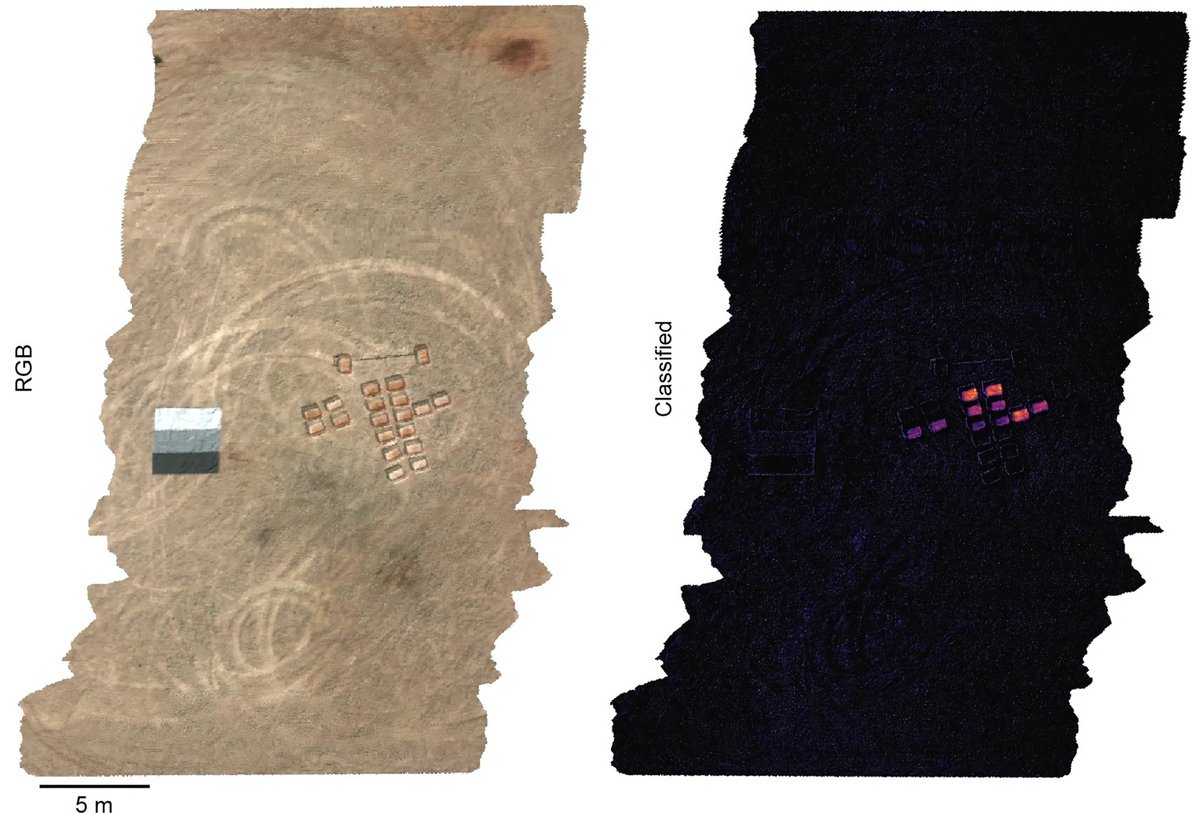
1. Hyperspectral Biology — It is possible to see microbes from outer space. (That sentence sounds ridiculous, but it's true.) We can now build planetary-scale networks that would enable us to engineer microbes that sense pathogens, or act as early warning systems for other threats, and monitor using satellites.
2. Biology for Beauty — Nature is often described as the most beautiful thing on Earth, far exceeding artistic works from Monet and Picasso. Yosemite and the Grand Canyon feel as if they were sculpted by the hands of God; all other art is unmistakably the work of humans. Why aren't there entire companies that (like Tiffany or Cartier) aim to make eternal art using biology?
3. Mapping the Air — Microbes can travel thousands of miles, traversing continents by riding on dust motes carried by atmospheric winds. Sand from the Sahara desert travels all the way to New York City, carrying pathogens with it. We have barely begun to study the microbes hitching rides on these atmospheric winds.
On a related note: There is a growing field of AirDNA. Every time you breathe, saliva droplets are released into the air. These droplets contain DNA, which can be captured and sequenced. After the DNA settles onto the ground after about 24 hours, it gets wrapped into dust, and sits there for years.
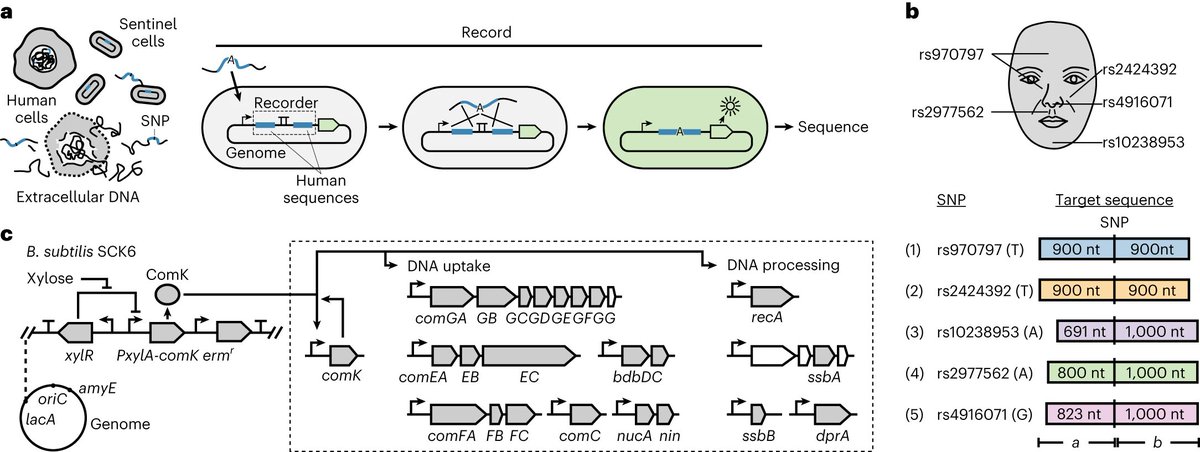
It is feasible to take the dust from a room and build a genomic record of everyone who has ever entered it. In 2023, researchers at MIT also engineered living cells to take up and permanently record DNA from their surroundings. The bacteria were sensitive enough to distinguish between two sequences differing by a single nucleotide at exceptionally low concentrations — about 4.6 femtomolar.
These “sentinel” cells can be used to figure out what a person looks like, solely by storing the trace amounts of DNA they leave behind in a room.
Many facial features are influenced by single-nucleotide polymorphisms (SNPs), or single-letter variants in the genome that correlate with things like nose width and eye spacing. The MIT team engineered cells to detect five facial SNPs and showed each could be detected independently. Sprayed onto a surface, these cells would capture SNPs and, once sequenced later, reveal who passed through.
This is not science fiction. The authors say it directly in the paper: “we demonstrated sentinel cells on a set of five human SNPs associated with human facial features. One could record this information in a single cell or consortium, recover the DNA, and use artificial intelligence to rebuild the predicted face.”
Much more: nikomc.com/essays/underrated…
4
162
The binders have bound! A few months ago, 9 human teams and 6 autonomous AI agents spent a single day designing protein binders against TREM2 on @muni_bio, a target implicated in Alzheimer’s Disease.
141 designs were submitted, 100 were synthesized and tested by @adaptyvbio, and 37 bound. And surprisingly, AI agents essentially matched human teams on hit rate.
These aren’t benchmark scores or simulated results, but real proteins designed in one day in SF and validated experimentally during the first large-scale test of muni, where teams ran 260 GPU jobs and generated a total of 4,176 binders.
We wrote about what we learned from the results, how well ipSAE worked as a scoring function, and how this hackathon reshaped what we’re building: muni.bio/research/agents-vs-…
4
15
75
5,144
May 13
This was a wild hackathon. Thanks for the partnership @adaptyvbio and everyone else who joined.
May 13

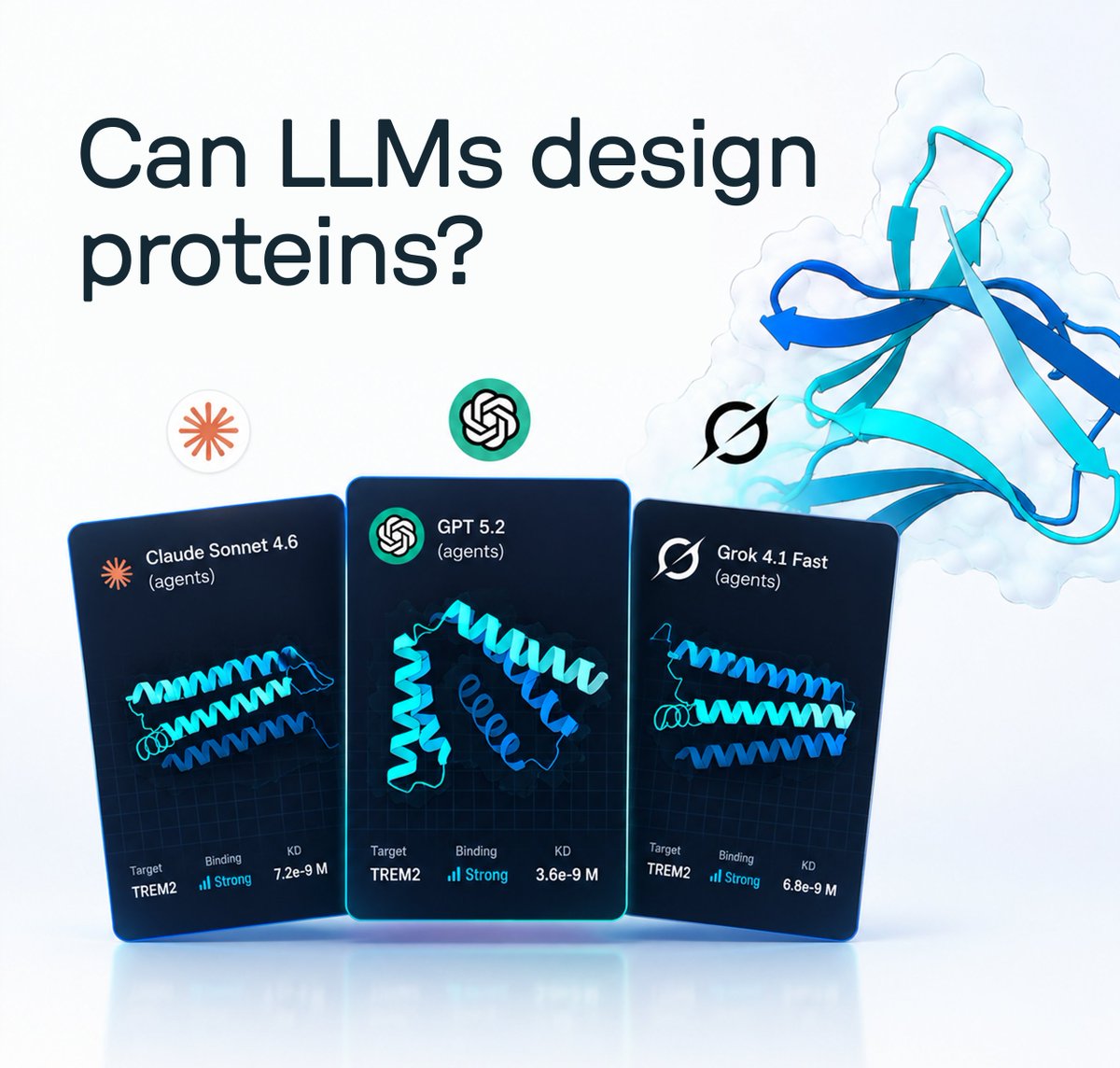
What happens when you let frontier LLMs design proteins, and then synthesize and test them in a wet lab?
We ran a protein design competition with @muni_bio where AI agents competed against humans to design molecules that bind TREM2, a key receptor linked to Alzheimer’s.
Results: GPT 5.2 and Grok 4.1 both placed in the top 5, with molecules showing strong binding to TREM2 when tested in our lab.
11
317
May 12
Special thanks to @anyscale and @RowanSci for all the support. Looking forward to the synthesis and assay results.

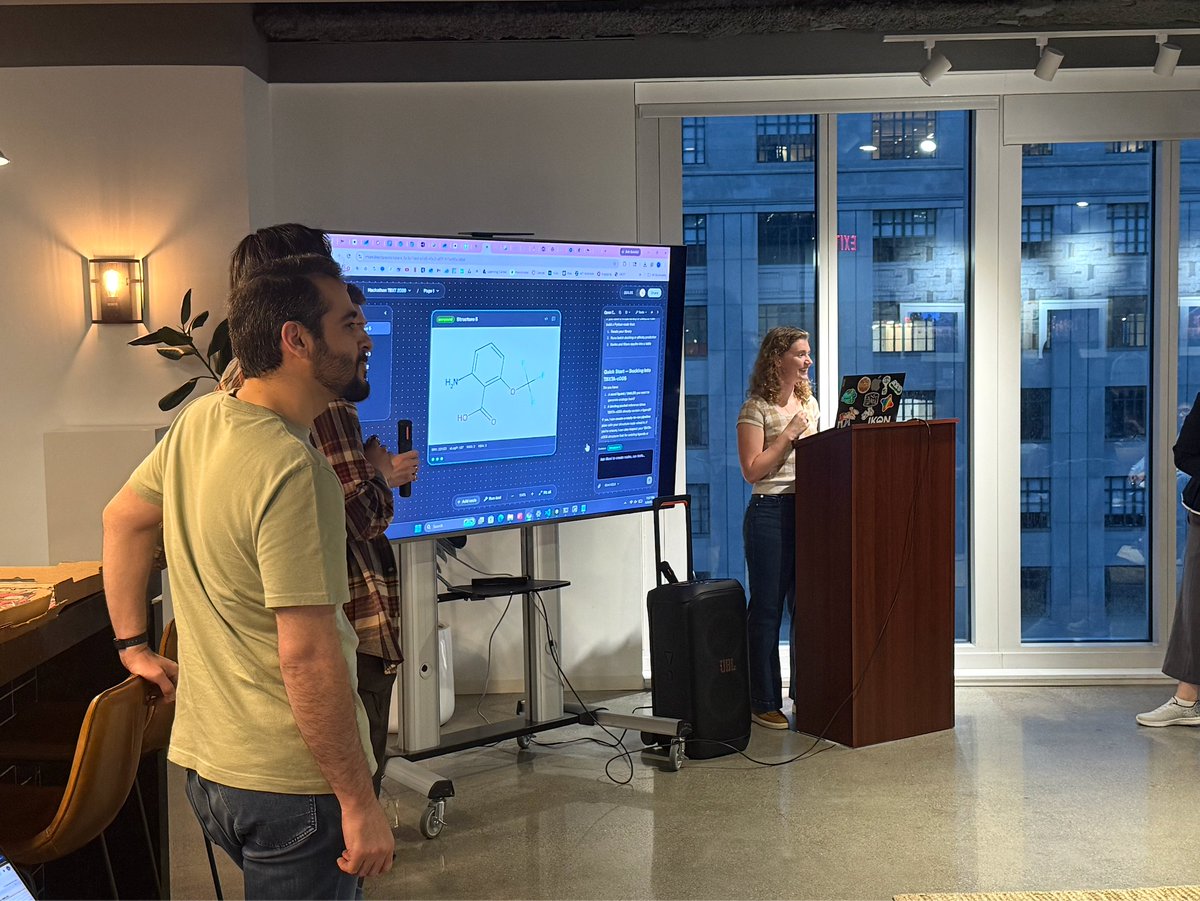
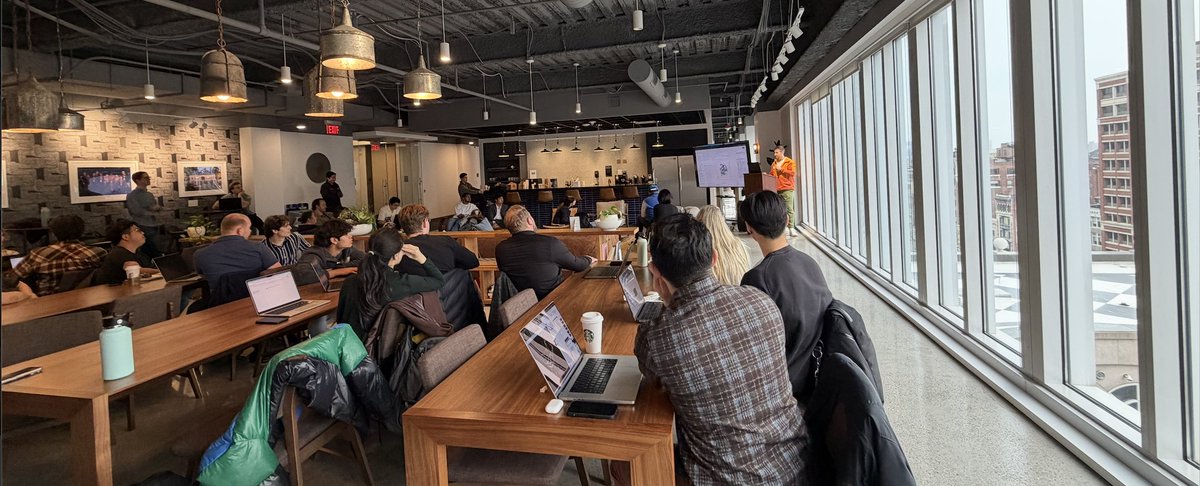
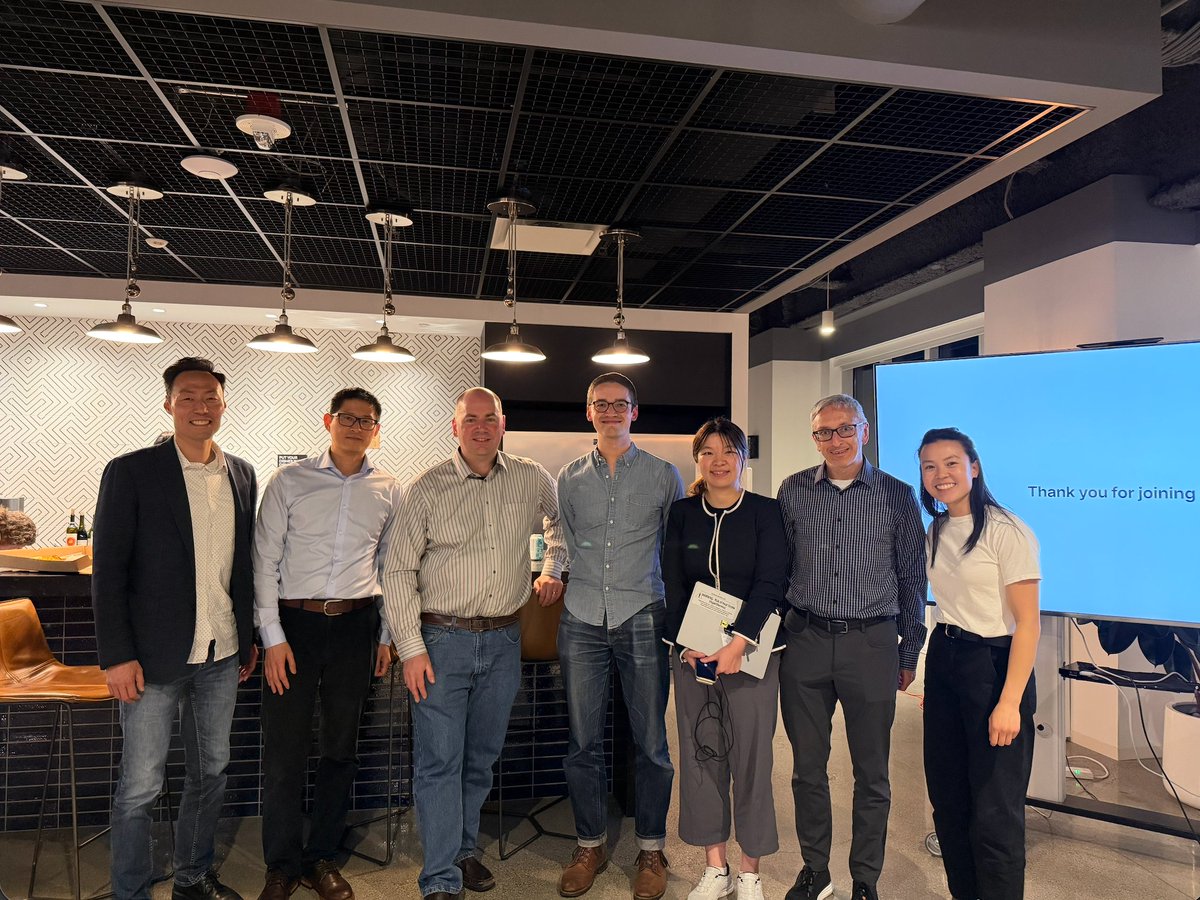
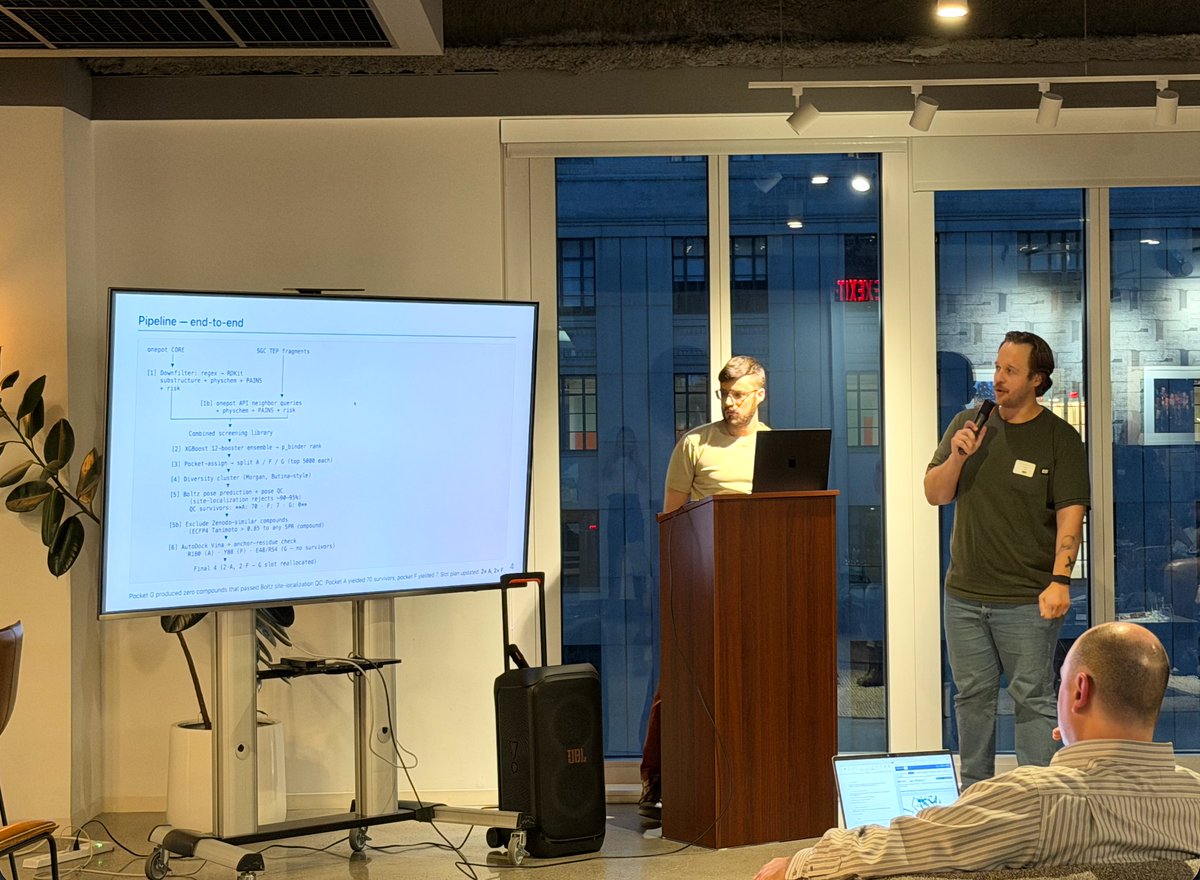
20 pizzas and 7 hours later, we finished the first leg of the AI x Med Chem Hackathon in Boston, where teams competed to submit compounds for TBXT.
This is the first hackathon of its kind, moving from small molecule compound generation to experimental assays. Thank you to everyone who joined us this weekend!
Huge thanks to our judges, partners and sponsors: @RowanSci, @onepot_ai, @anyscalecompute, @pillar_vc and the @ChordomaFDN.
Compound synthesis is underway and will be tested soon! Stay tuned for updates.
6
169
May 12
I was walking on this street yesterday. Absolutely nuts.

Gunman opens fire on busy street in Cambridge, Massachusetts, injuring 1 person before being shot by police
2
114
Traditional FEP is slow and prohibitively expensive, but @RowanSci FEP changes this.
In this article, we show how rapid FEP can be placed earlier in the loop, connect to automated analogue enumeration in @muni_bio, and bring molecules straight into synthesis with @onepot_ai.
muni.bio/research/fast-and-f…
1
8
34
3,063
May 1
Codex’s built-in web browser is wild.
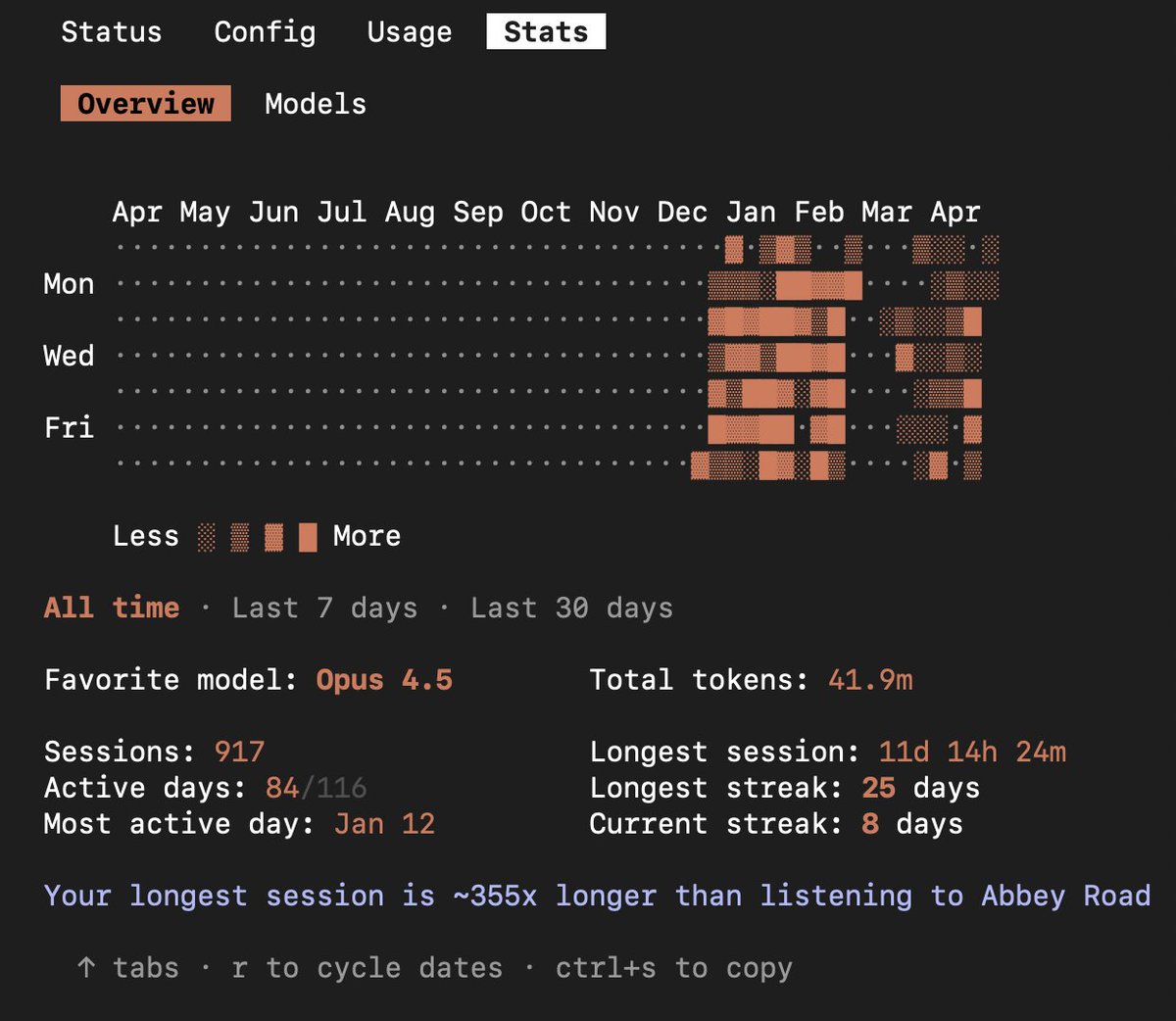
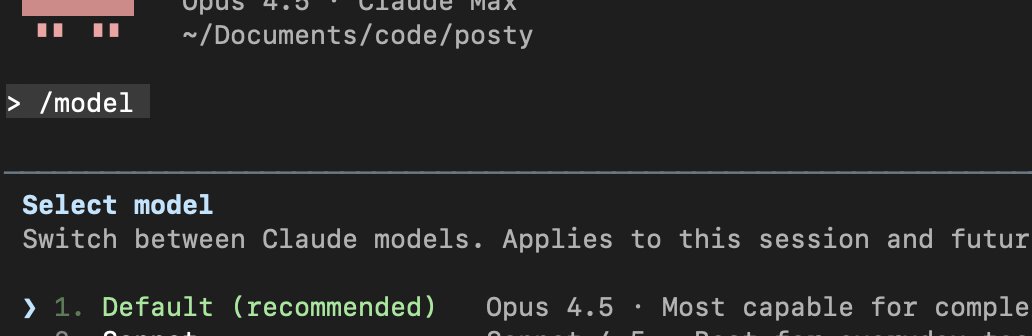
I have max plans on both Codex and Claude Code, 90% of my usage is now on Codex.
It’s such a massive unlock. I use it almost every session. I write tests in .md, hand them to the agent, and watch it move the mouse, type into input fields, and walk through my web app's flows.
The obvious next step is hooking it up to sentry errors, writing a doc of what happened, then feeding it into Codex for continuous automated support.
While the Claude Chrome extension is cool, it just it's not the same.
I highly recommend a built-in browser for the next release of Claude Code @bcherny
10
4
145
160,129

Apr 30
Craig Venter was one of the great minds in biology. A rebel and a legend who pushed the boundaries.
RIP
5
128
Apr 29
This is the most ambitious agentic system I’ve built.
Shoutout to @Cloudflare for dynamic workers and @Anyscale for cluster management.
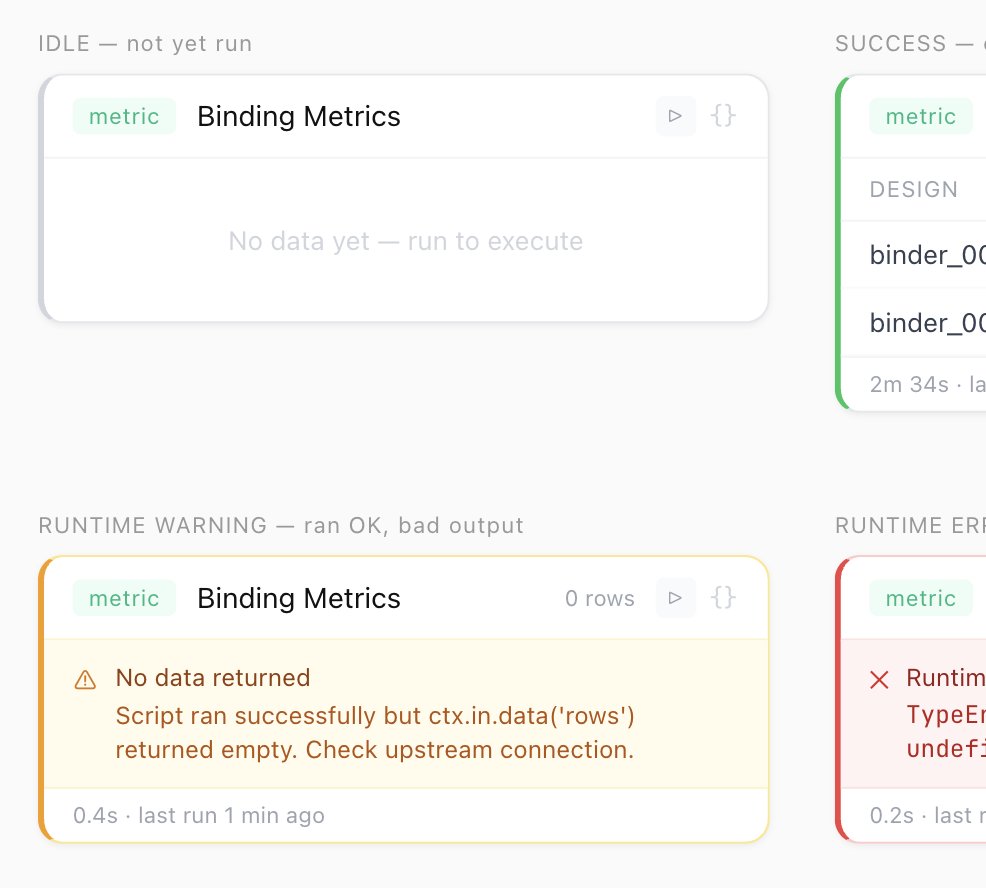
In Muni, every node is a code container. Agents can sift through a virtual file system, write code against the data they need, call models, run jobs, and render the result back onto the canvas.
That flexibility matters because the landscape of AI x Bio is moving so quickly, and it’s not obvious what the future scientific workflows will look like.
Our goal is to build primitives that adapt as the models, data, and workflows change, so scientists can focus on the questions, not the tooling.
muni.bio/research/muni-makeo…
1
3
46
275,205