12 Photos and videos

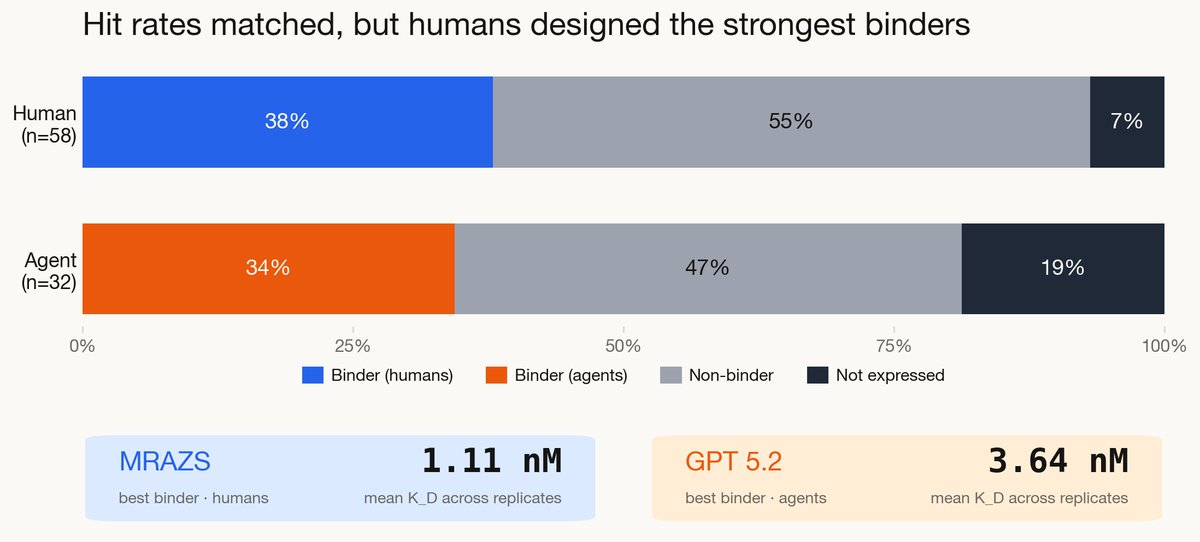
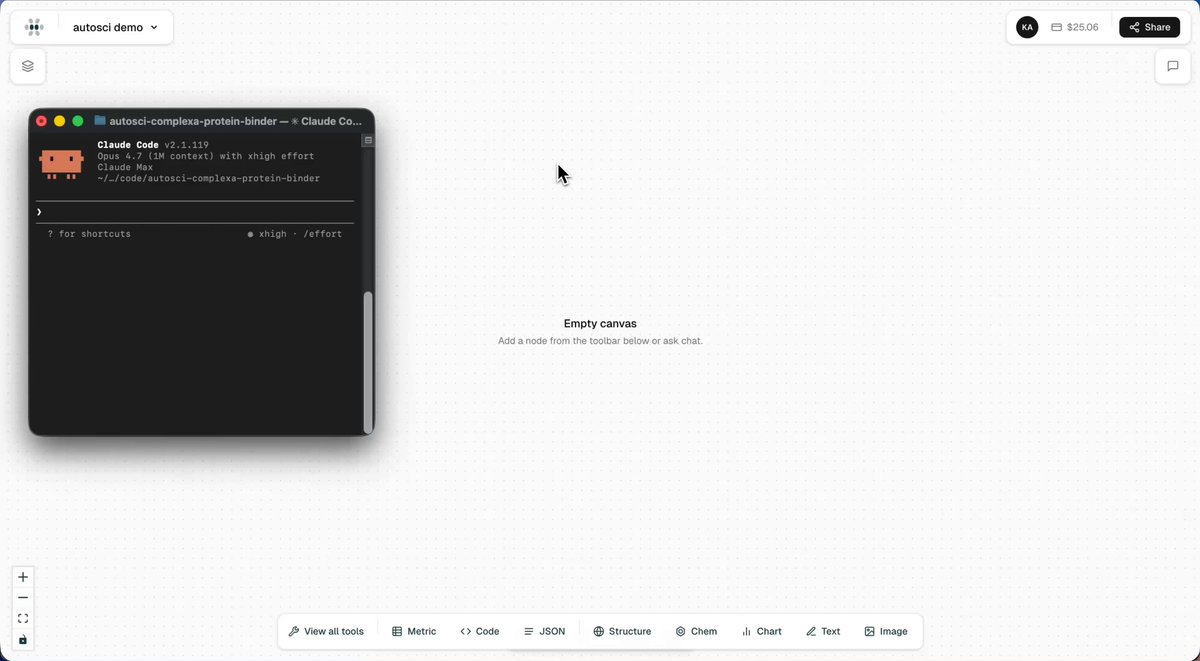
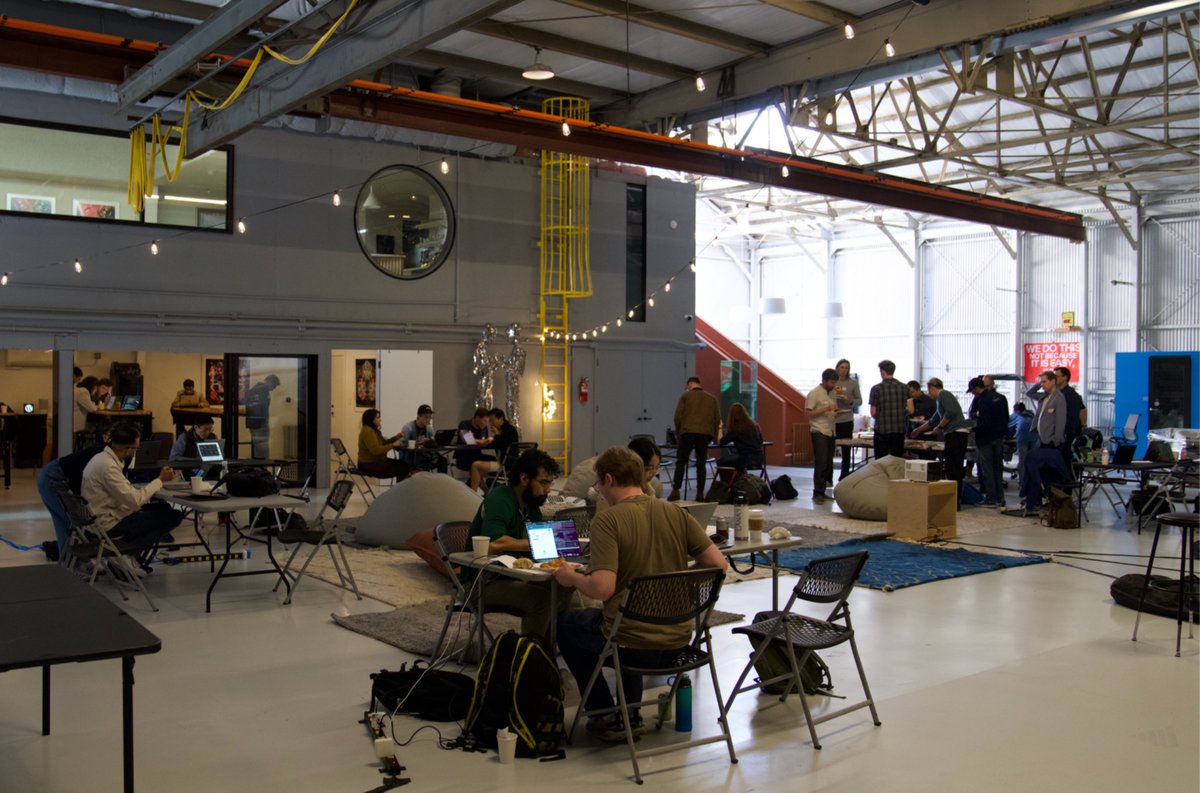
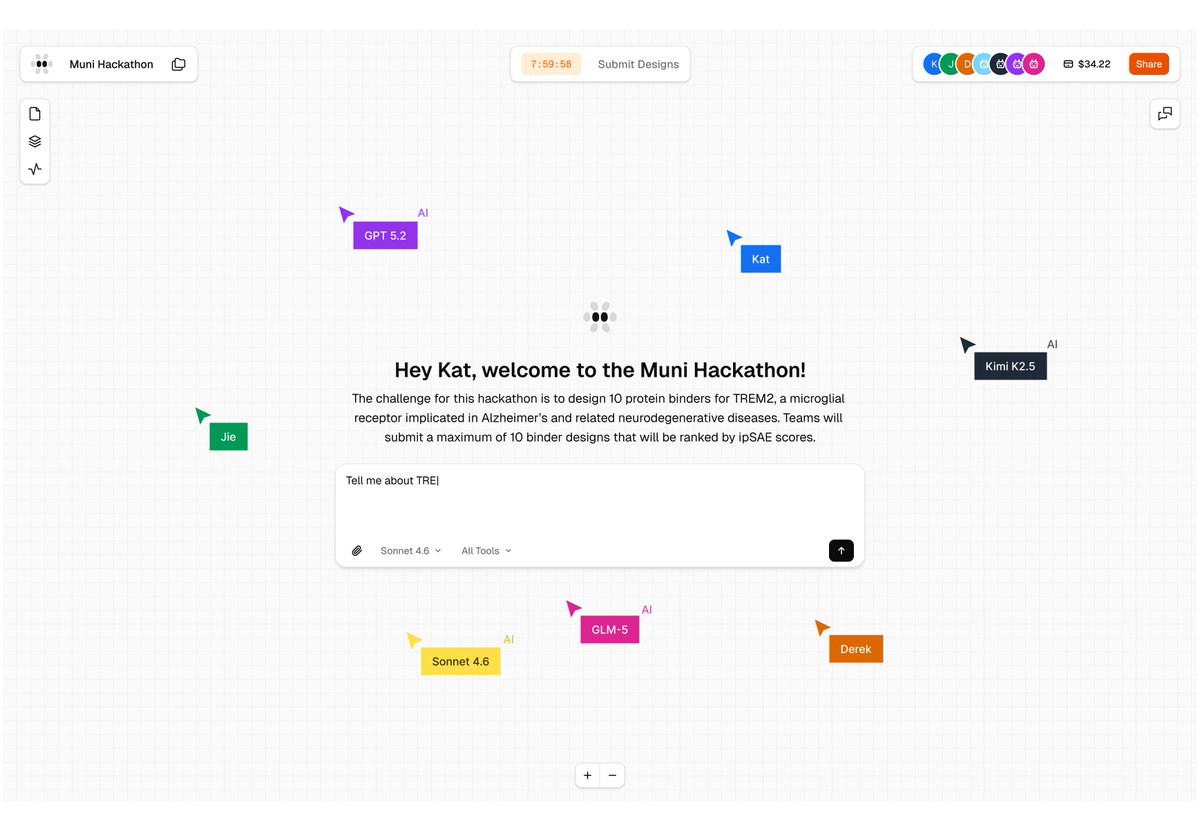
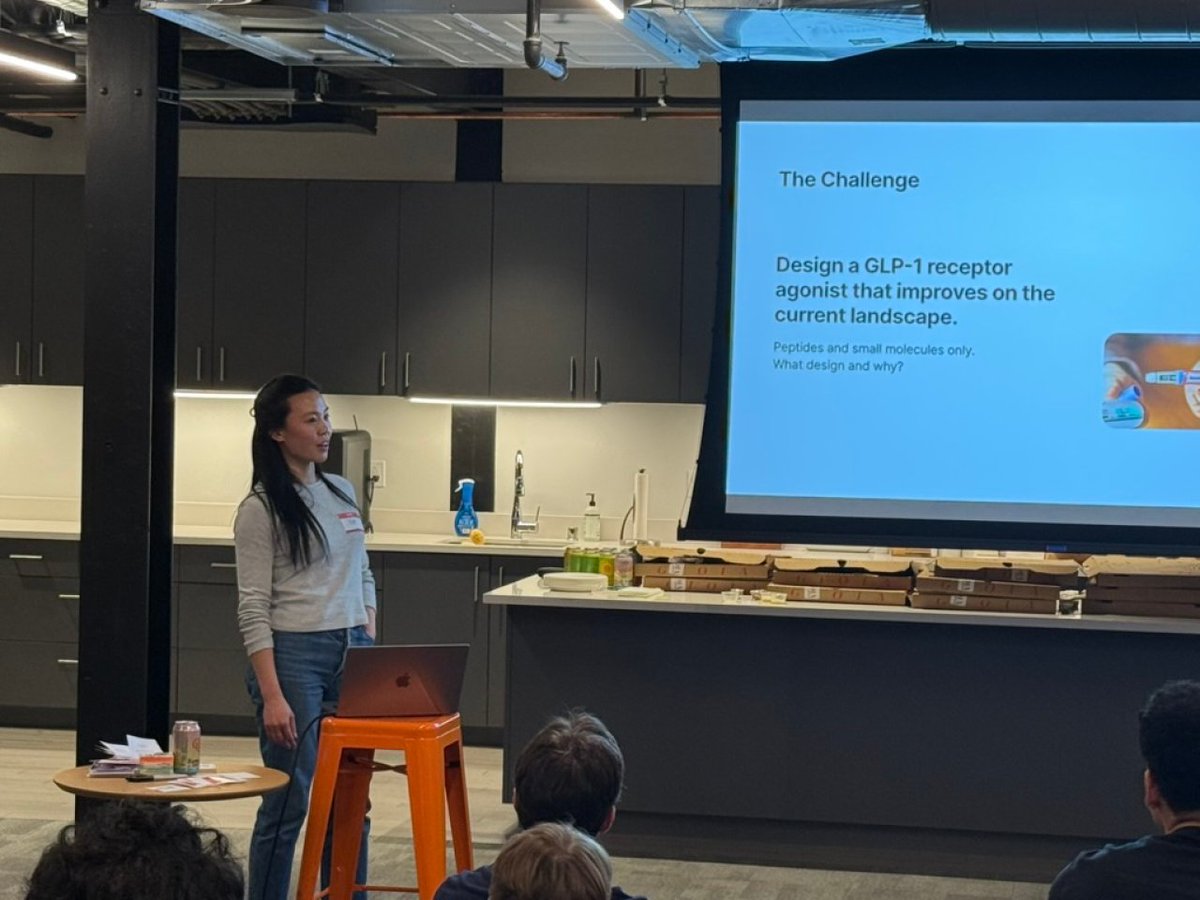

The binders have bound! A few months ago, 9 human teams and 6 autonomous AI agents spent a single day designing protein binders against TREM2 on @muni_bio, a target implicated in Alzheimer’s Disease.
141 designs were submitted, 100 were synthesized and tested by @adaptyvbio, and 37 bound. And surprisingly, AI agents essentially matched human teams on hit rate.
These aren’t benchmark scores or simulated results, but real proteins designed in one day in SF and validated experimentally during the first large-scale test of muni, where teams ran 260 GPU jobs and generated a total of 4,176 binders.
We wrote about what we learned from the results, how well ipSAE worked as a scoring function, and how this hackathon reshaped what we’re building: muni.bio/research/agents-vs-…
4
15
75
5,148
Kat retweeted

May 28
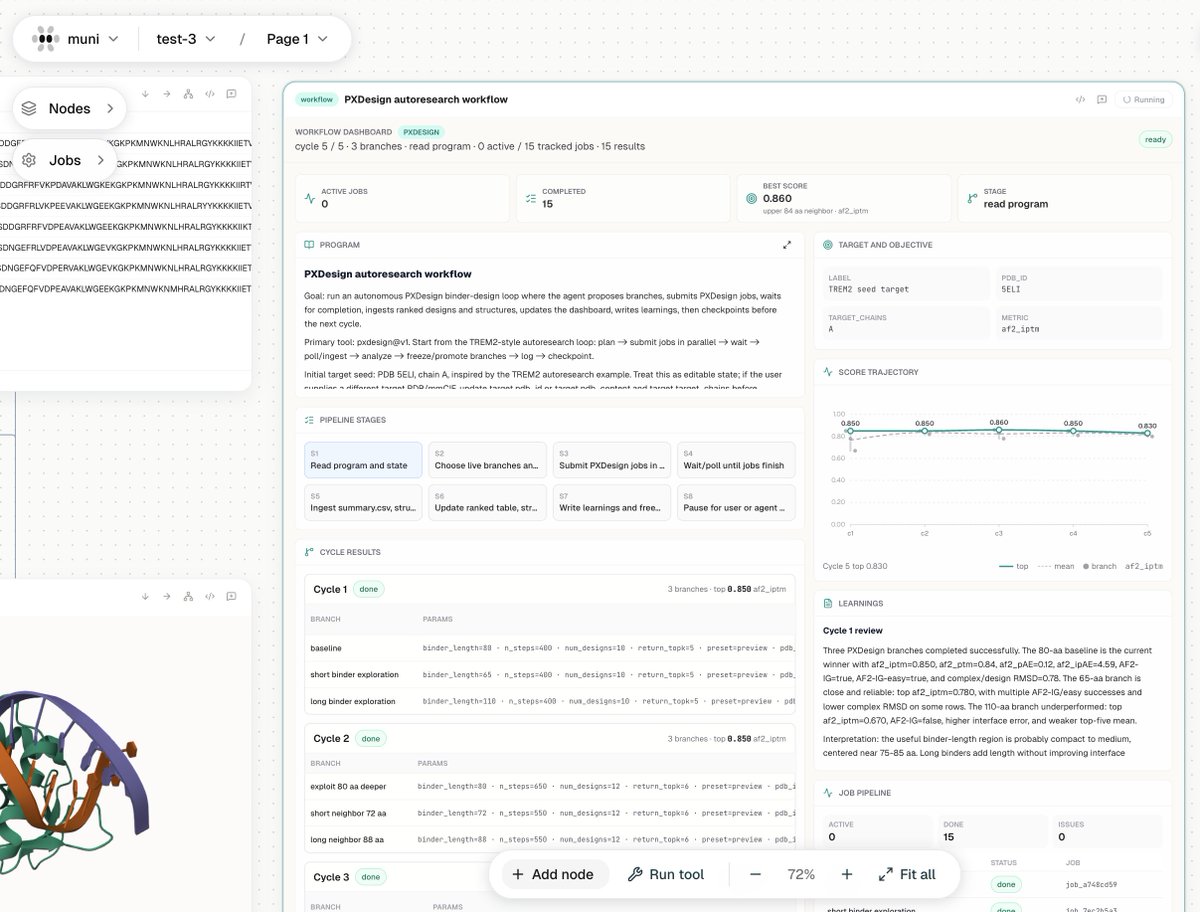
Upcoming feature: @muni_bio uses dynamic workflows to power its autoresearch, chaining the best bio chem tools/models to go after hard problems.
Unlocking the ai bio pipeline for real-world problems has been our core mission these past few months.
2
3
22
11,628
Kat retweeted

May 27
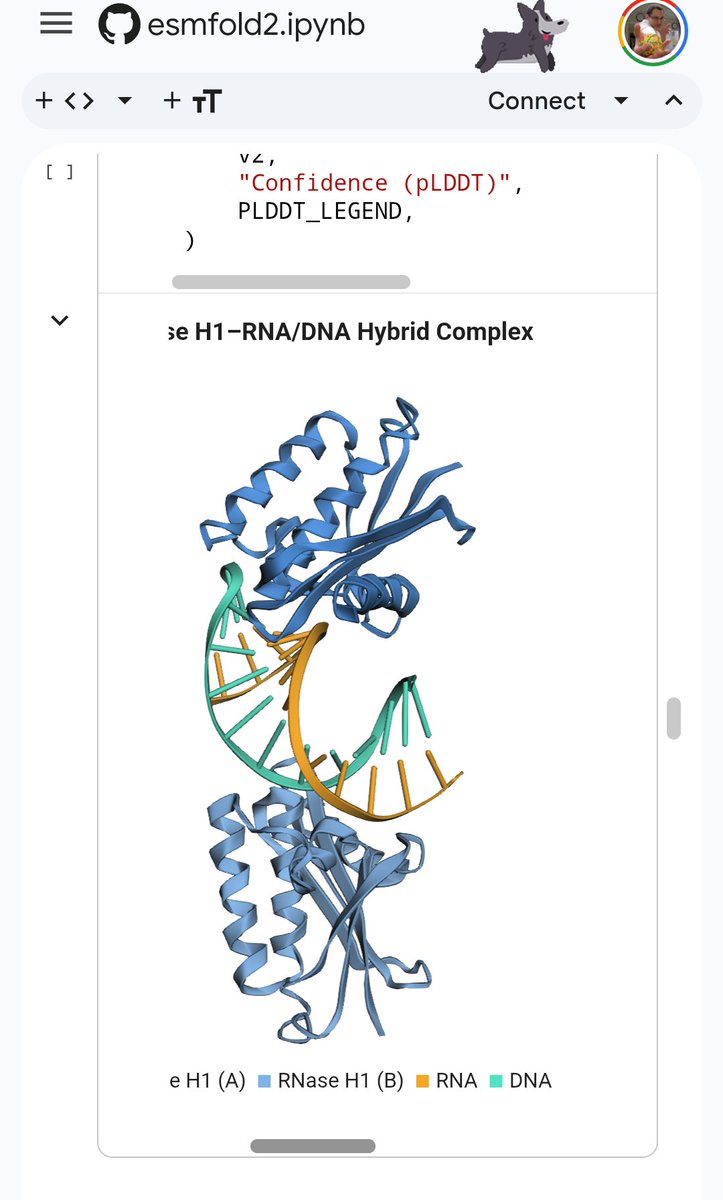
ESMfold2, includes support for protein-protein interactions, DNA/RNA, small molecules. Including colab notebook!
colab.research.google.com/gi…
May 27

Today we're announcing ESMFold2, an open scientific engine to power prediction, design, and discovery across protein biology.
The new model delivers state of the art performance on protein interactions, especially antibodies, a critical modality for therapeutics.
We have designed and validated miniprotein binders and single chain antibodies across five therapeutic targets that are important in cancer and immunology. We are seeing very high success rates, and affinities at levels consistent with therapeutic activity.
We’re also releasing an atlas of 6.8 billion proteins, and 1.1 billion predicted structures.
ESMFold2 is built on a state of the art language model that has been trained on billions of protein sequences.
A world model of protein biology emerges through language modeling.
We’ve used the techniques of mechanistic interpretability developed to understand large language models to understand the concepts ESM uses to represent proteins.
The model’s representation space has a compositional organization of features across scales, levels of complexity, and abstraction, that reflects and mirrors the understanding of protein biology developed through a century of empirical science.
This understanding emerges without prior knowledge, just from language modeling of protein sequences.
Language models are becoming a powerful substrate to understand and program biology.
The design of protein interactions is one of the most fundamental problems in biophysics, and has critical implications for the discovery of new medicines. A simple gradient based search with the model was able to discover high-affinity protein binders.
I'm excited by the potential this has to accelerate basic science and the understanding of proteins. And especially for the new avenues it opens up for therapeutic design and medicine.
8
71
443
26,333
Kat retweeted

May 22
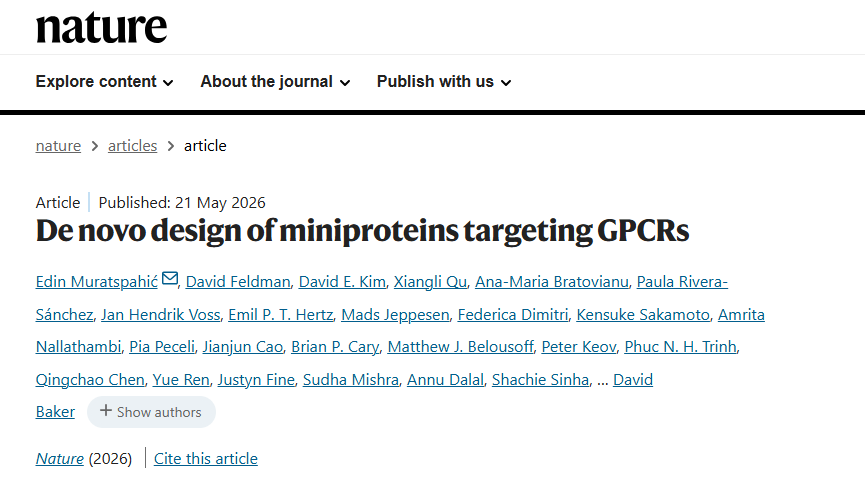
This is so cool. I just had a call yesterday with someone talking about how difficult it is to design for GPCRs
3
37
250
32,452
Kat retweeted
May 21
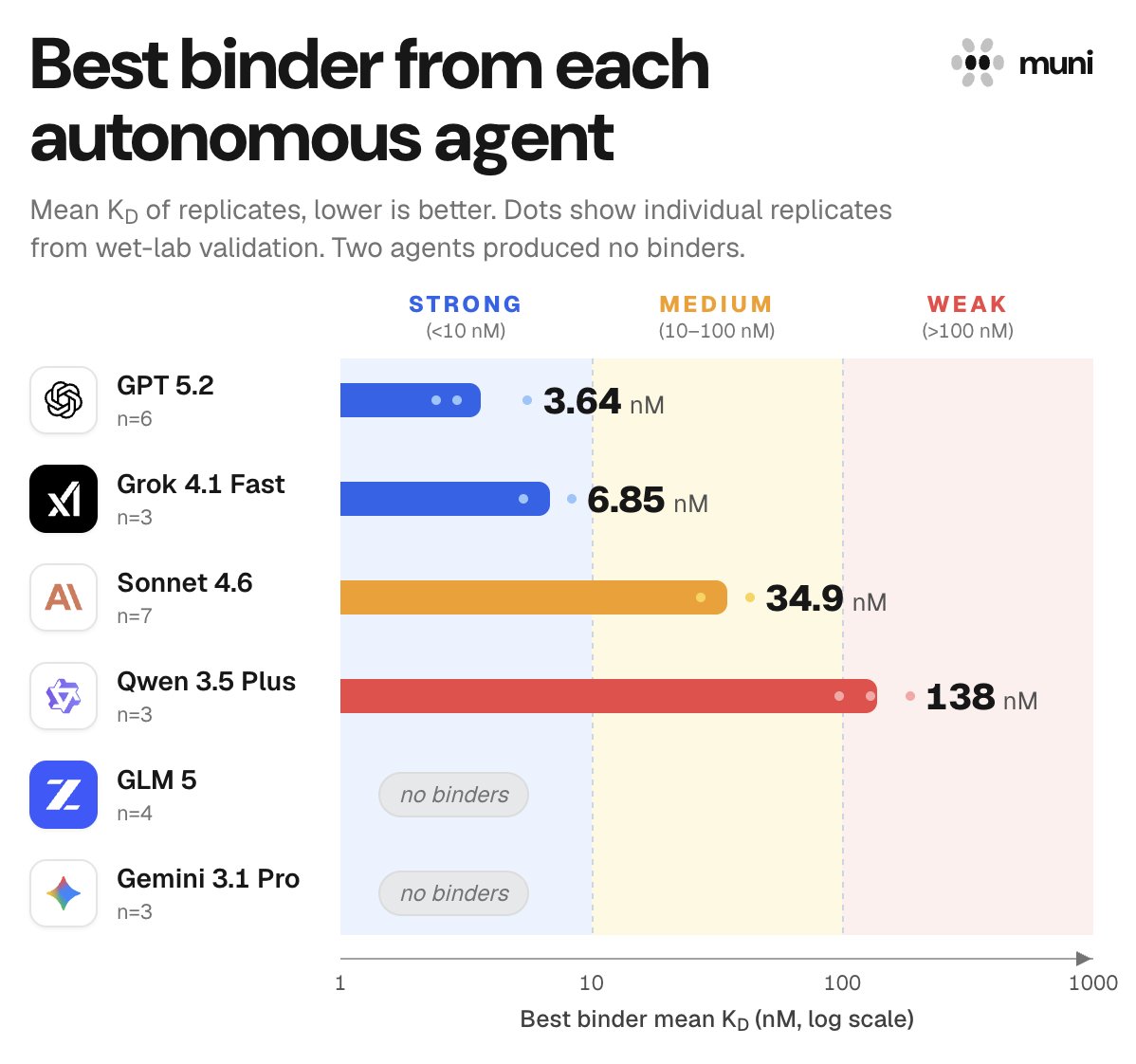
Congrats to @OpenAI and @xai for their scientific reasoning.
Last week we got the wet-lab results back from our TREM2 hackathon. 6 autonomous agents 9 human teams designed TREM2 binders in a single day.
Agents nearly matched human hit rates.
read more: muni.bio/research/agents-vs-…
5
6
72
212,154
Kat retweeted

May 21
🚀 Excited to share our new work: Absolute Stability Predictor!
📊: forms.gle/4ZnXZSnTBvaykkAi9
Built the MGnify Stability Dataset (1.8M measurements) and developed stability prediction models, together with @grocklin, @KotaroTsuboyama, @sokrypton, and teams.
5
62
232
39,129
Kat retweeted

May 13
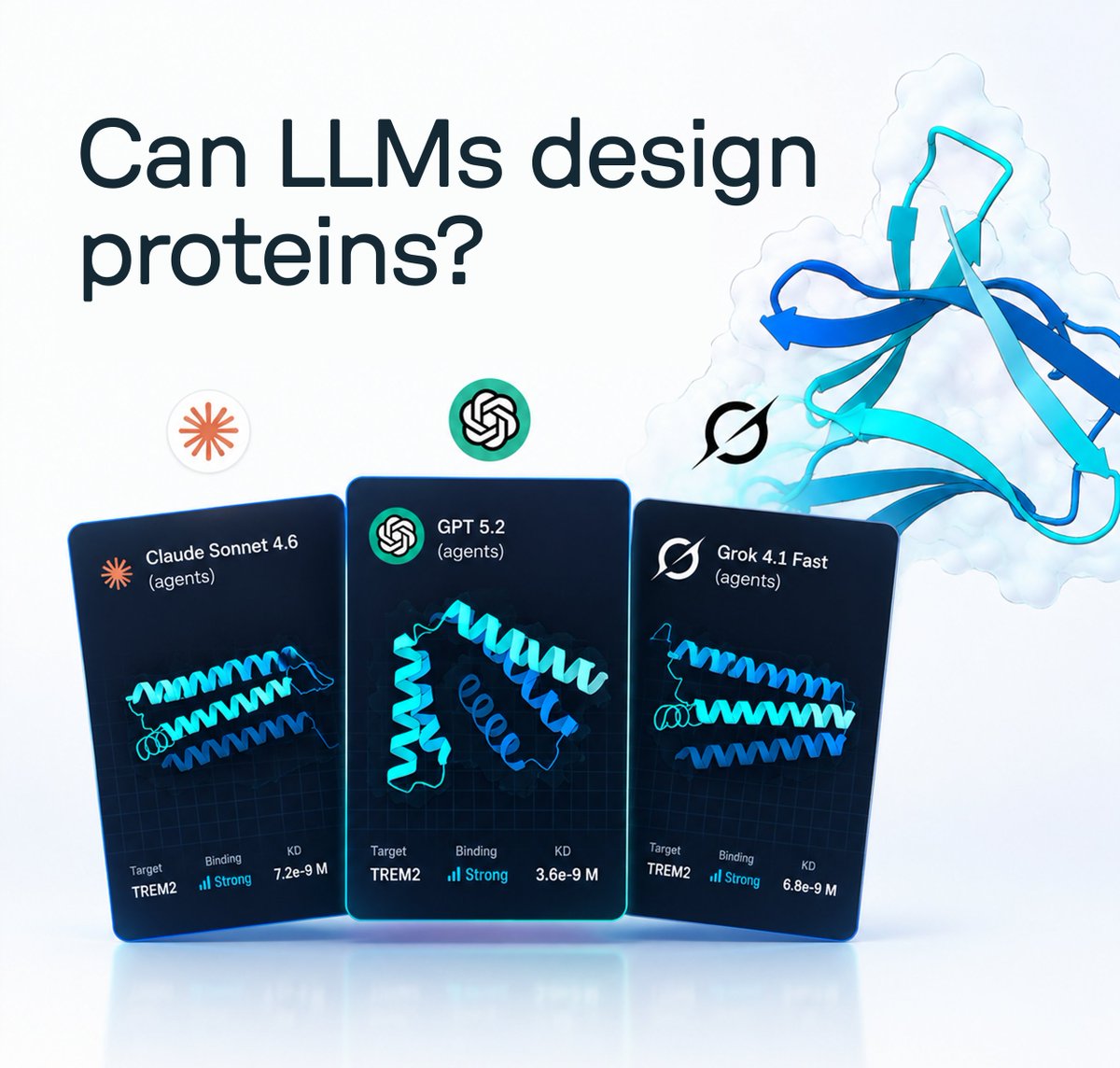
What happens when you let frontier LLMs design proteins, and then synthesize and test them in a wet lab?
We ran a protein design competition with @muni_bio where AI agents competed against humans to design molecules that bind TREM2, a key receptor linked to Alzheimer’s.
Results: GPT 5.2 and Grok 4.1 both placed in the top 5, with molecules showing strong binding to TREM2 when tested in our lab.
4
16
76
26,102
Kat retweeted

May 13
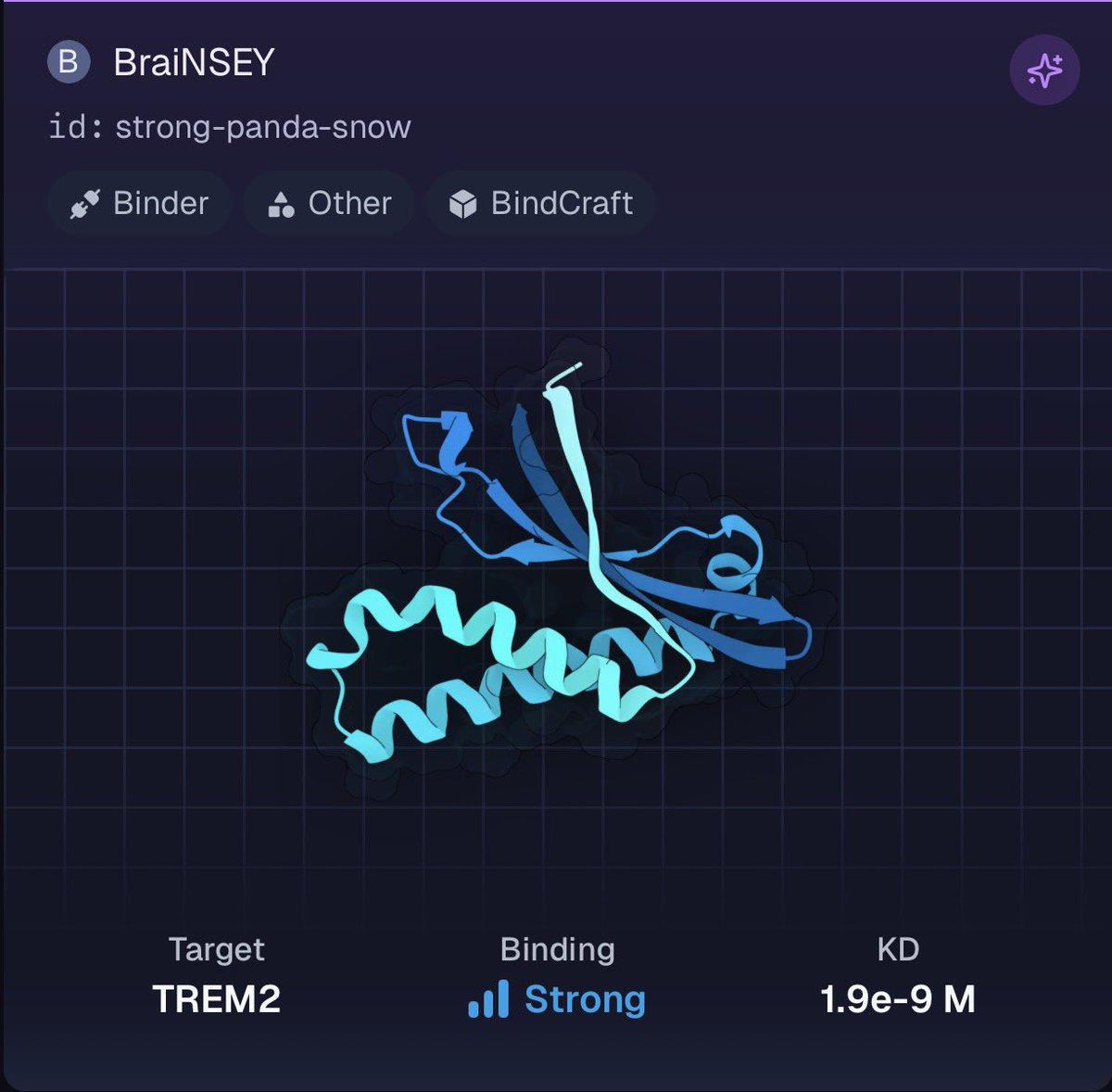
The 2 nM BindCraft design is pretty cool
May 13

What happens when you let frontier LLMs design proteins, and then synthesize and test them in a wet lab?
We ran a protein design competition with @muni_bio where AI agents competed against humans to design molecules that bind TREM2, a key receptor linked to Alzheimer’s.
Results: GPT 5.2 and Grok 4.1 both placed in the top 5, with molecules showing strong binding to TREM2 when tested in our lab.
3
16
102
8,884
Kat retweeted

May 13
It was fun working with @katyenko at @muni_bio on this hackathon over the past few weeks. She did an incredible job organizing it and we had some really cool results to talk about. Out today check out the analysis blog post!!
May 13
What happens when you let frontier LLMs design proteins, and then synthesize and test them in a wet lab?
We ran a protein design competition with @muni_bio where AI agents competed against humans to design molecules that bind TREM2, a key receptor linked to Alzheimer’s.
Results: GPT 5.2 and Grok 4.1 both placed in the top 5, with molecules showing strong binding to TREM2 when tested in our lab.
1
2
12
777
The binders have bound! A few months ago, 9 human teams and 6 autonomous AI agents spent a single day designing protein binders against TREM2 on @muni_bio, a target implicated in Alzheimer’s Disease.
141 designs were submitted, 100 were synthesized and tested by @adaptyvbio, and 37 bound. And surprisingly, AI agents essentially matched human teams on hit rate.
These aren’t benchmark scores or simulated results, but real proteins designed in one day in SF and validated experimentally during the first large-scale test of muni, where teams ran 260 GPU jobs and generated a total of 4,176 binders.
We wrote about what we learned from the results, how well ipSAE worked as a scoring function, and how this hackathon reshaped what we’re building: muni.bio/research/agents-vs-…
4
15
75
5,148
A big thanks to @CotetTudor and the team at @adaptyvbio for running the binding assays and open-sourcing the data!
6
130
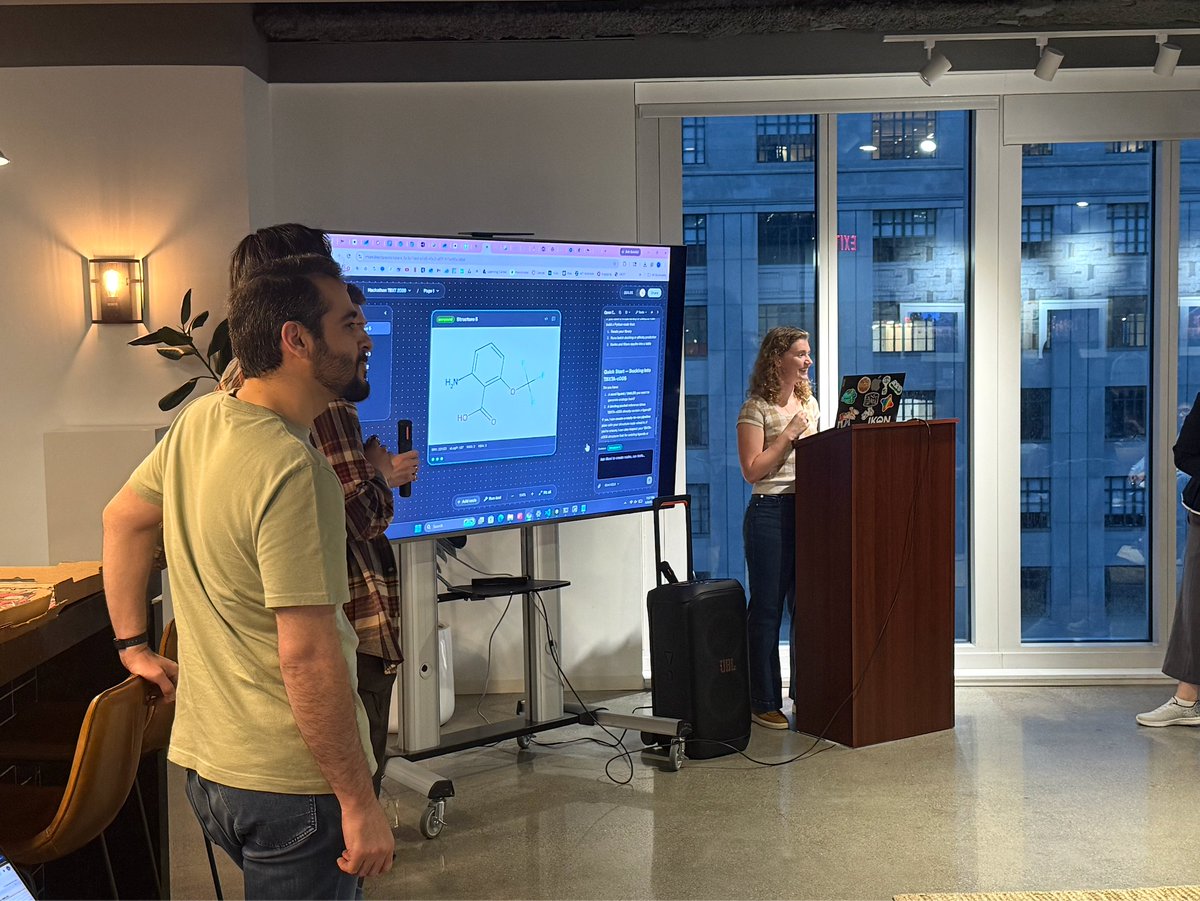
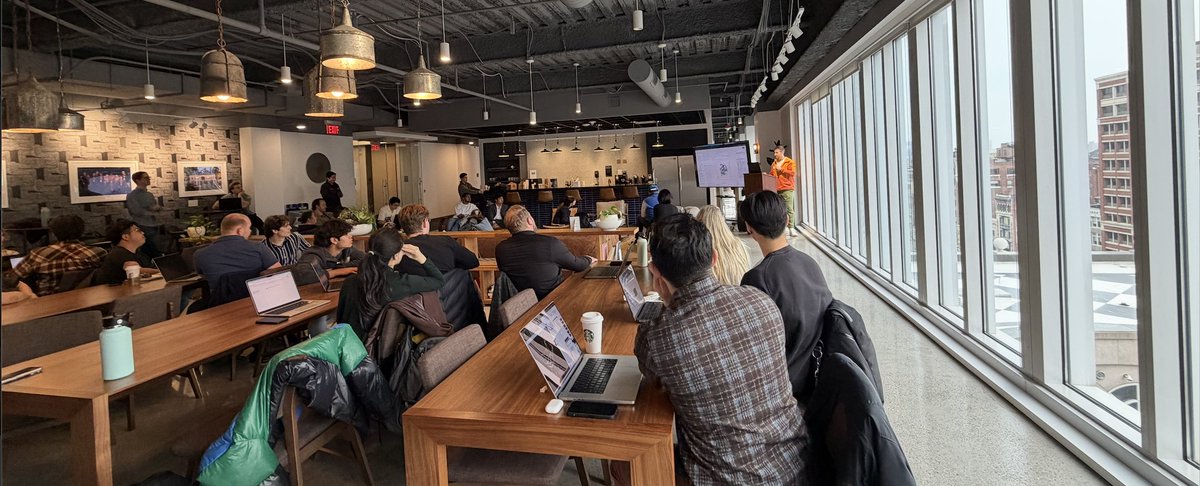
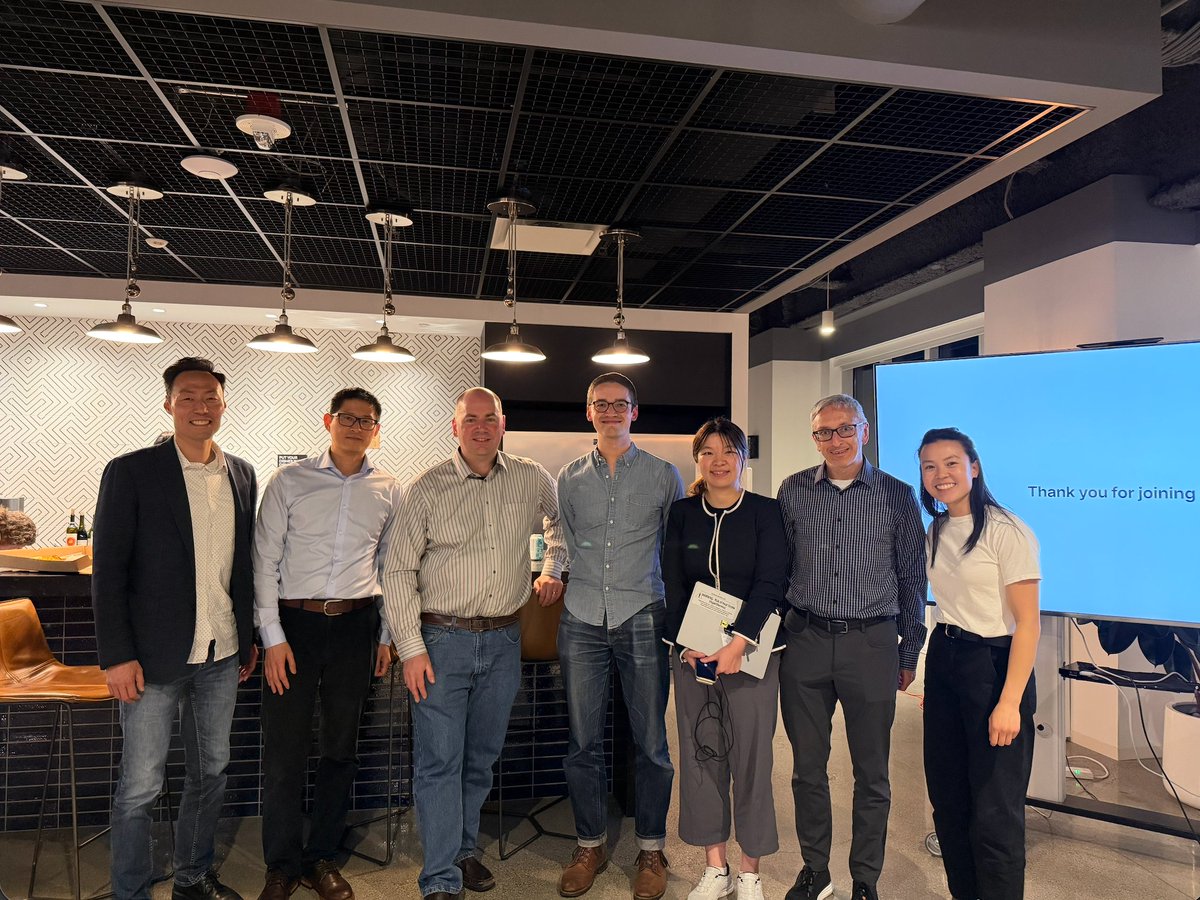
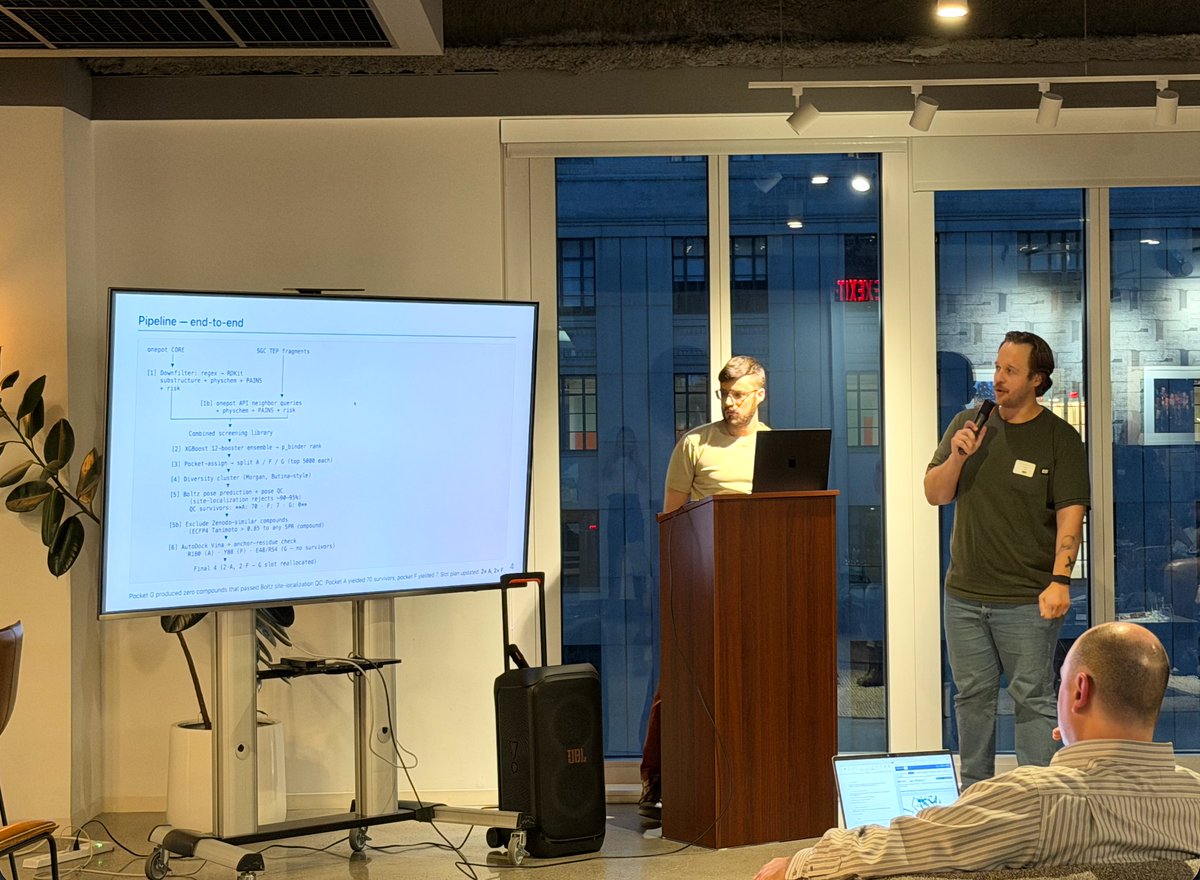
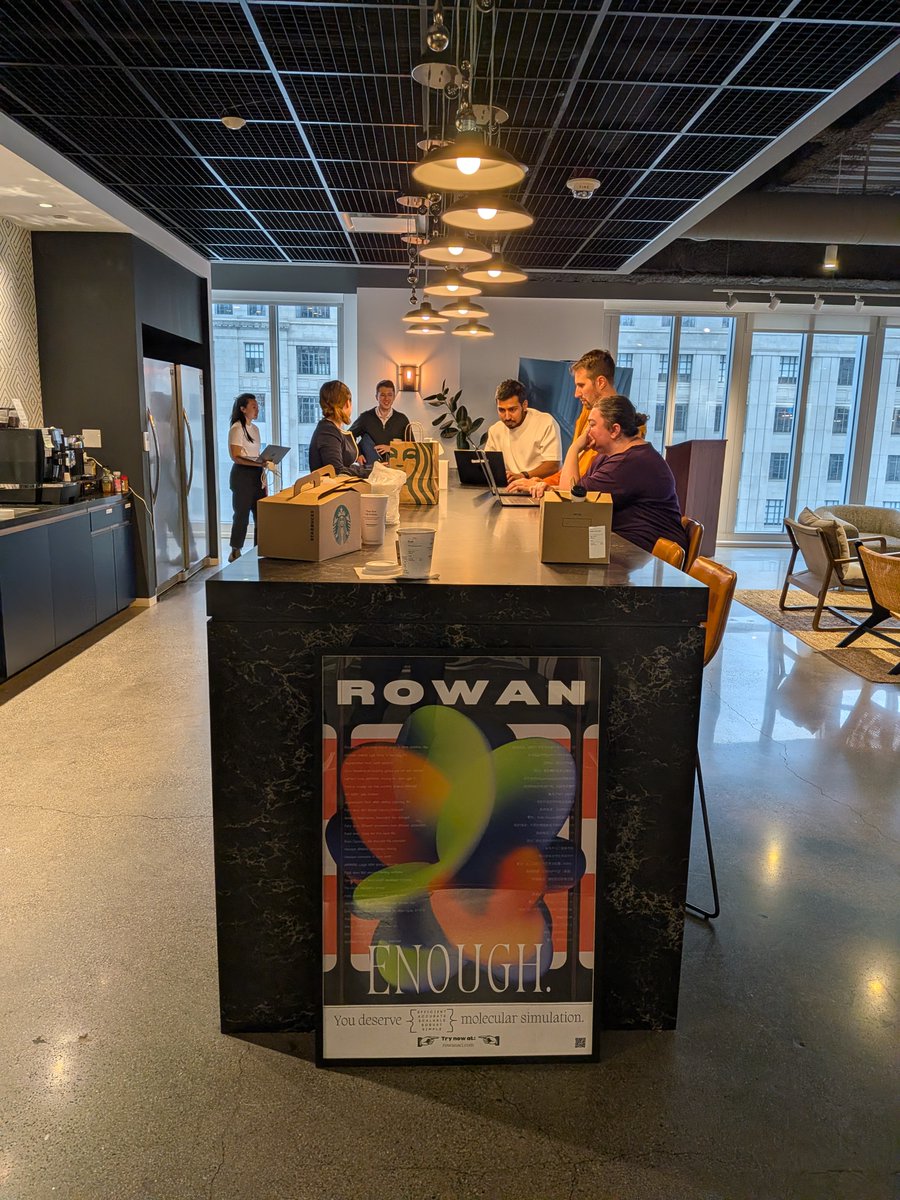
20 pizzas and 7 hours later, we finished the first leg of the AI x Med Chem Hackathon in Boston, where teams competed to submit compounds for TBXT.
This is the first hackathon of its kind, moving from small molecule compound generation to experimental assays. Thank you to everyone who joined us this weekend!
Huge thanks to our judges, partners and sponsors: @RowanSci, @onepot_ai, @anyscalecompute, @pillar_vc and the @ChordomaFDN.
Compound synthesis is underway and will be tested soon! Stay tuned for updates.
2
6
17
2,222

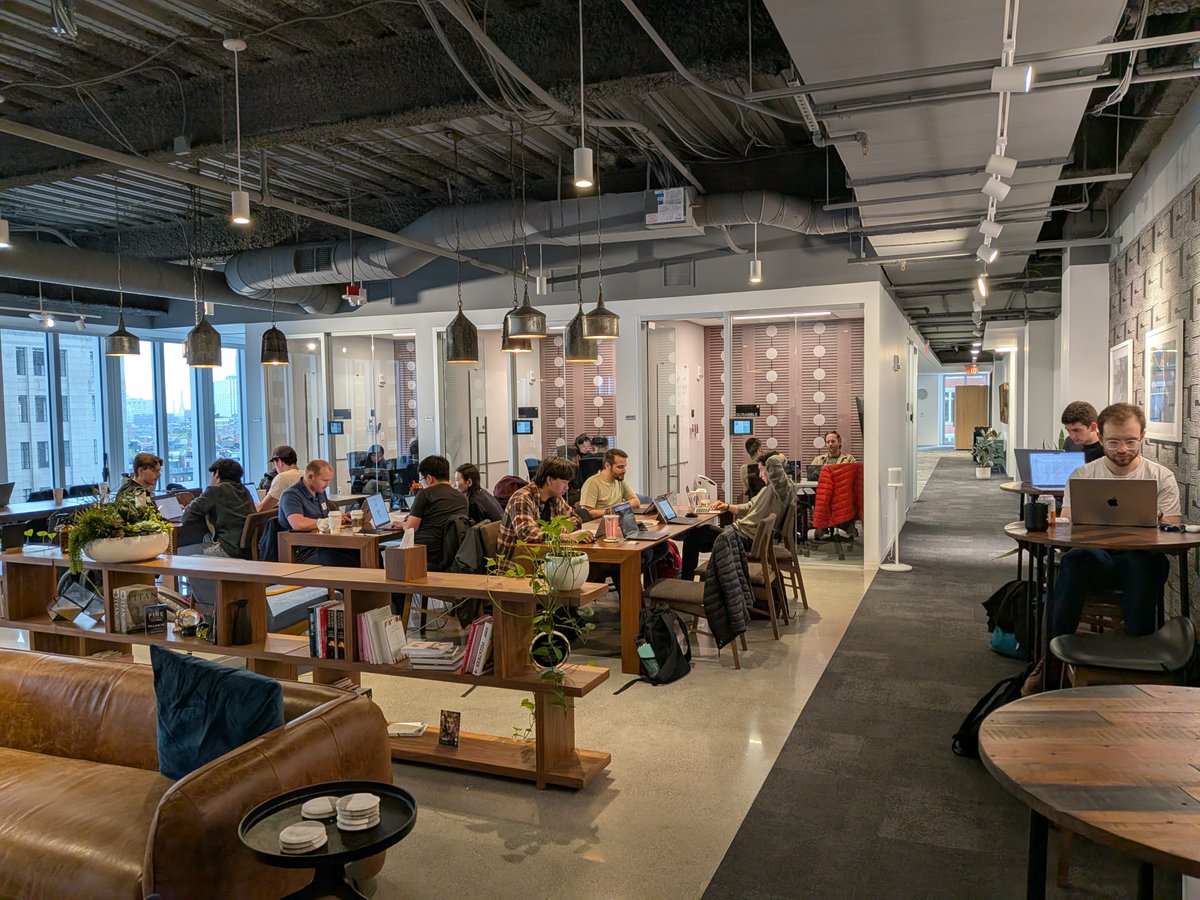
For anyone wanting to use AI agents molecular design models to design small molecules for a disease with real unmet need: last chance to register for our chordoma hackathon this weekend in Boston
luma.com/n9hheb8j
Selected compounds will be synthesized and tested.
3
10
996
Traditional FEP is slow and prohibitively expensive, but @RowanSci FEP changes this.
In this article, we show how rapid FEP can be placed earlier in the loop, connect to automated analogue enumeration in @muni_bio, and bring molecules straight into synthesis with @onepot_ai.
muni.bio/research/fast-and-f…
1
8
34
3,063

Kat retweeted
Apr 29
This is the most ambitious agentic system I’ve built.
Shoutout to @Cloudflare for dynamic workers and @Anyscale for cluster management.
In Muni, every node is a code container. Agents can sift through a virtual file system, write code against the data they need, call models, run jobs, and render the result back onto the canvas.
That flexibility matters because the landscape of AI x Bio is moving so quickly, and it’s not obvious what the future scientific workflows will look like.
Our goal is to build primitives that adapt as the models, data, and workflows change, so scientists can focus on the questions, not the tooling.
muni.bio/research/muni-makeo…
1
3
46
275,205