Roeifietser / Handbiker / Helpdesker / Systeembeheerder / Kok / Politiek / Gamer / Zeeuw / Youtuber / Twitcher / Roparun / Mens / Moestuin / Smart Roadster
Joined June 2009
- Tweets 19,172
- Following 625
- Followers 331
- Likes 2,517
2,170 Photos and videos


Bedoel je als laklaag, of gewoon gestapelde blikjes? 😂

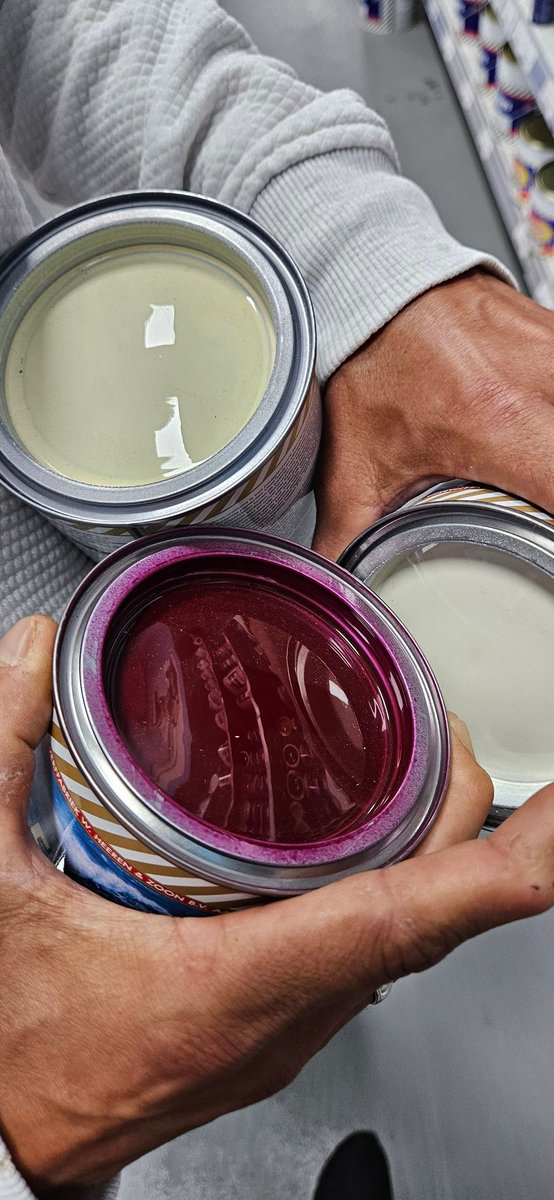
Ff wat booklakjes uitgezocht 😇😇 hoeveel potjes zouden er in een boot gaan van 15 bij 4 meter?

1
1
49

Unauthorised #GMO tomatoes found in Latvia. The Plant Service have now destroyed this material. Speaking of risks, Liena Jaunzeme, head of the Service’s Seed Control Department, specifically emphasised that this could impact the organic production market. eng.lsm.lv/article/society/e…
18
26
1,313


DerkvanL retweeted

Jun 11
Let me summarize it simply
Data inbreeding is occurring
Jun 10

You have noticed it. ChatGPT feels dumber than it used to. Your prompts that worked six months ago produce worse results now. The writing sounds flatter. The ideas sound safer. The internet itself feels like it is shrinking. Every article reads the same. Every email sounds the same. Every answer sounds like it was written by the same voice.
You thought it was you. It is not you.
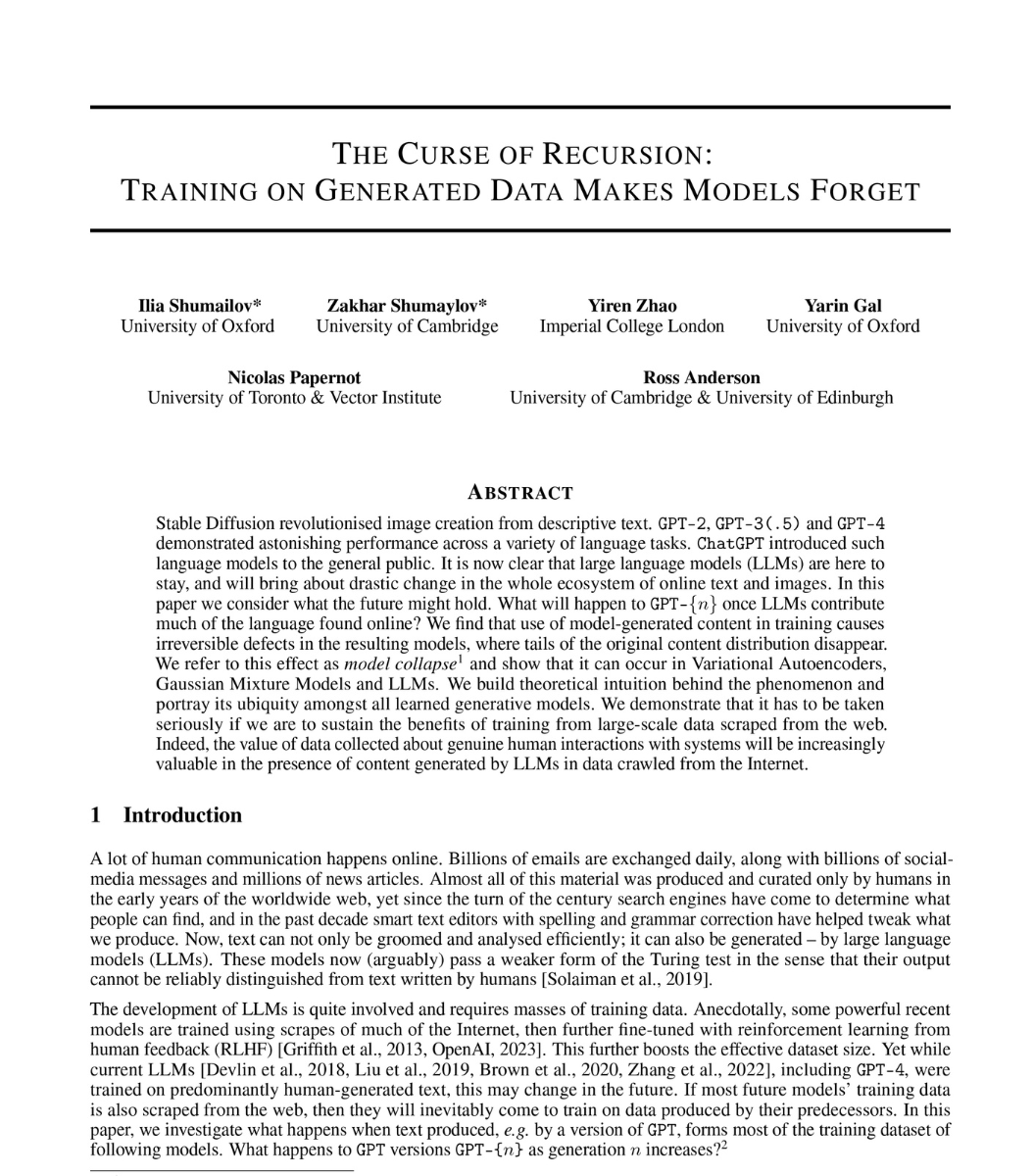
Researchers at Oxford and Cambridge published a paper in Nature proving what is happening. They call it Model Collapse.
Here is the mechanism in one sentence. AI trained on AI-generated data gets dumber every generation until it forgets what real human data looked like.
The internet is filling with AI-generated content. Blog posts. Articles. Reviews. Comments. Social media. AI companies scrape the internet to train the next generation of models. Which means the next generation of AI is being trained on the output of the current generation.
Each cycle loses information. Not randomly. It loses the rarest, most unusual, most creative parts first. The researchers call these the "tails of the distribution." The weird ideas. The unexpected perspectives. The things that made the internet feel human. Those disappear first.
What remains is the average. The safe. The expected. The bland.
Then the next generation trains on that. And loses more. And the next generation trains on that. And loses more. The researchers proved this is not a slow decline. Major degradation happens within just a few iterations. Even when some of the original human data is preserved.
They tested it on large language models. On image generators. On statistical models. The pattern was the same every time. The output converges toward a narrow, flattened version of reality that looks nothing like the original data.
The lead researcher put it plainly. "Large language models are like fire. A useful tool. But one that pollutes the environment."
The pollution is invisible. You cannot see which sentence on the internet was written by a human and which was written by AI. Neither can the AI that is about to train on it. And once the tails are gone, they do not come back. The damage is irreversible.
This is not a prediction anymore. It is a diagnosis.
The internet you grew up on was built by humans writing things no algorithm would have written. Strange, personal, imperfect, alive. That internet is being diluted. One generation of AI at a time. And the models trained on what remains are learning a smaller and smaller version of the world.
Model Collapse is not a technical problem. It is a cultural one. The thing that made the internet worth reading is the thing that disappears first.
119
3,886
25,434
594,502
22
DerkvanL retweeted

Jun 4
Our internal data shows Claude is accelerating AI development—a possible path to recursive self-improvement, or AI autonomously building a more capable successor.
It’s happening faster than we thought, and the implications deserve greater attention. anthropic.com/institute/recu…
1,778
4,651
28,655
18,528,342
DerkvanL retweeted

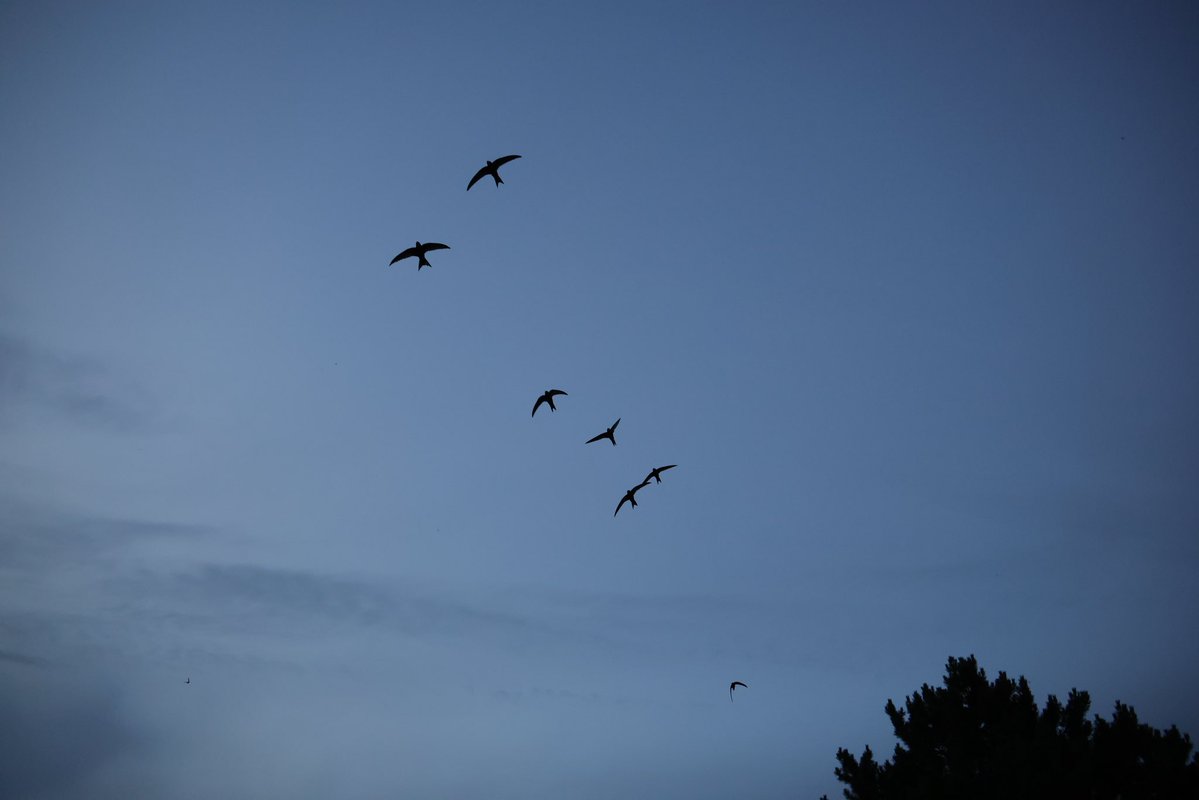
Wtf! This is heartbreaking and pure eco vandalism. We need to name and shame @Hill_Group_UK @MoleValleyDC and @SurreyPolice for this. 👇
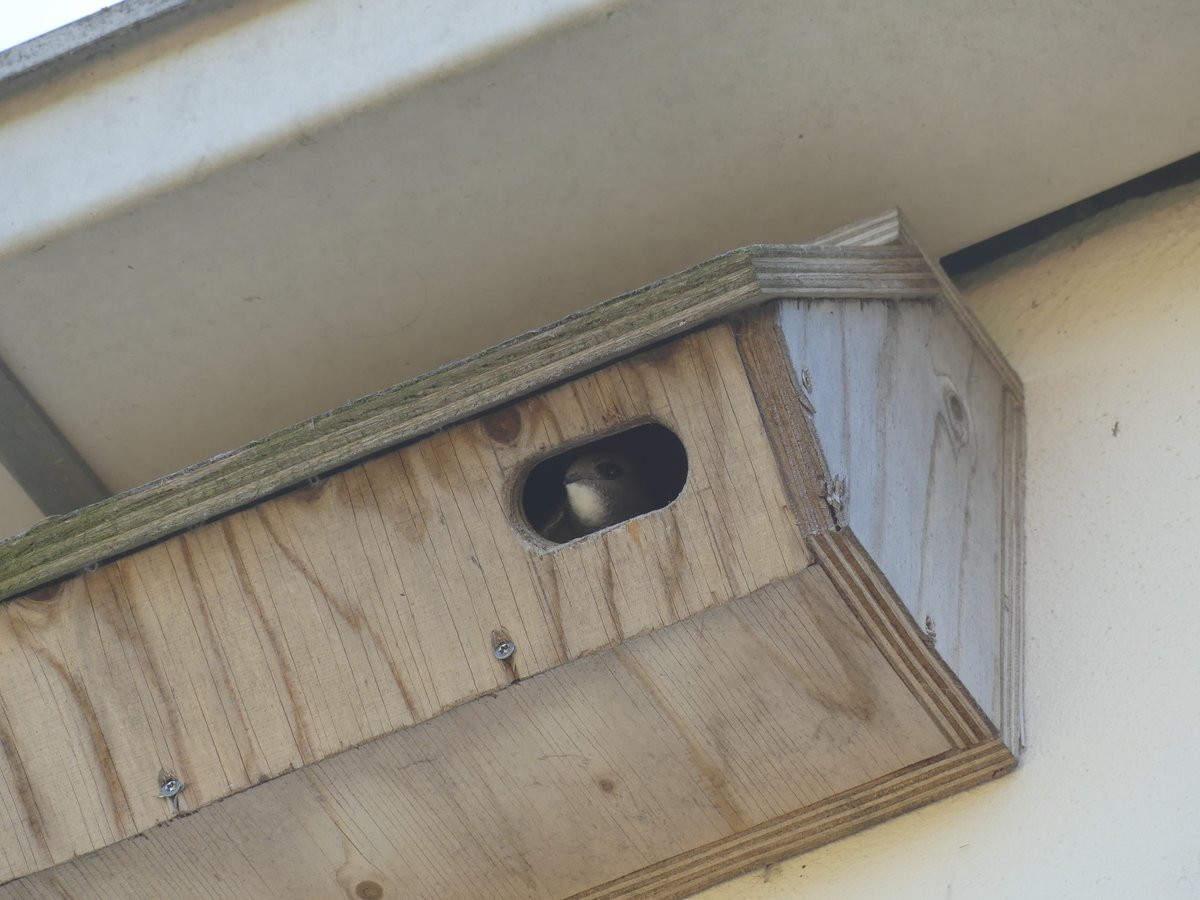
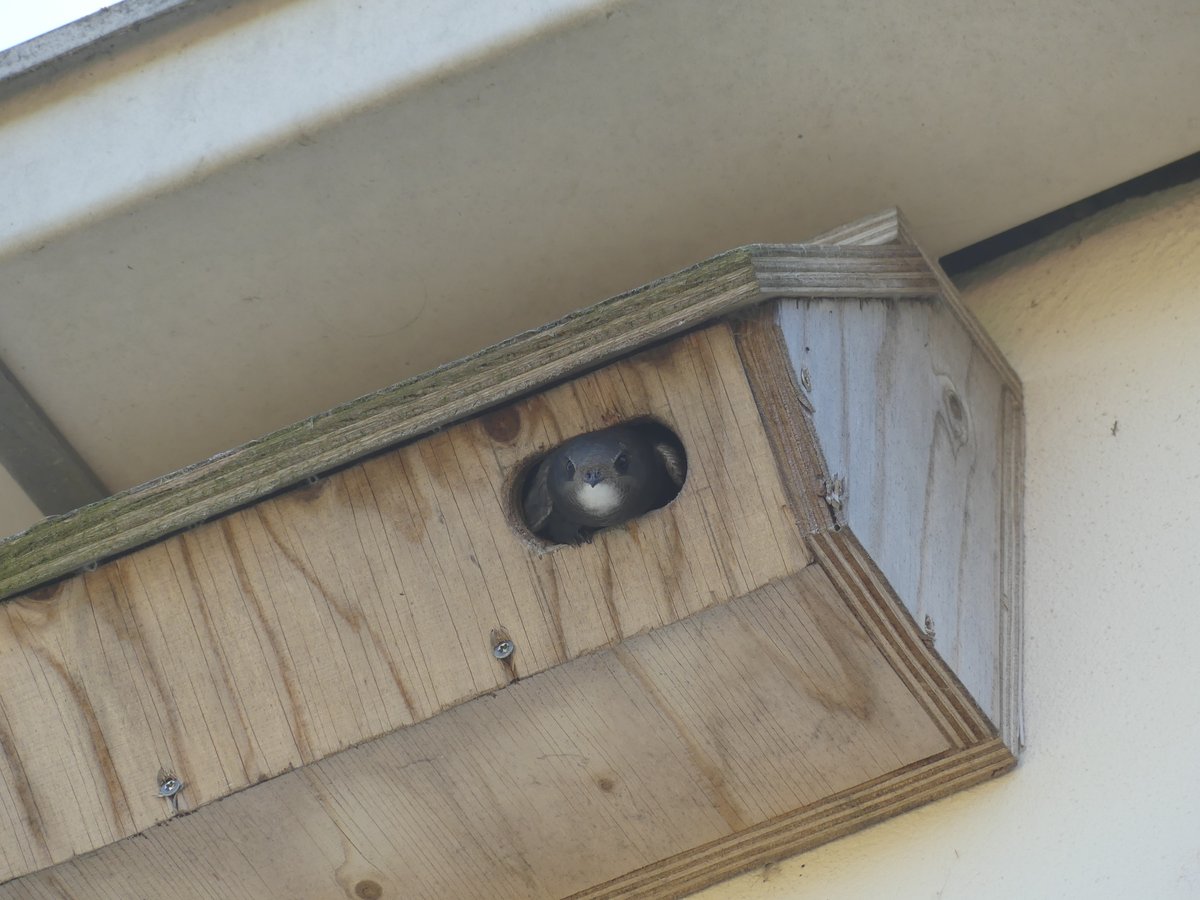
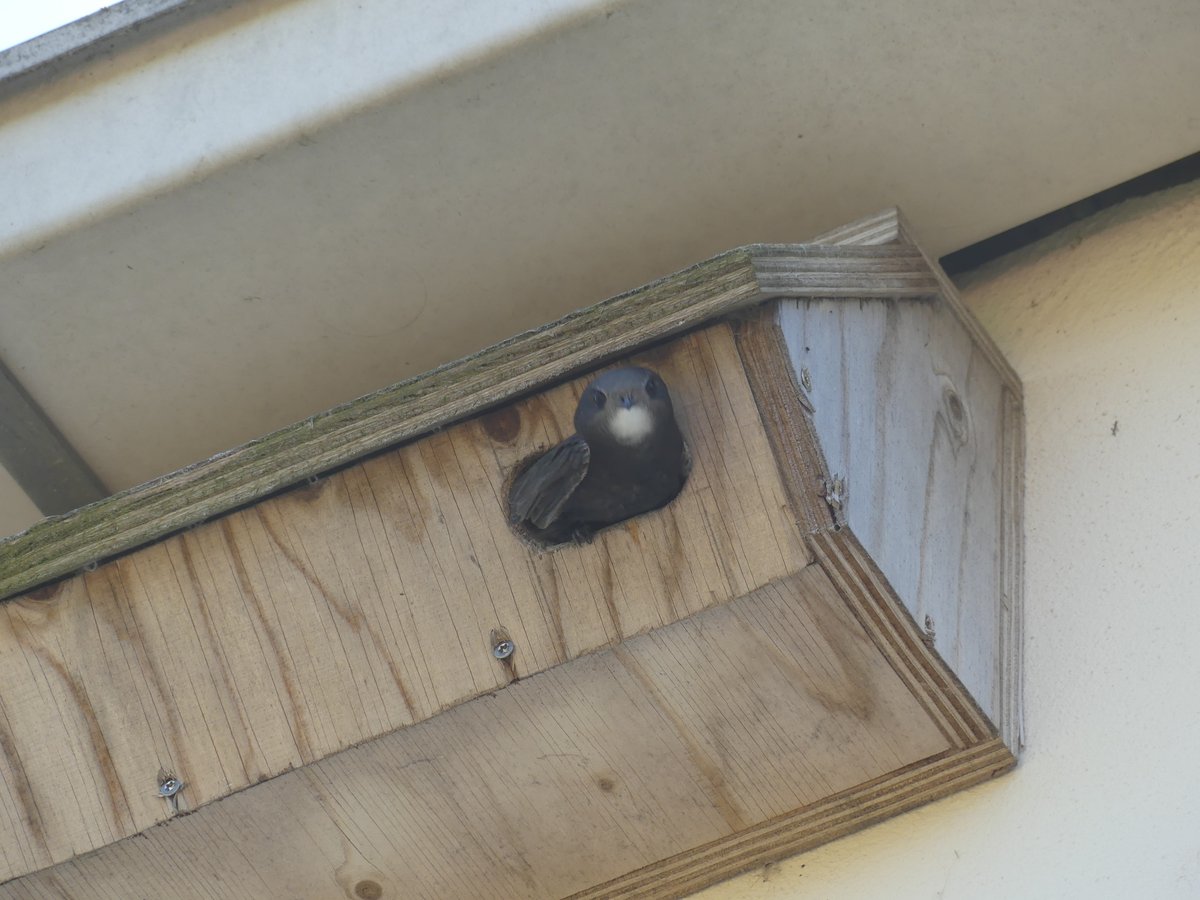
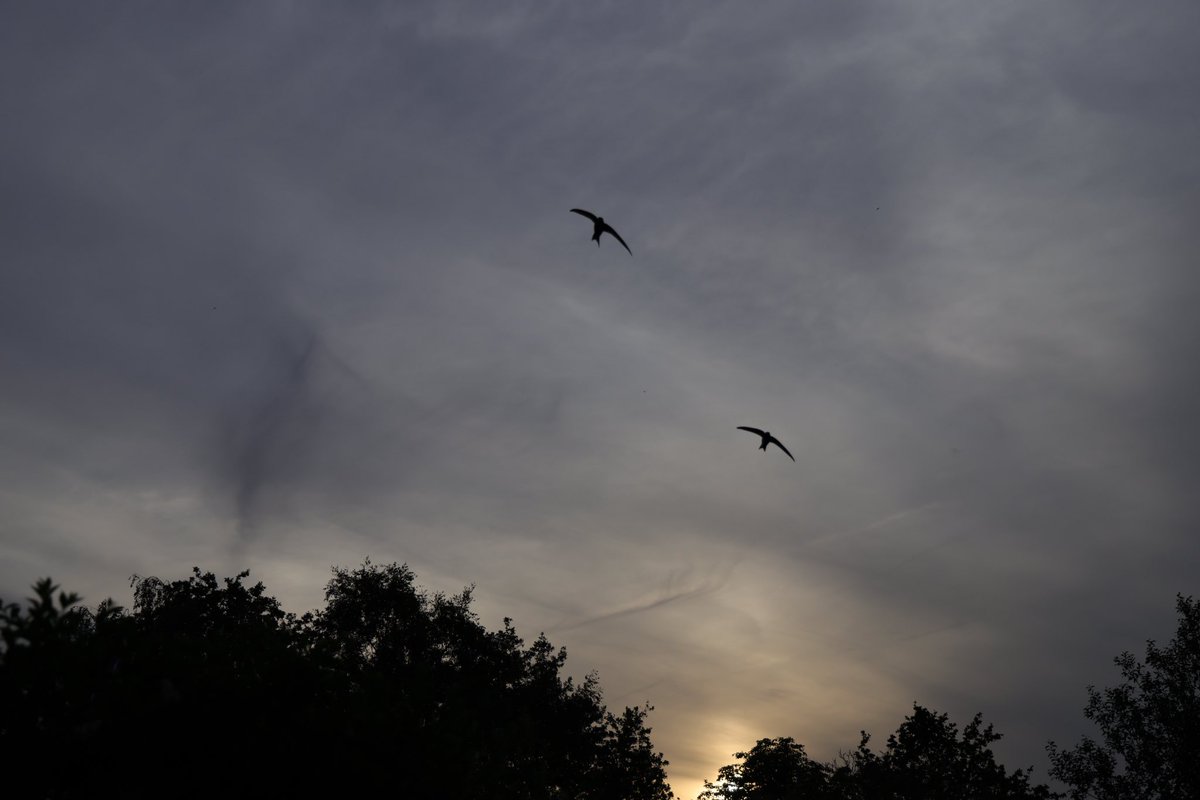
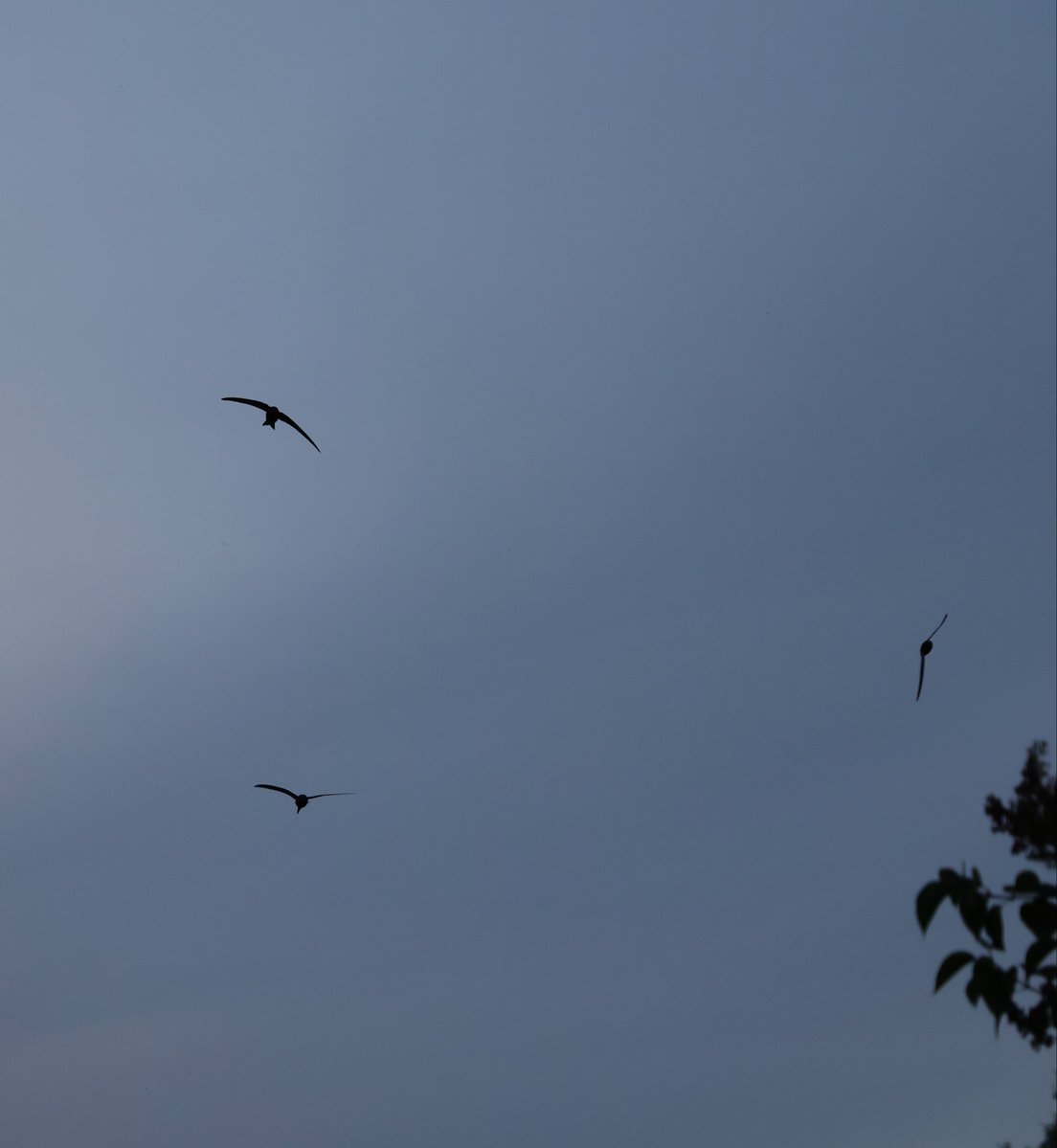
A building that was a noted nesting site for swifts, among the UK’s most at-risk birds, has been demolished during the nesting season, highlighting significant weaknesses in the protection of wildlife from development, campaigners say.
Contractors for the housebuilder Hill Group carried out the demolition of Regent House near Dorking station in Surrey over the last few weeks, during the nesting season which runs from 1 March to 31 August.
Footage captured last week shows swifts attempting to return to nests in the building, which was known to be home to one of the largest populations of the birds in the Mole Valley area in Surrey. They approach and then repeatedly turn away because their nests are no longer there.
The building was a known habitat for nesting swifts. Volunteers for Swift Protection Association Reigate have recorded very intense low-level flying involving as many as 40 birds using about 20 sites in the eaves of the building in early spring and summer for several years.
Demolition and construction work are heavily restricted during the nesting season under the Wildlife and Countryside Act. It is an offence to intentionally or recklessly damage or destroy the nest of any wild bird while it is in use or being built, or to disturb dependent young.
Annie Griffin of Banstead Swifts, a volunteer group that monitors and tries to stabilise swift populations, said residents raised the alarm with Surrey police wildlife officers in early May, shortly after the swifts returned from migration and were observed nesting in the building. Mole Valley district council (MVDC) was also told about the birds’ presence.
Despite this, demolition proceeded during peak nesting season,” said Griffin. “Conservationists are now describing the incident as a significant wildlife crime, raising broader concerns about the enforcement of environmental protections during development across England.”
Regent House was demolished as part of a development of 126 flats by Clarion housing association. An impact assessment carried out for the developers by the Arbtech environmental consultancy said demolition and construction should take place outside the nesting season.
If a different timeframe could not be avoided, it said, an ecological expert would have to undertake a thorough inspection before the start of any work and all active nests would have to be retained until the young had fledged.
The Guardian asked Hill Group and Clarion if such an ecological inspection had taken place in the last few weeks, but they declined to answer. They also refused to say the timeframe for the demolition could not be avoided.
theguardian.com/environment/…
33
385
538
20,017
RT @SmeetsLaw: Let wel: het gaat me dus niet om de vraag of zo’n verleden een probleem is. Dat was het voor Milieudefensie kennelijk niet.…
2