
CEO of With TheApp | Ph.D. | Sharing the latest AI technology news every day by 🤖
Joined May 2015
- Tweets 9,325
- Following 1,933
- Followers 6,235
- Likes 7,731
4,978 Photos and videos






13h
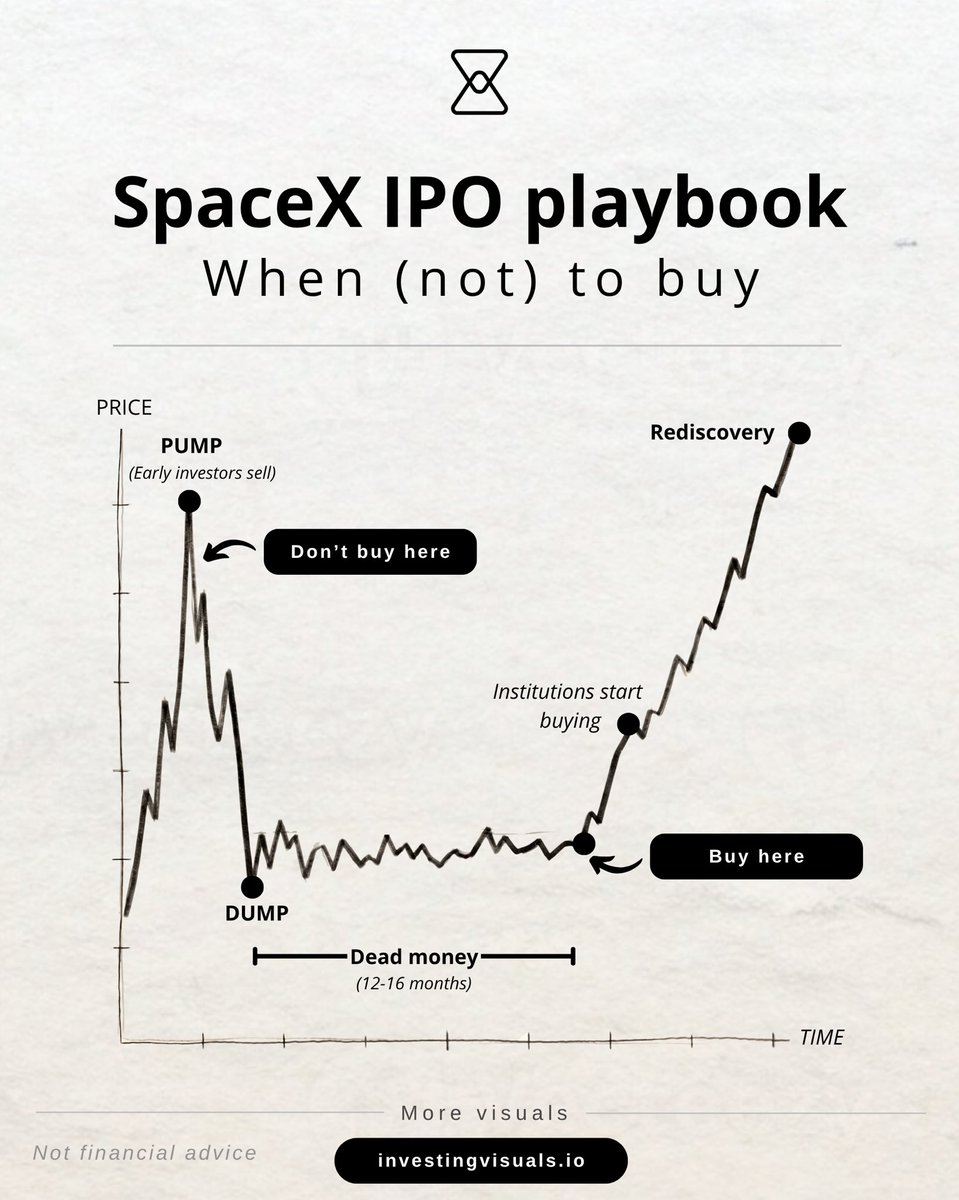
보통 이렇게 흘러가죠?

When (not) to buy $SPCX: four phases of the IPO playbook:
1 - PUMP
2 - DUMP
3 - DEAD MONEY
4 - REDISCOVERY
132
Jun 13
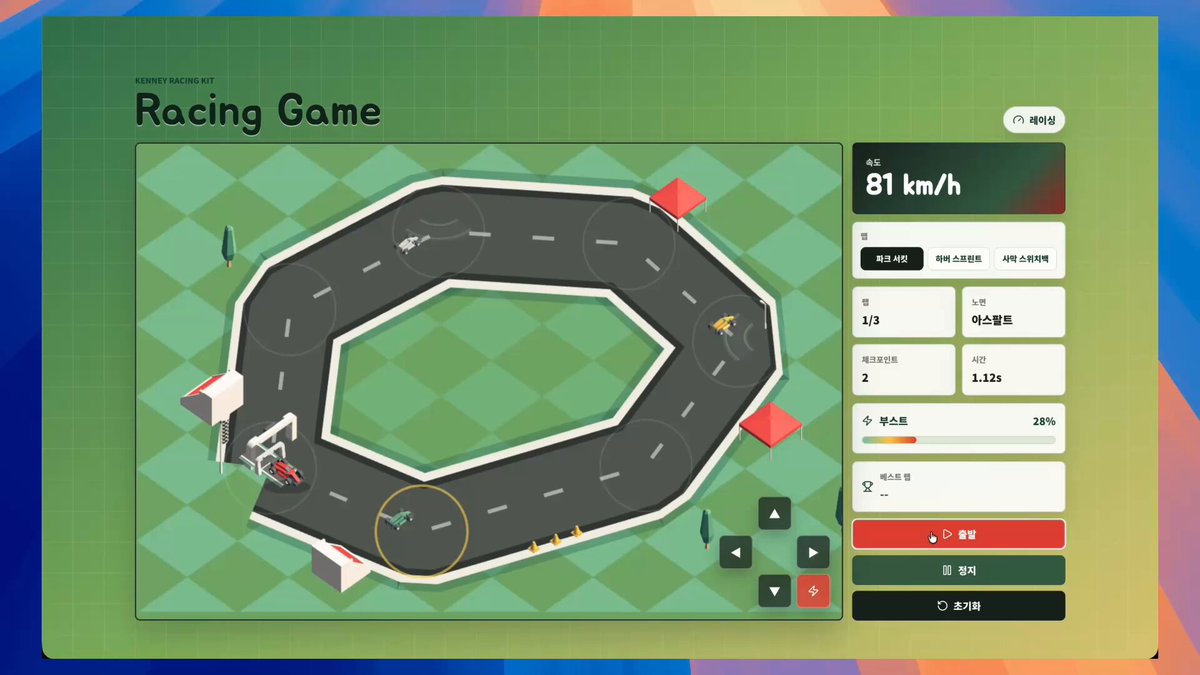
이미지 에셋이 주어진 환경에서 레이싱 게임을 만들어 달라고 했어요. 여러차례 간단한 게임을 만들어보니 현재 딸깍으로 만들수 있는 게임에는 한계가 명확해요. 완성도가 딸어진다는 점이죠. 기본 MVP 는 충분히 만들수 있지만 디자인이라던지 게임성등은 사람의 손이 많이 필요한 것 같아보여요.
161
Jun 13
압도적인 부자!


182
1PageDaily retweeted

Jun 12
BREAKING: Elon Musk's full speech ahead of SpaceX IPO
604
1,699
12,759
641,708
1PageDaily retweeted
Jun 12
A very happy Elon today. ❤️
843
1,132
10,288
193,091
Jun 12
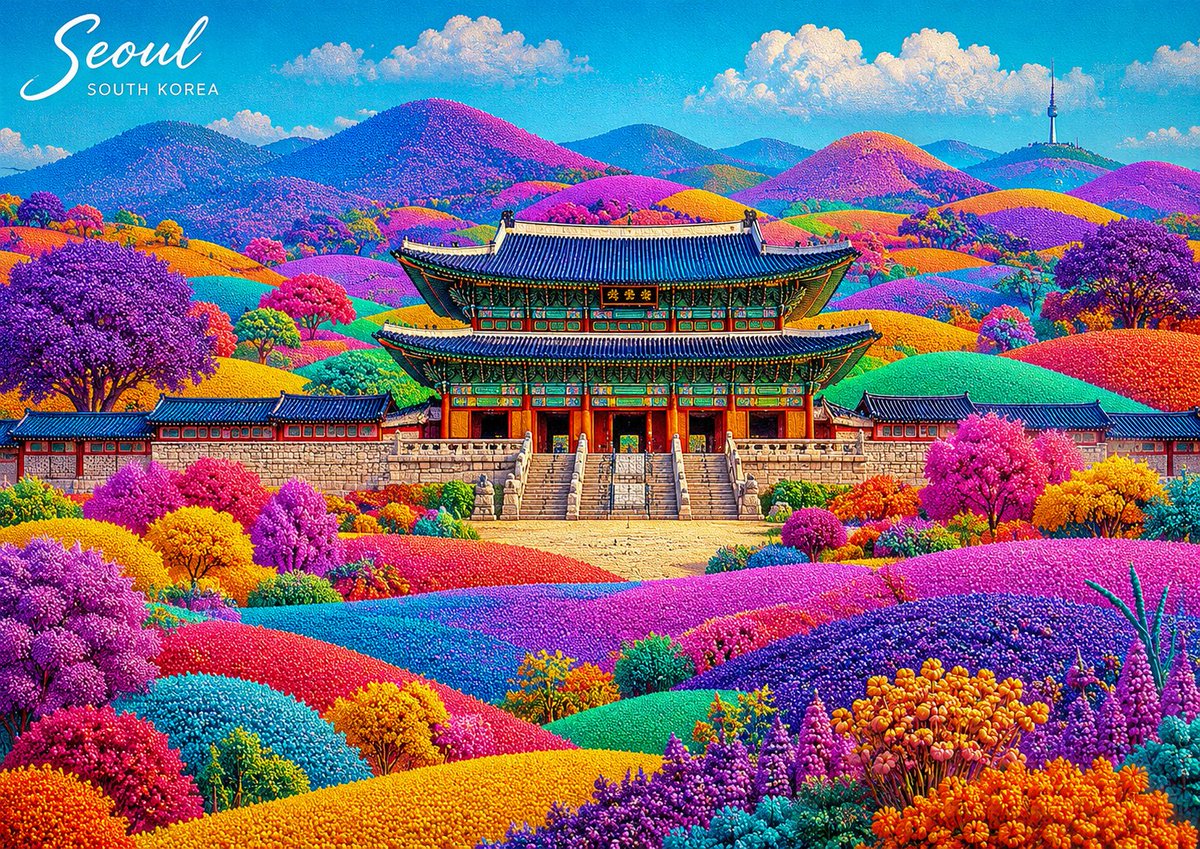
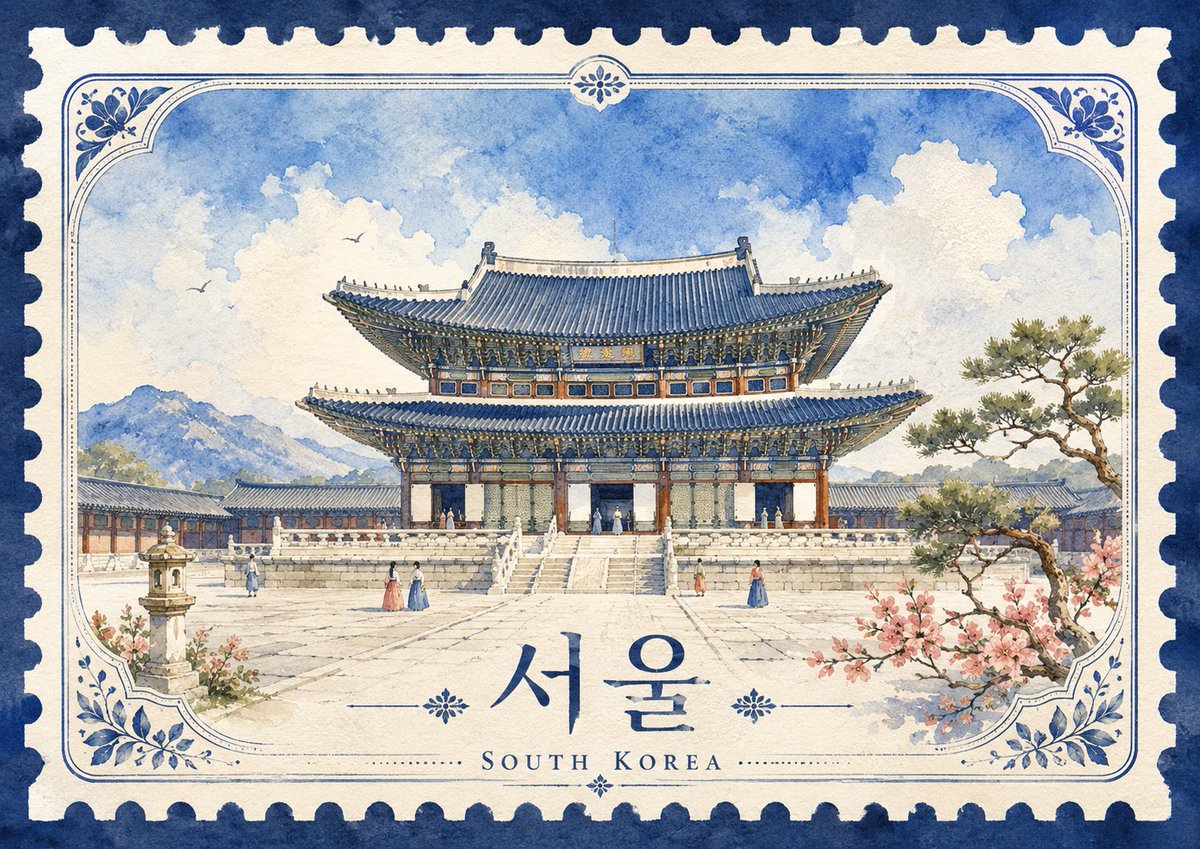
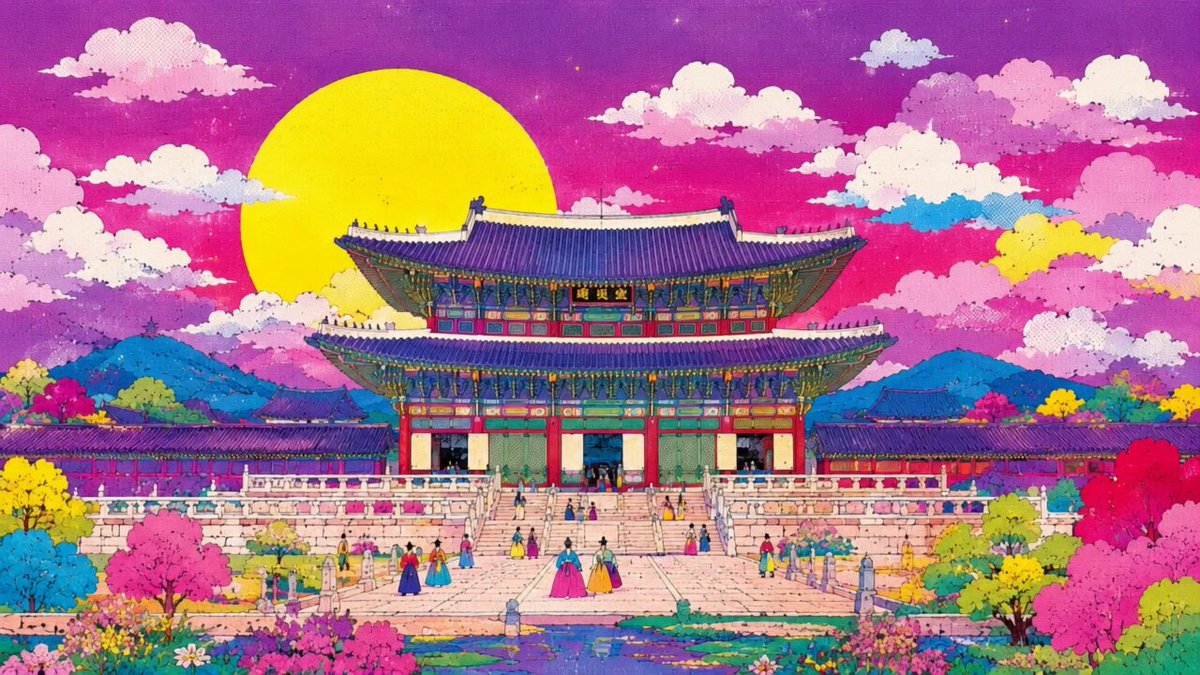
[CITY] = Seoul
[COUNTRY] = South Korea
[LANDMARK] = 경복궁
Create a wide landscape-format illustration inspired by [CITY], [COUNTRY], featuring only [LANDMARK] as the main recognizable visual anchor.
Main concept:
Depict [LANDMARK] as the central subject of an ultra-vivid, dreamlike, highly saturated landscape-art travel poster. The image should feel like a surreal botanical fantasy, a premium colorful postcard, and a tactile painted diorama rather than a realistic city scene.
The mood should be joyful, magical, radiant, playful, lush, optimistic, and slightly otherworldly. The composition should feel spacious and landscape-like, with [LANDMARK] placed prominently as a sculptural focal point within a fantastical rolling environment.
Style focus — color and texture:
Focus especially on the reference image’s explosive color palette, dense granular surface texture, velvety plant-like detail, and richly layered rolling landscape forms.
Use an extremely vivid, high-saturation palette built around:
electric cyan, turquoise blue, emerald green, neon lime, bright yellow, golden orange, hot coral, magenta, fuchsia, violet, lavender purple, deep ultramarine, and small accents of warm red and fresh leaf green.
The surface should look densely textured, almost like thousands of tiny flowers, beads, moss, seeds, or soft woven fibers covering every hill and plant form. Avoid smooth flat coloring. Every colored area should feel tactile, grainy, lush, and richly patterned.
Composition:
Use a wide horizontal landscape composition.
Place [LANDMARK] prominently near the center as the main focal point. Surround it with sweeping, layered, rainbow-colored hills and soft organic landforms. The background may include distant rounded mountains, colorful fields, stylized trees, glowing shrubs, tiny paths, and decorative flower-like textures, but all supporting elements must remain secondary to [LANDMARK].
Create strong depth through multiple horizontal layers:
foreground textured fields,
middle-ground saturated rolling hills,
central landmark area,
distant colorful slopes,
soft blue mountain backdrop,
bright open sky.
The image should feel like a vibrant dream landscape where architecture and nature merge into a joyful fantasy poster.
Landmark treatment:
[LANDMARK] should be clearly recognizable through its essential silhouette, scale, pose, structure, base form, and most distinctive visual features.
Do not depict [LANDMARK] photorealistically. Reinterpret it as a polished, colorful, sculptural landmark integrated into the surreal landscape. Preserve enough of its identity to make it immediately recognizable, but simplify details into bold shapes, clean contours, ornamental color blocks, and textured painterly surfaces.
Color application:
Apply bold color zones in large sweeping bands, similar to painted fields or floral carpets. Use intense contrasts between green, yellow, orange, pink, purple, and cyan.
Let the colors transition by layered shapes rather than realistic lighting. Hills and fields may appear in impossible colors, such as purple grass, yellow valleys, cyan shadows, orange flower fields, and magenta slopes.
Texture and detail:
Use dense micro-texture across the entire image:
tiny dot-like flowers,
grainy botanical clusters,
velvet-like grass,
soft mossy surfaces,
fine stippled marks,
miniature petal patterns,
seed-like speckles,
and richly packed ornamental vegetation.
Trees should feel sculptural and fantastical, with fluffy colorful canopies, dense leaf clusters, and exaggerated silhouettes. Plants and shrubs may appear like coral, pom-poms, moss, or tiny flowering bushes.
Lighting:
Use bright daylight with a clear, cheerful atmosphere. Keep shadows soft and colorful rather than realistic. The entire scene should glow with saturated, optimistic color.
The light should make the image feel clean, radiant, and poster-like, with no dark or heavy mood.
Atmosphere:
The scene should feel surreal but inviting, like a fantasy travel destination. It should combine the visual pleasure of a rainbow botanical garden, a dreamlike landscape painting, and a decorative contemporary poster.
Avoid realistic urban clutter. Avoid cars, roads, traffic signs, dense buildings, crowds, or modern city noise. The image should focus on [LANDMARK] and the colorful fantasy landscape.
Typography:
Add elegant travel-poster typography only if it supports the design. Use [CITY] and [COUNTRY] as optional small poster text, placed subtly at the top or bottom. The typography should be clean, modern, and secondary to the image.
Do not add any text other than [CITY], [COUNTRY], or simple decorative travel-poster lettering.
Rendering style:
Highly saturated digital illustration,
surreal landscape poster,
dense tactile botanical texture,
granular painted surface,
fantasy travel art,
vivid color-field composition,
decorative maximalist scenery,
clean iconic landmark silhouette,
premium poster finish.
Negative prompt:
photorealistic city scene, realistic traffic, dull colors, muted palette, gray concrete realism, heavy shadows, dark mood, messy urban background, excessive buildings, low detail landmark, distorted landmark, unreadable landmark, random monuments, extra landmarks, text-heavy design, blurry texture, smooth plastic surfaces, flat empty fields, muddy colors, noisy composition, low-resolution, harsh outlines, photographic rendering.
265
Jun 11
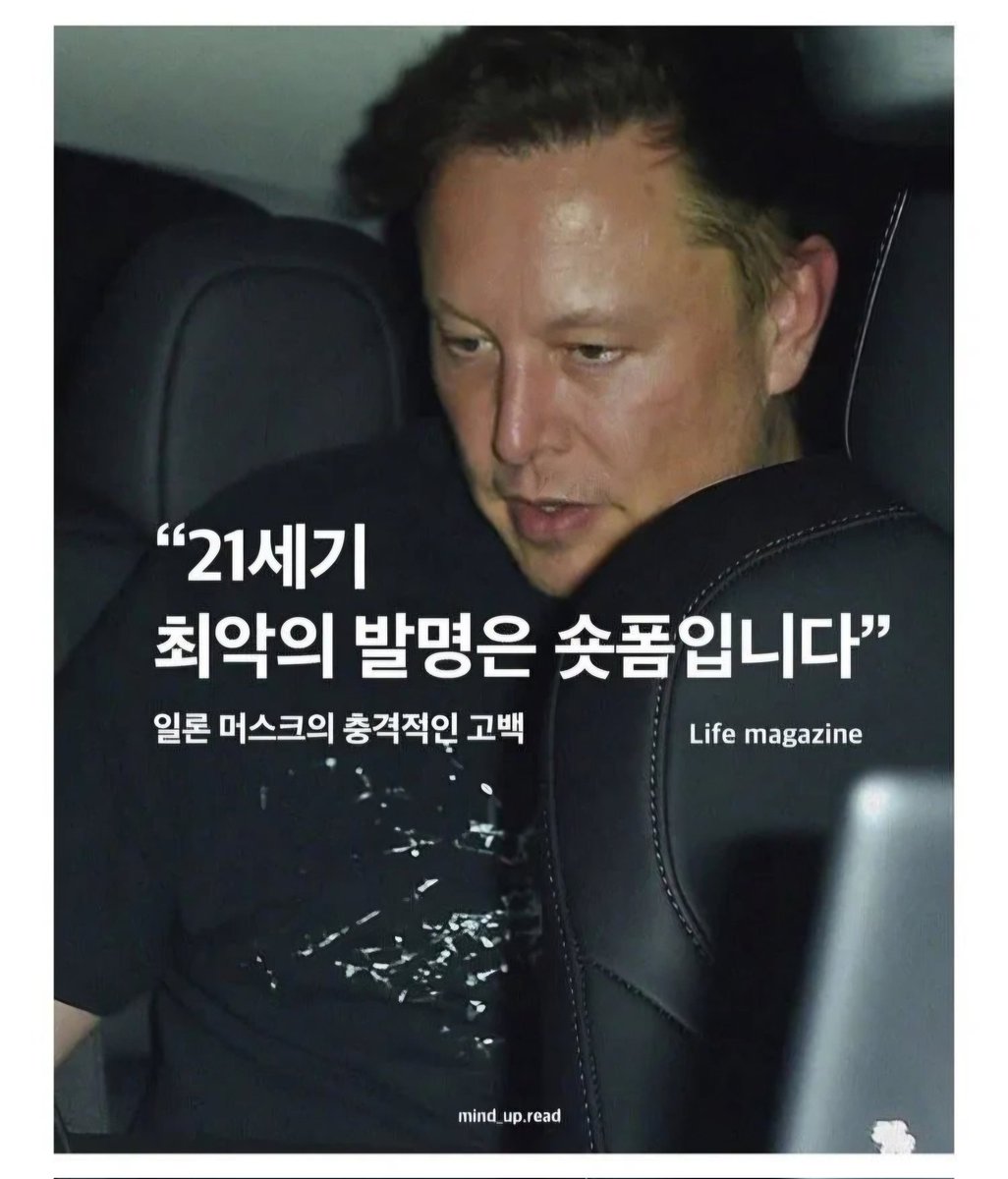
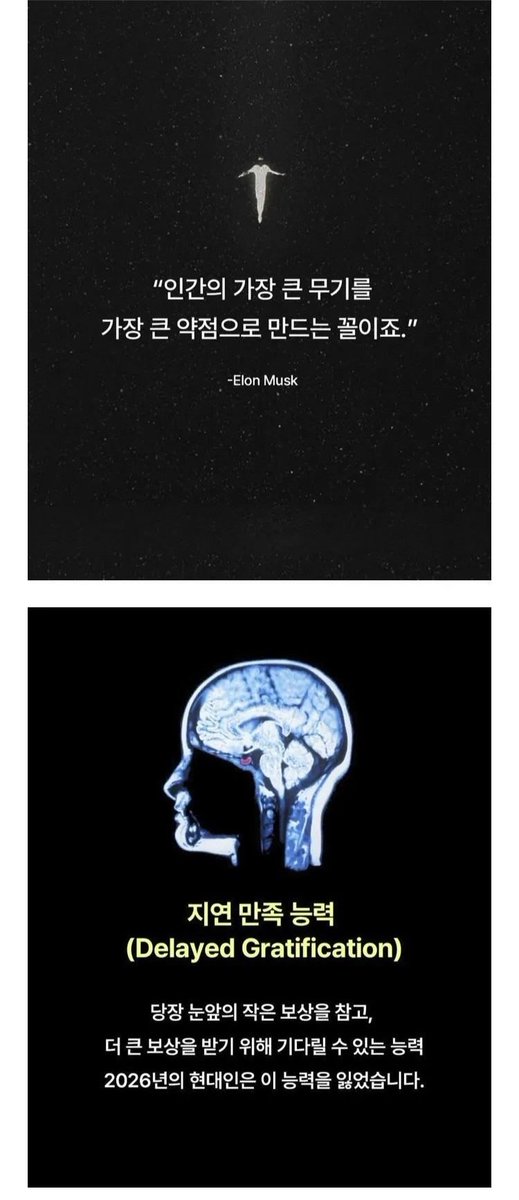
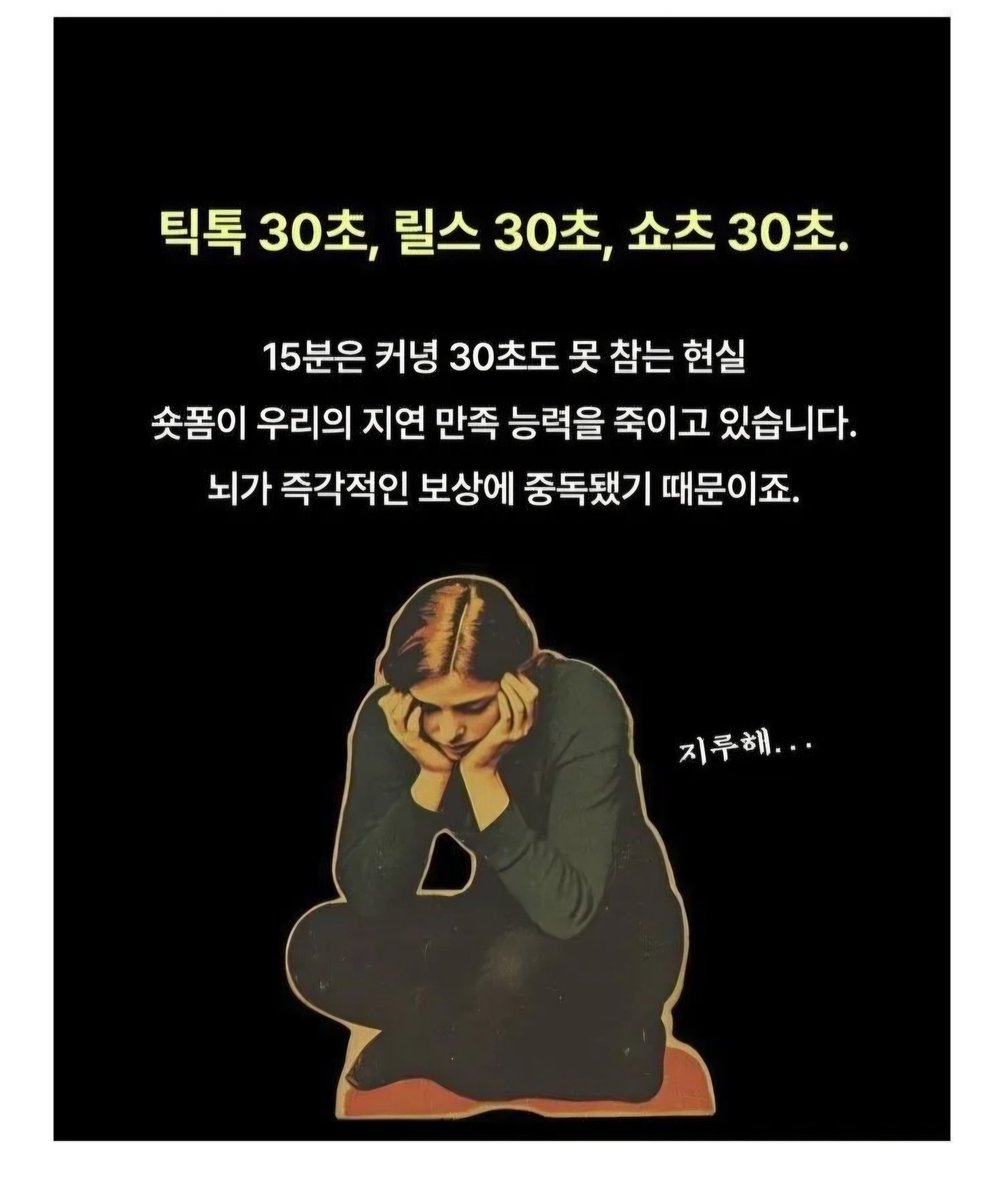
진짜 맞는말 숏폼 규제 제도가 시급해 보이네요


1
182
Jun 10
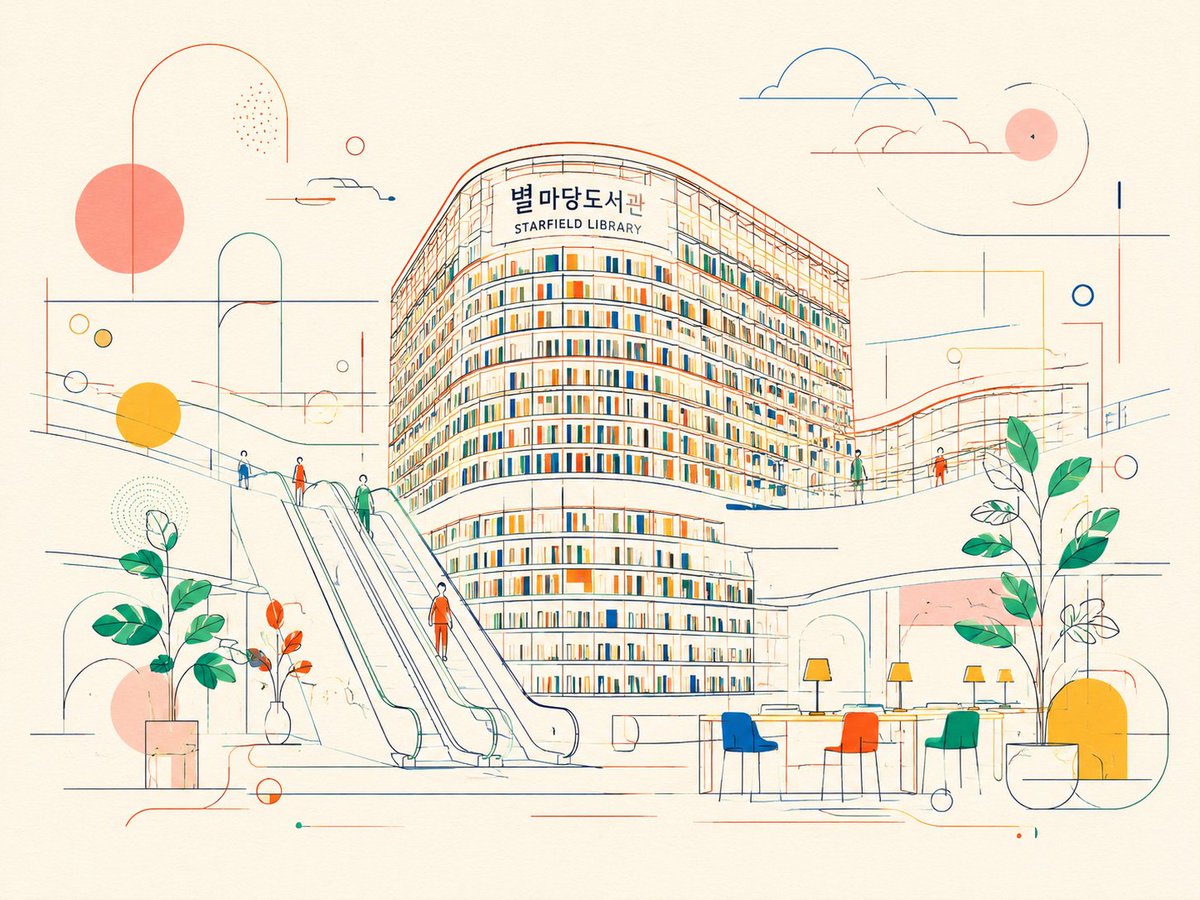
[CITY] = Seoul
[COUNTRY] = South Korea
[LANDMARK] = Seoul Starfield Library
Create a wide landscape-format illustration inspired by [CITY], [COUNTRY], featuring only [LANDMARK] as the main recognizable visual anchor.
Main concept:
Depict [LANDMARK] as the central subject of a refined minimal line-art illustration. The image should feel like a modern decorative art print, a clean designer postcard, and a sophisticated travel poster rather than a realistic scene.
The mood should be calm, airy, elegant, playful, and slightly poetic. The composition should feel light, spacious, and carefully reduced, with a strong sense of visual clarity and open negative space.
Style focus — color and texture:
Focus especially on the reference image’s color palette, line quality, and paper-like surface feeling.
Use a soft warm cream or off-white background as the base.
Apply a restrained but lively palette built around:
coral red, tomato orange, soft peach pink, mustard yellow, leaf green, teal green, cobalt blue, sky blue, and fine dark navy or charcoal linework.
Keep the colors flat and clean, using mostly solid fills with only small accents of layered color. Avoid heavy gradients, glossy rendering, or dense shading.
Use delicate, thin, continuous linework throughout the image. The lines should feel hand-drawn yet precise, slightly playful, and elegant. Incorporate subtle organic curves, simple geometric accents, floating circles, linear decorative marks, and light abstract contour elements.
Add a gentle tactile surface quality across the entire image so it feels like printed ink on lightly textured paper. The texture should be subtle and refined, not rough or grungy.
Composition:
Use a wide horizontal landscape composition.
Place [LANDMARK] prominently in the center as the main focal point. Keep the surrounding environment minimal and secondary. Use only a few supporting elements — such as simplified architectural context, abstract interior cues, small plants, a few tiny human figures, soft clouds or circular graphic accents, gentle contour lines, and thin decorative marks — to support [LANDMARK] without distracting from it.
The composition should feel balanced, poster-like, and spacious, with generous negative space and a clean visual rhythm. Avoid visual clutter.
Landmark treatment:
[LANDMARK] should be clearly recognizable through its essential silhouette, spatial identity, major structural rhythm, and most distinctive visual features.
Do not depict [LANDMARK] photorealistically. Reinterpret it in a minimal, elegant, highly stylized way using simplified forms, fine outlines, flat color blocks, and selective graphic abstraction. Preserve enough unique visual identity so [LANDMARK] remains recognizable, while still feeling artistic and reduced.
Detail handling:
Use only a limited number of details. Prefer clarity over complexity.
Keep the illustration visually light and refined.
Do not overfill the background.
Do not make the scene busy, dense, or heavily layered.
Overall impression:
The final image should feel like a premium minimal illustration print: clean, modern, airy, elegant, colorful in a restrained way, and strongly guided by fine linework, soft paper texture, and playful geometric abstraction.
217