whatever lol fuck it
Joined October 2019
- Tweets 24,102
- Following 430
- Followers 1,445
- Likes 124,706
3,619 Photos and videos




meh 🏳️⚧️ retweeted

May 27
trophy bride industry. the subcontinent rishta culture now values a women with a fancy degree more. most old aged women now want to flex how their bahuu is so highly educated in their friend circles while they still refuse to give her liberty in their homes.
May 27

Why do Desi fams spend millions on their daughters' education only to marry them off right after graduation?
4
251
2,092
32,376
meh 🏳️⚧️ retweeted

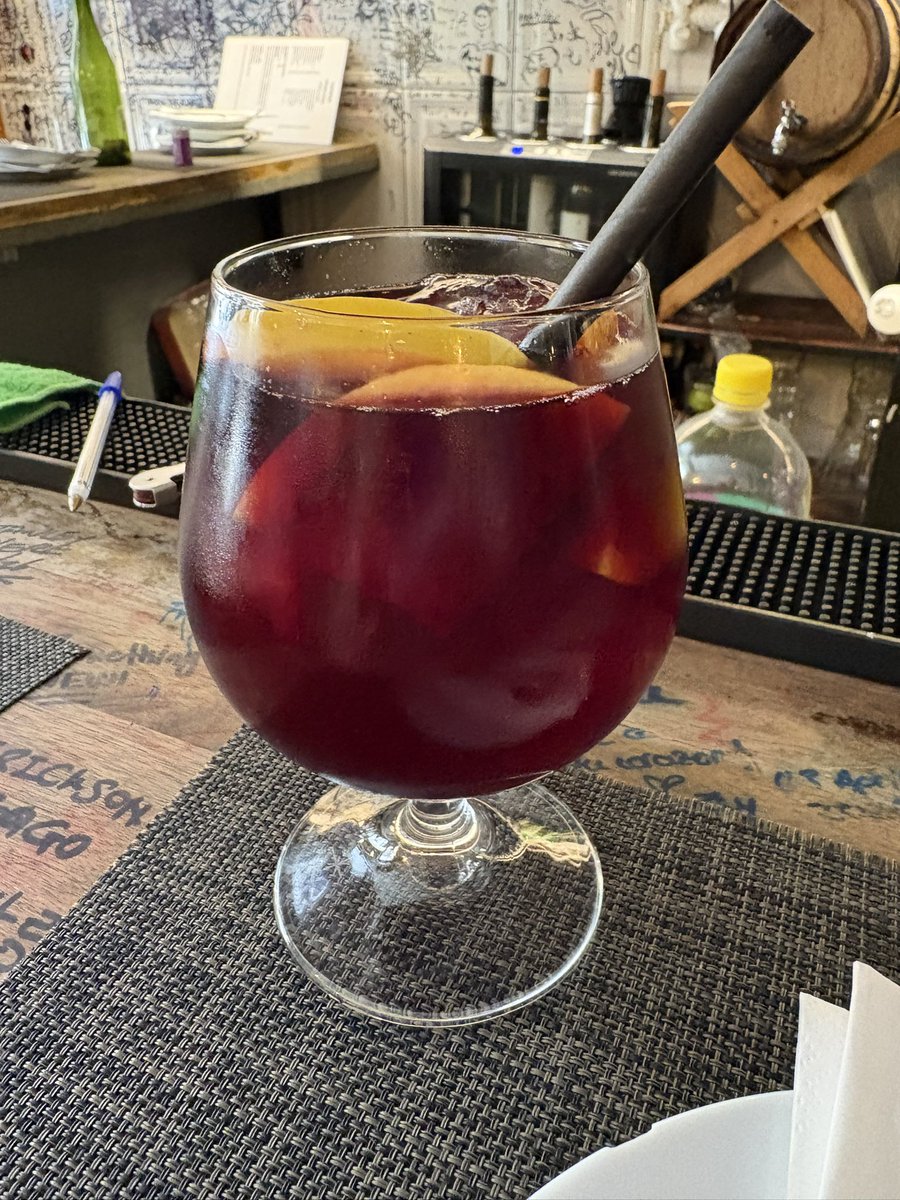
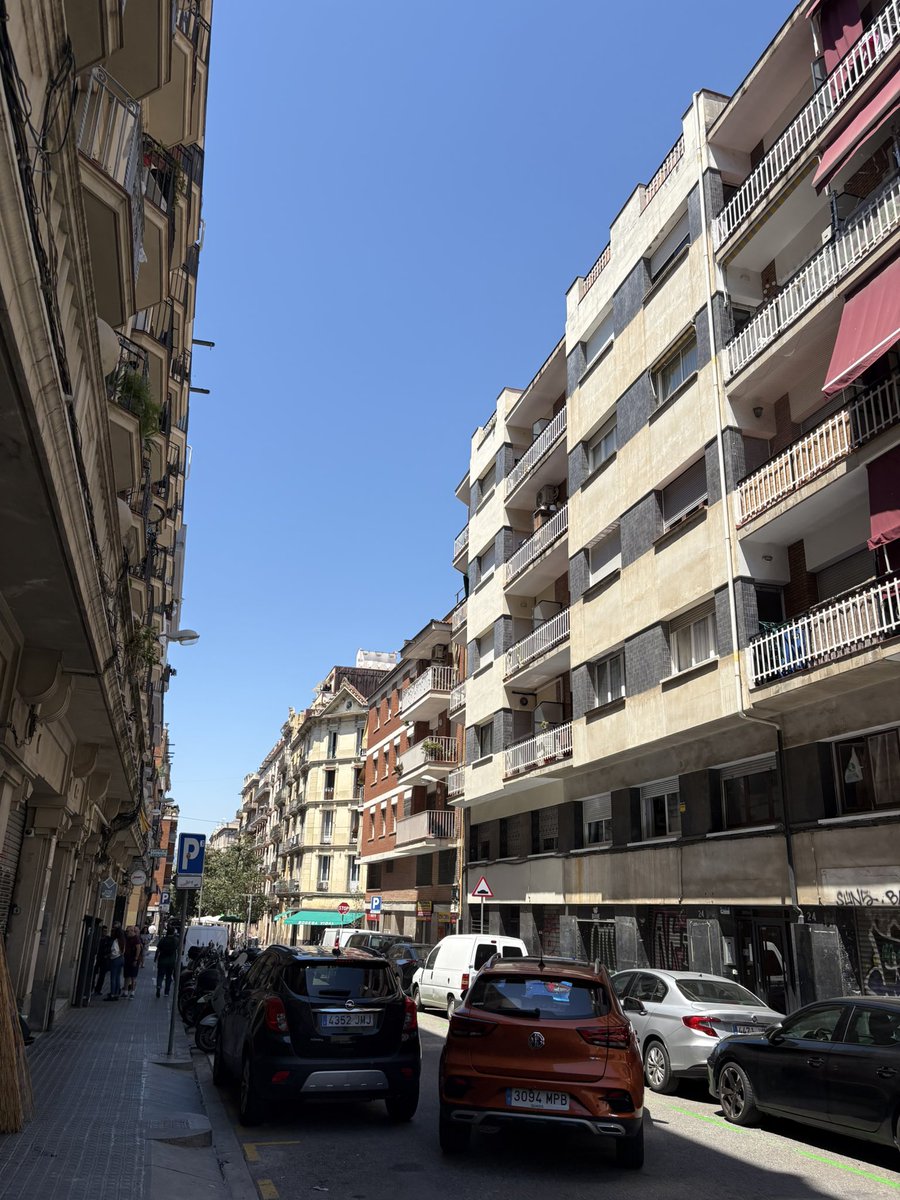
Hot bartender was rolling a joint while pouring me this. There’s “fuck Israel” graffiti everywhere. This might be the greatest country on earth

429
3,573
99,198
3,534,225

meh 🏳️⚧️ retweeted

May 8
Same situation in Pakistan. Growing up I saw a lot of Urdu language pulp fiction magazines and booklets (usually with detective, horror or fantasy elements) in small bookstores and roadside book stalls. Now I hardly ever come across any.

There was tremendous amount of Indian language pulp fiction being published (paper back novels, magazines, comics including comics targeting an older audience).
Most of that had evaporated. Replaced by screens and English. Native language literature is a shadow of what it was.
5
39
296
8,978
meh 🏳️⚧️ retweeted

May 7
The European way of living is the right way of living. Humans were supposed to cycle to work, use stairs everywhere, eat healthy food, climb a rock, sit in a cafe after work and watch passersby. Also import immigrants for the hard jobs.
124
1,015
15,022
396,393
meh 🏳️⚧️ retweeted

May 8
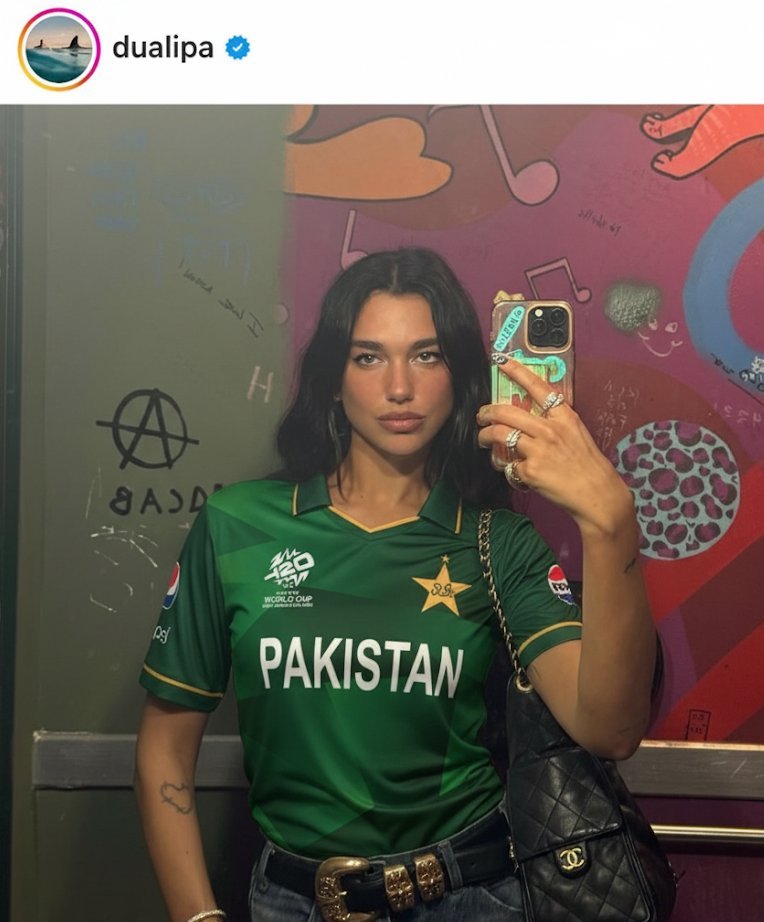

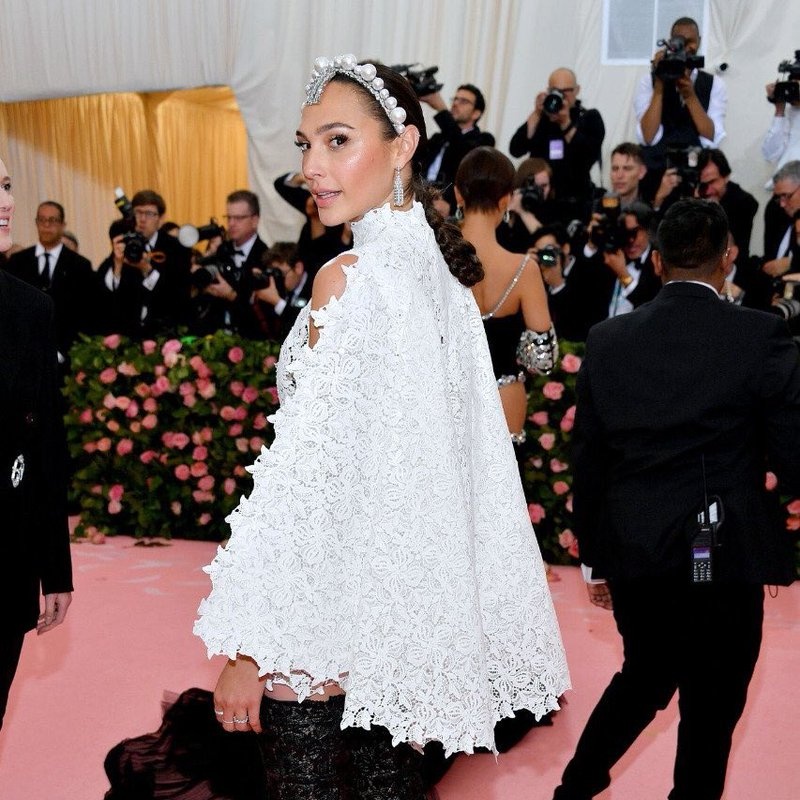
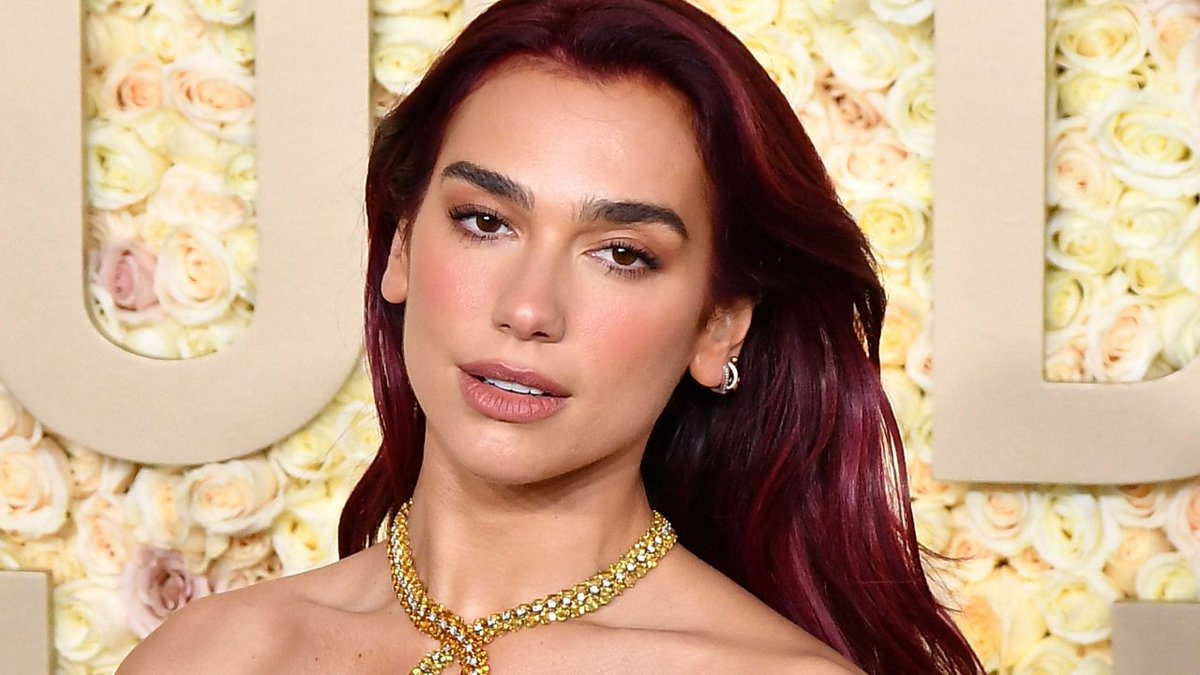
🚨 Gal Gadot: "7 yıldır met galaya katılmıyorum çünkü son geldiğimde Dua Lipa ve arkadaşları beni sırf siyonist olduğum için gala tuvaletinde sıkıştırmıştı"
Community note
The quoted statement from Gal Gadot is not authentic. No credible sources report any such incident with Dua Lipa at the 2019 Met Gala. In 2020, Gadot praised Lipa's music in a Vogue interview.
vogue.com/video/watch/ga…
instagram.com/p/BxPzGJLBm_A
2
25
377
14,892
meh 🏳️⚧️ retweeted

May 7
everything not black n white sometimes it be Bengali
58
1,830
14,480
303,673
meh 🏳️⚧️ retweeted

someone just said three years on T... 😭



103
4,053
121,237
2,151,654
meh 🏳️⚧️ retweeted

Mar 13
Including children

Pakistan bombed the fuel depot near Afghanistan's airport of Kandahar, while the overnight strikes also hit residential areas in Kabul and the eastern province of Nangarhar, killing six people, including children, and wounding more than a dozen reut.rs/4brlvUg
9
103
355
20,042
meh 🏳️⚧️ retweeted

Mar 13
Muslims be like does allah allow humanity and compassion
15
517
6,913
135,983
meh 🏳️⚧️ retweeted

Mar 10
why do Americans insist on saying eye-ran and eye raq, yet they can say Italy
Community note
This tweet is stolen word to word for engagement farming
x.com/duchace/status…
2,336
10,980
158,661
7,299,810

meh 🏳️⚧️ retweeted

“Heated Rivalry” was a five-month psychological experiment conducted by McGill University. The study is now complete. Thank you for your time.
30
2,947
39,915
581,258
meh 🏳️⚧️ retweeted

desis: I'm desi
trans people: I'm trans
that one desi trans friend you try to ignore: do you think nashta is a good name
69
295
4,055
73,598
meh 🏳️⚧️ retweeted

Mar 7
there are masjids everywhere for those with the eyes to see
Mar 7

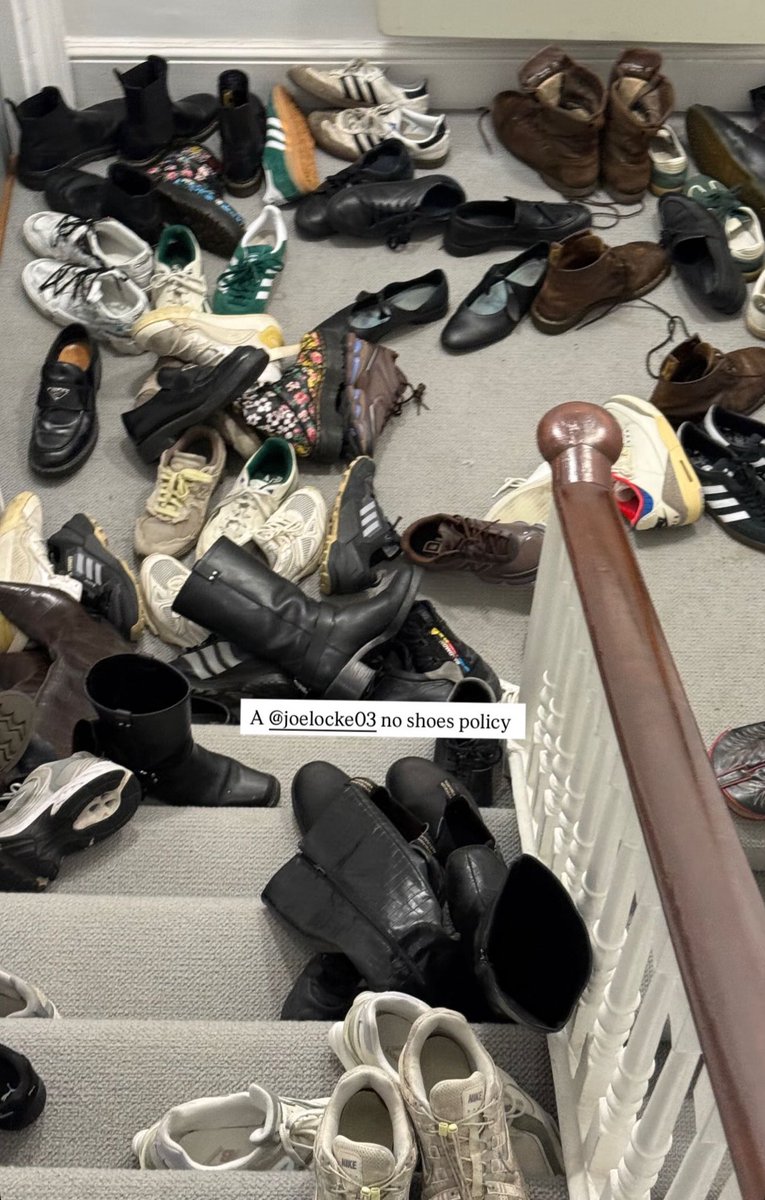
see i could never hang out with famous ppl because prada loafers ur leaving the function BAREFOOT
1
512
7,398
159,785
meh 🏳️⚧️ retweeted

Mar 6
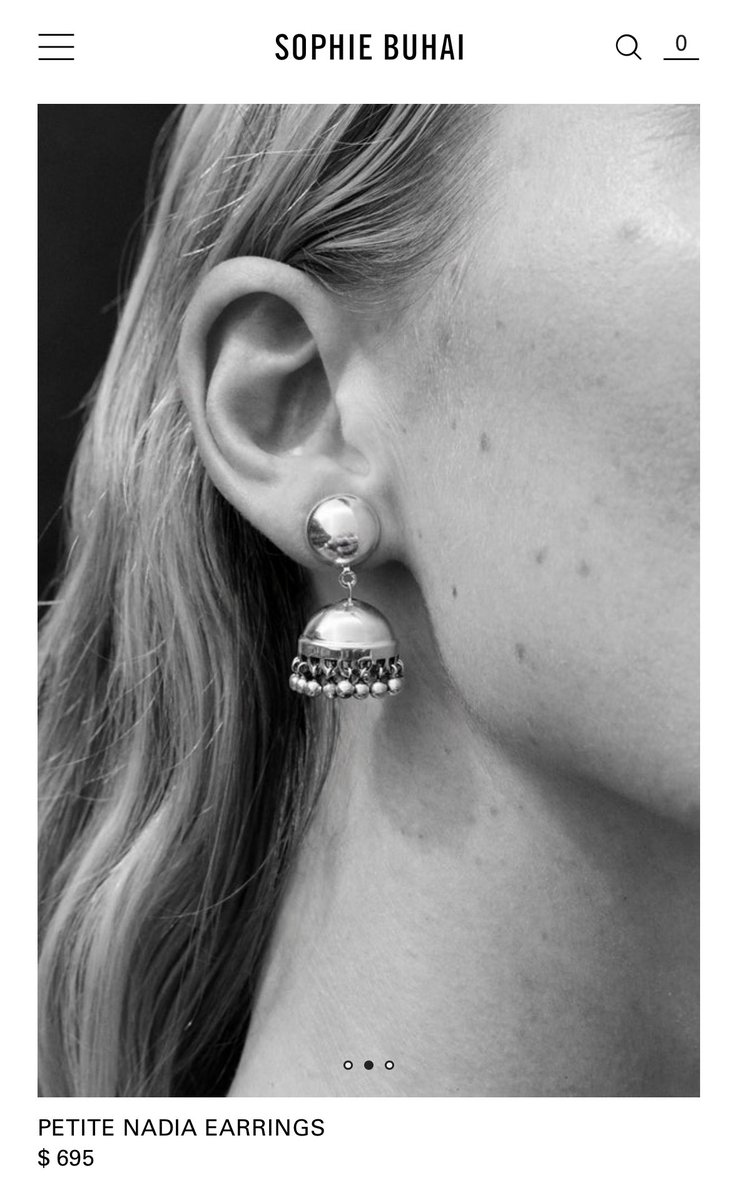
they are gentrifying jhumkas guys

33
533
8,085
534,177
meh 🏳️⚧️ retweeted

Mar 7
Across South Asia, Persian influence runs through our poetry, our languages, our architecture, our crafts and our sense of beauty. Iran has been a wellspring of art, religion and culture for so many of our communities across history - it can’t be easily summarized.
In Kashmir, Mir Sayyid Ali Hamadani, the Persian scholar and Sufi from Hamadan, helped shape Islamic life in the valley. But his influence didn’t stop at religion - he brought with him artisans and traditions that helped establish Kashmir’s renowned textile and crafts industry (pashmina weaving, papier-mâché).
And for centuries Farsi was the language of government, poetry and learning across much of the subcontinent, under the Mughal Empire.
In Punjab, Persian poetry and Sufi thought shaped the region’s spiritual and literary traditions, through poets like Bulleh Shah.
Even for all of Pakistan, the spiritual and intellectual father of the country - Allama Muhammad Iqbal - wrote much of his political and spiritual poetry in Farsi, to the extent that he’s studied and memorized in Iran.
Our many, many communities have long been meeting points of many civilizations, but among the most constant threads running through many of them is Iran.
It’s why the assault on Iranians and Iran has had such a visceral, emotional reaction from so many from the subcontinent. Decades of anti-Shia propaganda could not undo what was at the root.
Mar 6

🇮🇷 Just a few months ago in Iran
🎼 The beautiful music recital given by Iranian Tar artist Ali Ghamsari at the Mollabashi Historical House in Isfahan.
34
386
1,436
74,552