Joined November 2022
- Tweets 97
- Following 136
- Followers 38
- Likes 114
5 Photos and videos



Pinned Tweet
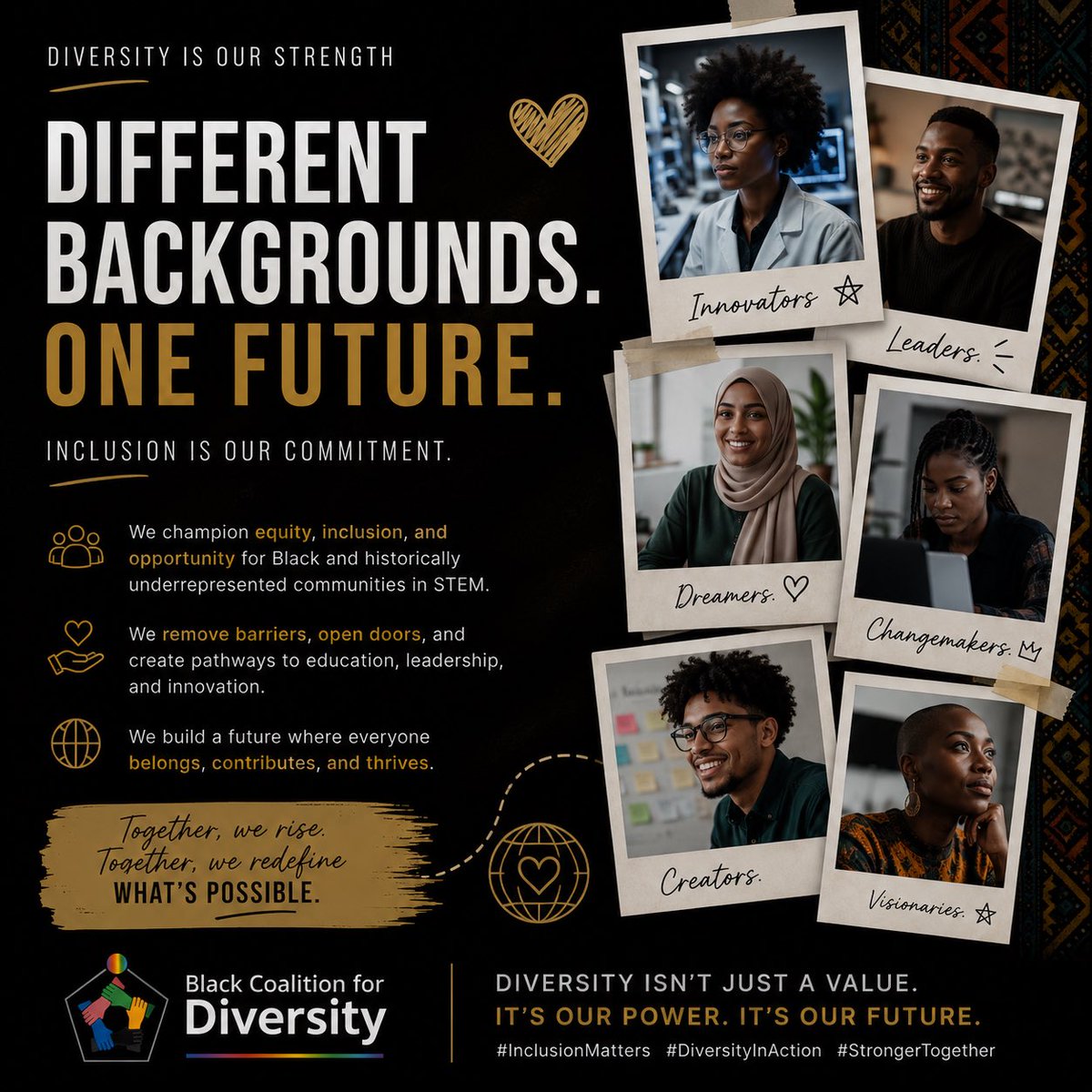
Existence of disparities within a given environment is inevitable. Disparities including but not limited to
sexual orientation, ethnicity and religion are what constitutes a unique and complete society.
#DiversityandInclusion
4
5
Black Coalition for Diversity retweeted

📢 IFAD is #hiring!
As a specialized International Financial Institution, IFAD invests in rural development to drive sustainable impact in rural communities worldwide.
We are looking for experienced professionals to join our team in the following roles. Click the links below to learn more and apply:
🔹Managing Director of Development Effectiveness and Corporate Strategy 👉 bit.ly/49GHdU7
🔹Lead Global Technical Specialist 👉 bit.ly/4vkmRs0
🔹Lead Portfolio Advisor 👉 bit.ly/4uL3ZCN
🌐 Learn more about IFAD’s work: ifad.org/en/what-we-do
#JoinIFAD #IFI #Careers

1
22
93
6,578
Black Coalition for Diversity retweeted

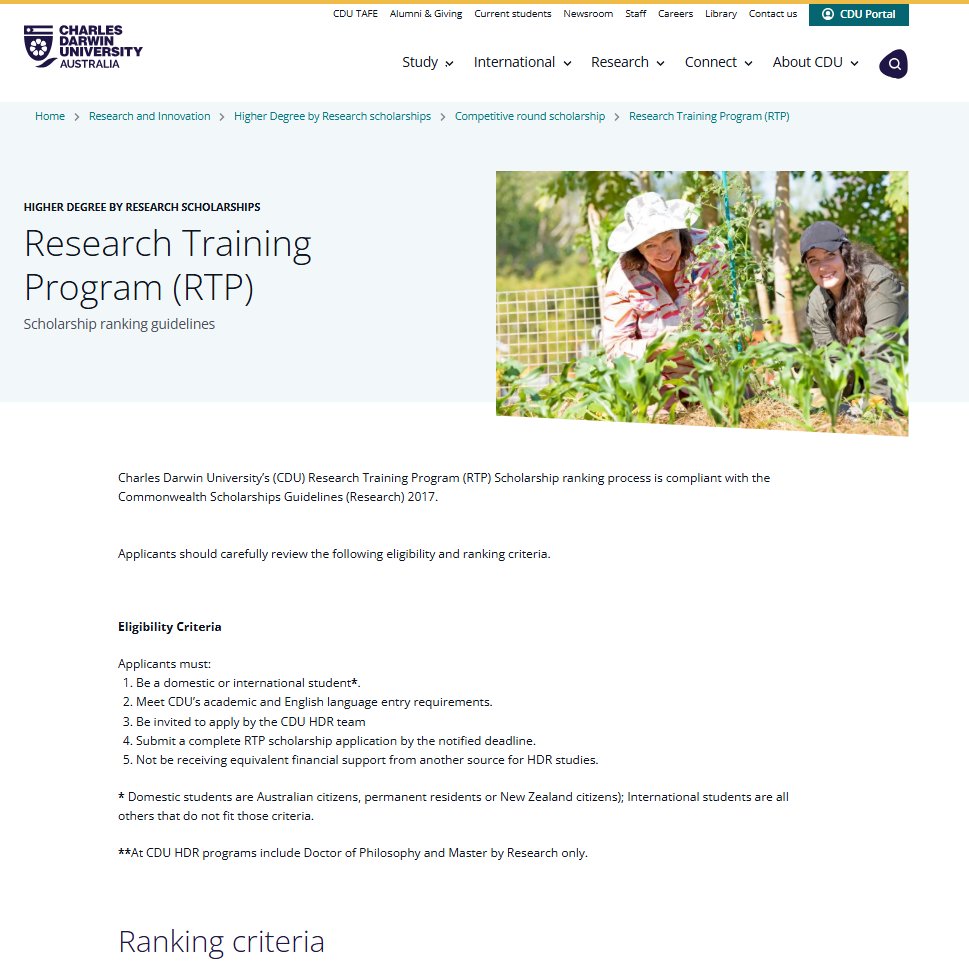
🇦🇺 Move to Australia with full tuition coverage AU$35,489 yearly stipend paid sick leave maternity leave relocation allowance for Research Master’s and PhD students at Charles Darwin University.
⏰ Deadline: Not specified
Scholarship applications are by invitation from the CDU HDR team.
💬 Are you interested? Do you have any questions? Let me know in the comments
🔗 Link: cdu.edu.au/research-and-inno…
⚠️ Want to work with me? My scholarship support services are paid. Here’s how 👇
🔍 If you want me to audit your profile for scholarships, comment "PPA."
🎯 If you want me to audit your profile match you with scholarships, comment "PPA SM."
🤝 If you want to work with me one-on-one to help you apply for scholarships, comment "1on1."
*I will reply to your comment with the link to the service you want.
5
18
61
4,497
Black Coalition for Diversity retweeted

Jun 2
Study in New Zealand – Fully Funded Scholarship 🇳🇿
▪︎ Manaaki New Zealand Scholarship 2027
The New Zealand Government is offering the prestigious Manaaki New Zealand Scholarship for international students to pursue Undergraduate, Postgraduate Diploma, Master's, and PhD programs at leading universities in New Zealand.
📍Benefits:
▪︎ Full Tuition Fees Covered
▪︎ Living Allowance
▪︎ Establishment Allowance
▪︎ Round-Trip Airfare
▪︎ Medical & Travel Insurance
▪︎ Research and Thesis Support
▪︎ Study in One of the World's Safest Countries
📍Details:
▪︎ Country: New Zealand 🇳🇿
▪︎ Scholarship: Manaaki New Zealand Scholarship
▪︎ Degree: Bachelor's, Master's & PhD
▪︎ Eligible: International Students
▪︎ Funded By: New Zealand Government
▪︎ Scholarship Type: Fully Funded
▪︎ Expected Deadline: February–March 2027
Apply via Official Website:
nzscholarships.govt.nz/?utm
Check your country eligibility, create an account, and submit your online application through the official scholarship portal.
8
30
133
12,388
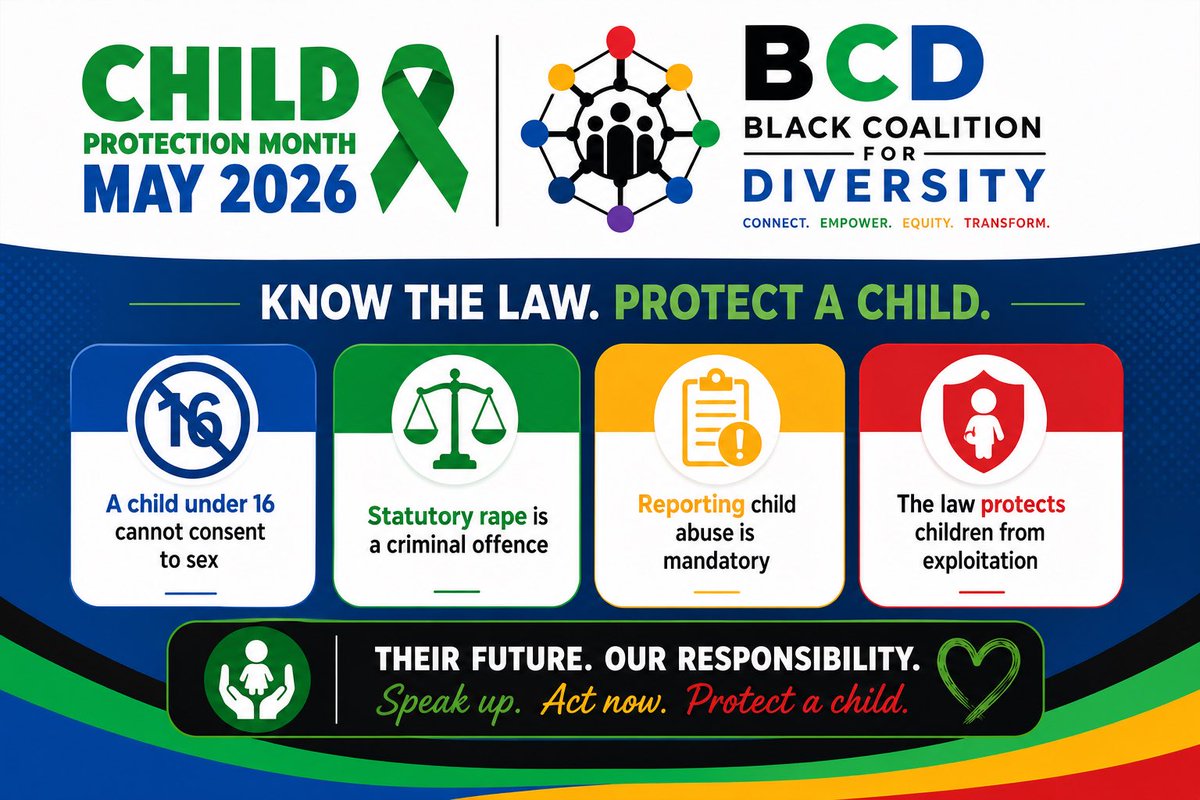
This Child Protection Month: Know the law. Protect a child.
Every child deserves safety, dignity, protection, & a future full of possibility.
Protecting kids means stronger systems & empowered youth.
#ChildProtectionMonth #GirlsRights #YouthLeadership #Education #SRHR #STEM
11
11
266
Black Coalition for Diversity retweeted

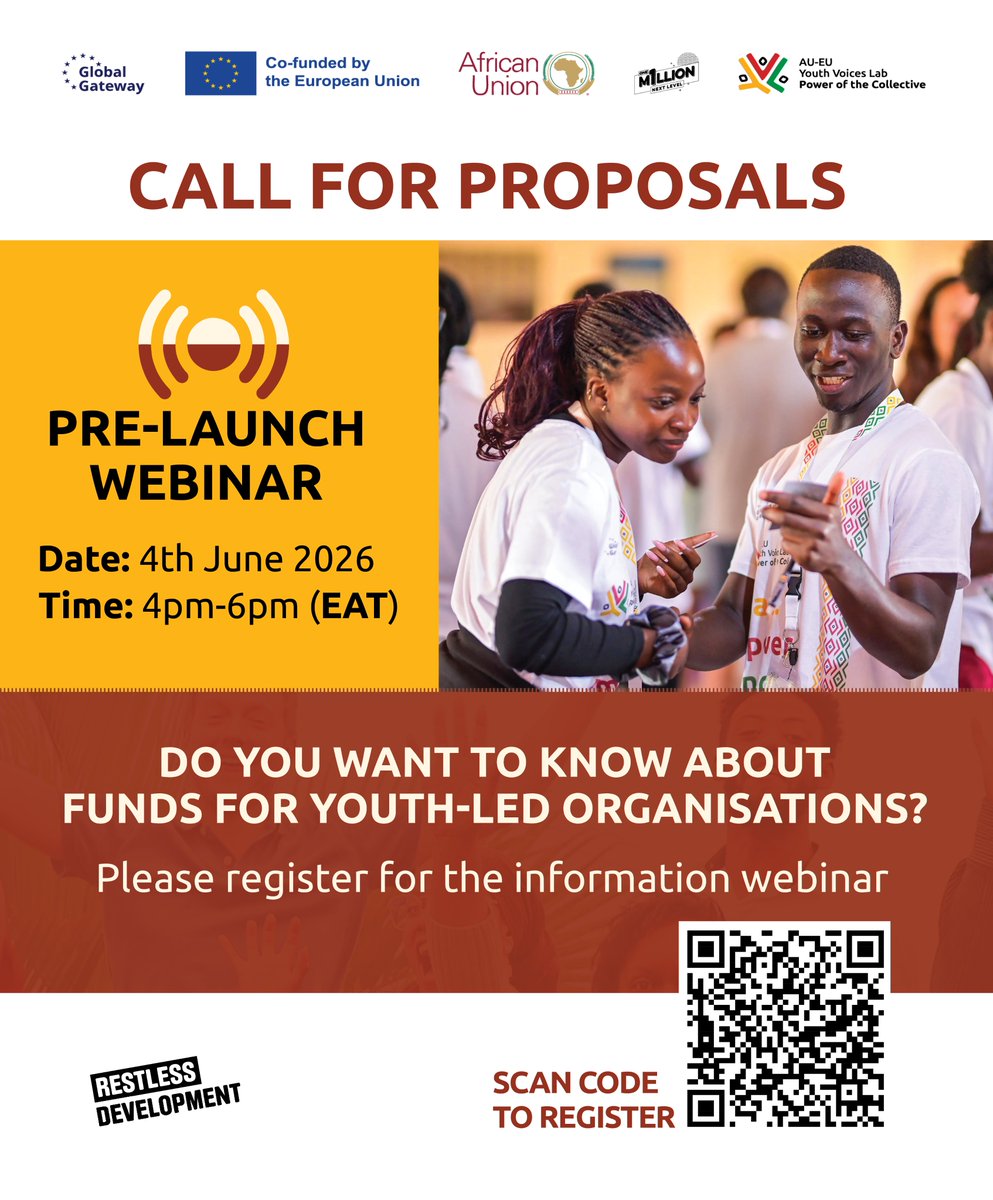
🚨Are you a youth-led organisation or group working with hard-to-reach or marginalised young people?
Join the Pre-launch Webinar for the Youth Voices Third-Party Funding Mechanism 2nd Cohort under the AU-EU Youth Voices Lab – Power of the Collective and learn more about the Call for Proposals, eligibility requirements and application process.
The funding mechanism aims to support youth-led initiatives that promote advocacy, collaboration, inclusion, coalition building and youth voices in decision-making spaces across Africa and Europe.
If your organisation is passionate about creating change within communities and amplifying youth voices, this opportunity is for you.
📅 Date: 6 June 2026
⏰ Time: 4:00 PM – 6:00 PM EAT
🔗 Register here: bit.ly/3Q7rC9x
#AUEUYouthVoicesLab #PowerOfTheCollective #CallForProposals #YouthLedDevelopment #YoungPeople #WeAreRestless
1
63
184
11,100
Different stories. Shared purpose.
Diversity is not a checkbox. Inclusion is not a slogan. Equity is not optional.
When every voice is heard, innovation deepens. When barriers fall, talent rises. When opportunity is shared, communities transform.
3
5
83

25 Nov 2025
We’re proud to receive 5 star feedback from a chemistry graduate we supported through their application journey.
“Black Coalition for Diversity guided my application and covered my fee, removing a huge financial barrier.”
We exist to remove barriers for underrepresented STEM.
55
Black Coalition for Diversity retweeted

6 Oct 2025
Med school SHOCKED me 😂😂😂

When “Smart Enough” Isn’t Enough: The Humbling Reality of Elite STEM:
chemistrysciencetoday.blogsp…
2
2
6
601
Black Coalition for Diversity retweeted

6 Oct 2025
I resonate with this because during my time at Harvard, that shock felt existential. I genuinely felt my intellectual identity threatened for the first time, and suddenly, I met peers who’d lived years ahead in science. They weren’t just better, they thought differently. The proof-based mindset, the ability to move fluidly between abstraction and rigor, is a whole new language, one that isn’t taught at most high schools, even elite institutions like UCT, WITS, or Stellenbosch.
This experience highlights the privilege of early exposure. Those students who took linear algebra and abstract algebra before college weren’t just smart, they had access to mentors, enrichment programs, textbooks, math circles, or schools that allowed them to leap ahead. The playing field was uneven long before the first lecture.
And yet, there’s something profoundly transformative about that initial humiliation. The best kind of learning is disorienting, it shakes the foundation of what you thought you knew, forcing you to rebuild from first principles. The process hurts, but it’s also where true growth begins. As the saying goes, “If you’re the smartest person in the room, you’re in the wrong room.”
When “Smart Enough” Isn’t Enough: The Humbling Reality of Elite STEM:
chemistrysciencetoday.blogsp…
1
7
647
When “Smart Enough” Isn’t Enough: The Humbling Reality of Elite STEM:
chemistrysciencetoday.blogsp…
4
3
1,277
Black Coalition for Diversity retweeted

9 Sep 2025
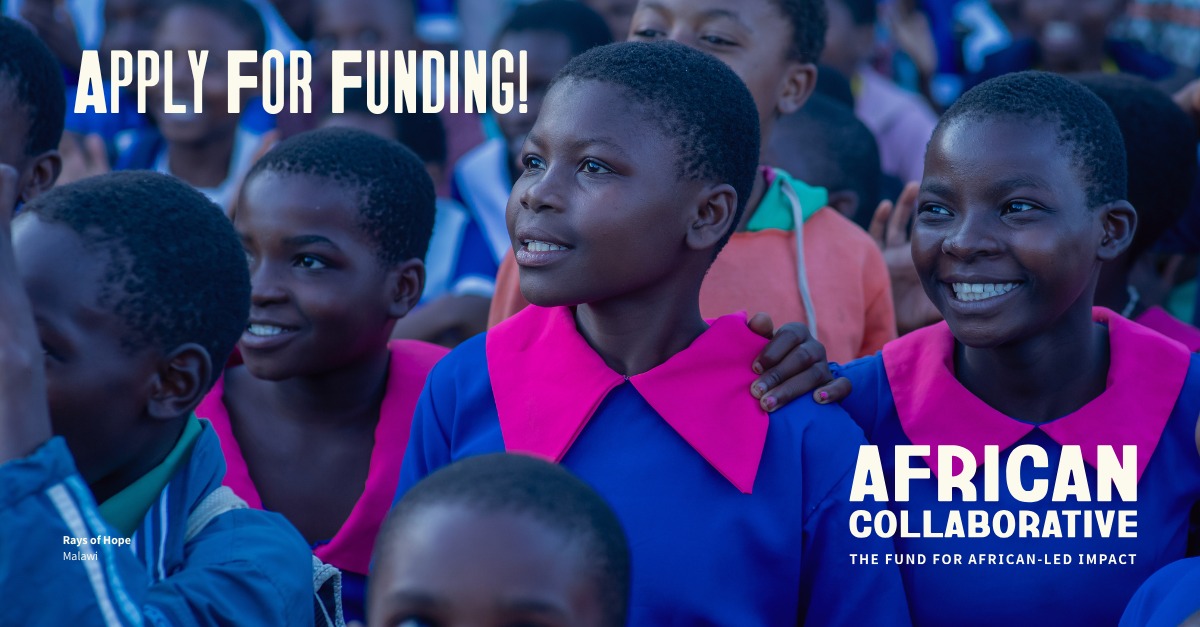
🌍 #African Collaborative Funding 2025: Apply by 17 Sept 2025 for multi-year unrestricted #grants, capacity-building support & networking for African-led nonprofits in Sub-Saharan #Africa 🚀 👉 wp.me/p23f03-g3I
✨ More African opportunities: opportunitiesforyouth.org/?s…
5
20
2,504
Black Coalition for Diversity retweeted
9 Sep 2025
You will never understand bureaucracy or corruption until you learn that procedure is their shield, outcomes their illusion, and power their only truth.
2
4
283
Black Coalition for Diversity retweeted
18 Aug 2025
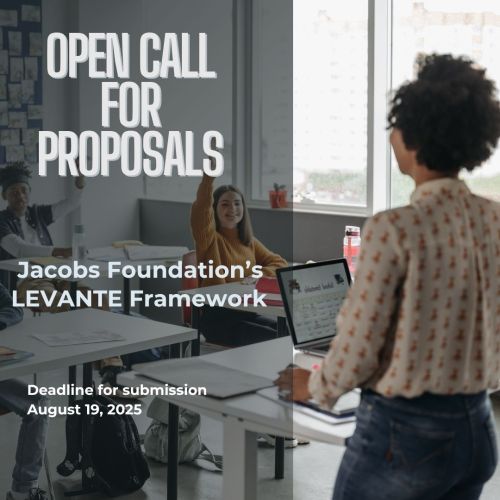
Open Call for Proposals 2025! The Jacobs Foundation invites research on learning variability in children under its LEVANTE framework. USD 5M funding available.
Deadline: Aug 19, 2025
Apply: wp.me/p23f03-fnP
#ChildDevelopment #GlobalSouth #ResearchGrants
1
9
1,205
Black Coalition for Diversity retweeted
19 Aug 2025
Are you a future leader ready to make a difference?
Apply for the McCall MacBain Scholarships—fully funded master’s/professional studies at McGill!
International Deadline: August 20
Canadian/U.S. Deadline: September 24
Apply: wp.me/p23f03-f3O
#Scholarships #GradSchool
1
9
38
4,146
Black Coalition for Diversity retweeted

12 Aug 2025
Keep those #BlackInChemRollCall tweets coming in!! While you’re at it start a thread and share your #BlackInChemJourney with us as well. Happy Tuesday!
3
8
345

🎓 What makes a journal a place where research lives on?
For some, it’s the global visibility. For others, it’s the depth of peer engagement.
At IJONMES, it’s becoming both — together.
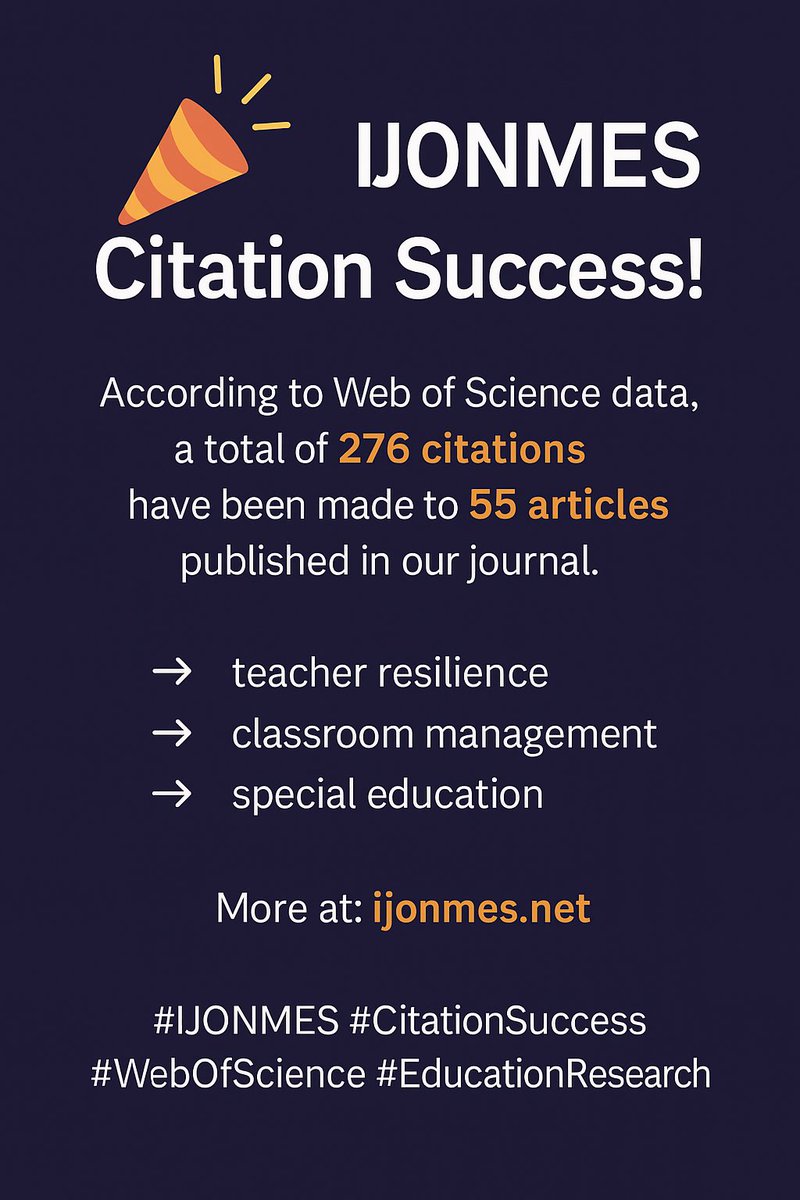
📈 With 276 Web of Science citations across just 55 papers, something is clearly resonating — even before official indexing.
Ideas around teacher resilience, classroom management, special education, ...
They don’t just stay on paper — they’re cited, discussed, and built upon.
Maybe it’s not about where you publish.
Maybe it’s about what happens after you publish.
🔗 ijonmes.net
#IJONMES #AcademicPublishing #EducationResearch #WebOfScience #CitationSuccess
7
7
879
Black Coalition for Diversity retweeted
12 Aug 2025
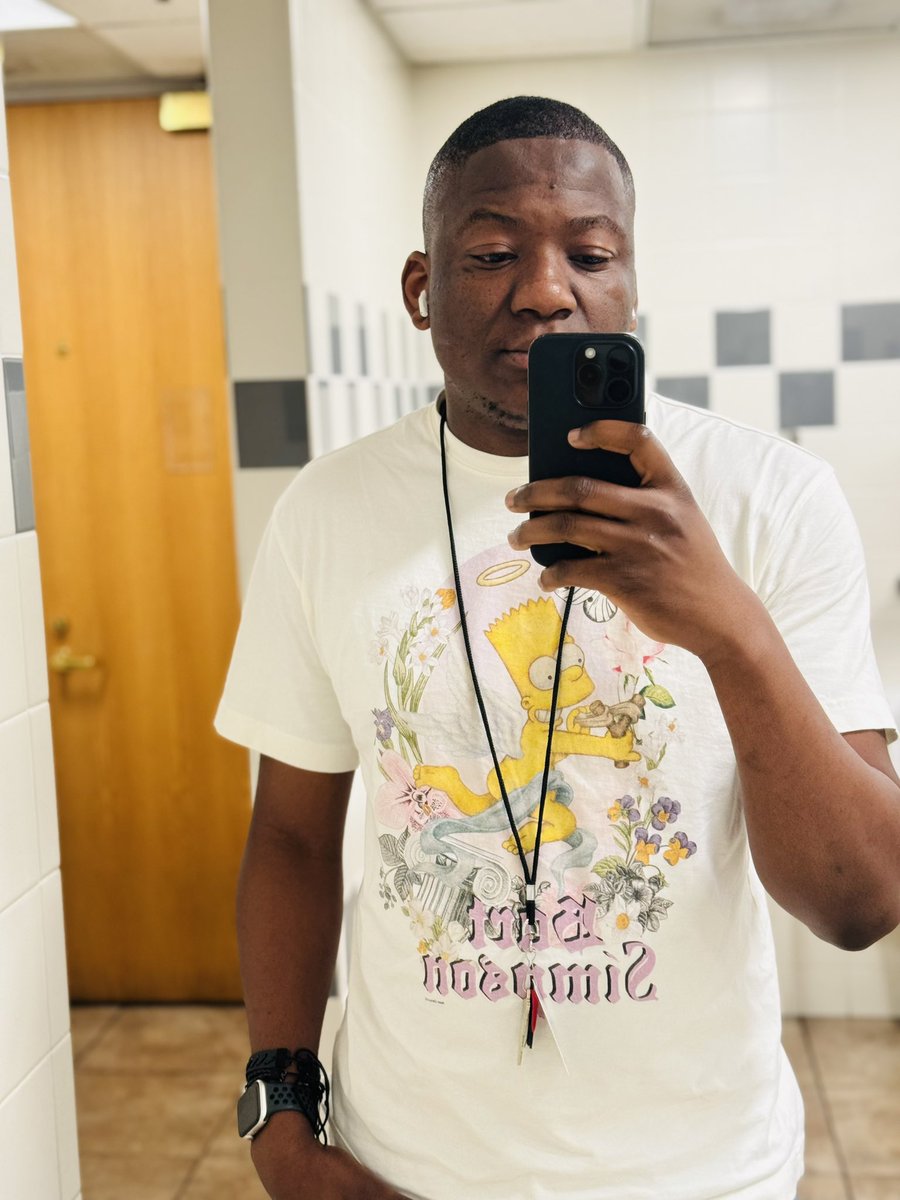
Happy #BlackInChem Week!!!
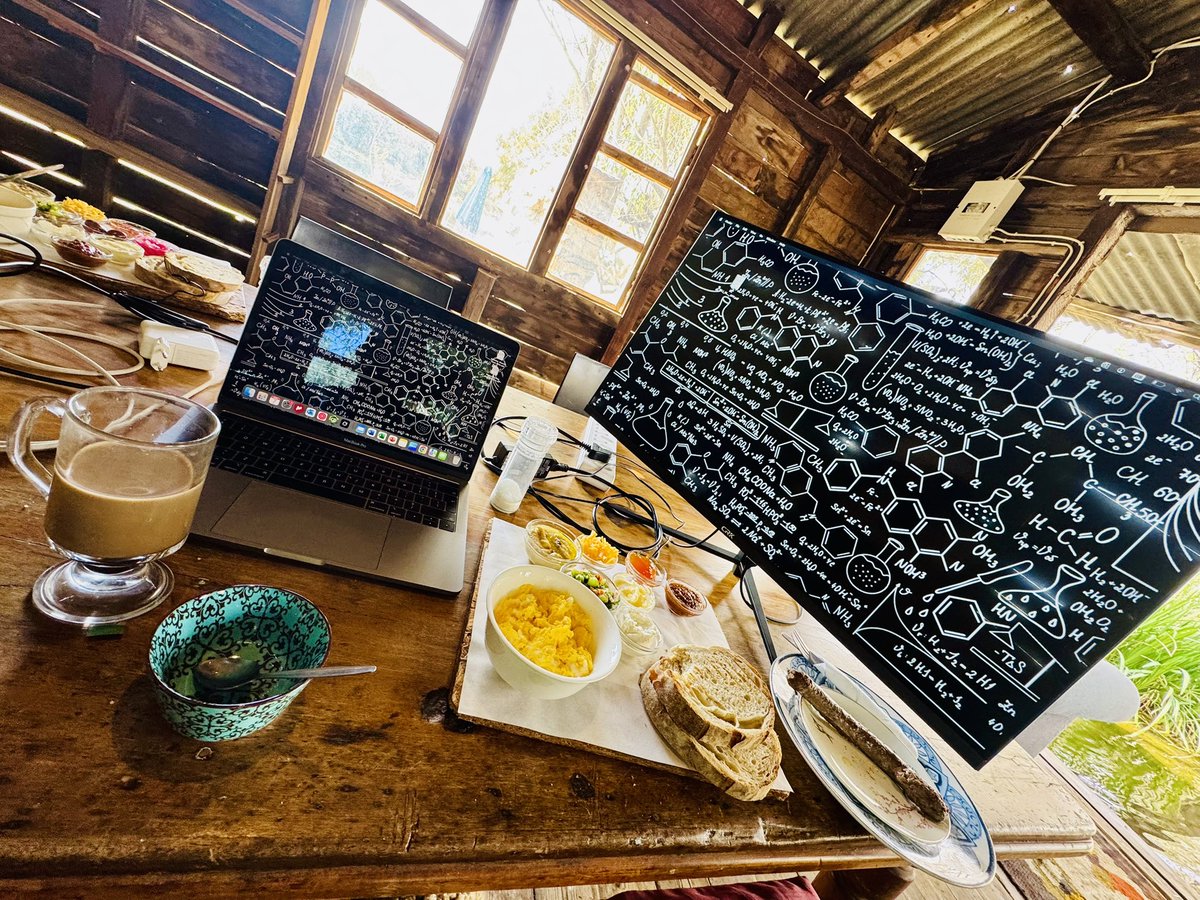
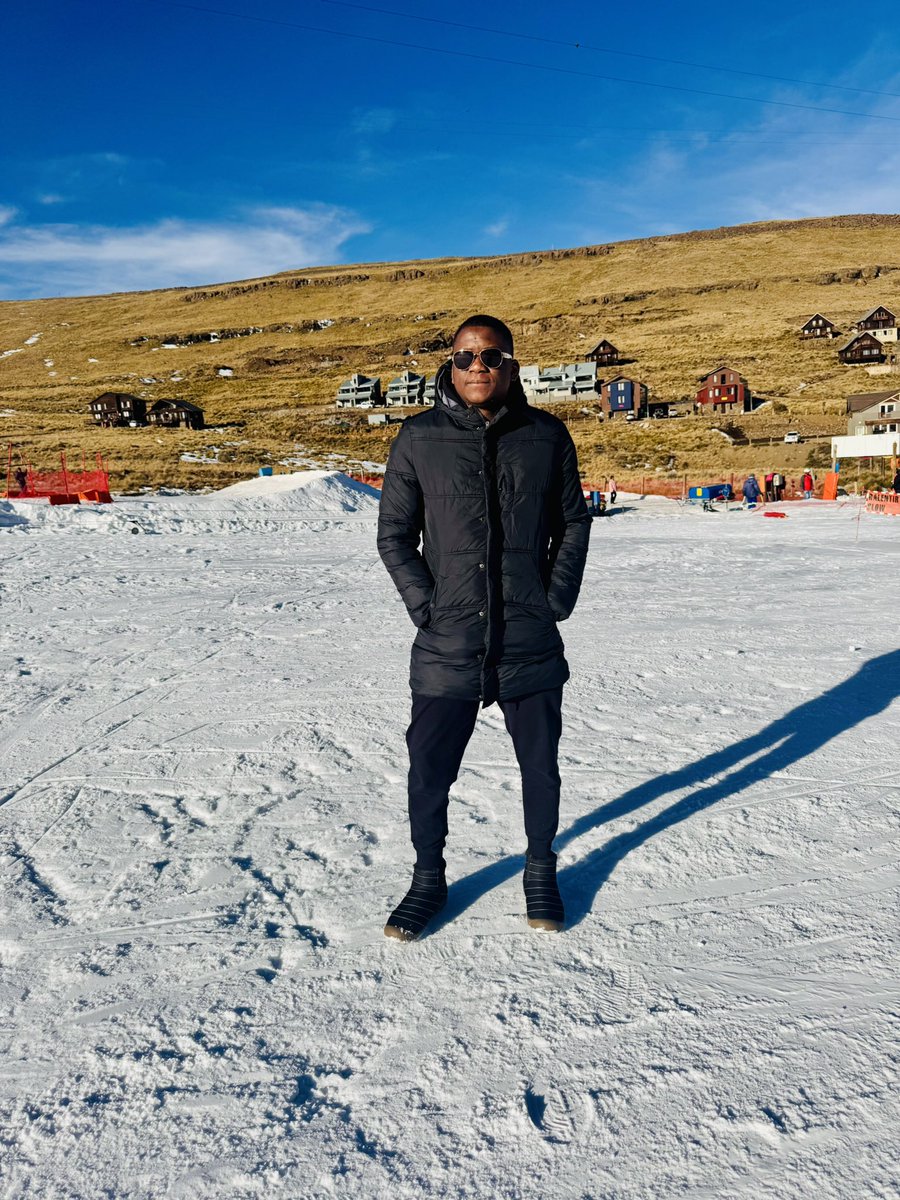
I’m Raphael Kyle, Executive Secretary of BlackInChem!
Director @diversify_today
Synthetic organic chemist by training.
Pseudo Neuroscientist.
PS: open to new roles
We can’t wait to meet all of the amazing Black chemists this week!!
#BlackInChemRollCall
6
10
598
Black Coalition for Diversity retweeted
6 Aug 2025
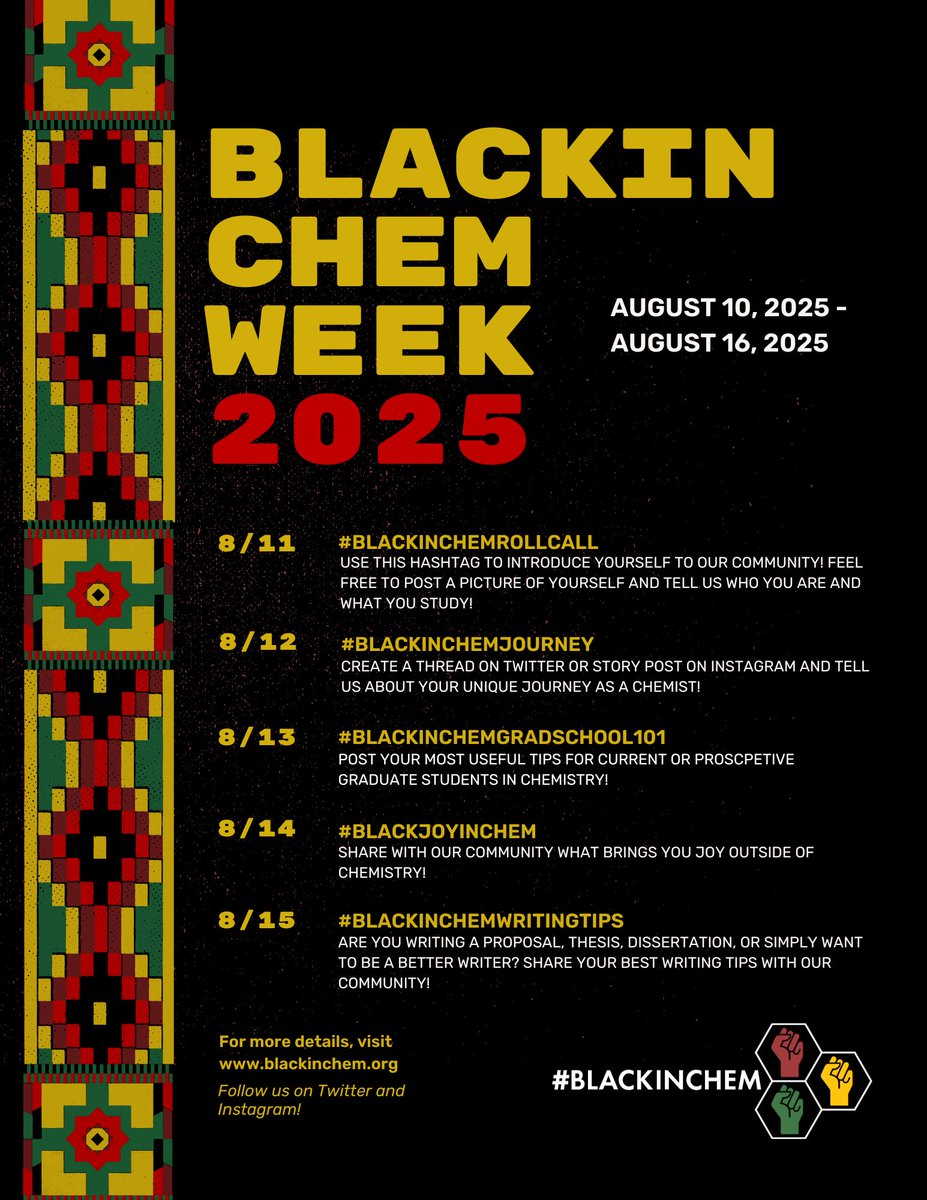
WE’RE BAAACK!!!
#BlackInChemWeek2025 is gearing up for kickoff next week! Join us as we celebrate six years with our community! 🎉🥳
30
57
4,395
Black Coalition for Diversity retweeted
11 Jun 2025
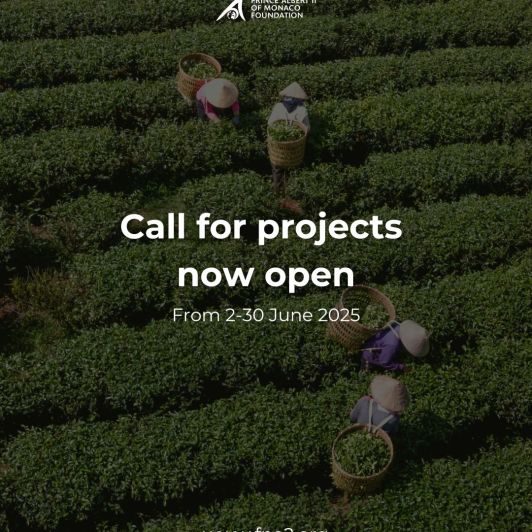
The Prince Albert II of Monaco Foundation’s 2025 Call for Projects is now open! Funding available for bold, science-driven ideas on climate, biodiversity, oceans & polar research.
Deadline: 30 June
Apply: wp.me/p23f03-eTF
#ClimateAction #Sustainability #Funding
8
18
1,809