Drinker with a sailing problem, studying other drinkers with sailing problems in my spare time.
Joined May 2007
- Tweets 8,135
- Following 2,152
- Followers 326
- Likes 4,241
1,228 Photos and videos





Wandering Deeps retweeted

May 23
When British soldiers are being killed by Russian drones in a future conflict in Estonia because we can't afford proper counter drone equipment, the endless wailing and gnashing of teeth about the Red Arrows is going to look pretty fucking ridiculous
55
41
744
23,822
Wandering Deeps retweeted

May 23
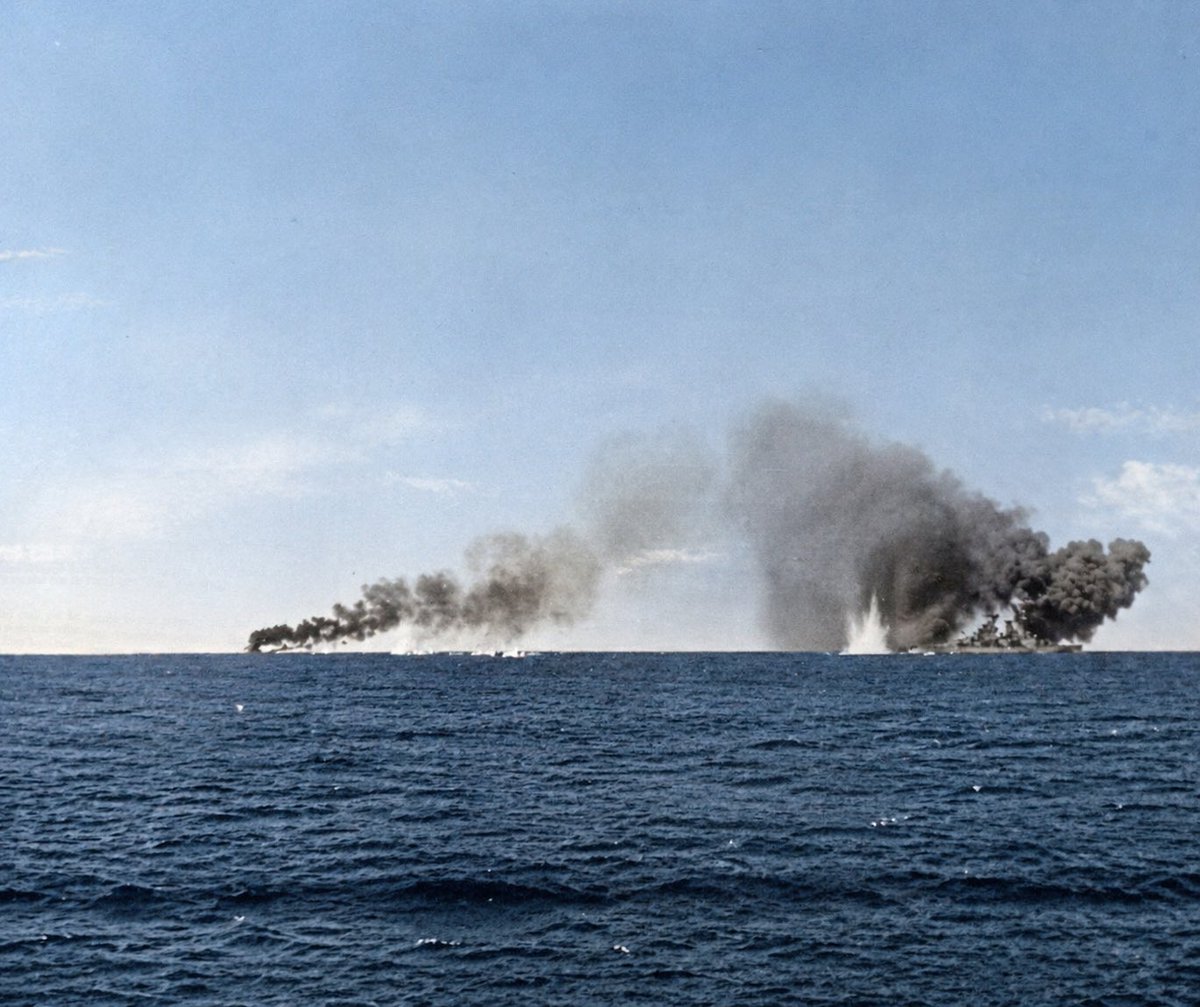
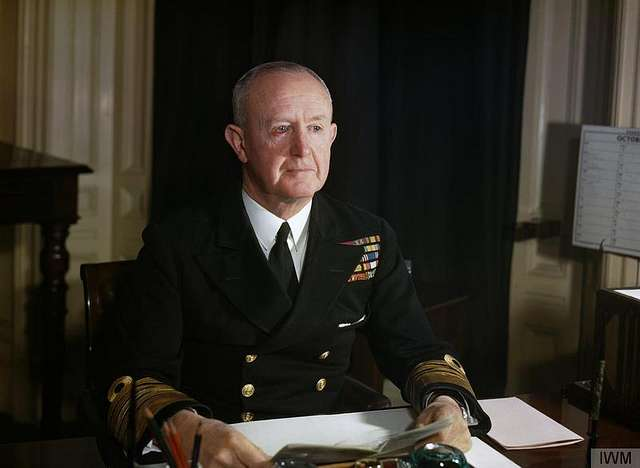
In a single afternoon on May 22, 1941, the Royal Navy lost two cruisers and a destroyer off the coast of Crete to German dive bombers. The fleet commander was urged to withdraw what was left.
His reply has been quoted ever since, but the situation that produced it is less well known. By the morning of the 22nd, the German airborne invasion of Crete was four days old and on the brink of failure. Of the seven thousand paratroopers Kurt Student had dropped on the first day, roughly half were already dead. The Germans had taken huge losses trying to capture Maleme airfield in the west of the island. Without an airfield, no reinforcements could land. Without reinforcements, the invasion would collapse.
What the Germans needed was a seaborne convoy of mountain troops, heavy weapons, and ammunition. Two such convoys were assembled in Greek ports and put to sea under Italian destroyer escort, hoping to slip across the Aegean to Crete.
The Royal Navy intercepted the first convoy on the night of May 21. In a confused action in the dark, British cruisers and destroyers tore through a fleet of small Greek caïques crammed with German soldiers. Roughly three hundred Germans drowned. The convoy was destroyed.
But by morning the Royal Navy was south of Crete in clear daylight, within range of the Luftwaffe's Fliegerkorps VIII, the most experienced and lethal dive-bomber force in the world. And the British ships were running low on anti-aircraft ammunition because they had spent most of it sinking the convoy.
The Stukas came in waves. The cruiser Gloucester took two direct hits and capsized, taking 722 men with her. The cruiser Fiji was hit by a single bomb that ruptured her hull. She sank slowly, with most of her crew getting off, but 241 men were lost. The destroyer Greyhound was bombed and went down in fifteen minutes. The battleships Warspite and Valiant were both damaged, Warspite badly enough that she had to go to the United States for repairs.
By nightfall on May 22, Admiral Andrew Cunningham, commanding the Mediterranean Fleet from Alexandria, was looking at a casualty list that included two cruisers, a destroyer, two damaged battleships, and roughly fifteen hundred dead British sailors. The army on Crete was asking for naval evacuation. The army on Crete also had thirty two thousand troops on it.
Cunningham's staff, looking at what the Luftwaffe had done in a single afternoon, urged him not to commit the rest of the fleet. He could not protect transports from Stukas in daylight. Anything he sent into the waters north of Crete would be sunk. The navy had taken enough.
Cunningham listened, and then he gave the order that is still quoted at Dartmouth Naval College.
"It takes the Navy three years to build a ship," he said. "It would take three hundred years to build a tradition. The evacuation will continue."
The fleet went back. Between May 28 and June 1, the Royal Navy evacuated 16,500 men from the south coast of Crete under continuous air attack. They lost three more cruisers and six more destroyers doing it. Thousands of British soldiers were left behind and became prisoners. But the navy did not abandon the army.
The German victory at Crete was so expensive that Hitler never authorized another major airborne operation for the rest of the war. The paratroopers had taken the island, but the airborne arm as a strategic weapon was effectively destroyed in the process.
Cunningham's decision was not a calculation about morale. It was a statement about what kind of institution the Royal Navy was, made in the moment when the institution was being tested. He was sixty years old. He had spent forty four years at sea. He understood, in a way that staff officers in London did not, that an institution that abandoned its soldiers in 1941 would still be remembered for it in 2041.
Three hundred years to build a tradition. Eighty five years ago today, the bill came due, and Cunningham paid it.
60
383
2,369
187,947
Wandering Deeps retweeted

May 19
Side note
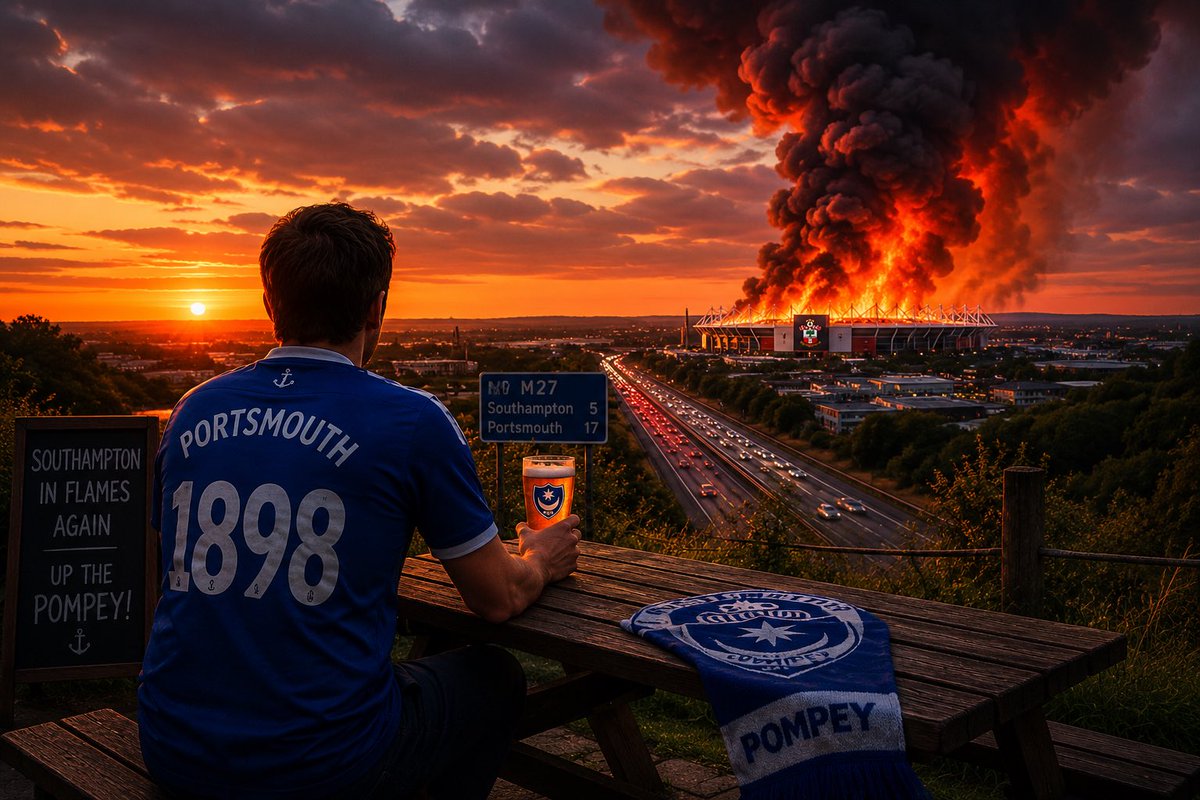
I hope William the young Southampton intern that got caught with the filming is okay and has people around him
As the magnitude of the actions he took, presumably under instruction by higher people at the club is truly disgusting that he was put in that position
262
1,147
37,448
1,582,803
Wandering Deeps retweeted

May 19
🔜

1,001
4,491
44,107
3,765,636
Wandering Deeps retweeted

Some need a reminder that part of the 'Art of Admiralty' is the fusing of dedicated civilians with naval professionals into one team. It's not one is better than the other. The greatest maritime strategist was a lawyer, not a sailor: its the fact he worked as an equal beside naval service leaders that mattered. This is because the nature of the sea and sea warfare required marines and sailors to focus on their task, while naval civilians focused on theirs. When it works, you develop the greatest navy the world has ever seen. When it doesn't work, you empower 'seablindness' and policy, strategic and doctrine dysfunction which in the long term creates...decline...
Learn this.
NB: Only the highest ranking civilians or government etc have higher authority over the military, as most countries have civilian control of their military services.

1
6
19
953

Wandering Deeps retweeted

May 2
I regret to inform you that Ask Jeeves is dead. The site closed yesterday. Web 1.0 lost another founder.
Ask Jeeves: 3 June 1996 - 1 May 2026. Send no memes.

1,059
12,948
71,089
3,328,249
Wandering Deeps retweeted

Apr 29
British establishment carried out temporal pincer move to save AUKUS by going back in time to make sure that a 1940s era Australian-UK submarine was named HMS Trump
Powerful


KING CHARLES III: "There was one particular AUKUS predecessor, launched from a UK shipyard in 1944 that served for the majority of her life attached to the 4th Submarine Squadron in Australia playing a critical role during the war in the Pacific. Her name? HMS Trump — so tonight, Mr. President, I am delighted to present to you, as a personal gift, the original bell which hung on the conning tower of your valiant namesake. May it stand as a testimony to our nation's shared history and shining future." 🇺🇸🇬🇧
25
185
4,096
146,740
Wandering Deeps retweeted

Apr 28
This is what AI was made for 🤣
247
4,276
45,783
3,131,095

Apr 12
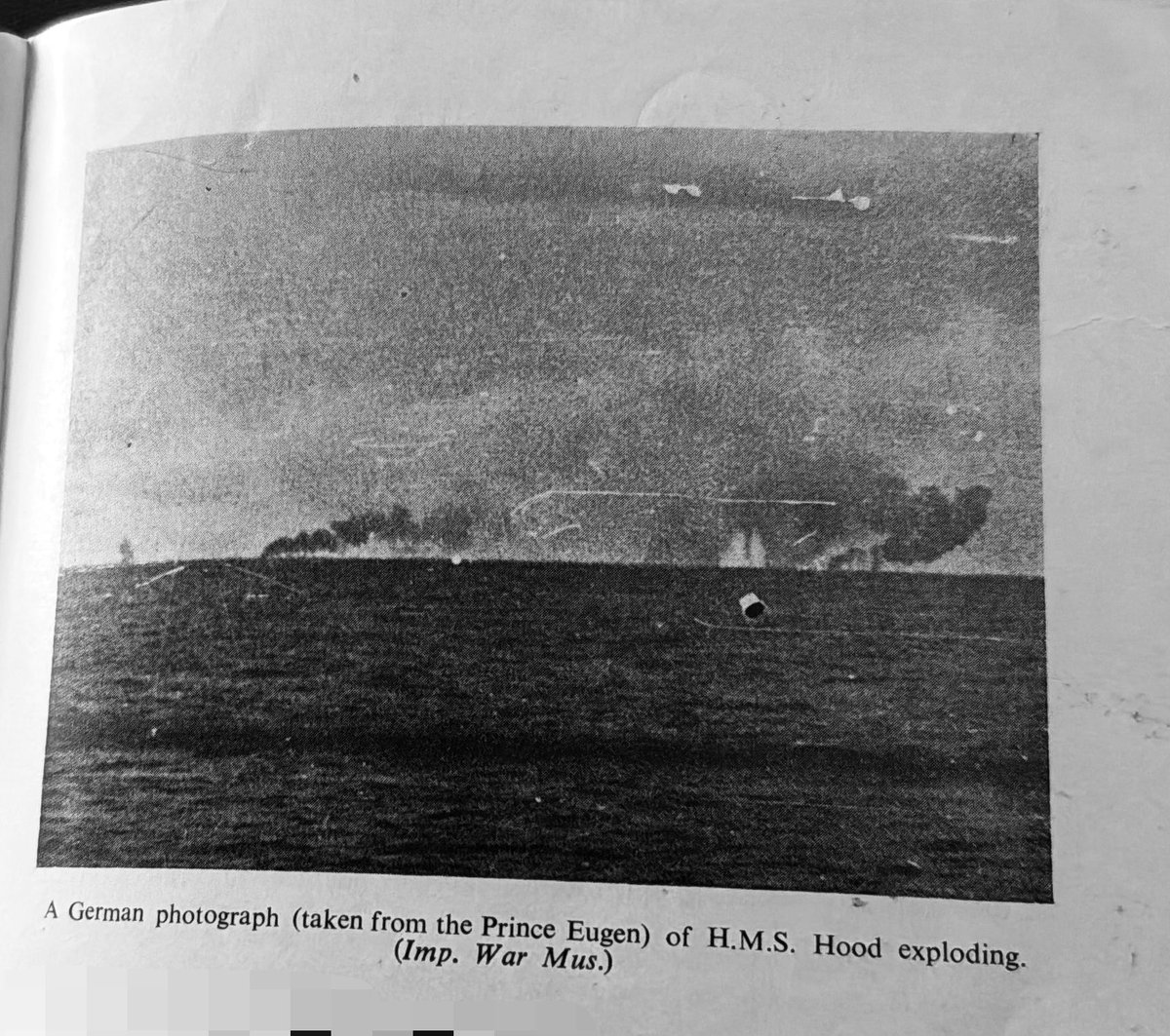
@WeHaveWaysPod found this in an old handbook for new entrants to HMS Ganges; gives an idea of the size of the blast.
1
1
20
Apr 26
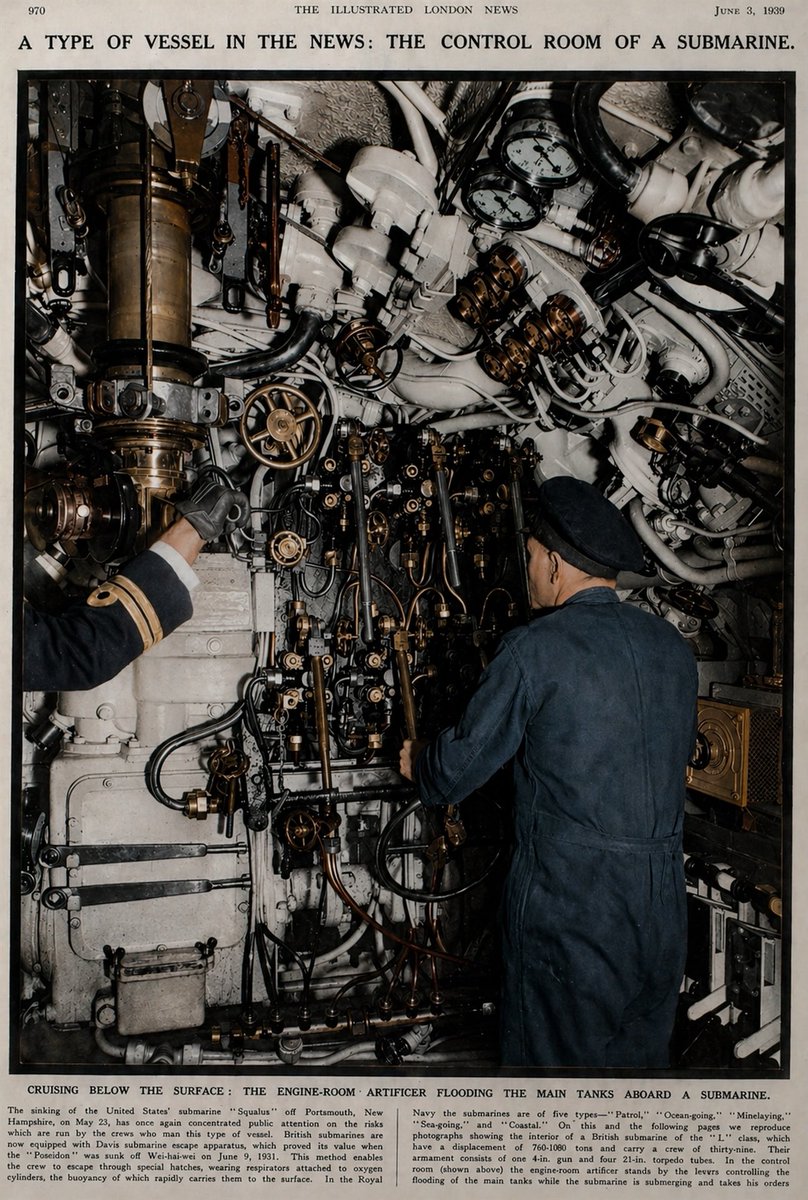
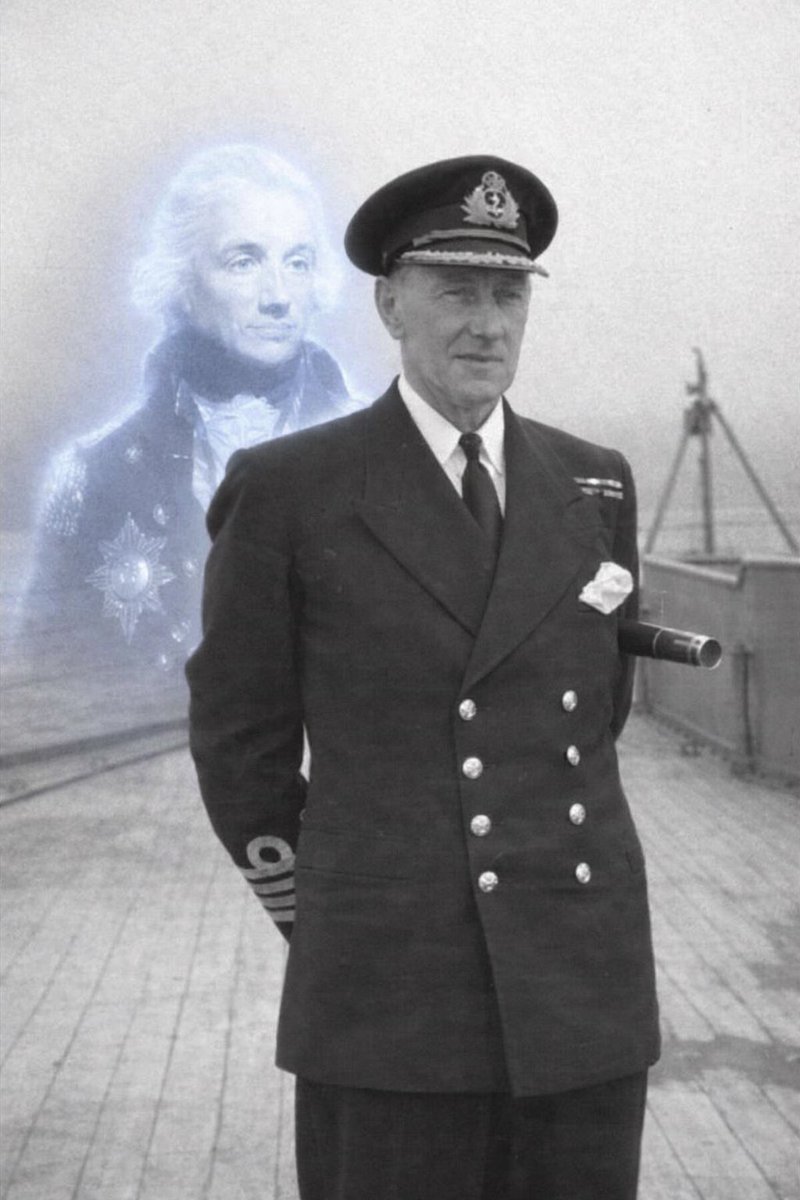
AI makes this sort of colourisation simple even for a duffer like me - I will have to find some of the more unusual pictures I have kicking around!
11
Wandering Deeps retweeted

Apr 23
It’s fascinating. Yes, there are macro causes of relative decline in all Western states’ underlying advantages (mainly, others’ catch-up).
But even compared to similarly-developed peers, the UK simply chose to give up on its most distinctive accumulated strength: sea power.
1/4
Apr 23

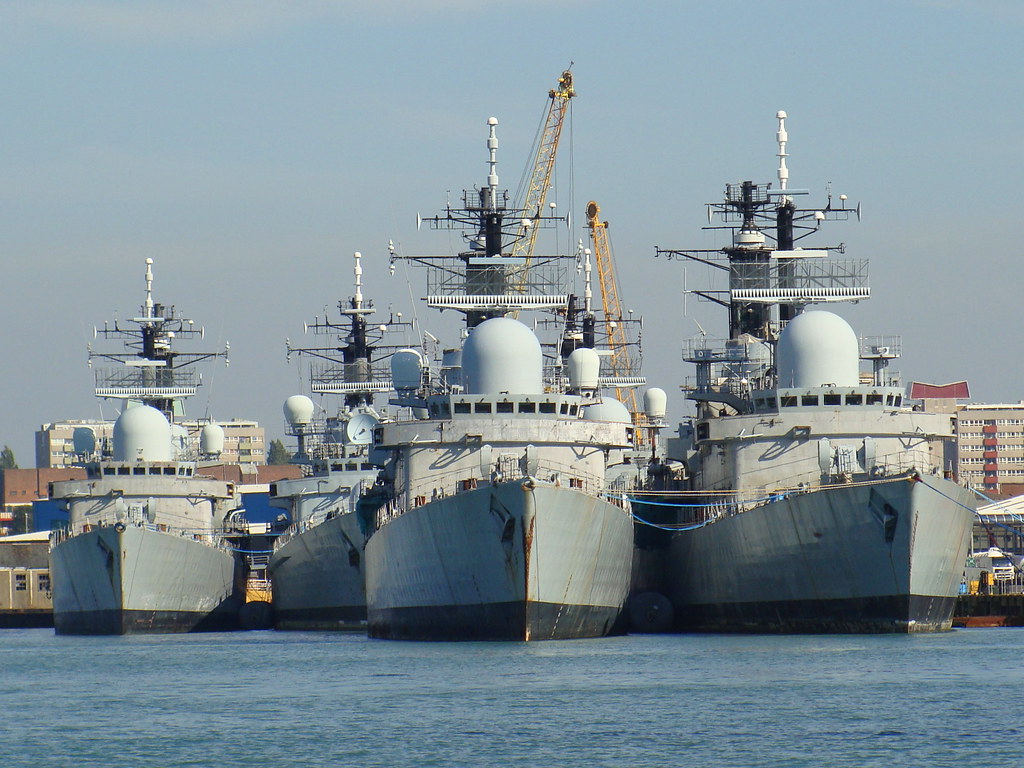
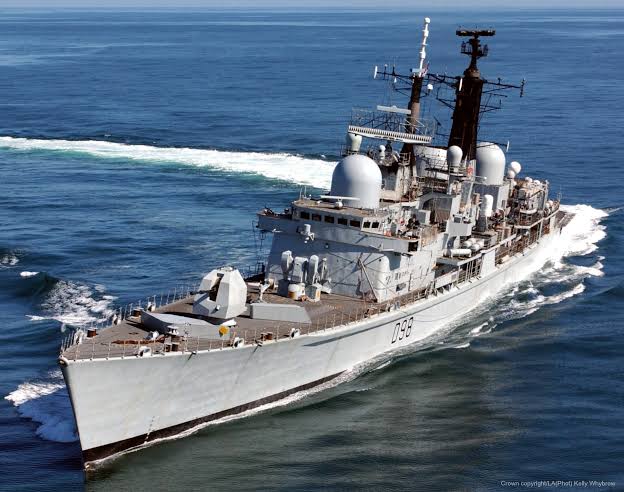
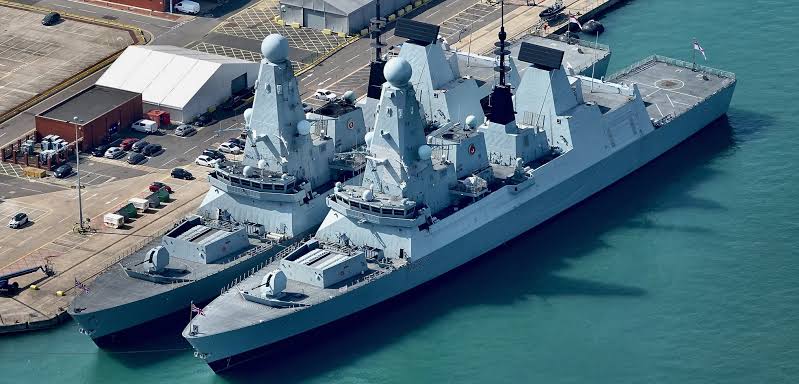
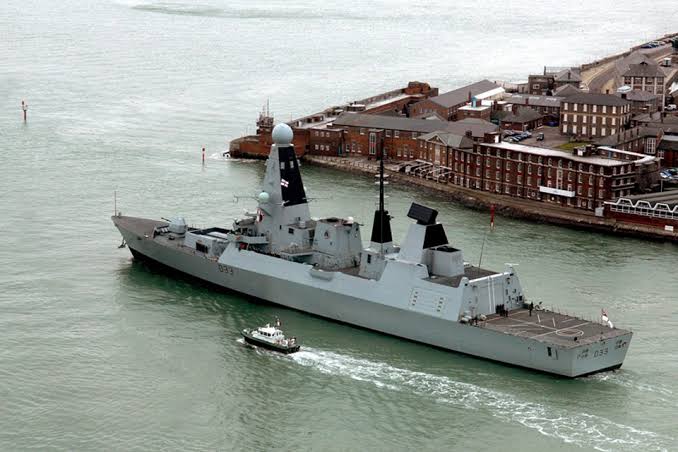
Staggering. In the last 46 years since 1980 the UK Government has ordered just six destroyers. While a number of Type 42s were built after 1980, they were ordered in the 70s. Let that sink in. The US operates 75 ABs and 25 planned plus Zumwalt @ModernNavy
questions-statements.parliam…
8
11
144
23,915
Wandering Deeps retweeted

The lack of sequels to Master and Commander: The Far Side of the World (2003) still hurts. The world, the characters, the craft were built for a trilogy. One of the great modern epics that should’ve continued, but never got the chance.
295
340
5,478
337,001
Wandering Deeps retweeted
"One day the public will see why the Admiralty objected to the MoD. There is a lie, a misdirection, manipulation of facts: a spread of an illusion of choice at its heart... I have no doubt that will play out over the decades until Britain finds itself defenceless."
-Sir Caspar John [1903-1984], First Sea Lord [1960-1963].
Find out more in my forthcoming title.
![Sir Caspar John [1903-1984].](https://venexa.site/media/HFxz9yBX0AAGVD4.jpg)
ALT Sir Caspar John [1903-1984].


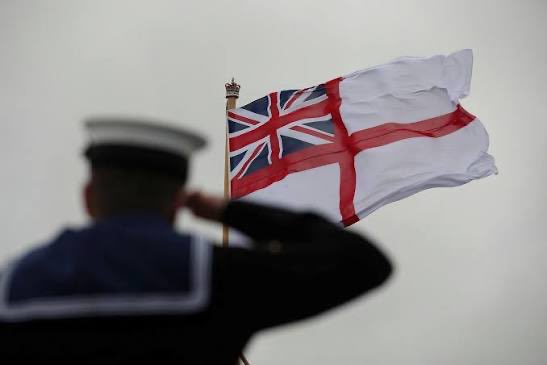
The Royal Navy is teetering on the edge of organisational terminal decline.
‘British’ seapower is a 480-year tradition through a proven national strategy that has delivered national security and victory — now actively abandoned.
The UK must now decide if it wants to abandon that tradition entirely or restore it, rather than continue prevaricating.
There is no other choice.
Reminder: Britain is already, as of March 2026, by the definition and metrics: not a seapower, maritime nation or naval power.
2
31
154
13,537
Wandering Deeps retweeted
I'm seeing the same mistake across academia, historians, journalism & commentary: the claim that turning the Royal Navy 'around' can be done by 'public opinion'.
NO.
Public opinion only works in an educated seapower state. That has been actively deconstructed. Accept this fact.
2
12
64
3,827
Wandering Deeps retweeted

Worth remembering: we didn’t used to count the nuclear deterrent or military pensions in defence spending. Strip those out today and we’re not at 2.5% of GDP — we’re closer to ~1.8% on actual conventional forces. That’s why we no longer have sufficient ships, tanks and planes..
41
304
1,509
41,089
Wandering Deeps retweeted
The reason this passes for news - beyond the Mail’s love of clickbait - is that the naval knowledge of the country (and its media) is now so low that most people don’t know that all warships get loads of OPDEFs all the time.
1/3
Apr 7

HMS Dragon forced to dock in the Med amid 'technical issues' with its water system in latest embarrassment for Royal Navy trib.al/Hx63bbF
14
24
235
71,851
Wandering Deeps retweeted
"Isn't it bizarre that no one complains when the army or air force loses a tank or plane, but all hell breaks loose when a warship sinks? Warships are meant to be used—and some will be lost. But we are here to employ our forces, not languish in fear of risk or for enemy..."
––First Sea Lord Henry Leach (1923-2011) commenting on risk adversity in modern politics, academics like Sir Micheal Howard (1922-2019) and the modern media.

23
41
495
89,388