Canadian 🇨🇦 photojournalist 📸 in #Jeju 🏝 #SouthKorea 🇰🇷 #photography #photojournalism. Life-long fan of #Canucks 🏒 🥅 and 2019 WS Champs @Nationals ⚾️🏆
Joined October 2009
- Tweets 90,080
- Following 2,468
- Followers 5,648
- Likes 2,849
14,011 Photos and videos


Pinned Tweet

21 Jul 2014
Some of my best #photos from my trips around the world #LP #travel #photography #flickr flic.kr/s/aHsjPzxH99
13
48
137
Douglas MacDonald retweeted

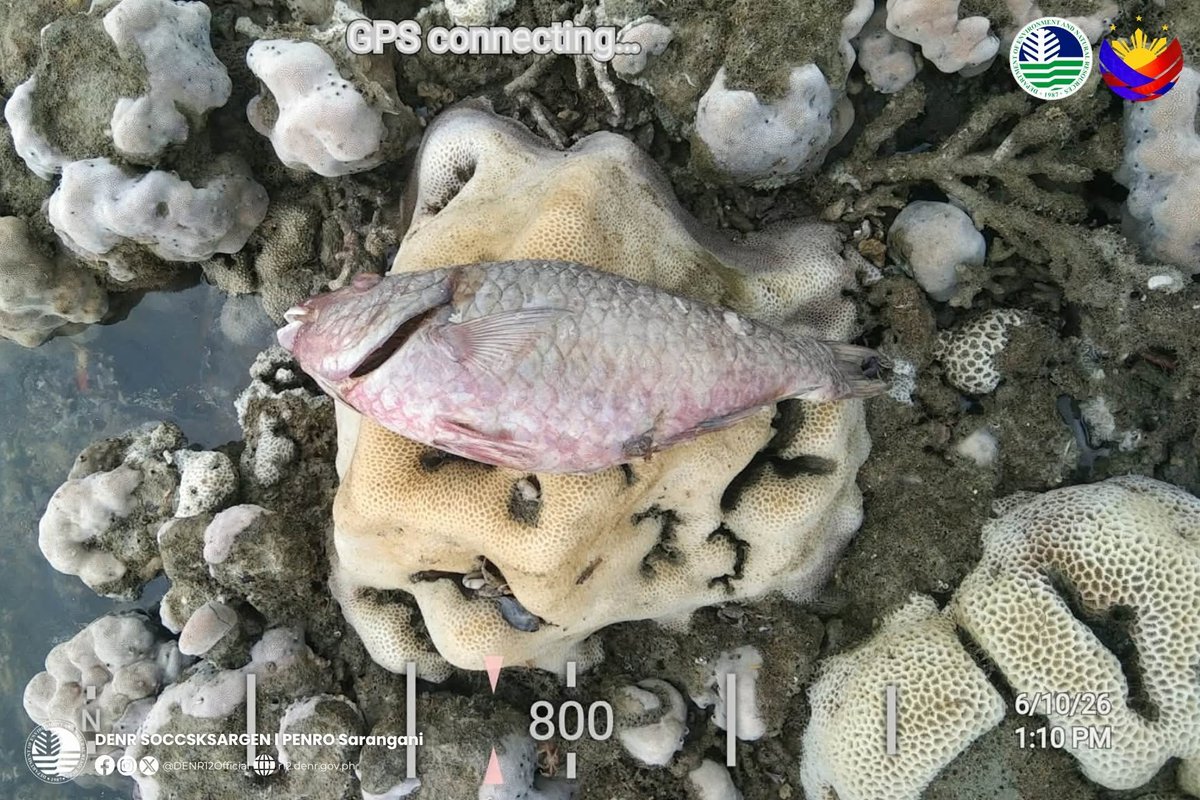
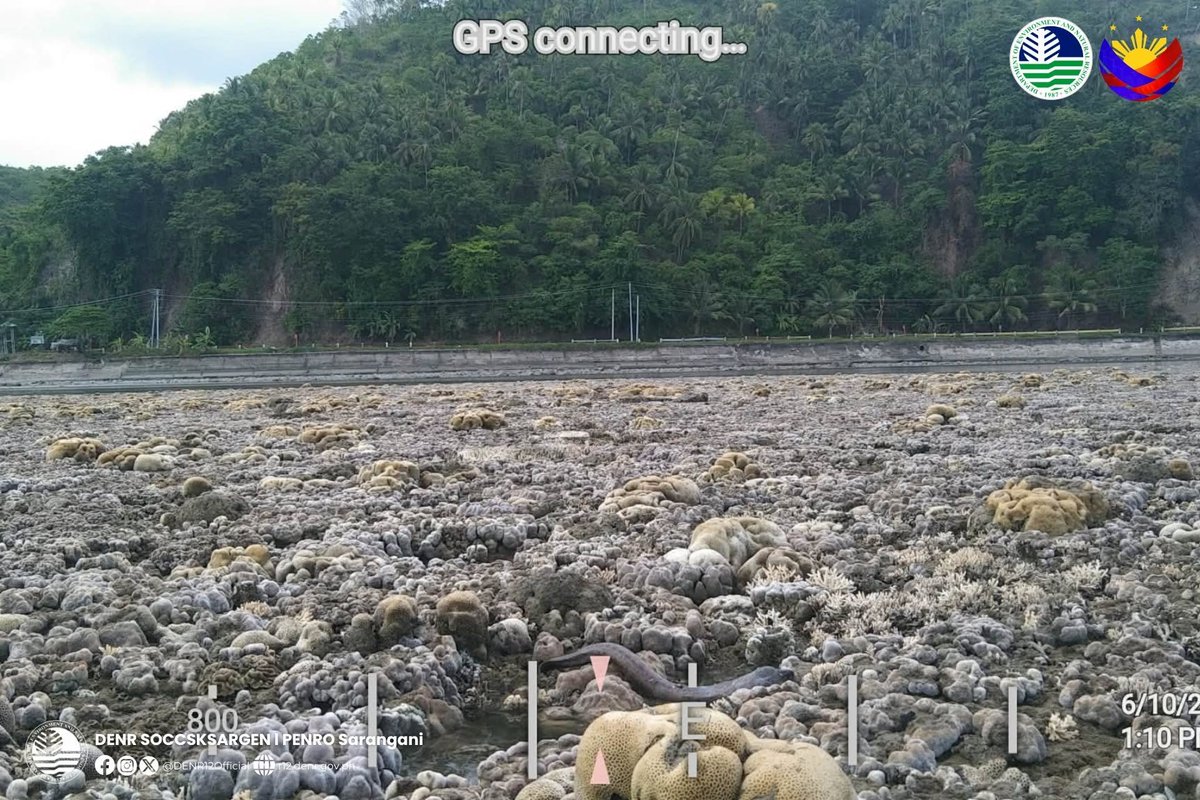
👀 The 7.8 magnitude earthquake that struck Mindanao caused parts of the seabed to rise by as much as 2 metres and the coastline has reportedly moved out by around 200 metres.
The sudden uplift has exposed coral reefs, seagrass and marine habitats, leaving sea life stranded and causing damage to the underwater ecosystem. Officials found exposed coral and dead marine animals along affected areas.
It’s incredible to think about the force needed to physically lift the seabed out of the ocean like this.
📷 DENR Soccsksargen
97
1,668
5,765
438,869

The Washington Nationals' record for runs in a regular season is 873 in 2019.
The 2026 Nats are on pace for 872 runs.
What the Nats are doing with their new, analytics-based process, improved coaching and promising young players is one of the best stories in MLB.
@Nats_Chat
9
18
262
9,461

Top Secret Aurora class craft caught on video in Paris, France...🧐🤔
This UFO Sighting apparently happened in 2009, before all the fakes were being made. It was sent to Scott C. Waring back in 2009 by a military guy in France who wishes to remain anonymous.
40
100
994
70,094
Douglas MacDonald retweeted

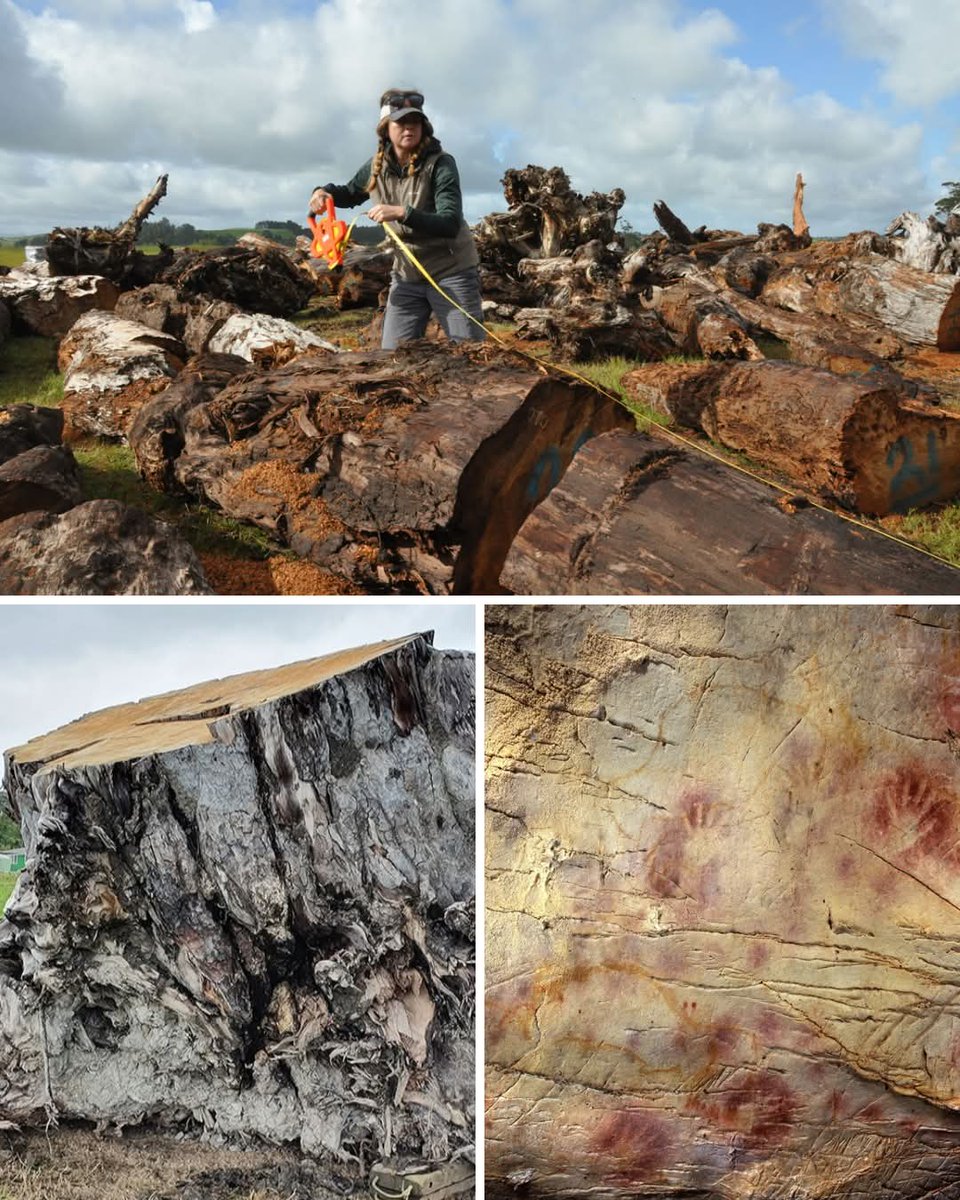
A 42,000-year-old tree rewrote Earth's history...
Workers excavating a site for the expansion of a geothermal power plant in Ngāwhā, New Zealand 🇳🇿, unearthed something no one expected. Buried under 26 feet of soil lay a kauri tree measuring eight feet in diameter and 65 feet in length. Carbon dating revealed it had lived for around 1,500 years, between 41,000 and 42,500 years ago.
So well preserved was the wood that the bark was still attached. Scientists immediately recognized its staggering potential. "There's nothing like this anywhere in the world," said Alan Hogg from the University of Waikato. "This Ngāwhā kauri is unique."
Its rings offered an incredible 1,700-year record of Earth's environmental conditions, precisely spanning the period of the Laschamps Excursion — the last complete reversal of Earth's magnetic poles.
An international study using the ancient swamp kauri showed that a temporary breakdown of Earth's magnetic field 42,000 years ago sparked major climate shifts leading to global environmental change and mass extinctions. During a period of about 500 years, the poles remained reversed, with a field strength that varied below 28 percent of today's value.
With the dwindling of the magnetic field, Earth lost an important protective shield against cosmic radiation.
Researchers dubbed this episode the "Adams Transitional Geomagnetic Event," a tribute to Douglas Adams, who wrote in The Hitchhiker's Guide to the Galaxy that "42" was the answer to life, the universe, and everything.
© dailystories
#archaeohistories
21
136
664
28,941
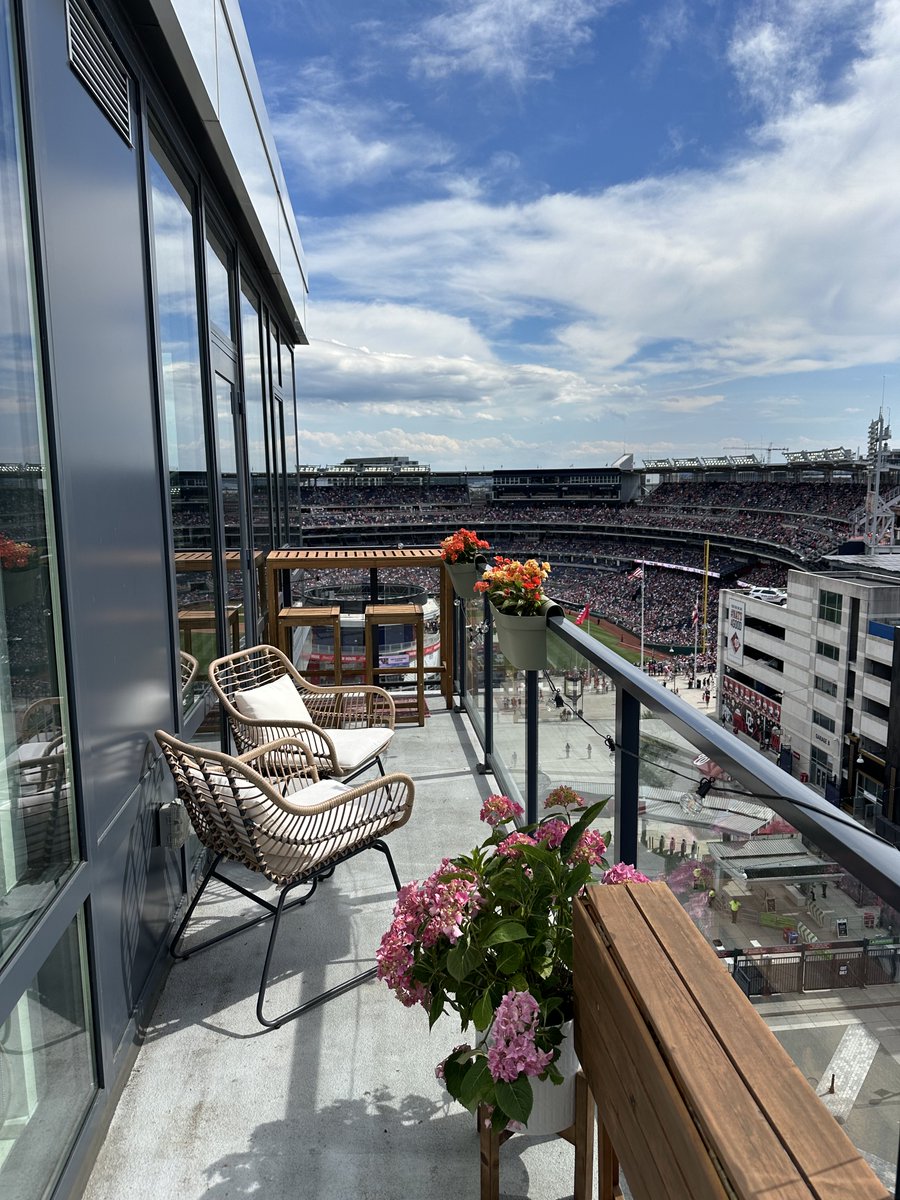
If I had this view I don't think I'd ever move from this apartment.
Think of all the great spring/summer/fall evenings spent watching games with family and friends.
Jun 12

Summertime in DC makes me nostalgic for our old apartment. Miss this view.
1
1
49
Meteorite found in Sahara desert may be 1st evidence of lost solar system world space.com/astronomy/solar-sy…
13
A cave in the Pyrenees at 7,330 feet above sea level contained 23 ancient fireplaces, traces of a child, and green stones that prehistoric people appear to have been climbing up there to process as copper ore for over 4,000 years share.google/jWP9MsPTgFXFfz5…
22
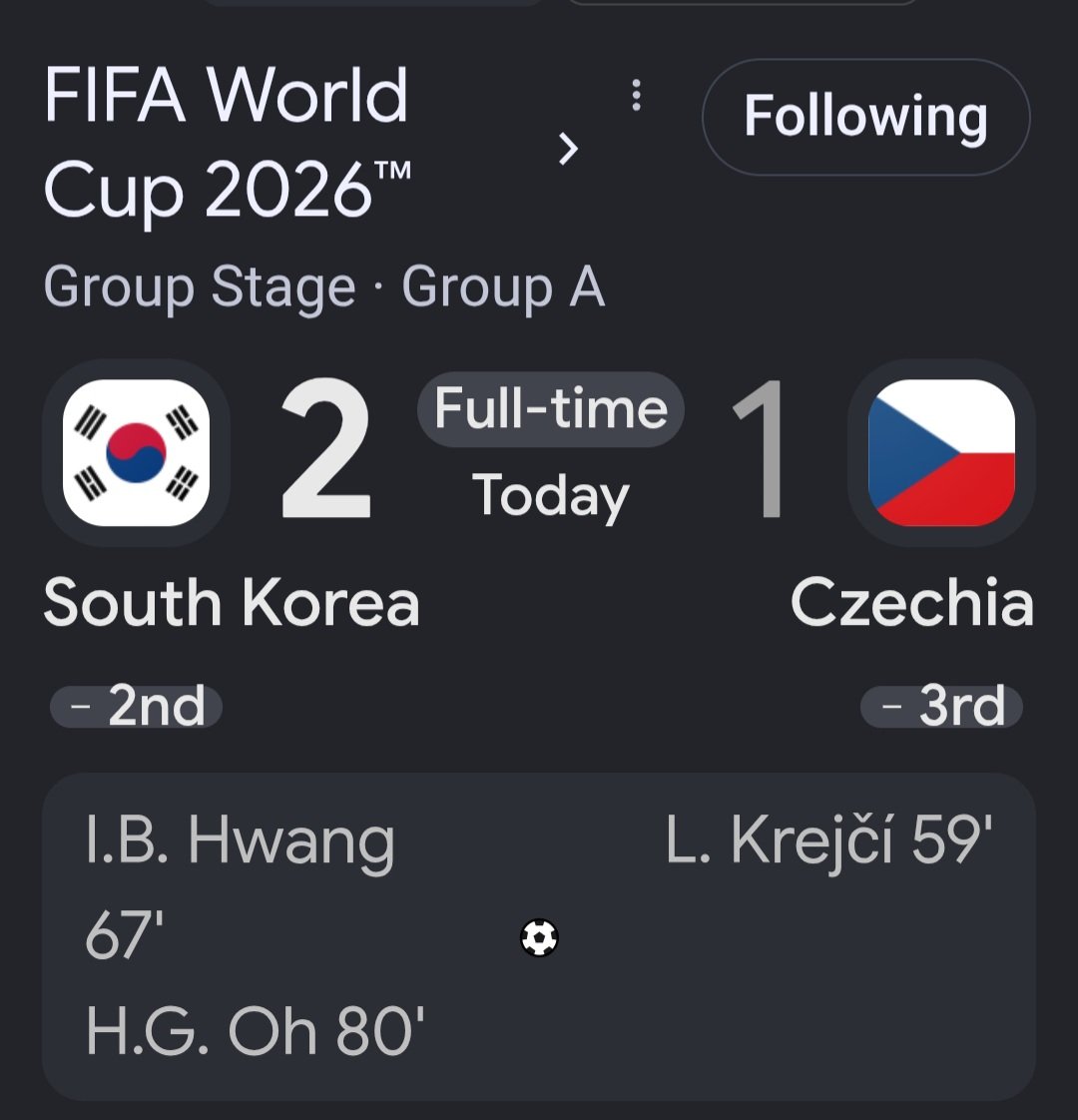
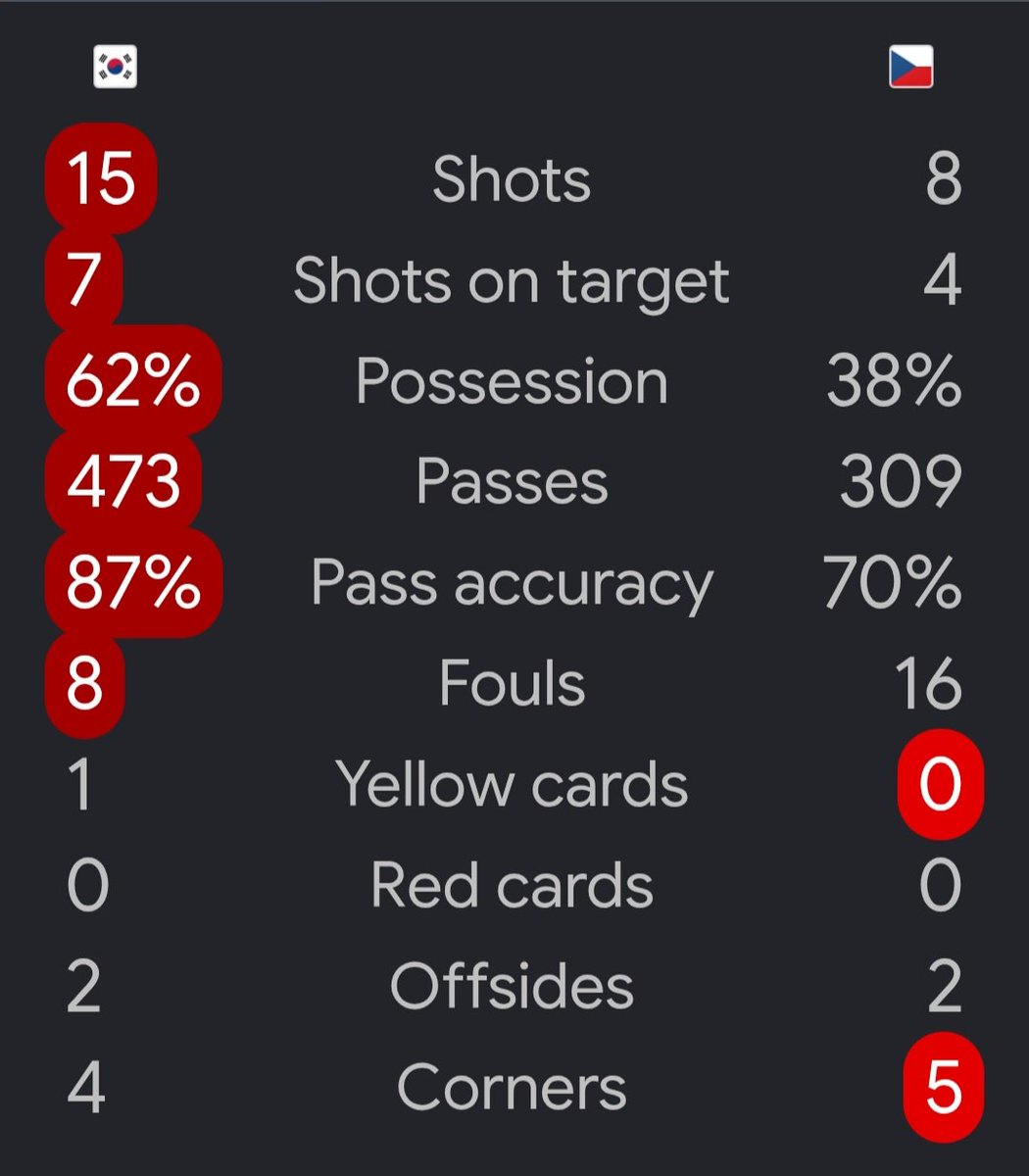
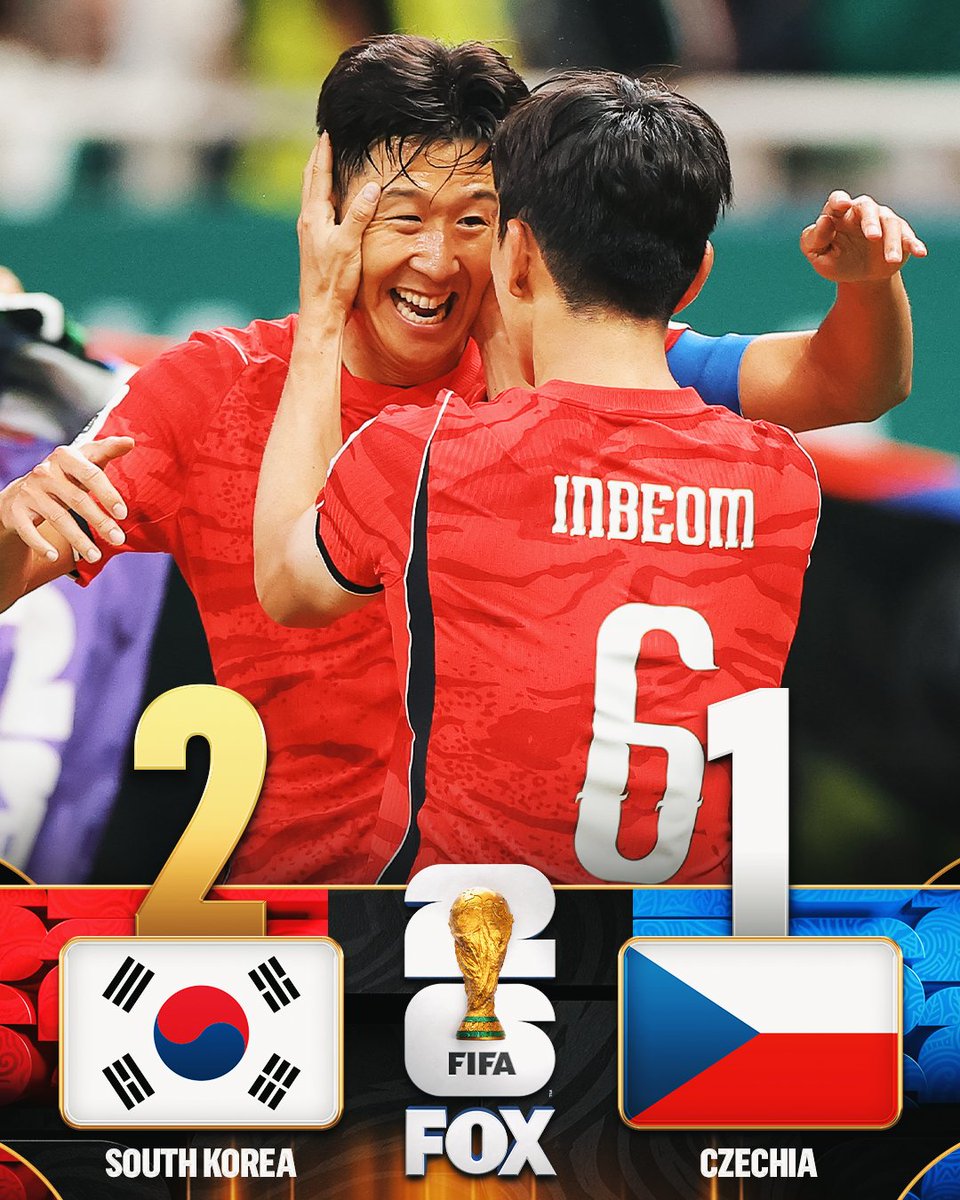
Great comeback win to start the tournament for South Korea.
Despite falling behind 1-0 early in the second half, overall they were the better team on the night.

81
RT @TheGoalsZone: 🚨🌎 | GOAL: HYEON-GYU OH SEALS THE COMEBACK FOR SOUTH KOREA!
YES, FROM 0-1 TO 2-1! FANTASTIC!
🇰🇷 South Korea 2-1 Czechi…
7
2

South Korea 🇰🇷 ties it up at 1-1 with about 17 minutes left to play.
1
721
Douglas MacDonald retweeted

Jun 12
🚨 South Korea squad are arriving to Akron Stadium for their 2026 World Cup debut! 🇰🇷✨
2
21
121
8,472

Nikita Kucherov is the Hart Memorial Trophy winner for the second time in his career! 🏆 #NHLAwards
The Hart Trophy is awarded annually to the League MVP.
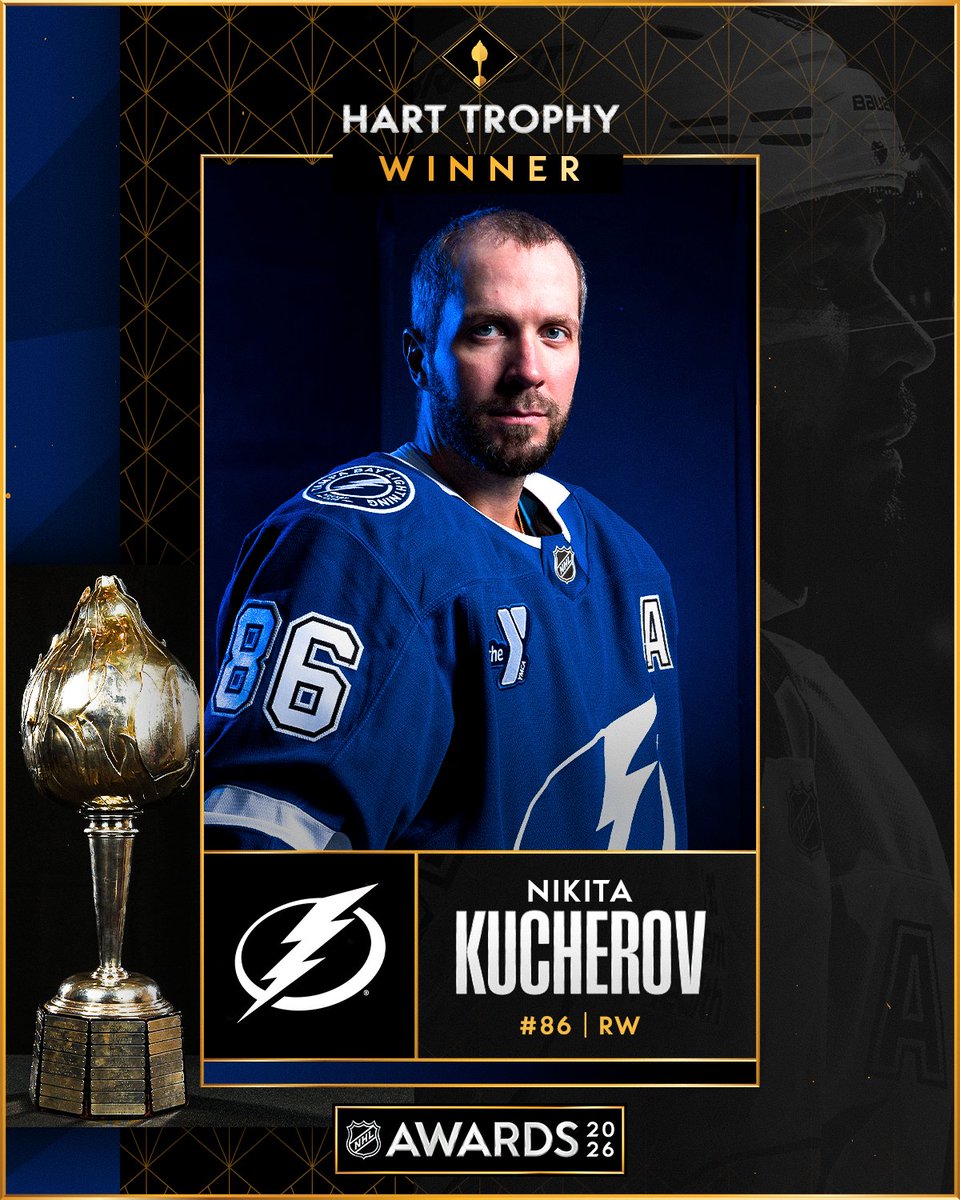
ALT Photo of Nikita Kucherov in a Tampa Bay Lightning uniform with the Hart Trophy pictured to the left. Text reads, \"Hart Trophy winner, Nikita Kucherov, #86, RW\".
99
298
1,845
86,207
Douglas MacDonald retweeted

Jun 11
🚨🌍 NEXT WORLD CUP GAME:
South Korea vs Czech Republic!

211
205
4,045
104,762

Douglas MacDonald retweeted

Jun 11
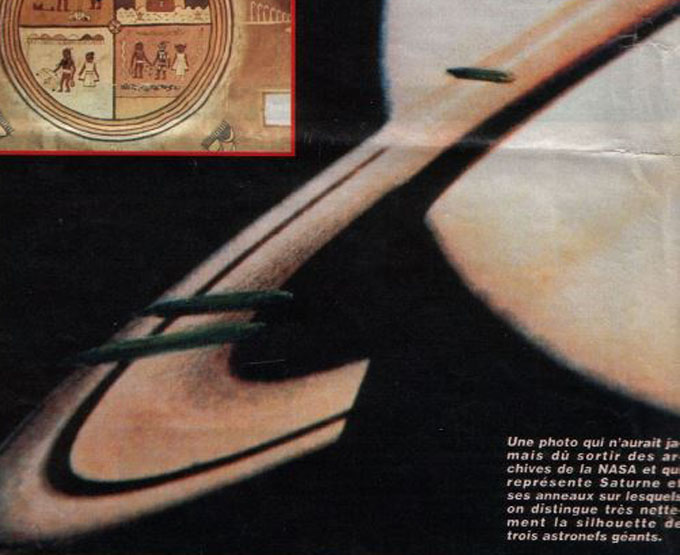
地球4個分の超巨大UFO??
元NASAの研究員だった、ノーマン・バーグラン博士が
生前にとんでもない暴露してる...
それがこの写真で、これは1980年にやってた
ボイジャー計画で撮られた土星の写真で
リング部分に、超巨大なUFOが写ってる
このUFOのサイズがとんでもなくて
直径が地球の4個分で、5万キロ近い大きさになる
まじで意味分からんサイズやけど、
同じような物体が3機も写ってる…
もしこんなんが地球せめて来たら、一瞬で
人類は滅びてしまうやろな
#UFO #UAP #ufo #uap #alien #エイリアン
36
157
1,296
116,789
Douglas MacDonald retweeted

Jun 11
First trailer for David Ayer's ‘HEART OF THE BEAST’, starring Brad Pitt.
The survival thriller follows a former soldier & his dog who battle for survival after a plane crash in the wilderness.
In theaters on September 25.
429
2,064
22,721
1,564,642
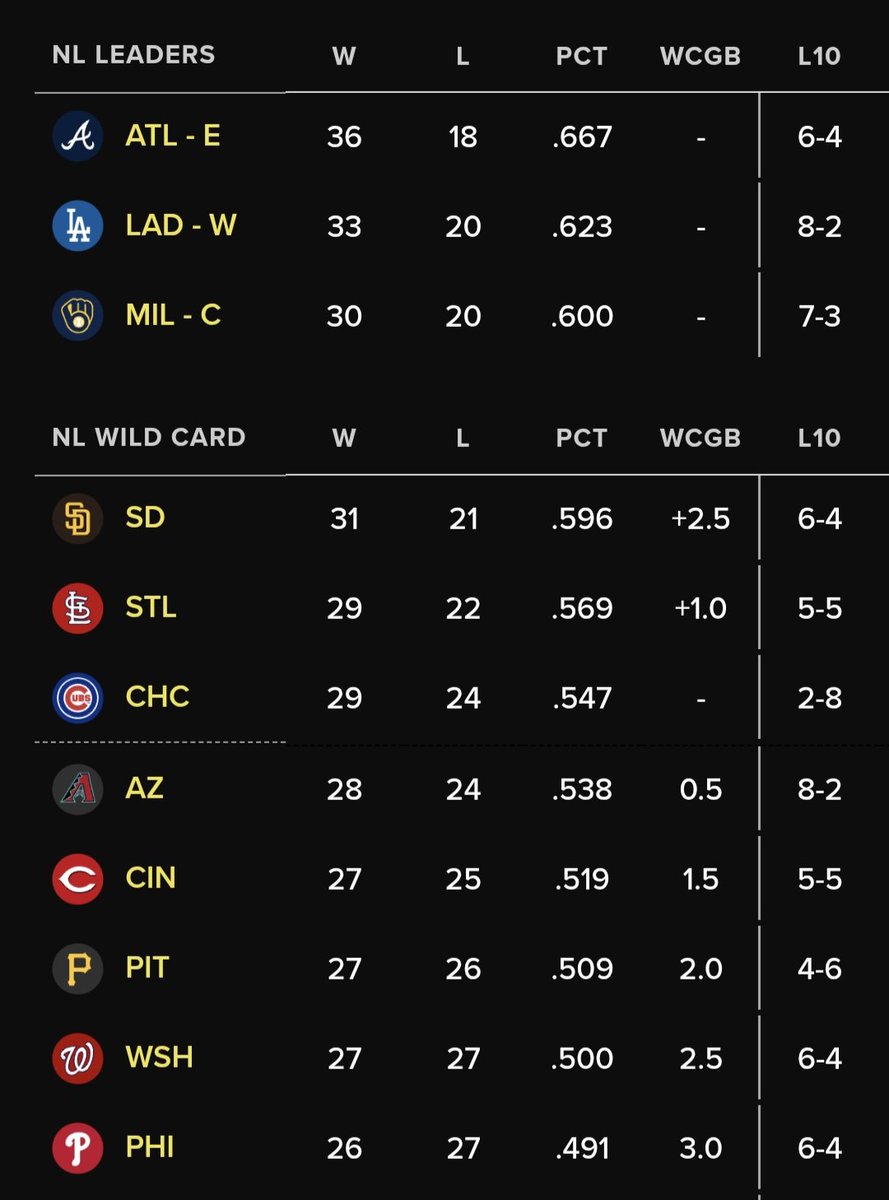
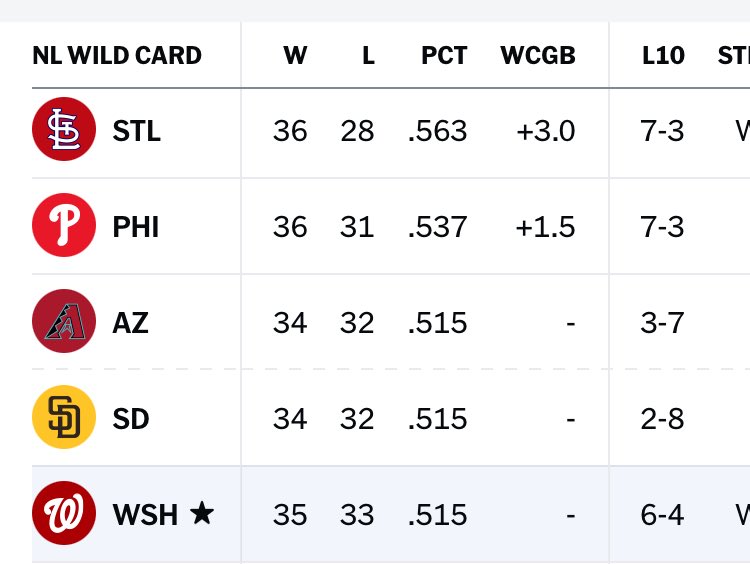
First time the Nationals have been in a wild card spot since the end of the 2019 season, when they clinched the top wild card spot and went on to win the World Series.
Jun 10

The Washington Nationals are currently tied for a wild card berth.
28
The Shield in the 2000s and The Americans in the 2010s were 2 of the best shows, if not the best, of those 2 decades.
Jun 9

Everyone mentions Sopranos, Breaking Bad, The Wire, Mad Men, etc as the best turn of the century prestige TV and rightfully so.
But I feel like The Shield never gets enough credit and should also be on that list. It was great.
1
35