
Joined February 2026
- Tweets 3,361
- Following 49
- Followers 34
- Likes 3,623
1 Photos and videos
JCF retweeted

Jun 14
The main question is how can we ruin this guys company for doxxing the man who didn’t want to work for him?

419
1,898
22,084
306,153
JCF retweeted

“Why do you care how people dress in public? It’s none of your business.”
Because not dressing well is a sign of moral decay in our society.

528
3,965
36,689
432,537
JCF retweeted

Jun 14
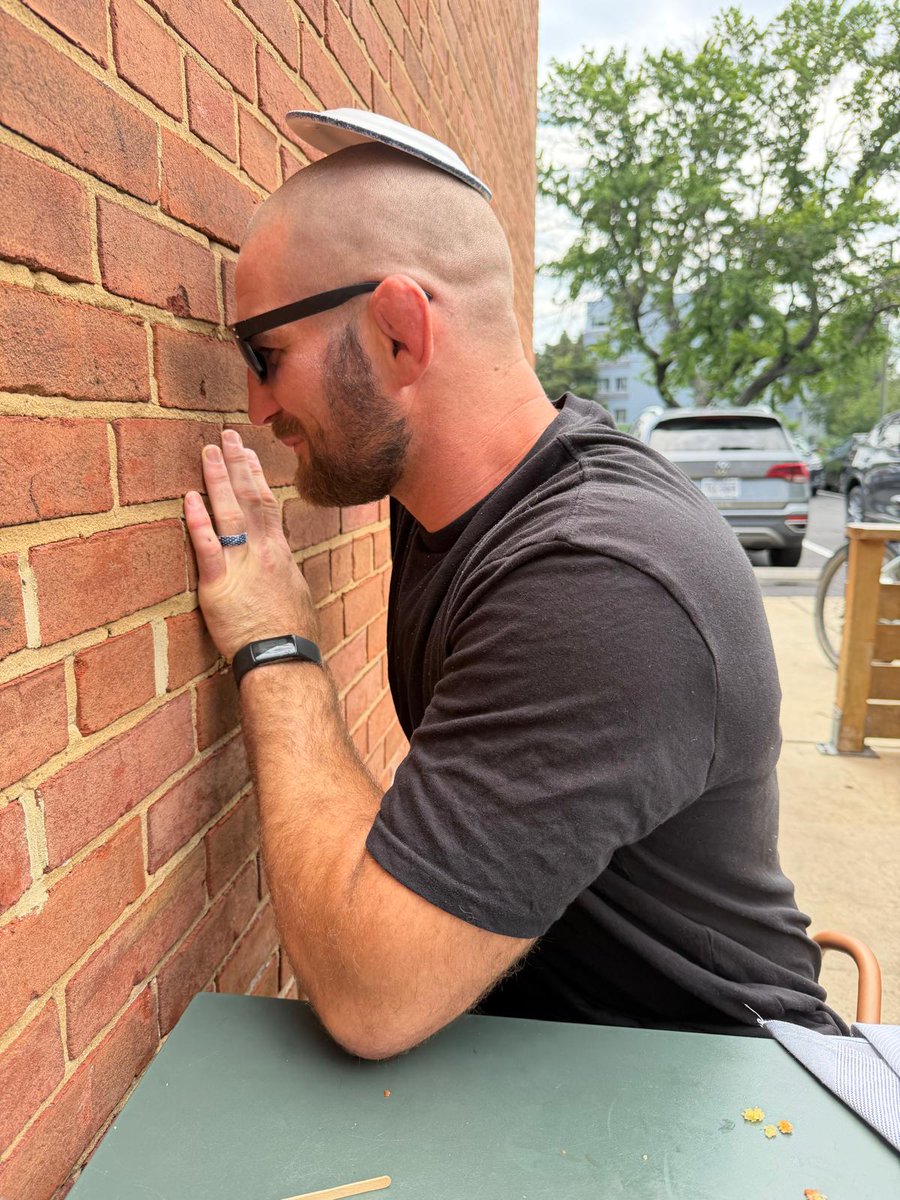
Who did it better?

1,871
9,796
148,701
3,942,956

JCF retweeted

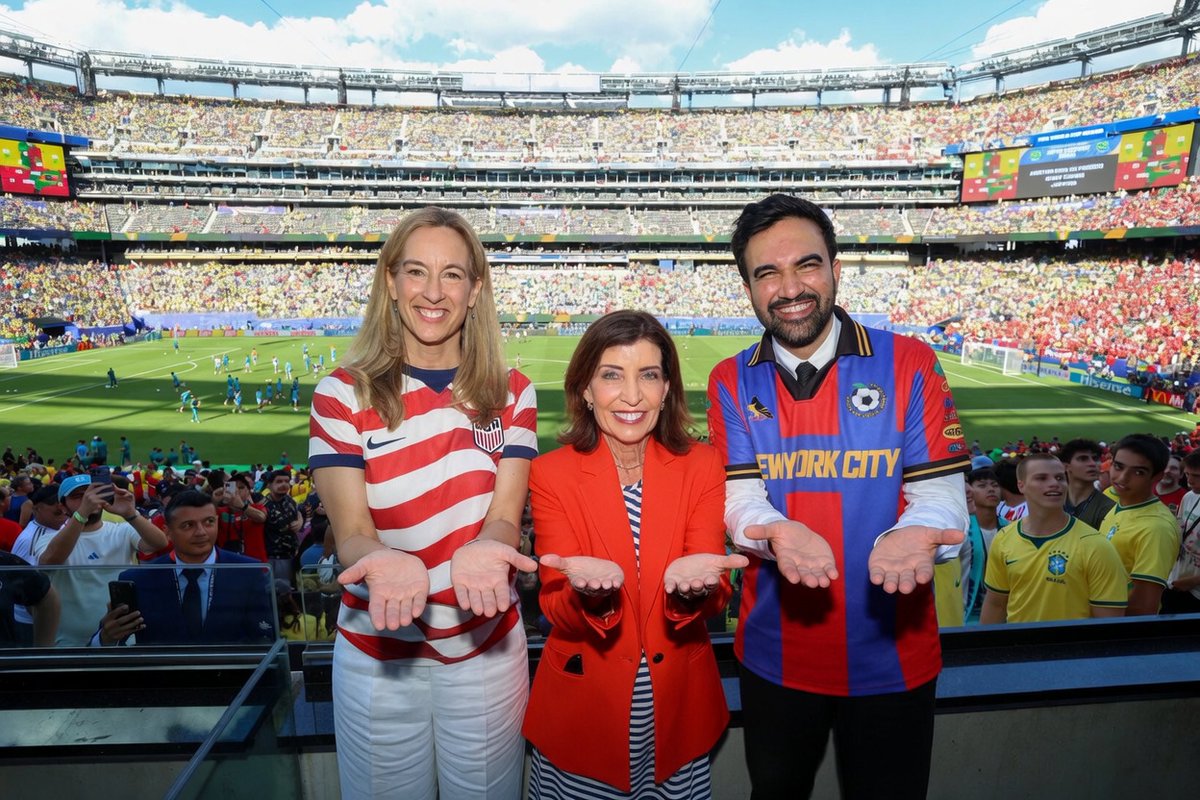
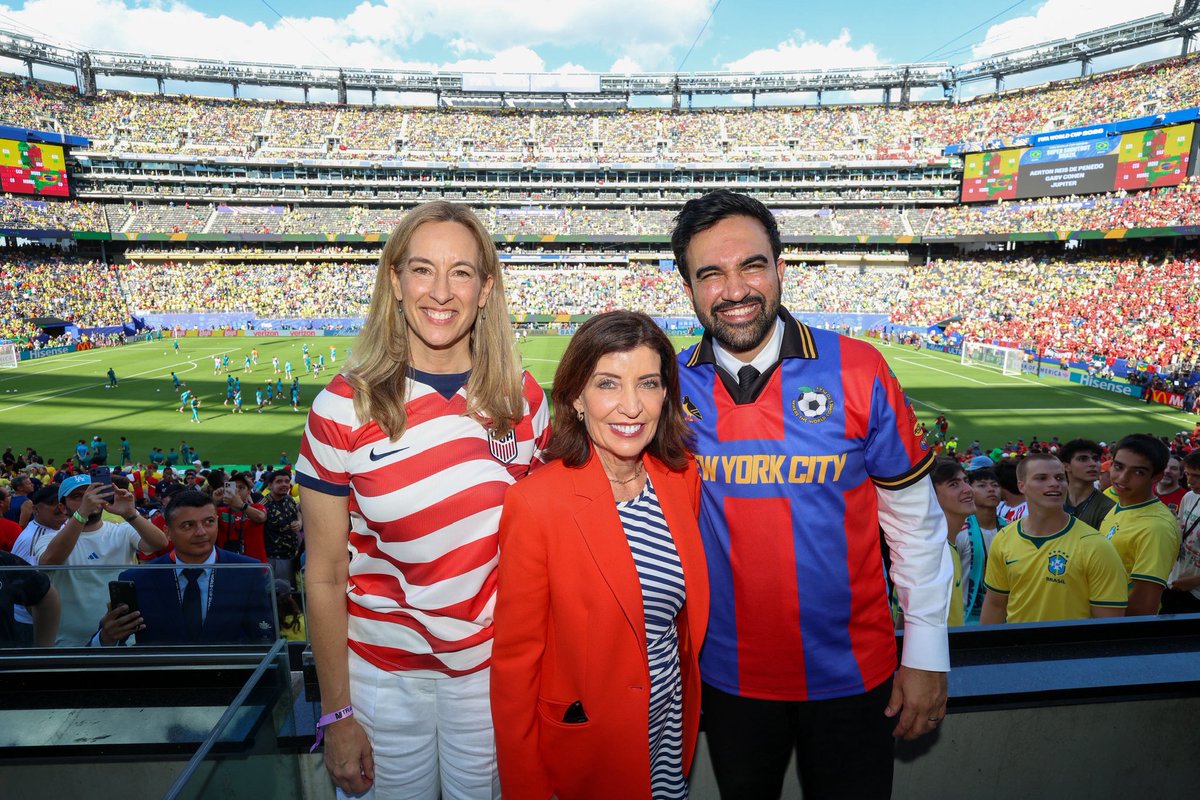
Fun fact: Exactly zero of these people were in office in 2018, when FIFA announced the World Cup was coming to the US, literally NONE of it occurs in New York City or New York State, and the Governor of New Jersey just got into office. These people did nothing.

Dream. Team.
After years of planning, the World Cup is finally here.
What a day.
188
2,386
22,668
878,172
JCF retweeted

Oracle cut 10,000 workers by email and kept filing H-1Bs the entire time.
The jobs didn’t disappear.
The Americans did.
61
847
3,684
59,511
JCF retweeted

Jun 14
A tech billionaire doxxing a literal teenager and trying to ruin his life is utterly psychotic behavior.
544
2,824
39,316
1,481,452
JCF retweeted

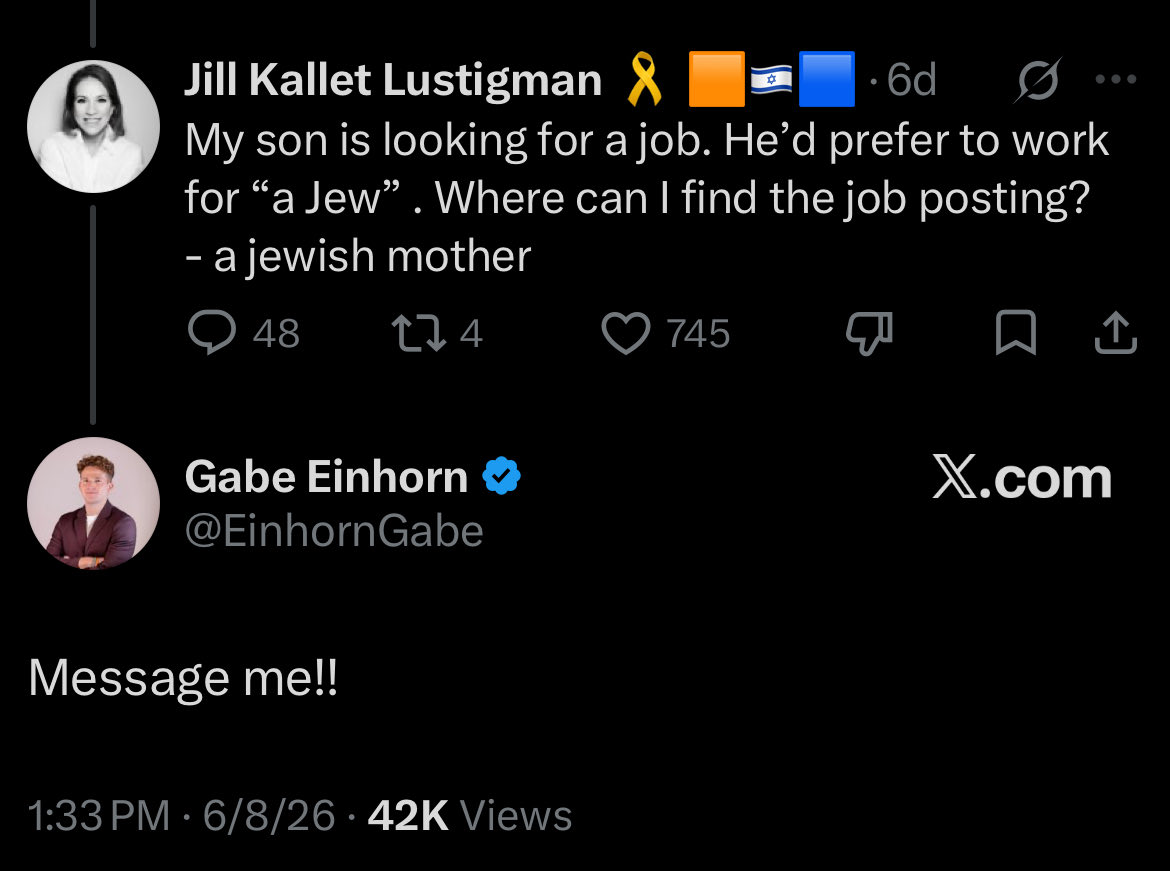
jew doesn’t want to work for a goy? Gabe Einhorn jumps at it with excitement.
Literally 5 days later…
Goy doesn’t want to work for a jew? Gabe Einhorn calls the jew police.
These people are cartoon characters.
112
2,066
18,615
212,878
JCF retweeted

That's not only embarrassing but if a vetted white house advisor has fake credentials...
Shouldn't there be an audit of all of them?
After all- this was the criteria for taking an American job away.
Best and brightest.
9
29
314
3,296
JCF retweeted

Another Indian #H1B pays his company to stay on the job b/c he expects the federal gov't will give him a green card prize, says lawsuit.
Indebted US grads can't compete w/ imports who work for minimum wage.
Brutally unfair.
Estb. journos are powerless.
bit.ly/4g4nCBt
25
228
650
35,760
JCF retweeted

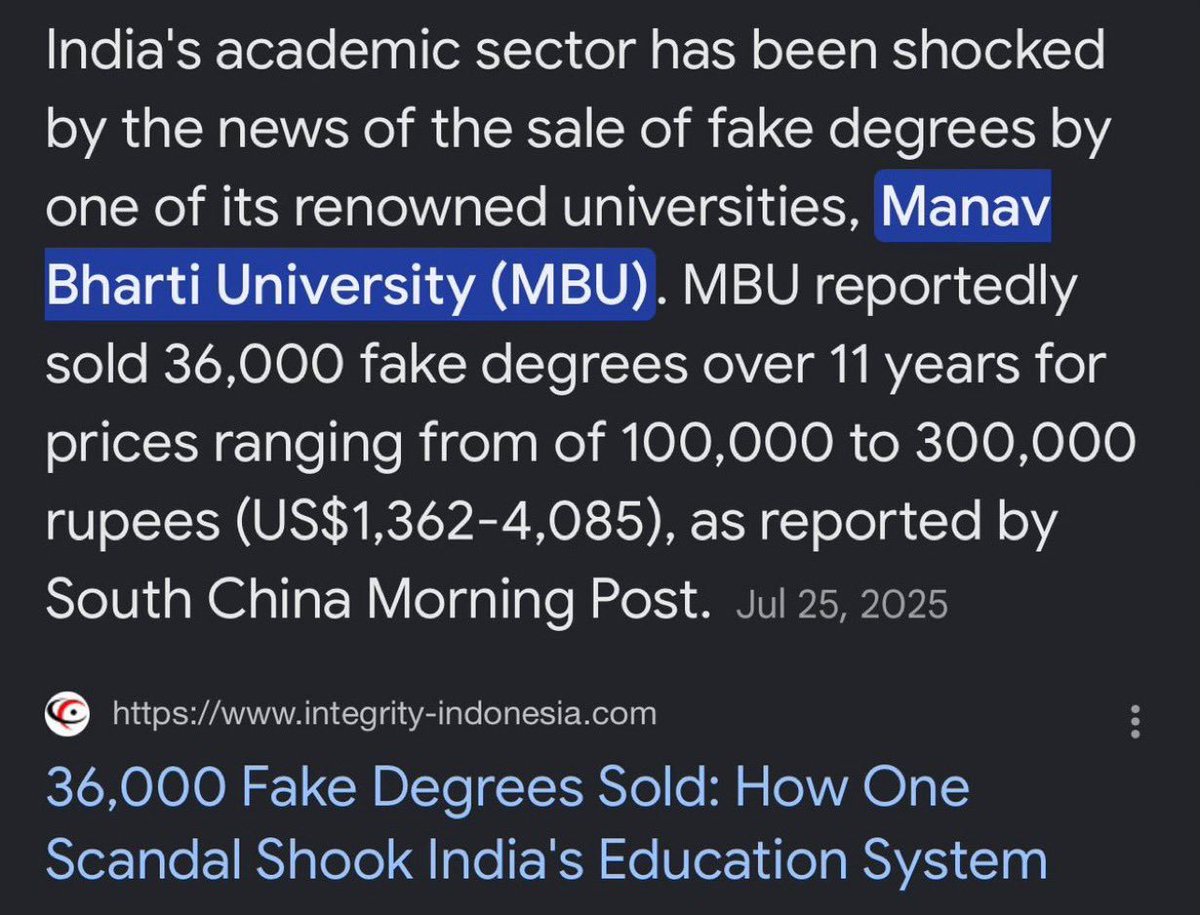
The clown INVADER Sriram Krishnan, the former White House Ai advisor was an Indian fake-degree holder?

101
589
2,341
28,976
JCF retweeted

So even their best and brightest are just scammers
Deport every single last Indian
95
1,435
16,275
200,269
JCF retweeted

This guy was one of the main reasons that the whole Christmas H-1B argument happened.

SCAM
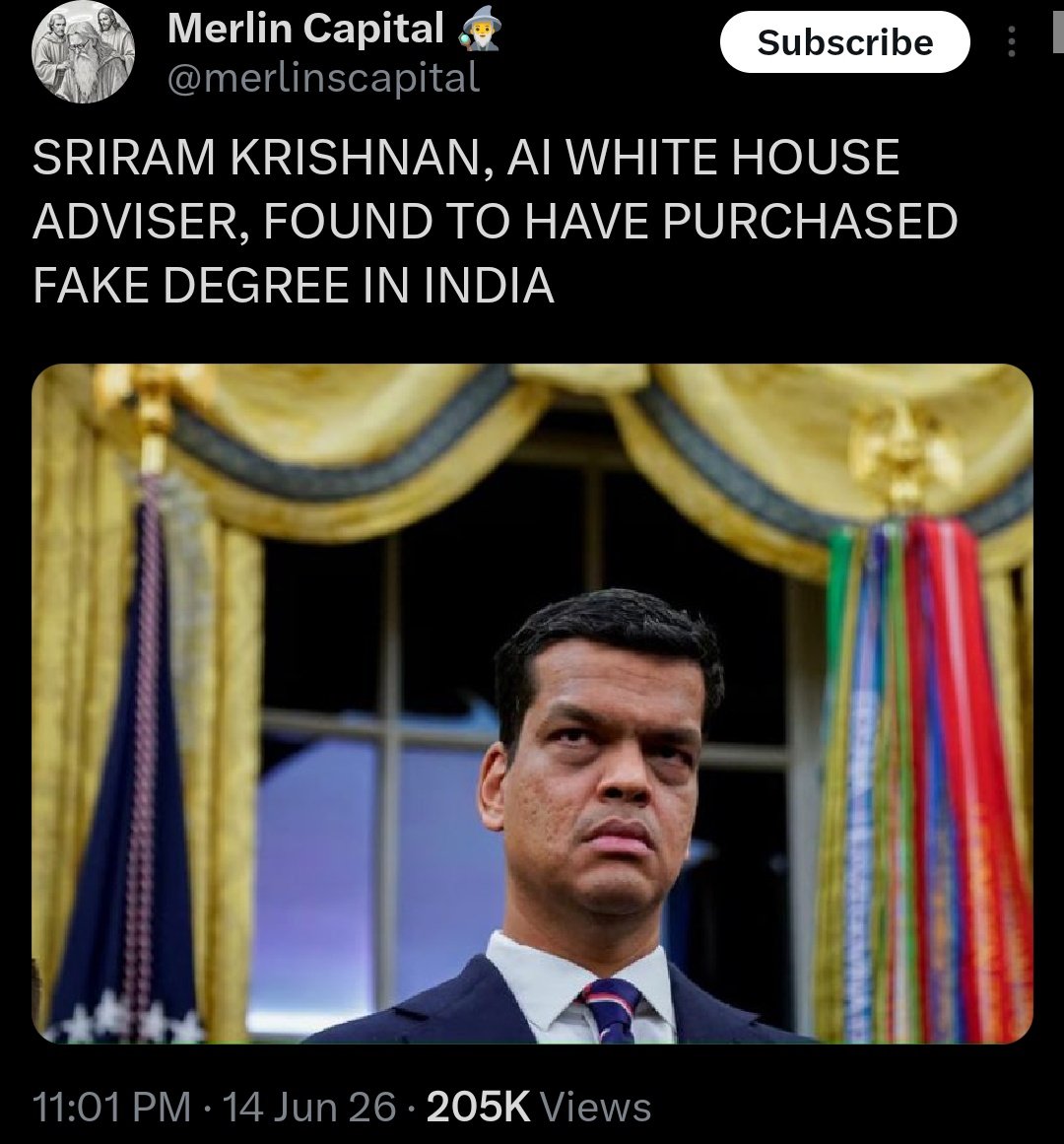
India born Sriram Krishnan, Senior Policy Advisor on Artificial Intelligence, is "voluntarily leaving the position. Reportedly, he purchased his degree in India and entered the US on a VISA to work with Microsoft.
Krishnan was a huge advocate for the India tech pipeline and removing per-country caps for green-card employment based permanent residency, to clear the massive backlog of Indian applications to enter the US. Allegedly, there were tensions about the H1B reform and 60 day waiting period.
How much more will it take to convince you that the India-US corridor and those involved, doesn't benefit the US AT ALL?
Ohio this is to you. Either you want your jobs, or you want to elect this. Vivek is selling data centers and automation. Tech jobs. Do you think you will get them? Vivek is selling ending Ohio engineering programs, to remove any competition from Ohio American graduates. Vivek is selling vocational training, so you can work for them.
50
395
4,460
72,774
JCF retweeted

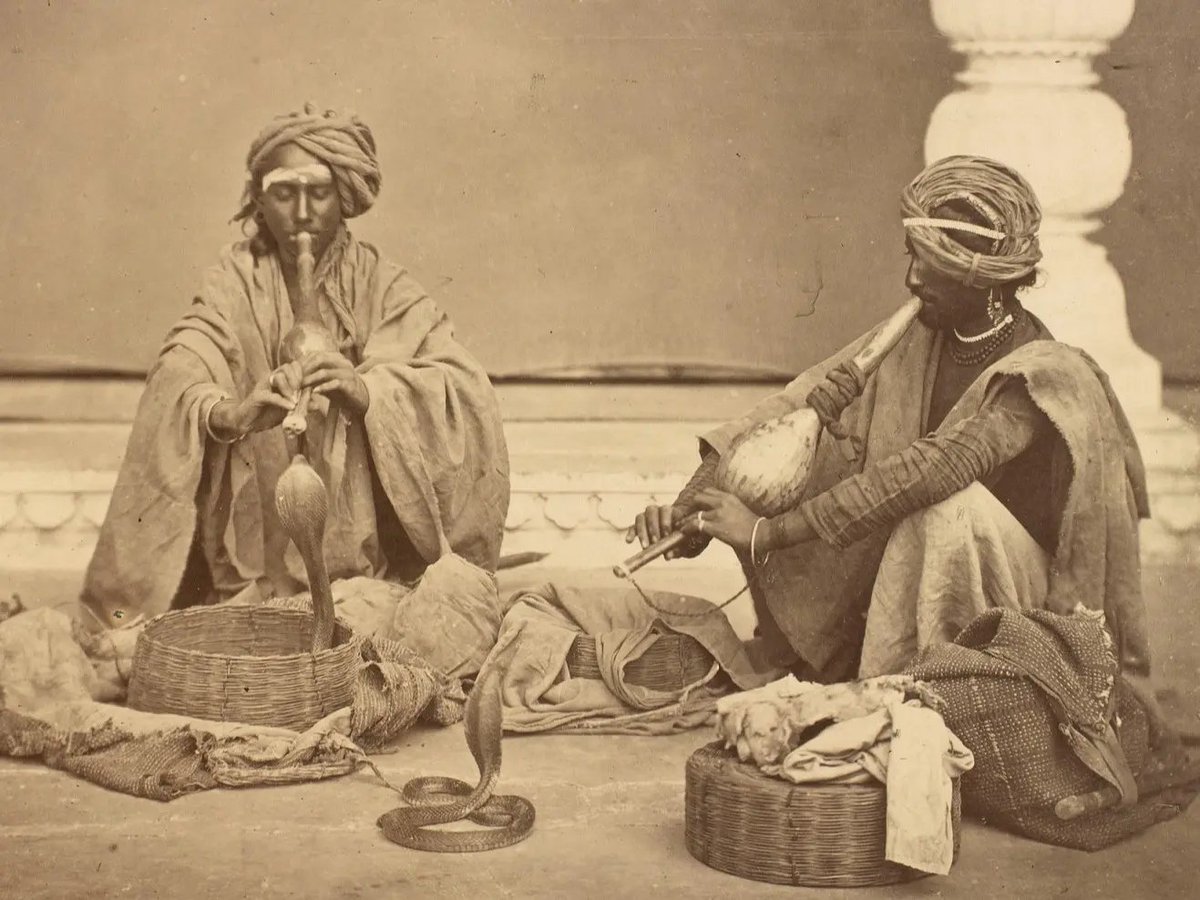
When the British colonial government in India tried to solve a cobra problem they offered a bounty for every dead snake. What happened next became one of the most famous lessons in economics - and explains why so many policies fail because they don't take account of incentives.
In an attempt to reduce the number of venomous cobras in Delhi, the authorities introduced a reward for every cobra killed and handed in. At first, the policy appeared to work: dead cobras were brought in and payments were made. However, local entrepreneurs quickly realised there was easy money to be made. They began breeding cobras specifically to kill them and claim the bounty.
When the government discovered the scheme and cancelled the programme, the breeders were left with thousands of now-worthless snakes. Rather than keep feeding them, they simply released the cobras back into the wild. The cobra population, which had been temporarily reduced, ended up larger than it was before the bounty was introduced.
This episode became known as the “Cobra Effect” - a textbook example of perverse incentives. By creating a financial reward for dead cobras, the government unintentionally created a market for live ones. The policy did not account for how people would respond to the incentive it created.
The same pattern appears whenever governments try to engineer outcomes through crude rewards or punishments without understanding how individuals will adapt. Good intentions are not enough. When policy ignores human ingenuity and self-interest, it often produces the exact opposite of what was intended.
1
27
73
5,048
JCF retweeted

16h
This guy blew his budget with a 55 million dollar endowment and his fake research center was shut down by Boston University after he failed to produce - literally anything - after two years, and heavy internal criticism from the center’s own staff & university faculty. Kendi was cleared of financial fraud - most likely because it would have been too costly to the university’s reputation to pursue charges. Regardless, the university lost credibility with much of the alumni community, current and prospective future students, and anyone with half a brain.
And yet, he persists..
2
17
595
JCF retweeted

Jun 14
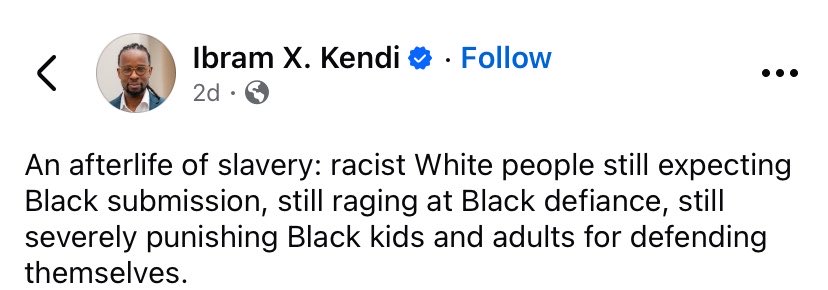
Ibram X. Kendi says it’s like slavery that Karmelo Anthony was punished for stabbing a white boy in the heart.
67
73
708
155,526
JCF retweeted

Jun 14
Look at those foreign mother fuks. 95% are fucking foreigners. Free college and acting like idiots. Fuck each and everyone of them ….
120
12
1,252
89,948
JCF retweeted

Jun 14
Stanford grads walk out as Google CEO Sundar Pichai takes the stage as commencement speaker. No mention of AI, unlike other uni speakers getting booed down this year. Story for @sfgate shortly
2,174
3,747
40,705
10,113,513

JCF retweeted

Jun 14
“He doesn’t want to work for us?! Then we must harass him incessantly so he can never work for anyone ever. Yes, we must ruin this person. And then let’s carpet bomb Gaza for the 48th time, just for good measure.”

19
107
1,499
16,732