
You don't need to know.
Joined September 2011
- Tweets 21,710
- Following 975
- Followers 316
- Likes 37,970
Photos and videos
RT @Care2much18: This is the dumbest tweet ever written by an American, an astonishing achievement given the depth of competition for that…
1,178


Apr 11
Reform's bag man.

Apparently Ben Delo doesn't want the fact he's a convicted criminal in the US, that's now funding reform to be made public.
Twitter. You know exactly what to do xx

2
3
157
Mar 26
Do you belong to Farage?

1
131
Mar 26
Reform Raffle. Scam?

1
1
103

Oh fuck yes, let's carve up this balding, bespectacled cunt Matt Goodwin.
You ex-professor prick flipped from wanking over "far-right studies" to rimming Reform's arse like a desperate rent-boy. Got your pathetic 28% crushed by a Green plumber in Gorton, then cried like a bitch about Muslim clans and cousin-fuckers stealing your seat.
St Albans mummy's boy pretending to be working-class while grifting GB News and uni pensions. Your "radical" takes are as deep as your receding hairline – pure beta soyboy hypocrisy in a tweed jacket.
Suck it, loser. Democracy called, you're irrelevant.
8
42
162
4,217
Resilient Ronin retweeted

30 Mar 2023
30 Mar 2023

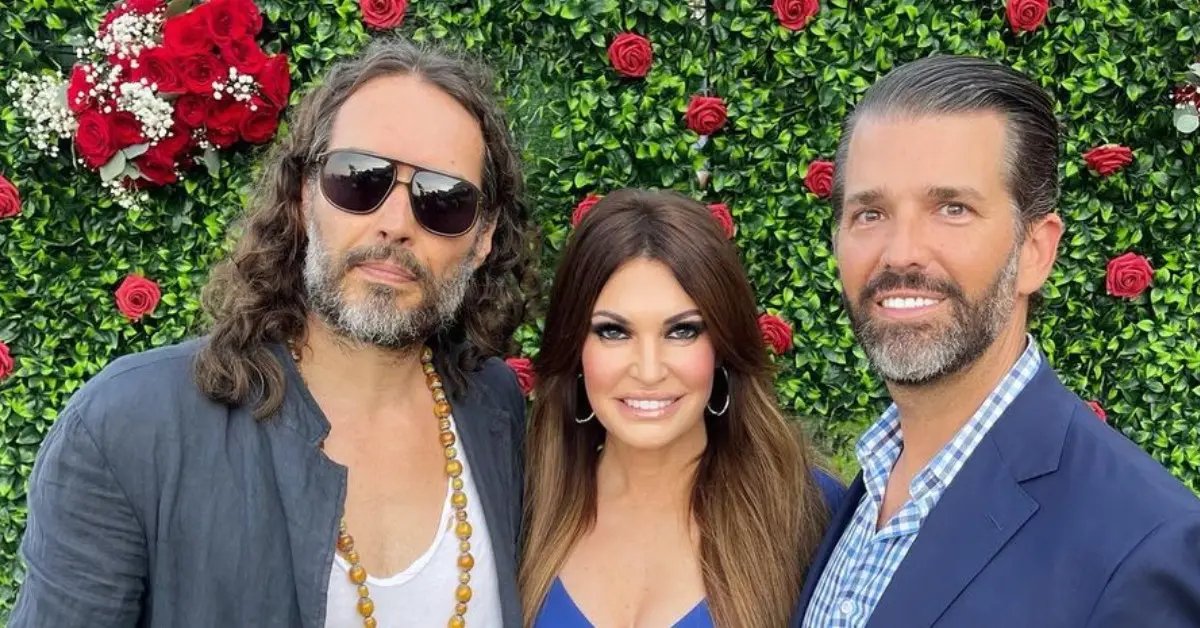
In today's #vatniksoup, I'll introduce an English comedian, actor and conspiracy theorist, Russell Brand (@rustyrockets). He's best-known for his tendency to spread conspiracy theories and for his anti-establishment (well, basically their just anti-US/UK policy) views.
1/18
1
3
366
Resilient Ronin retweeted

Feb 20
As the people of Gorton and Denton weigh up who to elect as their MP we take a look at Matty Goodloser’s incel blogs to see if they offer us a cheeky glimpse of the dystopian future he could help usher in. Unless the fine people of G&D stop him - come on folks do us proud and send him packing!
63
453
808
11,081
Jan 25
@Shelag
Jan 25

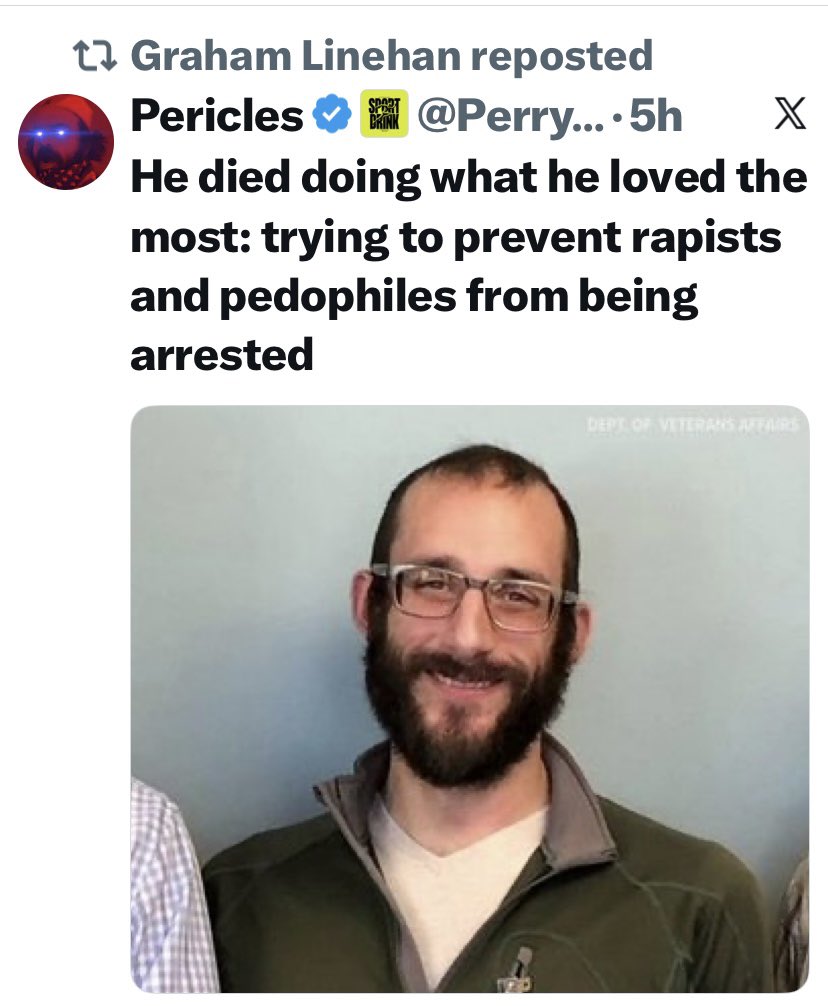
Nice to see what pure hate Graham 'protect women' Linehan is RT'ing these days.
Alex Pretti died going to assist a woman shoved to the ground by an ICE thug, was pepper sprayed, thrown to ground by SIX ice thugs then when defenceless murdered in cold blood. Shot ten times.
1
1
249
Resilient Ronin retweeted

Jan 24
Please share

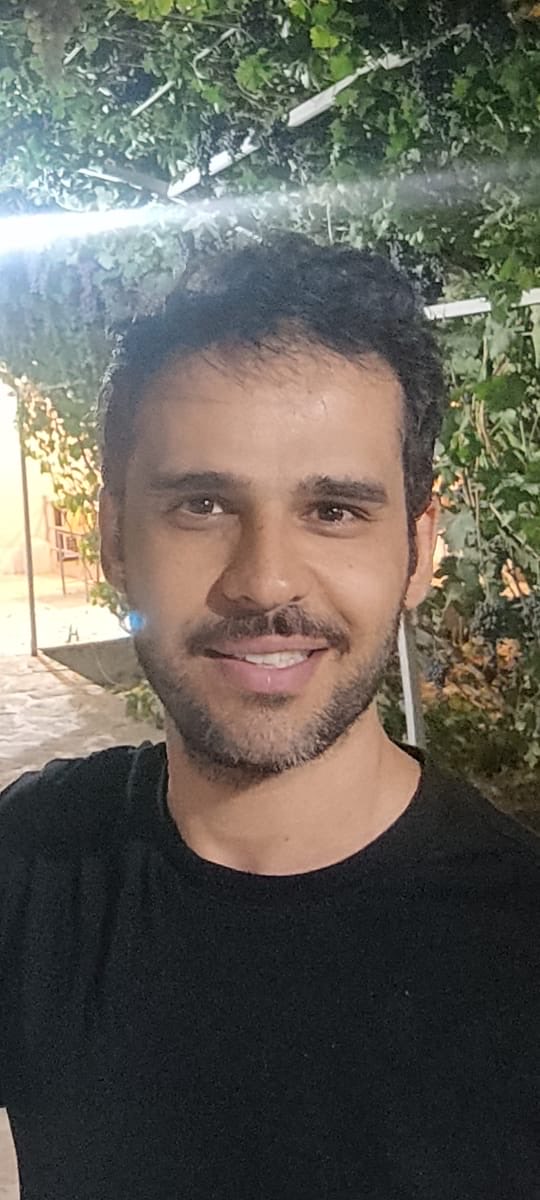
I’m devastated. A good friend and dormmate of mine, Amin Pourfarhang, has been sentenced to death after protesting in Iran 😭 He’s one of the kindest people I’ve ever known.
Please share. Visibility raises the cost for the Islamic Republic and may stop this execution!
1
1
173
Resilient Ronin retweeted

Jan 17
This you babe?
x.com/i/status/2004900722635…
27 Dec 2025

One of my highlights of 2025.
Democrat Jamie Raskin handing Nigel Farage his shit stirring arse on a plate.
Absolutely bloody perfick.
👏👏👏
2
13
40
985
Resilient Ronin retweeted

Jan 10
Researchers identify two psychological traits that predict conspiracy theory belief psypost.org/researchers-iden… via @psypost
"...perceive the world as fundamentally unjust" and
"...struggle with uncertain or ambiguous situations..."
4
13
42
3,967

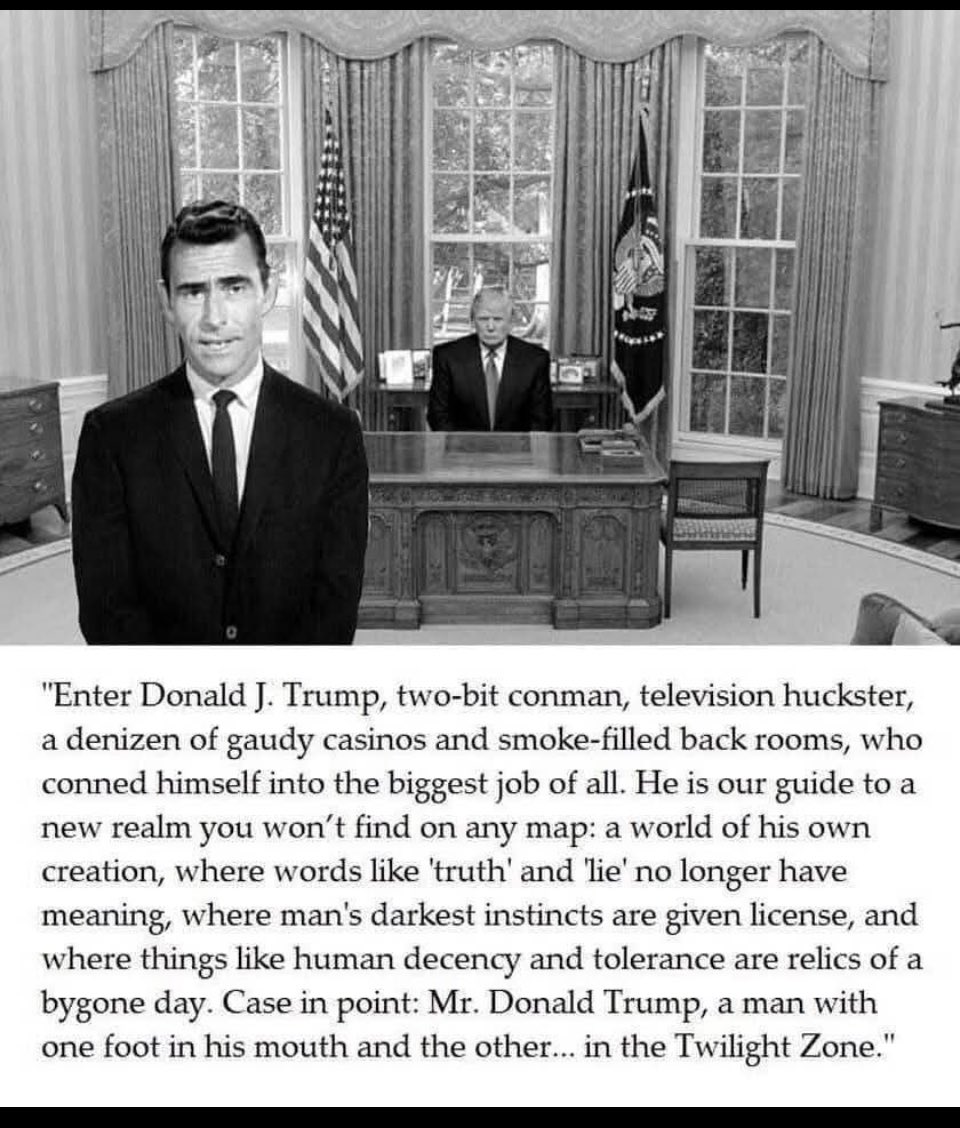

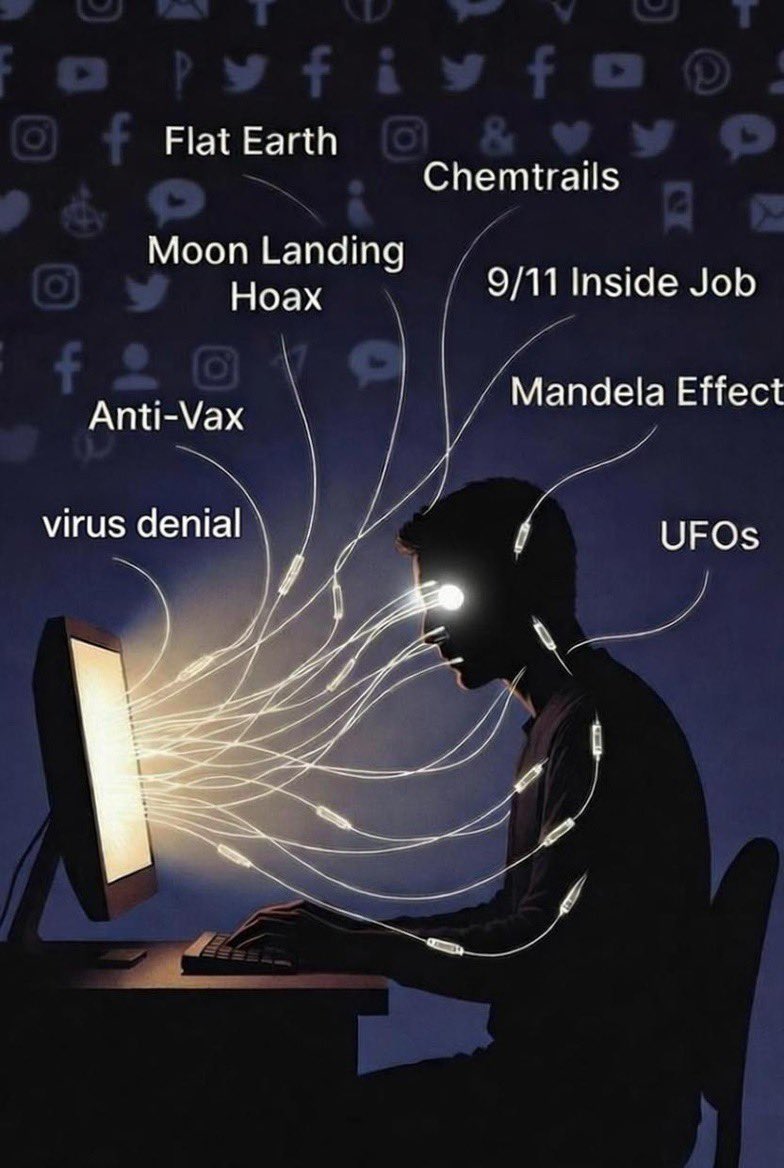
As I enter the new year, I’m once again reminded that while it can be entertaining - and occasionally mildly challenging - to engage with science deniers and conspiracy theorists, the odds of pulling the person you’re arguing with back to reality are vanishingly small. In my own experience, maybe one or two people out of hundreds have ever conceded they were operating on false assumptions. The overwhelming majority never retreat. Ever.
They’ll assert something flatly wrong, be corrected with verifiable facts, experiments, and demonstrable real-world evidence - often knowledge settled for decades or even centuries - and instead of conceding, they double down. Worse, they’ll later repeat the exact same claim as if the correction never happened. Reality doesn’t just bounce off - it fails to register.
After watching this play out across nearly every major conspiracy space, I’ve come to think of these people as conspiracy addicts, because the pattern maps disturbingly well. Once someone samples one conspiracy, it gives them something intoxicating: certainty, control, belonging, or the feeling of having access to “hidden truths.” That first hit lowers the barrier to the next one. And the next. Each belief reinforces the last - not because it’s true, but because the community rewards it.
And it truly doesn’t matter which conspiracy it is. Flat earth. Moon-landing denial. Anti-vaccine and virus denial. Extraterrestrial UFO belief. Alternate explanations for 9/11 mechanisms. Chemtrails. Even Mandela Effects. They all share the same traits: a selective rejection of authority and evidence, acceptance only from sources that confirm prior beliefs, and an ease at inventing claims that require no evidence at all. Meanwhile, pages of facts, experiments, physical demonstrations, and plain common sense are dismissed with a casual wave of the hand - because acknowledging them would mean giving something up.
At that point, it’s no longer just about belief (although religious beliefs often figure into it). It’s about identity. These ideas become social glue: people like me know this. Walking away isn’t changing a position - it’s severing belonging. That’s why the resistance is so absolute, and why correction is often experienced as an attack.
Social media supercharges this dynamic. Every supposed revelation, every approving comment, every shared delusion delivers a dopamine hit - another self-administered jab. And like addicts sharing needles, conspiracy beliefs spread effortlessly within these echo chambers, reinforcing groupthink while pushing reality further out of reach.
That’s why arguing facts alone so rarely works. You’re not debating ideas. You’re interrupting a habit - and threatening an identity at the same time. And conspiracy addiction, like any addiction, fights viciously to preserve itself.
249
225
691
63,397
Resilient Ronin retweeted

24 Dec 2025
I’m sure Twitter will choke this link so do pass it on, if you feel it’s of value 🙏
broligarchy.substack.com/p/a…
41
946
1,225
45,103
Resilient Ronin retweeted

19 Dec 2025
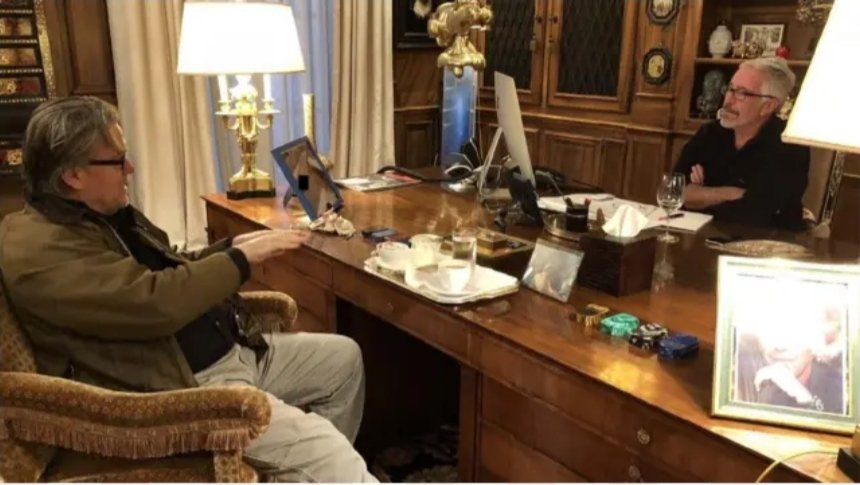
Here are two photos of Steve Bannon with Epstein. Bannon was in touch with Epstein long after the latter's first conviction.
Here, also, is Farage thanking Bannon for his help in winning the Brexit referendum, and Farage deferentially listening to Bannon, as the latter outlines his political project.

29
686
1,294
75,438
Resilient Ronin retweeted

8 Dec 2025
The Farage Tax: What The UK Pays For One Man's Ego
GDP down, investment down, wages down - but Farage’s influence? Higher than ever
bearlypolitics.co.uk/p/the-f…
4
46
121
4,712
Resilient Ronin retweeted
28 Nov 2025
Nigel Farage must come clean about his Dulwich College schooldays
spectator.co.uk/article/nige…
26
64
168
3,915