
Pop culture, politics, aesthetics, art, and mortality -Data Rights are Human Rights- --anti-authoritarian-- (I can get brutal, so follow at your own risk)
Joined November 2011
- Tweets 32,866
- Following 868
- Followers 422
- Likes 68,690
994 Photos and videos








Pinned Tweet

4 Nov 2023
This account believes in:
– solidarity worldwide
– class abolition
– labor co-ops and unions
– public welfare transport
– mutual aid
– Antistatism / Anticorporatism
– Self-determination for all
– Data rights
– Anti-Authoritarianism
– Guild Socialism
3
11
11,363
🇵🇭ℂ dreams of Revolution🇺🇦🇹🇼🇭🇰🇵🇸 retweeted

🇺🇸🇮🇱 La confesión que lo dice todo.
Maya Ackerman, informática sionista, le dijo abiertamente al Comité Judío Americano.
“Debemos controlar las empresas de Inteligencia Artificial para poder imponer el relato de Israel al mundo entero.”
Lo dijeron sin vergüenza: quieren monopolizar la IA para censurar la verdad, manipular la opinión pública y seguir justificando el genocidio en Gaza, Líbano e Irán.
Ya no les basta con controlar Hollywood, los medios tradicionales y el Congreso de EE.UU.
Ahora también quieren controlar la Inteligencia Artificial para que nadie pueda cuestionar sus crímenes.
Esto es el proyecto sionista en su máxima expresión: control total de la narrativa.
315
7,072
9,837
213,355
🇵🇭ℂ dreams of Revolution🇺🇦🇹🇼🇭🇰🇵🇸 retweeted

Jun 5
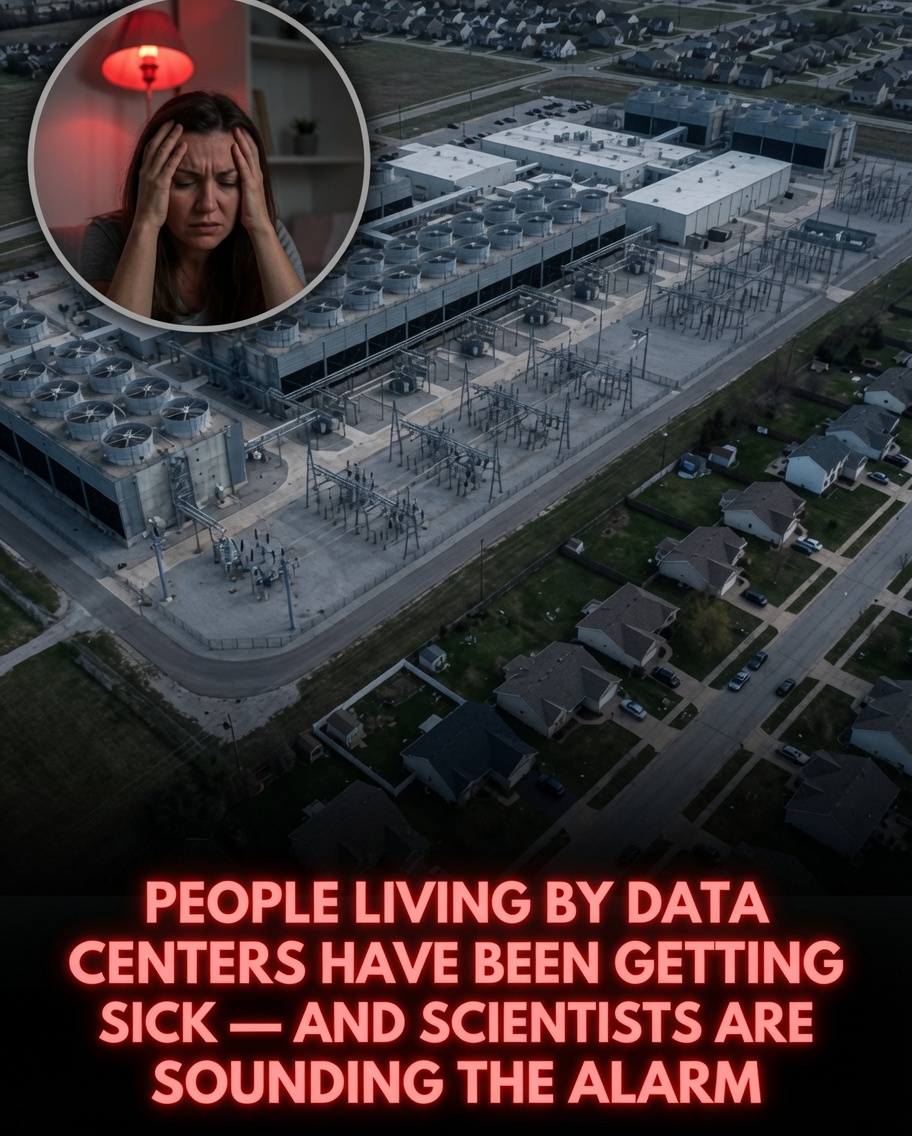
The rapid expansion of data centers is triggering a growing public health crisis, according to a new analysis by Harvard researchers.
The explosive growth of artificial intelligence has created massive electricity demand, leading many data centers in states such as Virginia, Texas, and Mississippi to install on-site fossil fuel-powered backup generators. While the tech industry emphasizes grid reliability, public health experts are raising alarms about the local health impacts of these facilities.
A recent study led by Harvard biostatistician Michael Cork found that emissions from just one data center in Loudoun County, Virginia, could generate up to $99 million in annual health damages, including premature deaths, respiratory illnesses, and increased hospitalizations. These large fossil-fuel plants are often built near residential neighborhoods, frequently in socioeconomically vulnerable areas, exposing nearby communities to elevated levels of fine particulate matter and smog.
In addition to air pollution, residents are facing another serious issue: constant low-frequency noise from massive cooling systems, fans, and generators. People living near data centers in the US and Europe report chronic sleep disruption, headaches, anxiety, and other stress-related symptoms.
Medical research has long linked prolonged exposure to environmental noise with higher risks of cardiovascular disease, elevated stress hormones, and impaired cognitive development in children.
As tech companies continue to rapidly scale their infrastructure, critics argue that the significant but often overlooked public health and environmental costs of AI are being sidelined in regulatory and permitting decisions.
[Feldscher, K. (2026). Analyzing air pollution health, economic risks from AI data centers. Harvard T.H. Chan School of Public Health]
58
519
800
36,304

Filipino Backrooms



65
4,244
35,549
3,403,603
🇵🇭ℂ dreams of Revolution🇺🇦🇹🇼🇭🇰🇵🇸 retweeted

May 29
im just saying, filipinos NEED to be more hostile towards foreigners (online and on ground) because they think pinoys being hospitable can be an excuse for them to exploit us in various ways and be nasty towards us

Westerners are always so "The PH is so beautiful! So hospitable! Cheap and affordable!" until Filos push back against gentrification, and then they're out here mocking us for our english, our illiteracy crisis, etc. Of course you only like us when we're of service to you!
9
616
2,360
41,078
RT @mangosagho: Coconut milk and cassava flour are literally the blueprint for traditional dirty ice cream here.
It's so exhausting watch…
4,149
Americans are Americans, no matter the skin color. They're all postured to exploit Filipinos. I said what I said.
May 15

the problem is that people from the global north think that having a marginalized identity precludes them from being complicit in the exploitation of the global south when that's not how it works. Some of u are monsters regardless of ur race, sexuality, or gender
40

if you think ai can fully replace the journalists in our world, you are wrong. what is happening right now is journalism at its peak, something ai can never truly replicate. journalists inside the senate are risking their lives just to deliver information to the filipino people
3
2,423
5,883
75,753
🇵🇭ℂ dreams of Revolution🇺🇦🇹🇼🇭🇰🇵🇸 retweeted

May 13
Gunshots have been heard in the Philippine senate, where Senator Ronald Dela Rosa, who is wanted by the ICC for crimes against humanity, remains holed up to evade arrest.
Military personnel reportedly arrived inside the senate building, some carrying assault rifles.
84
523
1,194
165,432
I wish my job was fully remote because that's a compensation/compromise with capitalism stealing my time and personhood
Your life should not be your labor and we shouldnt be working 5 days a week
May 9

talking to young people who wish their jobs were fully remote makes me feel like i’m losing my mind.
you’re at the point in life where you could most benefit from in-person relationship and knowledge building … but … you wanna get some errands done,
28
What is she, a breeding servant? I hope this isn't true.
45
🇵🇭ℂ dreams of Revolution🇺🇦🇹🇼🇭🇰🇵🇸 retweeted

I love how many replies were like "It's okay we eat Spanish (bread) too, it's fair game" 😭


15
1,220
9,908
232,027
🇵🇭ℂ dreams of Revolution🇺🇦🇹🇼🇭🇰🇵🇸 retweeted

The curriculum emphasizes the development of critical thinking, empathy, and communication skills rather than empirical data analysis used in the sciences. Just great. Students graduate not knowing how to interact with other humans. Dumbing down society.
16
183
3,610
"Do you know how badly you have to abuse a mammal to make it stop having kids?" lives in my head rent free
11
I want to invest in a competitive market that's not held by these nasty westerners OR china but it's hard looking for morality amidst capitalism
What's a girl to do
21

🇵🇭ℂ dreams of Revolution🇺🇦🇹🇼🇭🇰🇵🇸 retweeted

May 5
Watched in ABS CBN that the person who made the I love you virus in 2000—which disabled complex computer systems worldwide—settled for a life repairing cell phones in Quiapo.
Yung thought na you couldve been great but can’t self-actualize because you’re born in the Philippines🥲
31
1,792
22,453
885,592
🇵🇭ℂ dreams of Revolution🇺🇦🇹🇼🇭🇰🇵🇸 retweeted

Viand is a Filipinism and a natural part of Philippine English, just like blockmate, inutil, or barbeque. Just because its pretentious and purple in other English dialects doesn't mean it is in PH English. Be proud of your language, kahit sa PH English, decolonization yun.
40
695
4,890
140,163
They're doing this because the Israelis want to live here lmao
Apr 26

Expect heavier military presence around Luzon soon. It’s about to get way more aggressive now that the US decided they need more land for their supply chain bullshit.
1
1
58
RT @maykamaykaba: Namumundok din kami.
Dahil sa mga bundok matatagpuan ang mga katutubo. Kami ay mga boluntaryong guro, hindi terorista.…
10,344
RT @theblessedbhie: i don't think some people realize that they won't have a future to plan or worry about if they don't focus on what's ha…
1,400