I encourage & support people to live their best lives through optimising wellbeing, vitality & health span. Podcast: In the Doctors Chair 🪑
Joined September 2012
- Tweets 9,925
- Following 502
- Followers 28,906
- Likes 12,843
5,397 Photos and videos









Dr. Mark Rowe retweeted

May 21
Spectacular iridescent cloud.
A diffraction phenomenon caused by small water droplets individually scattering light. They often occur on lenticular clouds on top of a cumulonimbus, called pileus.
15
78
320
17,293
Dr. Mark Rowe retweeted

A commercial jet takes off just as the full Moon rises behind the runway near Los Angeles, California. ✈️🌕
Photographed from miles away with a super-telephoto lens, the compressed perspective makes the Moon appear enormous behind the aircraft — a striking real-world effect of long-distance photography.
The perfect alignment lasted only seconds before the jet vanished into the night sky.
A breathtaking blend of aviation, astronomy, and timing. ✨
📍Los Angeles, California

2
15
53
2,268
Dr. Mark Rowe retweeted
May 18
After 3 years of wait, calculations and precise astronomical timing, Leonardo Sens captured this photo.

23
229
1,154
26,903

Apr 23
Wise words to live by 🙏
Apr 21

A final piece of advice from Holly Butcher - written the day before she passed away from cancer at just 27:
“It’s a strange thing knowing you’re going to die young.
At 26, I thought I had time…
To fall in love.
Start a family.
Grow old.
But cancer doesn’t care about plans.
Now, I understand how fragile life really is. Every single day is a gift, not a guarantee.
I’m not writing this to scare you. I’m writing to remind you: really live.
Stop stressing over little things. Be kind to your body- move it, nourish it, stop criticizing it. One day you’ll wish you had appreciated it.
Go outside.
Look at the sky.
Feel the sun.
Just be.
Spend less time chasing “stuff” - more time making memories. Don’t skip moments with people you love.
Laugh more.
Write a note.
Tell someone you love them.
Complain less.
Give more.
Helping others brings more joy than anything you can buy.
Be present.
Put your phone down.
Show up - really show up.
You don’t need to have it all figured out. You don’t need a perfect body, or a perfect life.
Just follow what makes your heart light up. Say no to what drains you. Make changes when you need to.
And please - donate blood. I wouldn’t have had that extra year without it. And that year gave me memories I’ll hold close… forever.
Thank you for reading this.
Live your life well.
And maybe… we’ll meet again someday.”
Holly 🩷
Repost & share Holly’s important advice. ❤️

1
385
Apr 7
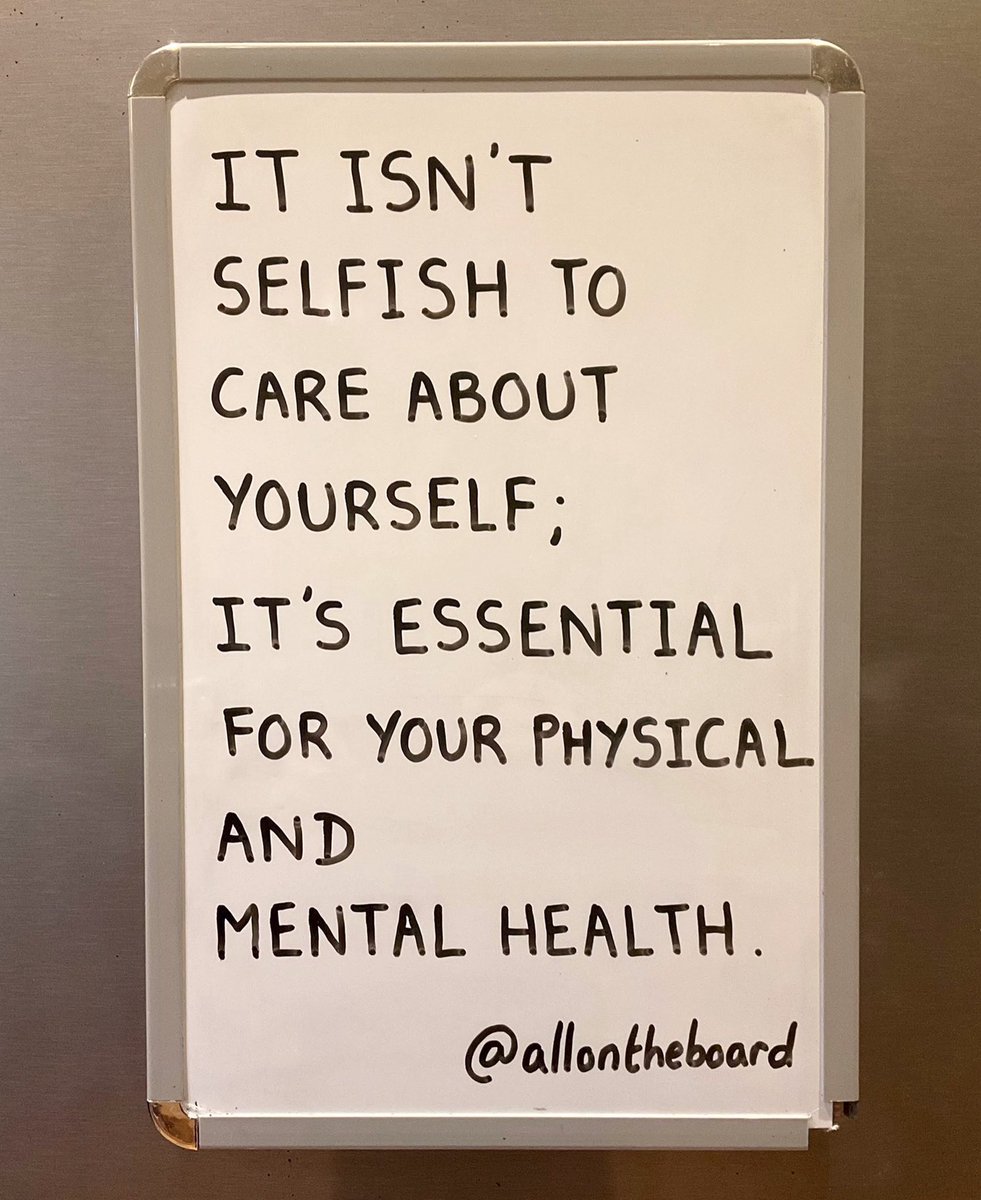
Best of both, caring for others AND self to support an interconnected web of wellbeing.
🙏♥️🦋📘
#WorldHealthDay

It isn’t selfish to care about yourself, it’s essential.
#WorldHealthDay
1
2
131
Dr. Mark Rowe retweeted
The highest quality video of the moon was just released… this is so beautiful.
5,207
64,693
331,345
11,348,623
Dr. Mark Rowe retweeted

Apr 1
NEW: NASA's Artemis II has successfully blasted off, launching toward the Moon for the first lunar voyage in 53 years.
Here is what to expect next:
- Mission is 10 total days.
- The crew will get 5000 miles from the Moon's surface.
- The crew will sleep in two four-hour periods.
- On Day 2, Orion engines will accelerate the spacecraft to escape velocity and send them toward the Moon.
- On Days 3-5, the crew will fine-tune the approach to the Moon.
- Day 6 is when the crew flies by the Moon. They will be about 250,000 miles from the Earth.
- Days 6-7, the crew will fine-tune their approach back to Earth.
- On Day 10, the crew will put on their proper suits and get ready for reentry.
- They will reenter Earth's atmosphere at 25,000 miles per hour.
- Two parachutes will slow the capsule to 17 miles per hour.
- They will splash down off the coast of San Diego, California.
Video: @GuyFieri
742
1,928
20,254
3,857,506
Dr. Mark Rowe retweeted

I am enough of an artist to draw freely upon my imagination. Imagination is more important than knowledge. Knowledge is limited. Imagination encircles the world.
— Albert Einstein
55
629
2,844
66,763
Dr. Mark Rowe retweeted

Wild blueberries aren’t just a “healthy berry." They’re biochemical overachievers.
Wild blueberries deliver:
2× the antioxidants
72% more fiber
33% more anthocyanins
than regular ones.
They support your blood vessels and metabolism.
If you want a daily habit that moves the needle, add a half‑cup of wild blueberries to your morning routine.
Blend them, sprinkle them, freeze them. Most of all, enjoy them!
#FoodAsMedicine
#MetabolicHealth
15
35
213
4,669

Dr. Mark Rowe retweeted

Mar 18
A US national survey found only 3% of adults with Down syndrome had a full-time paid job, not because they can’t work, but because almost nobody will hire them.
This coffee shop is Kopi Kamu in Jakarta. 7 of its 10 employees have Down syndrome, ages 17 to 33. They take orders, brew coffee, serve customers, clean tables. One of them, a 23-year-old named Ikhlas, does latte art. The owner started the program in December 2023 after watching kids with Down syndrome brew coffee at a charity festival and thinking, wait, why don’t they have a real place to do this? Sales grew beyond what he expected.
I looked up what actually happens when companies hire people with disabilities, and the data is hard to argue with. A food company called Carolina Fine Snacks saw turnover collapse from 80% every six months to under 5%. Absenteeism dropped from 20% to under 5%. The non-disabled employees started performing better too. DuPont ran a 30-year study and found disabled employees matched or beat their peers on every metric.
Accenture studied 346 companies in 2023. Businesses leading in disability inclusion had 1.6x more revenue, 2.6x more net income, and double the economic profit of their peers. Every time someone actually runs the numbers on this, the same answer comes back.
In the US, Bitty & Beau’s Coffee, founded by two parents of kids with Down syndrome, started in 2016 with 19 workers in a 500-square-foot shop. Within six months they needed a space ten times bigger. They’re now at 18 locations, 11 states, 450 employees with intellectual disabilities. Profitable.
80% of people with intellectual disabilities in the US are unemployed. In Europe, only 5 to 13% of adults with Down syndrome hold regular jobs. Indonesia has roughly 300,000 people with Down syndrome. Kopi Kamu employs seven of them.
15
226
1,153
51,272
Mar 20
Perhaps the best definition of happiness I’ve come across is having someone to life, something useful to do, something to be grateful for and something to look forward to.
🙏♥️🦋📘
#InternationalDayOfHappiness
105
Dr. Mark Rowe retweeted

Well there can be only one Irish phrase for today 🇮🇪🇮🇪
"Lá Fhéile Pádraig sona duit" 💚
"Law Ale-yeh Pawd-rig Sunna Ditch"
"Happy Saint Patrick's day to you"
📍 Co. Waterford, Ireland ☘️
#StPatricksday #Irish #Waterford #Ireland

21
165
603
7,787
Mar 15
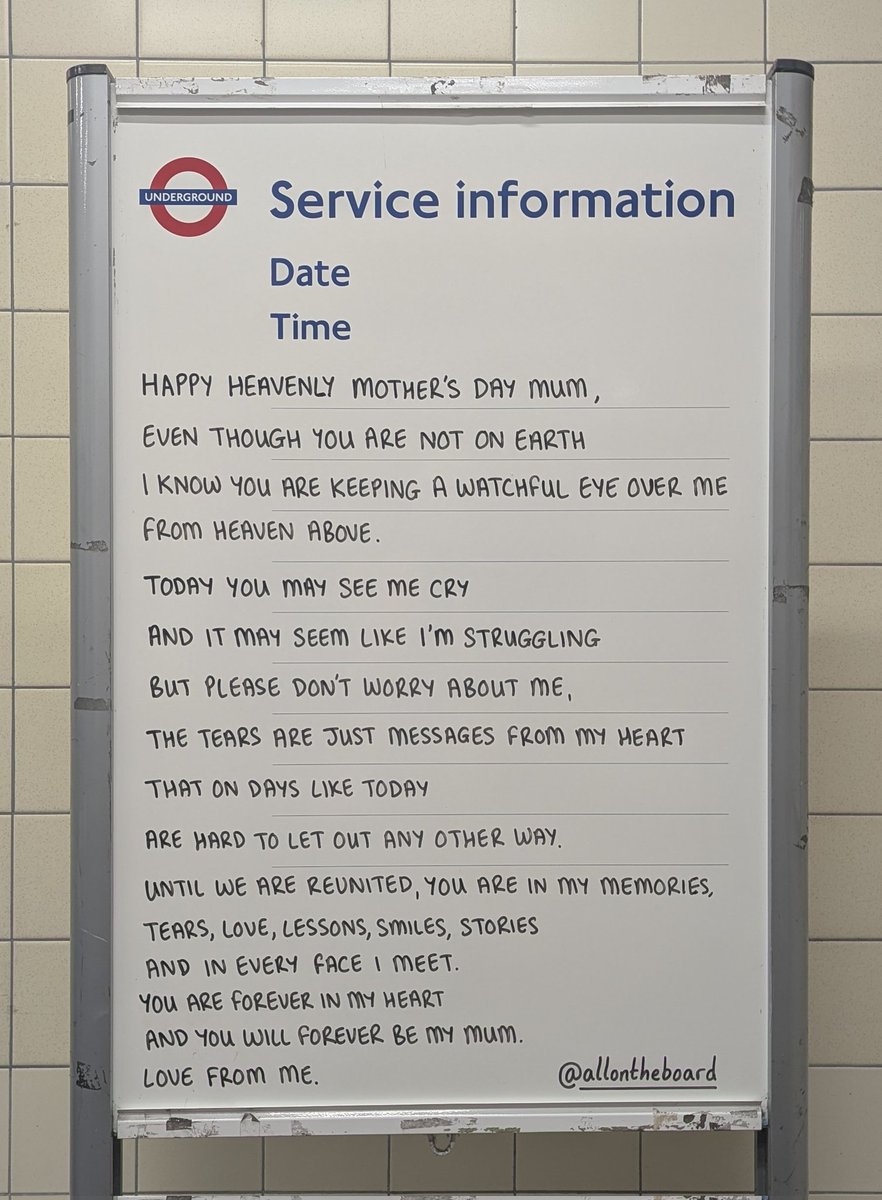
Happy #MothersDay
🙏♥️🦋📘
To anyone missing their Mum in heaven this Mother's Day, may these be the words for you, If you need some words to say.
#MothersDay #HappyMothersDay #MotheringSunday
2
245
Dr. Mark Rowe retweeted
Mar 13
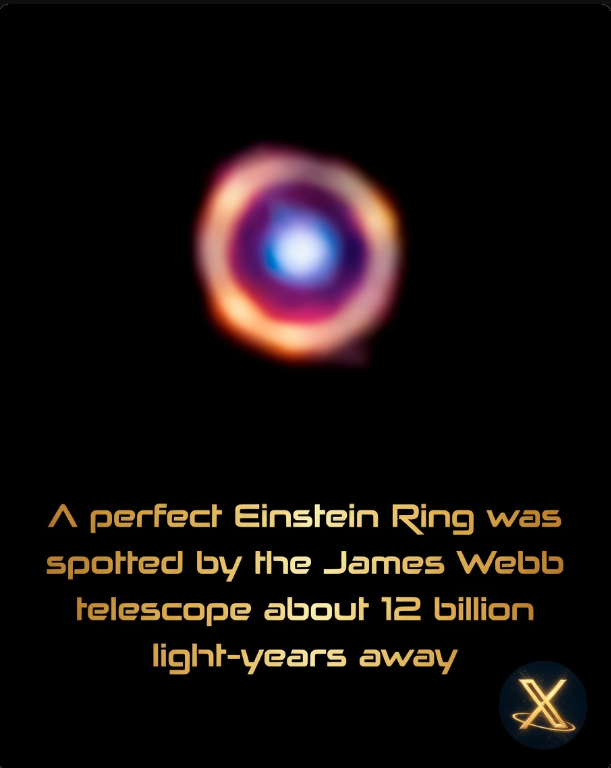
This stunning image captures a near-perfect Einstein Ring—a rare gravitational lens effect—revealing a distant galaxy teeming with complex organic molecules at the dawn of cosmic history.
The galaxy in question is SPT0418-47 (also known as SPT-S J041839-4751.9), situated more than 12 billion light-years from Earth. Due to the finite speed of light, we're observing it as it appeared when the universe was less than 1.5 billion years old (roughly 10% of its current age of about 13.8 billion years).
Normally, such a remote galaxy would be far too faint to study in detail. However, nature provided an extraordinary assist: the immense gravity of a foreground galaxy (about 3 billion light-years away) warps spacetime, bending and magnifying the background light by a factor of roughly 30–35 times. When the alignment is this precise, the distorted light forms a glowing ring-shaped structure—an Einstein Ring, predicted by general relativity.
This natural telescope allowed the James Webb Space Telescope (JWST) to peer deep into SPT0418-47 with exceptional clarity. Using JWST's Mid-Infrared Instrument (MIRI), astronomers detected prominent emission from polycyclic aromatic hydrocarbons (PAHs)—large, carbon-rich organic molecules containing dozens to hundreds of atoms, often arranged in fused rings.
On Earth, PAHs are familiar as components of soot, smoke, and smog, but in space, they form in the interstellar medium and fluoresce brightly under ultraviolet light from hot, young stars. Their detection in SPT0418-47 marks one of the earliest known instances of such complex organic chemistry, showing that the building blocks for these molecules—and potentially more intricate prebiotic structures—were already assembling surprisingly quickly after the Big Bang.
The findings highlight how rapidly galaxies could enrich their environments with heavy elements and foster diverse molecular chemistry during the universe's youth, offering clues about the chemical evolution leading toward life-friendly conditions.
[Spilker, J. S., Phadke, K. A., Aravena, M. et al. (2023). Spatial variations in aromatic hydrocarbon emission in a dust-rich galaxy. Nature, 618(7966), 708–711.
DOI: 10.1038/s41586-023-05998-6]
5
29
143
15,886
Dr. Mark Rowe retweeted
Mar 14
Fun fact.
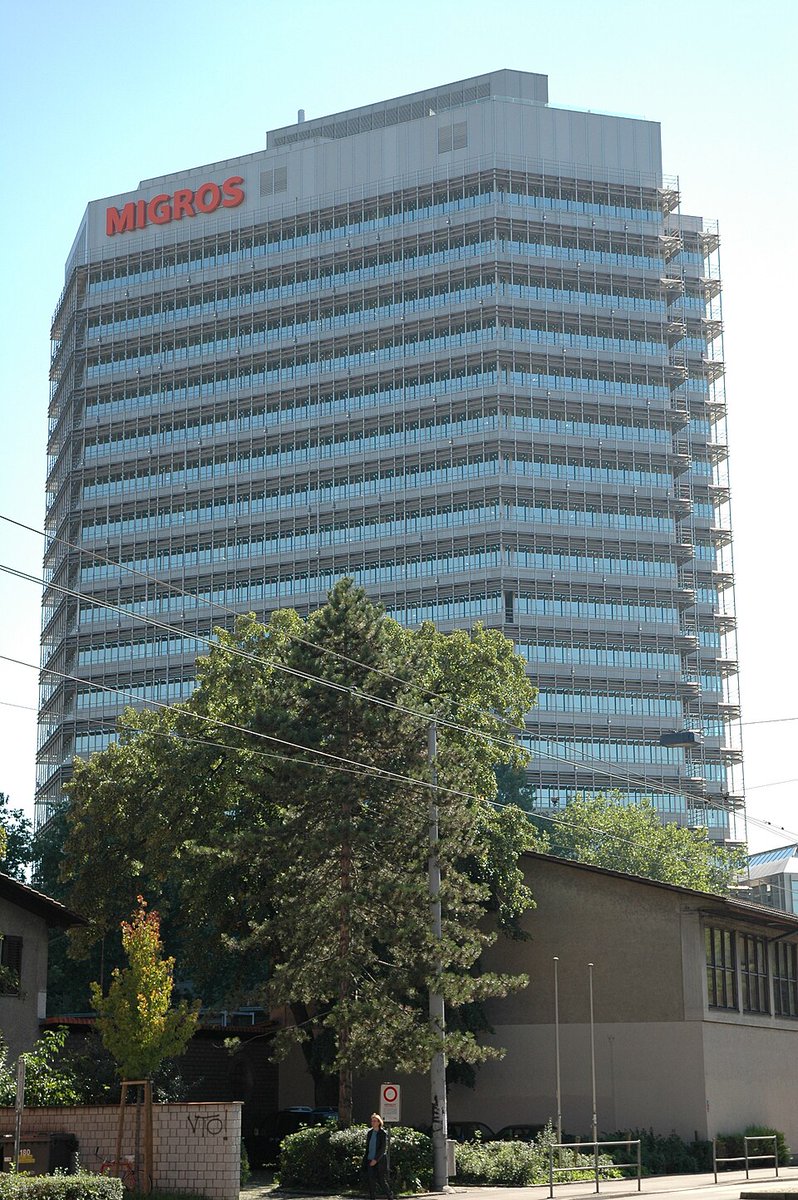
The Switzerlands largest supermarket, Migros, doesn’t sell alcohol or tobacco in stores, pays no dividends, caps profits by lowering prices if earnings exceeds 5%, is a cooperative with 2M members, and donates 1% of revenue to social projects, purely out of the founders moral philosophy
398
2,196
13,218
1,350,527
Dr. Mark Rowe retweeted

Feb 28
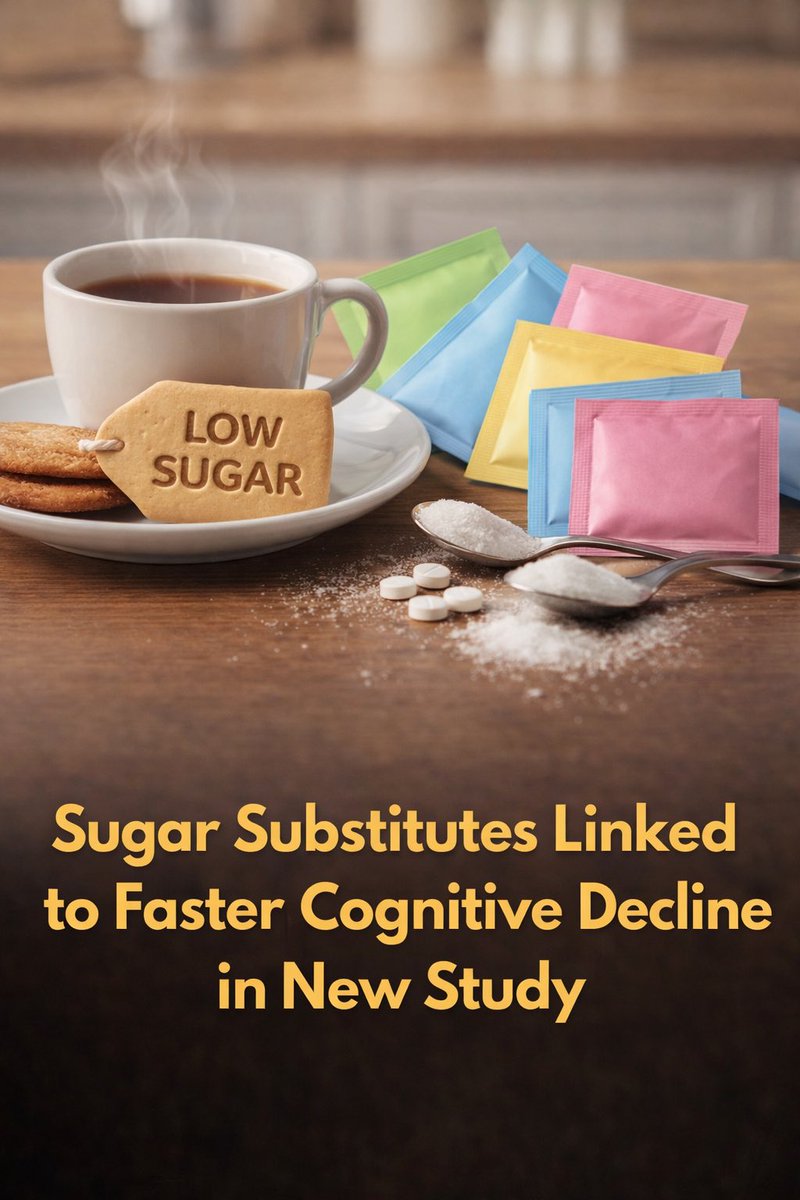
Emerging research suggests that some widely used sugar substitutes may be linked to faster cognitive aging, with higher consumption associated with a steeper decline in memory and thinking abilities compared with lower intake.
An extensive eight-year study following more than 12,000 adults examined how the use of artificial sweeteners relates to long-term brain health. The researchers found that participants who consumed the highest amounts of sugar substitutes, roughly the equivalent of one diet soda per day showed a rate of cognitive decline about 62% faster than those who consumed little or none. On average, their drop in cognitive performance was comparable to about 1.6 additional years of biological brain aging.
The investigation, published in the journal Neurology, assessed participants through repeated tests measuring memory, word recall, and processing speed. Individuals with the greatest intake of sweeteners experienced noticeably larger declines in these cognitive measures over time.
The association appeared especially pronounced among adults younger than 60 and people with diabetes, groups that often choose artificial sweeteners
Many of the sweeteners studied are commonly found in diet sodas, energy drinks, flavored yogurts, and other ultra-processed foods. The researchers observed that higher intake was linked to reduced verbal fluency and overall cognitive performance during the study period.
Importantly, the findings show an association rather than proof of cause and effect. Nevertheless, the results raise questions about the long-term neurological effects of frequently consuming products marketed as “diet” or “sugar-free.”
Study:
Gonçalves, N. G., Martinez-Steele, E., Lotufo, P. A., Bensenor, I., Goulart, A. C., Barreto, S. M., Giatti, L., Faria, C. P., Molina, M. C. B., Caramelli, P., Marchioni, D. M., & Suemoto, C. K. (2025). Association Between Consumption of Low- and No-Calorie Artificial Sweeteners and Cognitive Decline: An 8-Year Prospective Study. Neurology.
31
79
287
48,425
Feb 24
Appreciating art in any of its many forms whether visual in a gallery, going to a concert/play/show, reading poetry, taking part in or watching street art & festivals such as @waterfordspraoi can all significantly enhance your wellbeing
🙏♥️🦋📘
#Waterford. #Wellbeing.

Why should we look for art we know nothing about? waterford-news.ie/opinion/we…
1
1
194
Dr. Mark Rowe retweeted
Your heart doesn’t just care WHAT you eat. It cares WHEN.
A new study shows that simply closing the kitchen 3 hours before bed can lower nighttime blood pressure and steady blood sugar without cutting a single calorie.
Timing is a metabolic lever we’re barely using but it could make a difference for your heart and metabolic health.
#MetabolicHealth
#HeartHealth
Source:
Stop eating 3 hours before bed to improve heart health. (2026, February 26). ScienceDaily.
7
26
111
2,464