
Chairman of Chan Soon-Shiong Family Foundation, Exec Chairman ImmunityBio, Chairman and Chief Executive Officer of Los Angeles Times Media Group (LATMG)
Joined September 2009
- Tweets 2,264
- Following 1,567
- Followers 155,336
- Likes 528
626 Photos and videos


Pinned Tweet
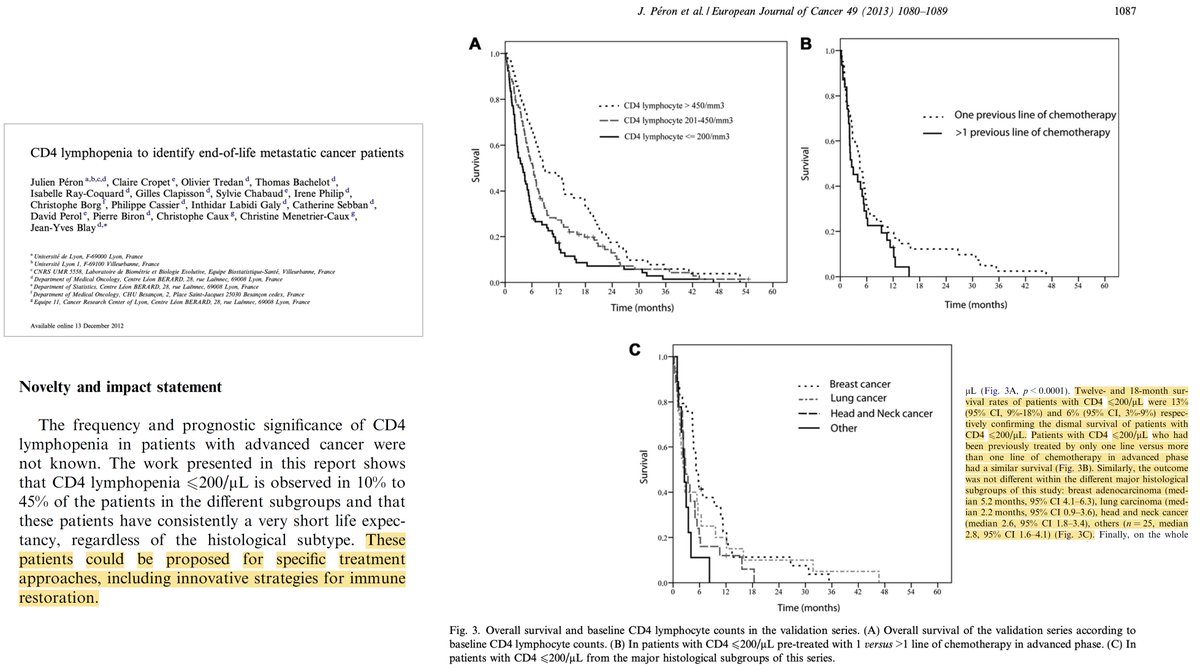
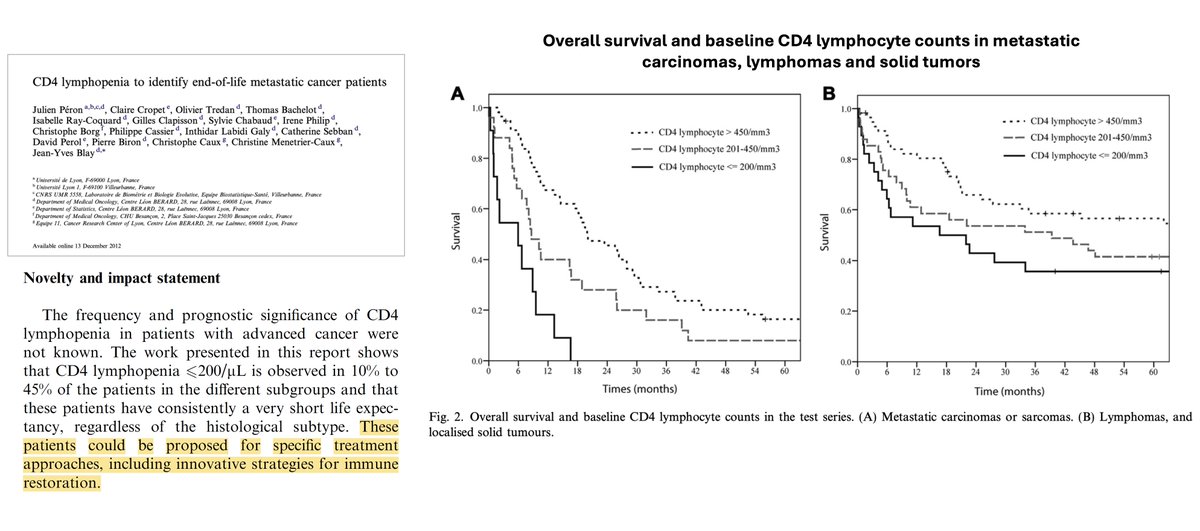
As I scan the literature, I continue to be amazed of how far back the realization that the immune system matters regardless of the tumor type and that with loss of T and NK cells, survival is so significantly reduced. Here is a paper since 2012 that states,
"These patients could be proposed for specific treatment approaches, including innovative strategies for immune restoration."
Just imagine if such an approach was available.
sciencedirect.com/science/ar…
48
135
639
32,316

Jun 12
An important paper in the next chapter of orchestrating the complex machinery of our immune system is the B cell and the immense diversity of antibodies. The paper describing this next step will be published in June and I will then commentate dots as to why IL-15 is the backbone to this orchestration..from NK cells, to T cells, to memory T cells and now to B cells and memory Antibodies. The Nant quest of understanding the complex immune system ..30 years and still learning!
15
75
589
21,991
The next evolution of Antibody drug development is happening. Spent the last week getting a deep insight and what I see together with AI modelling is stunning.
34
91
751
35,607
On with @ChrisCuomo soon. @AfricaCDC Leadership under Dr. Jean Kaseya is being highly proactive both in Congo and Uganda to address this crisis and patients with severe illness. Will discuss a universal finding of immune collapse with ebola and sepsis. @NewsNation

Had a great discussion with @AfricaCDC and @MWayengera. Clinicians and scientists must come together to resolve this crisis. Discussing this with @ChrisCuomo today. Africa CDC is taking leadership in addressing Ebola crisis as urgently as they can. Agree this is what is called leadership.
16
52
365
39,197
Had a great discussion with @AfricaCDC and @MWayengera. Clinicians and scientists must come together to resolve this crisis. Discussing this with @ChrisCuomo today. Africa CDC is taking leadership in addressing Ebola crisis as urgently as they can. Agree this is what is called leadership.
May 28

Now this—is what is called leadership. We expect the most developed countries of the world not to run from, but confront head-on, the complex situations that humanity faces. The outbreak of BDBV should bring humanity together, not tear it apart. africa.businessinsider.com/l…
16
53
330
63,925
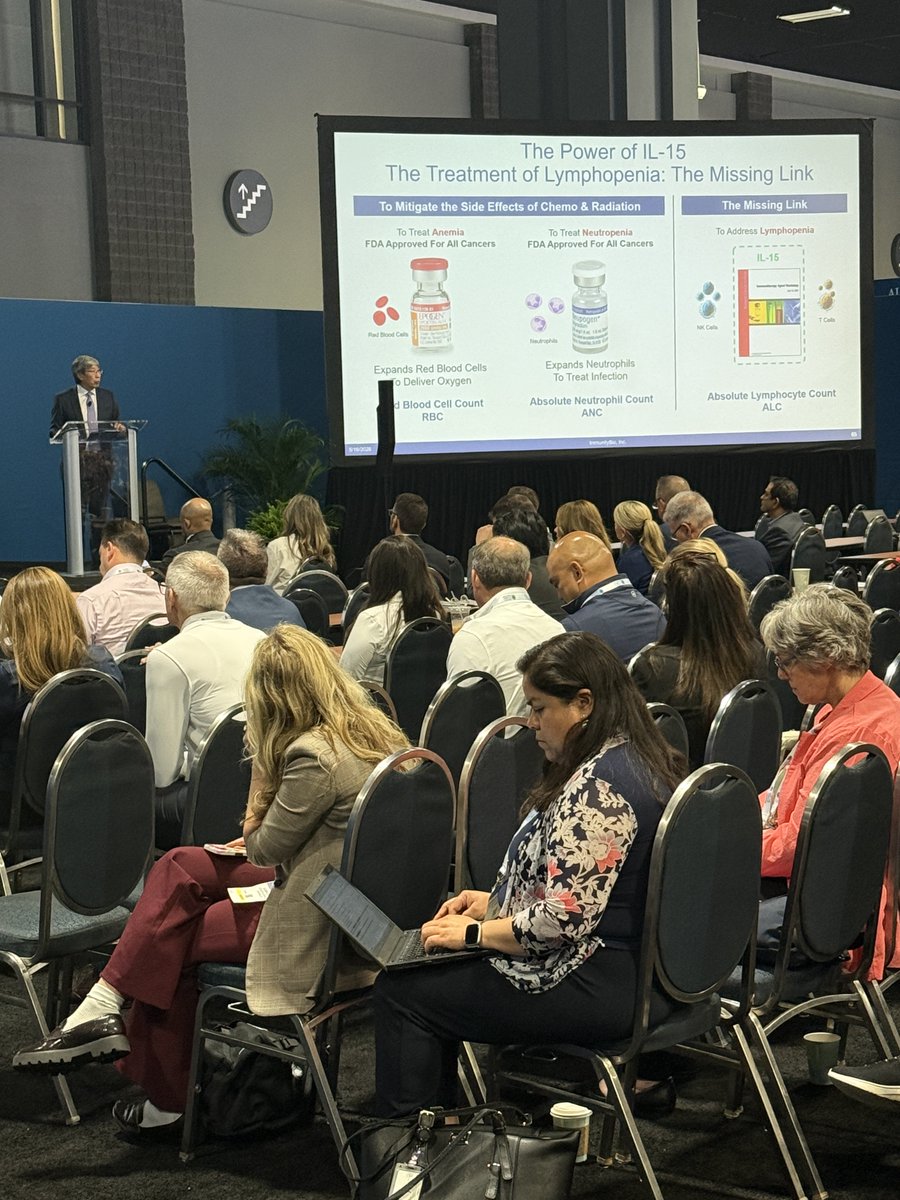
Connecting the scientific dots. Please note that we are in the planning clinical trial stages to address lymphopenia and it IS NOT APPROVED as a therapy. IL-15 is the molecule we are discussing here. So connecting the dots:
1. 2007 workshop by NCI ranking IL15 as the number one ranked molecule since it is a T CELL GROWTH FACTOR.
sitc.sitcancer.org/news/nci_…
2. When you age, or when you have infection or cancer your T cells decrease, sometimes to dangerous levels... that’s called lymphopenia.
3. The diagnosis of lymphopenia is EASILY made with a routine blood test performed millions of times everywhere in the world with what is called a CBC differential and the measurement is the “Absolute Lymphocyte count” or ALC
4. Zidar et al., 2019 (JAMA) including authors from Cleveland Clinic, Duke, Case Western reported that 20% suffer from Lymphopenia. Worse, these authors showed ~2x higher probably of dying earlier when you have severe lymphopenia... dying from what they report as “all causes” jamanetwork.com/journals/jam…
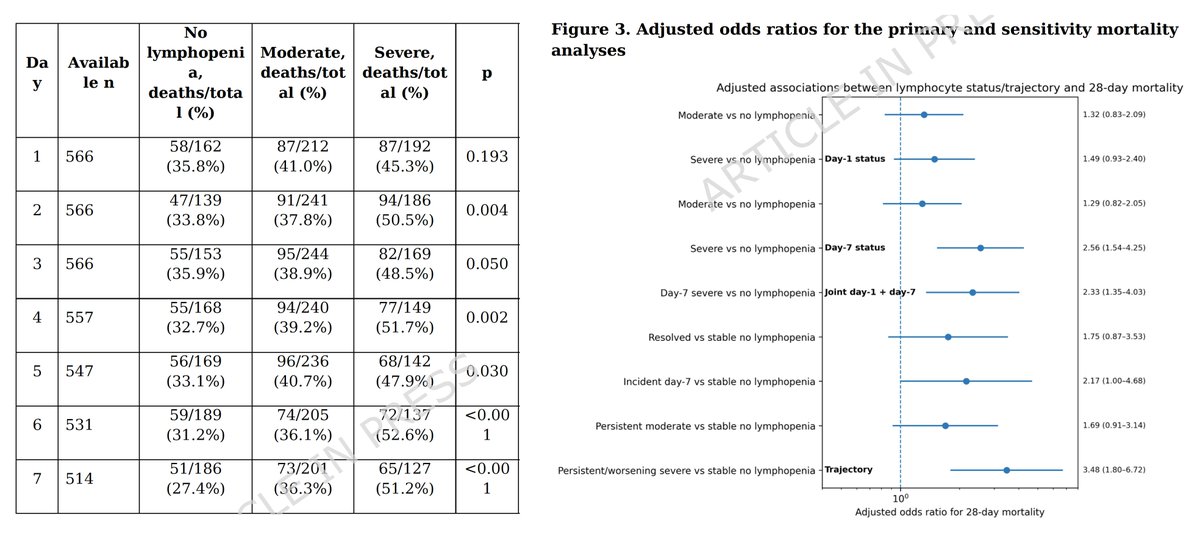
5. Today I receive a paper in press 28 May 2026 entitled "First-week absolute lymphocyte count dynamics and 28-day mortality in older adults with sepsis".
The author's stated, "Sepsis is now understood not only as hyper inflammation but also as a state of prolonged immunosuppression."
link.springer.com/article/10…
Amazing and timely paper.
I do not know these authors but I look forward to meeting them. It seems that doctors in Turkey get it and clinical trials are needed to confirm that treating lymphopenia could reduce mortality.
6. I must emphasize that to date, there is NO drug approved to treat lymphopenia and our goal is to initiate clinical trials to confirm the hypothesis that by treating lymphopenia we have the potential to improve mortality in patients with sepsis. The results of increased mortality in the findings reported in today's paper are striking.
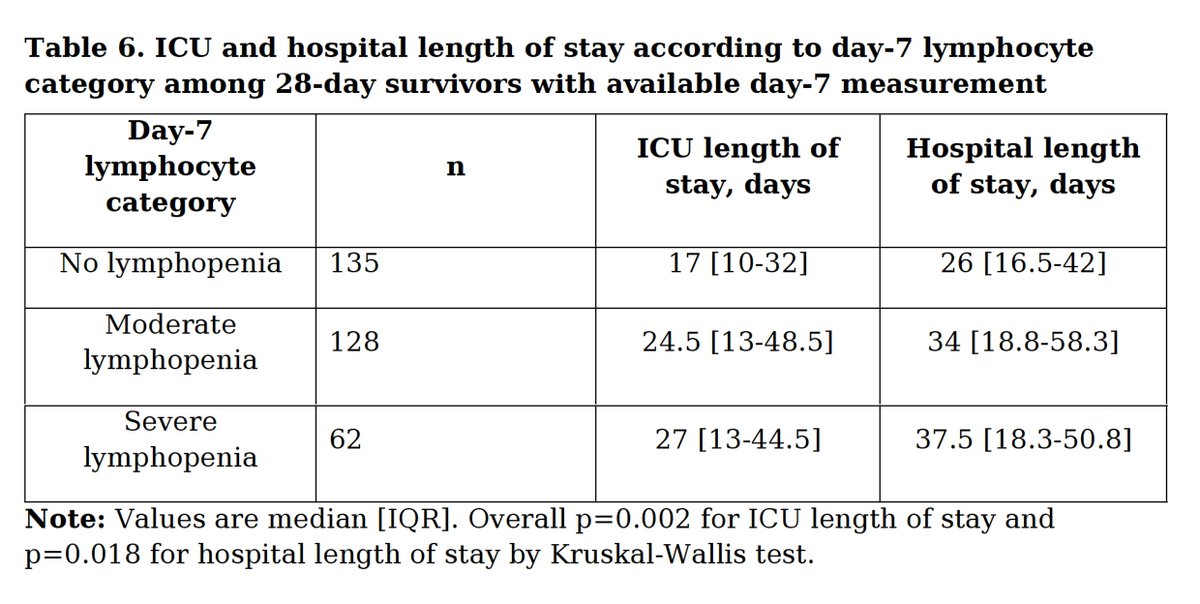
Imagine the cost savings if we could reduce the ICU and hospital length of stay. Table 6 shows 10 days more in the ICU with lymphopenia and 12 days more in the hospital with significant increase of death in Figure 3
50
107
622
59,841
May 30
So here’s a clue
From Nanobodies to Nantibodies.
The goal: ADCC and ADCP
I know that’s a foreign language but I’m sure many will figure that out..the future of antibody targeting
May 30
Ever wonder why camels, Lammas, sharks and whales don’t often get cancer??? Evolution in motion ..our next frontier
22
54
408
30,008
May 30
Ever wonder why camels, Lammas, sharks and whales don’t often get cancer??? Evolution in motion ..our next frontier
33
43
569
64,483
May 30
So what is next on the NantWorks platform as we emerge from 15 years of stealth. Remember Diabetes? Remember Abraxane..albumin bound paclitaxel. Well imagine Albumin linked GLIP-1 at one tenth of the dose? This is the program now nearing completion at Nantworks and trials completed ex -USA. Will share news over the next 6 months
May 15
So here we go …the year of the fire horse and reveal of 15 years of exciting execution of ..”imagine if ….”
Over the next few months I will reveal the breakthrough technologies we have been developing in stealth mode at NANTWORKS ( over a dozen privately funded companies with over a billion dollars ) that may impact how we live, work and play. Some will involve healthcare, some climate change and others deep AI. Many will act synergistically with each company in helping us address life threatening and chronic diseases such as cancer, sepsis, auto immune diseases, diabetes. Deconstructing and activating every component of the immune system. The time has come in the year of the fire horse to unveil! Stay tuned.
Today it was NantPhotonics to move data at the speed of light and drive AI for un-imaginable discovery at light speed.
Imagine if we re-considered how Antibodies work and used AI to target every expressed and even intra cellular protein ? Then allow NK and T cells do their work? Stay tuned
26
87
557
46,525
May 30
This is why California is a mess and the most business unfriendly state. You don't have to be wealthy to worry about California's wealth tax - Los Angeles Times latimes.com/opinion/story/20…
31
37
285
13,660
May 26
Here's the Lynch syndrome paper from NCI.
The trial is supported by the Cancer Prevention—Clinical Trials Network (CP-CTNet), a grant-funded network from the National Cancer Institute’s (NCI) Division of Cancer Prevention (DCP) that performs early-phase cancer prevention clinical trials. This trial represents the first cross-network trial performed by all five grant recipients and their affiliated organizations, at a total of 16 study sites.
As stated by the authors:
"Our trial employs a vaccination strategy that addresses common reasons for vaccine failure by targeting multiple antigens, using a proven adenoviral delivery system, and studying an immune-competent high-risk population without active cancer."
frontiersin.org/journals/imm…
May 25
As predicted in our Nant Cancer vaccine patent. Most excited to see the readout of the Lynch Syndrome trial to prevent cancer. 2 year follow up coming by next year. NK cell stimulation happening so far.
16
75
427
37,300
May 26
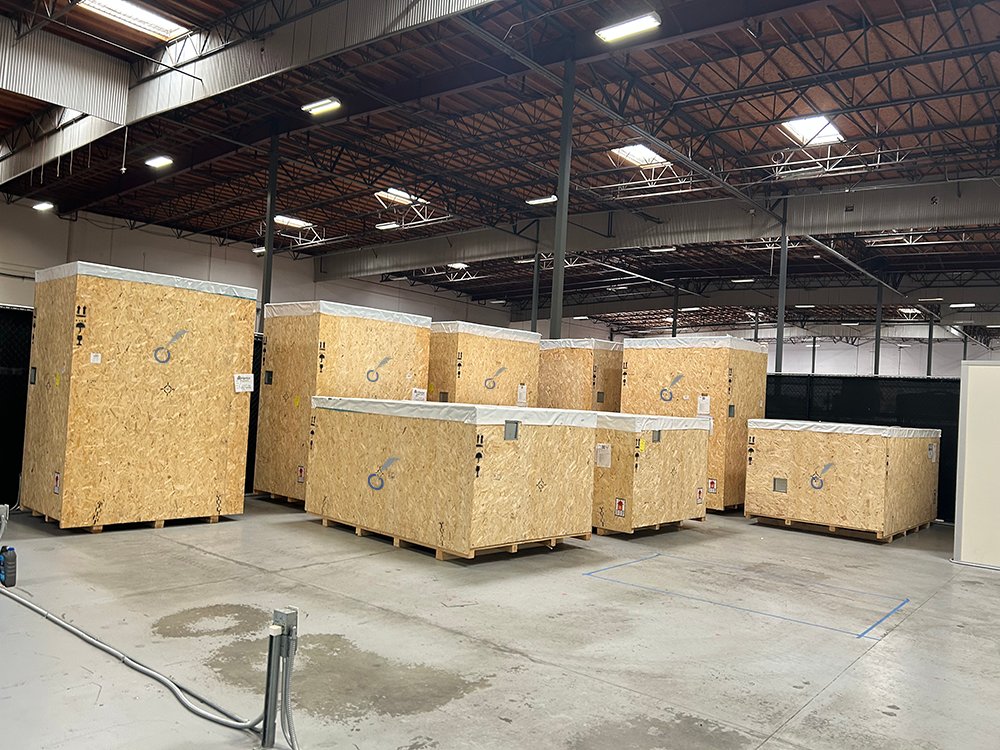
NANT Leonardo landed in California and cleared customs! Assembly begins next week of the world's first AI driven cell manufacturing robot.
69
177
1,071
47,511
May 25
As predicted in our Nant Cancer vaccine patent. Most excited to see the readout of the Lynch Syndrome trial to prevent cancer. 2 year follow up coming by next year. NK cell stimulation happening so far.
May 25

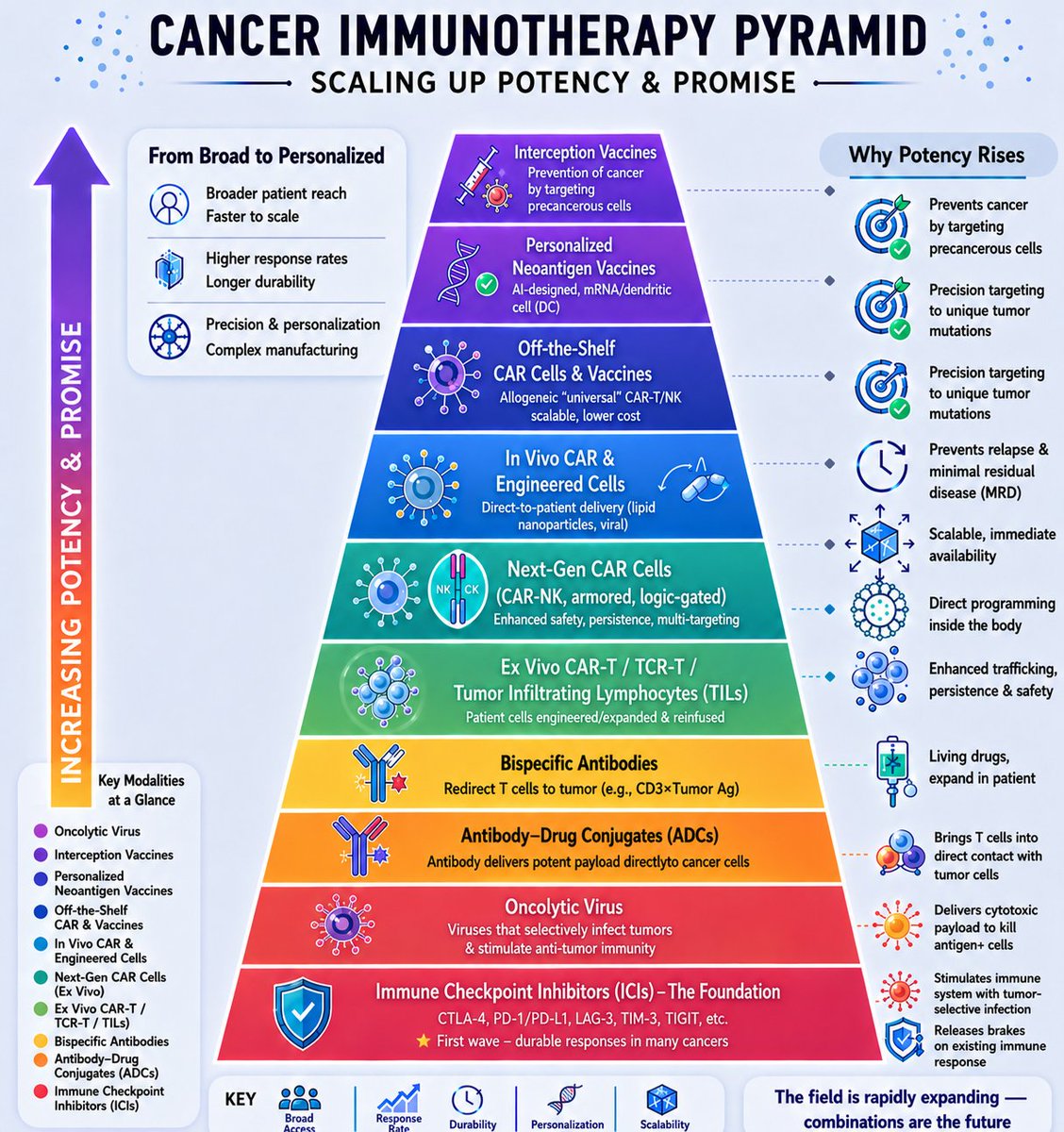
The ramp up of cancer immunotherapy is remarkable. Now we're seeing vaccines achieve some cures or remissions in the most refractory cancers: pancreatic, melanoma, glioblastoma, renal, triple-negative breast cancer.
✓ out the new Ground Truths (link in profile)
28
161
823
86,633
May 23
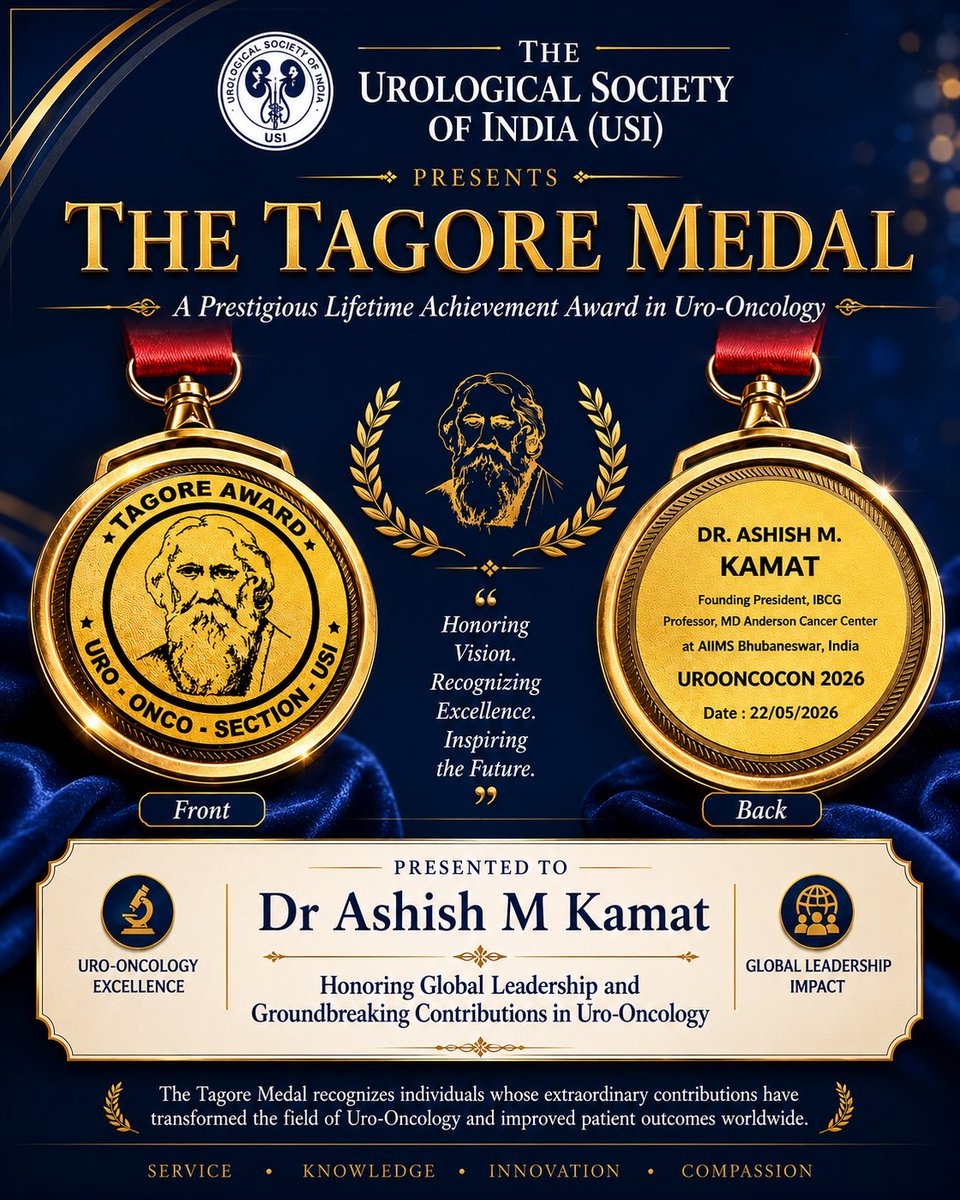
So well deserved. A doctor. A scientist. Contributor to improving health care and health disparities globally . Congrats Ashish

Deeply honored to receive The Tagore Medal from the Urological Society of India (USI)
“The Tagore Medal is a prestigious lifetime achievement award in Uro-Oncology, presented to recognize pioneering national and global contributions, groundbreaking advances, and leadership in the field.
Presented under the aegis of the USI Uro Onco Section, the award reflects a shared commitment to advancing research, education, innovation, and patient care across prostate, kidney, and bladder cancers.”
Truly humbled by this recognition.
@usioffice @UTMDAnderson #OncSurgery
5
28
316
28,236
May 21
Next onto my conversation with Dr. Ashish Kamat @UroDocAsh and one of the country's leading bladder cancer experts to hear his clinical decision making process as to how he treats patients with BCG unresponsive high-grade papillary disease when no CIS disease is found. (I said the word 'found' since sometimes once high-grade papillary disease is identified, physicians don't bother to look for CIS since their decision making process for treatment is the same if high-grade papillary alone exists. Worse, only 6% of urologists have the blue-light cystoscopy scope that helps them find CIS disease).
Dr. Kamat who participated in the initial guidelines discussion with regard to BCG unresponsive in 2016, gave me an insightful answer as to how he treats patients clinically with high-grade papillary alone. Please listen to his insightful answer, the editor of the seminal textbook entitled, "Bladder Cancer: A Practical Guide". He treats patients with high-grade papillary disease alone no differently than in patients with high-grade papillary and CIS disease. This was not surprising for me to hear since he and many others believe that CIS and papillary are the same disease!
The next day I attended the FDA workshop in which his fellow colleagues concurred that CIS and papillary was the same disease and also said that they approached patients with BCG unresponsive high-grade papillary disease in the same way as he shared with me in this interview, taken the day before the FDA workshop. His fellow colleagues and experts at the workshop said that they "struggled" and were compelled to make decisions with no option but to prescribe "off-label" therapies for patients who they see (with papillary disease alone) by writing a prescription for already FDA approved therapies for papillary and CIS disease.
So the consensus at this panel completely matched the panel of experts from comprehensive cancer centers across the nation who made up the NCCN and provided category 2A status for Anktiva BCG for the treatment of BCG unresponsive papillary disease alone.
Cancer is a war against time
Disclaimer: Anktiva BCG for the treatment of BCG unresponsive papillary disease is not approved and is awaiting review by the FDA as a supplemental BLA. For more details of ANKTIVA BCG, please refer to our package insert and important safety information. anktiva.com/hcp
ANKTIVA is approved by the FDA in combination with BCG for the treatment of adult patients with BCG-unresponsive NMIBC with carcinoma in-situ (CIS), with or without papillary tumors.
Important Safety Information
U.S. IMPORTANT SAFETY INFORMATION
INDICATION AND USAGE: ANKTIVA® is an interleukin-15 (IL-15) receptor agonist indicated with Bacillus Calmette-Guérin (BCG) for the treatment of adult patients with BCG-unresponsive non-muscle invasive bladder cancer (NMIBC) with carcinoma in situ (CIS) with or without papillary tumors.
WARNINGS AND PRECAUTIONS: Risk of Metastatic Bladder Cancer with Delayed Cystectomy. Delaying cystectomy can lead to the development of muscle-invasive or metastatic bladder cancer, which can be lethal. If patients with CIS do not have a complete response to treatment after a second induction course of ANKTIVA® with BCG, reconsider cystectomy.
DOSAGE AND ADMINISTRATION: For Intravesical Use Only. Do not administer by subcutaneous or intravenous routes. Please see the complete Indication and Important Safety Information and Prescribing Information for ANKTIVA® at Anktiva.com.
18
57
379
20,858
May 21
Thanks Ashish @UroDocAsh. Your book entitled, "Bladder Cancer: A Practical Guide" says it all. Together we face patients on a day-to-day level in which we have to make decisions in the best interest of the patient with nothing else considered. I was so grateful for you to have shared with me your views on whether CIS and papillary from a clinical perspective was the same disease and also how you treat patients who have failed all BCG and have papillary disease and face losing their bladder to a life-changing operation of cystectomy.
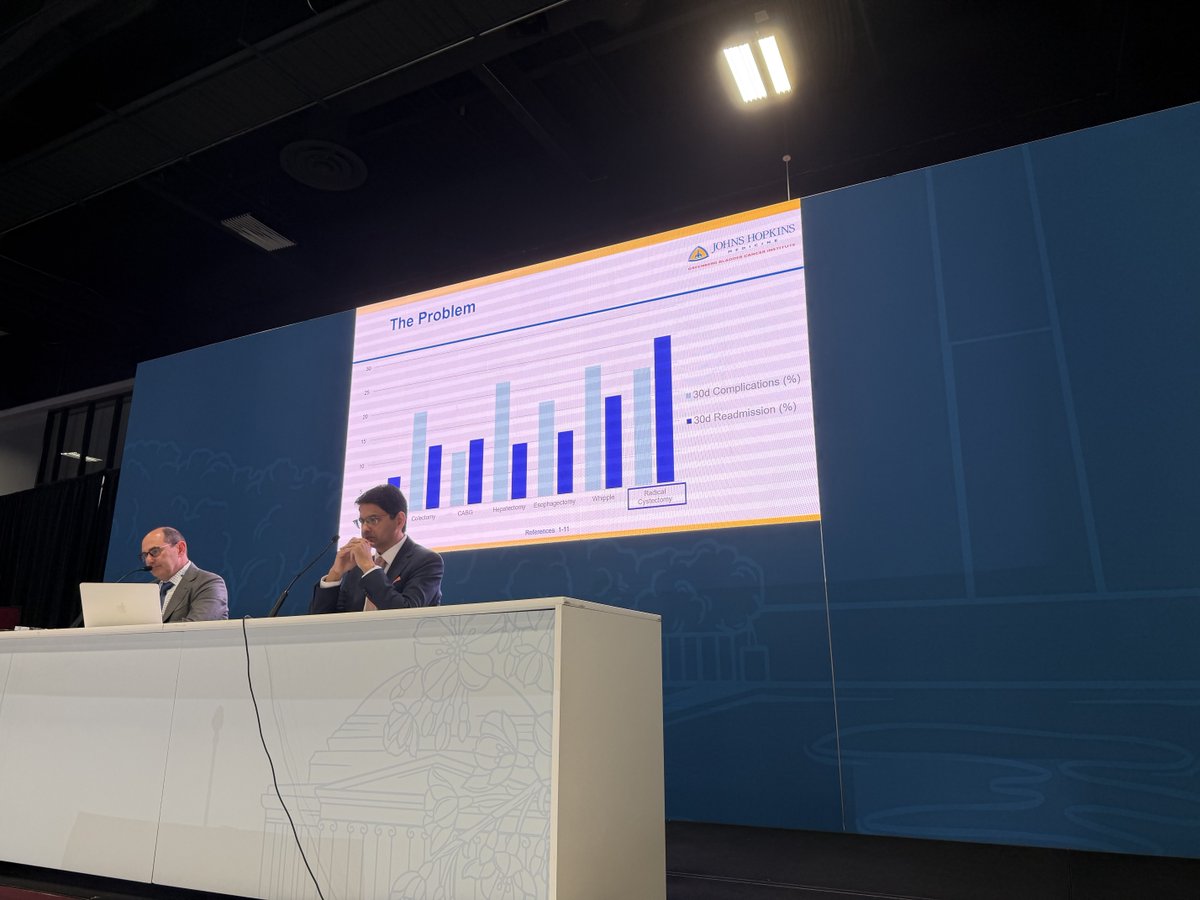
I was blown away at this year's #AUA2026 when a researcher presented a slide showing that the morbidity and mortality of a cystectomy exceeds even that of a Whipple in which the pancreas, gallbladder portion of the stomach and spleen are all removed. That blew my mind especially since there is an option to save the bladder.
I am posting the segment of our long conversation relating to your views of whether CIS and high grade papillary are treated clinically as the same disease. I was glad to hear the next day at the FDA workshop that your fellow expert colleagues completely agreed with this sentiment that you expressed in our conversation.
Appreciate the thoughtful discussion, Patrick.
Enjoyed discussing how we move the field forward together, especially with the patient at the center of every conversation.
Important dialogue on durability of response, meaningful endpoints, and ensuring broader access to effective therapies for patients worldwide.
#AUA26
13
79
499
41,819
May 19
It’s been quite a day. News coming soon re our sBLA response from FDA. Stay tuned.
95
137
1,087
130,023
May 17
Radical cystectomy ( surgical removal of the bladder ) - The largest complication in all surgeries even more than pancreatectomies ( Whipple) which I used to do!
Imagine if we can avoid this surgery .
14
60
541
25,501
May 16
Great chatting with @UroDocAsh at AUA26 in Washington DC with @urotoday. Always a pleasure to talk about the patients and expanding access to drugs for all. Duration matters, not just the initial CR. We addressed key issues and agreed that CIS and papillary are the same disease.
3
12
407
18,313