Captain of the Cali-class Federation starship USS San Dimas | pro choice | anti maga | he/him | Black Lives Matter | @drunkandcoding@bsky.social | don’t DM
Joined February 2015
- Tweets 20,922
- Following 1,680
- Followers 757
- Likes 235,008
1,870 Photos and videos




Pinned Tweet

9 Oct 2022
I picked up a prescription at the grocery store once for one of my dogs and was cautioned that he shouldn’t drive while taking it
62
871
41,591
Biscuits (Chad Noonien Singh) retweeted

Jun 14
In Louisiana, this is how you can tell if a gator is in that water

368
5,052
92,651
5,745,212
Biscuits (Chad Noonien Singh) retweeted

Jun 13
Silent gen: we ate dirt sandwiches during the great depression
Boomers: my dad died in ww2 and I got drafted to fight in Vietnam
Gen X: leaded fuel made us psychotic and we started smoking at 9 years old
Millenials: my parents are divorced and im bartender with a PhD
Gen Z:
Jun 12

Being raised in an anti SpongeBob household is a lifelong social handicap and lowkey abusive
92
649
8,034
640,715
A logical fallacy that distorts or misrepresents a woman should be called a strawma’am argument
1
9
Biscuits (Chad Noonien Singh) retweeted

How to sneak a chocolate bar into a FIFA World Cup match in the USA
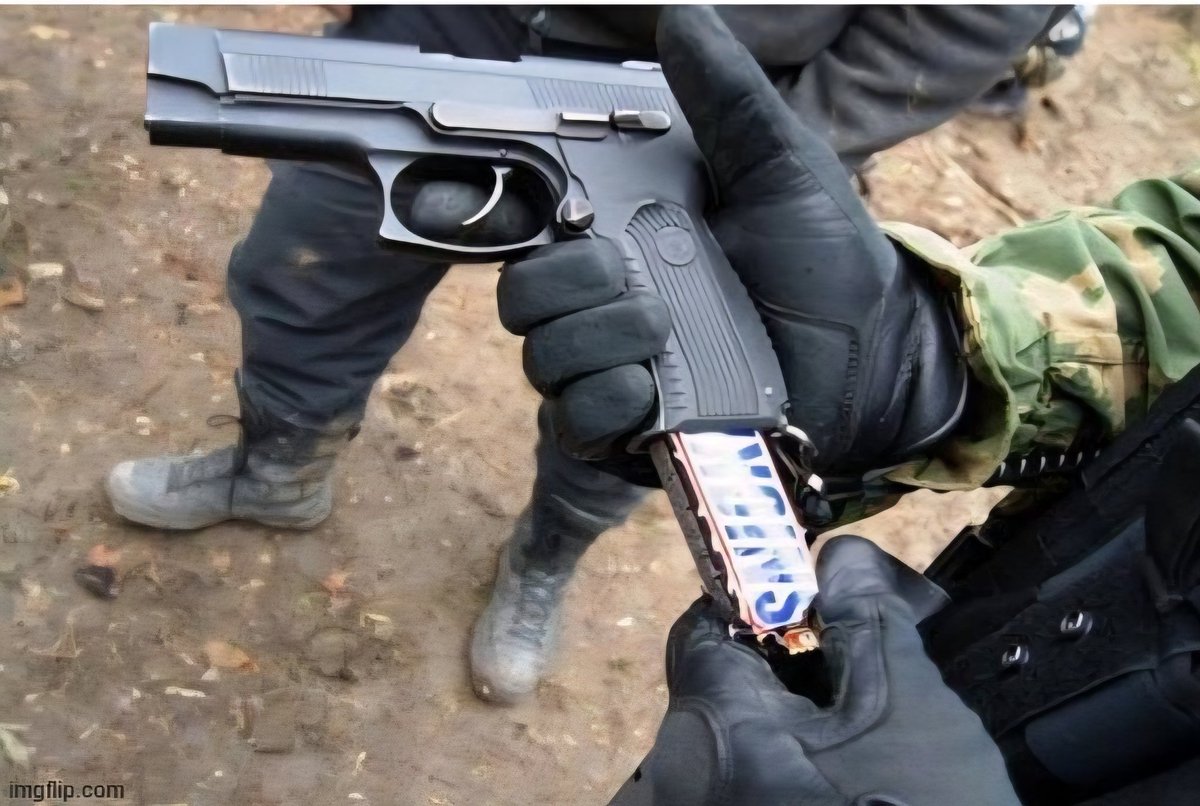

🚨🏴 NEW: Nine people have been injured at a shooting near England’s World Cup camp in Missouri
[@TheAthleticFC]
260
17,488
214,782
4,271,965
Biscuits (Chad Noonien Singh) retweeted

Jun 8
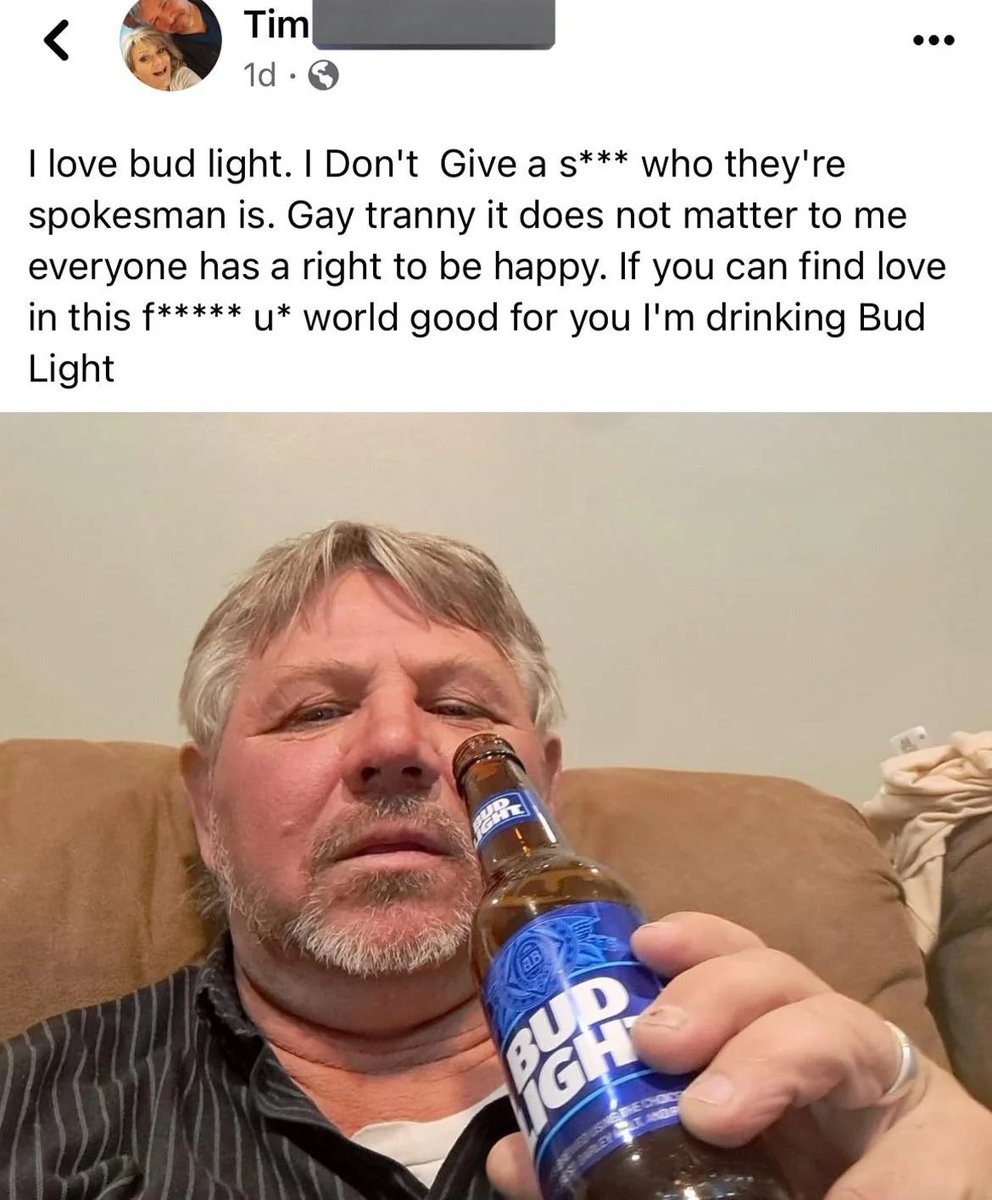
I hope Tim is having a good pride month.
241
6,604
112,833
1,673,816
Biscuits (Chad Noonien Singh) retweeted

Jun 7
If he hadn’t been persecuted to death by his government, he could well have lived long enough to witness much of the computer revolution.
At age 57 he would’ve seen Apollo 11 land on the Moon, using the most advanced computers of the time
At age 69 he would’ve seen the release of the IBM PC
In his 80s he would’ve seen the dot com bubble.
If he made it to 95, he might have been there when Steve Jobs unveiled the iPhone.

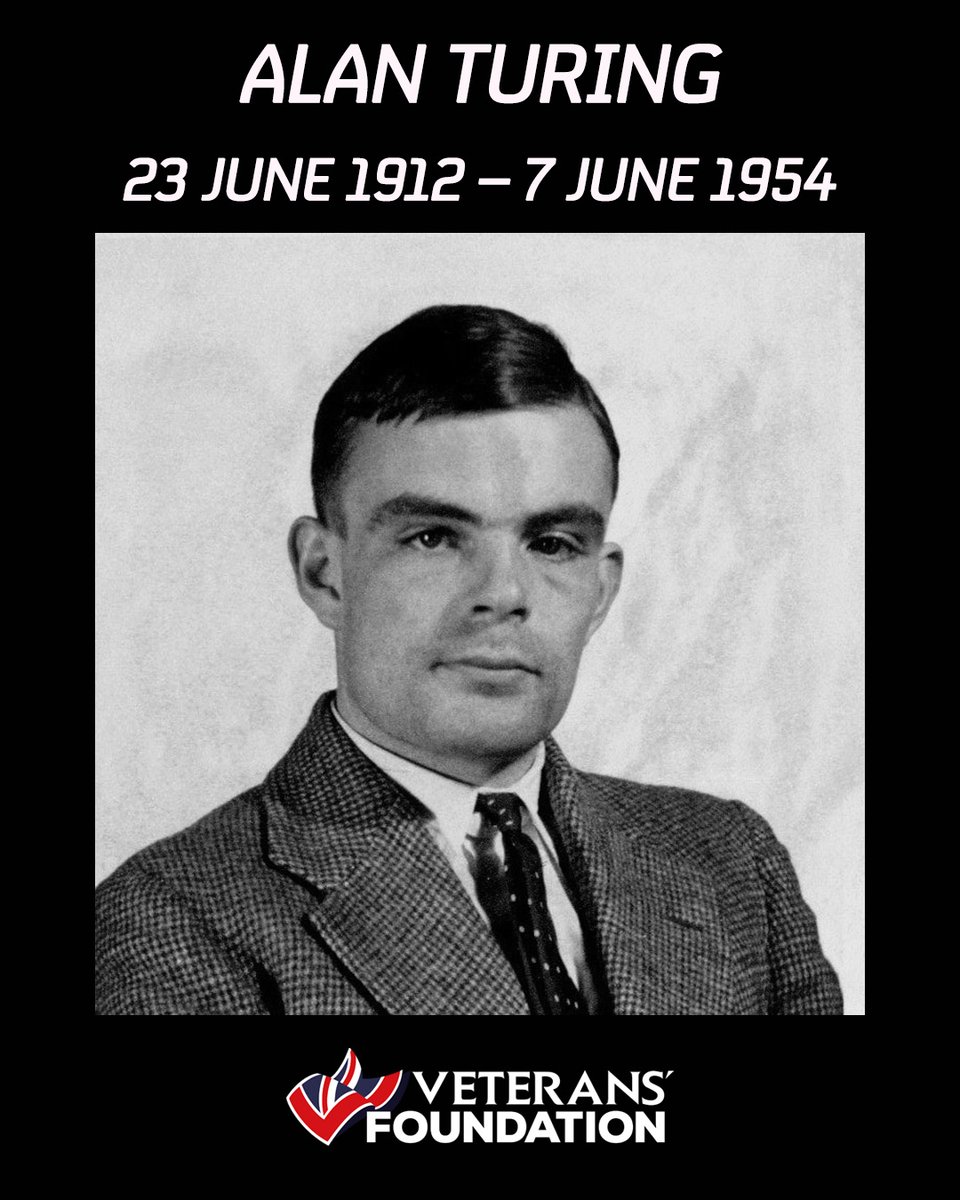
Today, we remember Alan Turing, who died on 7 June 1954.
A mathematician, codebreaker and pioneer of modern computing, Turing's work helped shorten the Second World War and laid the foundations for technologies that shape our lives today.
For decades, his achievements went largely unrecognised, and he faced profound personal challenges because of who he was. Yet his contribution to science, innovation and society remains extraordinary.
On the anniversary of his death, we honour a man whose ideas changed the world and whose legacy continues to inspire generations of thinkers, problem-solvers and innovators.
Photo: Princeton University Archives – Public domain (via Wikimedia Commons)
56
560
4,769
191,013
Biscuits (Chad Noonien Singh) retweeted

Jun 6
because a single serving of 12 beers is 2400 calories
Jun 6

men how the fuck do you even get fat when your maintenance diet for a sedentary lifestyle is 2,200 calories a day
111
1,171
51,393
2,699,006

Biscuits (Chad Noonien Singh) retweeted

May 30
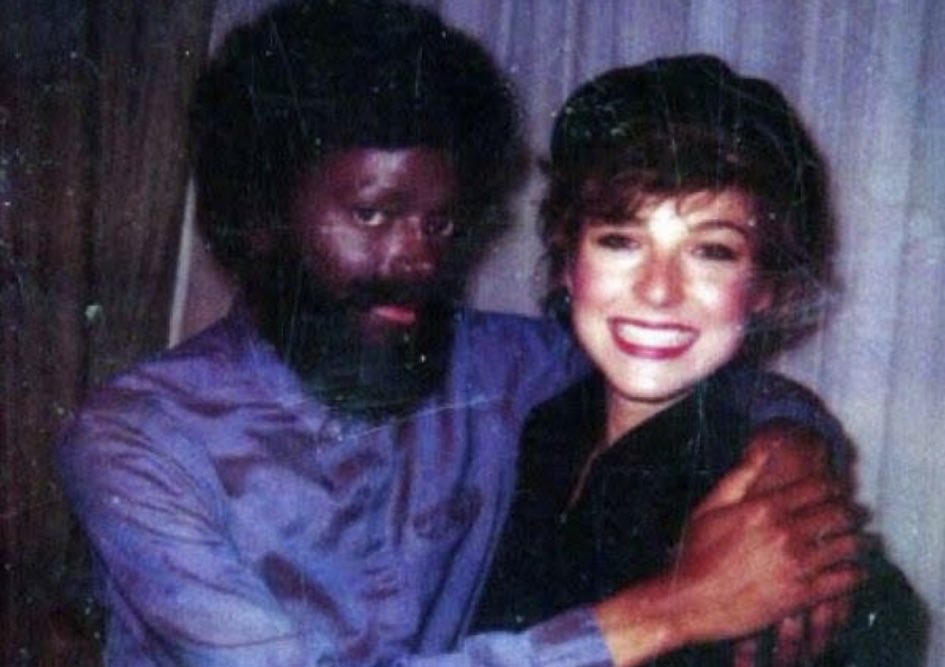
First black person to do blackface
May 30

this was Michael Jackson in disguise so he could go on a date with Tatum O'Neal in 1984.
98
4,037
129,654
2,377,152
Starting a BDSM-themed deli chain called Dom’s Subs
27
One good dog with a gun could have prevented this ktvb.com/article/news/nation…
1
32
Biscuits (Chad Noonien Singh) retweeted

May 26
PICARD: Data, shields up
DATA: Brilliant! Shields can reduce damage we sustain. Not immunity. Not hubris. Just prudence. It's not precaution—it's strategy.
[camera shakes]
WORF: HULL BREACHES ON NINE DECKS
DATA: Here's what happened: you told me to raise shields, and I didn't
305
4,861
50,508
1,385,329

Me: at a Japanese aquarium.
peaceful day, families everywhere, soft piano music.
then I notice one employee SPEED WALKING past us carrying bucket.
Employee: Excuse me.
another employee runs by, then another.
suddenly whole aquarium staff moving with Avengers-level urgency.
Me: ...
Friend: Something happened.
we follow crowd to penguin section.
absolute chaos, one penguin missing.
not metaphorically, ACTUALLY escaped.
staff members whispering intensely into walkie-talkies.
tiny child beside me: The criminal has escaped.
Me: WHY DID HE SAY IT LIKE THAT.
then I spot the penguin.
bro is BOOKING IT down hallway at shocking speed.
sliding on stomach around corners like furry torpedo.
staff chasing respectfully.
one employee holding fish like hostage negotiator.
Employee: Kenta please.
PENGUIN'S NAME IS KENTA.
Kenta ignores authority completely, runs directly into souvenir shop.
now people buying keychains while rogue penguin commits grand theft atmosphere.
finally old aquarium worker appears.
everyone parts ways dramatically.
this man kneels down calmly.
pulls out single sardine.
Kenta stops immediately.
walks over with zero shame.
Old Worker: Enough adventure.
penguin allows himself to be carried away like drunk friend after party.
crowd applauds.
Friend whispering: He'll do it again.
Honestly? absolutely.
81
906
8,948
194,577
This hits hard
May 24

"The most unexpected opponent you will face in life is the person who owned your house before you."
I had one of these days today



1
42
Biscuits (Chad Noonien Singh) retweeted

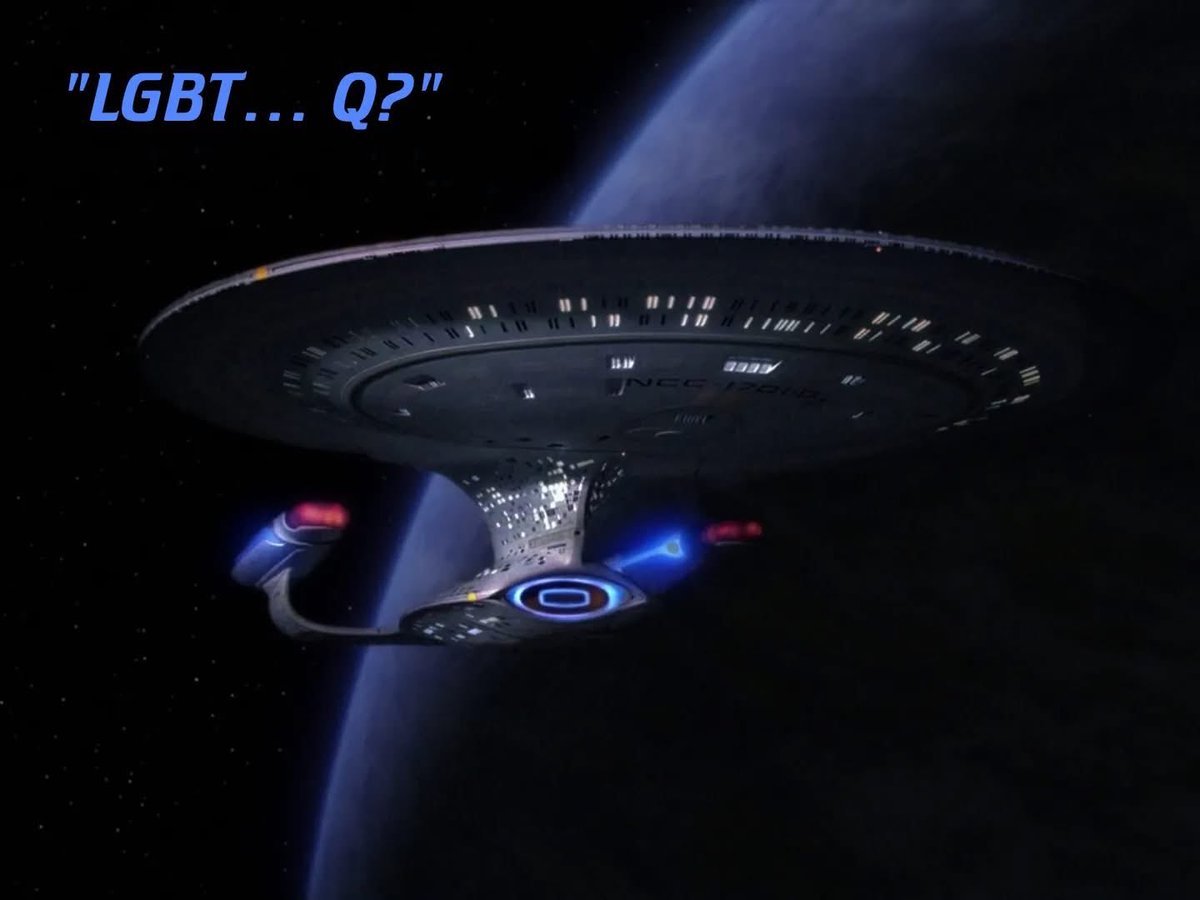
WHO DID THIS? 🤣
36
166
1,550
33,957
Biscuits (Chad Noonien Singh) retweeted

May 23
Ouch 🤣🤣🤣

201
7,011
46,157
426,138