
1,450 Photos and videos








Pinned Tweet

Jun 5
A lot of focus on agentic payments metrics recently.
Classic case of narrative / excitement overshooting adoption. But there’s progress happening if you know where to look.
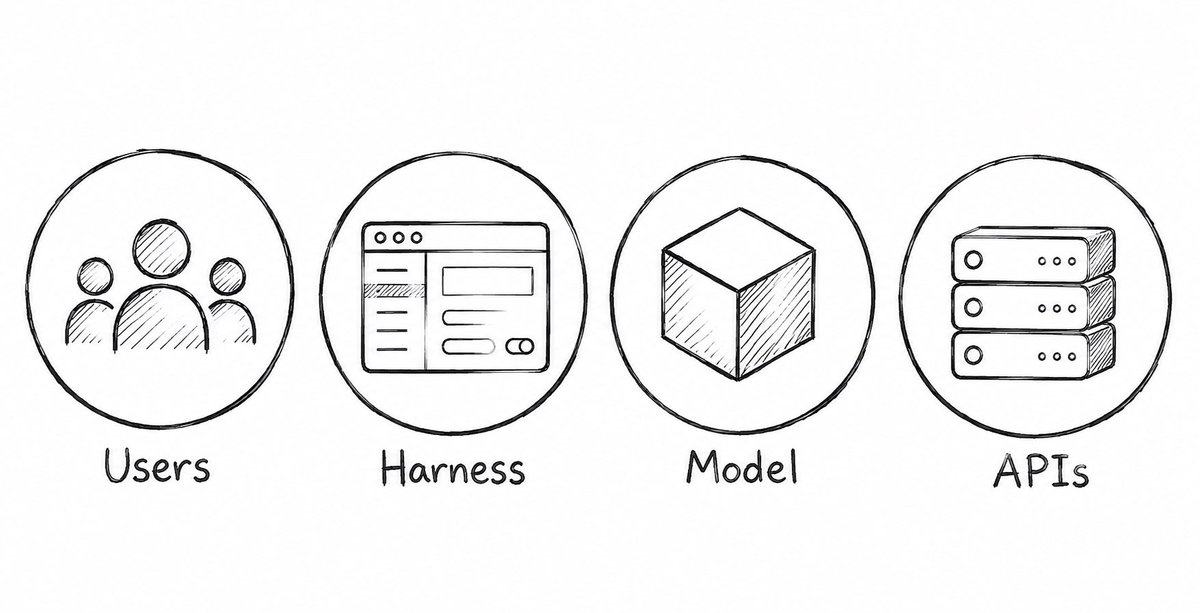
There are 4 pieces to solve for adoption:
Users
Harness
Model
API
Users
“Who” is using the agent. Today, all agents tie back to a person, for now. So if agents are going to spend money, their person needs money. Most people using agents today have a bank account and debit / credit card. A smaller subset have a funded crypto wallet.
The main issue is that most people don’t have their money connected to their agents. Early adopters can do this today: give OpenClaw plaintext card info, install the MPP skill, etc. But it requires awareness and sophistication. It’s not the default, which limits adoption. Reasonable to assume this changes.
Harness
“How” you use the agent. Harness is sometimes separate from model, eg OpenClaw using Claude or Cursor using DeepSeek. But for most people, the harness is built by the model company.
If most consumers use the default option, a harness eventually built into an operating system, eg iOS, will have a significant impact on what payment method gets connected to an agent.
Model
“What” agent you are using. You can see where payments adoption is today by asking your favorite agent to “register me a domain name.” The default payment tool use from model companies, especially vertically integrated experiences, will have a huge influence on defaults.
APIs
“Where” the agent spends money. This is the supply side of the marketplace, and where most progress is happening.
It helps that Stripe supports nearly all agentic payments protocols, including different ones for e-commerce vs APIs, and has distribution to 5 million businesses, including virtually all leading AI companies.
But even if a business turns on agentic payments for their API, you still have to solve users / harness / model adoption.
Also, most services today are built around accounts and periodic billing. Migrating to usage-based billing will take time, both for incumbents and new AI-native services.
19
6
95
10,273
Dan Romero retweeted

The left won.
The world's richest man is an electric vehicle manufacturer who is decarbonising the atmosphere while helping quadriplegics, restoring space travel, and making the internet and freedom of speech widely available across the globe.
Unfortunately most of the people who identified as "left" were simply pathological grief merchants with oppositional defiance disorder. They build nothing. They stand for nothing.
186
1,324
11,688
269,179
Jun 13
how bernie sanders supporters think of “net worth” that’s tied up in practically illiquid super-voting founder stock
7
2
57
2,581
Jun 13
the spacex ipo irks libs because they think meritocracy is a lib thing and it turns out meritocracy doesn’t actually exist and the closest thing thing to actual meritocracy is capitalism and they’re bad at it because it rewards risk-taking not credentialism
45
228
3,275
85,016
Jun 11
X having native money and trading functionality in the next 12-18 months feels underrated.
Jun 11

We heard you guys like charts, so we made them bigger.
Introducing Big Charts
Embed them into your posts with Cashtags—and just tap on your chart to expand it before posting. Available on iOS and web.
$TSLA
7
3
47
6,648
Jun 10
spacex has over 10,000 satellites in orbit radiating heat effectively to send this tweet to your timeline
244
65
3,172
143,397
Jun 10
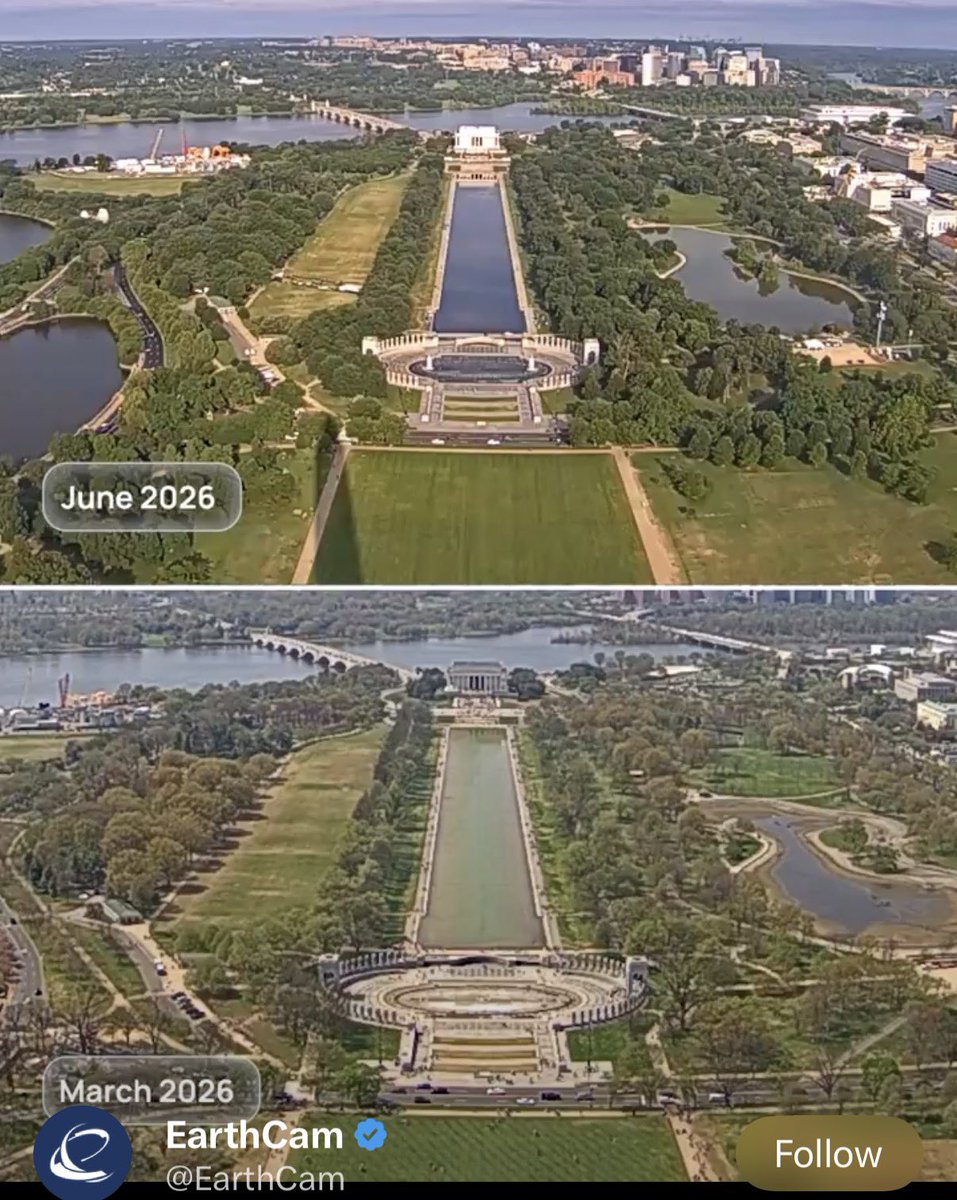
“looks almost the same”
yes, I often confuse algae green and dark blue as almost the same
31
28
570
19,515
Jun 10
For most Americans, the most important data for a personal AI assistant lives in three apps:
iMessage
Email
Photos
13
2
61
5,849
Jun 9
The other models will certainly be better.
But the other models won’t be the built-in, *free* default with privileged access to personal data and what’s on the screen.
8
1
31
9,765
Jun 9
Wonder if Cloudflare will detect / blocks these agents as bots by default.
If not, thin wedge for Apple devices to have a special agentic lane into many websites.

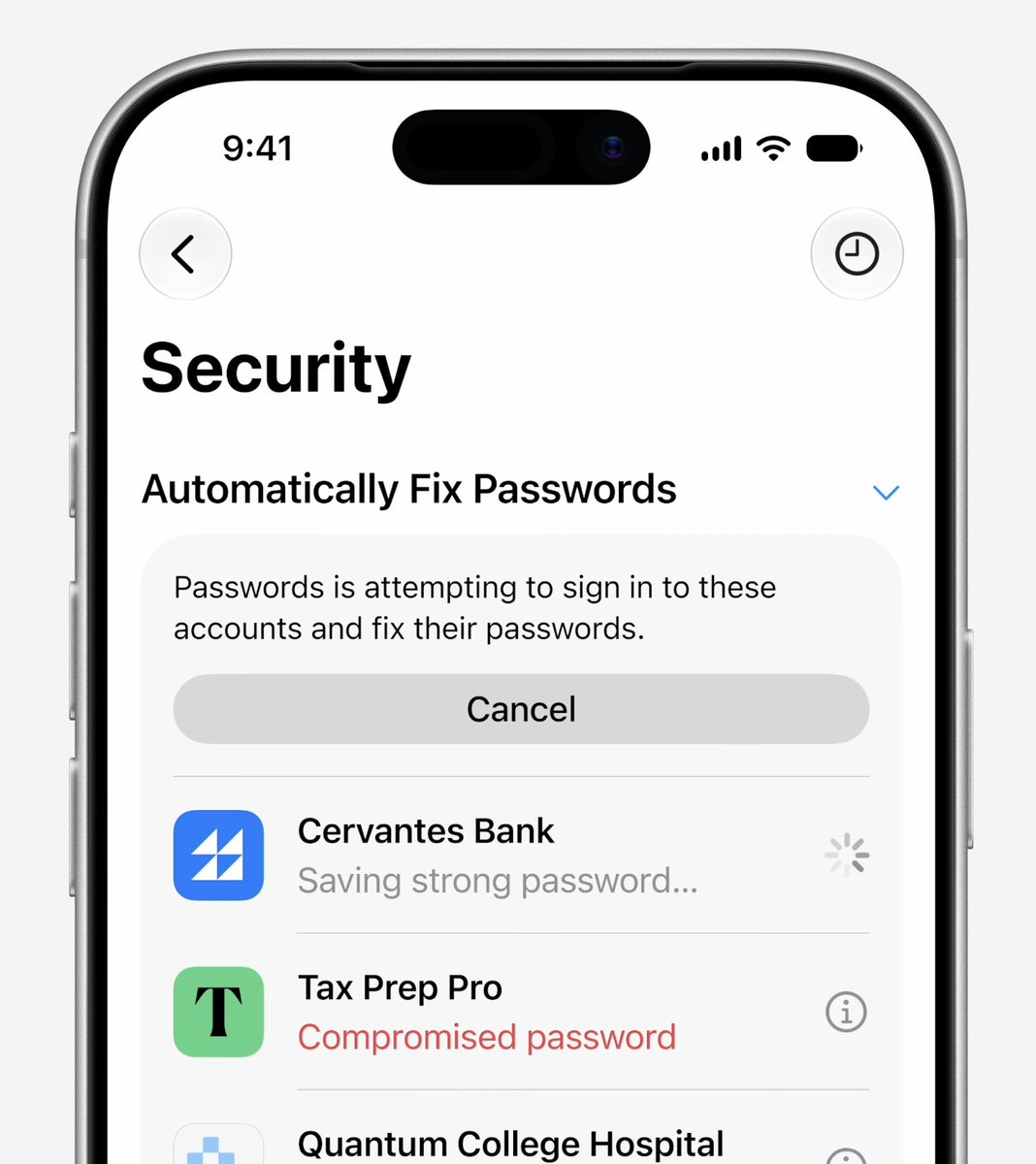
i don't quite believe everything apple has shown, but one agentic feature stood out for me. they have shown how passwords app can work with safari and go out and update all the weak or compromised passwords. it's a really good example of a thing you would only trust a local model with.
7
35
13,337
Jun 9
I’m old enough to remember a few months ago when the timeline was filled with “data centers in space don’t work because physics” takes
Jun 8

SpaceX has just officially unveiled its AI1 satellite, the first generation of its AI satellite.
Overall Specs:
• 150 kW peak compute payload
• 120 kW average compute payload
• 70 kW per ton
• Compute provider interchangeable
Dimensions:
• Wingspan: 70 meters
• Deployed height: 20 meters
Thermal System:
• 110 m² deployable liquid radiator
• Redundant pumping loops
• Integrated micrometeoroid shielding
• Deployable liquid radiators
Solar Power System:
• 150 kW solar array
• 250 W/m²
• SpaceX-manufactured solar technology from Bastrop, Texas
Architecture:
• Centralized compute module
• Large deployable solar arrays
• Deployable liquid-radiator thermal management system
• AI-focused compute satellite design ("AI1 satellite")
Elon: "The AI satellite is much simpler than a Starlink satellite. The AI satellite is essentially a lot of solar cells, you still need some laser links, but you don't have all of the super complex antennas that you have on a Starlink satellite. The easier one to design for is the AI satellite. It's bigger. A lot of this is technology we've already made with the Starlink V3 satellites."
123
83
2,420
182,491
Jun 8
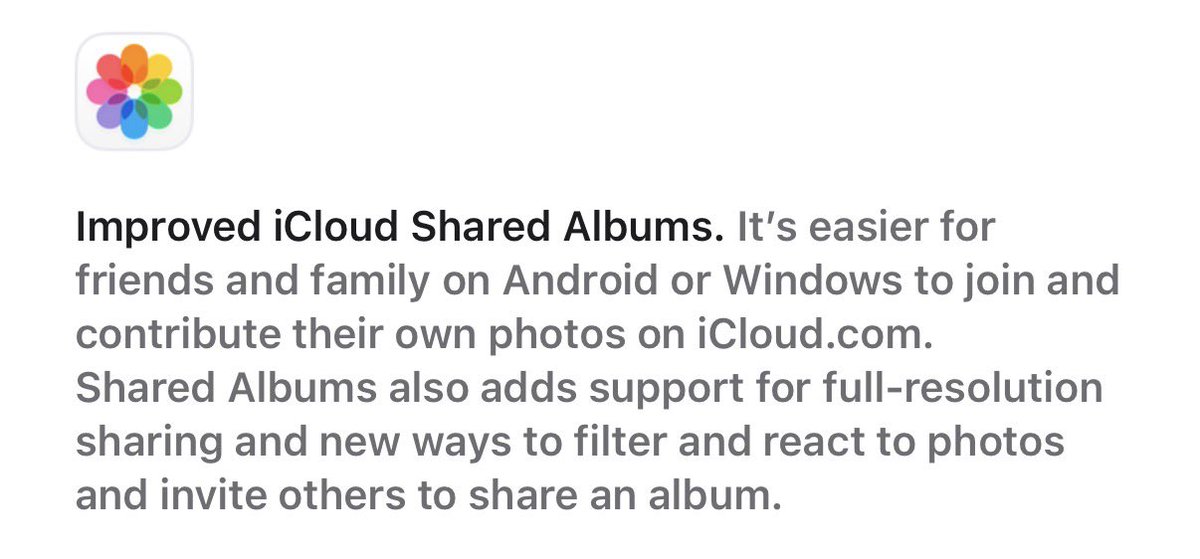
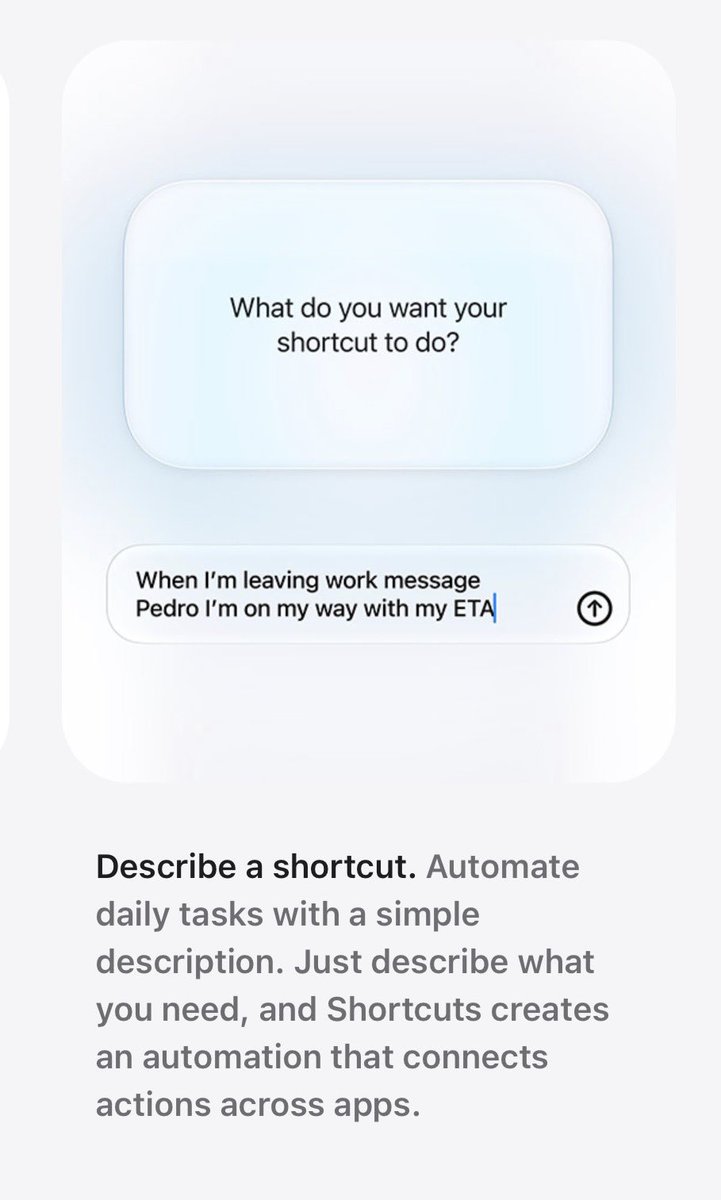
Underwhelming WWDC.
But as a shared albums fan, excited about this.
Also mildly optimistic this could make Shortcuts actually useful.
3
1
26
4,228
Jun 5
A lot of focus on agentic payments metrics recently.
Classic case of narrative / excitement overshooting adoption. But there’s progress happening if you know where to look.
There are 4 pieces to solve for adoption:
Users
Harness
Model
API
Users
“Who” is using the agent. Today, all agents tie back to a person, for now. So if agents are going to spend money, their person needs money. Most people using agents today have a bank account and debit / credit card. A smaller subset have a funded crypto wallet.
The main issue is that most people don’t have their money connected to their agents. Early adopters can do this today: give OpenClaw plaintext card info, install the MPP skill, etc. But it requires awareness and sophistication. It’s not the default, which limits adoption. Reasonable to assume this changes.
Harness
“How” you use the agent. Harness is sometimes separate from model, eg OpenClaw using Claude or Cursor using DeepSeek. But for most people, the harness is built by the model company.
If most consumers use the default option, a harness eventually built into an operating system, eg iOS, will have a significant impact on what payment method gets connected to an agent.
Model
“What” agent you are using. You can see where payments adoption is today by asking your favorite agent to “register me a domain name.” The default payment tool use from model companies, especially vertically integrated experiences, will have a huge influence on defaults.
APIs
“Where” the agent spends money. This is the supply side of the marketplace, and where most progress is happening.
It helps that Stripe supports nearly all agentic payments protocols, including different ones for e-commerce vs APIs, and has distribution to 5 million businesses, including virtually all leading AI companies.
But even if a business turns on agentic payments for their API, you still have to solve users / harness / model adoption.
Also, most services today are built around accounts and periodic billing. Migrating to usage-based billing will take time, both for incumbents and new AI-native services.
19
6
95
10,273
Jun 5
The industry doesn’t help itself since there are plenty of headline metrics bullposted that are uninteresting at best and intellectually dishonest at worst.
(No one outside of crypto cares about an agentic payment that launches a memecoin. So if your number includes that people will stop paying attention.)
1
9
1,241
Jun 5
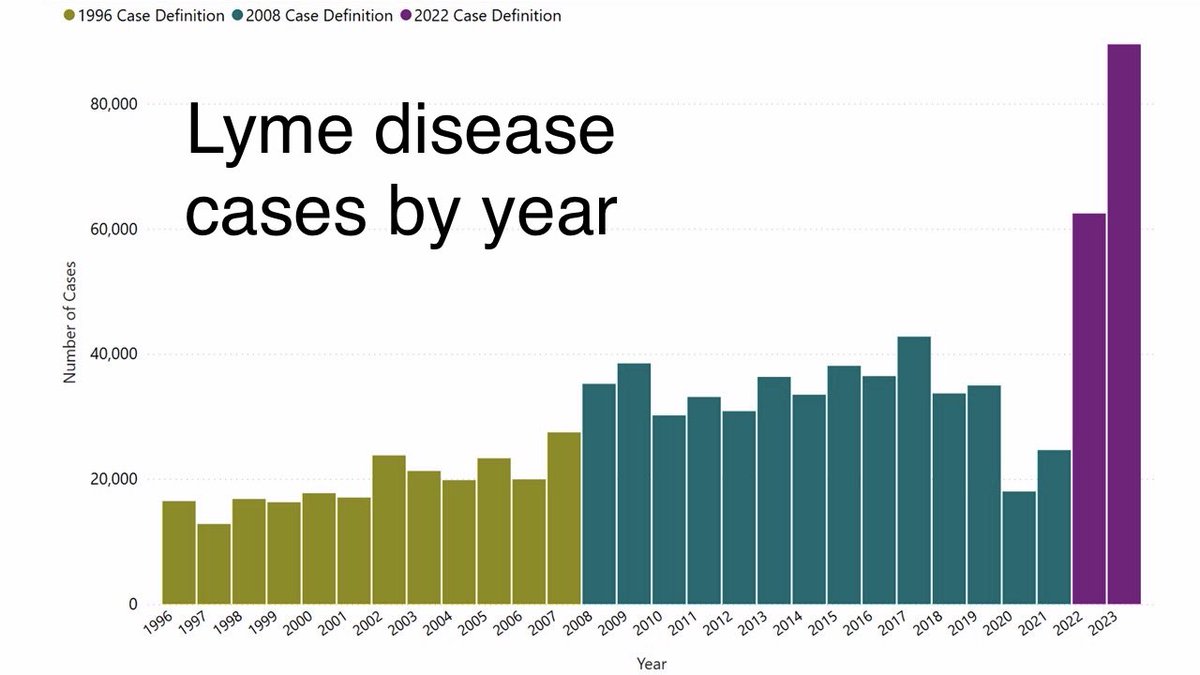
Using AI / data centers to help eliminate tick-borne diseases like Lyme and Alpha Gal feels like a great way to shift public opinion and win over a bipartisan group of senators.

12
22
2,980
Jun 4
This is a huge deal.
@AntaresNuclear is the first advanced reactor company to hit nuclear criticality.

5
4
71
9,330
Jun 4
“One of the most significant technological achievements in nuclear energy in over 40 years”
Massive congratulations to @jordanbramble @juliadewahl and the rest of the Antares team!

8
12
55
11,867
Jun 4
Brilliant.
Obvious format in retrospect.

7
2
99
22,894