Astt. Prof. @tvmiiser. Earlier Postdocs @WHOI @Brown_DEEPS @UMR_ISTO @CNRS @UTokyo_News_en. PhD @uniOFcalcutta. Structural Geologist, Rock Squeezer.
Joined October 2019
- Tweets 208
- Following 452
- Followers 195
- Likes 553
48 Photos and videos
Pinned Tweet

9 Sep 2025
Link:
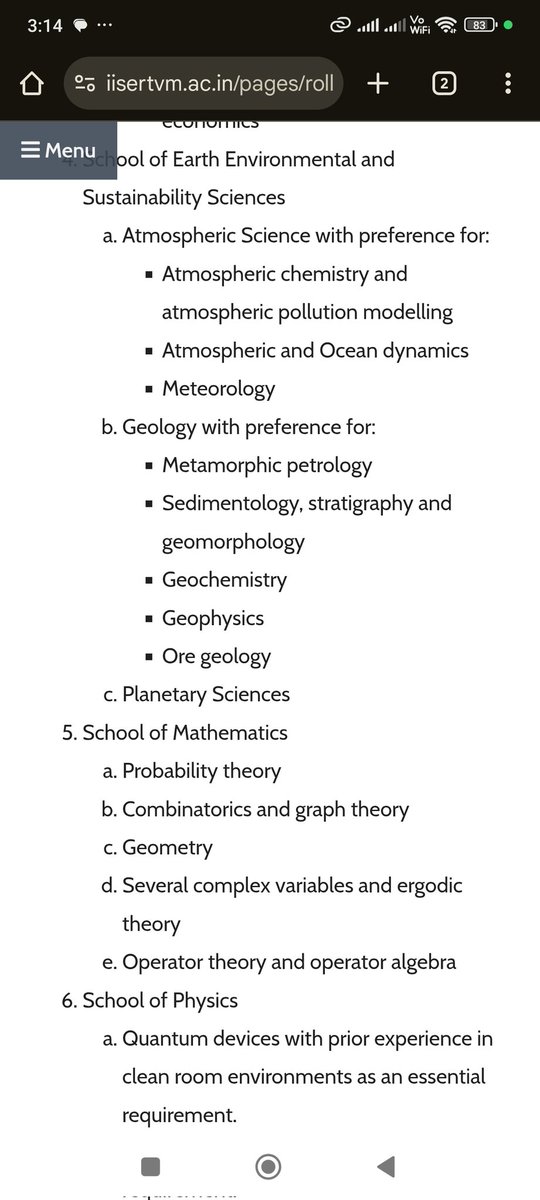
iisertvm.ac.in/pages/rolling…
#recruitment @tvmiiser
#geology #geophysics #JobOpportunity @Earthworksjobs
75
15 Jun 2025
🌍 #FacultyRecruitment @tvmiiser
• #RlemoteSensing and #GIS
• #Geology —with a preference for #Sedimentology and #Stratigraphy, /#MetamorphicGeology, /#Geochronology, and #Geophysics
🗓️ Deadline : July 6, 2025
👉 Apply: iisertvm.ac.in/pages/faculty…
#EarthSciences #AcademiaJobs
105
31 May 2025
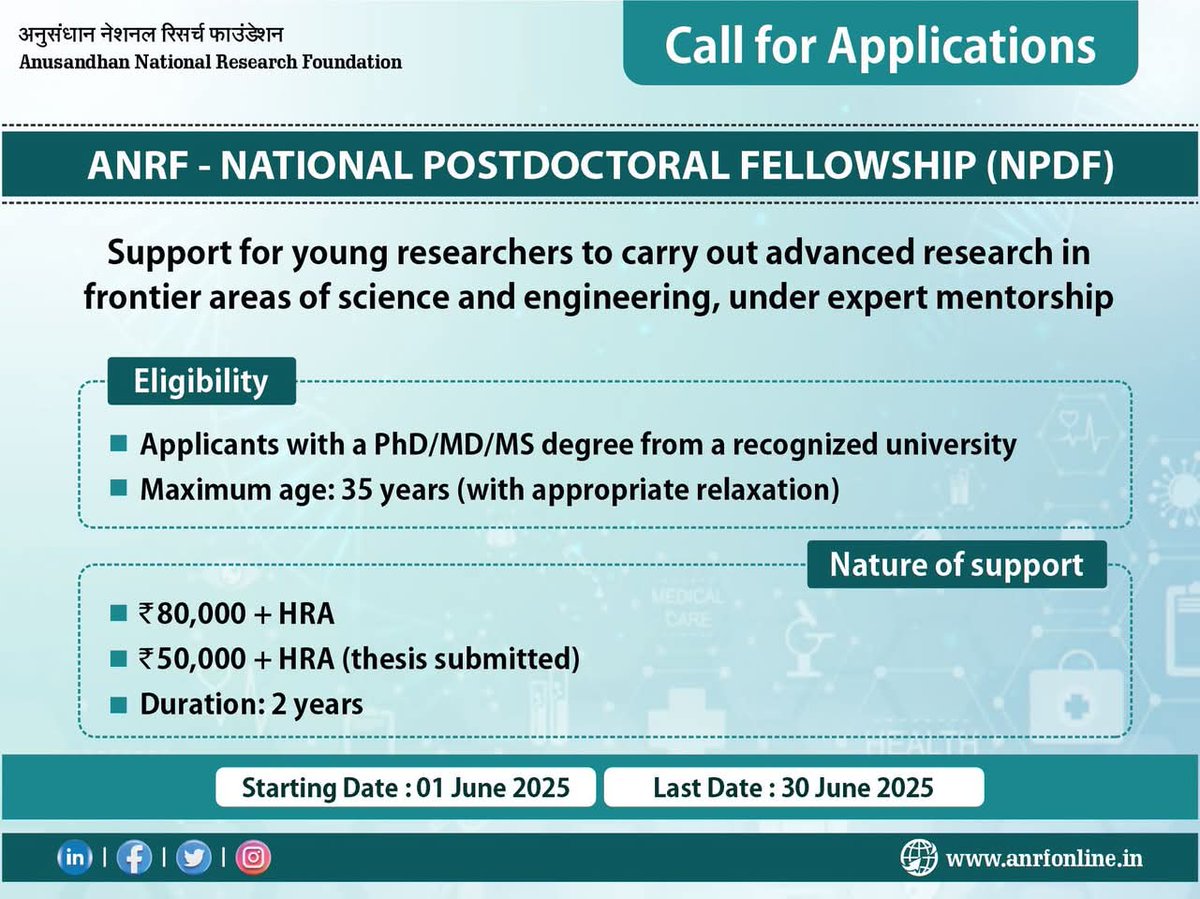
Good opportunity for anyone interested in conducting independent research in geological sciences ( #structural_geology
#rheology
#tectonics
#modelling )
>> anrfonline.in/ANRF/npdf
2
233
8 Jun 2024
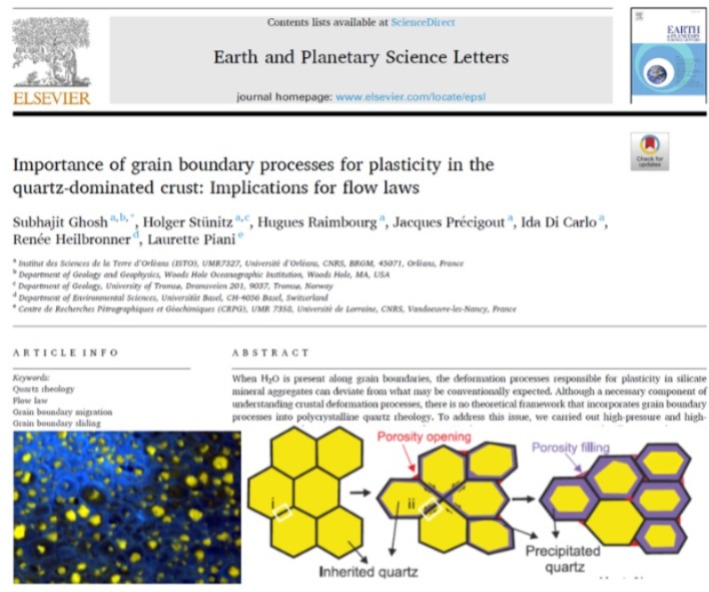
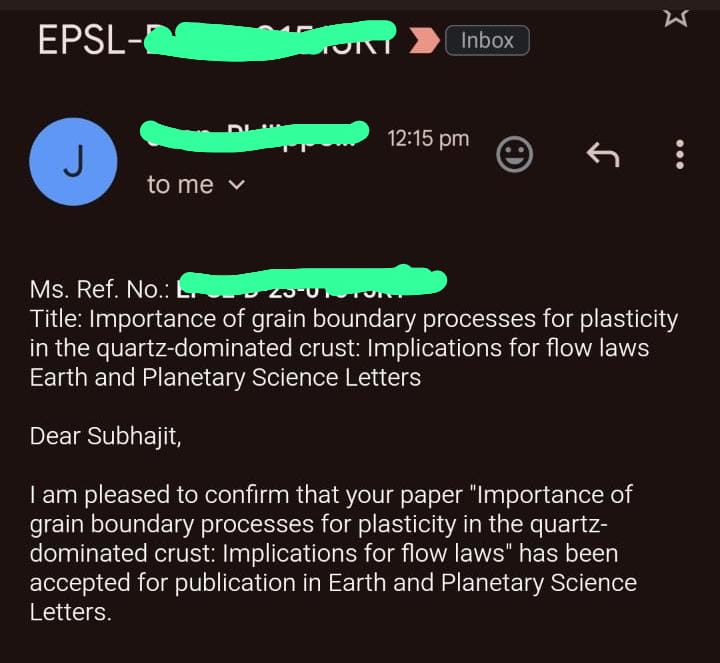
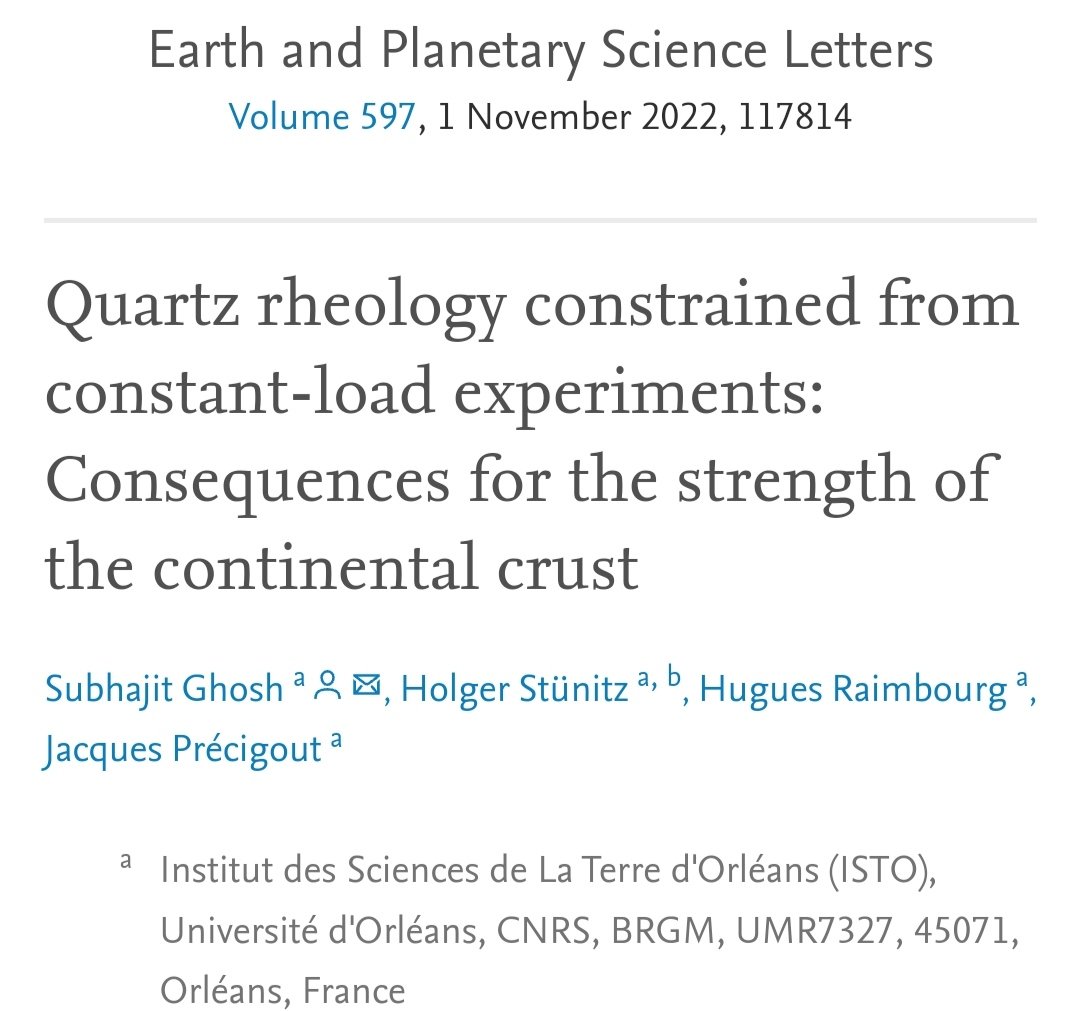
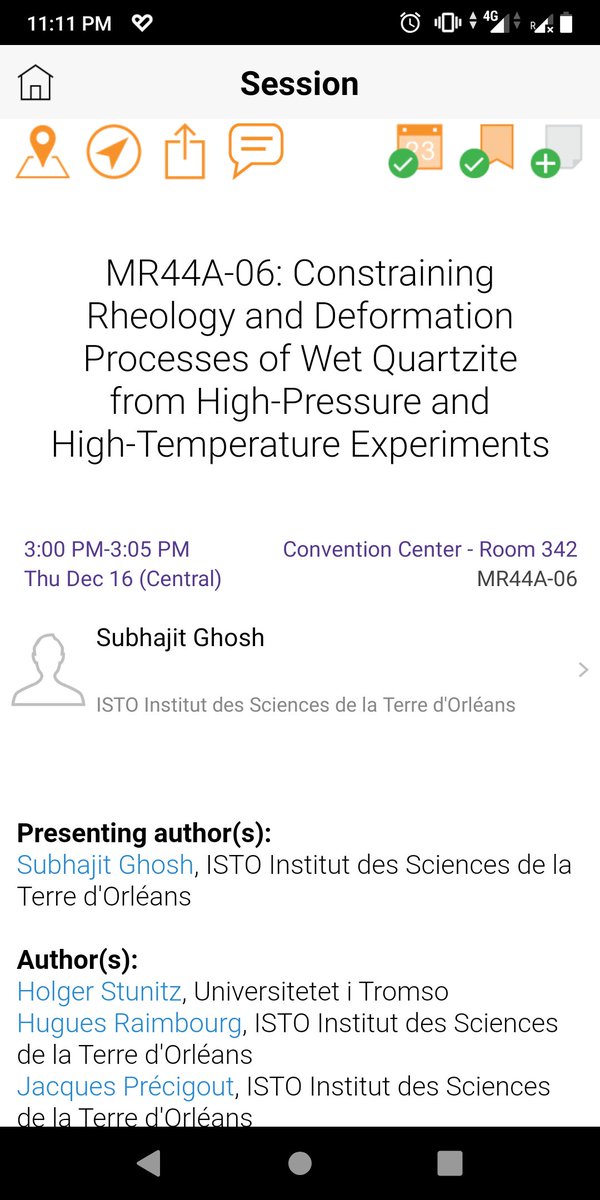
Excited to share our latest work on #quartz #rheology, available on #EPSL @ElsevierConnect.
Link >> authors.elsevier.com/a/1jBMy…
All the structural geologists, numerical and geophysical modelers >> cool microstructures, updated flow law values, strength of the continents.
@UMR_ISTO
2
3
32
1,463
22 Jun 2024
192
20 Jun 2024
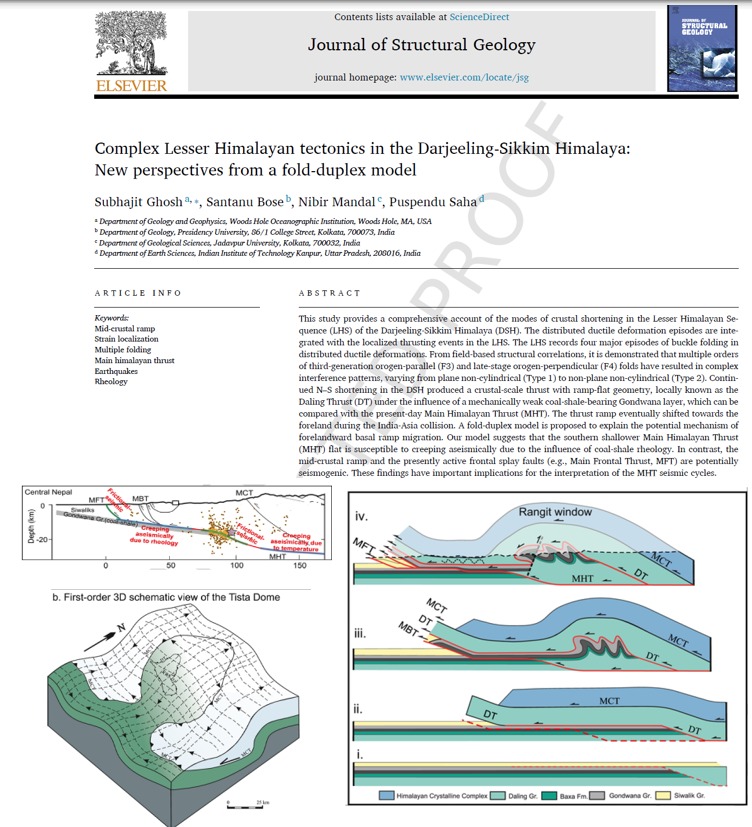
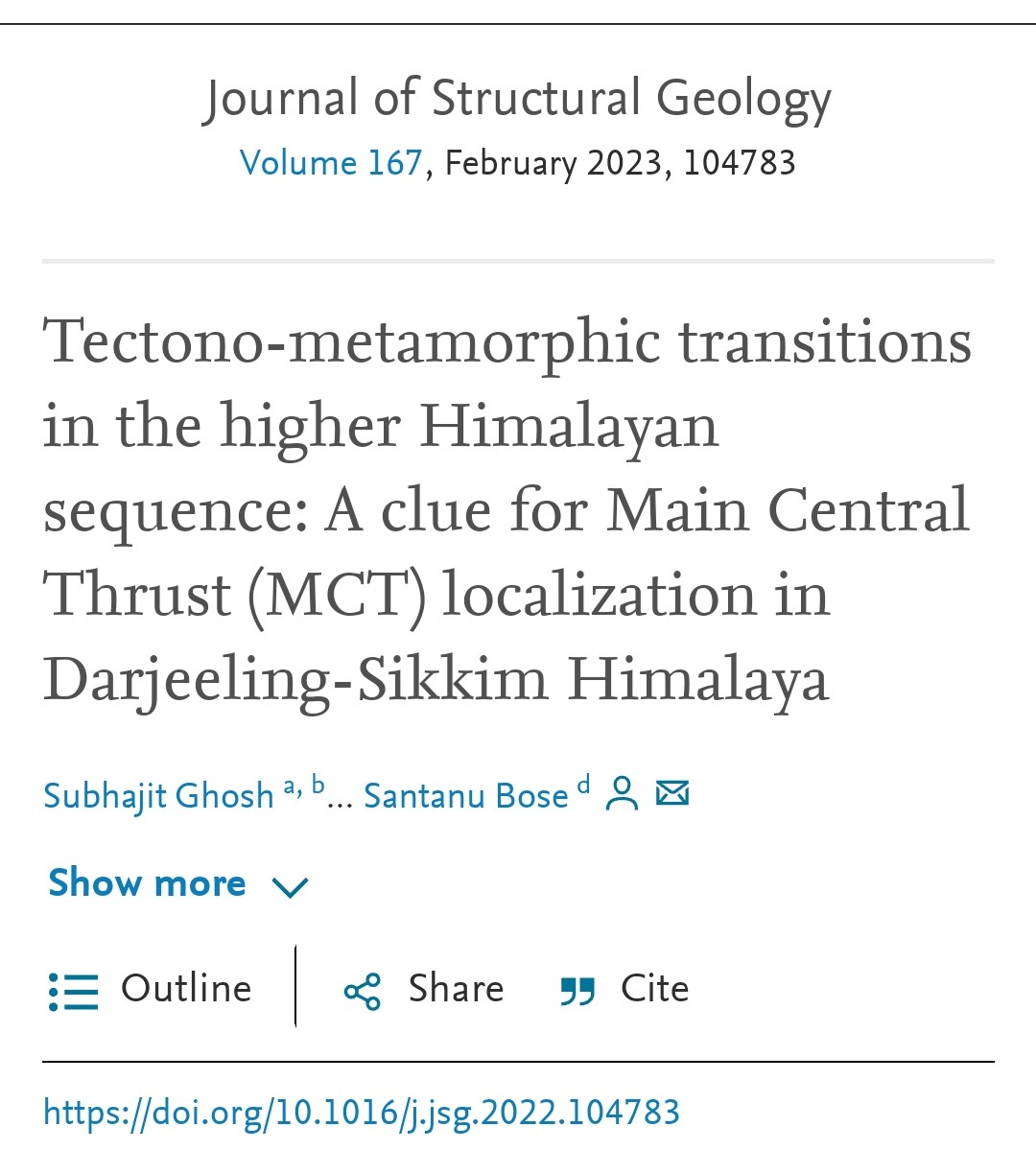
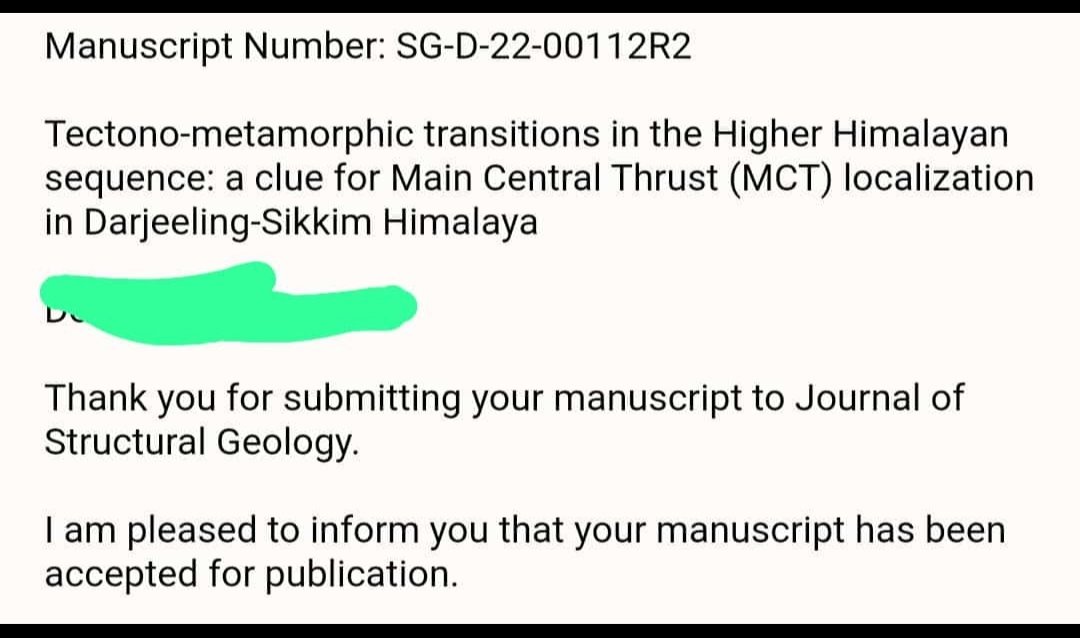
Really excited to share some new insights on the kinematics of Himalayan folds. We introduced a novel weak coal-shale layer controlled #fold_duplex model, with the help of classical structural mapping.
#Himalayas #Tectonics
@ElsevierConnect.
Free Link >> authors.elsevier.com/a/1jI61…
3
31
1,242
Subhajit Ghosh retweeted

24 May 2024
✋🏿8. Starting my own business.
🟢Finding commercial prospects.
🟢Creating and evaluating your product.
🟢Busting the biggest entrepreneurship myths.
🟢edx.org/learn/entrepreneursh…
2
70
502
107,012
11 May 2024
Some exciting new research on quartz rheology and flow law is just around the corner.. stay put 😄
@UMR_ISTO
@CNRS
@ElsevierConnect
#Geology
#AcademicChatter
#rheology
12
416
1 May 2024
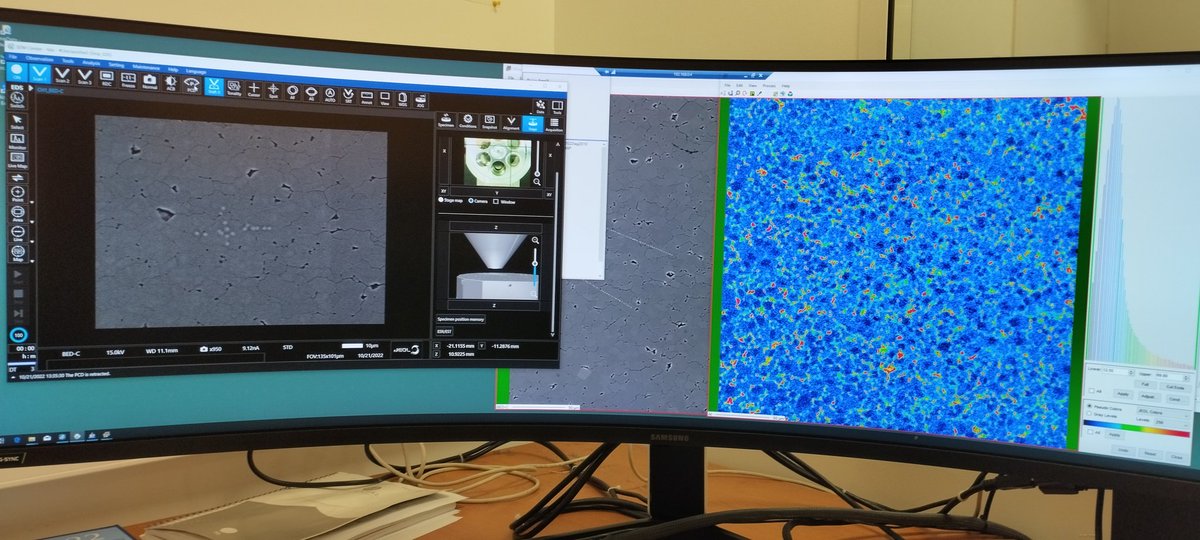
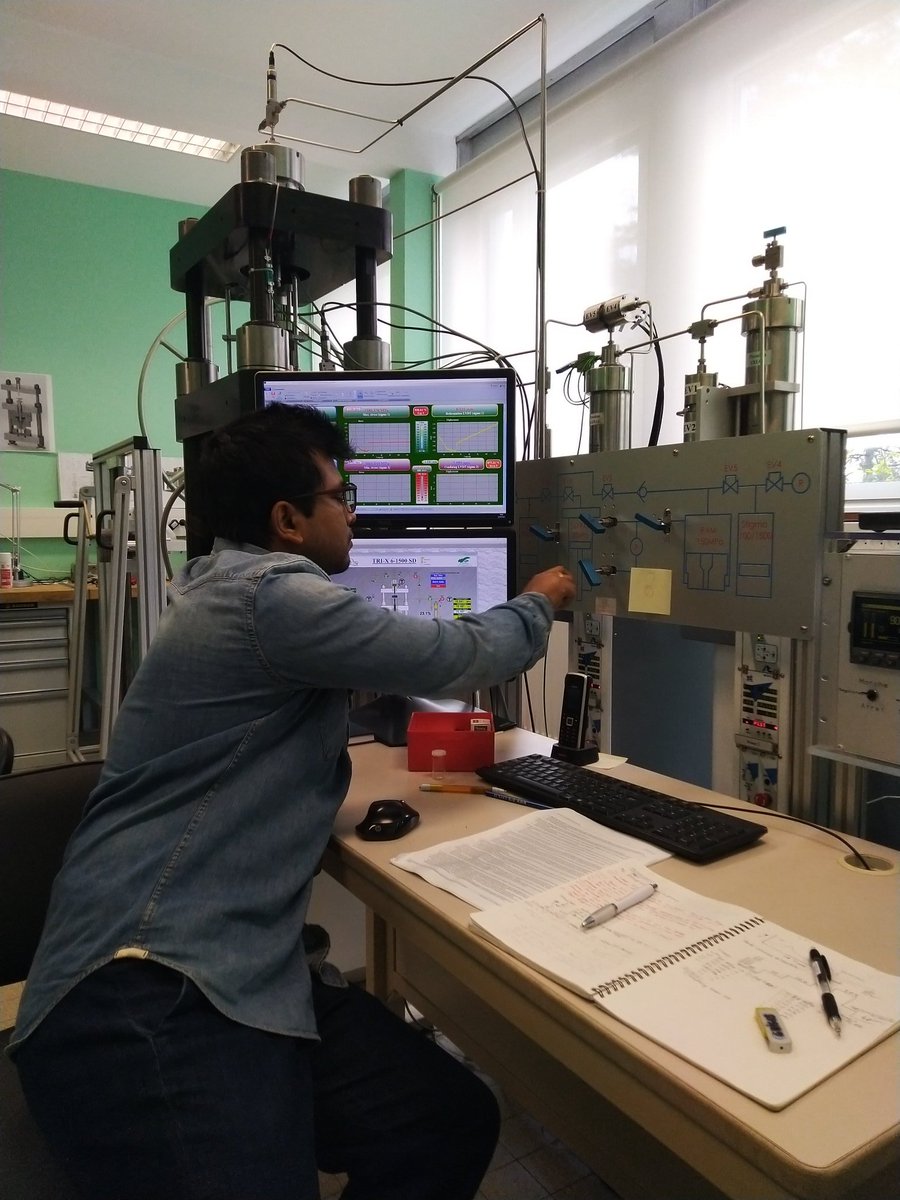
Why do we squeeze rocks in the lab?
😮 >> blogs.egu.eu/divisions/gd/20…
1 May 2024

Curious about how geologists unveil the mysteries of Earth's crust and mantle rheology? 🌍 Dive into this week's blog post where Subhajit Ghosh (@dynamicRHEOLOGY) from Woods Hole Oceanographic Institution, delves into the experimental methods:
blogs.egu.eu/divisions/gd/20…
8
414
Subhajit Ghosh retweeted

8 Apr 2024
📢NEW OPEN CALL📢We are thrilled to announce that the first call in #EXCITE2 for free-of-charge transnational access to 36 world-class imaging facilities is officially open!
📆Deadline May 22, 2024 @ 23:59 CEST
🔗To learn more & apply, visit: excite-network.eu/excite-tra…
@HorizonEU

7
19
1,160
Subhajit Ghosh retweeted

8 Feb 2024
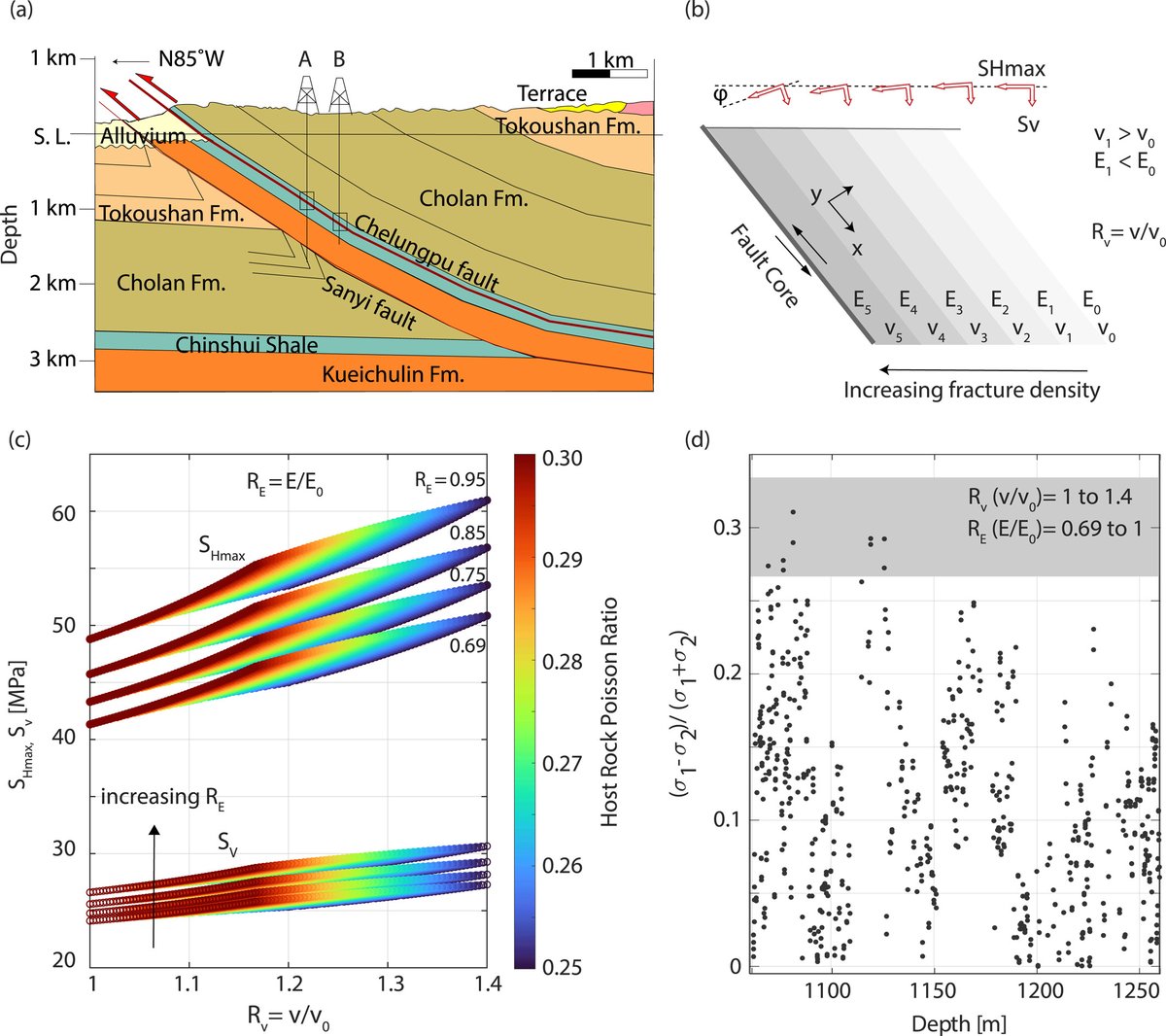
What are some evidence of stress relaxation in active fault damage zones? Our🚨new paper🚨 published @AGU's #GeophysicalResearchLetters shows field scale evidence of fault damage zone stress relaxation✍️ #earthquake #fault #timedependent
doi.org/10.1029/2023GL106237
ALT Can elastic properties explain stresses in fault damage zones?
1
3
430
Subhajit Ghosh retweeted

21 Dec 2023
A list of papers that were rejected before going viral
( = winning a Nobel Prize).
It just shows how #science works sometimes.
▫️
1. Richard Ernst, Chemistry (1991), for NMR spectroscopy
The paper that described our achievements was rejected twice by the Journal of Chemical Physics to be finally accepted and published in the Review of Scientific Instruments.
▫️
2. Andre Geim, Physics (2010), for graphene
“First, we submitted the manuscript to Nature. It was rejected and, when further information requested by referees was added, rejected again. According to one referee, our report did 'not constitute a sufficient scientific advance'."
▫️
3. Paul Boyer, Chemistry (1997), for enzymatic mechanisms underlying the synthesis of ATP
His proposed resolution of a major unsolved problem in biochemistry threatened to "change the paradigm," Boyer remembers, and "the leading journal" in his field - The Journal of Biological Chemistry - declined to publish his work.
▫️
4. Herbert Kroemer, Physics (2000), for semiconductor heterostructures
"I wrote up the idea and submitted the paper to Applied Physics Letters, where it was rejected. I was talked into not fighting the rejection, but to submit it to the Proceedings of the IEEE, where it was published, but ignored. I also wrote a patent, which is probably a better paper than the one in Proc. IEEE."
▫️
5. John Polanyi, Chemistry (1997), for describing the dynamics of chemical elementary processes
PRL rejected the paper as lacking scientific interest. Shortly thereafter they rejected T. Maiman's report of the first operating laser, on the same grounds. Polanyi read about this second rejection, quite by chance. [Later] he submitted the identical manuscript to the Journal of Chemical Physics, where it was promptly published.
▫️
6. Kary Mullis, Chemistry (1997), for the PCR method (!!!!)
"And Dan Koshland would be the editor of Science when my first PCR paper was rejected from that journal and also the editor when PCR was three years later proclaimed Molecule of the Year."
▫️
7. Rosalind Yalow, Medicine (1977), for the radioimmunoassays of peptide hormones
From the rejection letter: “The experts in this field have beer particularly emphatic in rejecting your positive statement that the "conclusion that the globulin responsible for insulin binding is an acquired antibody appears to be inescapable”.
▫️
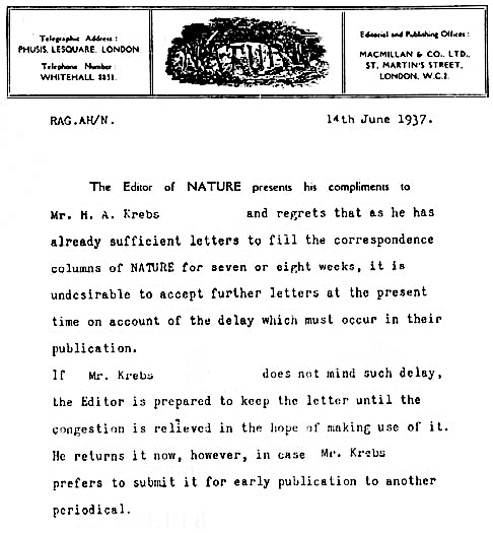
8. Hans Krebs, Medicine (1953), for the citric acid cycle
The rejection letter from Nature is in the picture. 🤦♂️
▫️
❗ My point is simple:
Rejections by editors are NOT rejections by the research community.
Believe in your results. Bring them to the public. Post your study as a preprint.
Show it to the world and let the world decide.
▫️
(This list compiled by Josh Nicholson bit from me).
#AcademicTwitter #phdlife
10
182
462
77,956
Subhajit Ghosh retweeted

17 Dec 2023
OpenAI released their own Prompt Engineering Guide.
The guide is useful for anyone trying to maximize LLMs. I'd recommend it.
Here's the 6 strategies they outline for getting better results from GPT-4:
66
450
2,843
942,629
Subhajit Ghosh retweeted

17 Dec 2023
Arthur C. Clarke on BBC's Horizon in 1964, when he gave some astonishing predictions about the future.
twitter.com/BBCArchive/statu…
216
3,741
12,706
1,706,798
Subhajit Ghosh retweeted
17 Nov 2023
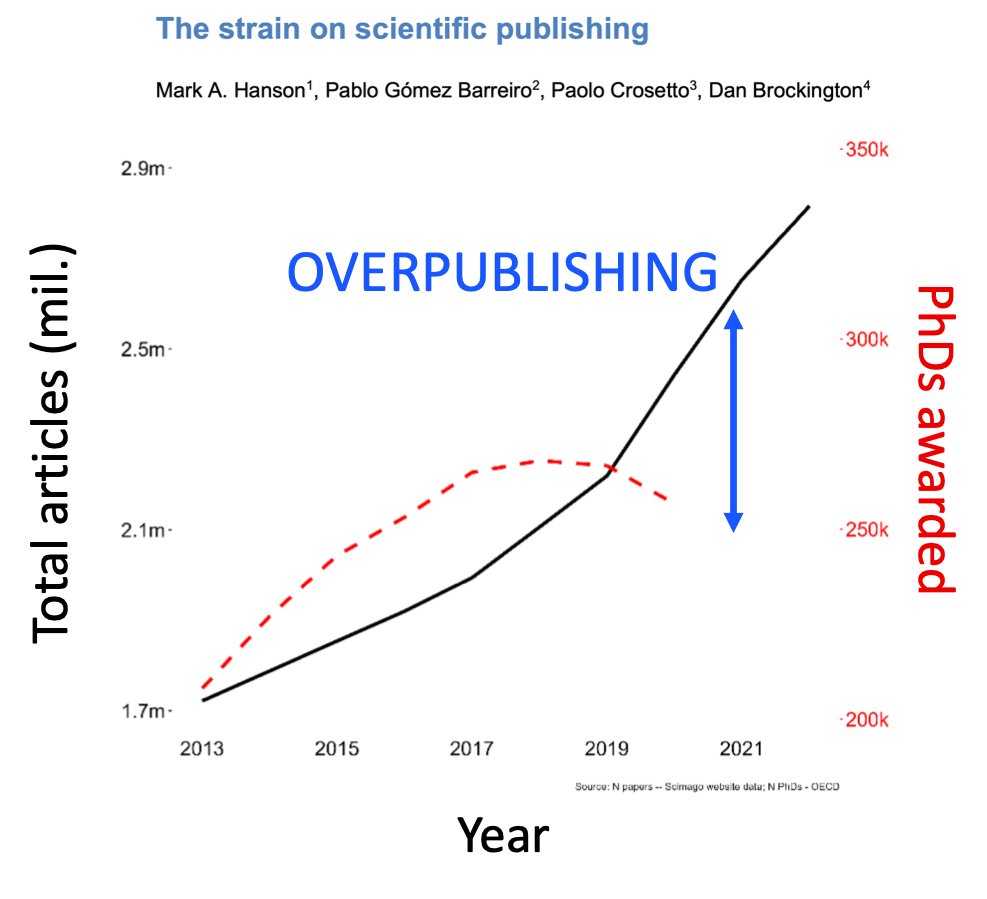
Overpublishing puts enormous stress on students and PIs.
And brings tons of money to publishers in STEM.
A new study shows that the number of papers is increasing FASTER than the number of #PhD graduates.
It’s an amazing work with very useful statistics. Huge kudos to the authors!
▫️
Main outcomes:
1️⃣ In 2022 the number of articles is 47% higher than in 2016. The amount of writing, reviewing and editing workload per scientist is increased enormously.
2️⃣ “Special issues” is a strategy for publishing lots of papers with reduced review time. This is possible due to the “publish or perish” pressure and clearly benefits the publishers.
3️⃣ The publishing time varies widely!
MDPI = 37 days. Frontiers = 72 days. Elsevier = 134 days. Springer = 157 days. Nature = 185 days.
4️⃣ The article rejection rates do not seem to correlate with publisher growth. However, rejection rates decline with increased use of special issue publishing.
5️⃣ Certain for-profit gold-open-access publishers create an increasing number of special issues, with uniquely reduced turnaround times, and in specific cases, high impact inflation and reduced rejection rates.
6️⃣ The authors suggest a new metric - Impact Inflation, which is reflected in self-citation within the same journal. For example, MDPI has a high impact inflation due to excessive self-citation compared to other publishers.
Conclusions and my opinion:
- Scientists have to spend a lot more time on reviewing and writing than before (on average).
- The more papers are published, the more the quality is compromised.
- Scientific progress has become partially bound to the business models of publishers and their revenue (a sad reality today).
- There is a huge lack of transparency. Much of these data had to be ‘web-scraped’ from numerous sources in order to get a full picture. We clearly need regulators to mandate open access to publisher’s statistics.
- Reduce the number of special issues! Those typically have low standards.
▫️
Science, publishing and funding make a trio that is very hard to disentangle.
However, research quality is controlled by the community.
This is why preprint community review can make a big difference.
#AcademicTwitter #AcademicChatter
50
1,088
3,201
877,213
Subhajit Ghosh retweeted

4 Oct 2023
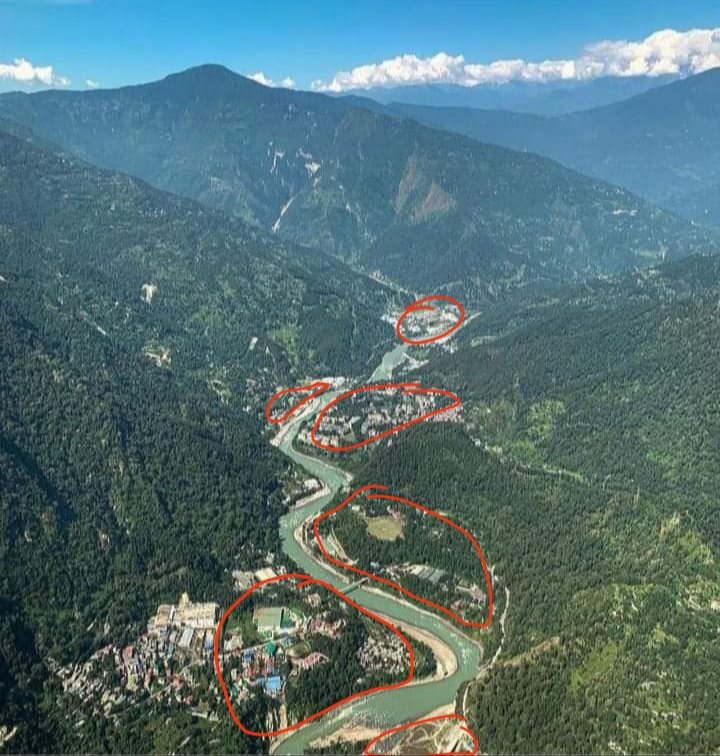
Humans hve heavily encroached upon the river bed areas of upper Tista basin. When events like cloud burst, GLOF and dam burst happen, disaster is the only consequence. Even if cloud burst and GLOF are natural, the resultant disaster is 100% human made.
9
43
119
10,151
30 Mar 2023
Not so good news
#ClimateEmergency
29 Mar 2023

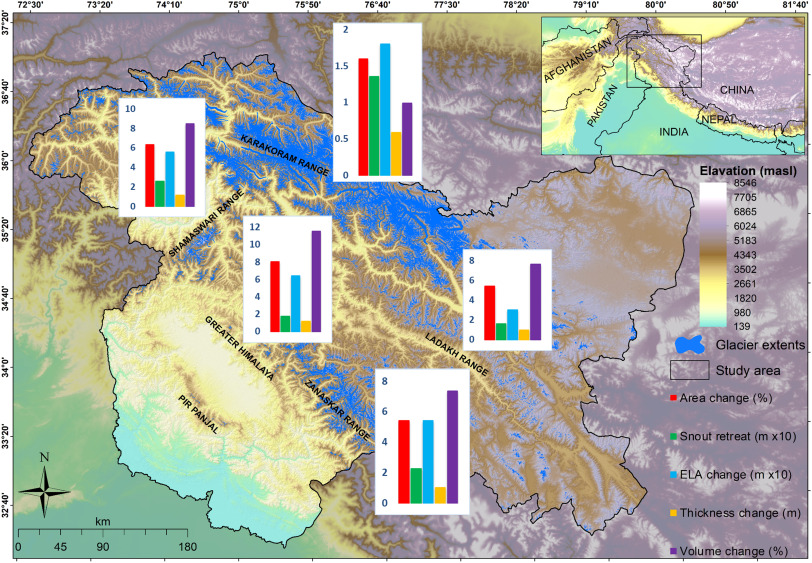
In a 2022 @sciencedirect paper, 65 glaciers across 5 mountain ranges in Jammu, Kashmir & Ladakh Himalaya were studied for glacier response. Scientists found that the glaciers shrunk from 1106 ± 34 km2 in 1990 to 1073 ± 25 km2 in 2014. Read it: bit.ly/3nyCezu
3
308

Researchers in Germany protest proposed postdoc rule change go.nature.com/3TVKRAq
21
72
35,651
28 Mar 2023
28 Mar 2023

PhD position in rock deformation-petrology-geochemistry - Orleans, France - earthworks-jobs.com/geoscien… - #jobs #PhD #research #petrology #geochemistry #geoscience #geology #chemistry
1
150