88 Photos and videos

Jun 11
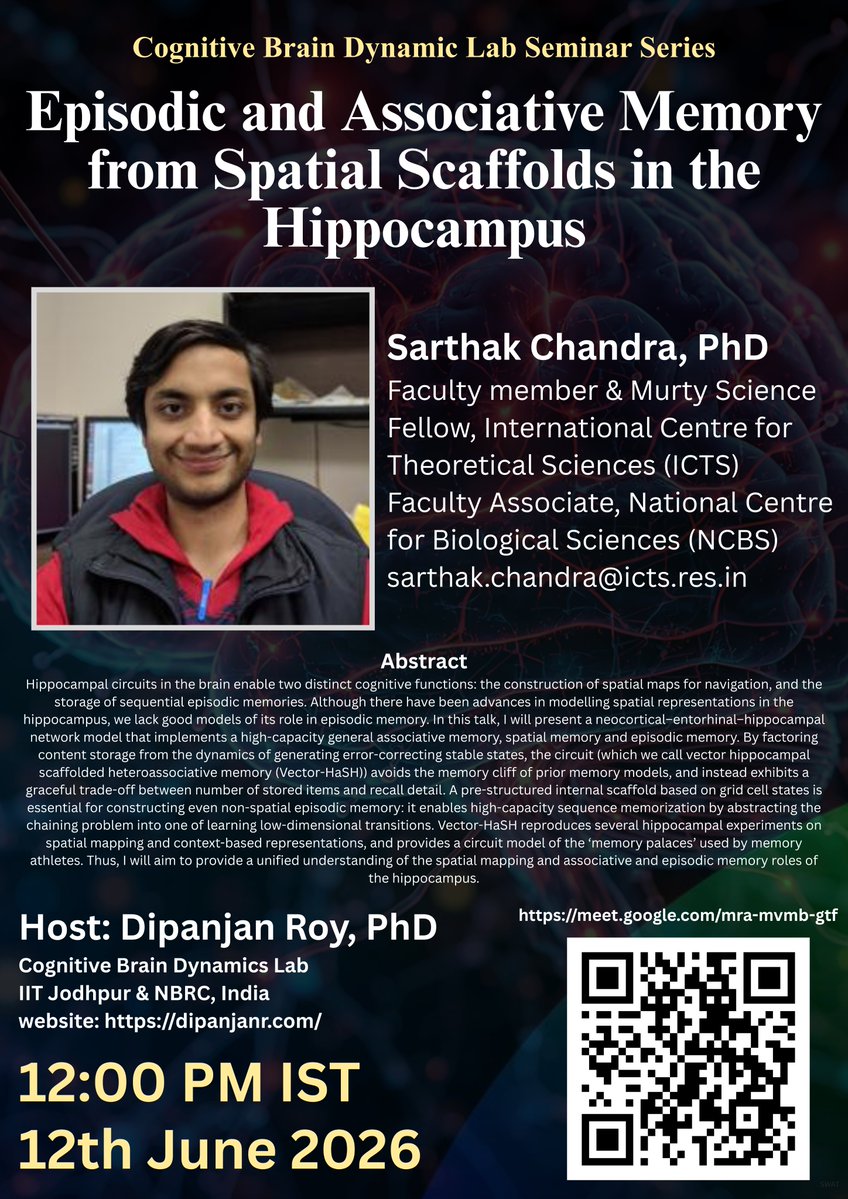
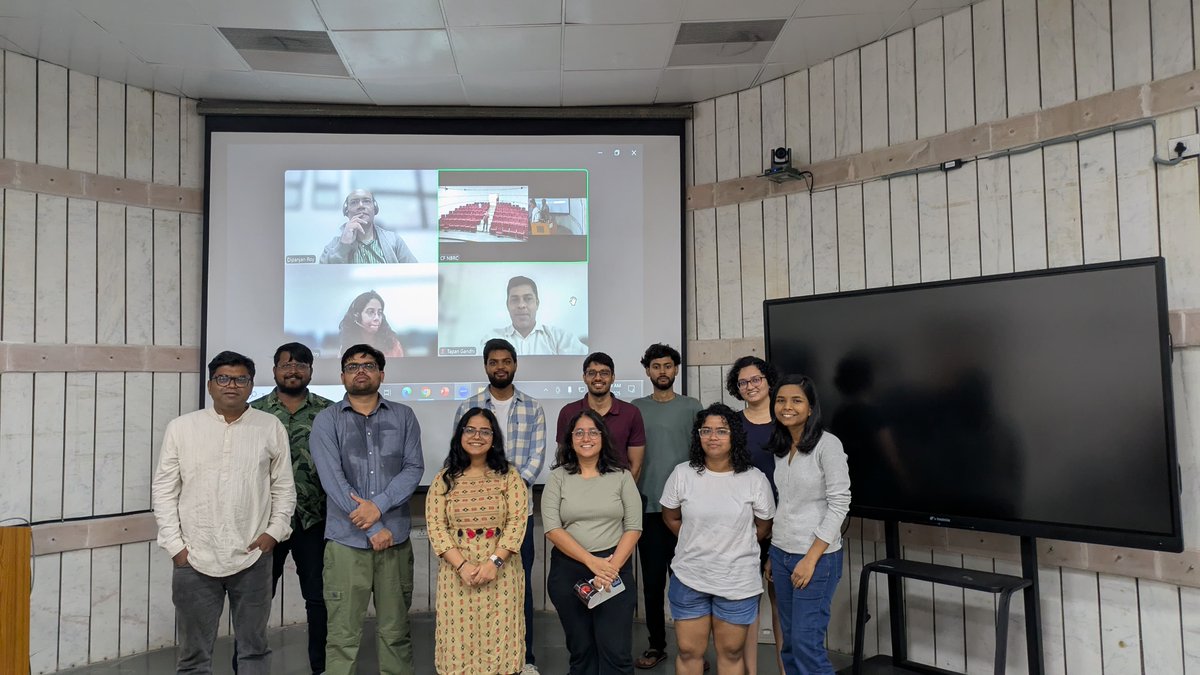
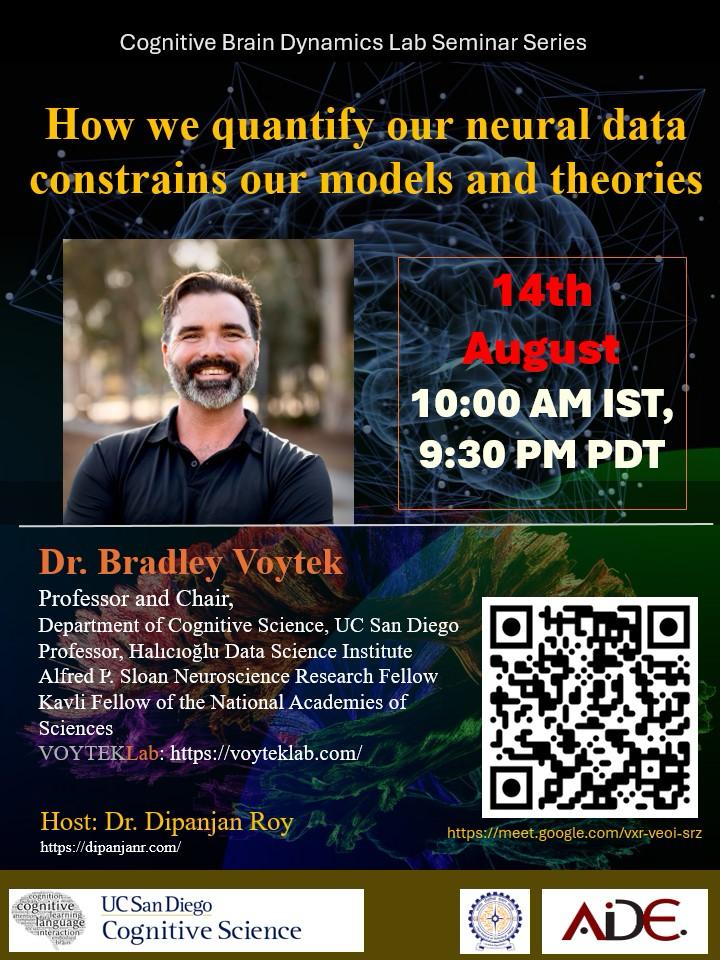
🧠 Cognitive Brain Dynamics Lab Seminar | Tomorrow at 12 PM!
We're thrilled to welcome Dr. Sarthak Chandra (ICTS & NCBS) for a talk on "Episodic and Associative Memory from Spatial Scaffolds in the Hippocampus."
Dr. Chandra is a Murty Science Fellow at @ictstifr and a Faculty Associate at the @NCBS_Bangalore and a former @MIT @mitbrainandcog researcher (w/Ila Fiete) @FieteGroup, working on the functional architecture of hippocampal circuits.
Open to all!
🔗 Join us via the link below:
5
460
dipanjanr retweeted

Jun 8
【起きたまま睡眠!?】眠らなくても、睡眠中と同じ脳活動パターンを人工的に作り出せば、あたかも睡眠をとったかのように脳がリフレッシュ(睡眠圧が低下し記憶力も回復)するそうです。マウスでの実証。今日の『ネイチャー神経科学』誌より→ nature.com/articles/s41593-0…
30
1,532
8,492
2,783,571
Jun 5
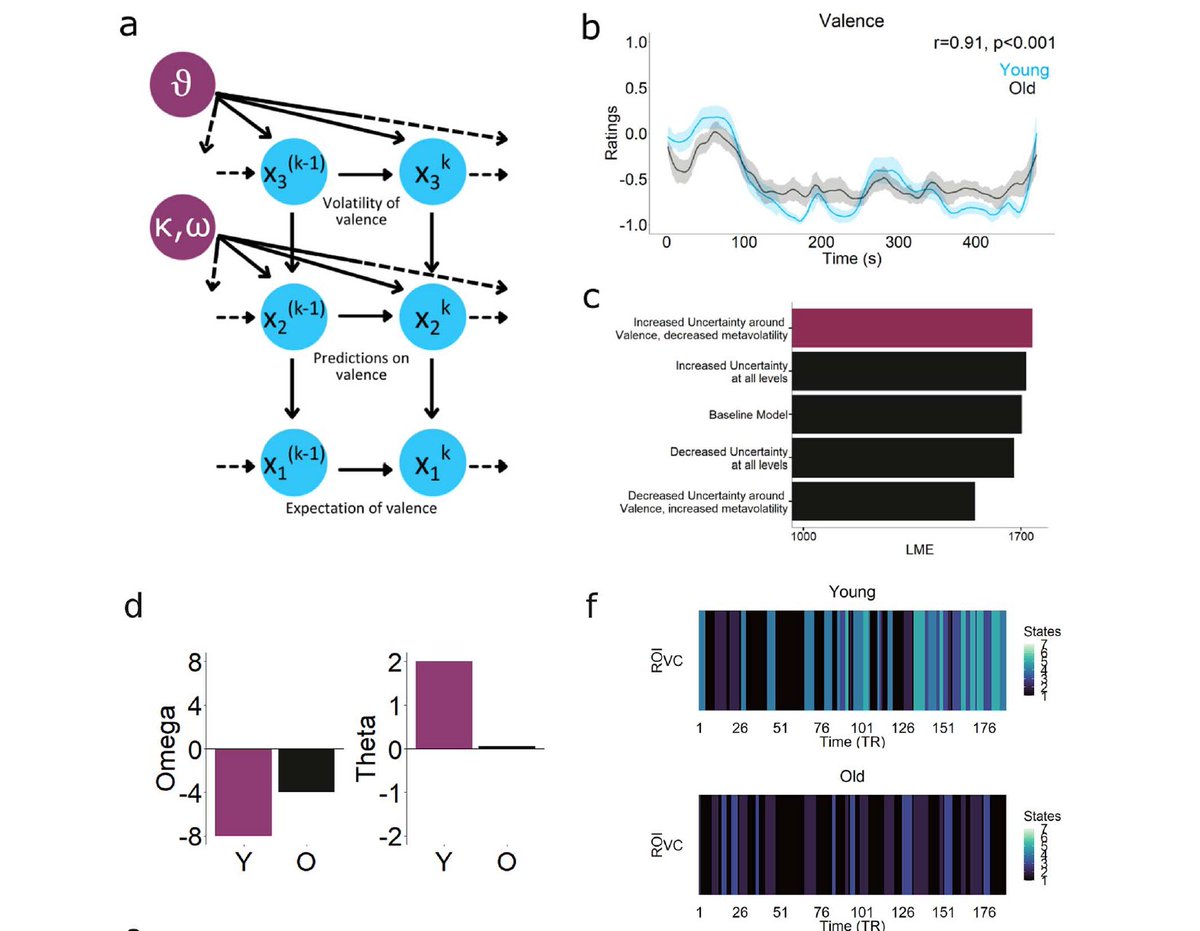
Ever notice emotions hit harder with age? Our lab's new brain-imaging study reveals that older adults handle suspense, fear & surprise less steadily than younger people. Thrilled to see it featured in @NatureInd 🧠 Grateful @sahanaghosh8 covered it. Wonderful article and aptly summarised our work👇
nature.com/articles/d44151-0…
1
4
123
dipanjanr retweeted

Jun 3
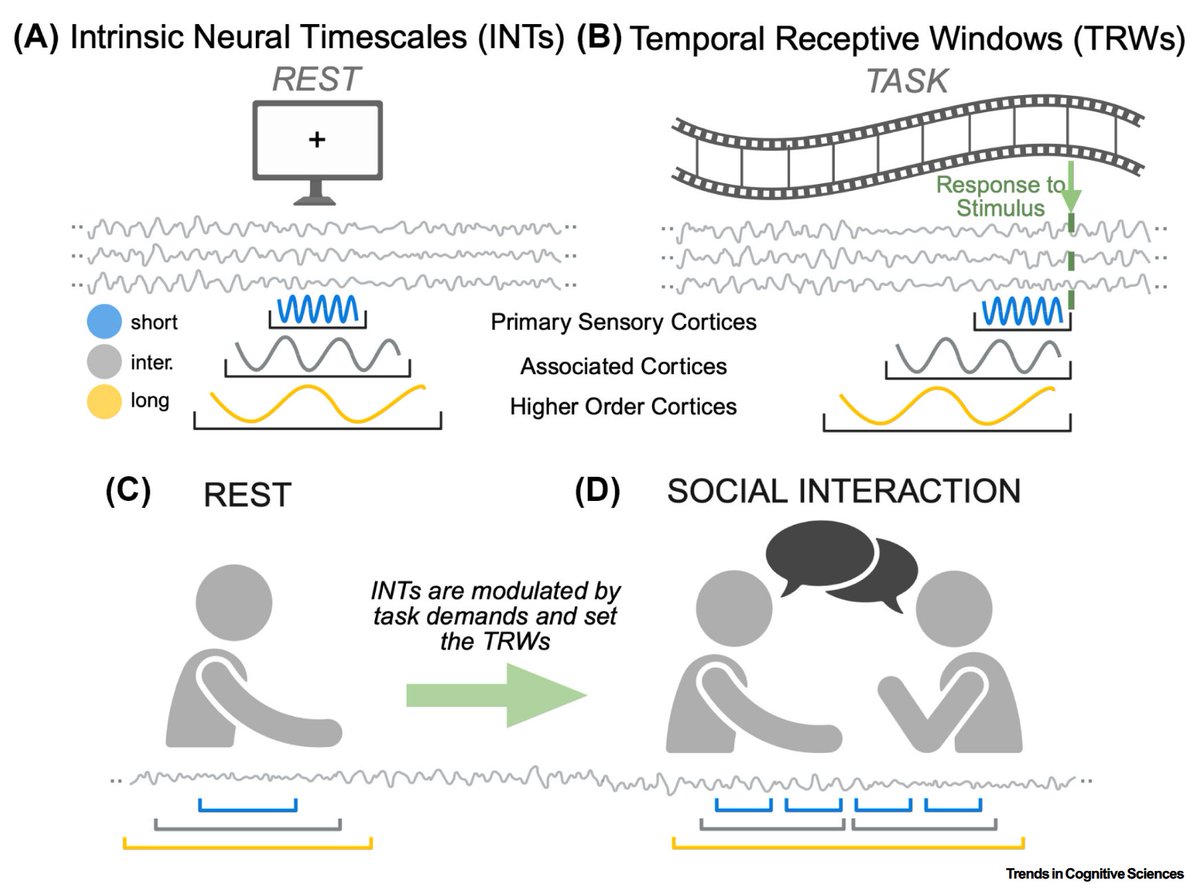
社交过程中的神经活动耦合时间尺度:Coupled neural timescales in social interaction
cell.com/trends/cognitive-sc…
2
2
240
dipanjanr retweeted

Jun 2
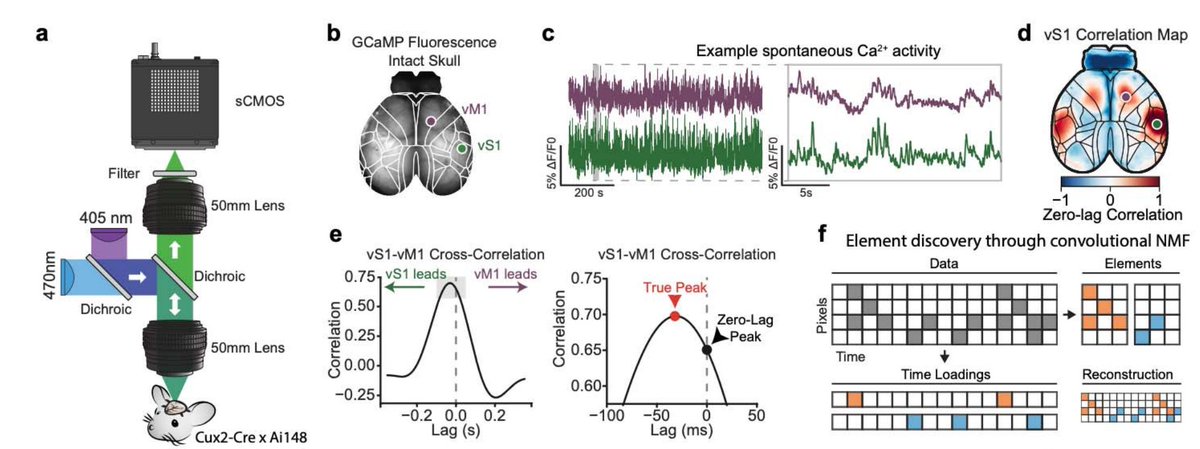
𝗖𝗮𝘂𝘀𝗮𝗹 𝗮𝗻𝗱 𝗱𝗶𝗿𝗲𝗰𝘁𝗶𝗼𝗻𝗮𝗹 𝗲𝗹𝗲𝗺𝗲𝗻𝘁𝘀 𝗼𝗳 𝗴𝗹𝗼𝗯𝗮𝗹 𝗯𝗿𝗮𝗶𝗻 𝗱𝘆𝗻𝗮𝗺𝗶𝗰𝘀
plus
*Intrinsic space-time couplings governing multi-scale cortical dynamics*
Brain dynamics must-reads by Deisseroth team.
biorxiv.org/content/10.64898…
biorxiv.org/content/10.64898…
21
94
5,388

Topographic structure and function of locus coeruleus norepinephrine neurons
This preprint investigates the organization of locus coeruleus noradrenaline (LC-NE) neurons, which are traditionally viewed as a global brain-wide arousal system.
Using mice, the researchers combined:
anatomical tracing,
gene-expression analysis,
morphology reconstruction,
and neural activity recordings.
They found that LC-NE neurons are not homogeneous. Instead, neurons in different spatial regions of the LC showed:
distinct projection targets across the brain,
different molecular identities,
different cellular morphologies,
and different activity patterns during behavior.
Some subpopulations were more strongly linked to learning, behavioral flexibility, and context-dependent processing.
The study argues that the locus coeruleus is organized more like a structured functional map than a single diffuse neuromodulatory broadcaster. This suggests that noradrenaline signaling may provide targeted, specialized modulation to different brain systems depending on behavioral demands.
biorxiv.org/content/10.64898…
2
7
32
3,563
dipanjanr retweeted

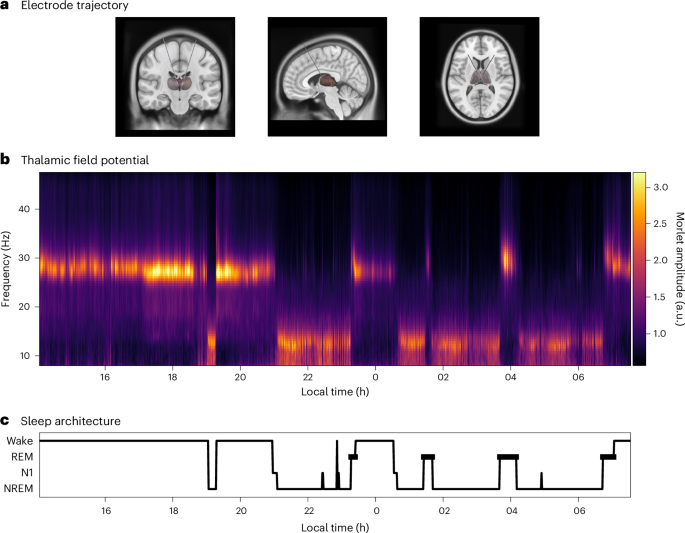
Thalamic oscillations distinguish natural states of consciousness in humans dlvr.it/TSl9Dz
2
28
152
9,299
dipanjanr retweeted

May 26
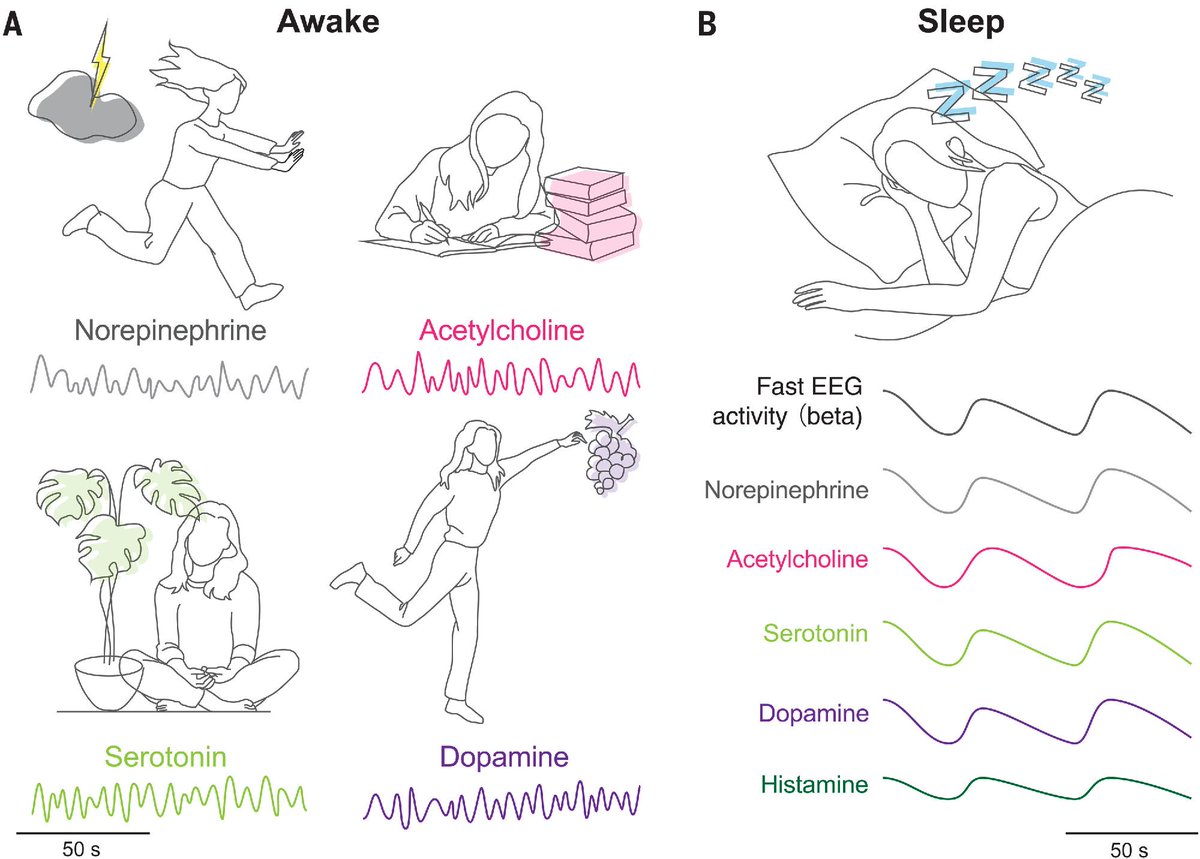
Recent studies have revealed the synchronization of neuromodulators including norepinephrine, serotonin, acetylcholine, dopamine, and histamine during sleep.
A new #ScienceReview explores what potential role the synchronization of these oscillations may play in health. scim.ag/4ve9ObR
9
131
495
38,176
May 12
1/8 Ever wonder why daydreaming makes you forget things? A new EEG study just cracked open the brain mechanism behind it 🧵 #Neurosciences #WorkingMemory #BrainWaves
New publication alert from CBDL @DBT_NBRC @saide_iitj @iitjodhpur led by PhD student @ankitcog investigating human memory using dual task EEG and self-related processing along with @arpansview
Yadav, Banerjee & Roy (2026), Frontiers in Human Neuroscience
#EEG #CogNeuro #BetaWaves #MindWandering #WorkingMemory
frontiersin.org/journals/hum…
1
6
22
719
May 12
7/8 The impactful finding: medial-frontal beta power during encoding was the key predictor of memory errors — but only in the externally focused group.
In the self-reflection group? Beta's protective effect on memory was completely disrupted.
1
80
May 12
8/8 TL;DR: When you're thinking about yourself — even briefly — your brain literally rewires how it encodes the world around you. Beta oscillations that normally protect working memory get overridden.
Next time you zone out in a meeting, now you know exactly which brain wave is responsible 😅
82
May 3
Part 9 - The Pattern Emerges (Figure 6, Part 2)
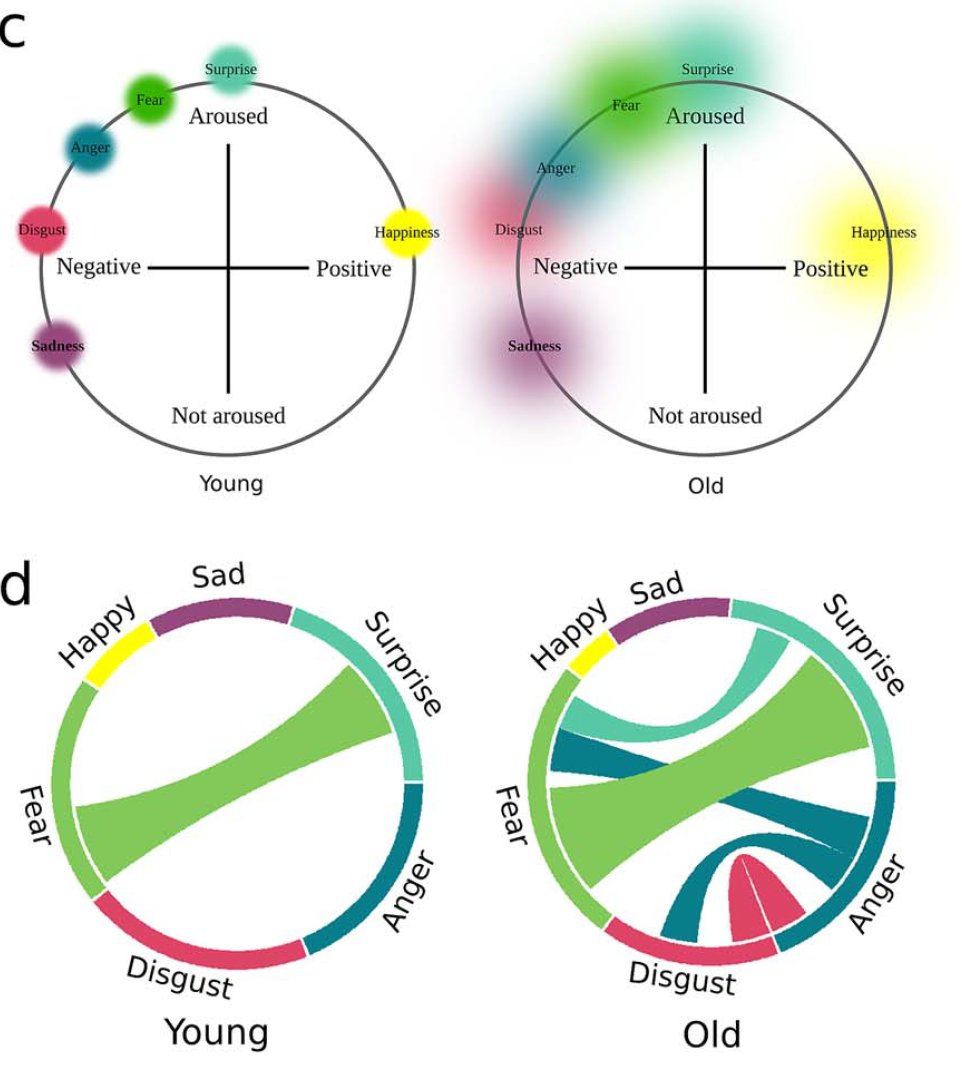
Think of it like blurred vision for emotions:
Increased uncertainty → Adjacent emotions blend (anger/fear), but distant ones stay separate (anger/happiness).
Neural volatility creates systematic distortions in emotional space—not random noise!
1
131
May 3
Part 10 - The Big Picture & Impact
🎯 TAKEAWAYS:
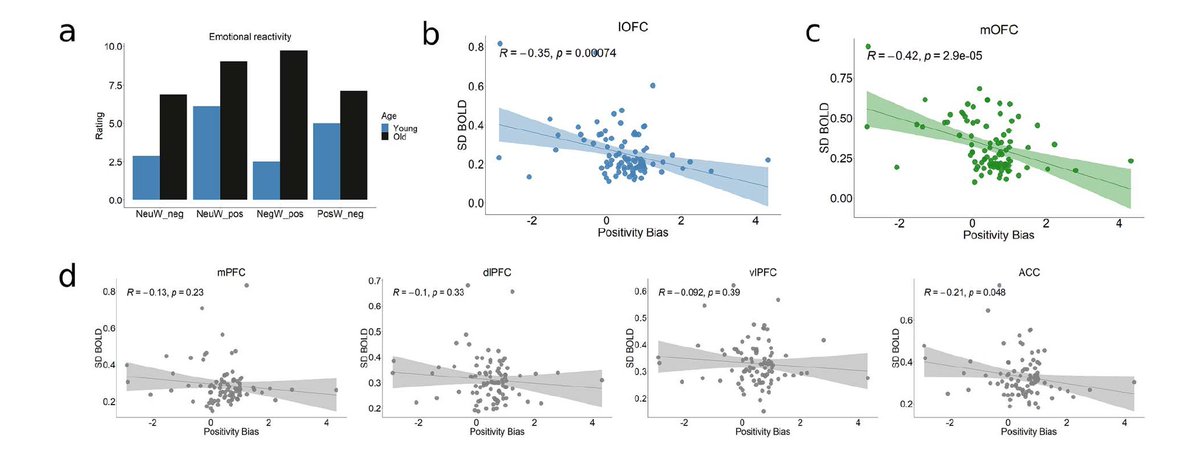
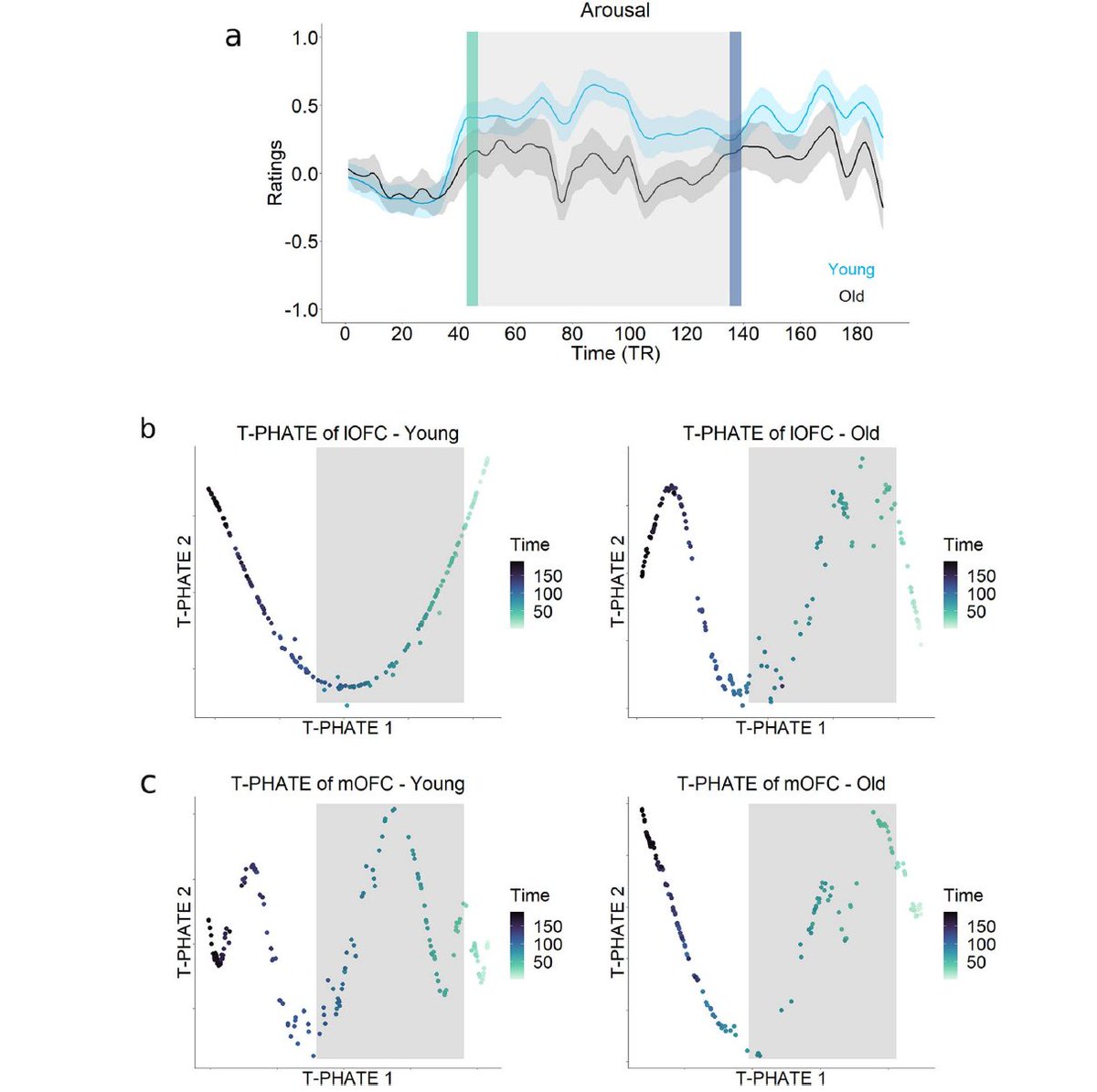
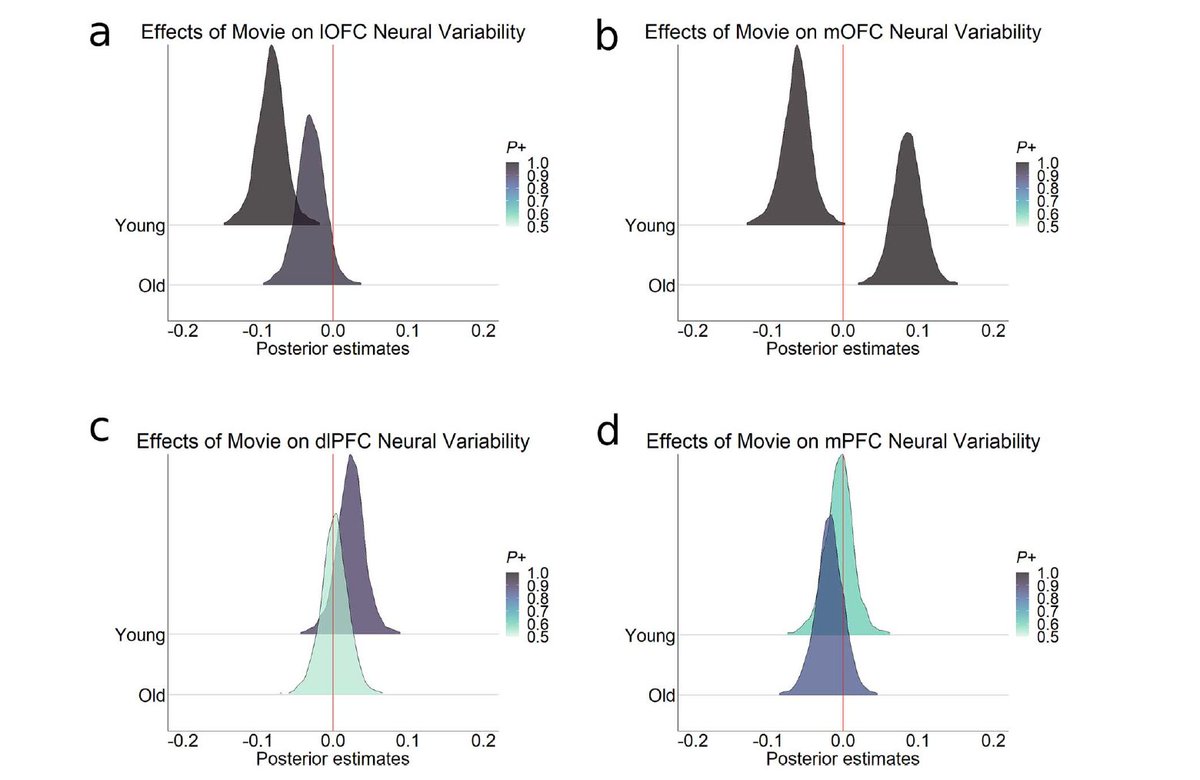
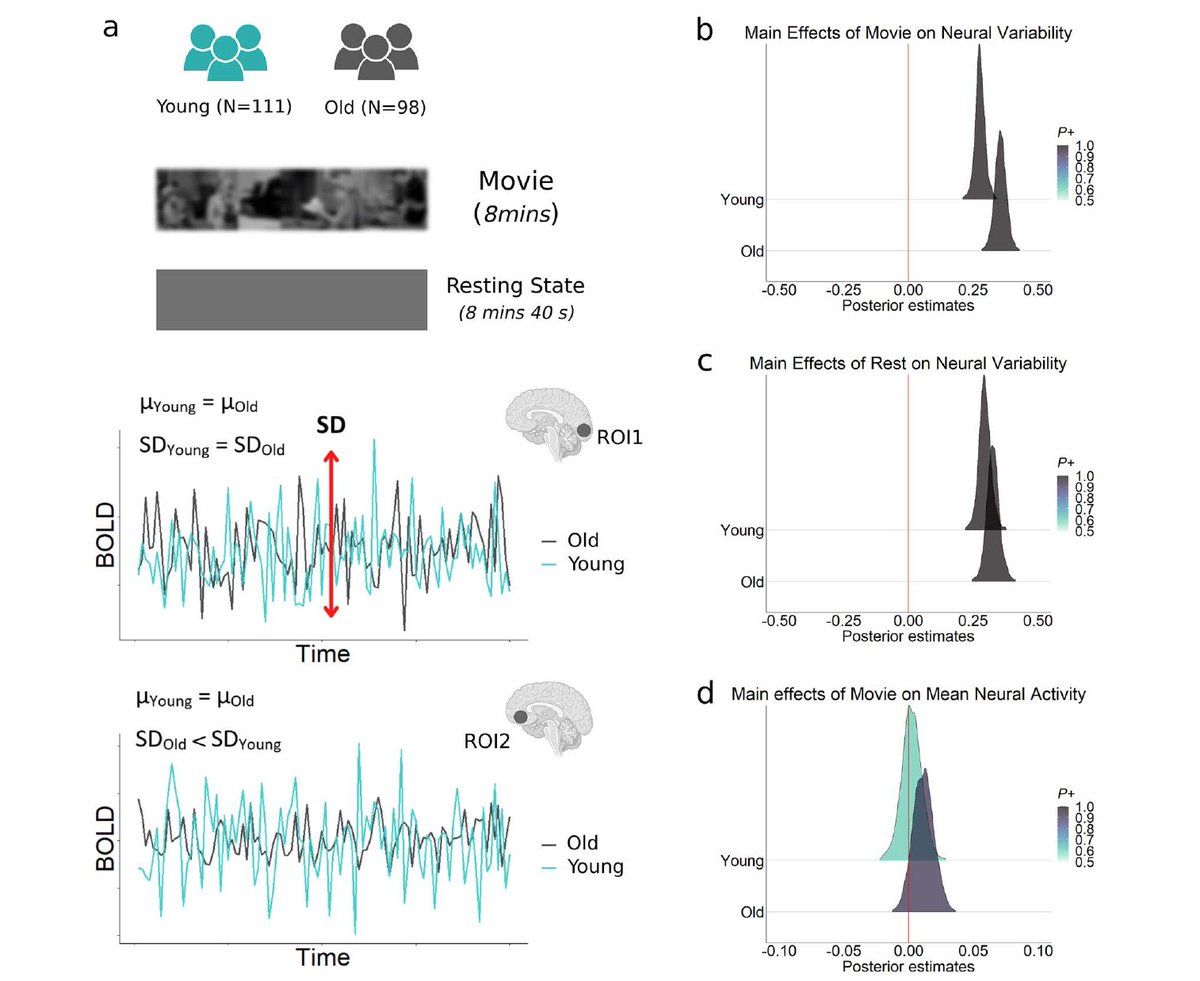
Neural volatility reveals aging signatures invisible to traditional measures
OFC shows heightened uncertainty in affective inference
This may be an ADAPTIVE response to aging
Naturalistic paradigms (movies!) unlock real-world brain dynamics
📄 Full paper: DOI 10.1093/cercor/bhag053
84
May 3
🧠 NEW PAPER ALERT in @CerebralCortex! from Cognitive Brain Dynamics Lab
@iitjodhpur @DBT_NBRC @DBTIndia @EduMinOfIndia @MoHFW_INDIA We discovered how aging changes emotional brain processing during movie-watching. Spoiler: It's not about average activity—it's about VOLATILITY.
Huge thanks to first author @gargi_4 this study part of her final PhD thesis work with amazing co-authors @FahdYazin, @ArpanBanerjee, and the entire team at NBRC & IIT Jodhpur!
📄 Read the full paper: Cerebral Cortex (2026)
🔗 DOI: 10.1093/cercor/bhag053
#Neuroscience #Aging #Emotions #fMRI
Study: 209 participants (young vs older adults) Hitchcock movie watching
Thread 👇 academic.oup.com/cercor/arti…
4
9
38
2,672
May 3
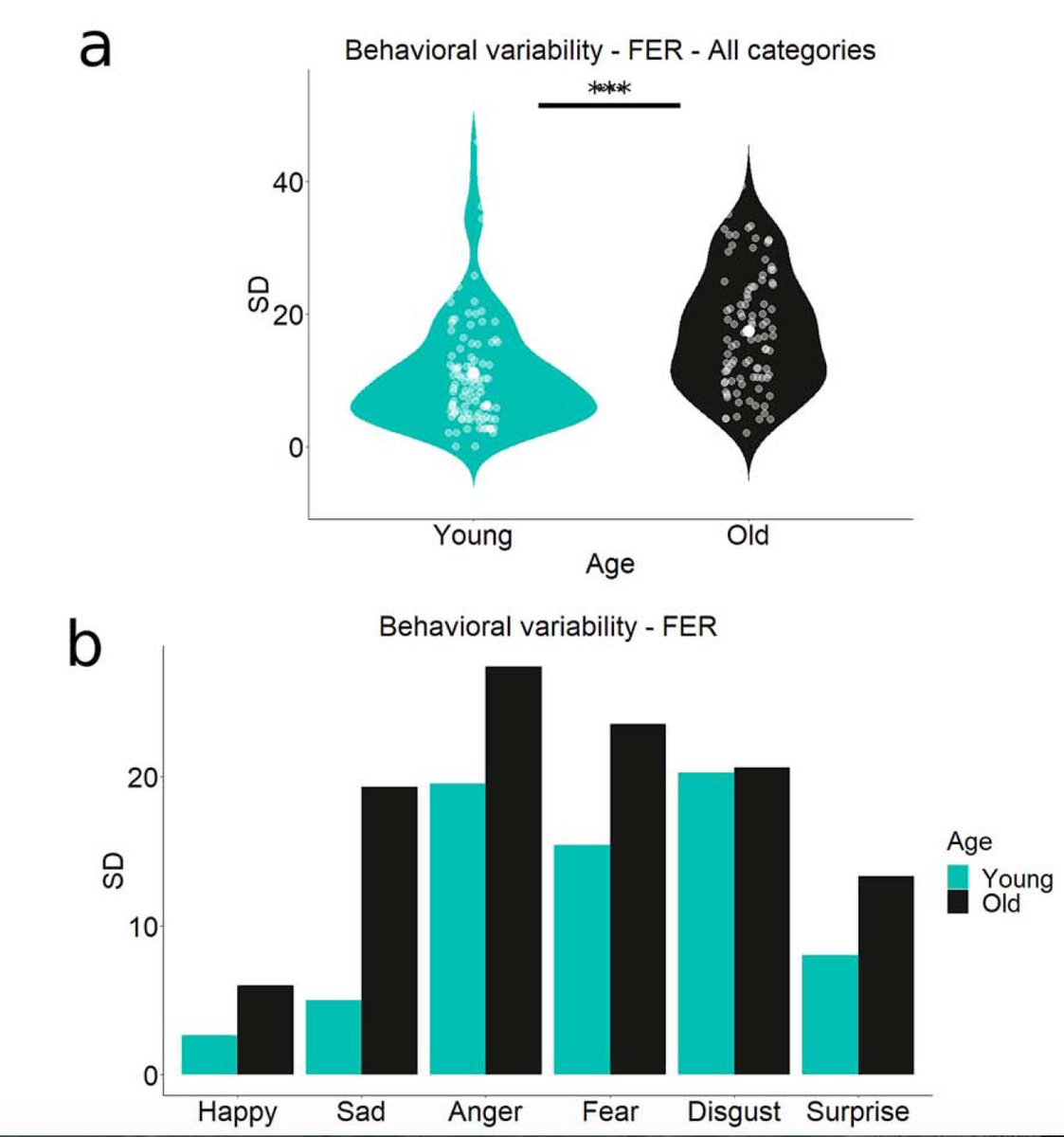
Part 8 - Beyond Movies: Emotion Recognition (Figure 6, Part 1)
Does this extend to other tasks? We tested facial emotion recognition (Happy, Sad, Anger, Fear, Disgust, Surprise).
Older adults:
📊 Higher variability in accuracy (SD: 17.44 vs 11.08, P<0.0001)
🔀 "Spillover" between ADJACENT emotions (Fear↔Surprise, Anger↔Disgust)
1
96
May 3
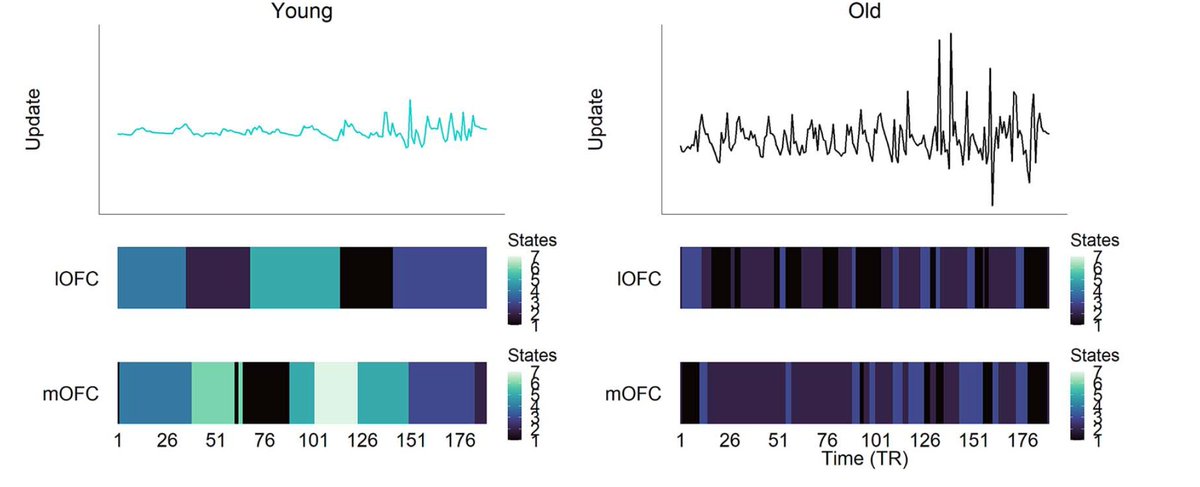
Part 7 - Neural State Transitions (Figure 5, Part 2)
Model prediction: More uncertainty → More state transitions
We tested with Hidden Markov Models:
✅ Young: Stable OFC states
✅ Older: Rapid, frequent transitions
Predictions matched neural data! Control (visual cortex): No difference between groups.
1
71