
Moving as one™
Joined February 2009
- Tweets 9,371
- Following 4,513
- Followers 6,576
- Likes 1,530
2,414 Photos and videos




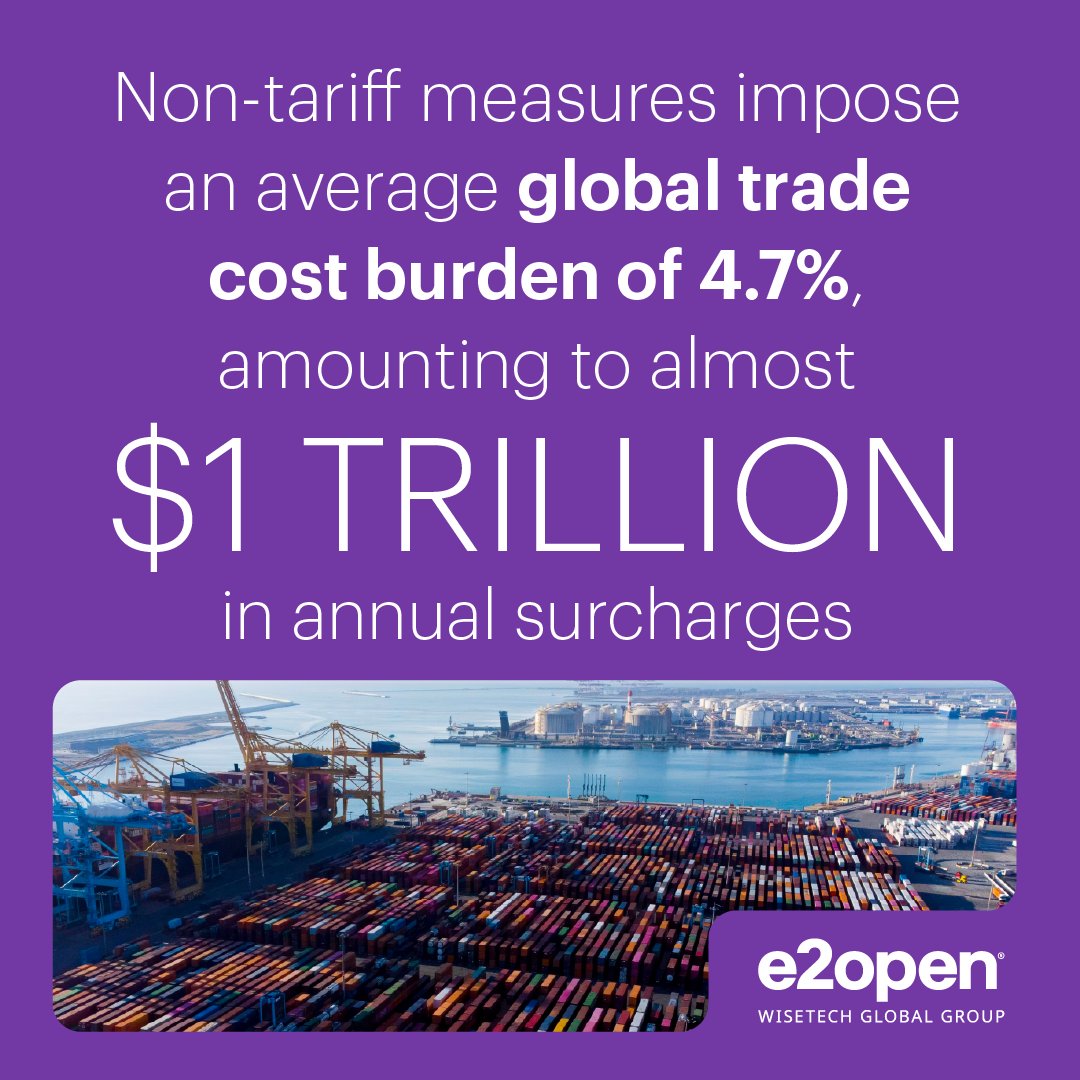


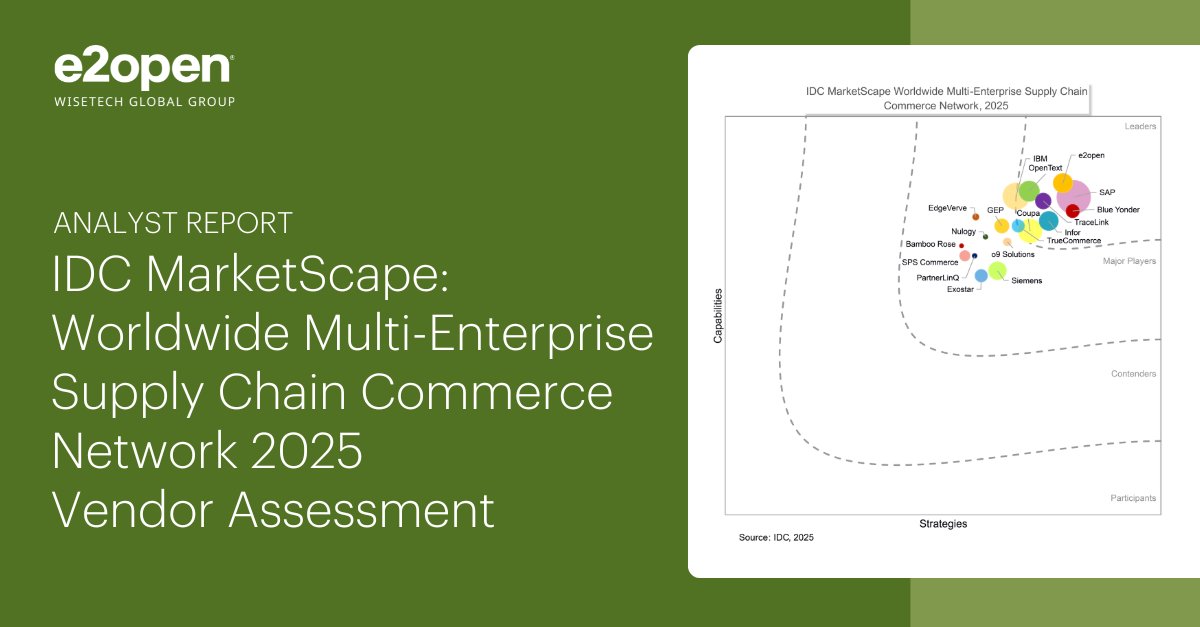
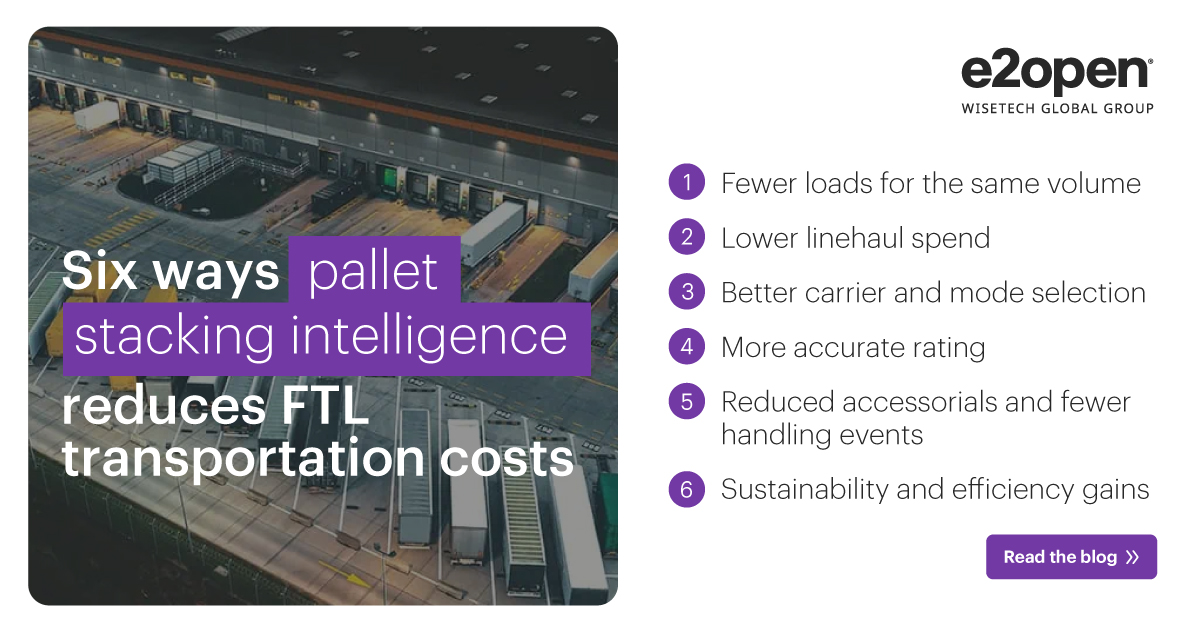


#Nearshoring isn't just about tariffs or geopolitics. Companies are rethinking sourcing strategies to build more resilient and flexible supply chains.
This is a long-term shift, not a short-term adjustment.
Read more. bit.ly/4gf5XXA
12
A plan with no action is just documentation. However, leading organizations connect plans directly to suppliers, inventory, and logistics.
Signal → Plan → Execute → Validate → Adjust
Value compounds with each cycle.
Learn the process: bit.ly/4tpd0Rl
36
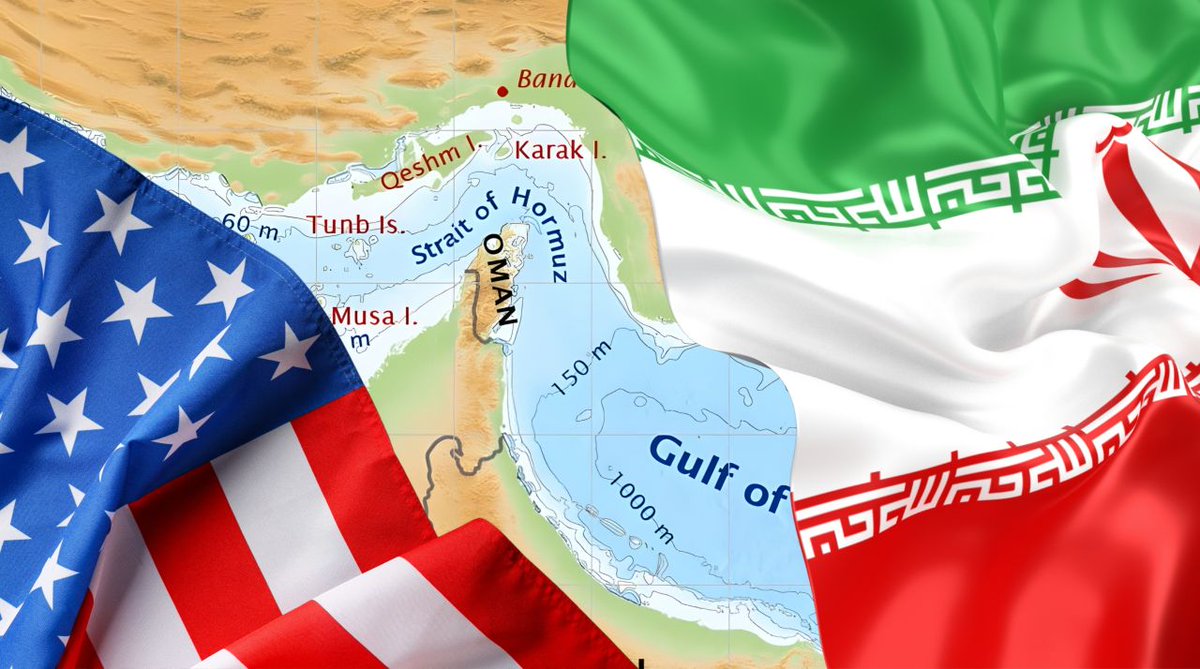
Risk spreads fast. #StraitofHormuz disruption started with one chokepoint, now it’s impacting multiple industries. Teams using visibility platforms to connect upstream and downstream signals move faster.
The rest react in sequence.
36
Safety stock won’t save you this #PeakSeason.
Agility will.
🧠 Align inventory to demand
🤝 Collaborate with suppliers
🚚 Boost transport visibility
Fixing last-mile chaos starts with first-mile intelligence.
ALT Aerial view of a yellow truck driving on a long, straight highway through a lush green landscape with fields on either side. The sky is clear with a warm, golden hue indicating either sunrise or sunset.
45
“The pace of disruption is accelerating as pressure builds across every stage of the shipping process.”
According to Joshi, today’s challenge is navigating variability across the entire shipping journey.
See what the latest #OceanShipping Index reveals: bit.ly/4tIIAZu
27
Pharma supply chains are exposed through the system, not just production. Middle East share is small, but some drugs are highly concentrated (Jordan/Israel).
❗Watch for lead time transport cost swings.
❗Focus monitoring on trade lanes and high-exposure ingredients.

Pharmaceutical supply chains get tangled in Trump’s war with Iran
thehill.com/policy/healthcar…
54
Pharma supply chains are exposed through the system, not just production. Middle East share is small, but some drugs are highly concentrated (Jordan/Israel).
❗Watch for lead time transport cost swings.
❗Focus monitoring on trade lanes and high-exposure ingredients.
Pharmaceutical supply chains get tangled in Trump’s war with Iran
thehill.com/policy/healthcar…
50
Tariff policy changes create lots of downstream #compliance work. The affected SKUs
& HS codes ultimately determine the country of origin's response & broker instructions. Teams respond better when they’re working from shared data, not reconciling changes function by function.
Trump removes Scotch whiskey tariffs after visit from King Charles III
thehill.com/business/5857955…
69
One of energy and data centers' biggest constraints is their industrial supply base, with long lead times and less capacity. Earlier capacity alerts and #ScenarioPlanning will help sourcing decisions when visibility is limited.
Apr 29

You cannot buy a new gas turbine until 2030. Order books at GE, Siemens, and Mitsubishi stretch to 2029. Turbine prices have nearly tripled since 2019. Every AI data center needs power and every gas plant needs a turbine. And every turbine has one part that bottlenecks the entire industry: The blade. It has to survive in gas 500°C above the melting point of the metal it's made from and spin at up to 20,000 RPM under 10,000 g of centrifugal force. Each blade is grown as a single crystal of nickel superalloy, pulled through a vacuum furnace at 3 mm per minute. A set of blades costs $600,000 and takes 90 weeks to grow. The same metallurgy powers modern jet engines. Only 3 companies on Earth can build one. China spent $42 billion trying to catch up. They bought a Russian fighter engine, took it apart, and copied every part. Their copy ran 30 hours between overhauls versus 400 for the original. Modern Western engines run 4,000. You can reverse engineer the shape of a turbine blade. You cannot reverse engineer 60 years of metallurgy.
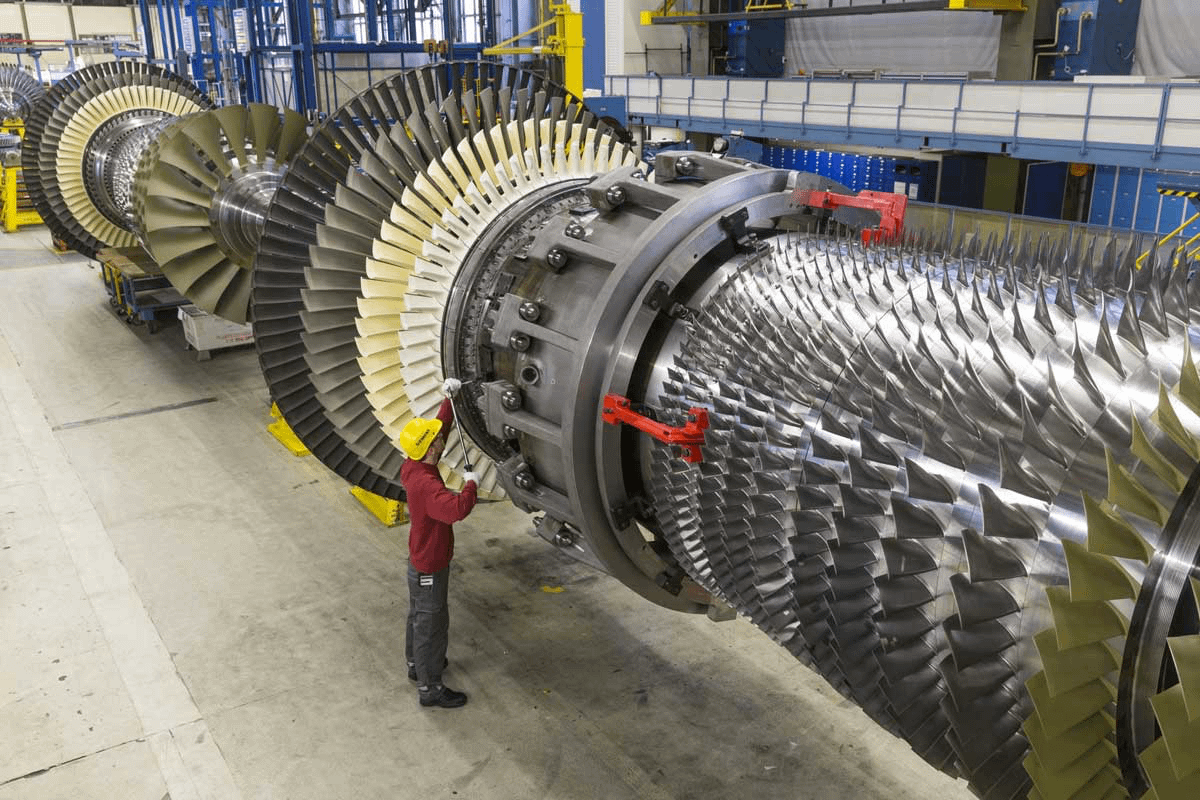
ALT Siemens SGT5-8000H gas turbine in assembly
1
93
More investment in U.S. logistics infrastructure is a smart move towards #SupplyChain resilience. Inland ports improve speed and ease congestion, but adding nodes also adds complexity.
Connecting those nodes ensures planning, sourcing, and logistics stay aligned as freight moves.

The Georgia Ports Authority announced its new inland port will open in May, according to a March 24 press release. buff.ly/HvWVlem
1
54
Prime example how one price shift impacts the entire #SupplyChain. Without connected visibility and contingency plans, small disruptions become bigger ones. Prepared teams see the signal early, coordinate across the network, and respond before the impact spreads.

Diesel costs surge up to 49% for produce transport ⚠️🥬
Rising fuel, freight, and input costs are putting increasing pressure on the fresh produce supply chain.
Read more in the link: f.mtr.cool/glflllutup
#Logistics #Agriculture #SupplyChain #FreshProduce
64
“I think #supplychains have always had a moment, it’s just that they were in the shadows in the back…” - Pawan Joshi, e2open
What’s changed isn’t the importance of supply chains, it’s the visibility. What was once operational is now a boardroom priority. bit.ly/4eC32HN
37
“The combo of higher #transportation & production input costs is a one-two punch for businesses.”
This isn’t just rising #freightcosts. As petroleum-based materials become more expensive, #plasticpackagingcosts are climbing, adding even more pressure. bit.ly/4tmq7ly
33
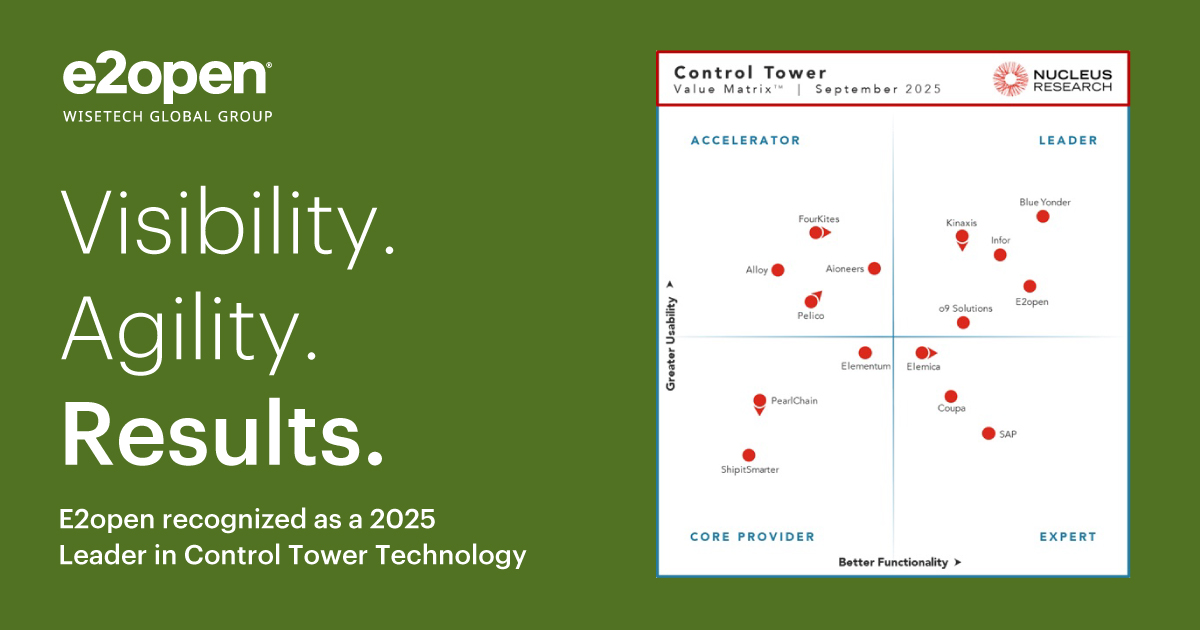
Leading organizations are using control tower technology to stay ahead of disruptions.
Detect risks early, balance cost and sustainability, and trace suppliers to BOM level.
🏆 See why e2open was named a Leader in Nucleus Research’s 2025 report → bit.ly/4hwQBfF
40
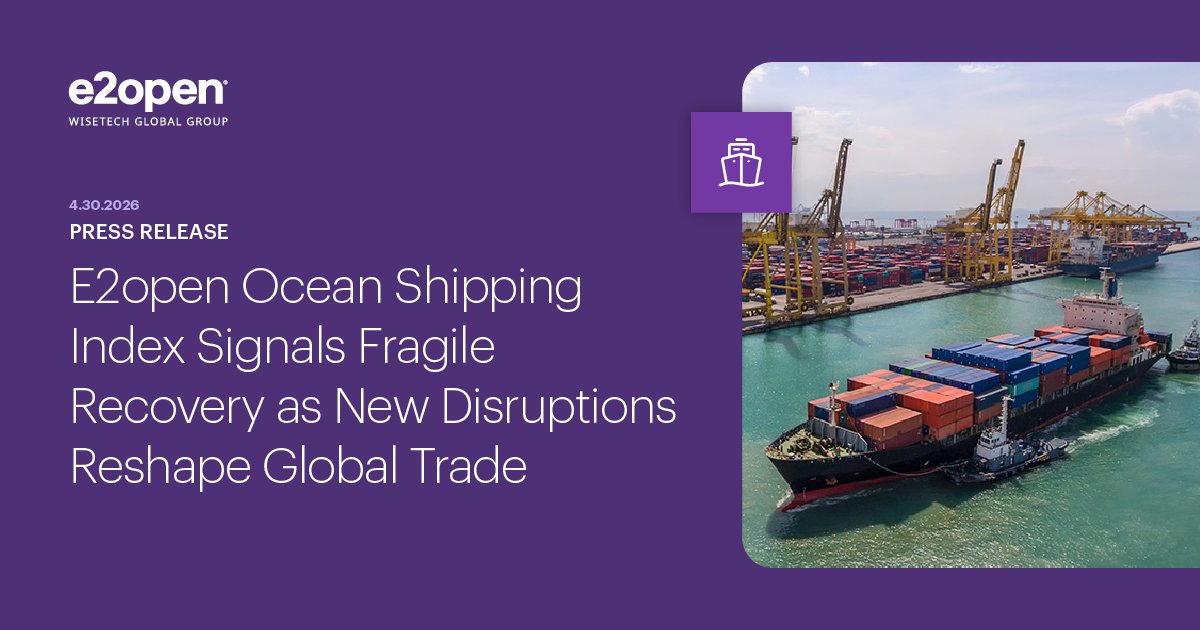
E2open released its latest #OceanShippingIndex.
The Q1 2026 report shows #oceanshipping entering a renewed phase of disruption, where year-over-year performance gains are proving difficult to sustain amid escalating geopolitical and operational pressures. bit.ly/4tK1dNu
33
If trade compliance feels harder right now, there’s a reason. One gap in classification, origin, emissions, or supplier data can ripple across everything.
What works:
Start earlier. Align teams. Build decision-grade data.
🔗 Read more: bit.ly/3OClIML
ALT A group of individuals is seated at a conference table in a modern office, engaged in a meeting. A large screen displays charts and graphs in the background.
24
Concerning slowdowns like this emphasize alignment between planning, procurement, and execution teams. When everyone shares the same level of visibility into these risks, the path to navigating uncertainty becomes a little clearer.
Apr 10

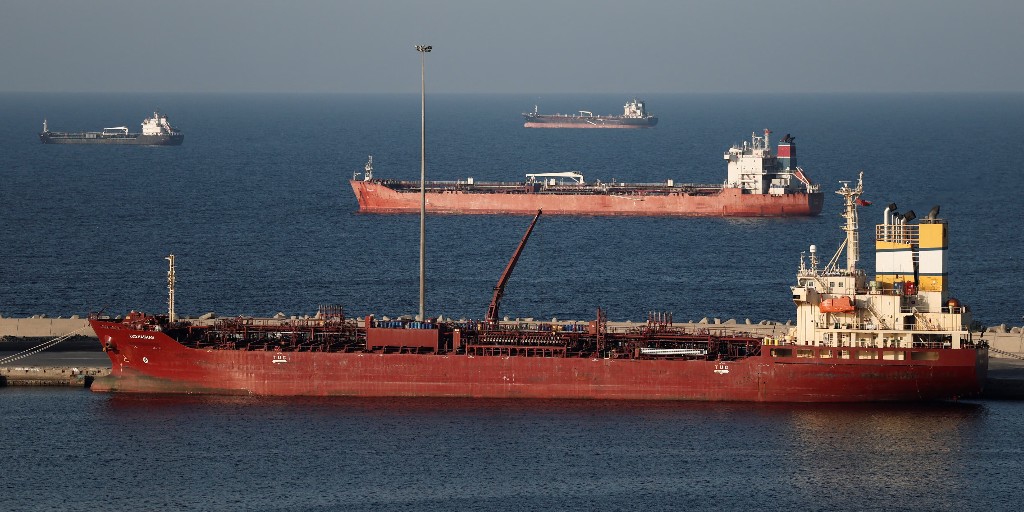
The world’s most critical oil chokepoint is slowing down—and the visuals are raising fresh alarm.
Tankers are crawling through Hormuz as tensions remain high.
Watch the full video: youtu.be/GlOFxKmEY-4
#StraitOfHormuz #OilMarkets #IranIsraelWar #USIranConflict
53
Nobody wants to pay duplicate #ShippingFees. Teams avoid responding to the same disruption multiple times through coordination. Connected #SupplyChains consolidate decisions when everyone works from one shared response plan.
Apr 10

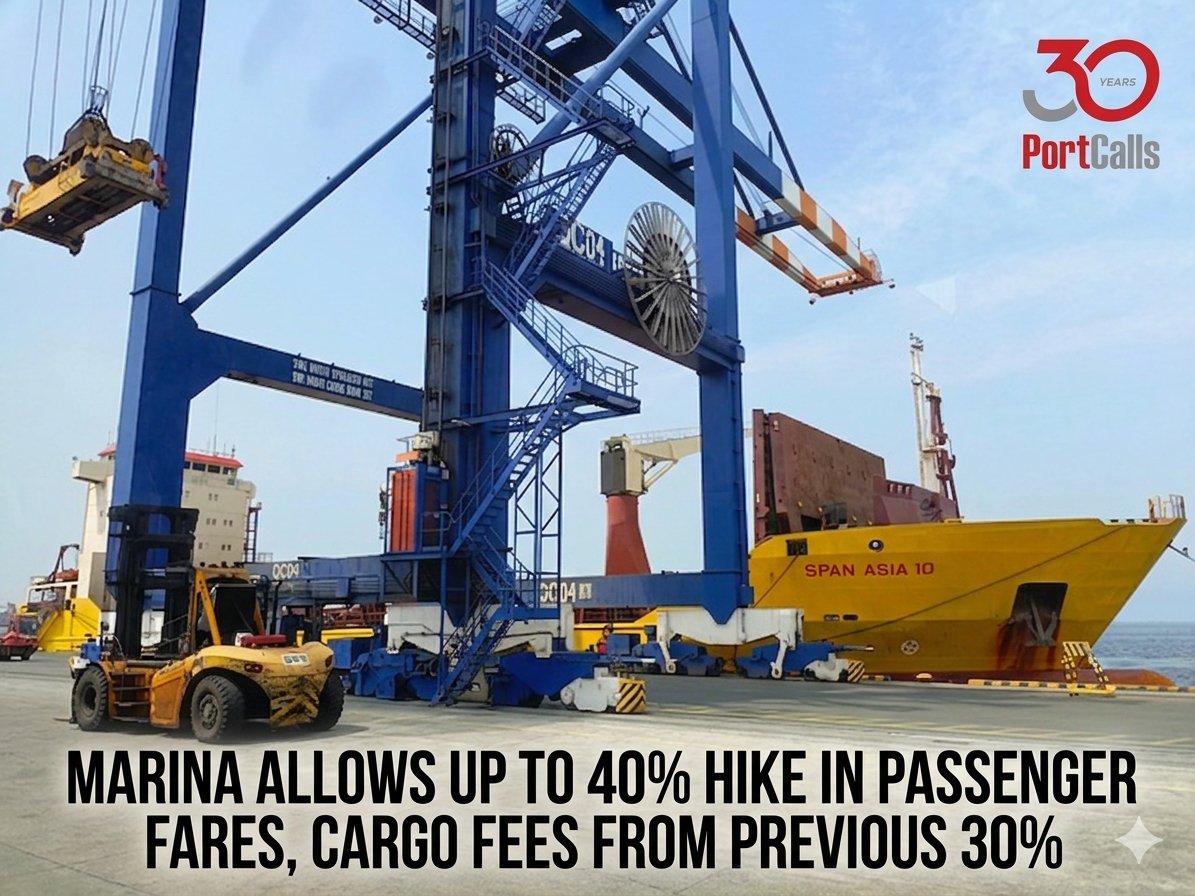
The Maritime Industry Authority raised to 40%, from the previous 30%, the maximum allowable increase in passenger fares and #cargo fees that domestic #shipping lines may impose.
@DOTrMARINAPH
portcalls.com/marina-allows-…
58