
🔥 Build in Public · 📦 @FireFreeApp · @CoreHourApp · @ProductHunToday · 🧠 Progress & lessons · 🧳 Running @AburiStudio · Try apps below 👇
Joined May 2016
- Tweets 476
- Following 1,398
- Followers 228
- Likes 1,744
59 Photos and videos


Pinned Tweet

17 Aug 2025
I kept burning out trying to plan the “perfect day.”
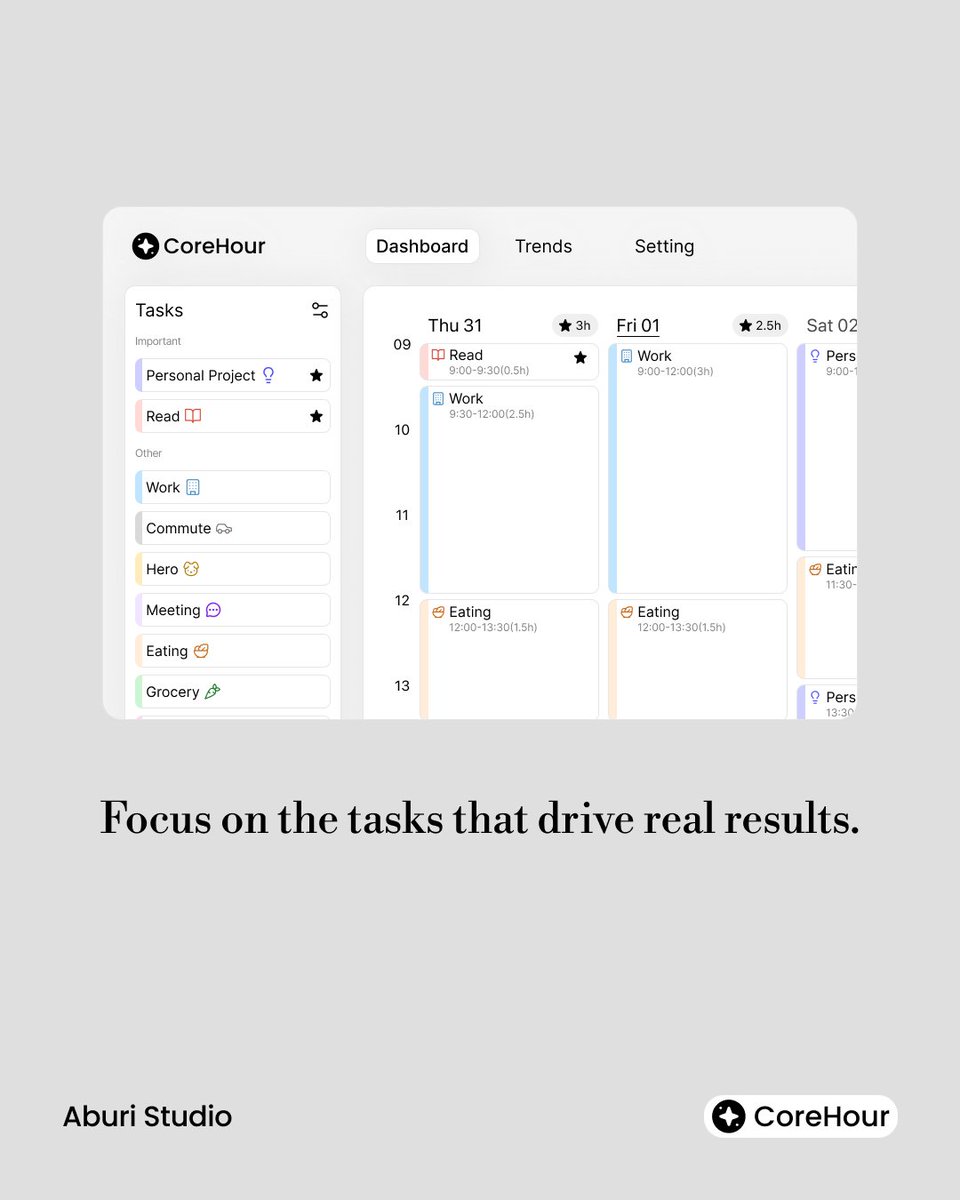
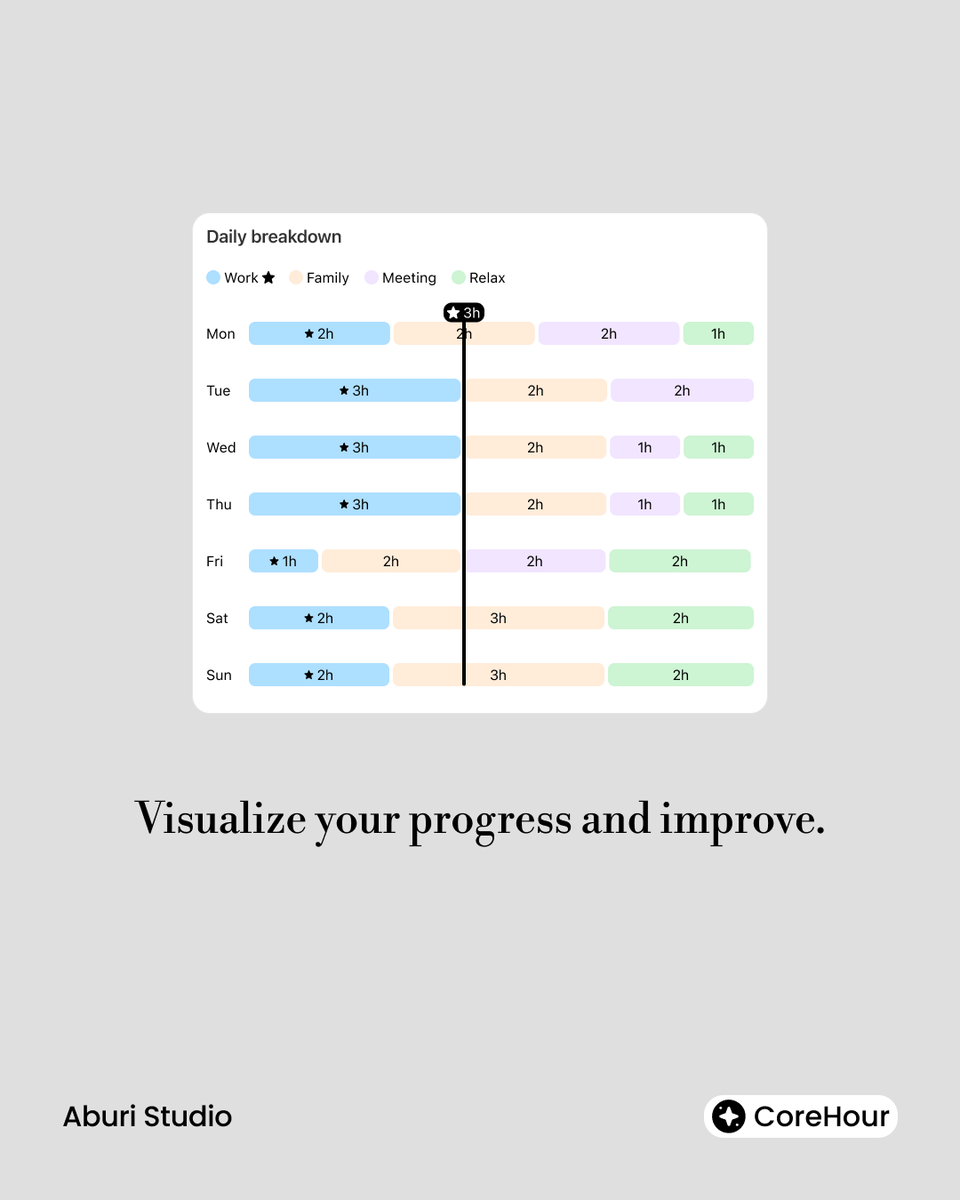
So I built CoreHour — a minimalist timeboxing app that applies the 80/20 rule.
Let me know what you think!
👉 corehour.app
17 Aug 2025

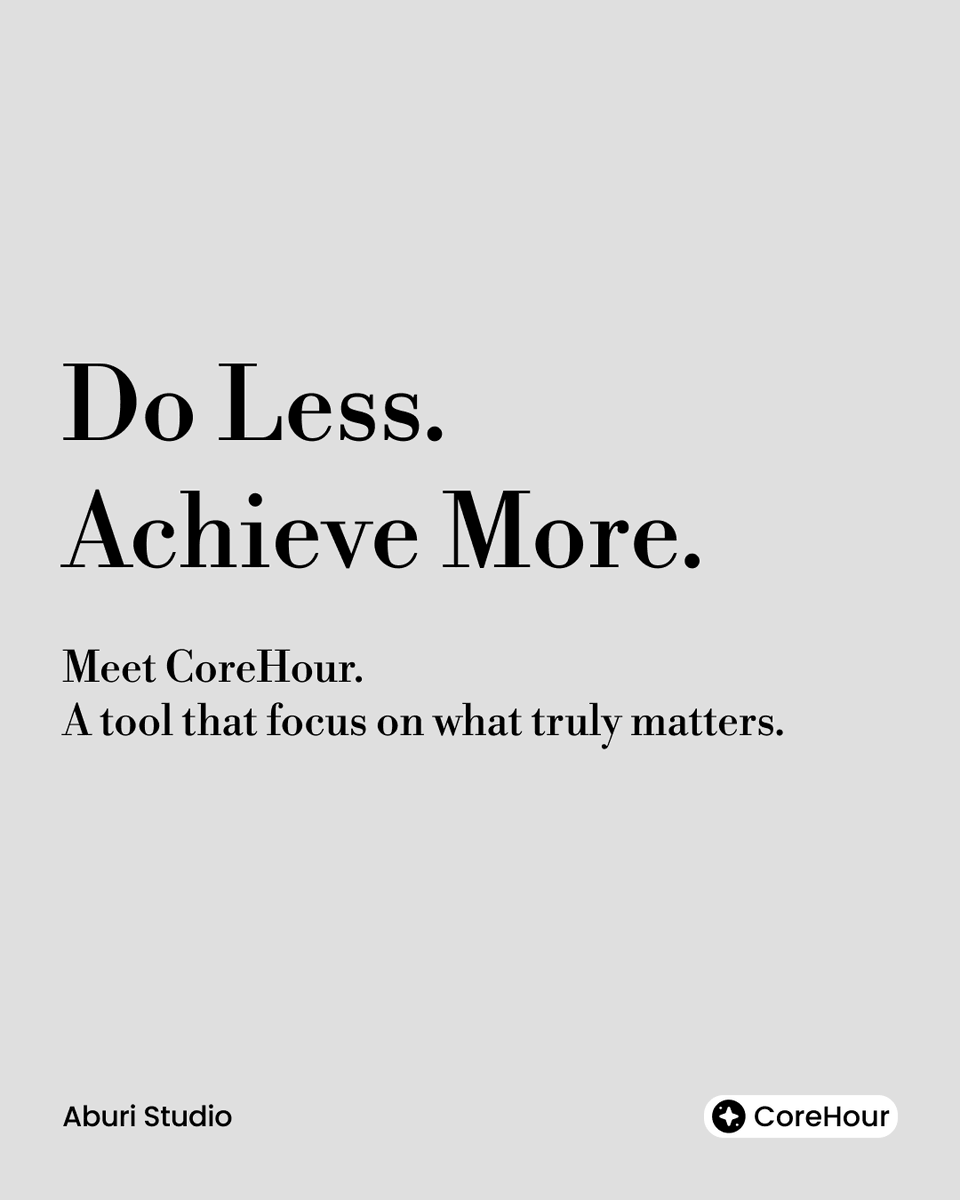
✨ Do Less. Achieve More.
Meet CoreHour. The app that helps you focus on the core tasks that drive real results.
⏳ Take back your time. Join the waitlist today.
🔗 Link in bio
#productivity #timemanagement #paretoprinciple #focus #deepwork #indiework #freelancelife

1
6
680
Apr 16
Finally it’s launch time! 🚀
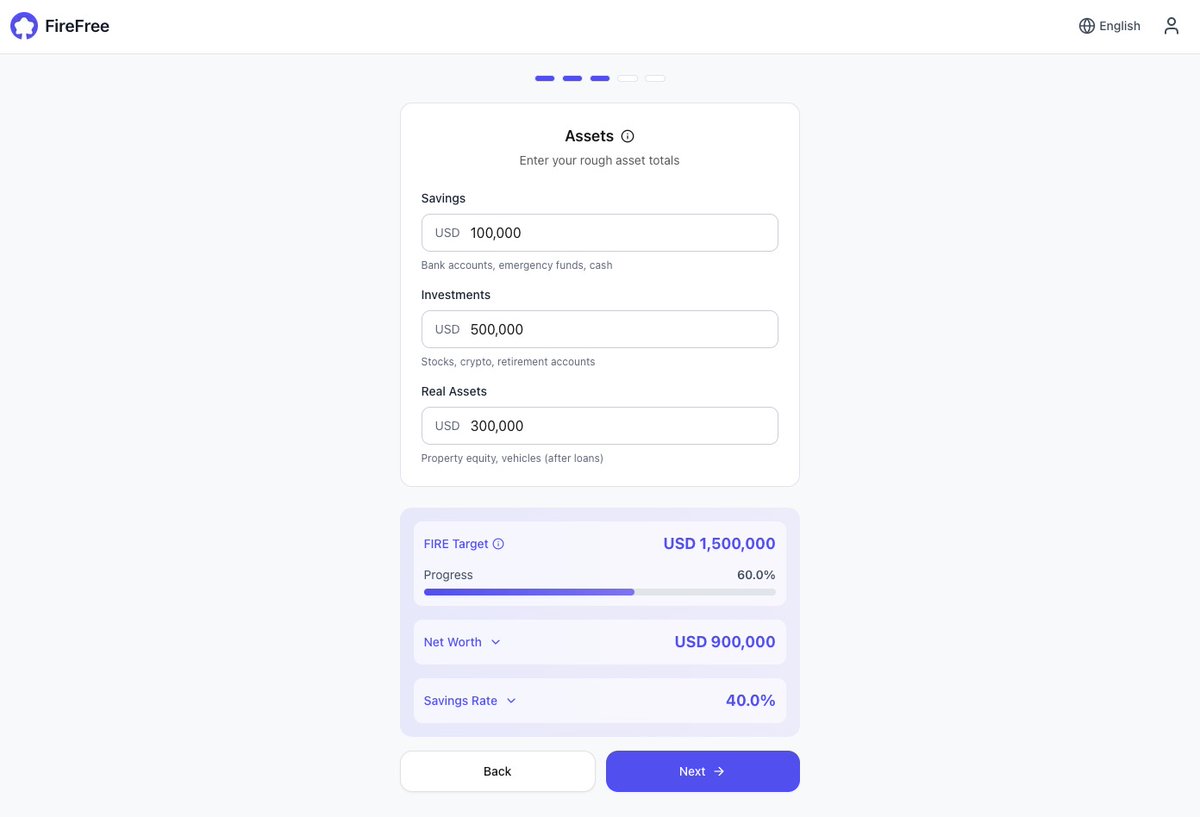
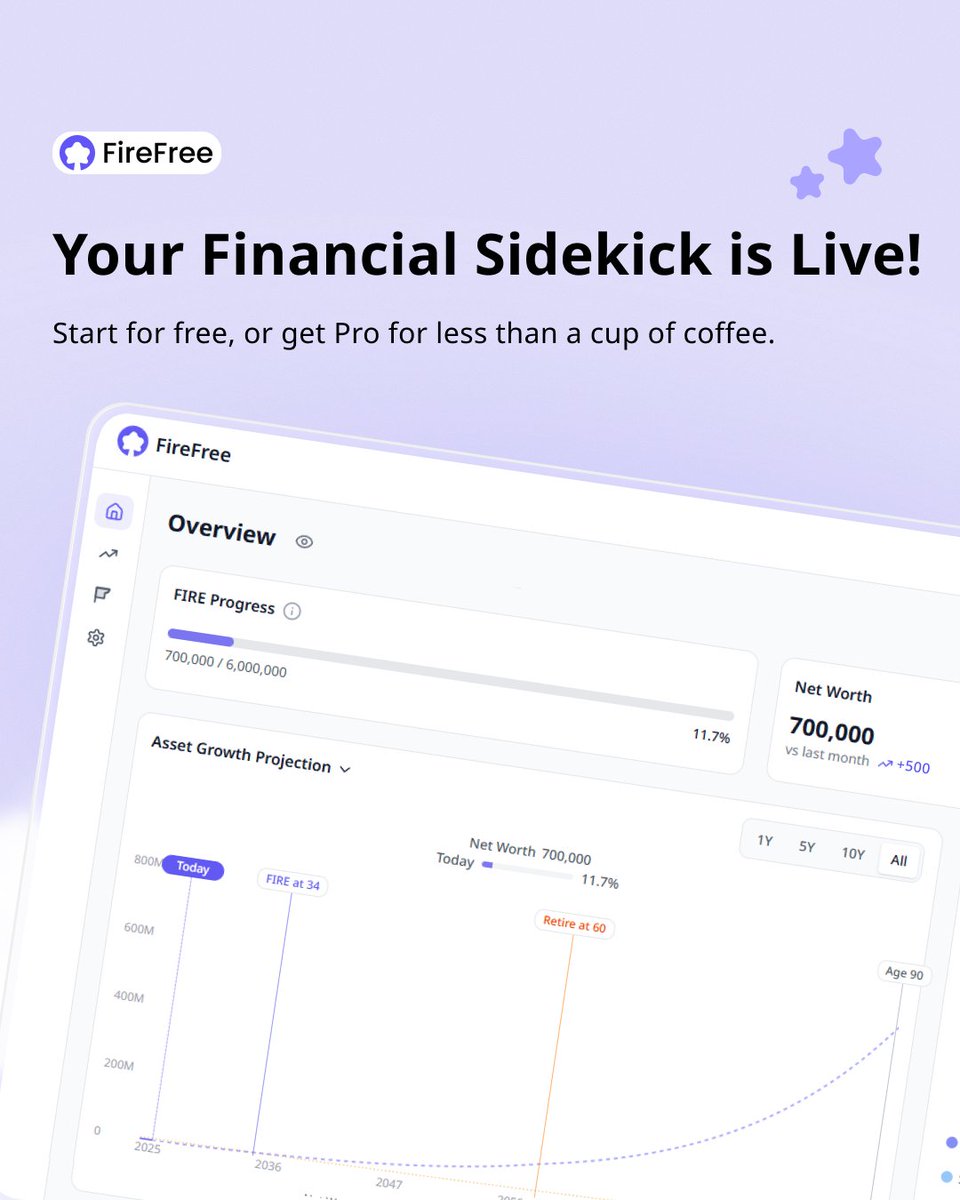
FireFree is a net worth management & financial planning tool let helps you achieve financial freedom
Apr 16

Dreaming of Financial Independence?
FireFree is here to help.
What makes FireFree different?
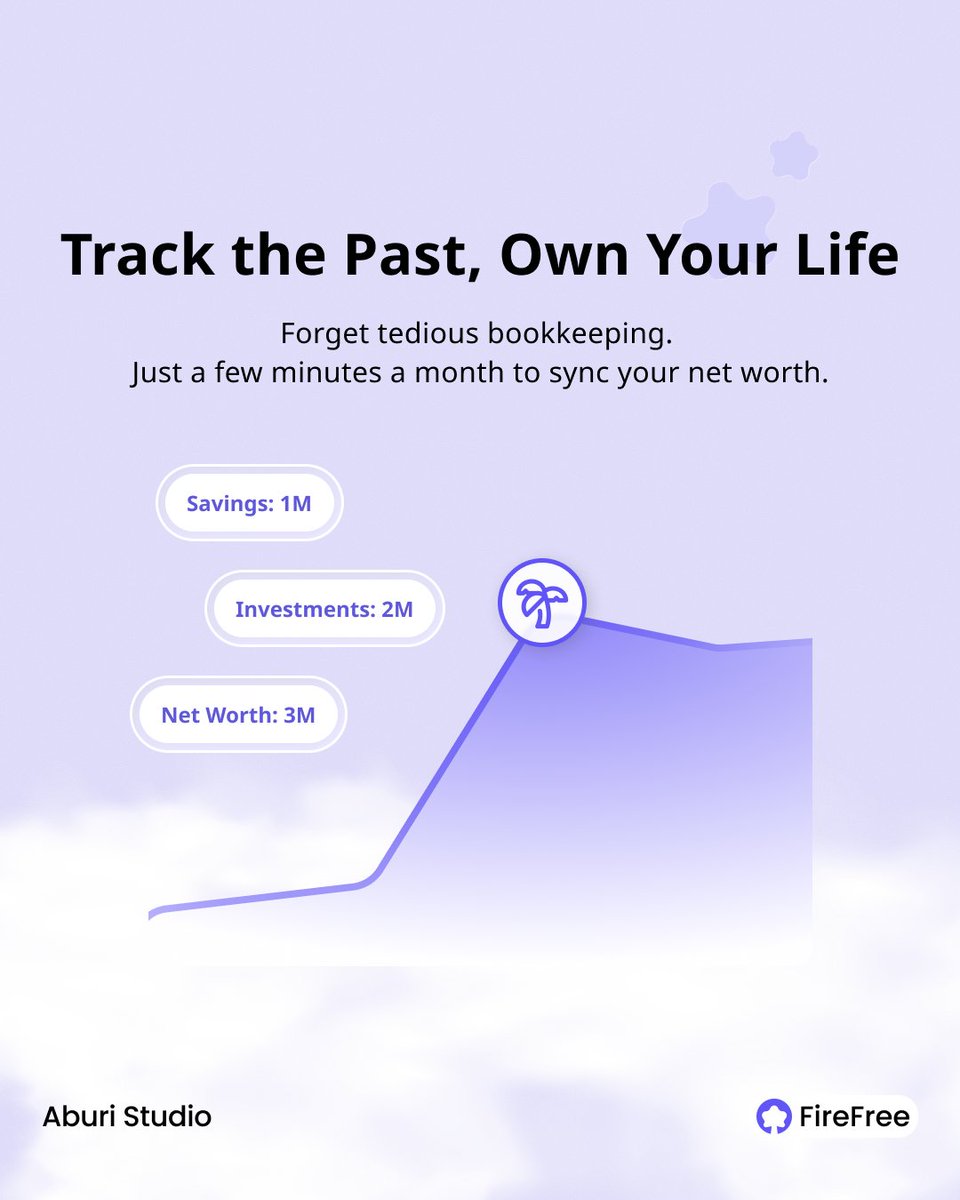
📝 Net Worth Tracking (Monthly, not daily)
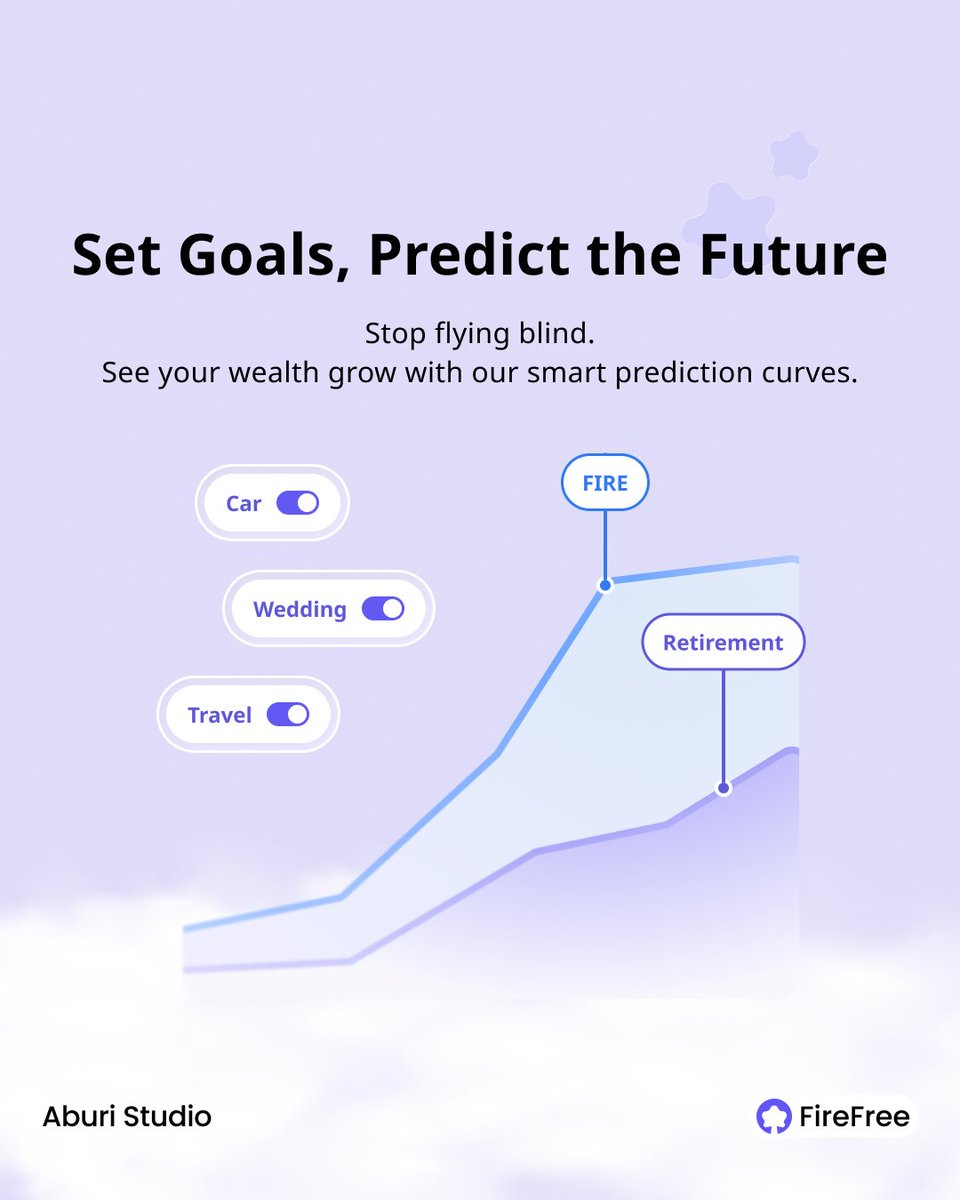
🔮 Future Projection (Inflation-adjusted)
🎯 Goal Simulation (Toggle home, car, or sabbatical)
It's officially live now! 🚀
2
138
Eason | Product Builder retweeted

19 Mar 2025
Seeding my Bear ʕ•ᴥ•ʔ blog with more random posts, e.g. here's something I had on backlog for a while:
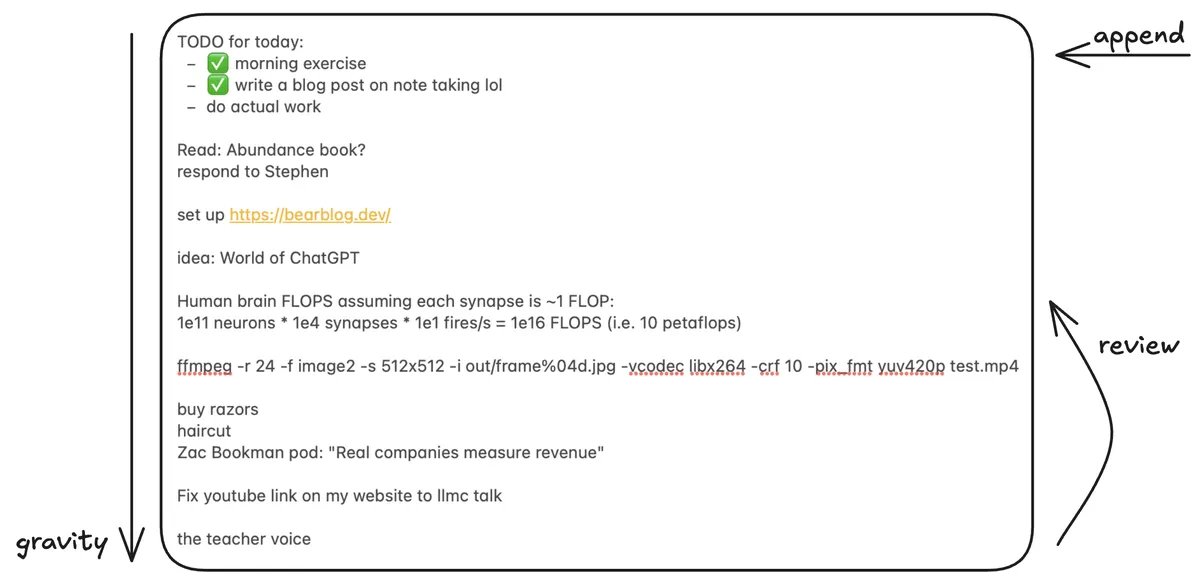
# The append-and-review note
An approach to note taking that I stumbled on and has worked for me quite well for many years. I find that it strikes a good balance of being super simple and easy to use but it also captures the majority of day-to-day note taking use cases.
Data structure. I maintain one single text note in the Apple Notes app just called "notes". Maintaining more than one note and managing and sorting them into folders and recursive substructures costs way too much cognitive bloat. A single note means CTRL F is simple and trivial. Apple does a good job of optional offline editing, syncing between devices, and backup.
Append. Any time any idea or any todo or anything else comes to mind, I append it to the note on top, simply as text. Either when I'm on my computer when working, or my iPhone when on the go. I don't find that tagging these notes with any other structured metadata (dates, links, concepts, tags) is that useful and I don't do it by default. The only exception is that I use tags like "watch:", "listen:", or "read:", so they are easy to CTRL F for when I'm looking for something to watch late at night, listen to during a run/walk, or read during a flight, etc.
Review. As things get added to the top, everything else starts to sink towards the bottom, almost as if under gravity. Every now and then, I fish through the notes by scrolling downwards and skimming. If I find anything that deserves to not leave my attention, I rescue it towards the top by simply copy pasting. Sometimes I merge, process, group or modify notes when they seem related. I delete a note only rarely. Notes that repeatedly don't deserve attention will naturally continue to sink. They are never lost, they just don't deserve the top of mind.
Example usage:
- Totally random idea springs to mind but I'm on the go and can't think about it, so I add it to the note, to get back around to later.
- Someone at a party mentions a movie I should watch.
- I see a glowing review of a book while doom scrolling through X.
- I sit down in the morning and write a small TODO list for what I'd like to achieve that day.
- I just need some writing surface for something I'm thinking about.
- I was going to post a tweet but I think it needs a bit more thought. Copy paste into notes to think through a bit more later.
- I find an interesting quote and I want to be reminded of it now and then.
- My future self should really think about this thing more.
- I'm reading a paper and I want to note some interesting numbers down.
- I'm working on something random and I just need a temporary surface to CTRL C and CTRL V a few things around.
- I keep forgetting that shell command that lists all Python files recursively so now I keep it in the note.
- I'm running a hyperparameter sweep of my neural network and I record the commands I ran and the eventual outcome of the experiment.
- I feel stressed that there are too many things on my mind and I worry that I'll lose them, so I just sit down and quickly dump them into a bullet point list.
- I realize while I'm re-ordering some of my notes that I've actually thought about the same thing a lot but from different perspectives. I process it a bit more, merge some of the notes into one. I feel additional insight.
When I note something down, I feel that I can immediately move on, wipe my working memory, and focus fully on something else at that time. I have confidence that I'll be able to revisit that idea later during review and process it when I have more time.
My note has grown quite giant over the last few years. It feels nice to scroll through some of the old things/thoughts that occupied me a long time ago. Sometimes ideas don't stand the repeated scrutiny of a review and they just sink deeper down. Sometimes I'm surprised that I've thought about something for so long. And sometimes an idea from a while ago is suddenly relevant in a new light.
One text note ftw.
206
278
3,916
466,231
Feb 25
OMG I can now code 24/7
“/remote-control”
Or “claude rc”

New in Claude Code: Remote Control.
Kick off a task in your terminal and pick it up from your phone while you take a walk or join a meeting.
Claude keeps running on your machine, and you can control the session from the Claude app or claude.ai/code
60
Feb 24
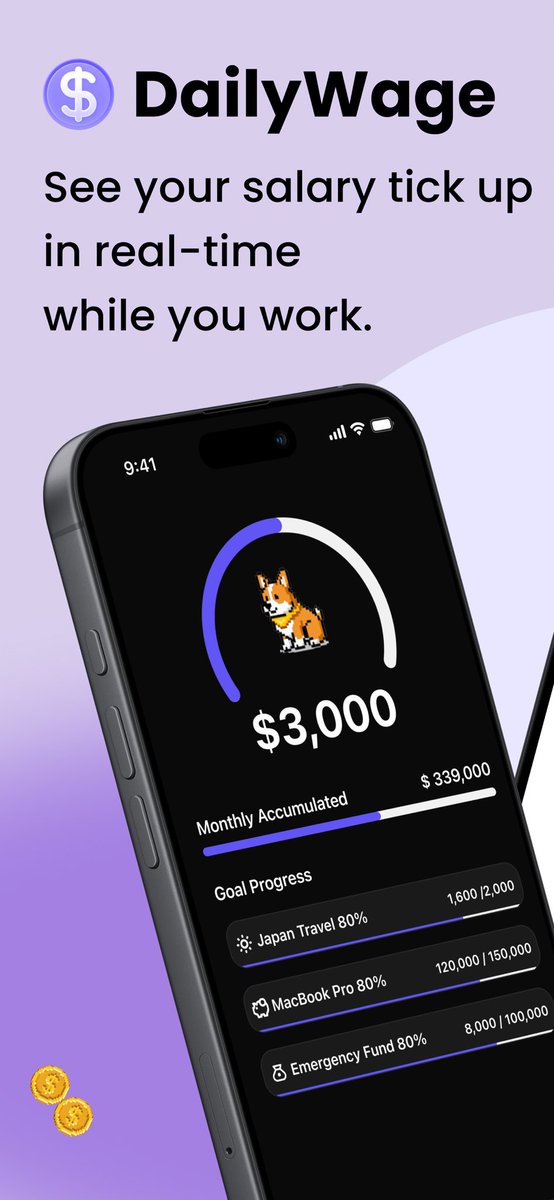
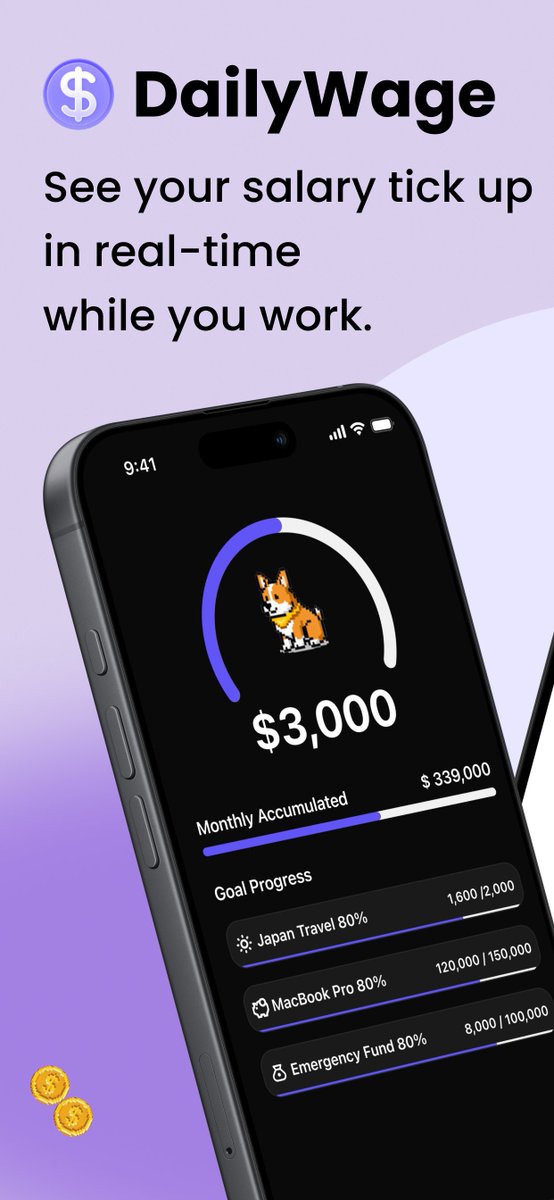
Just launched a new app: Daily Wage 💰
It shows you — in real time —
how much you’ve earned today.
If you make $60,000/year,
that’s about $30/hour.
Rough morning?
Back-to-back meetings?
Commute traffic?
Open the app and see:
“You’ve already made $120 before noon.”
That’s groceries for the week.
Or your monthly gym membership covered.
Instant perspective shift.
2
5
46
Feb 24
✅ Free
✅ No ads
✅ No account required
✅ All data stays on your phone
Monday blues?
Try turning your workday into a live income tracker.
—
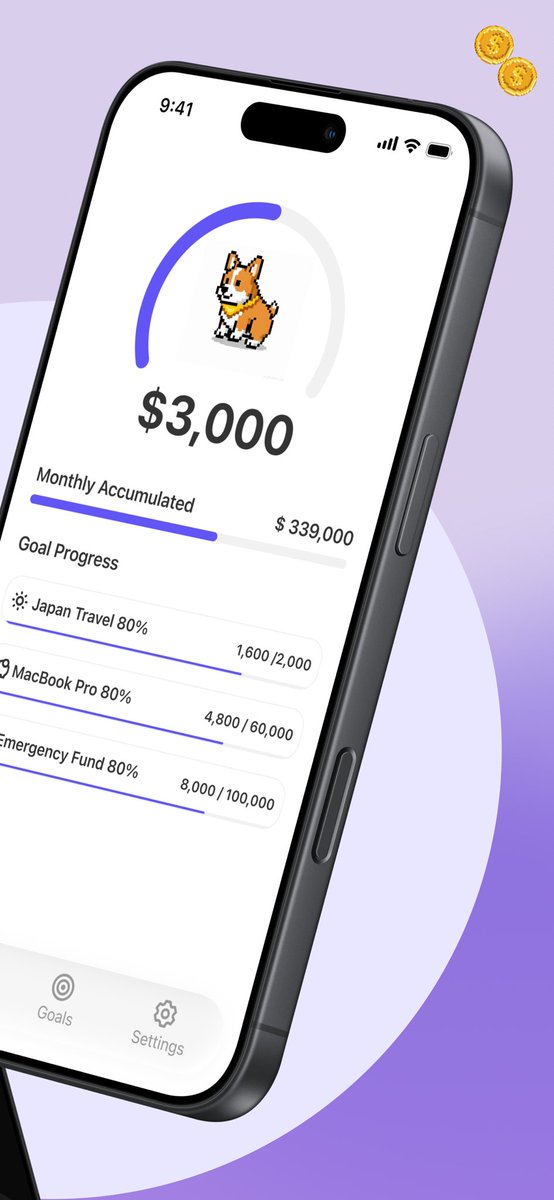
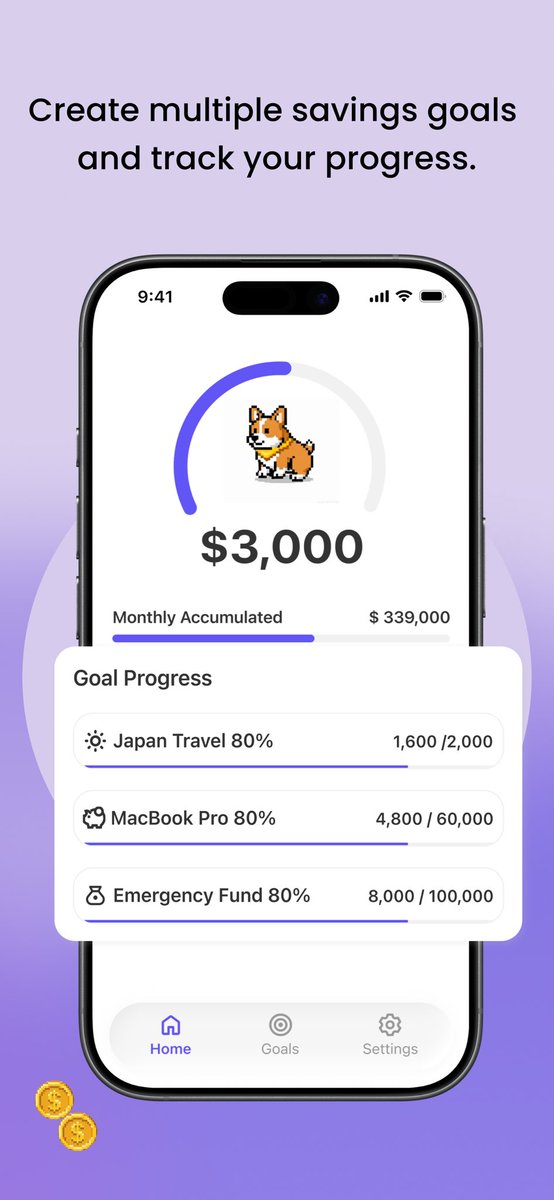
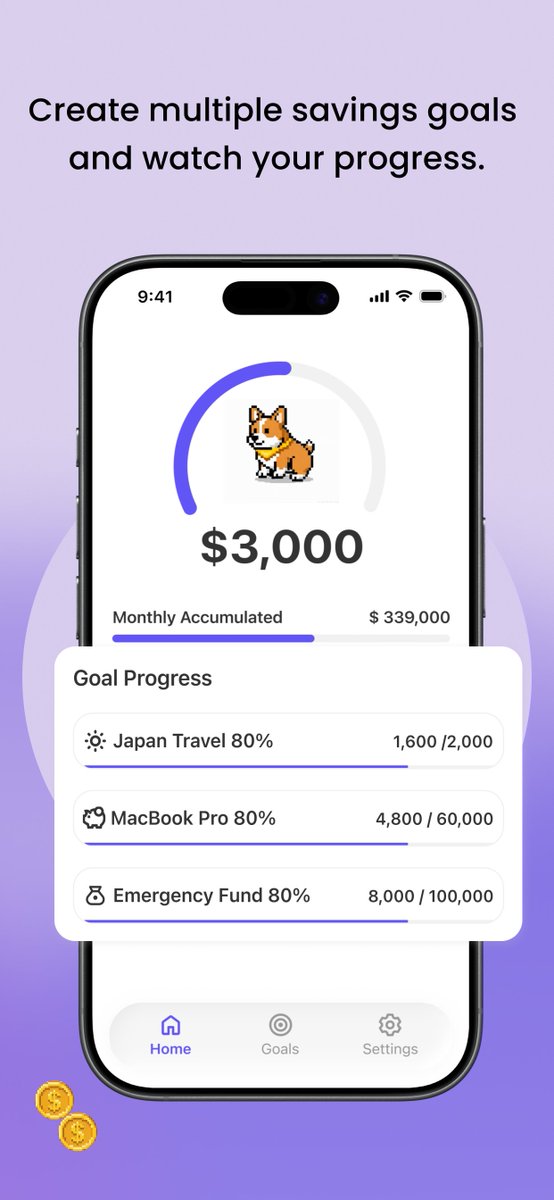
You can also set saving goals 🎯
Vacation. New laptop. Emergency fund.
Every hour you work → progress bar moves.
Watching it grow makes the grind feel more worth it.

1
3
36
Feb 24
Checkout our first mobile app!
Feb 24
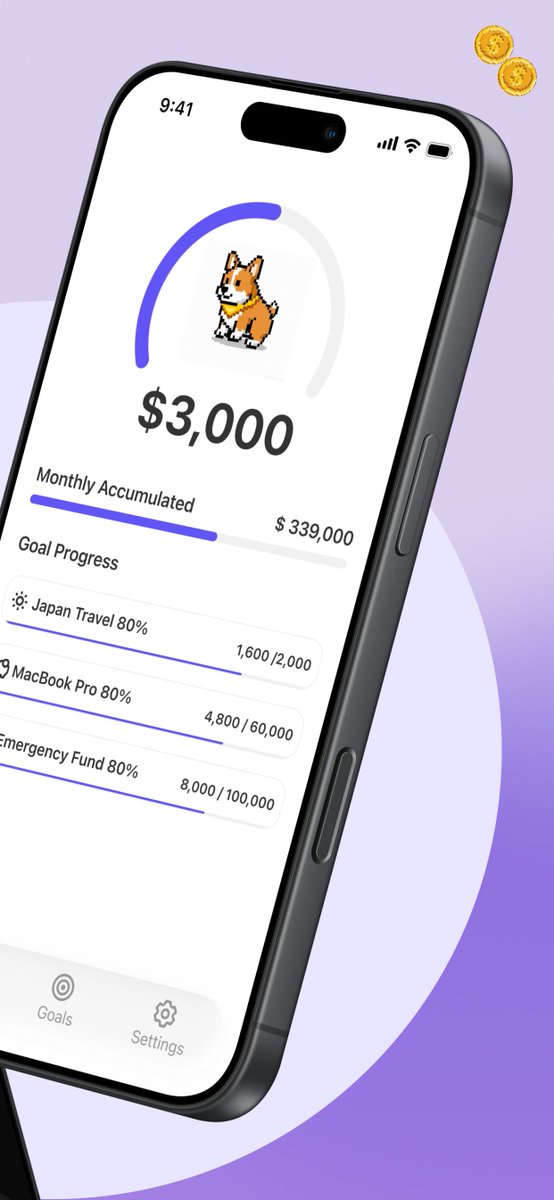
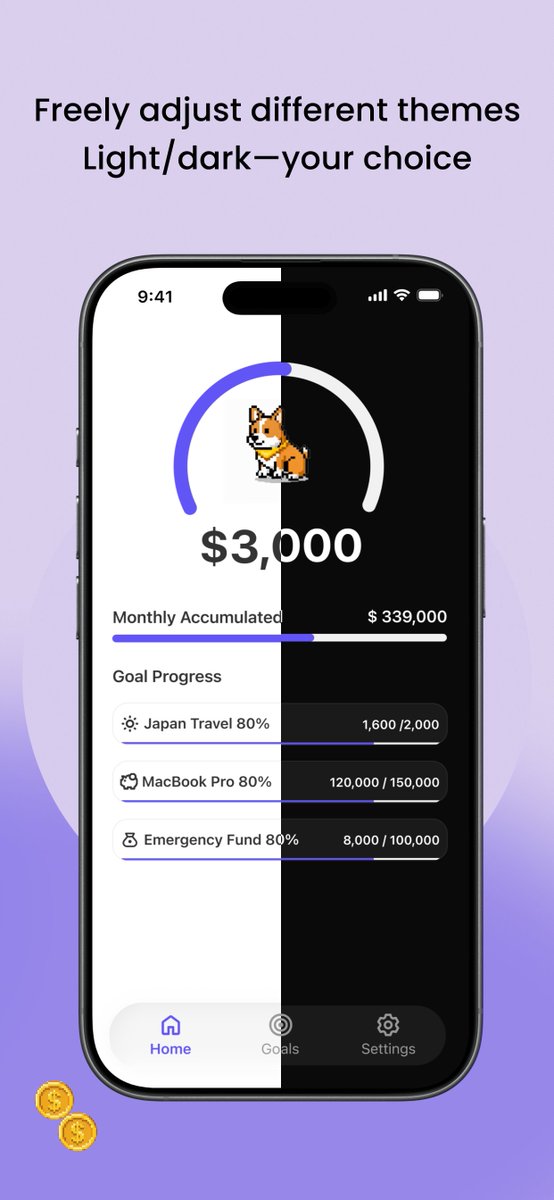
🚀 DailyWage is Now Live
We are excited to announce the launch of DailyWage, our very first app from Aburi Studio.
DailyWage is designed to make your workdays more rewarding.
We look forward to learning from your feedback and continuing to improve.
1
3
31
Eason | Product Builder retweeted

Feb 24
My first app, DailyWage, is live. 🚀
Built to make work feel a little more rewarding.
Track your income in real time and set savings goals that keep you motivated.
Simple. No ads. Built in public.
Would love your feedback.
Download below 👇💰🐶
6
1
8
147
Eason | Product Builder retweeted

Feb 10
6,596
28,122
118,798
87,187,800

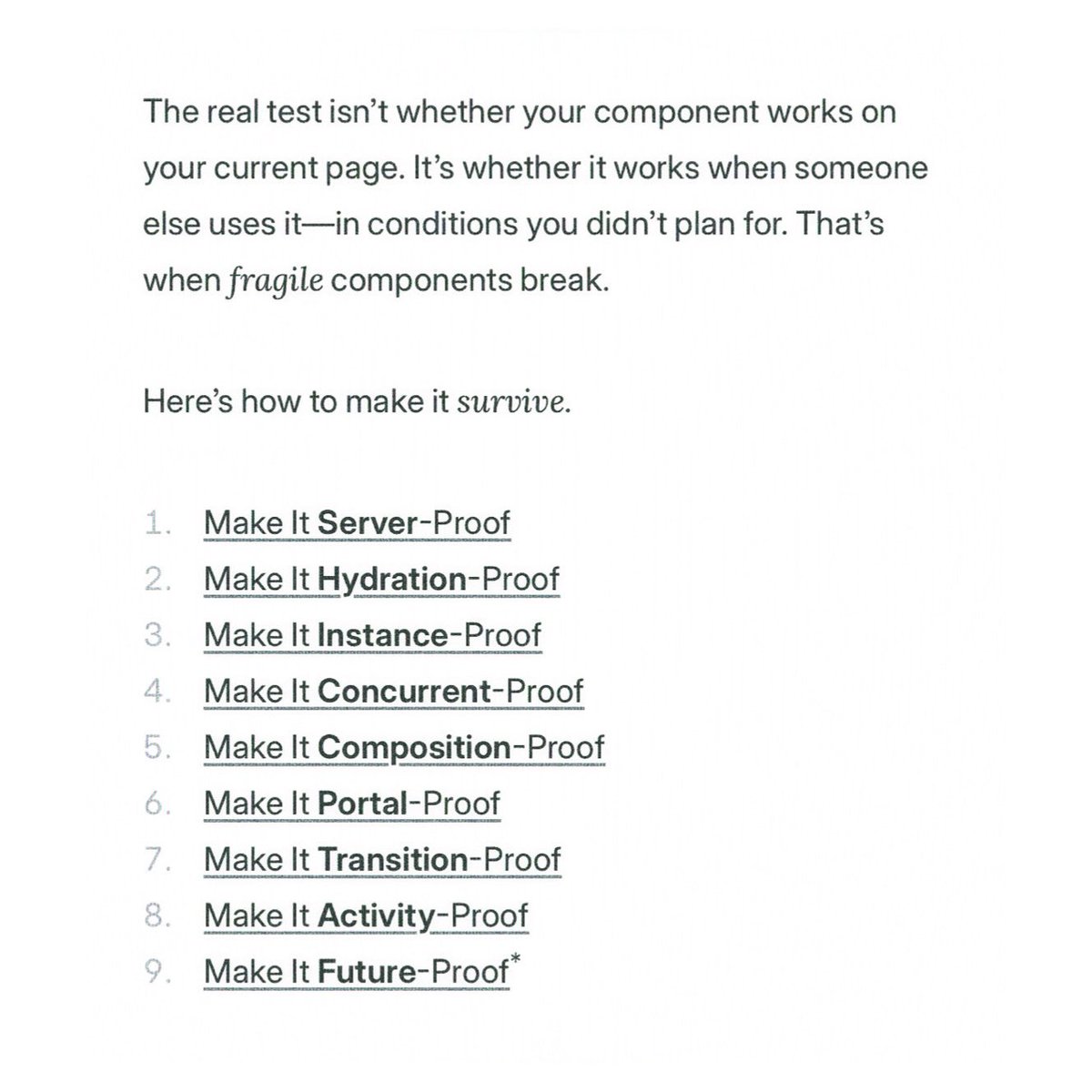
I wrote a blog post: Building Bulletproof React Components:
shud.in/thoughts/build-bulle…
31
150
1,966
109,116

The lobster has molted into its final form 🦞
Clawd → Moltbot → OpenClaw
100k GitHub stars. 2M visitors in a week.
And finally, a name that'll stick.
Your assistant. Your machine. Your rules.
openclaw.ai/blog/introducing…
1,279
1,380
15,208
3,132,956

162
1,232
10,673
4,228,830
Eason | Product Builder retweeted

THE PERSONAL PANOPTICON.
A few months ago, I started running my life out of Claude Code. Not out of intention to do so, it was just the place where everything met.
And it just kept working.
Empires are won by conquest. What keeps them standing is something much quieter.
Before a king can tax, he must count. Before he can conscript, he must locate. Before he can rule, he must see. Legibility is the precondition for governance.
The pre-modern state was blind. It knew precious little about its subjects, their wealth, their landholdings and yields, their location, their very identity. So it built the apparatus of sight: censuses, surnames, maps. Over centuries, the invisible became visible, the illegible became legible, and populations that could be seen could finally be controlled.
Now, you are one of n: tracked, monitored, studied by systems you cannot access, much less interrogate. Data is siphoned for purposes you will never fully know. The arrangement is brutally asymmetrical: visibility without reciprocity. A panopticon whose gaze travels outward and never back.
The watchtower has multiplied. Today, corporations harvest terabytes of behavioral exhaust, gatekept behind competitive moats, legible only to algorithms optimizing against your interests. Corporate legibility is created by closed joins: they can join your behavior to their ontology, but you can’t join your own behavior across systems.
We are drowning in data about ourselves and yet we remain catastrophically blind.
Thousands of messages across twenty inboxes. Notifications exile you to a perpetual state of Do Not Disturb. A WHOOP recovery score that decides your mood. Commitments that exist in six places and cohere in none. You are the most measured human in history and the most opaque to yourself.
States built legibility infrastructure to govern. Corporations built it to sell. Neither gave you the keys to the tower.
The first thing Claude solved was product blindness. NOX now runs on a cron job: pulling Amplitude, cross-referencing GitHub, and pointing me to what needs building. It handles A/B testing, generates winning copy, and has turned customer support into a fully autonomous department.
Once I saw this was possible, I chased it everywhere. Email, hitting inbox zero for the first time ever, with auto-drafted replies for everything inbound. Workouts, accommodating horrendously erratic travel schedules. Sleep, built a projector wired to my WHOOP after exactly six hours that wakes me with my favorite phrases. Subscriptions, found and returned $2000 I didn’t know I was paying. The dozen SFMTA citations I'd ignored, the action items I'd procrastinated into oblivion. People are using it to, I discovered, run vending machines, home automation systems, and keep plants alive.
The feeling is hard to name. It is the violent gap between how blind you were and how obvious everything feels now with an observer that reads all the feeds, catches what you've unconsciously dropped, notices patterns across domains you'd kept stubbornly separate, and—crucially—tells you what to do about it.
My personal finances are now managed in the terminal. Overnight it picks the locks of brokerages that refuse to talk to each other, pulls congressional and hedge fund disclosures, Polymarket odds, X sentiment, headlines and 10-Ks from my watchlist. Every morning, a brief gets added in ~/𝚝𝚛𝚊𝚍𝚎𝚜. Last month it flagged Rep. Fields buying NFLX shares. Three weeks later, the Warner Bros deal. I don't always trade, sometimes I argue with the thesis. But I'm never tracking fifteen tabs at 6am anymore.
It feels borderline unfair seeing around corners, being in ten places at once, surveilling yourself with the attention span of a thousand clones.
A panopticon still, but the tower belongs to you.
A few weeks ago, five friends and I tore into the Epstein files the night they dropped. Thousands of documents parsed into a searchable index: flights, texts, photos, Amazon purchases, properties. By 4am, sleep deprivation bled into something stranger: the disbelief that it just kept working. We were outpacing entire newsrooms. By 7am we shipped Jmail. 18 million people have since searched an inbox that belonged to a dead man. A decade ago this would have taken a team and a quarter of runway. We did it in one night, on pure adrenaline and tools that finally match the pace of ambition.
Over Christmas, I watched my parents learn the command line. These are people who never migrated off Microsoft Teams, who treat software updates as personal attacks. I didn't pitch it as coding. I set up an alias, just `𝚌`, and said: 'Type what you want to happen in plain English.' My mom stared at it for a minute, then typed: 'Show me everyone who hasn't paid an invoice in the last 90 days.' She looked at me like I'd performed a magic trick. Within days, they were running my dad’s accounts receivable through it. For twenty years, software made them feel stupid. Now they tell it what to do.
When you have an entire model of reality around certain things being hard that shifts for the first time, the world unravels.
This is the default now. The bottleneck is no longer ability. The bottleneck is activation energy: who has the nerve to try, and the stubbornness to finish. This favors new entrants. People who question unquestioned assumptions because they don't know any better. The founders who sprint through walls and will their dogged pursuits into existence.
Here’s what my tower looks like mechanically. I run a swarm of eight instances in parallel: ~/𝚗𝚘𝚡, ~/𝚖𝚎𝚝𝚛𝚒𝚌𝚜, ~/𝚎𝚖𝚊𝚒𝚕, ~/𝚐𝚛𝚘𝚠𝚝𝚑, ~/𝚝𝚛𝚊𝚍𝚎𝚜, ~/𝚑𝚎𝚊𝚕𝚝𝚑, ~/𝚠𝚛𝚒𝚝𝚒𝚗𝚐, ~/𝚙𝚎𝚛𝚜𝚘𝚗𝚊𝚕. Each operates in isolation, spawns short-lived subagents, and exchanges context through explicit handoffs. They read and write the filesystem. When an API is absent, they operate the desktop directly, injecting mouse and keystroke events to traverse apps and browsers. 𝚌𝚊𝚏𝚏𝚎𝚒𝚗𝚊𝚝𝚎 -𝚒 keeps the system awake on runs, in airports, while I sleep. On completion, it texts me; I reply to the checkpoint and continue. All thought traces logged and artifacted for recursive self-improvement.
Sometimes the tower has a landlord. Anthropic sees every query you make. The value exchange is explicit: their visibility into your thinking for access to a thousand-clone attention span. In this case, chosen beats imposed. For now, that's enough.
There is a case for productive illegibility. For forgetting, for serendipity, for negative capability—the dark fiber in ourselves that loses something the moment you start measuring its throughput. Goodhart says optimize for a metric and you game your way to hollow victory. High modernism tried to iron the world into a grid, and killed what made it work. These failures share a structure. The map-maker doesn't live in the territory. When WHOOP says recovered and I feel like death, I notice. When the ~/𝚝𝚛𝚊𝚍𝚎𝚜 thesis is wrong, I lose money. Metis, the local knowledge that external schemes delete, is what built the grid here. There's a meta-level outside the system, self-authored and continuously revised, that argues with the brief for days, notices when a metric has become a game, that can delete ~/𝚑𝚎𝚊𝚕𝚝𝚑 tomorrow if it stops serving. Goodhart operates when you can't escape the loop. We must continue to live outside it.
I felt that tension most clearly watching Pluribus, where eight billion minds are joined into one consciousness. Only thirteen remain outside including Carol, the resistant misanthropic protagonist you want to root for, even if the hive offers peace, equity, and the end to all crime. An LLM already feels like that: a lossy compression of humanity speaking in one voice. When your whole life runs inside a Claude Code directory, you feel the pull toward the merge. The price is quiet but total. You trade away what is yours alone, the private texture of emotion, the right to be wrong, your jagged iconoclasm. Opt out and you fall behind. Take the tower early. Do not let it take you.
We are early on a big open secret. Karpathy put it correctly, failing to claim the boost now feels decidedly like a skill issue.
For centuries, legibility flowed one direction: upward. You were the subject. Institutions were the seer. In this quasi-libertarian arbitrage window, that direction has reversed. The tools of synthesis belong to the individual now.
Govern yourself accordingly.
229
302
2,840
748,164
Huge

Chat, we are so back 🚀🚀🚀 for real this time lol
Anthropic just released
Claude Code 2.1.1
109 CLI, 11 flag, and 10 prompt changes, details below.
1
48
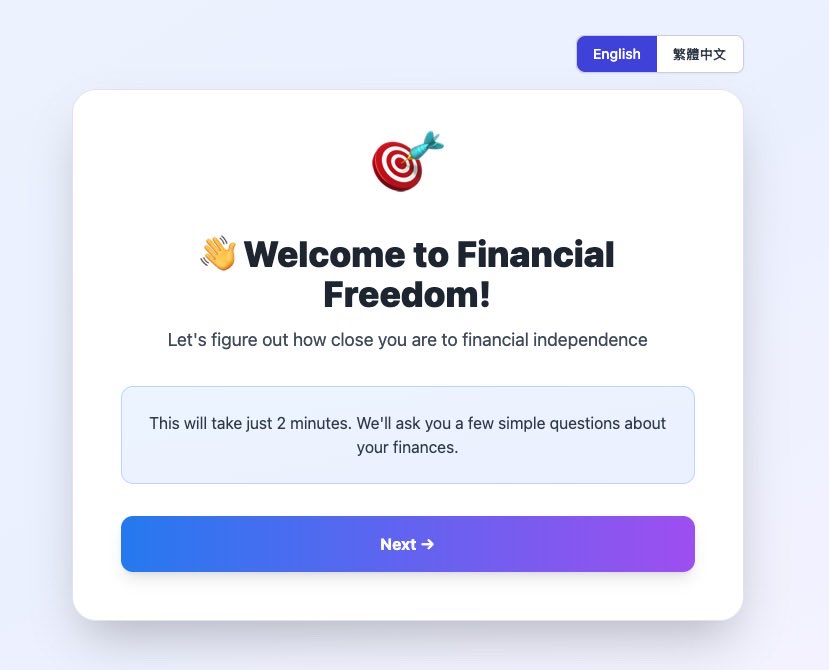
Improved FireFree’s onboarding today based on user interviews.
The challenge is balance:
Too many inputs = friction
Too few = useless results
And every word has to be short, clear, and beginner-friendly.
Good onboarding is harder than it looks.
1
29
Claude Code Bible
Jan 2

I'm Boris and I created Claude Code. Lots of people have asked how I use Claude Code, so I wanted to show off my setup a bit.
My setup might be surprisingly vanilla! Claude Code works great out of the box, so I personally don't customize it much. There is no one correct way to use Claude Code: we intentionally build it in a way that you can use it, customize it, and hack it however you like. Each person on the Claude Code team uses it very differently.
So, here goes.
1
31
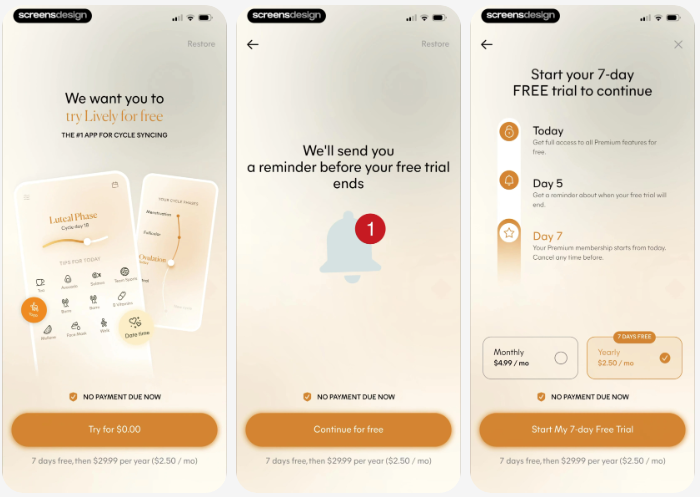
Great paywall design reference
I won’t concern myself anymore when I see the paywall
Jan 1

Paywall cheat code: The 3-Screen Trial Close
Don't put your trial terms in the fine print. Break it into three separate, less aggressive 'paywall priming' screens:
Screen 1: "We want you to Try this for free"
Screen 2: "We’ll remind you before the trial ends"
Screen 3: "Unlock everything now" Make the user feel safe to convert. (this is the only actual paywall screen)
Builds a ton of trust with any user hesitating about your free trial
1
27
Updated my bio today!
Do you think it’s clear and eye-catching?
1
117
Happy New Year 2026 🎉
New year, new systems.
This year, my goal is simple: Live each day with intention, and turn Aburi Studio and FireFree into products that truly matter.
What are you building in 2026? Let’s make it count.
1
1
33
23 Dec 2025
Been working on the FireFree financial planning tool for a while now
Core features are complete, and user feedback has been addressed.
But I just listed the remaining tasks - over 50 ITEMS LEFT!
Product iteration is ENDLESS. There's always room for improvement.
22