
Professor of Economics at Texas A&M University. #econtwitter
Joined October 2015
- Tweets 2,843
- Following 728
- Followers 2,672
- Likes 10,030
148 Photos and videos






Catherine Eckel retweeted

14 Dec 2025
The Texas A&M University Department of Economics is hiring for a macroeconomics position! Please consider applying, and feel free to share this opportunity with others who may be interested in joining our department.
aeaweb.org/joe/listing.php?J…
12
56
7,325
Catherine Eckel retweeted

7 Dec 2025
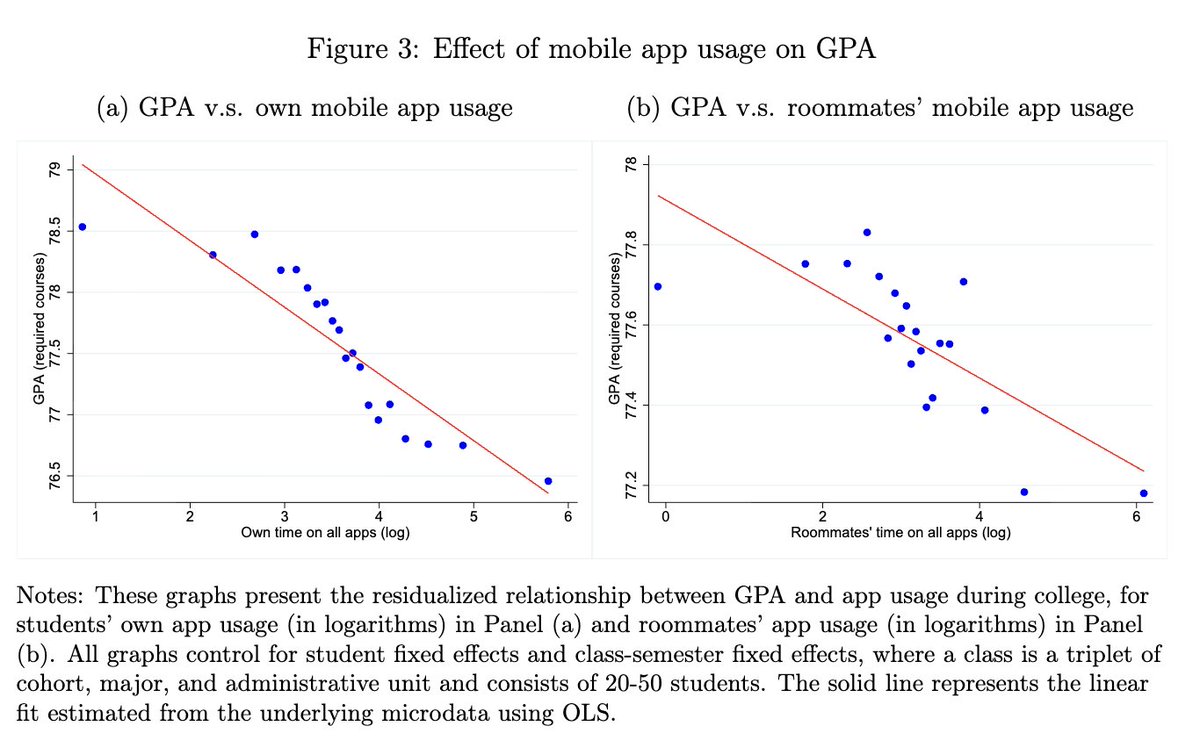
New evidence from over 6,000 college students finds that digital devices are bad for academic performance and even effect peers in negative ways!
Mobile app use reduces grades, increases stress, and lowers class attendance, job applications, and wages coming out of school.
It also impacts the academic performance of roommates (who were randomly assigned). nber.org/system/files/workin…
46
284
846
112,038
Catherine Eckel retweeted

7 Dec 2025
Econ 43 (Introduction to Financial Decision-Making) is one of the most popular undergraduate courses at @Stanford . The popularity speaks of the need for personal financial education, including across generations, as we've found students bring knowledge back to their families. This winter, I'm excited to teach a personal finance course open to the public: BUS 09 — Mastering Financial Decision-Making.
Developed by the Stanford Initiative for Financial Decision-Making (IFDM) team, the course draws on two decades of research on financial literacy and financial decision-making and offers evidence-based strategies for navigating today’s financial choices.
I hope you’ll join me. You can attend the course in person (if you live in the Bay Area) or online. Below are the links to register:
- On-campus: continuingstudies.stanford.e…
- Online: continuingstudies.stanford.e…
5
59
442
26,788

📲✖️Should phones be banned in classrooms?
Our study with 17,000 students finds:
Removing phones improves grades, especially for struggling students!
🧵
papers.ssrn.com/sol3/papers.… (with @andbjn and P. Choudhury)
Half of global education systems have phone bans in classrooms, particularly in K-12 settings, BUT these policies are exercised with an absence of a large-scale controlled study. Little is known about whether or how they work (nytimes.com/2024/09/09/learn…).
This is where our research comes into play. We partnered with 10 higher education institutions. Half of the students had to put their phones in a box during lectures throughout a semester.
💡Findings:
1. Better grades: Mandatory phone deposition boosted grades by 0.078 standard deviations, about the same effect as the gap between having a very good or a mediocre teacher for a year. First-year, lower-performing, and non-STEM students benefited the most.
2. Students liked it: Students experiencing the ban became significantly more supportive of phone ban policies. Many policymakers worry as ban policies appear restrictive. Increased support after first-hand experience is an important indicator for phone bans being a realistic, non-invasive policy.
3. No major side effects: there was a mild uptick in FOMO, but no adverse effects on student distraction, well-being, academic motivation, digital use, or online harassment.
🎯 We also did spot checks!
4. A healthier classroom environment: study coordinators randomly visited thousands of lectures to take a peek into the classroom dynamics. Students were observed as less chit-chatting and disrupting the lecture, along with reduced phone usage(!) and increased engagement by teachers.
7
70
163
93,059

13 Oct 2025
very interesting discussion of indirect costs in federal research grants (for my academic friends).
4 Aug 2025

In a new @IFP policy brief, @pierre_azoulay, @daniel_p_gross, and Bhaven Sampat analyze new data from NIH-funded institutions to clarify what is happening with indirect cost rates.
ifp.org/indirect-cost-recove…
Some key charts:
1
2
157
13 Oct 2025
Can anyone recommend good Substacks for Personel Economics?
24 Sep 2025

Pro tip: assign more Substacks in your class
1
305
Catherine Eckel retweeted

24 Sep 2025
Pro tip: assign more Substacks in your class


2
2
26
3,753
Catherine Eckel retweeted

15 Sep 2025
Related: men underrate how much cognitive labor goes into skincare and how sophisticated women are about it.
Getting into skincare (identifying unwanted skin conditions and fixing them) is one of the best ways to train empirical science skills. It's a practical science.
Requires:
* keen observational skills (figuring out exactly what's wrong, where it's happening)
* planning experiments (you often don't know how long to run an experiment for, or what variables you need to keep track of at the beginning; lots of suggested interventions in the literature don't work or are harmful)
* literature review (reading both scientific papers and what other people have tried)
Somebody who went on a "skincare journey" is better at running experiments than a median CS grad.
14 Sep 2025

Observing some people close to me with chronic health conditions, it's striking how useful Reddit frequently ends up being. I think a core reason is because trials aren’t run for a lot of things, and Reddit provides a kind of emergent intelligence that sits between that which any single physician can marshal and the full rigor of clinical trials.
Why aren’t trials run for a lot of things? Well, they’re of course slow and expensive (median cost of $19M for a pivotal trial in 2015[1]; after adjusting for inflation and other phases, maybe that corresponds to a total of $40M today?). But they’re also hard to fund when the intervention in question lacks IP protection since the ensuing knowledge can’t be monetized. As such, trials for diet, over-the-counter supplements, and lifestyle interventions are under-pursued. To give one prosaic example, lots of people think that magnesium improves sleep, but, as far as I know, no trial has ever been run assessing its ability to improve sleep in non-elderly adults without sleep disorders.
So, Reddit — in a pretty unstructured way — makes a limited kind of “compounding knowledge” possible. Best practices can be noticed and can imperfectly start to accumulate. For people with chronic health problems, this is a big deal, and I’ve heard lots of stories between “I found something that made my condition much more manageable” all the way to “I found a permanent cure in a weird comment buried deep in a thread”. (Of course, one also sees this outside of medical conditions. I’ve enjoyed the recommended routine in the BodyWeightFitness subreddit, as a comparable kind of distilled practical wisdom[2].)
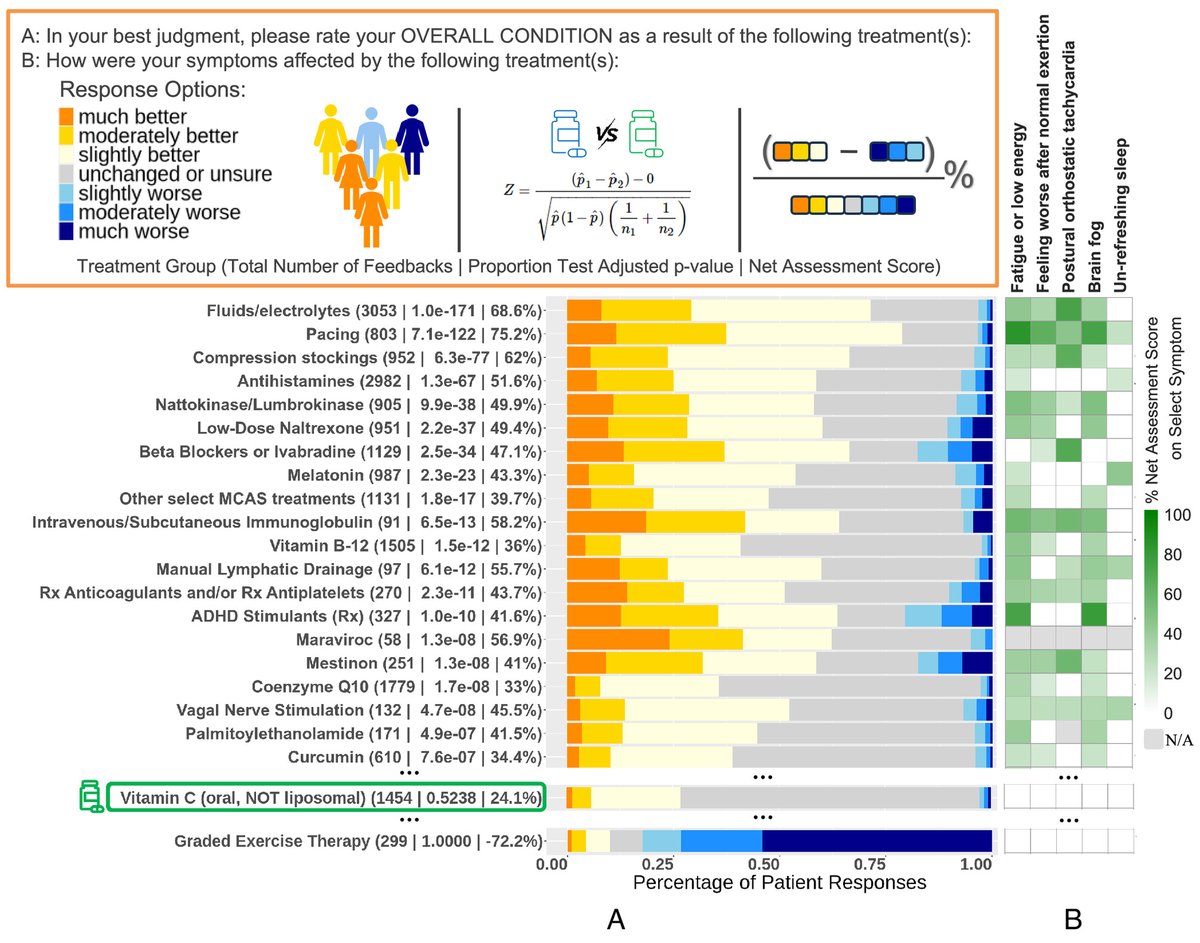
An interesting and somewhat more formalized example of this approach was recently used for long COVID and published earlier this year[3]. After surveying 3,900 individuals, the paper analyzes patient-reported outcomes for 150 different treatments, yielding the figure reproduced below. There are evidently no silver bullets, but it is striking that, say, about half of people find that antihistamines are helpful. I know a number of people who found the learnings from this study to be impactful in improving their daily quality-of-life.
Seeing this paper and the Reddit experience makes me wonder whether the approach could somehow be scaled: is there a kind of observational, self-reported clinical trial that could sit between Reddit and these manual approaches? Should there be a platform that covers all major chronic conditions, administers ongoing surveys, and tracks longitudinal outcomes?
I don’t really know what the best way to go about this would be, but it feels to me that there could be something important here. There’s a lot of latent data in patients’ subjective experiences that is not today being properly gathered or analyzed.
49
148
2,481
280,691
Catherine Eckel retweeted

4 Jun 2025
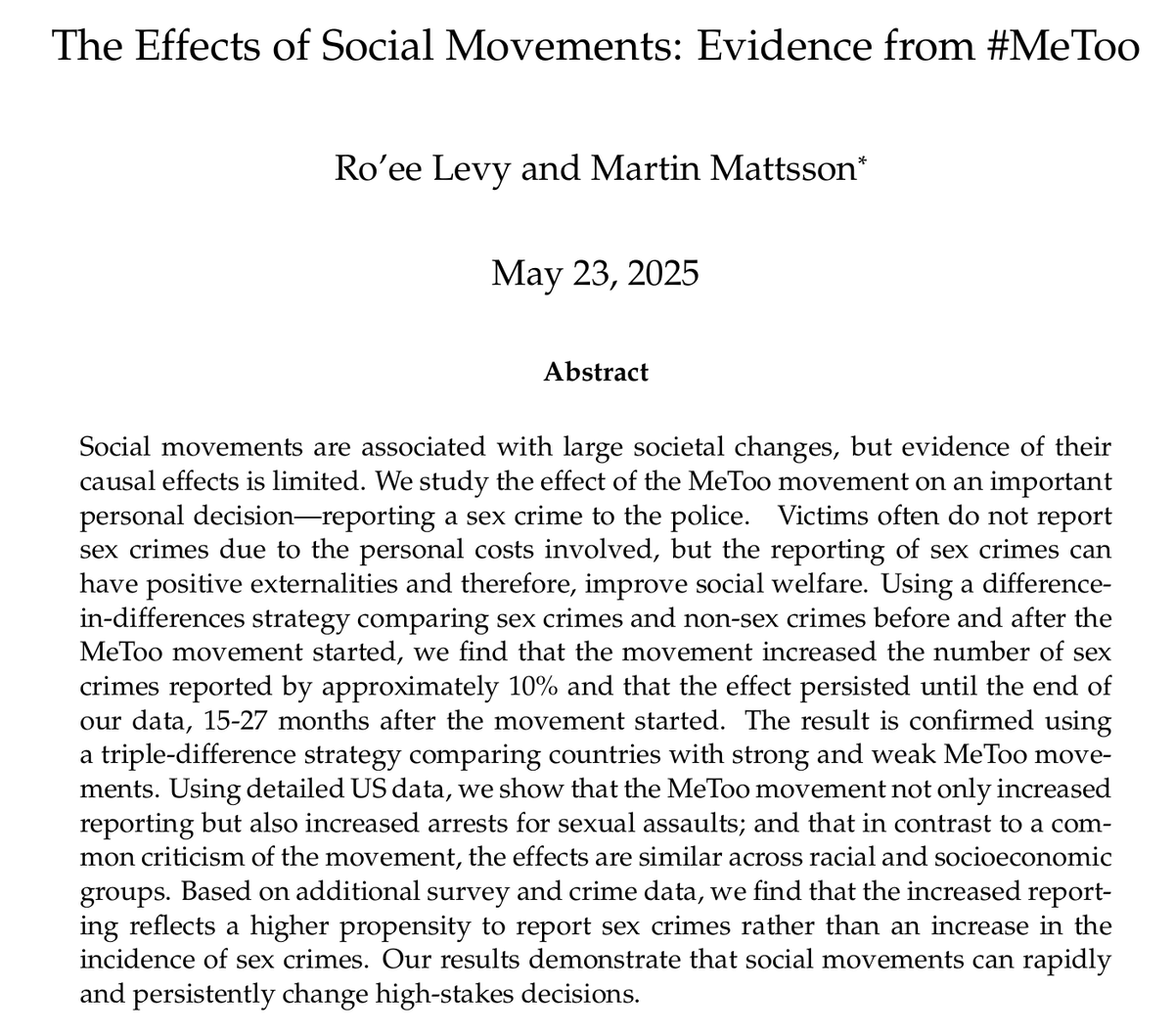
The #MeToo movement led to a 10% jump in sex crime reports and the effect lasted over 2 years.
✅ More reporting
✅ More arrests
❌ Not just more crimes
✅ Impact across race & income
Social movements can change high-stakes behavior.
2
39
165
14,179
Catherine Eckel retweeted

14 Dec 2022
Science ran a big experiment on itself for the last ~60 years. It didn't work out.
experimentalhistory.substack…
101
993
4,010
27 May 2025
Striking visuals. Someone show this to RFKJr.
26 May 2025

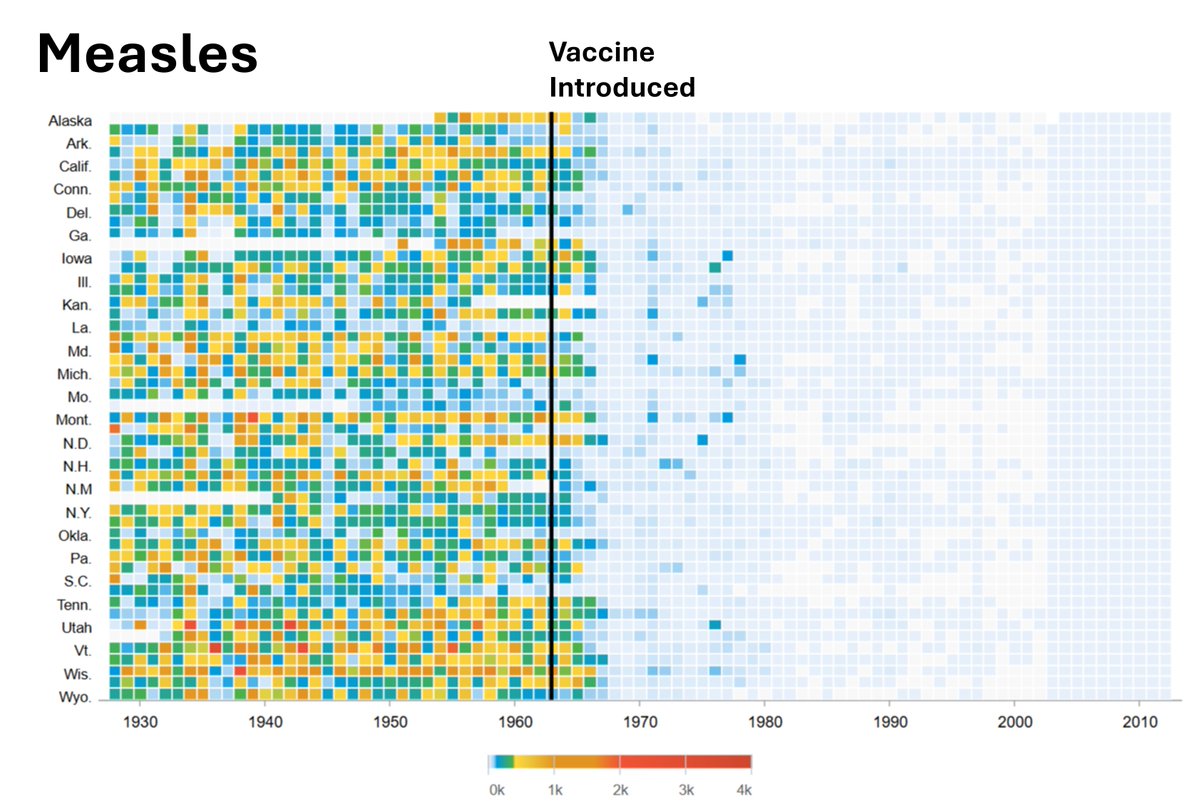
1/ Measles cases per 100,000 people in U.S. states before and after the vaccine was introduced.
1
304
27 May 2025
Fascinating paper!
7 Feb 2025

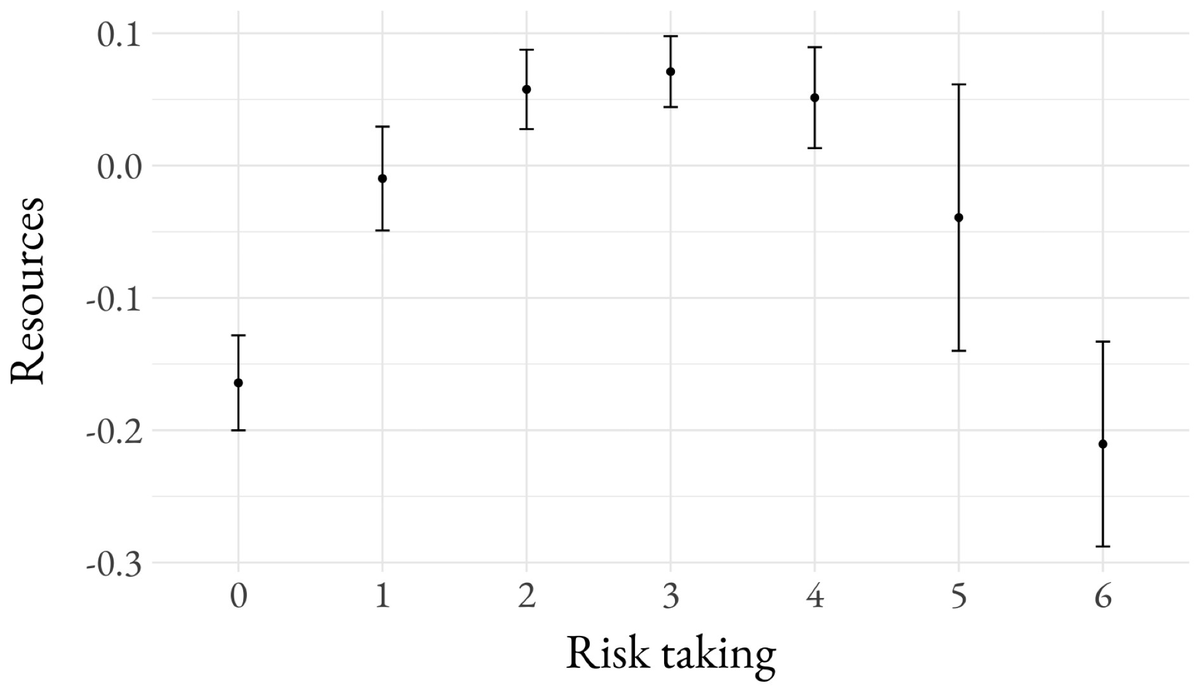
Does poverty lead to risk taking or risk avoidance? Turns out, to both. Our new paper (with D. Nettle & W. Frankenhuis) in Proc B explains why, and conducts preregistered tests of our ‘desperation threshold’ model.
royalsocietypublishing.org/d…
A 🧵
1
2
6
925
Catherine Eckel retweeted

5 May 2025
No expert analysis. No legal authority. Just vibes and tariffs. Welcome to season 2 of The Trade War.
13
151
524
22,784
5 May 2025
Excellent news!!
22 Apr 2025

Congratulations to Stefanie Stantcheva (@S_Stantcheva) of @Harvard, winner of the 2025 John Bates Clark Medal! aeaweb.org/about-aea/honors-…
203
5 May 2025
Ben makes a strong argument AGAINST moving research and researchers to the private sector.
17 Apr 2025

First - this is more my area of expertise - it is frankly pretty extreme to claim that theoretical arguments can do anything convincing on this issue. The theoretical channels for government investment to be complementary to private investment are so ample that any argument to the contrary could not possibly stand on its own. More on that at the end.
The well-identified empirical evidence lines up against Bryan's view pretty decisively.
The strongest quasi‑experimental studies all show that public R&D dollars crowd in private effort.
Regression‑discontinuity at NIH paylines finds a US$10 m grant shock yields about three extra corporate patents with no loss of business R&D [1]. Shift‑share instruments linking post‑9/11 defense budgets to industry exposure show every public dollar induces 40‑60 cents of additional private R&D and raises total‑factor productivity [2]. Event‑study evidence from sudden university‑level cuts reverses these gains: publications fall 15 % and VC‑backed start‑ups 30 % [3]. A richer SR&ED tax credit for Canadian SMEs boosts their R&D by 17 % and spills over into patent citations [4]. Scientist‑level NIH lotteries confirm grants lift later publications and citations by roughly a quarter [5]. Across designs and contexts, the sign is always positive and the magnitudes large—directly contradicting claims of systematic crowd‑out.
What's wrong with your evidence? Kealey‑type papers err in both identification and theory. Their headline correlations use aggregate time‑series where governments boost subsidies precisely when private investment slumps, creating spurious negative signs [6,7]. Damrich, Kealey & Ricketts merely embed those raw aggregates in a stylised contribution‑good model that assumes knowledge is fully appropriable and ignores spillovers, so any public share mechanically lowers measured productivity [8]. Once exogenous variation is isolated—as in the five studies above—the relationship flips, and the omitted spillovers emerge as large and positive. Descriptive regressions that confound cause and effect cannot overturn the causal evidence that well‑designed public funding unlocks socially valuable, privately under‑supplied innovation.
There are SO MANY ways of understanding theoretically why the facts would be like this. Romer’s endogenous‑growth framework treats ideas as non‑rival but only partially excludable, so inventors capture just a slice of their social surplus [10], while Aghion‑Howitt’s creative‑destruction model adds business‑stealing, further depressing private incentives [11]. Jones‑Williams calibrate spillovers, duplication and congestion and still find laissez‑faire R&D at barely a third of the optimum [12]. Grossman‑Helpman’s quality‑ladder model layers cross‑sectoral input‑output spillovers, another benefit absent from Caplan’s crowd‑out narrative [13]. Liang & Mu show that when research lines are complements, decentralized scientists cluster on topics that leave high‑return yet neglected areas that only public funding can unlock [14].
[1] @pierre_azoulay , Graff Zivin, J., Li, D. & Sampat, B. (2019) ‘Public R&D and Private Patenting: Evidence from NIH Funding’, Review of Economic Studies 86(1): 117‑152.|
[2] Moretti, E., Steinwender, C. & Van Reenen, J. (2024) ‘The Economic Spillovers of Defence Research’, Review of Economics & Statistics 106(2): 235‑256.
[3] Babina, T., He, J., Howell, S. et al. (2023) ‘Cutting the Innovation Engine’, Quarterly Journal of Economics 138(4): 2201‑2260.
[4] Agrawal, A., Rosell, C. & Simcoe, T. (2020) ‘Tax Credits and Small‑Firm R&D: Evidence from Canada’, American Economic Journal: Economic Policy 12(3): 1‑30.
[5] Jacob, B. & Lefgren, L. (2011) ‘The Impact of Research Funding on Scientific Output’, Journal of Public Economics 95(9‑10): 1168‑1177.
[6] Kealey, T. (1996) The Economic Laws of Scientific Research. Springer.
[7] Kealey, T. & Ricketts, M. (2014) ‘Modelling Science as a Contribution Good’, Research Policy 43(6): 1014‑1024.
[8] Damrich, S., Kealey, T. & Ricketts, M. (2022) ‘Crowding In and Crowding Out within a Contribution‑Good Model of Research’, Research Policy 51(1): 104400.
[10] Romer, P. M. (1990) ‘Endogenous Technological Change’, Journal of Political Economy 98(5): S71‑S102.
[11] Aghion, P. & Howitt, P. (1992) ‘A Model of Growth through Creative Destruction’, Econometrica 60(2): 323‑351.
[12] Jones, C. I. & Williams, J. C. (1998) ‘Measuring the Social Return to R&D’, Quarterly Journal of Economics 113(4): 1119‑1135.
[13] Grossman, G. M. & Helpman, E. (1991) ‘Quality Ladders in the Theory of Growth’, Journal of Political Economy 99(3): 433‑449.
[14] [9] Liang, J. & Mu, X. (2020) ‘Complementary Information and Learning Traps’, Quarterly Journal of Economics 135(4): 1929‑1984.
3
9
2,476
20 Feb 2025
Three excellent economists!
19 Feb 2025

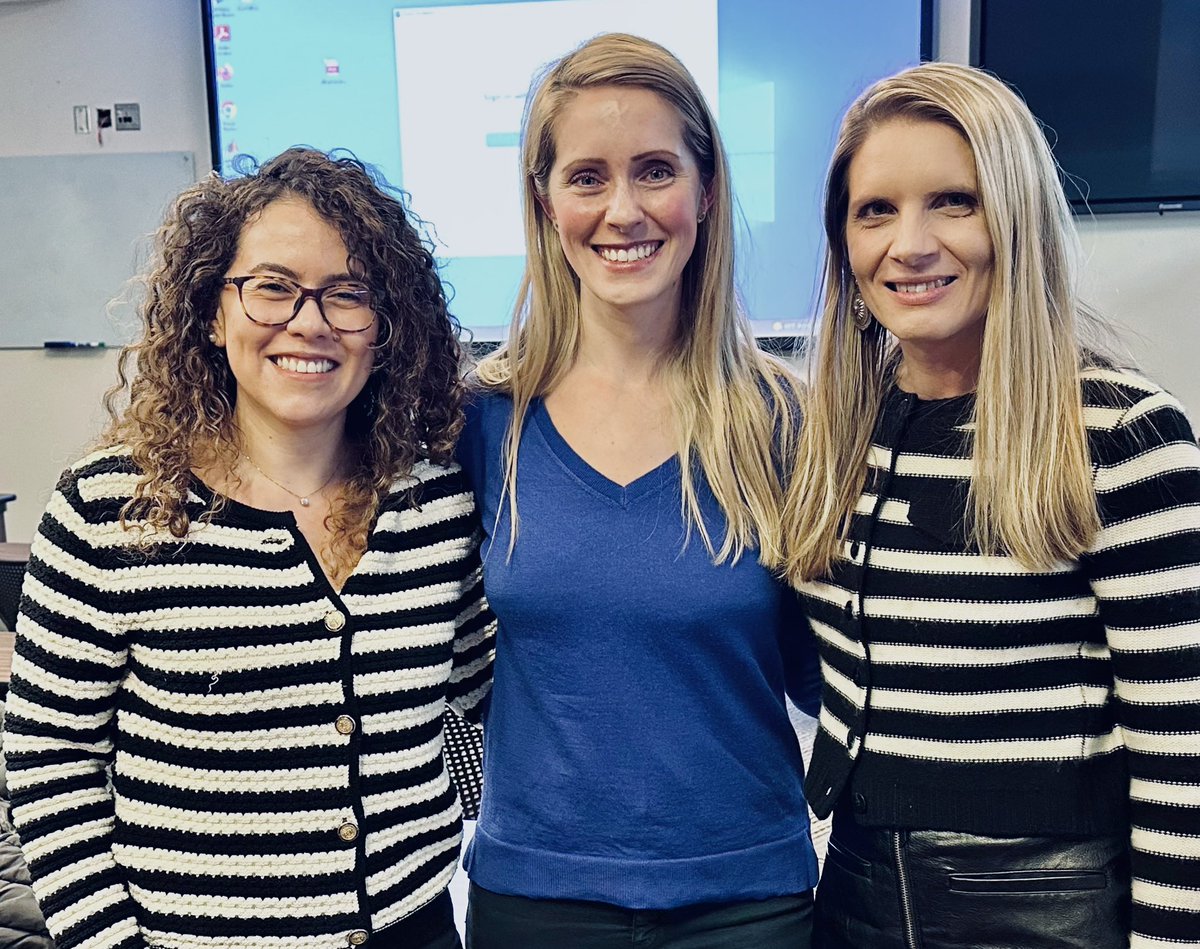
Yesterday we had the absolute pleasure of hosting @EmmaRiley19 at @TAMUECON - Such an inspiring visit!
Bonus: @TatianaZarate & I showed up totally twinning ☺️
1
2
641
17 Feb 2025
Excellent paper. Also see this great video by NAS: youtube.com/watch?v=TJio37Fo…
17 Feb 2025

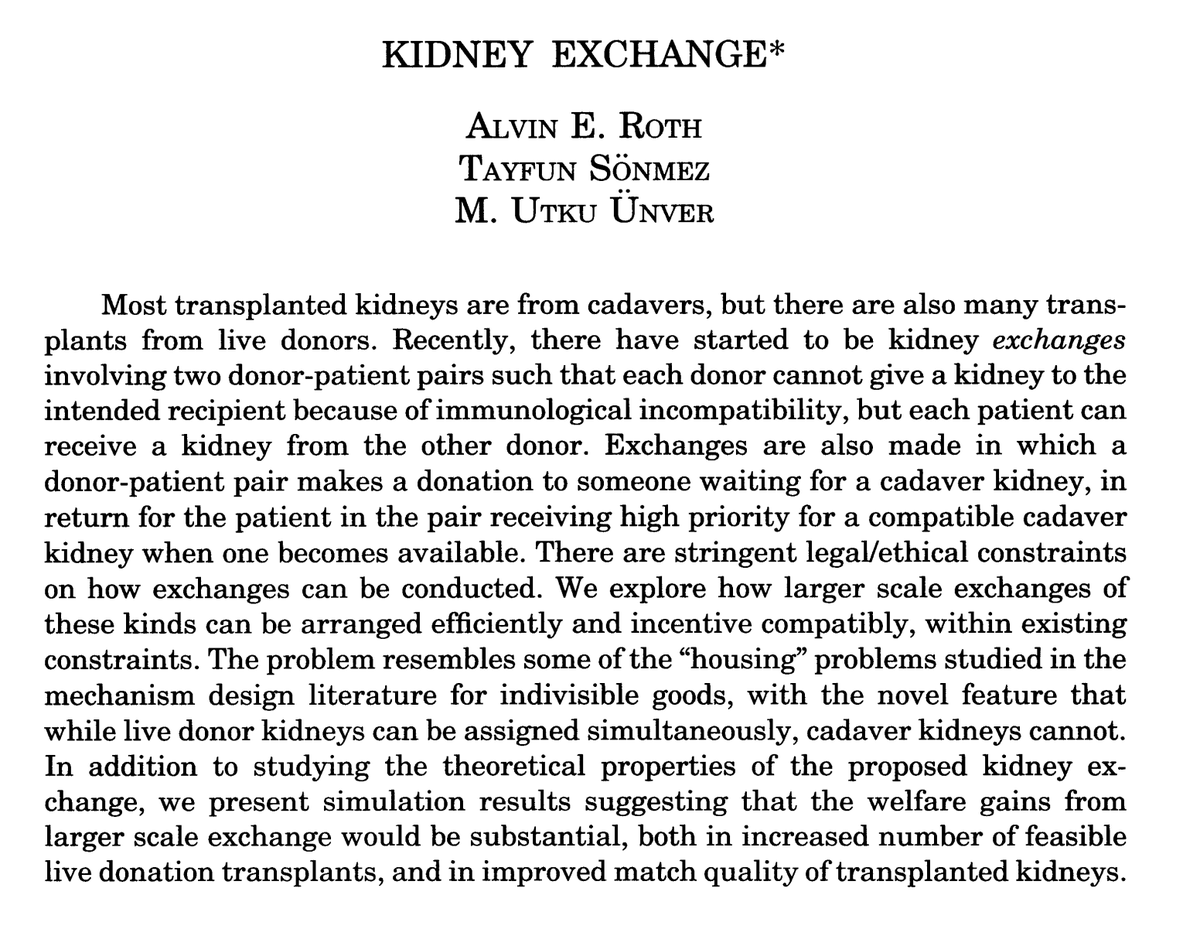
Week 7: The theory paper in focus this week is "Kidney Exchange" by Roth, @tyfn_sonmez & @muunver. Undoubtedly, it is one of the most influential (in terms of research in economics) and impactful (in terms of goodness in society) papers of 21st century (micro)economics.
9
1,752
17 Feb 2025
Highly recommended!
17 Feb 2025

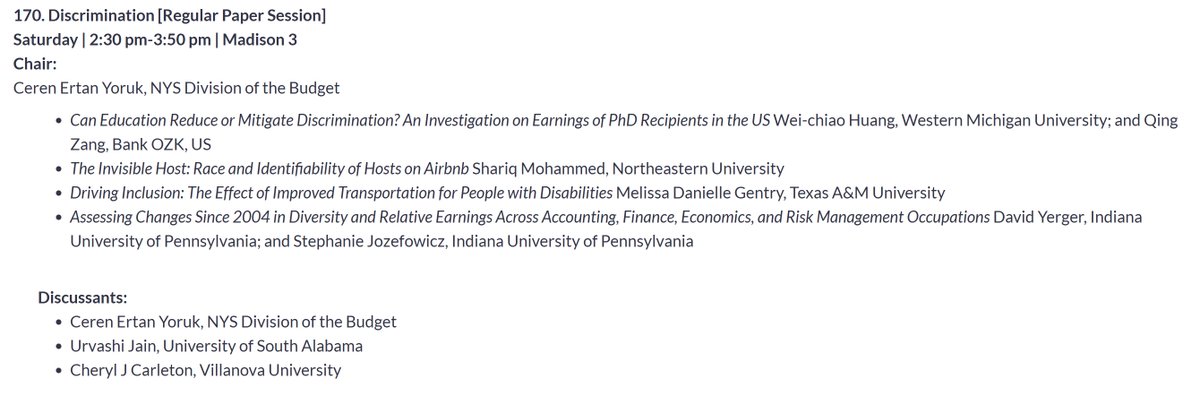
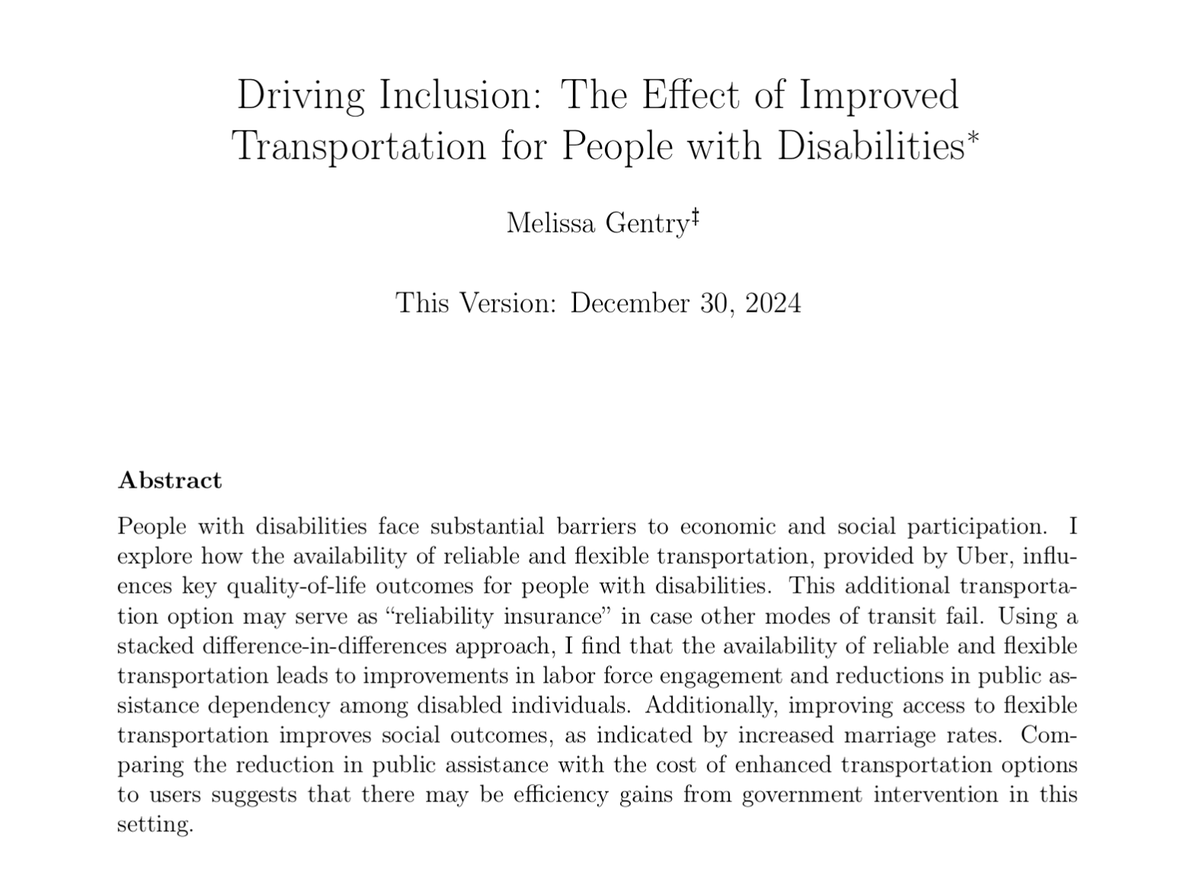
I am looking forward to presenting my solo-authored work on the impact of improved transportation on social and economic inclusion for people with disabilities later this week at Easterns! Hope to see some of you all there!
ALT Screenshot of a session at EEAs. The session is on discrimination on Saturday, February 22 at 2:30pm in Madison 3.
ALT Screenshot of the title page of a working paper titled "Driving Inclusion: The Effect of Improved Transportation for People with Disabilities" by Melissa Gentry.
1
2
1,257
27 Jan 2025
Yes.
27 Jan 2025

Do funny or creative titles get more citations? A recent study explores how different features of article titles impact citation rates.
We used @sci_summary to summarise the key findings #ad
Let’s dive into the paper by Heard, Cull, & White (2023). 🧵👇
3
290