Walt Halperin Endowed Assistant Professor @UWBiology, Curator of Ornithology @burkemuseum, Distinguished Investigator @wrfseattle, from 🇨🇴!
Joined June 2018
- Tweets 328
- Following 398
- Followers 671
- Likes 664
6 Photos and videos

Pinned Tweet

9 Nov 2020
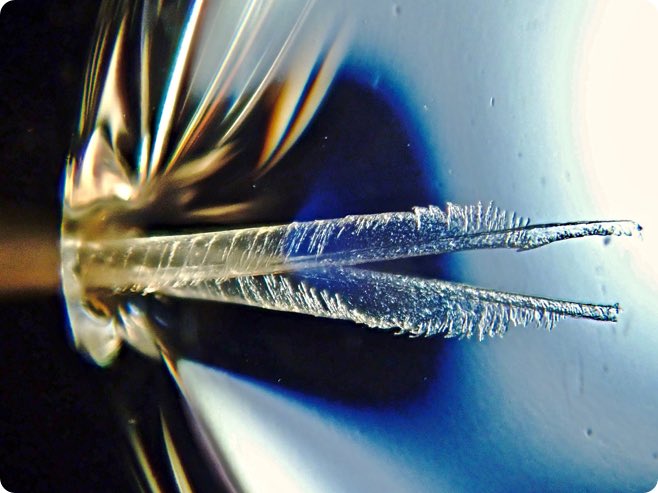
I made this to celebrate the winds of CHANGE! Enjoy!!!
9
60
Alejandro Rico-Guevara retweeted

9 Dec 2025
Morphological diversity in the honeyeater hyolingual apparatus and its relationship with nectarivory
journals.plos.org/plosone/ar…
1
66
Alejandro Rico-Guevara retweeted

19 Jul 2024
PicoCam: High-resolution 3D imaging of live animals and preserved specimens biorxiv.org/cgi/content/shor… #bioRxiv
2
3
2,175
Alejandro Rico-Guevara retweeted

24 Feb 2024
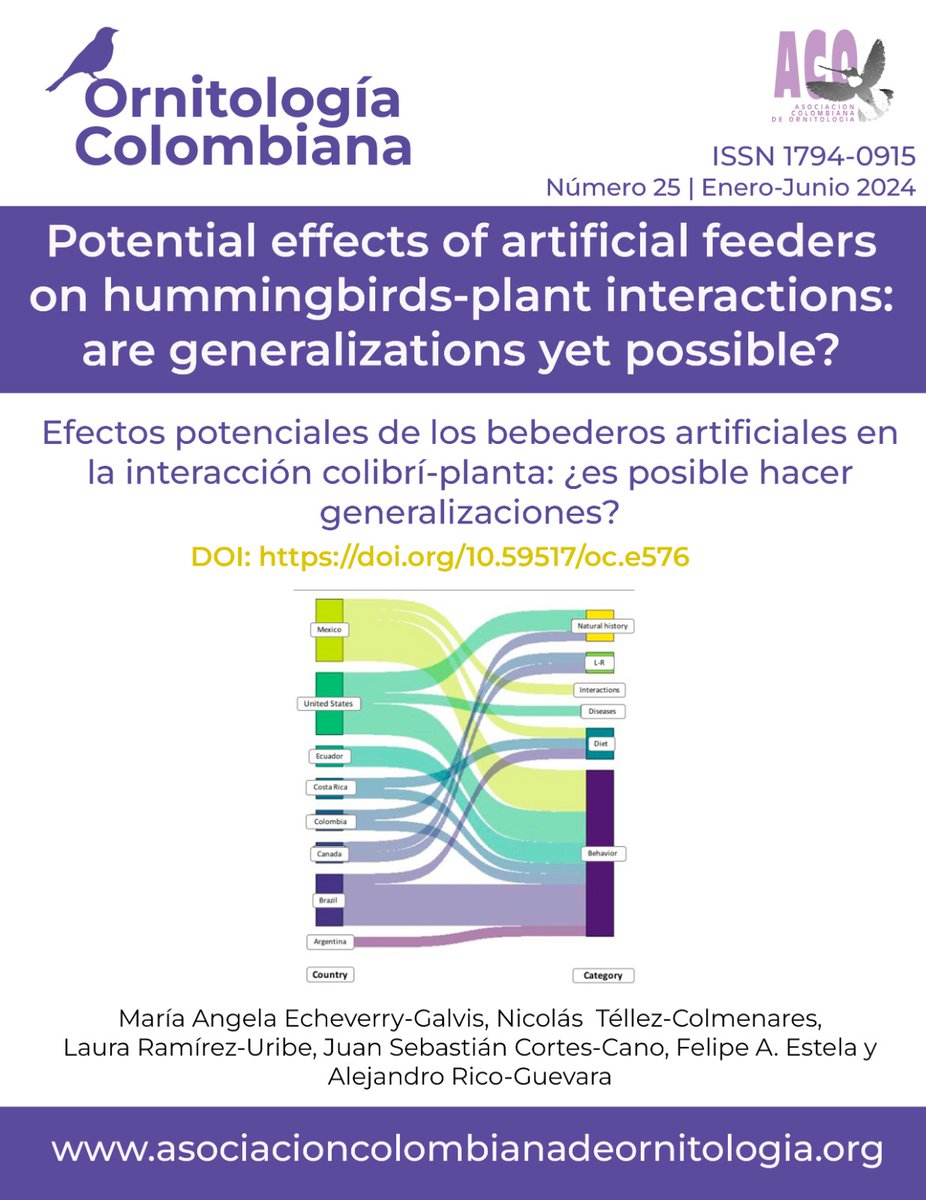
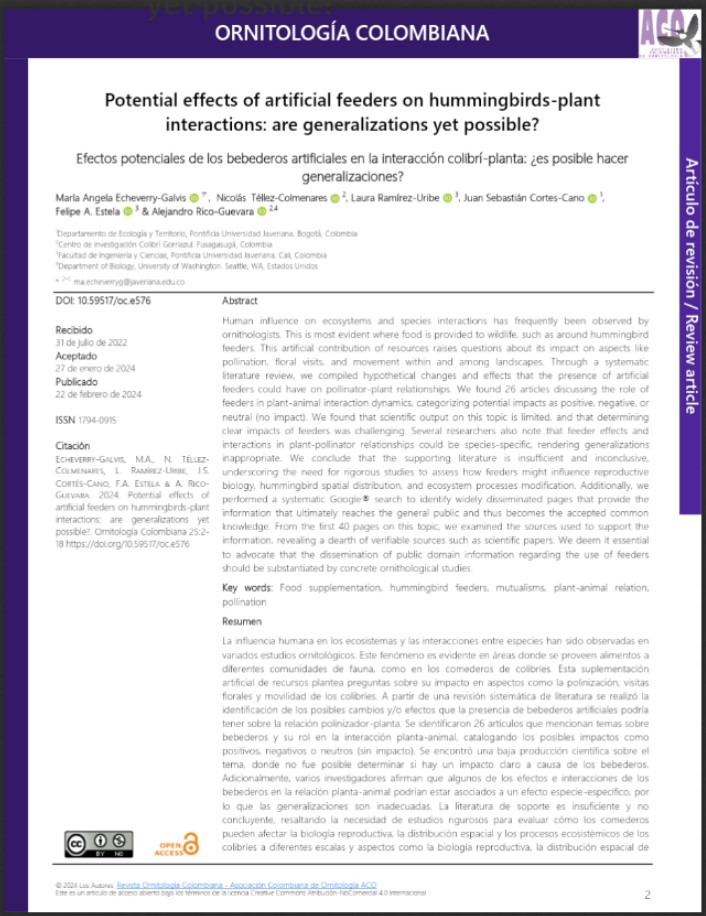
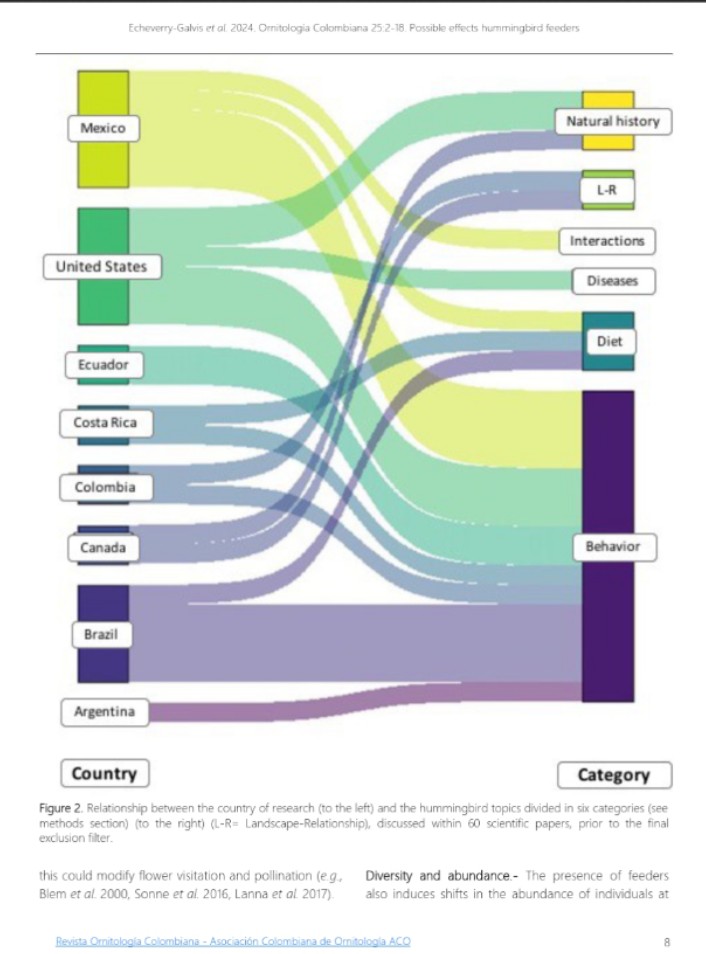
Manuscrito en inglés & español para poder seguir pensando en todo lo que aún no sabemos.

El uso de bebederos para colibríes es una práctica cada día más difundida en América que plantea preguntas sobre sus efectos en las especies y sus ecosistemas. 👇🏽
Conozca todos los detalles acá: asociacioncolombianadeornito…
#bebederos #colibries #hummingbirds #feeders
14
41
2,477
Alejandro Rico-Guevara retweeted

10 Jan 2024
#SICB2024 is over and we would like to say a big congrats to our 2024 Best Student Presentation Winners for DCB, David Cuban won the Mimi A. R. Koehl and Stephen A. Wainwright Award for their talk on feeding in sunbirds
7
17
3,352
Alejandro Rico-Guevara retweeted

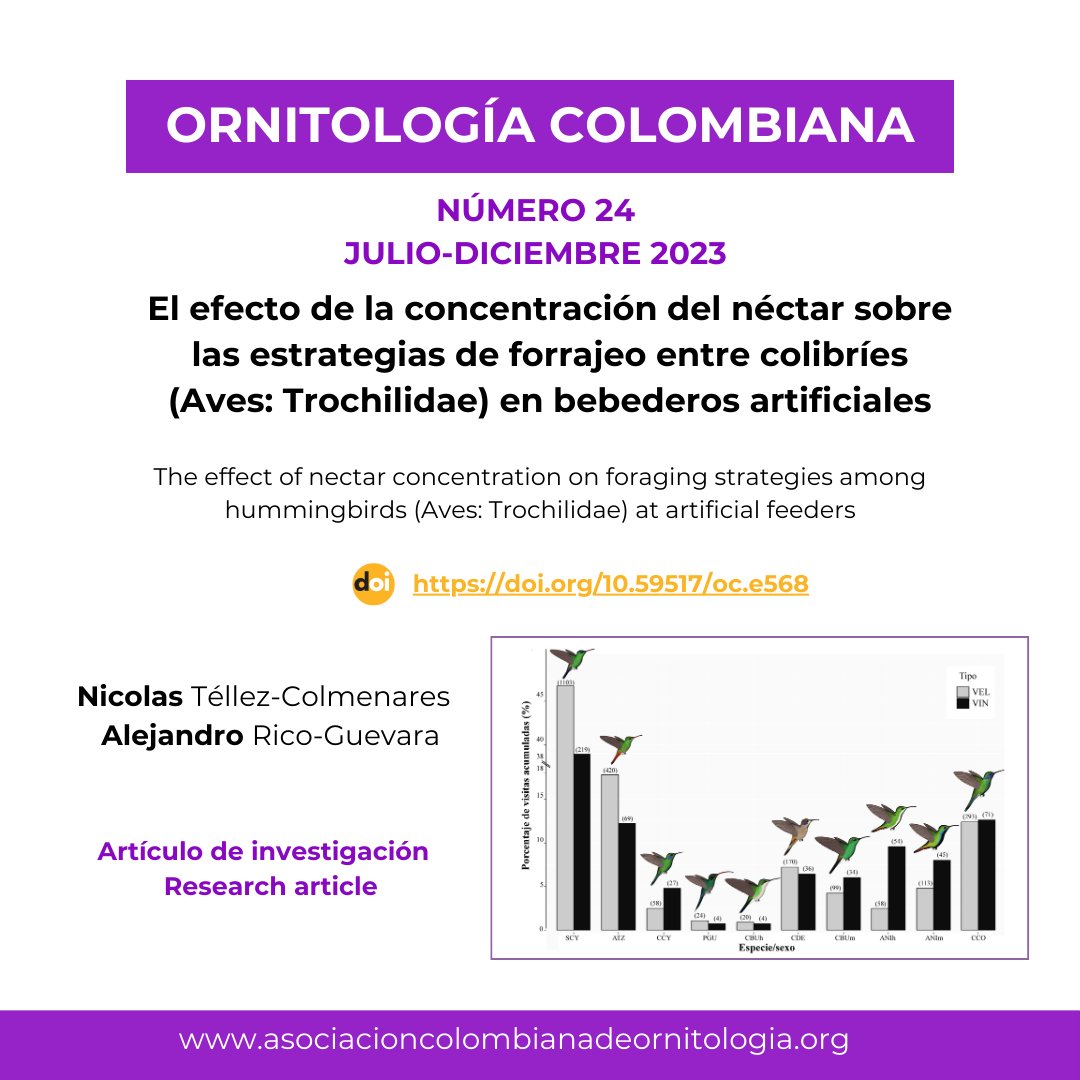
Abrimos el numero 24 de la revista #OrnitologiaColombiana 👉asociacioncolombianadeornito…
1
13
40
2,235
19 Jul 2023
Check out this science #dissemination article on our honeybee nectar-feeding research! Especially its connections to the importance of deepening our understanding of the details of the mechanisms for our broader understanding of ecological success:
science.org/content/article/…
1
2
13
981
19 Jul 2023
Reaching deep: honeybees adapt their nectar extraction mechanisms to maintain feeding efficiency! Check out our data- and methods- rich paper on #mechanoethology and the importance of considering the actual behavior rather than accepting preconceptions!
pnas.org/doi/abs/10.1073/pna…
3
7
445
9 Jul 2023
Hummingbirds are famous for hovering but they'd take any opportunity to avoid doing so, and this reflects in their evolution! A new highlight of our research, in a nutshell: "Clinging hummingbirds have smaller beaks and bigger feet than do honest hoverers"
x.com/NewsfromScience/status…
7 Jul 2023

Most hummingbird-pollinated flowers droop upside down, so the animals must nimbly hover to access them, frantically beating their wings up to 80 times a second.
Yet some sneaky hummingbirds can cheat the system—with the help of their toes. scim.ag/3gH
15
44
6,324
Alejandro Rico-Guevara retweeted

7 Jul 2023
Most hummingbird-pollinated flowers droop upside down, so the animals must nimbly hover to access them, frantically beating their wings up to 80 times a second.
Yet some sneaky hummingbirds can cheat the system—with the help of their toes. scim.ag/3gH
5
27
11,553
Alejandro Rico-Guevara retweeted

30 Jun 2023
Special Friday blog:
rounding out #Pride2023 with
Guidelines for Making #Fieldwork Accessible and Safer for #LGBTQ #Scientists with
@merreyum & @NaturalistKels
By @SICB_ Mangum participant Juliette Rault-Wang
integrativeandcomparativebio…

ALT Dr. Maryam Kamran (left) and Kelsey Jennings (right)
8
16
3,661
7 Jun 2023
Hummingbirds may seem noble hovering fairies that trade pollination services for nectar, but more than 20 times, short-billed species evolved long toenails to cling to feed or pierce flowers to steal nectar, while long-billed species must hover to feed.
journals.uchicago.edu/doi/ab…
2
27
86
10,193
7 Jun 2023
Extremely enjoyable and fruitful work with @rkcolwell, @tf_rangel, @Euastrum, @Salty_Sparrow, and Diego Sustaita! Stayed tuned for the typeset version which will be fully open access! In the meantime feel free to access this unformatted version here: robertkcolwell.org/media_fil…
2
9
443
5 Jun 2023
Tongues are the treasures that you rarely see because they are concealed inside the chest (mouth... confusing words with multiple meanings!), and there is so much to discover about these hidden gems!! Research from folks at our lab is featured here:
science.org/content/article/…
1
10
25
2,576
Alejandro Rico-Guevara retweeted
30 May 2023
Since first evolving 350 million years ago, the tongue has taken myriad forms, unlocking new niches and boosting the diversity of life. #LongReads scim.ag/2NX
5
17
6,792
13 May 2023
Awesome video featuring Nora Lee's work with us at the @burkemuseum instagram.com/p/CsKJtpgok8b/…
1
3
469
Alejandro Rico-Guevara retweeted

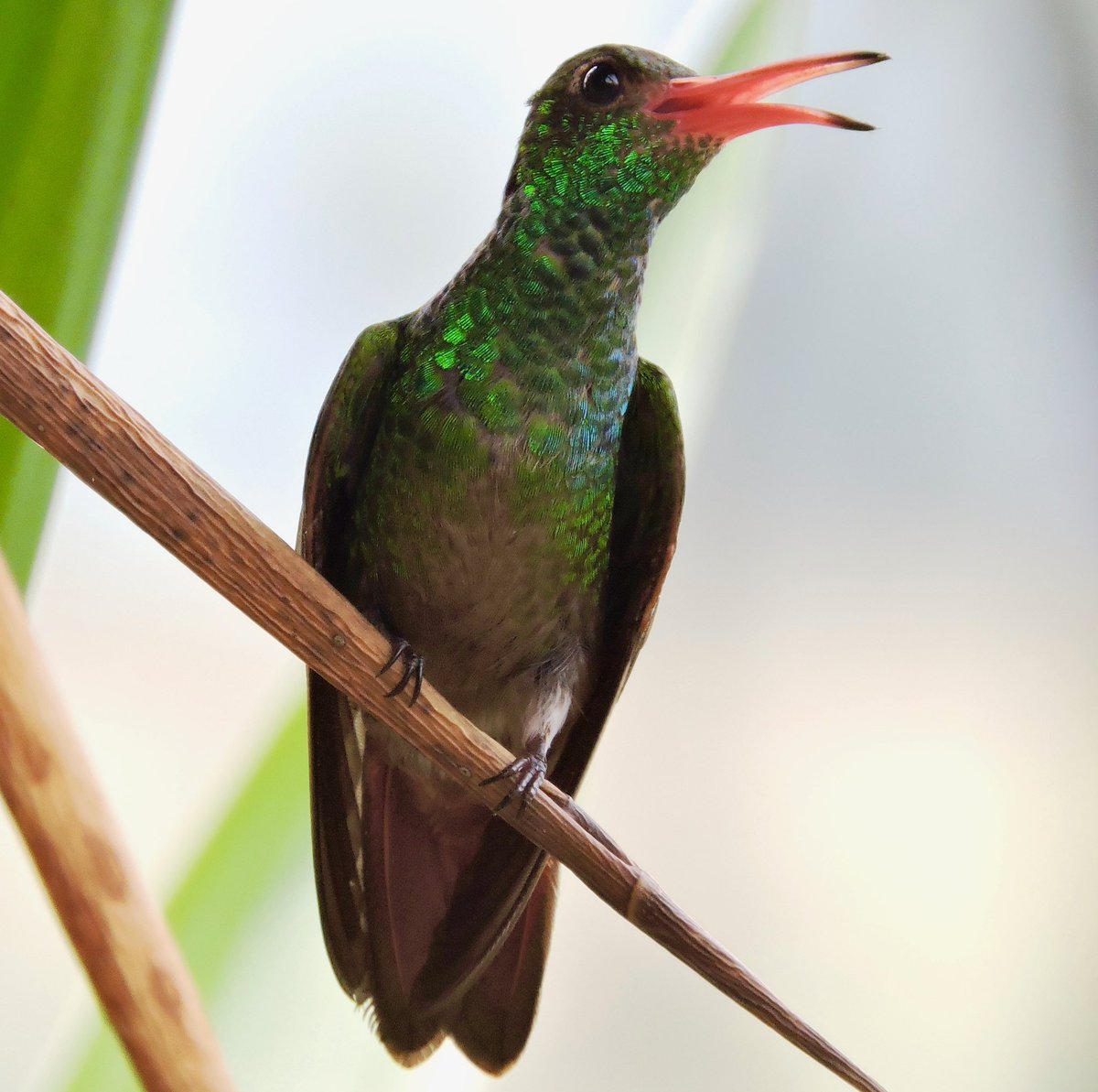
Cutting edge science doesn't have to involve the fanciest, most expensive technology.
In a new paper, Burke Ornithology Curator Alejandro Rico-Guevara (@ecophysicslab) shows just how much can be illuminated using a flashlight, a camera, and a tube full of sugar water.
2
4
15
1,516
6 Apr 2023
Check out Alyssa Sargent's (a PhD student at our Behavioral Ecophysics Lab) work on a STEM curriculum and a "Hummingbird game"! facebook.com/burkemuseum/pos…
1
9
490
Alejandro Rico-Guevara retweeted

27 Dec 2022
New research on adaptations to frugivory in the pale spear-nosed bat, #Phyllostomus discolor, by Laura Quinche, @SESantanaM & @ecophysicslab:
doi.org/10.1002/ar.25147
The paper is part of our upcoming Special Issue on ecological morphology and sensory biology of #bats
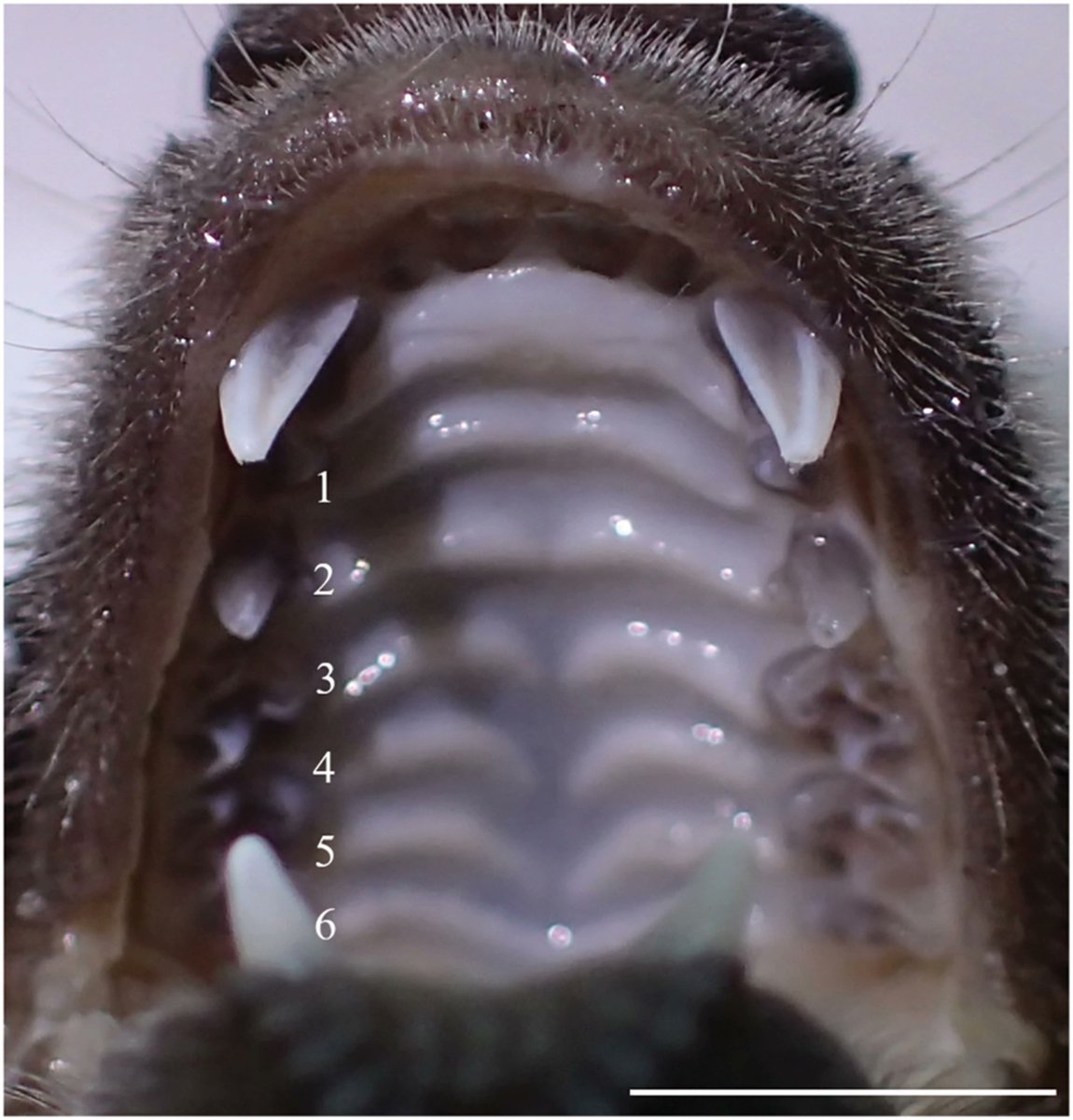
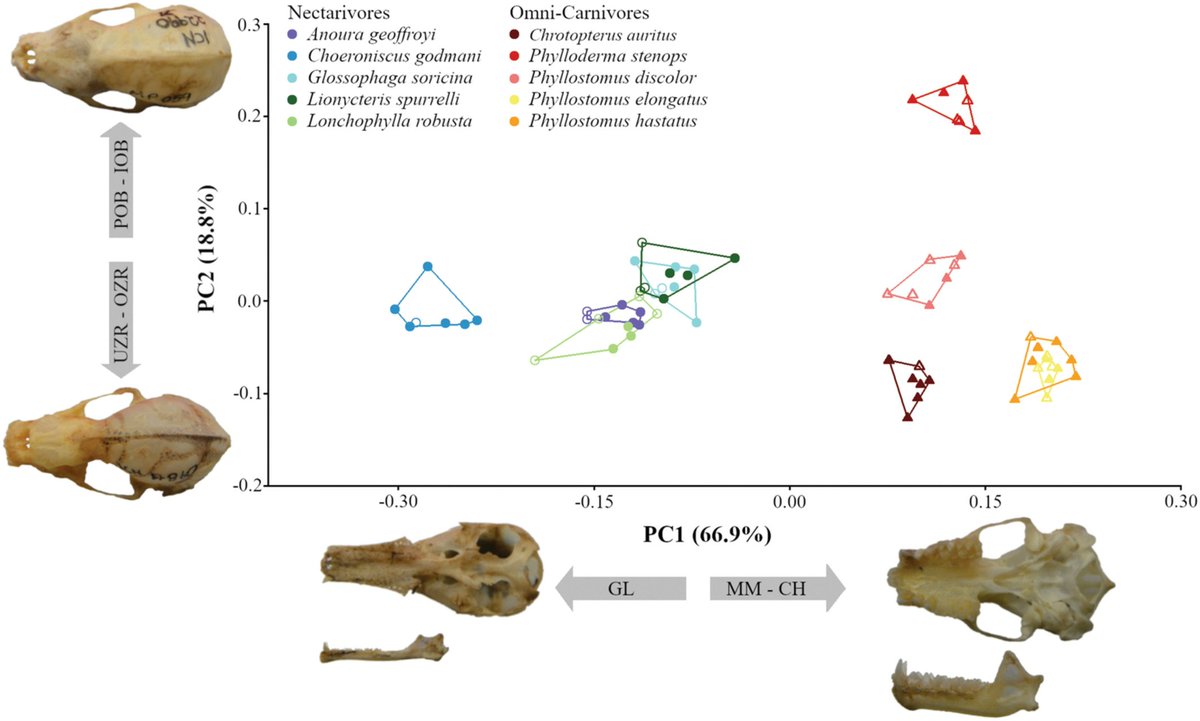
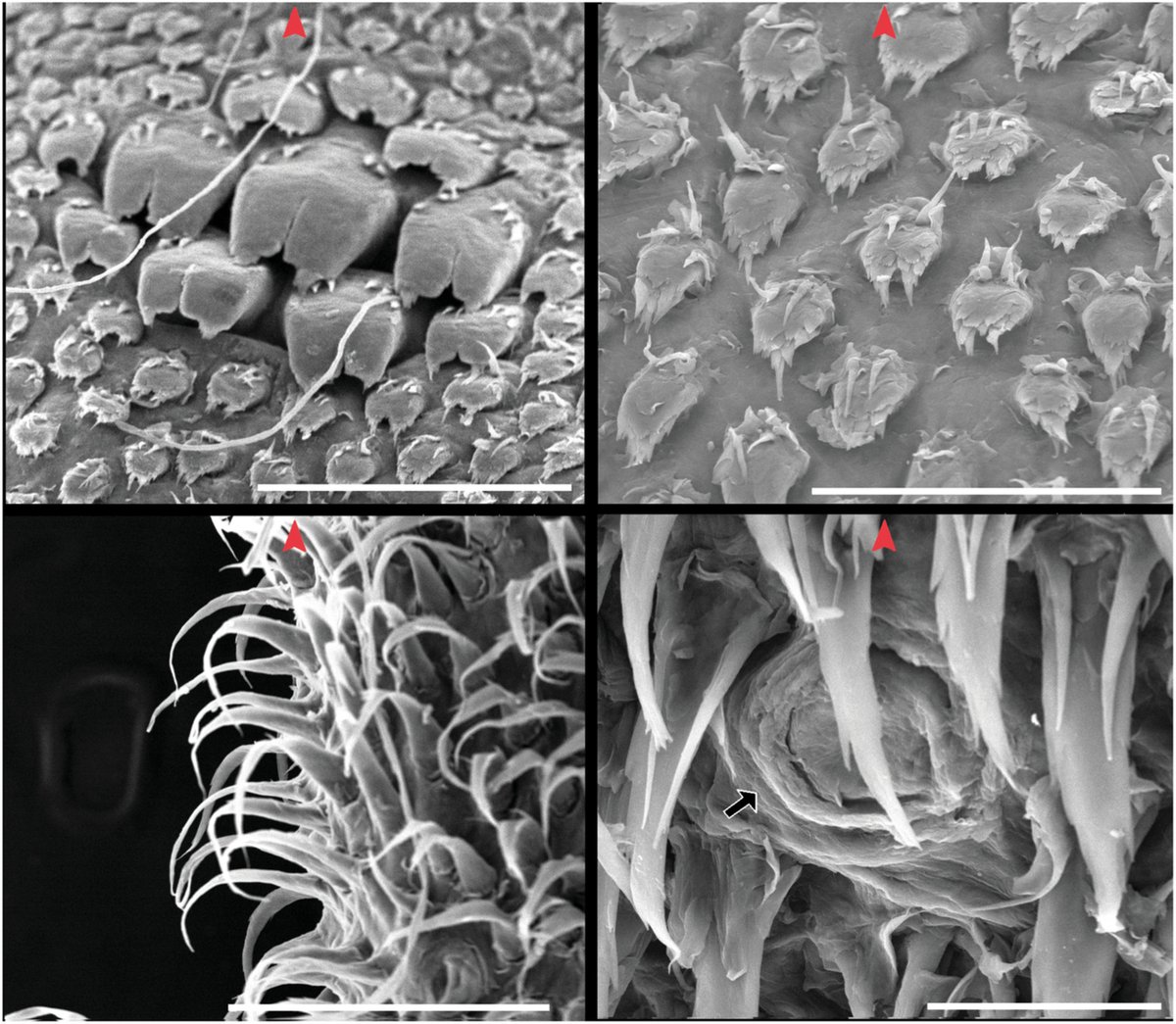
18
69
11,094
21 Dec 2022
Cover of the current issue! royalsocietypublishing.org/t…
21 Dec 2022

Our latest #hummingbird research is out in @RSocPublishing ! With @ecophysicslab @M_Araya_Salas Juan Parra and Gary Stiles. We studied how elevation and habitat structure gradients affect sexually dimorphic traits in the whole family, and we made the cover too!🧵
6
672
Alejandro Rico-Guevara retweeted

21 Dec 2022
Our latest #hummingbird research is out in @RSocPublishing ! With @ecophysicslab @M_Araya_Salas Juan Parra and Gary Stiles. We studied how elevation and habitat structure gradients affect sexually dimorphic traits in the whole family, and we made the cover too!🧵
14 Dec 2022

Thrilled to share our latest paper on the evolution of sexual dimorphism, dichromatism, and song (@M_Araya_Salas) in #hummingbirds, and how it is affected by habitat and elevation! doi.org/10.1098/rspb.2022.17… | Proc. of the Royal Society B
#colsci #ornithology #birds #BirdScience
1
5
29
4,496