
4,373 Photos and videos


JM OTON retweeted

Jun 11
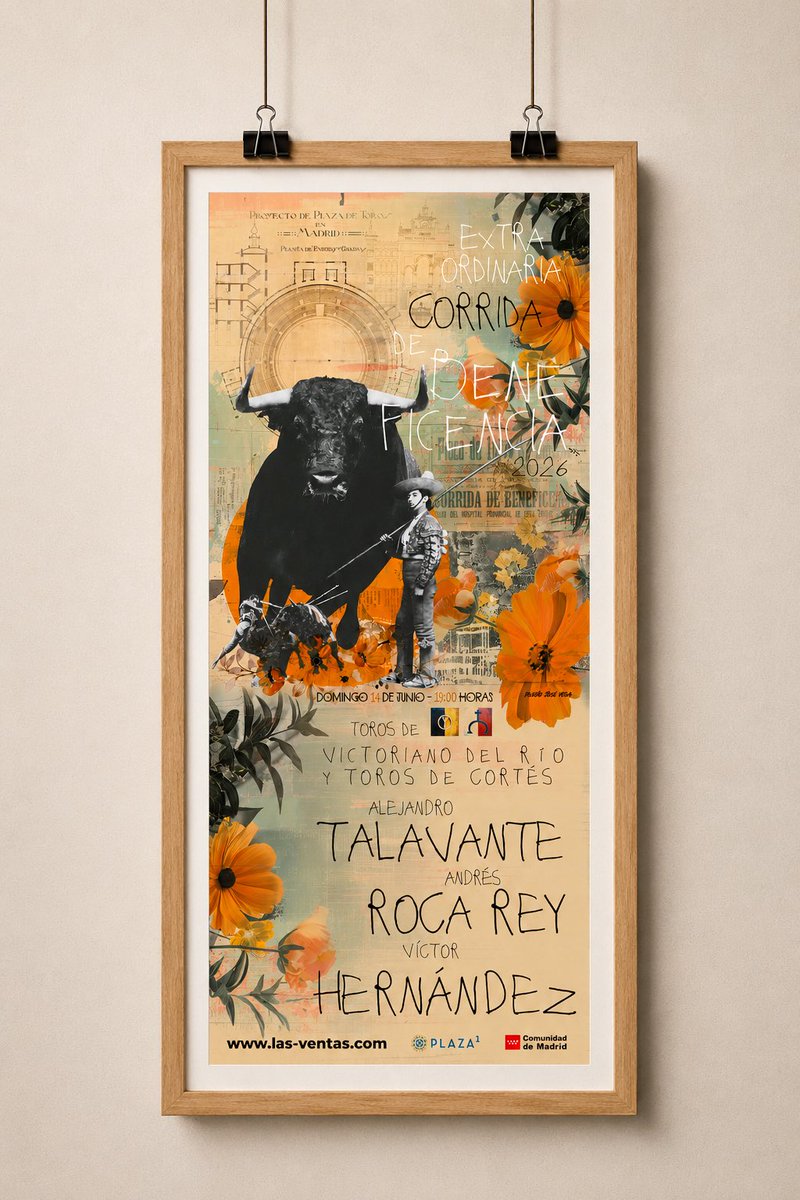
[🖼️ 𝗖𝗔𝗥𝗧𝗘𝗟] Este es el cartel conmemorativo presentado por el Centro de Asuntos Taurinos de la Comunidad de Madrid para la gran cita de la 𝐂𝐨𝐫𝐫𝐢𝐝𝐚 𝐝𝐞 𝐁𝐞𝐧𝐞𝐟𝐢𝐜𝐞𝐧𝐜𝐢𝐚 de este domingo, obra de José Vega. ¡Cuenta atrás!
1
21
93
6,362
JM OTON retweeted

Jun 12
Celebrando el Sagrado Corazón de Jesús, cómo imitar y agradecer su amor infinito a través de nuestras obras y vida. ¿Qué podemos hacer para responder a ese amor? Amar como Él ama. Deja que Cristo ame a través de ti. #SagradoCorazon #AmorDivino
9
109
468
2,178
JM OTON retweeted

Jun 10
Celebro que Sheinbaum tiene miedo de ir al Mundial.
En el estadio no puede callar el rechazo de los mexicanos:
1,091
4,216
14,672
267,849
JM OTON retweeted

Jun 9
Never seen this before - Neil Young in rehearsals for the Bob Dylan 30th Anniversary Celebration doing "Forever Young" solo on pump organ and harmonica. Wow!
(When the camera zooms out at the end you can see a young Eddie Vedder looking on)
27
195
1,453
84,581
JM OTON retweeted
Jun 10
Jesús no vino a anular la ley, sino a darle plenitud. El verdadero amor es entregarse y buscar el bien de los demás. Obras son amores, no buenas razones. #Fe #Amor #Inspiracion #Bendiciones #Reflexion
12
100
417
1,817
JM OTON retweeted

Jun 10
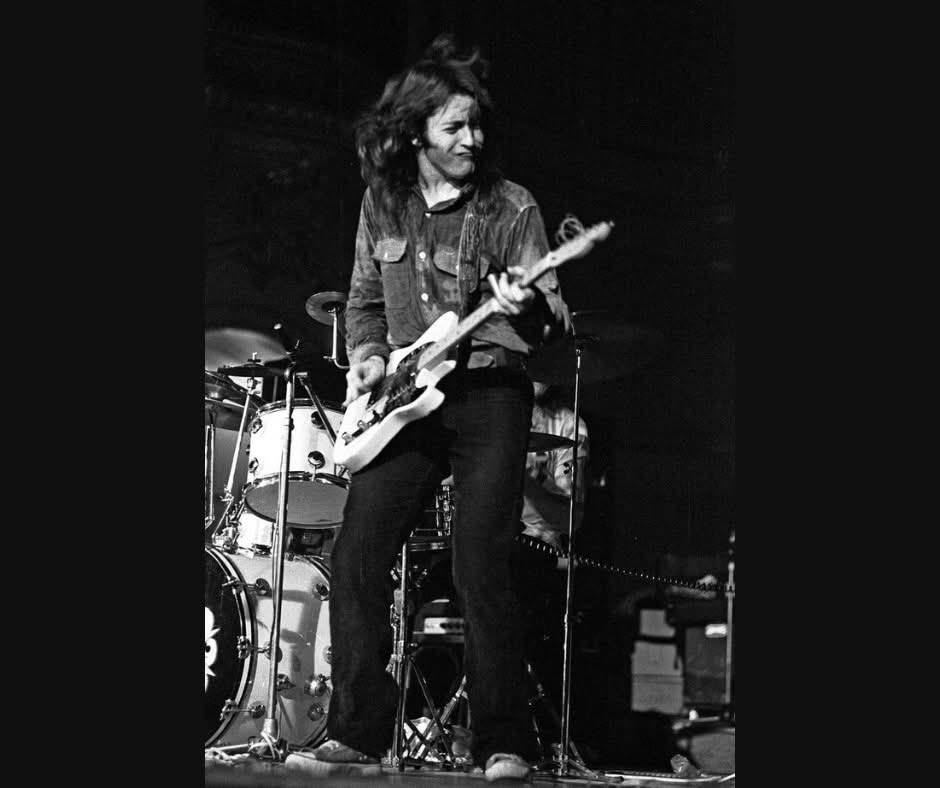
In 1995, Rory Gallagher lay dying in a London hospital.
His liver was failing.
He was only 47 years old.
The transplant surgery succeeded.
Then, while recovering in the ICU, he caught MRSA.
He slipped into a coma and died weeks later.
Outside Ireland, most people barely know his name.
But ask almost any legendary guitarist about Rory Gallagher…
…and watch their face change.
Brian May said Rory helped shape Queen’s sound.
Slash said the same about Guns N’ Roses.
Johnny Marr called him “the man who changed my musical life.”
The Edge said it too.
Even The Rolling Stones tried to recruit him.
He turned them down.
Rory Gallagher was born in Ireland in 1948 and grew up in Cork.
At age 9, he got his first guitar.
At 15, he bought a battered 1961 Fender Stratocaster for £100.
He would play that same guitar for the rest of his life.
By the end, most of the paint had literally worn off from sweat and constant touring.
He started playing tiny clubs as a teenager before forming a blues-rock band called Taste.
By 1969, Taste was exploding across Europe.
They opened for Cream’s farewell concert.
Toured America with Blind Faith.
Played the Isle of Wight Festival.
Then it all collapsed.
The band broke apart in 1970.
Rory went solo.
And this is where his story became unusual.
He never tried to become a celebrity.
No flashy image.
No rock-star persona.
No tabloid life.
Just jeans, a checked shirt, and a guitar.
While most bands avoided Ireland during The Troubles, Rory toured there constantly.
Belfast.
Derry.
Dublin.
Catholics and Protestants standing together in the same audience during one of the most violent periods in Irish history.
Music first.
Always.
Offers kept coming.
Cream wanted him.
Deep Purple wanted him.
Canned Heat wanted him.
Then, in 1975, Mick Jagger personally invited him to audition for The Rolling Stones after Mick Taylor left.
Rory flew out.
Played with the Stones.
Then quietly left for another tour commitment without ever really answering them.
Ronnie Wood got the job instead.
By the late 1980s, everything started changing.
Synth-pop replaced blues-rock.
Record sales dropped.
Rory developed a severe fear of flying.
Doctors prescribed heavy sedatives.
He mixed them with alcohol while continuing relentless tours.
Night after night.
Year after year.
The combination slowly destroyed his liver.
Still, he kept performing.
Because the stage was the only place he truly seemed alive.
Offstage, he was intensely shy.
No marriage.
No children.
No celebrity lifestyle.
Just crime novels, isolation, and music.
His final concert was January 10, 1995, in the Netherlands.
He looked visibly ill.
The tour was cancelled.
Weeks later, his brother found him gravely sick in his apartment.
Doctors said only a liver transplant could save him.
The operation worked.
Then the hospital infection killed him instead.
Ireland mourned like it had lost family.
Thousands lined the streets for his funeral in Cork.
Today, Ireland has:
• statues of Rory
• streets named after him
• commemorative coins
• annual festivals in his honor
Yet outside Ireland, many people still have no idea who he was.
But musicians do.
Because Rory Gallagher became something rarer than fame:
A guitarist’s guitarist.
A man who loved music more than celebrity.
And played until his body finally gave out.
91
166
902
60,280
JM OTON retweeted

Jun 10
4
44
337
4,586
JM OTON retweeted

Jun 9
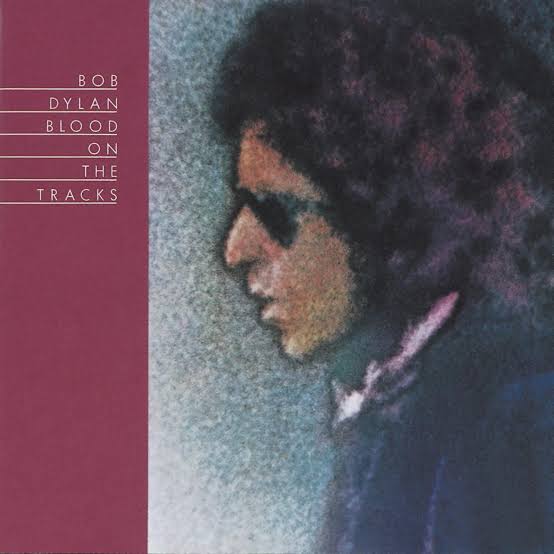
A song so spiteful that Lou Reed wished he'd written it, 'Idiot Wind' is Bob Dylan at perhaps his most venomous and almost certainly at his most autobiographical. The snarling melody of the title line also makes it one of his most accessible, a wickedly delicious combination...
43
61
602
29,517
JM OTON retweeted

Jun 8
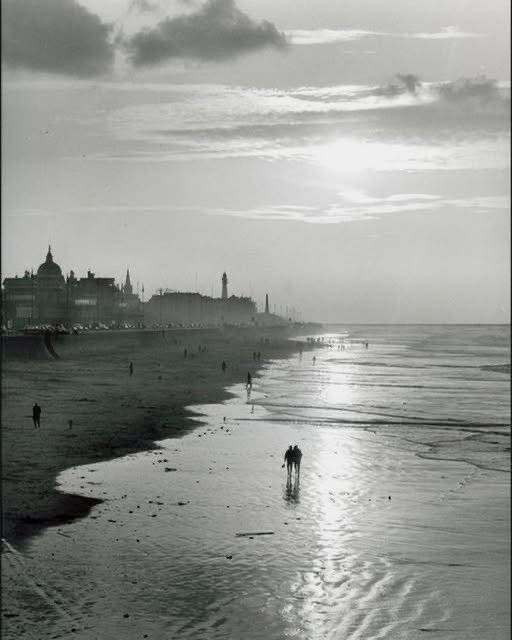
"Viajar, dormir, enamorarse, son tres modos de irse a lugares que no siempre entiendes."
Ángeles Mastretta
📷 Kees Schere
6
288
1,156
21,176
JM OTON retweeted

2
29
1,793
JM OTON retweeted
Jun 8
La verdadera felicidad está en las obras, no solo en el sentimiento. Después del Corpus Christi, vivamos como Jesús vivió. #FeYVida #InspiracionDiaria #Bienaventuranzas #AmorCristiano
12
93
427
1,920
JM OTON retweeted
Comentario de El.Rosco7 de la Vigésimo cuarta de Feria de San Isidro #aficionadosaltoreo #feriadesanisidro #cronica
3
3
43
6,447
JM OTON retweeted
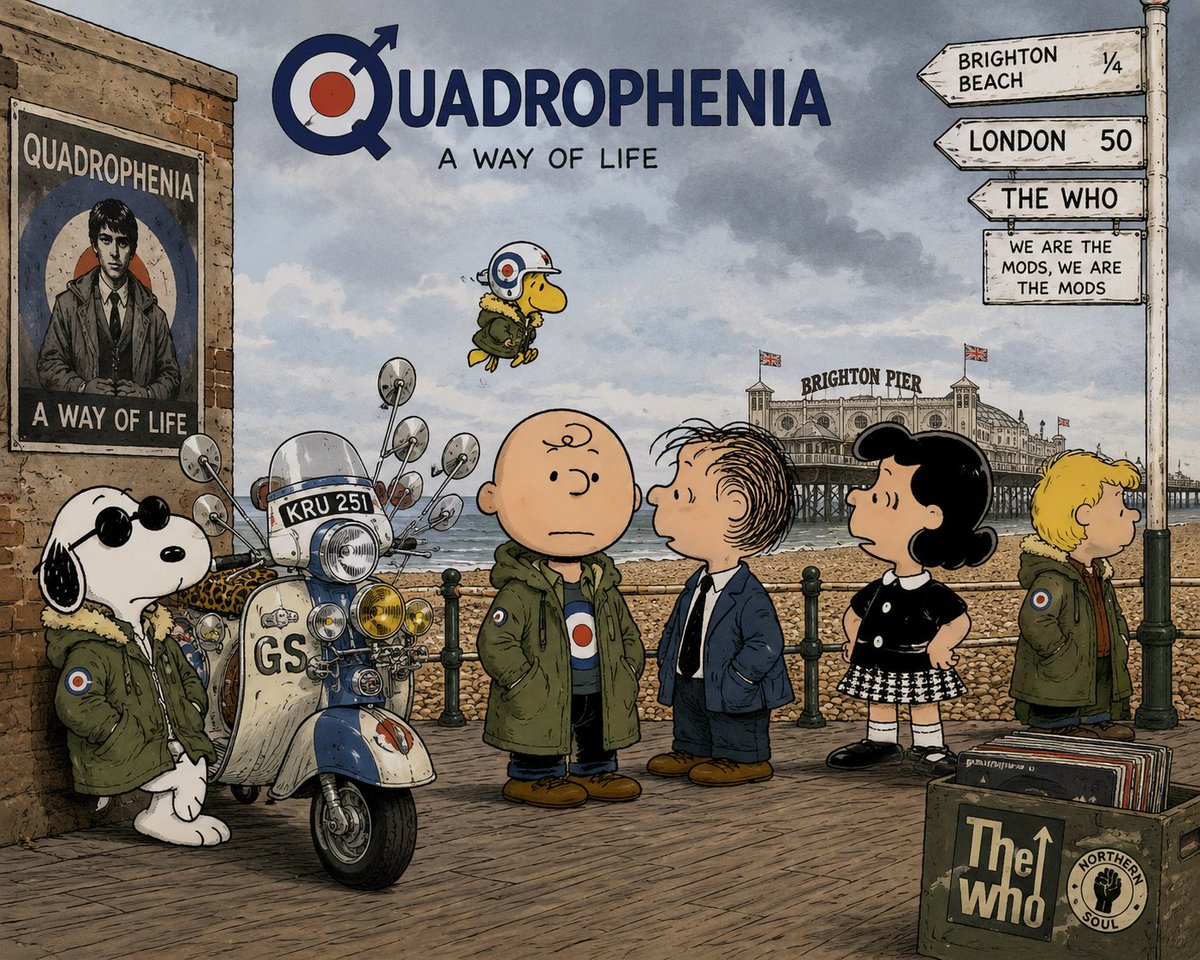
We are Peanuts, We are Peanuts...
8
72
345
8,821


JM OTON retweeted

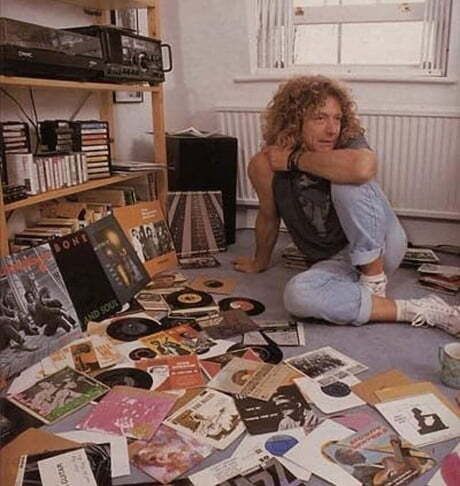
What was the first album you bought with your own money?
654
32
555
57,321
JM OTON retweeted
Jun 5
La multitud escuchaba fascinada a Jesús, maravillada por su elocuencia y coherencia. Pero la fe verdadera no solo se escucha, se practica. Nuestras obras demuestran nuestro amor. ¿Dónde necesitas que tu fe transforme tus acciones hoy? #Fe #ObrasSonAmores #Inspiracion
14
113
433
2,287
JM OTON retweeted
4
3
23
1,730
JM OTON retweeted

Quien amenaza la soberanía de los mexicanos no es EEUU. No es España. Y desde luego no es la Historia: Hernán Cortés o Isabel la Católica.
Son tres flagelos.
Internos, coludidos y corrosivos.
1. El crimen organizado.
2. El populismo autoritario.
3. La mentalidad de dependencia.
2,356
14,743
39,023
833,899