
President @NewLantern Partners. Former @Microsoft @WhiteHouse @WPP. Passion for STEM, rural America, wordcraft, and a good ditty. Made in Tenn. #Vols #IU
Joined February 2009
- Tweets 4,772
- Following 10,622
- Followers 10,992
- Likes 2,302
310 Photos and videos

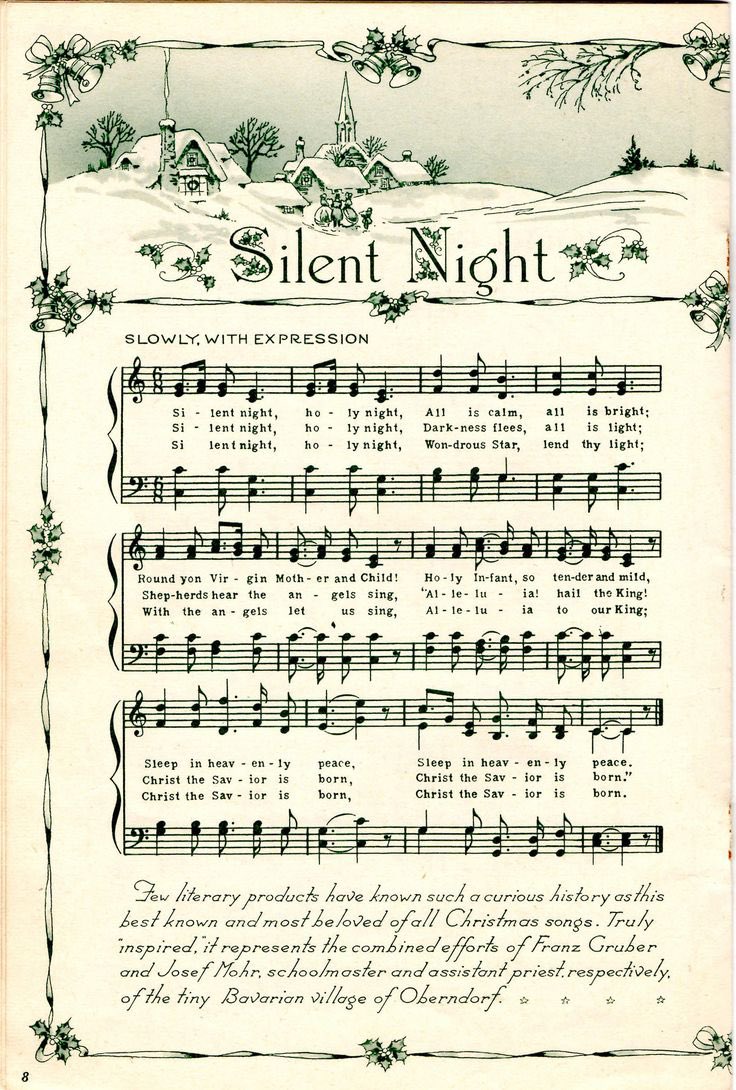
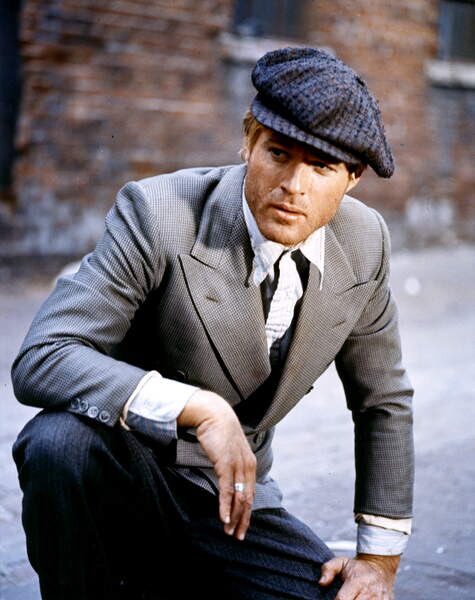

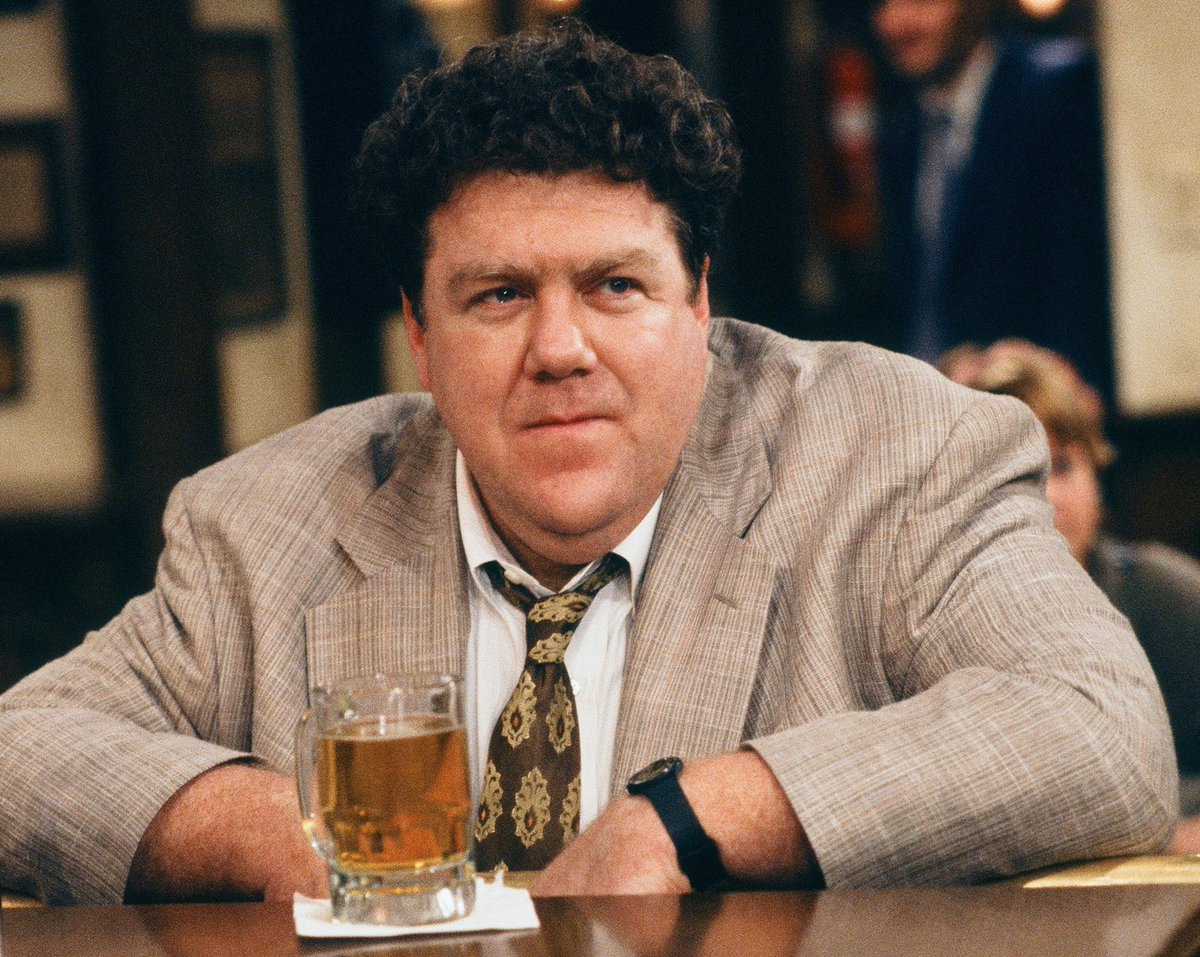
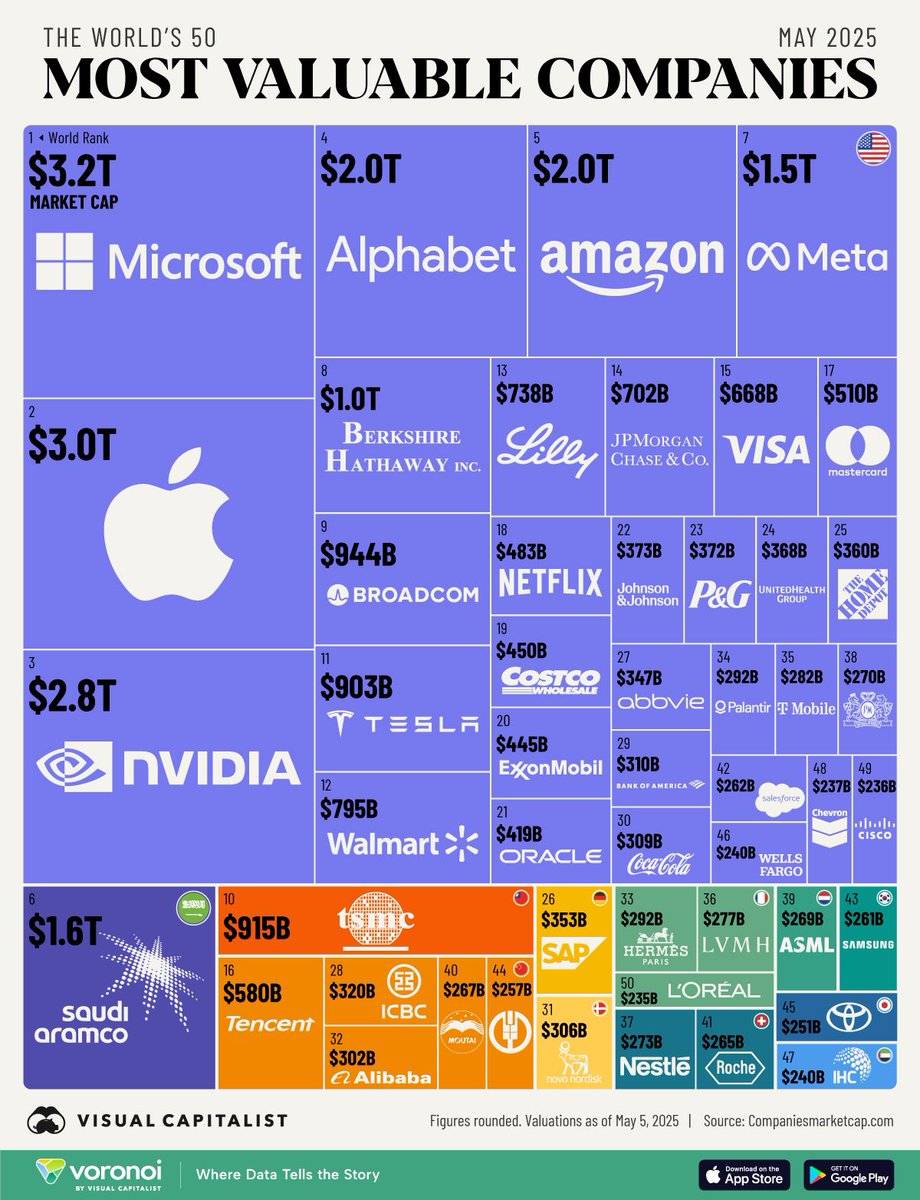

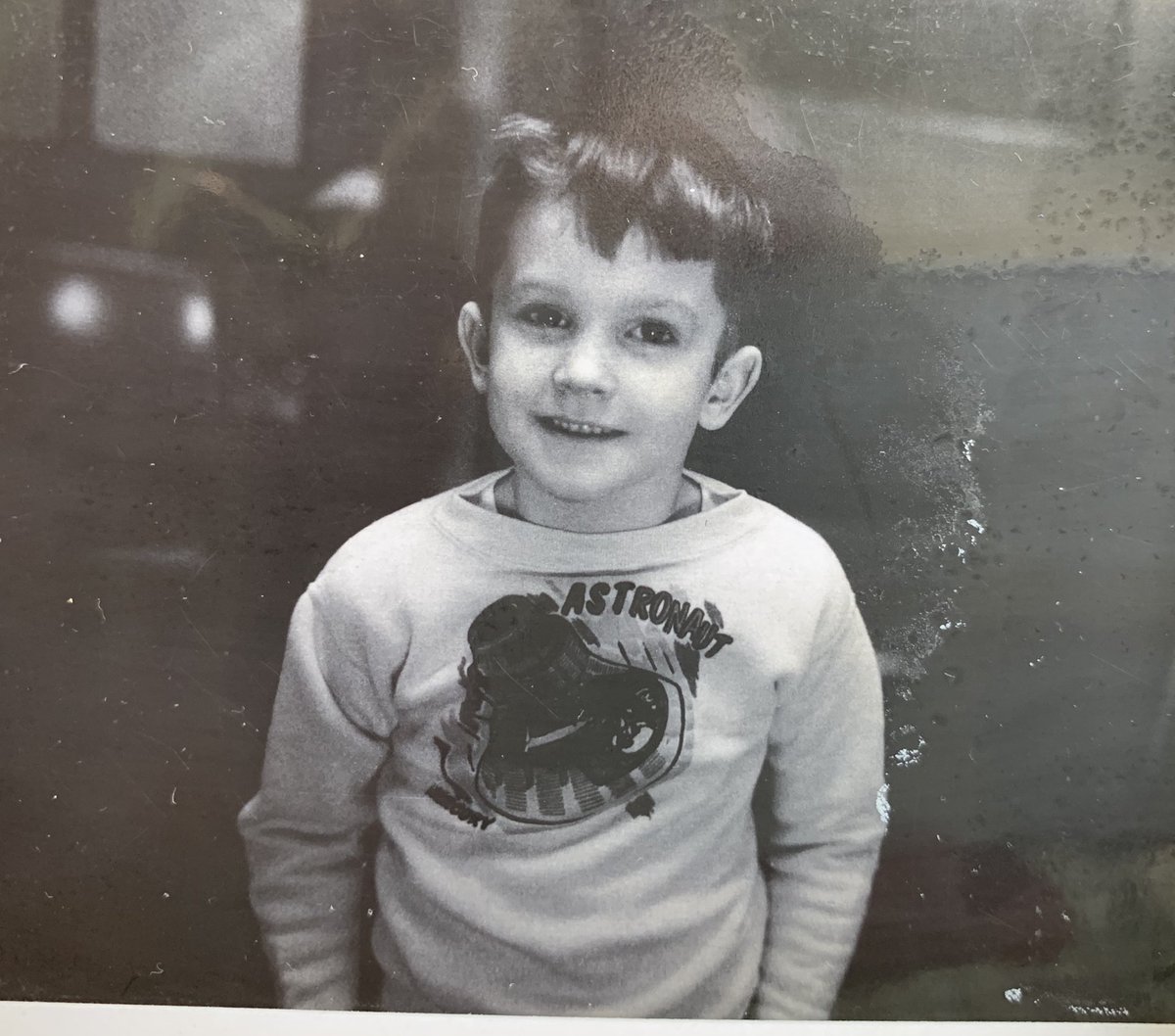
The space program in the 1960s inspired thousands of young kids across the US to dream big, including this 5-year-old from small town TN who never wanted to take off his astronaut sweatshirt. Thank you @NASA for your impact on generations. #OneGiantLeap #Apollo50th #STEM
16
81
315
Ed Ingle retweeted

Jun 12
The film Cleopatra, starring Elizabeth Taylor and Richard Burton, was released today in 1963.
It was the most expensive film made to that time at $44 million!
4
44
647
46,277
Amazing comeback! OMG!
Jun 11

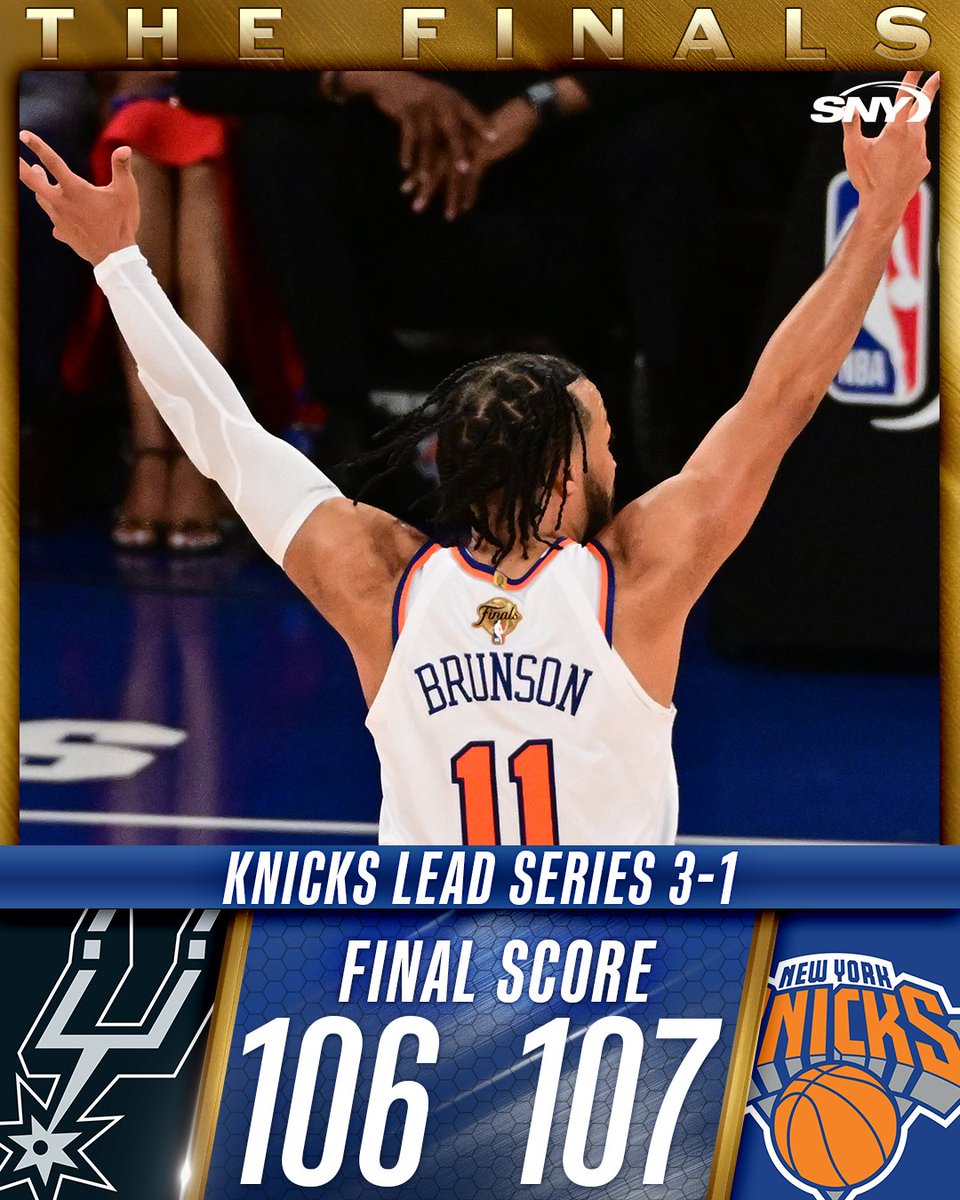
THE GREATEST COMEBACK IN NBA FINALS HISTORY.
THE KNICKS LEAD THE NBA FINALS 3-1!!!!!!!!!!!!!
92
Ed Ingle retweeted

Remembering the great Ray Charles, who passed away 22 years ago today.
29
452
1,687
36,227
Ed Ingle retweeted

Jun 7
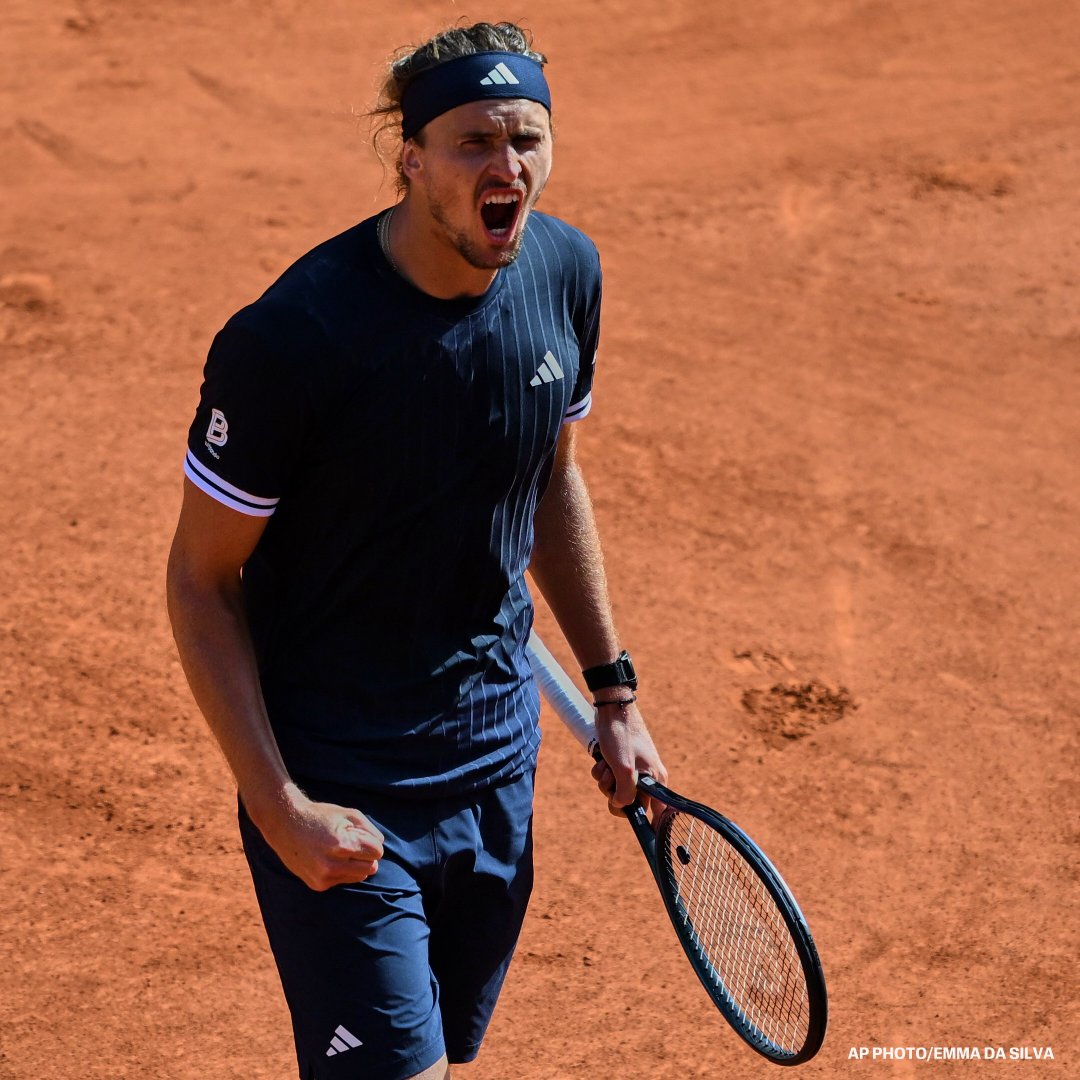
Alexander Zverev wins the French Open! It's his 1st career major title in his 41st Major appearance.
Only Goran Ivanisevic (48 appearances) needed more attempts among men in the Open Era before winning his 1st major title 🎾
25
97
750
52,930
Ed Ingle retweeted

Jun 6
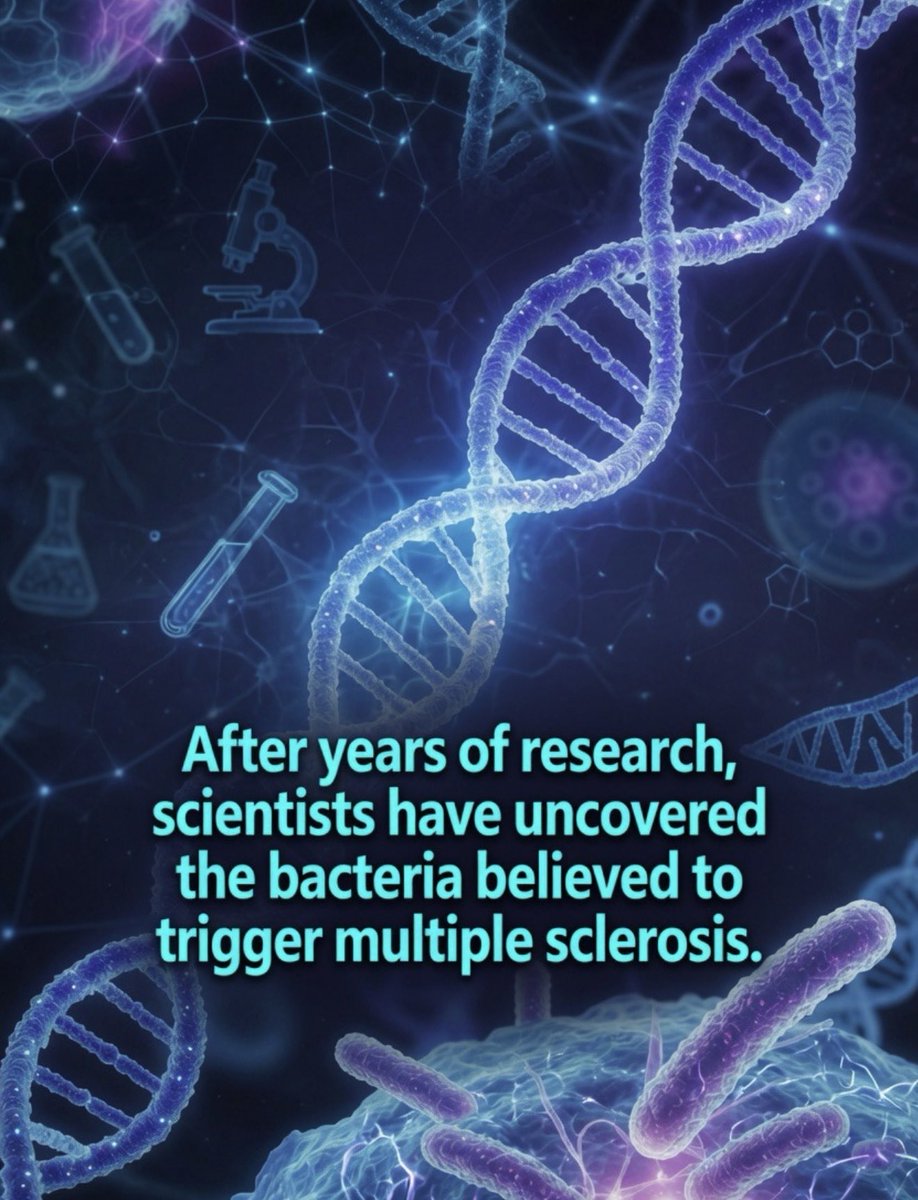
New research has uncovered a possible link between gut bacteria and the development of multiple sclerosis (MS).
Scientists at Ludwig Maximilian University of Munich investigated the condition by studying identical twins, a design that helped minimise the effects of genetics and environment.
The team analysed 81 twin pairs in which only one sibling had MS and identified two bacterial strains that were consistently associated with the disease.
The microbes, Eisenbergiella tayi and Lachnoclostridium, were found in significantly higher levels in individuals with multiple sclerosis. When these bacteria were introduced into mouse models, they triggered symptoms resembling MS, suggesting they may play an active biological role rather than simply being correlated with the condition.
These findings strengthen growing evidence that the gut microbiome may influence autoimmune diseases. While further studies in humans are still required, the research offers one of the strongest indications so far of a potential gut–brain connection in MS.
The results also raise the possibility that future treatments could target or modify these bacteria in order to delay, reduce, or potentially prevent the development of the disease.
40
109
413
70,001
Ed Ingle retweeted

May 31
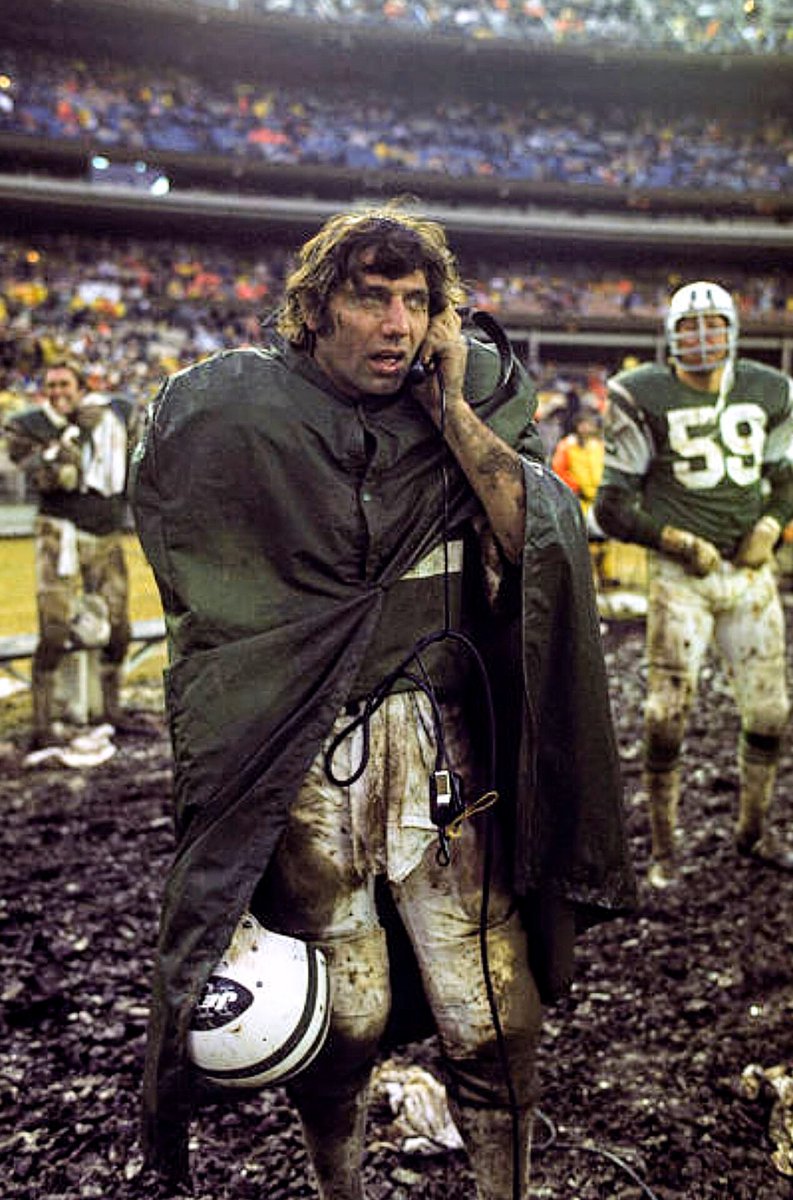
Happy Birthday, Broadway Joe!
Joe Willie Namath
25
114
1,085
34,750
Ed Ingle retweeted

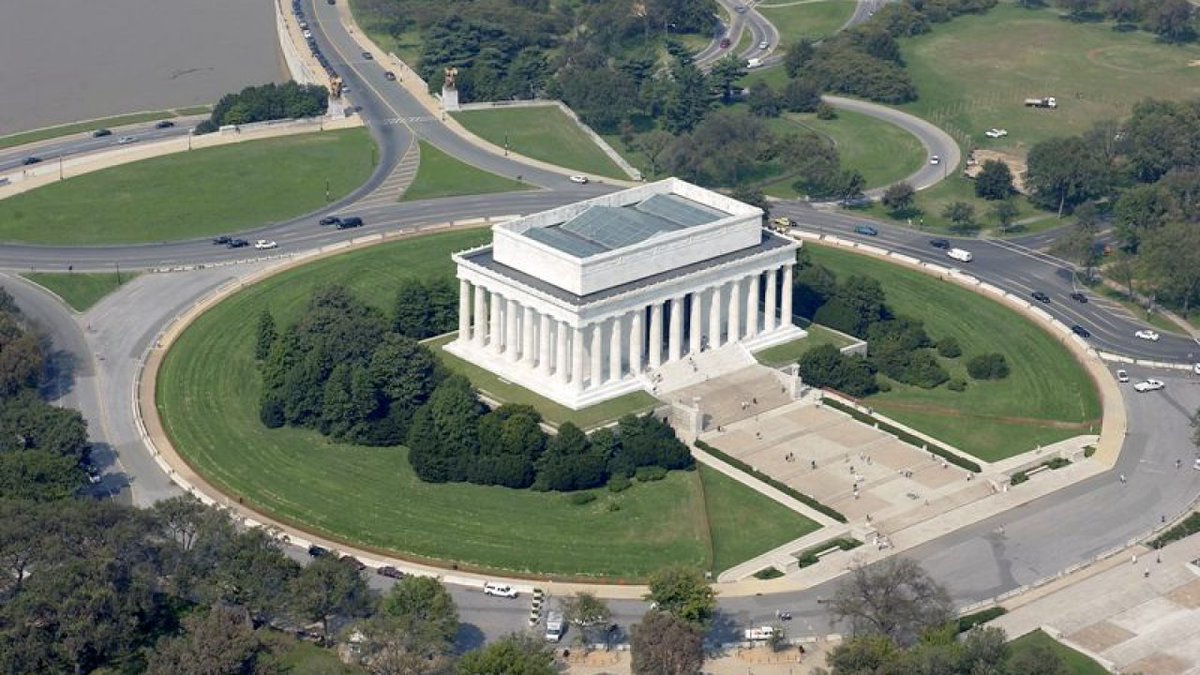
#OTD in 1922, the Lincoln Memorial was dedicated. #DYK that it was damaged by friendly fire during WWII? A soldier manning a .50 caliber machine gun that was part of DC's air defenses accidentally fired 4 rounds, 3 of which hit the memorial. At least 1 bullet hole still remains.
7
32
177
6,332
Ed Ingle retweeted
Happy 81st birthday to John Fogerty!
12
151
699
25,167
Ed Ingle retweeted

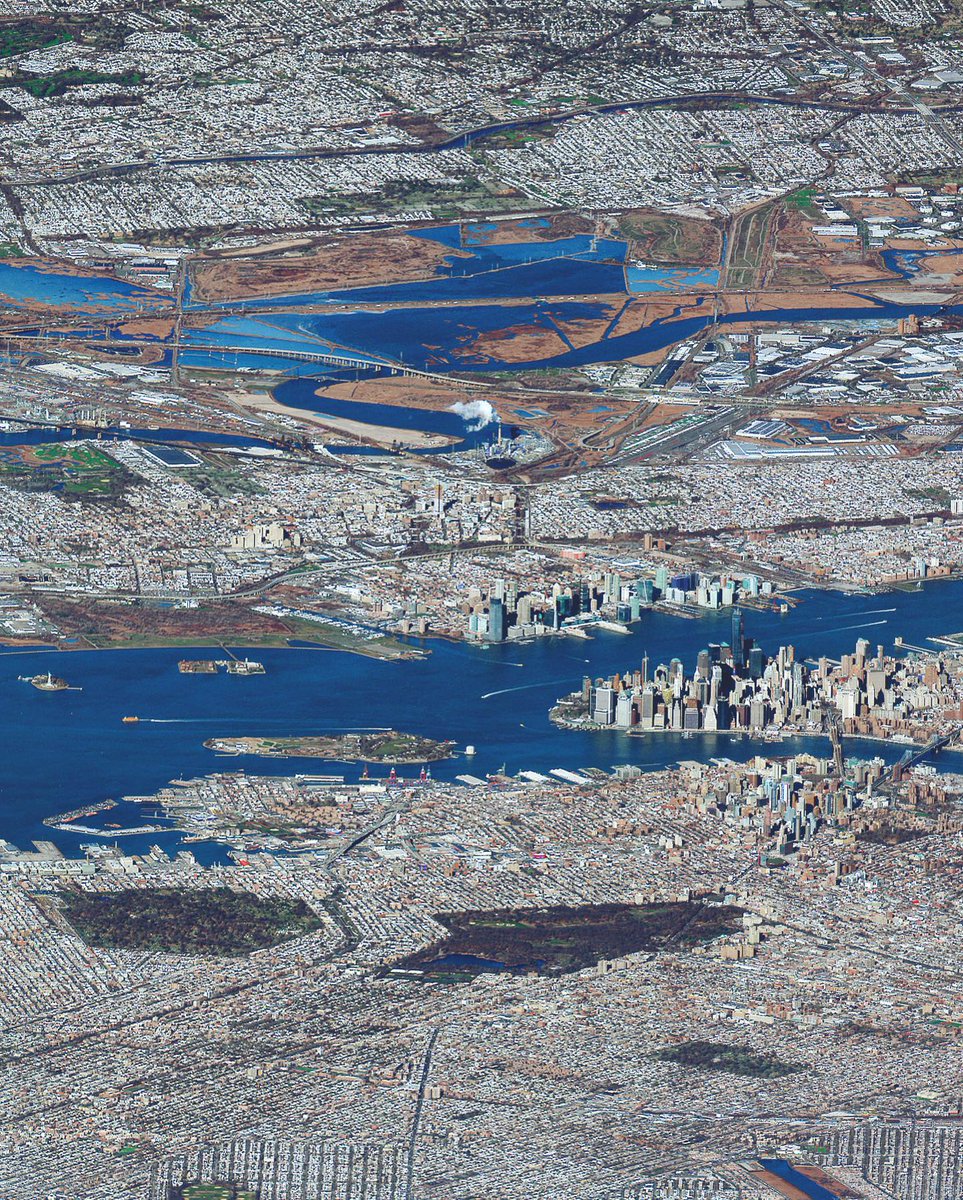
Fascinating low-angle satellite photo of New York City.
📸: dailyoverview/ig
145
913
10,738
1,197,908
Ed Ingle retweeted

May 24

41
404
4,528
166,237
Ed Ingle retweeted

May 22
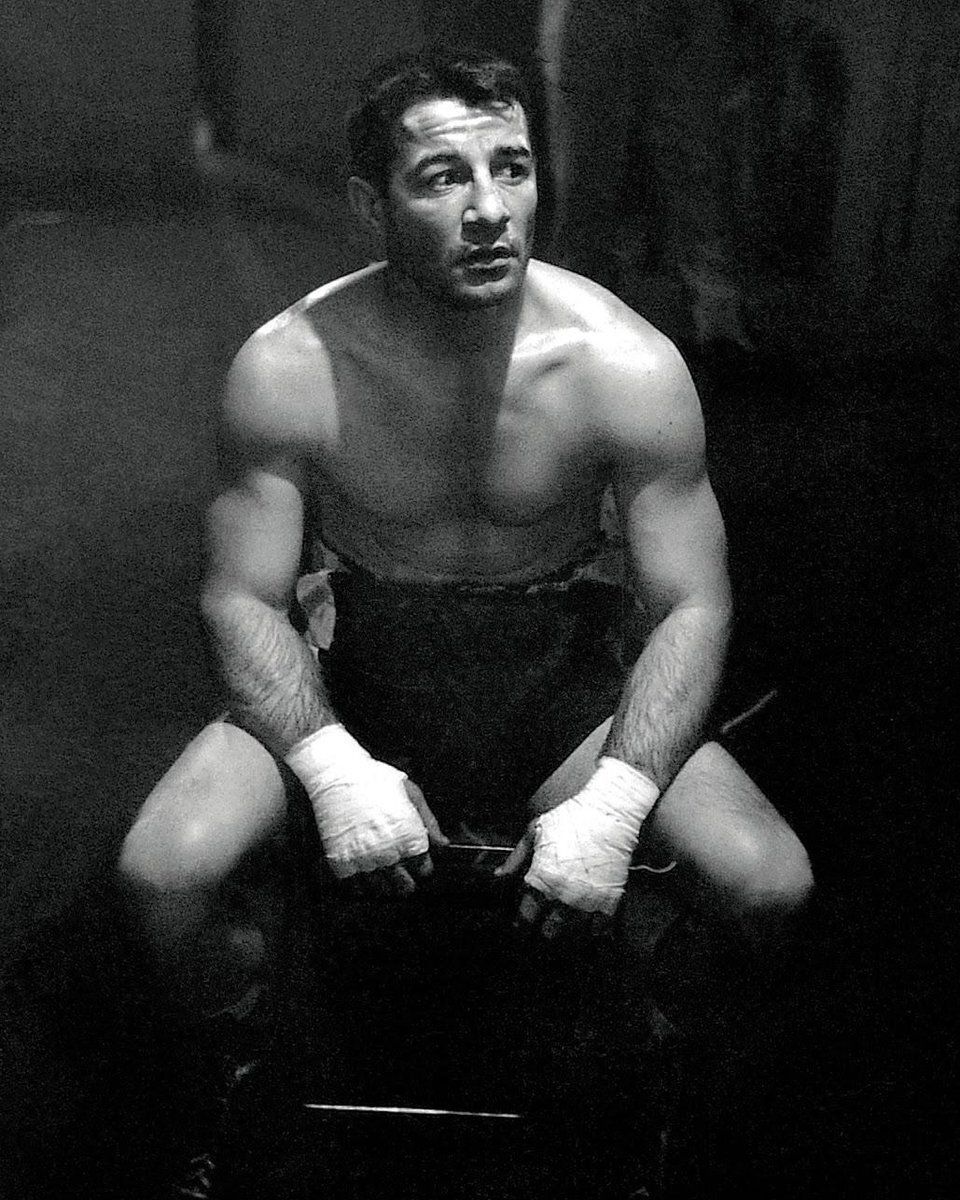
The great former middleweight champion Rocky Graziano died #OnThisDay in 1990.
He was 71 years old.
1
8
66
3,903
Ed Ingle retweeted

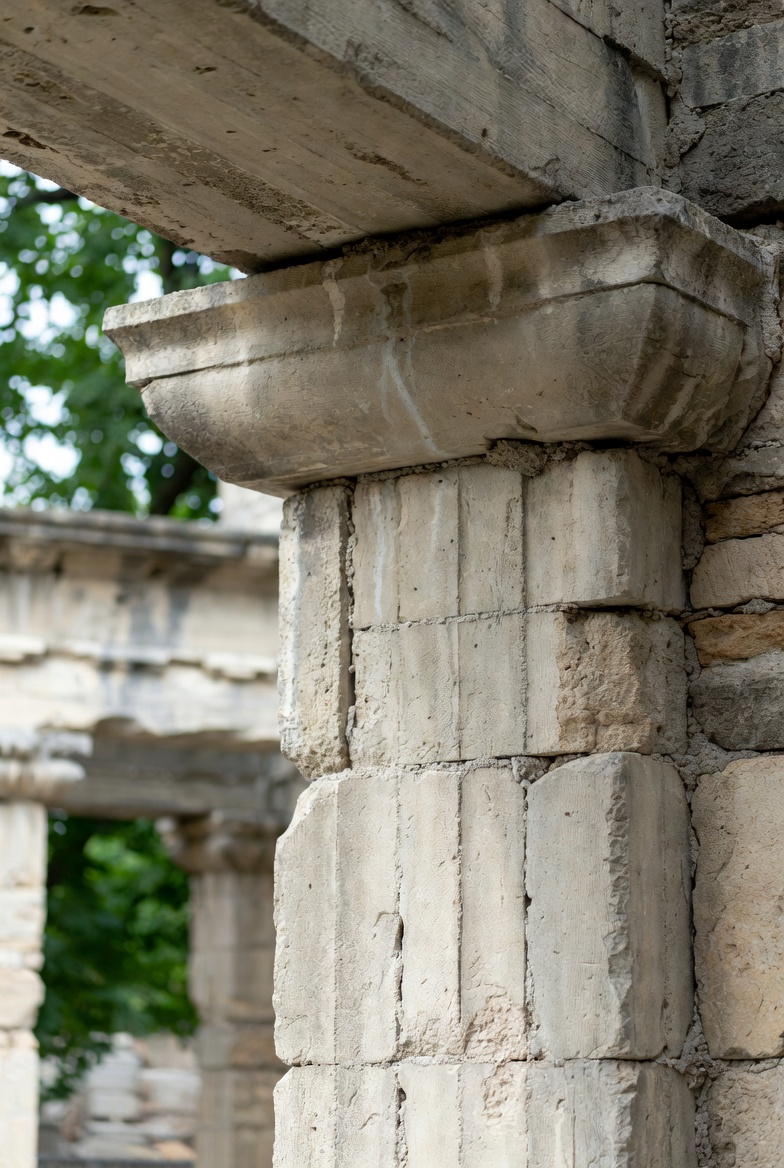
Roman concrete is 2,000 years old and still getting stronger.
Modern concrete starts degrading after 50.
In 2023, MIT researchers finally figured out why: Roman engineers mixed volcanic ash with seawater. When cracks formed, minerals crystallized inside them, self-healing. We knew the recipe was different. We didn't know it was self-repairing. The ancient Romans accidentally invented the most advanced building material in history. We spent 150 years building something cheaper and weaker.
What else did they know that we've forgotten?
160
896
3,920
205,143
Ed Ingle retweeted
May 18
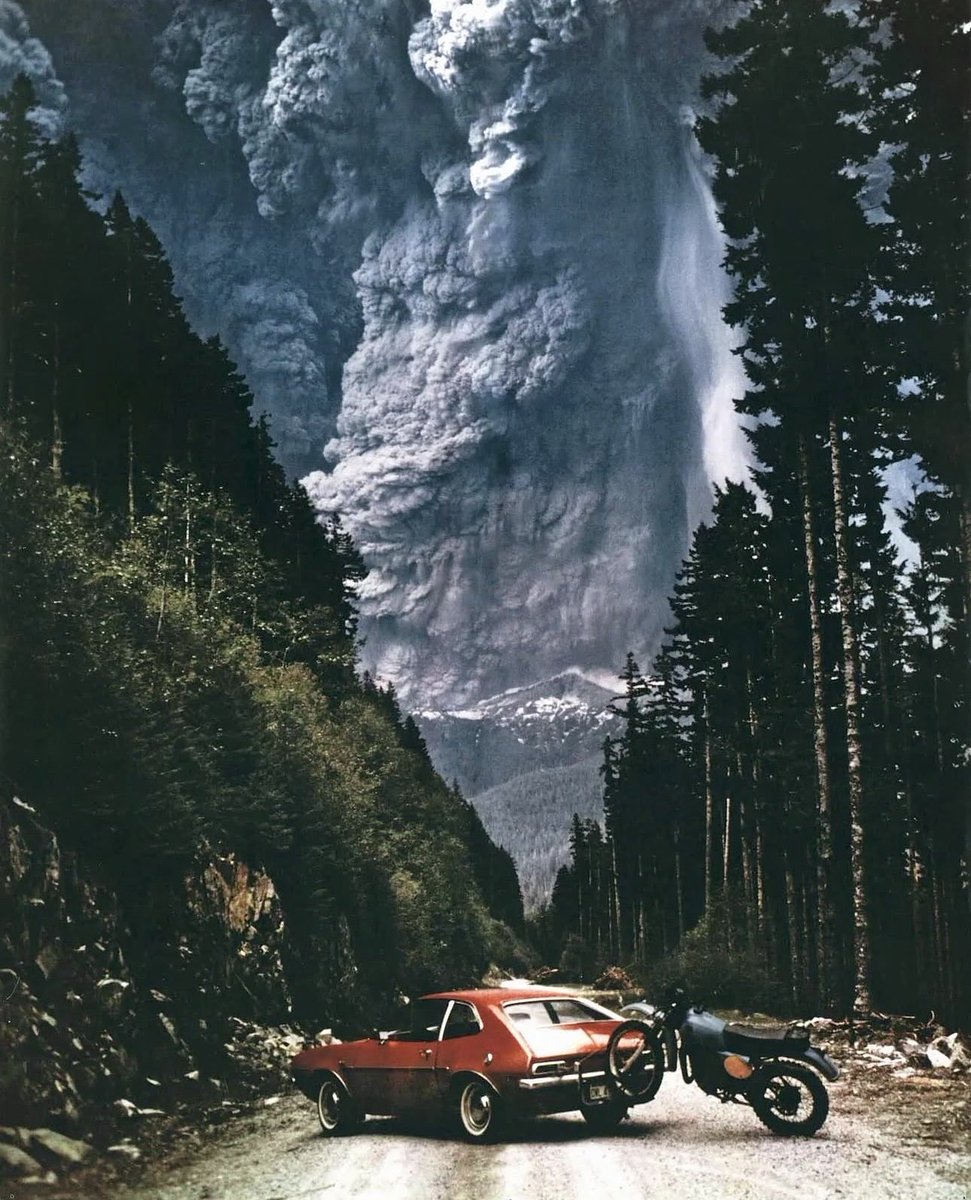
When Mount Saint Helens erupted 46 years ago today, nothing survived that was within 230 square miles of the explosion.
Except for photographer Richard Lasher who escaped on his dirt bike after taking this shot.
436
3,833
26,239
1,988,872
Ed Ingle retweeted

May 15
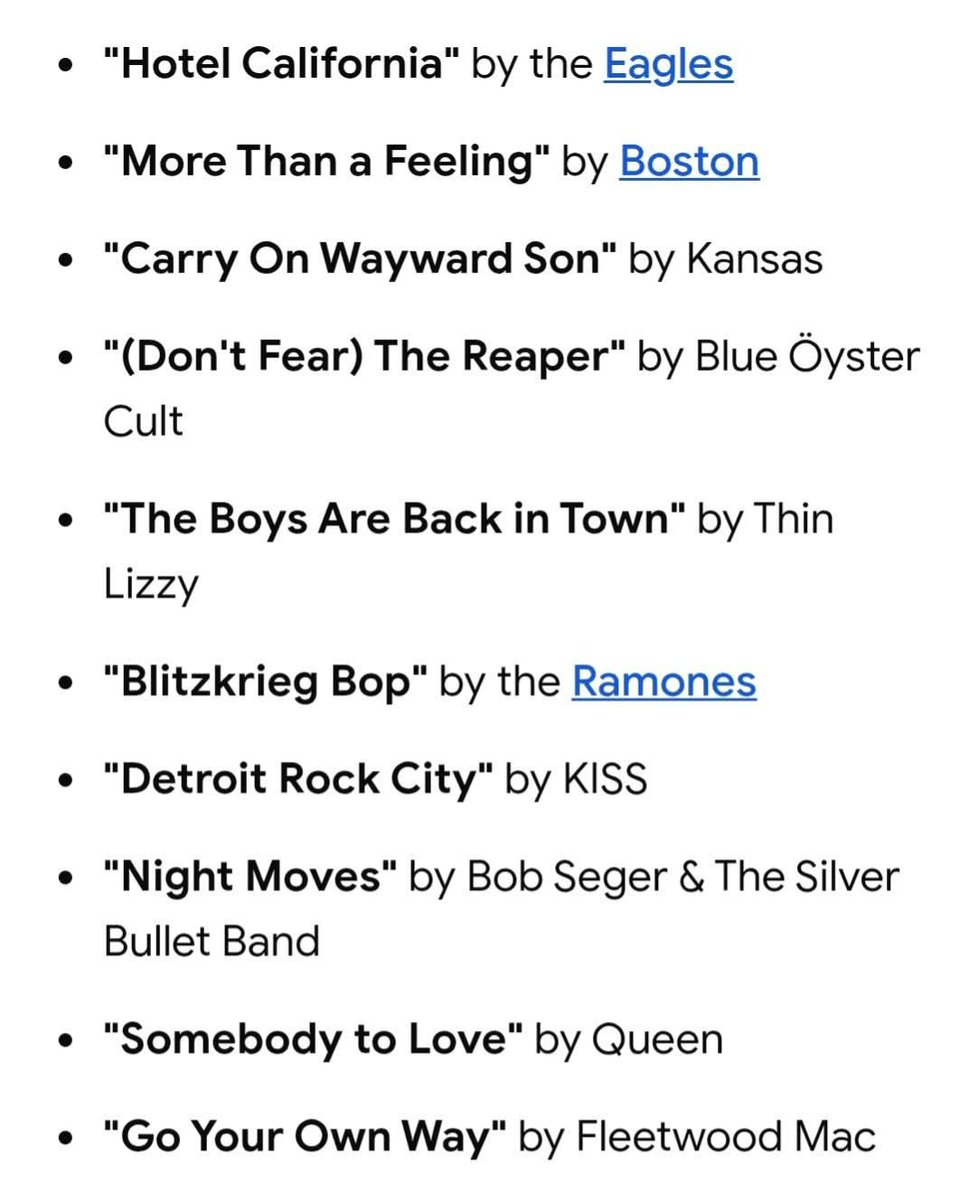
Songs turning 50 this year! Feel old yet?
273
484
2,565
178,941
Ed Ingle retweeted

May 14
The final ep of Moonlighting aired OTD in 1989, and went full meta. Bruce Willis & Cybill Shepherd race to save their own characters, David & Maddy, from cancellation, because when the show ends they'll literally cease to exist. It even admits why Moonlighting ultimately failed
220
917
9,121
969,681
Ed Ingle retweeted

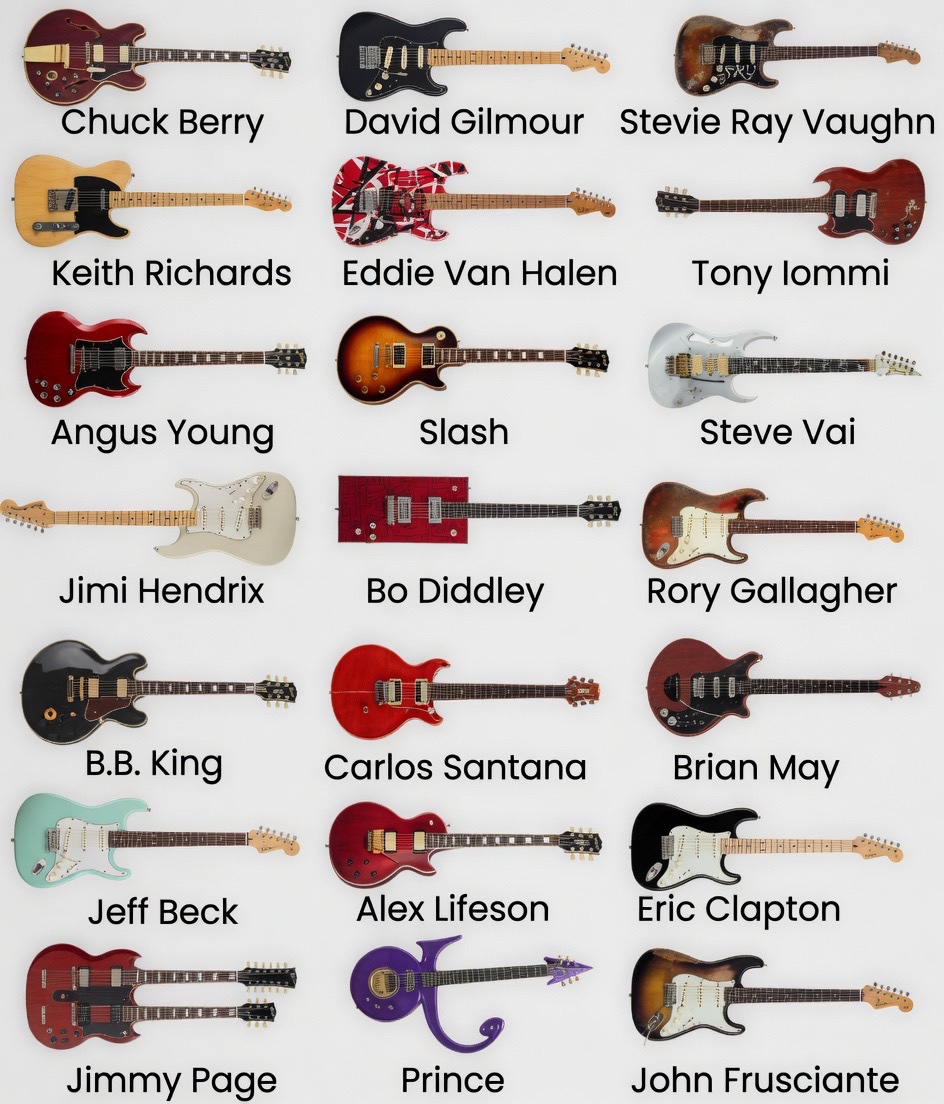
You can only pick up ONE guitar! 👇🏻
I’ll start: Keith Richards
1,573
423
2,999
346,056
Ed Ingle retweeted

The 1893 Coca-Cola trademark registration, featuring the logo's distinctive cursive, can be found in the Library of Congress Prints and Photographs Division's U.S. Patent Office Trademarks Collection.
On this day in 1886, the very first Coca-Cola was sold at Jacob’s Pharmacy in Atlanta, Georgia.
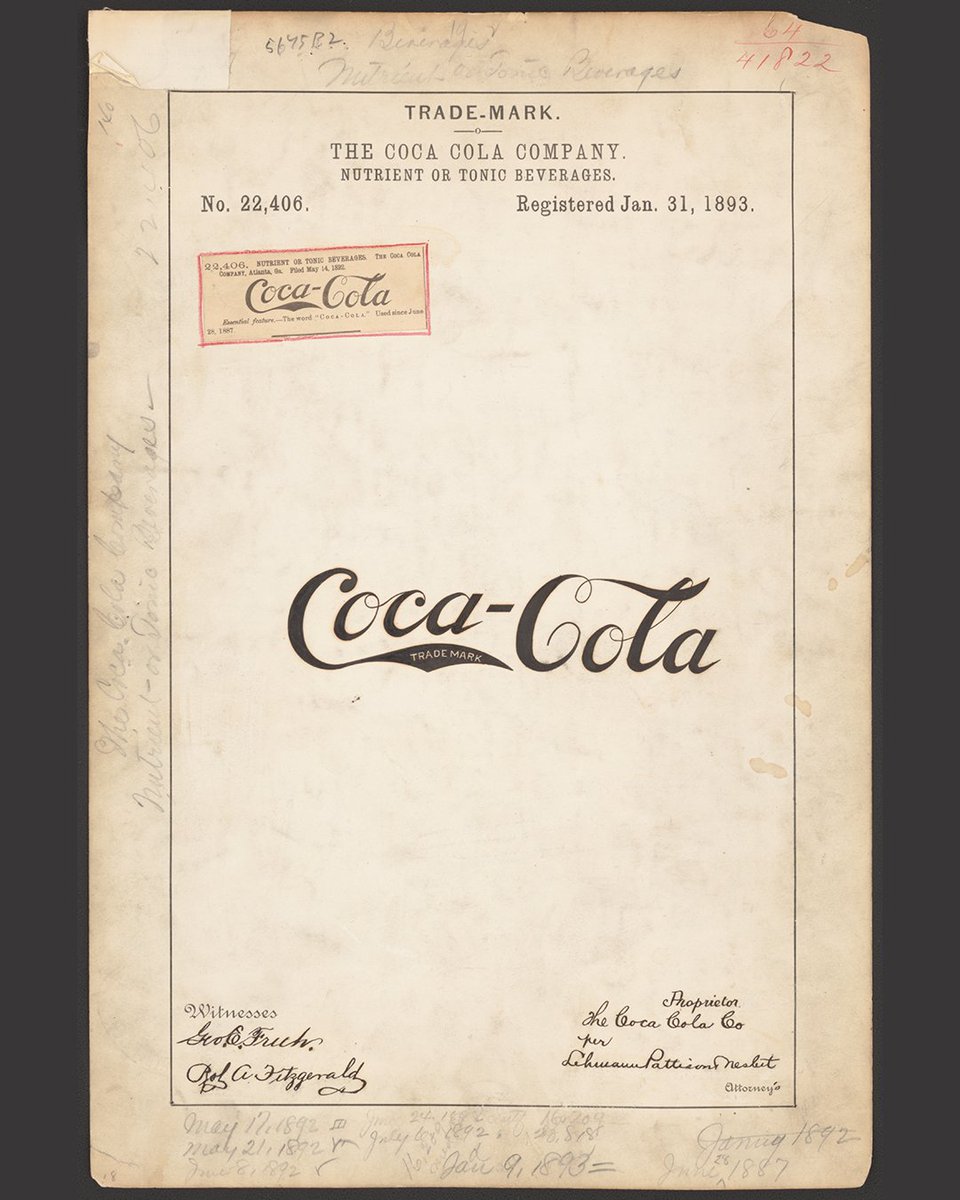
ALT The 1893 Coca-Cola trademark registration paperwork, featuring the distinctive cursive of the Coca-Cola logo.
41
848
2,622
113,604
Ed Ingle retweeted

May 7
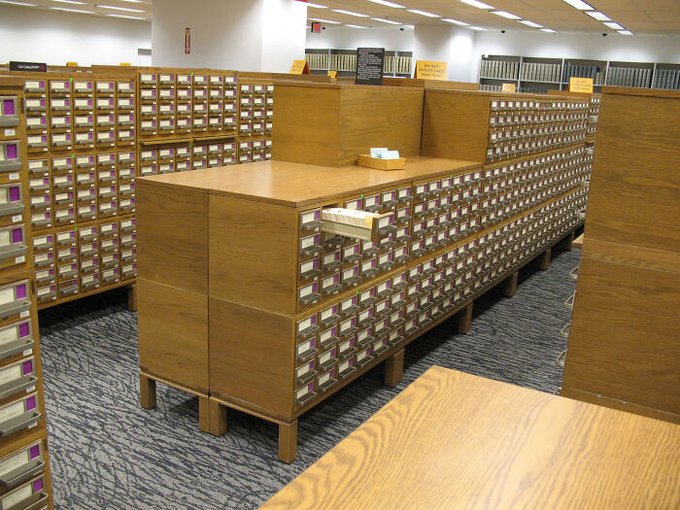
The Original Search Engine
211
1,128
6,930
150,662
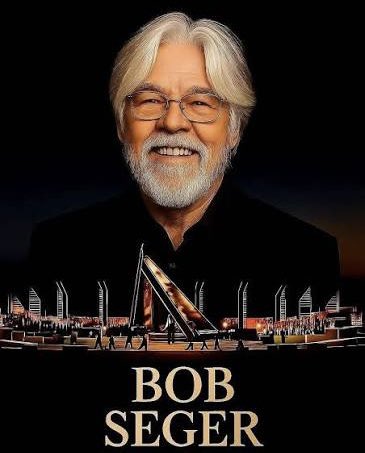
#NightMoves = epic

92
Ed Ingle retweeted

May 3
Kentucky Derby winner Golden Tempo, comes home to Cherie DeVaux’s barn at Keeneland.
148
1,112
14,804
530,768