
Economist. Proud Inter supporter. IVF dad.
Joined February 2012
- Tweets 526
- Following 177
- Followers 1,323
- Likes 1,332
19 Photos and videos
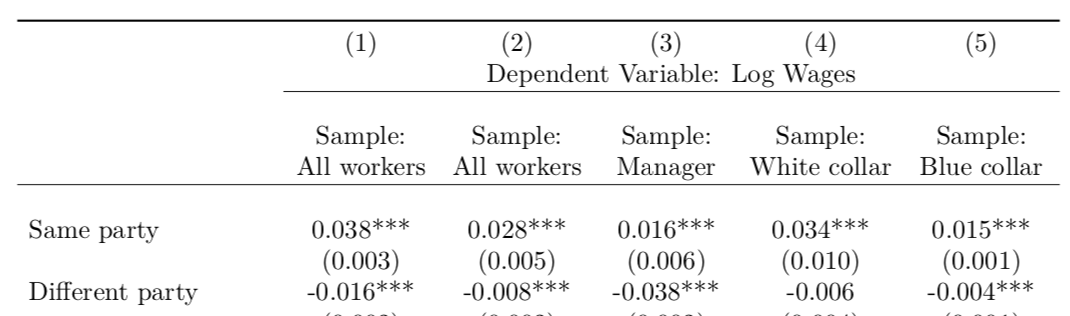
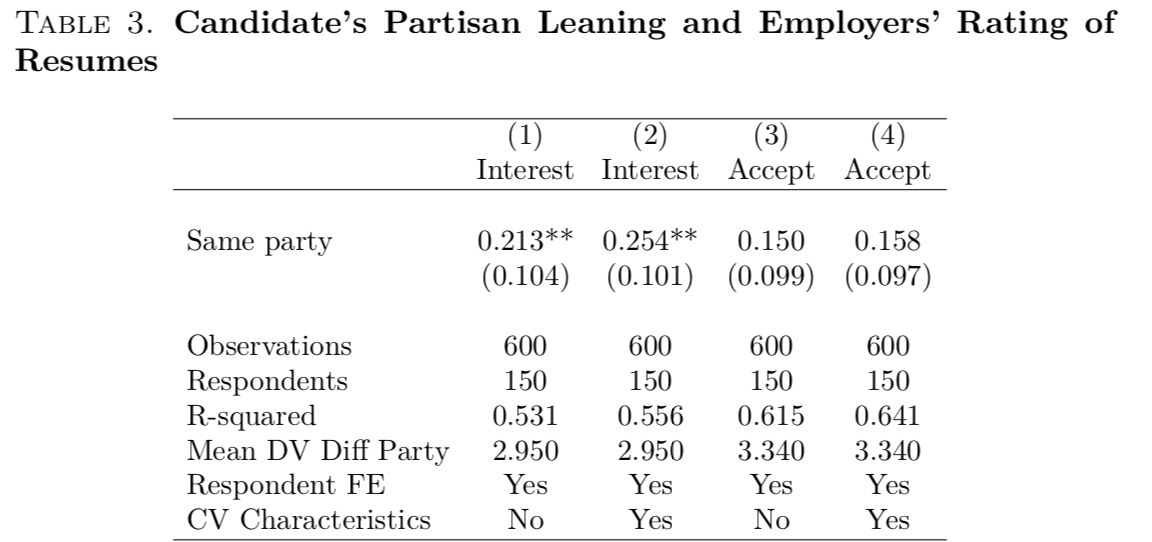
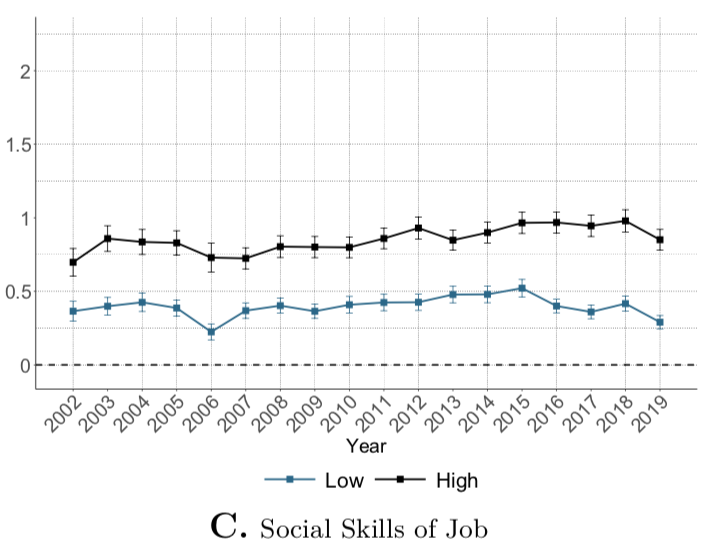
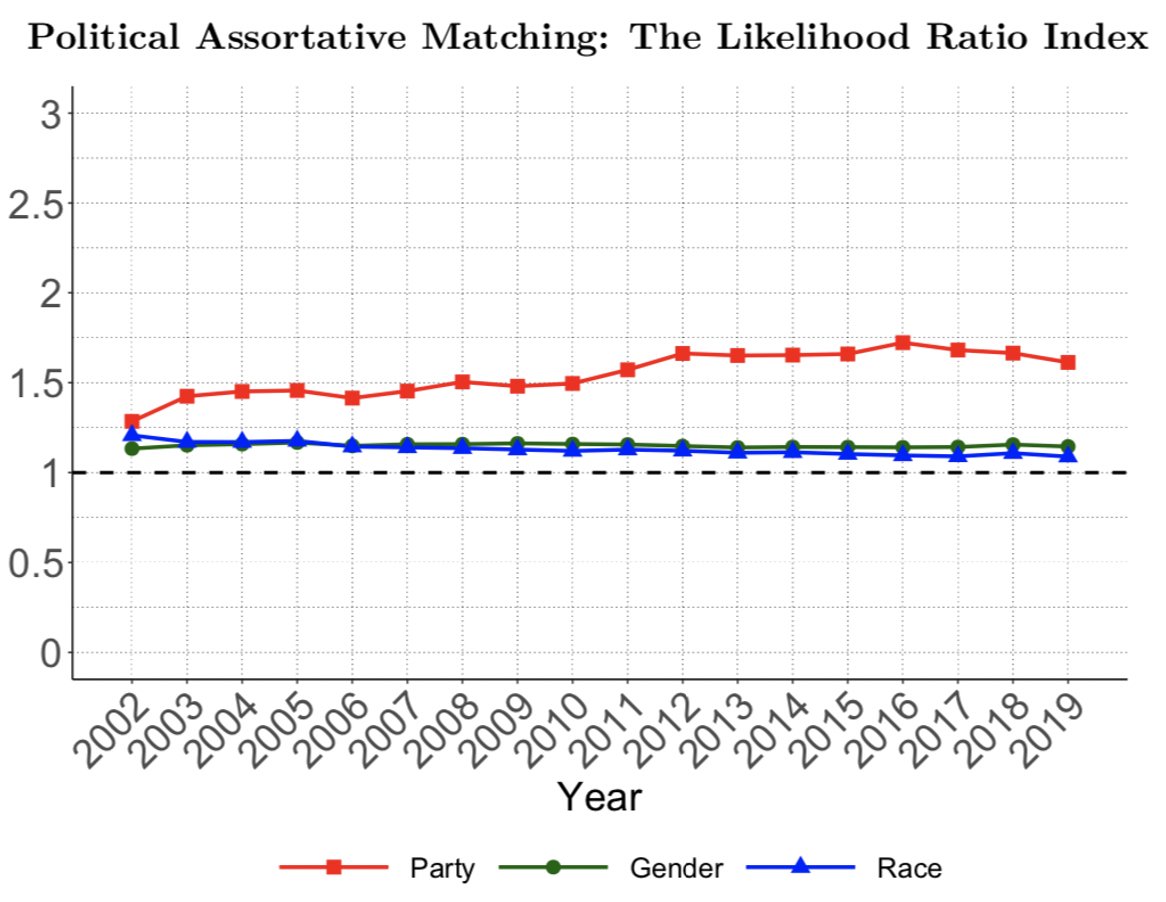

May 31
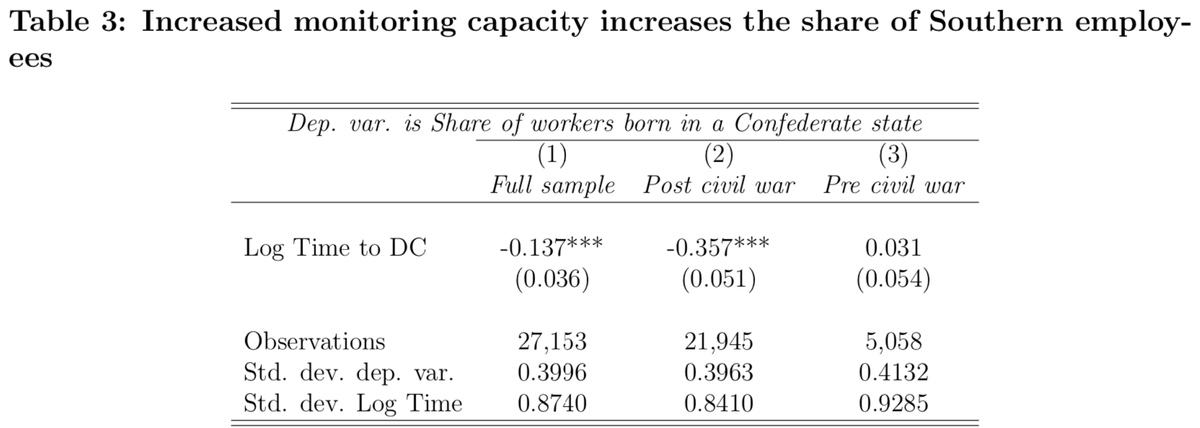
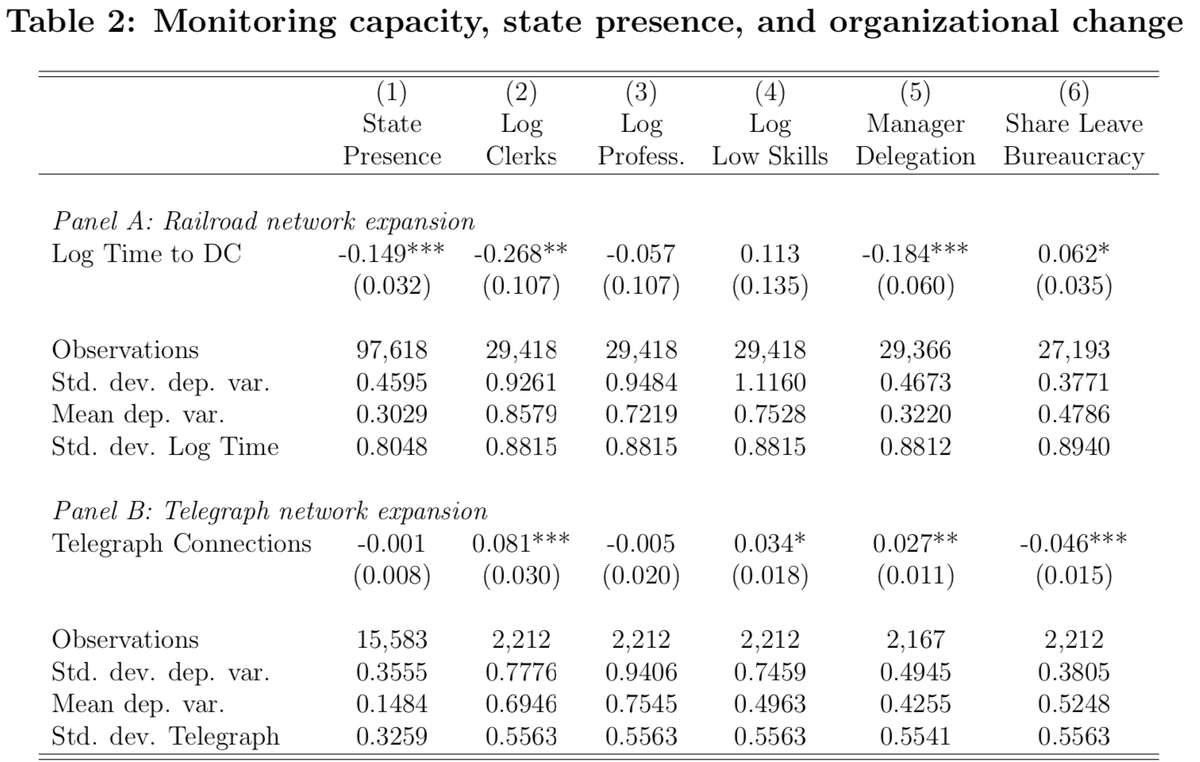
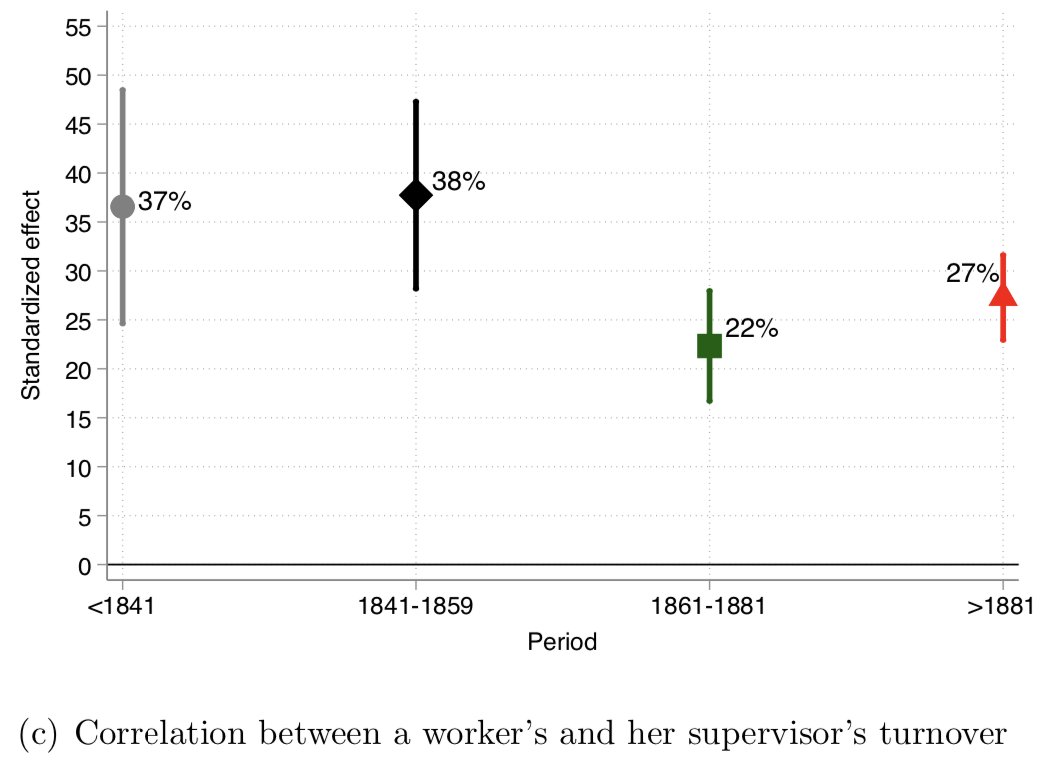
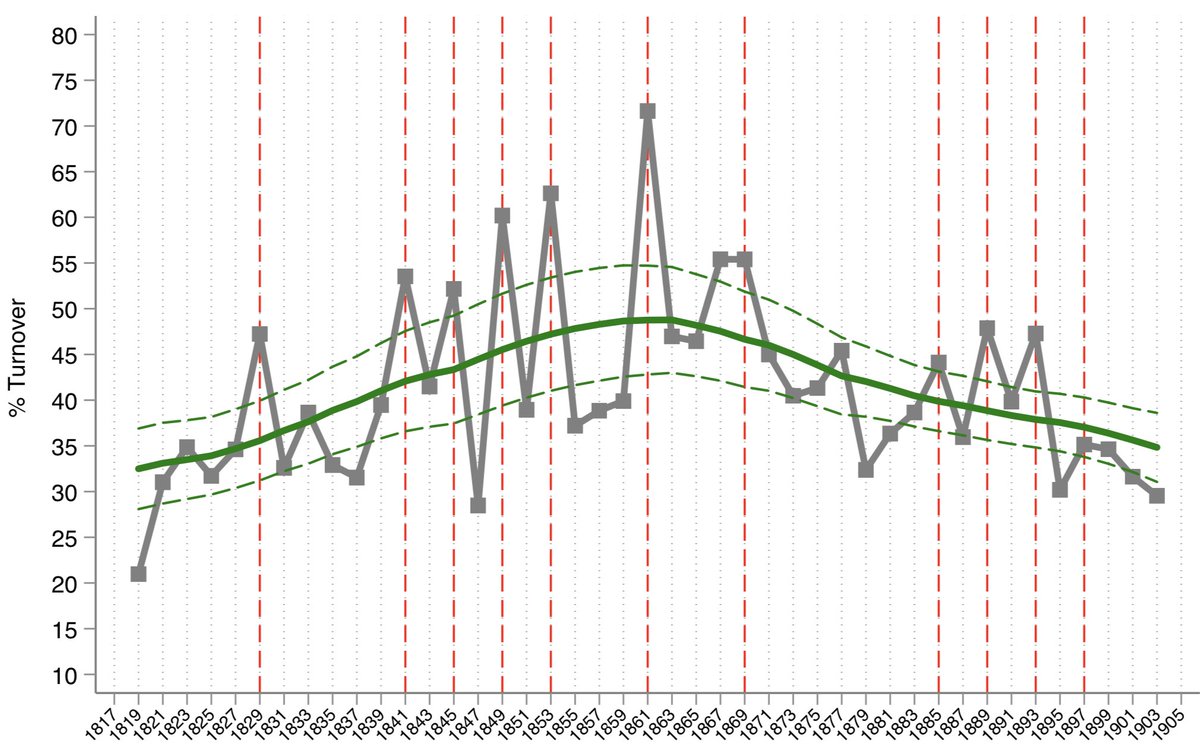
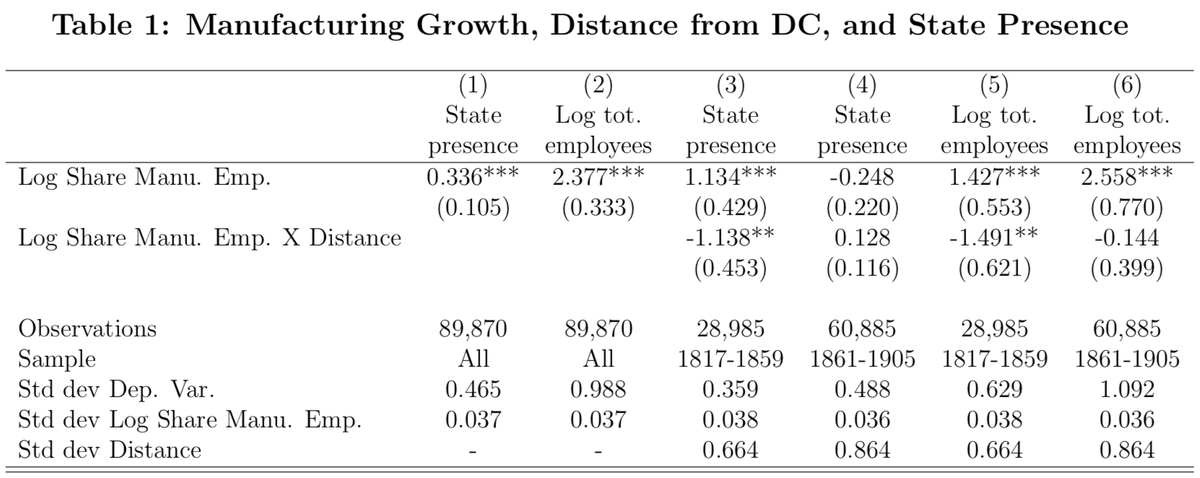
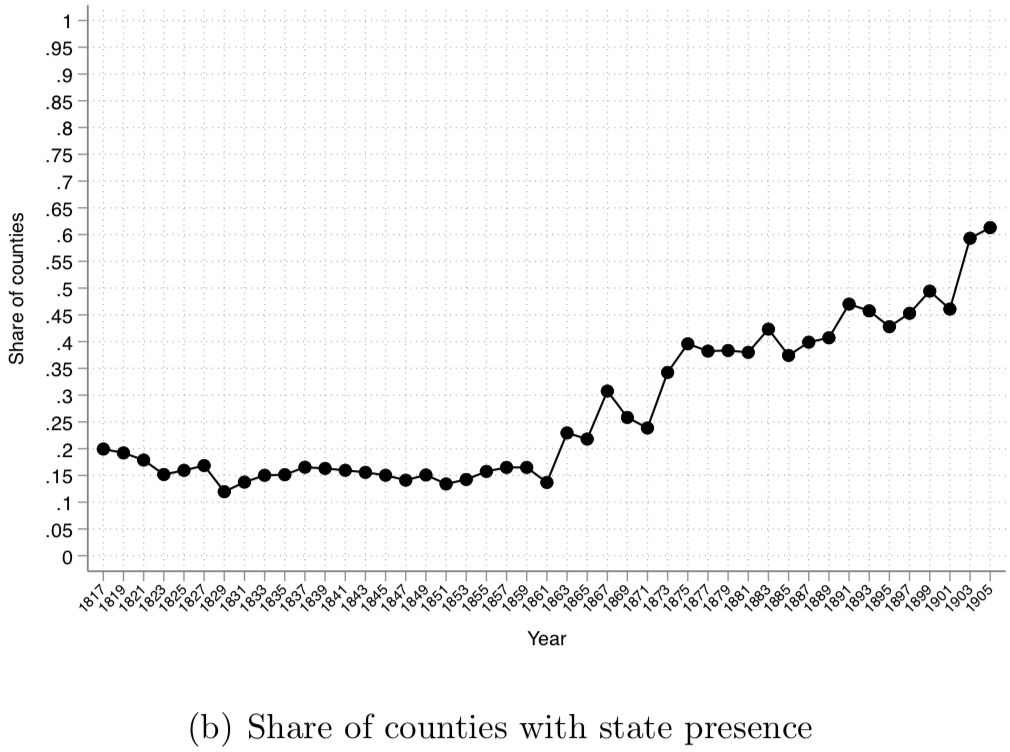
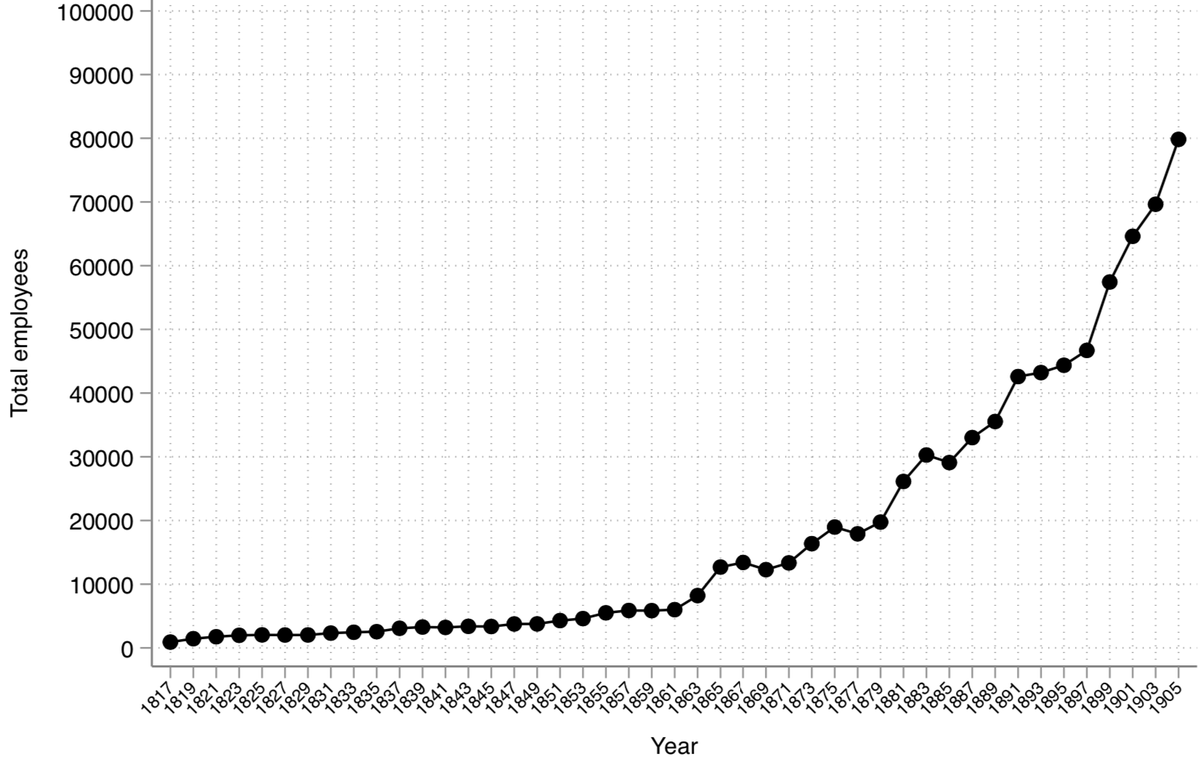
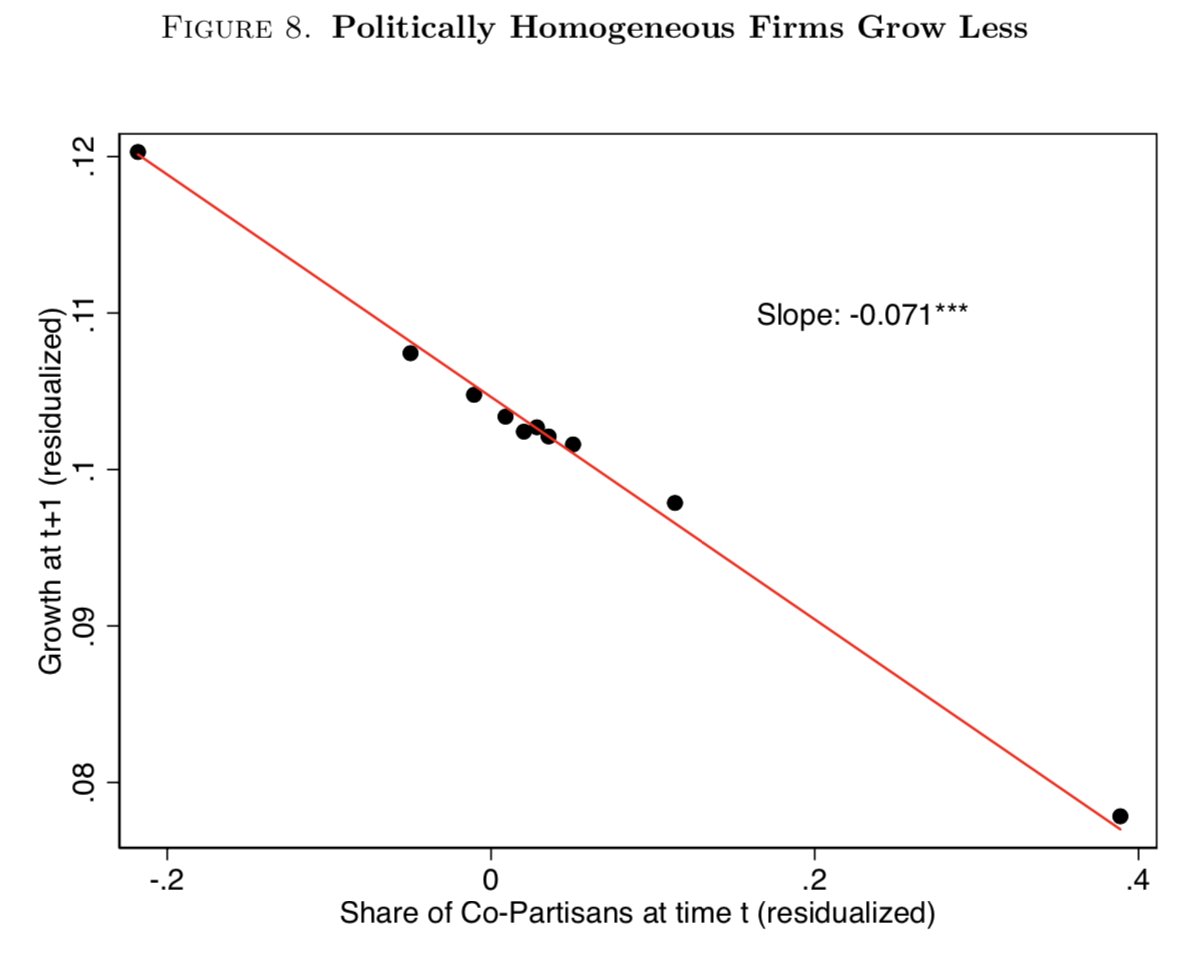
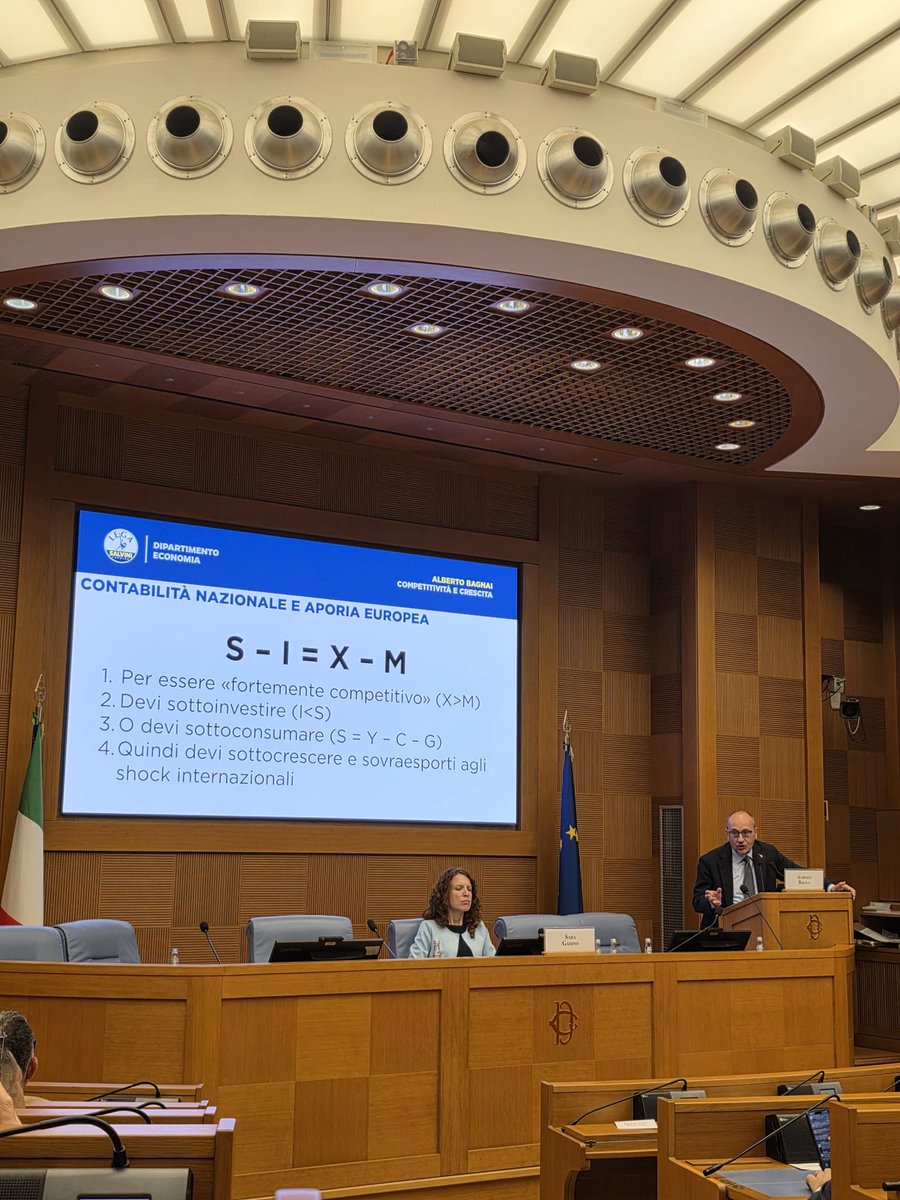
Userò questo tweet per illustrare ai miei studenti del primo anno come NON usare questo tipo di identità

7
3
131
9,038
Edoardo Teso retweeted

May 26
A post about Pope Leo XIV's encyclical on AI. Why the Pope is right, but perhaps not right enough.
Artificial intelligence is reshaping the world in front of our eyes: how we communicate, how we access information, how we work, how income and status are distributed among us, and soon how we fight and kill each other. Yet the public conversation about AI remains stuck on the minutiae of competition between labs, or on a false dichotomy between AI as a “stochastic parrot” with no real capabilities and AI as an alien superintelligence poised to take command of humanity.
The more important questions are about what we want from AI, and whether our current mindset, institutions, and control mechanisms are equal to the task of steering it toward our welfare.
It is refreshing, then, that a bold and powerful voice has weighed into this debate: Pope Leo XIV. As an economist who has long argued that technology is a matter of choice rather than fate, I find Leo’s intervention welcome and, on most points, on target. But on the most consequential question of what AI should actually be designed to do, Leo stops short.
Secular readers may bristle at the encyclical’s opening invocation of the Tower of Babel. They would be mistaken to stop reading there. Leo goes much further than most pundits, journalists and policymakers in the United States by recognizing that what happens to AI, and hence to humanity, is a under our control. There are multiple possible paths for AI, and which one we take will have sweeping consequences. He is also ahead of many commentators when he writes forcefully and unequivocally that “technology is never neutral, because it takes on the characteristics of those who devise, finance, regulate, and use it.”
These were the central themes of the book I wrote with Simon Johnson, Power and Progress: Our Thousand-Year Struggle over Technology and Prosperity. It is heartening to hear them taken up by a voice with Leo's reach.
The Pope is also right to question the current trajectory of AI in warfare and law enforcement. What was taboo only a few years ago – AI-driven mass surveillance, algorithms selecting targets for killing – has become routine. Many in Silicon Valley are now calling openly for a new military-algorithmic complex centered on AI as an instrument of American hard power. Leo captures something deep and too often ignored: “Any technology that facilitates attacks without seeing the face of human beings lowers the moral threshold of conflict.”
His call for the “disarmament of AI” follows directly from these observations. As he explains, disarming AI means “freeing it from the mentality of ‘armed’ competition, which today is not limited simply to the military context, but is also an economic and cognitive phenomenon.” His moral clarity in stating that “there is no algorithm that can make war morally acceptable” should be a warning to technologists rushing to design new weapons of mass destruction.
Underneath these specific concerns lies a more fundamental claim: that what is technically feasible is not the same as what is good for humanity, and that the difference depends on who controls the technology and what ideology and interests guide them.
Leo edges toward what I take to be the most important point about AI's future when he observes that “while AI promises to boost productivity by taking over mundane tasks, it frequently forces workers to adapt to the speed and demands of machines, rather than designing machines to work with those who work.”
But here he does not go far enough. He stops short of questioning the prevailing design philosophy of AI itself: a philosophy centered on mimicking human capabilities and automating human tasks, with the ultimate goal of artificial general intelligence (AGI) that can do everything a person can.
This philosophy rests on a mistake. It assumes that artificial intelligence and humanintelligence are fundamentally similar, and therefore machines should naturally take over whatever humans currently do. Yet these intelligences are fundamentally different.
Humans are “one-shot” learners. We form hypotheses from a few examples, mentally simulate possibilities, and refine our understanding through a social process of trial and error. This is how children learn language - imitating a few words, generalizing, and adjusting based on how others respond. We are not, however, very good at absorbing massive volumes of information or sifting through unstructured data for relevant patterns.
AI models are almost the opposite. They thrive on enormous training sets and excel at pattern recognition at scale. But they have, as yet, no genuine creativity, no real-world embodiment, and no capacity for trial-and-error learning grounded in interaction with the physical and social world.
When two things are different – you shouldn’t, and typically you couldn’t – use one to mimic the other. If you did, you would end up with suboptimal, disappointing results. It would have been a colossal mistake, and the Chicago Bulls’s legendary coach Phil Jackson would have gone down in the annals of basketball as one of the worst coaches in history, if he decided in the 1990s that because Michael Jordan was the better player, Jordan should mimic everything that Scottie Pippen and Dennis Rodman were doing in the team. The team went from championship to championship because these players worked together and complemented each other.
The same applies to AI and human skills.
The more productive path is complementarity – using AI to do what humans cannot, so that humans can do what they do best. An electrician aided by AI diagnostics, a nurse supported by AI in interpreting symptoms, a teacher using AI to personalize instruction for each student; these are the contours of a different AI future, one that raises rather than displaces human capability.
Optimists and industry insiders will respond that automation-first AI can still benefit everyone, provided redistributive policy keeps pace. But this argument has a poor track record. Forty years of digital automation have already concentrated gains at the top, hollowed out middle-skill work, and produced disappointing aggregate productivity growth. There is little reason to expect that an even more powerful round of automation, deployed by even more concentrated firms, will end differently. We can and must demand a different design.
The global stakes from the future of AI are even larger than those we can see around us in the United States. For the developing world, where billions still depend on the prospect of decent jobs as a path out of poverty, an automation-centric AI agenda is not merely suboptimal. It is simply transferring to foreclose the most important route to broad-based prosperity.
The biggest failing of today's AI industry is its refusal to recognize any of this. It is guided instead by an ideology of control (the industry’s own over humanity) and by a conviction that machines are uniformly better than humans.
As Leo rightly notes, this failure is enabled by the fact that a handful of companies now command the future of AI.
What we need is a combination of moral clarity and a serious, society-wide debate about what AI can do and what we want it to do. That debate must move beyond exhortation toward concrete choices: antitrust action against the dominant platforms, public investment in human-complementary AI, regulation of surveillance and autonomous weapons, and meaningful rights for workers and citizens over the data on which these systems are built.
The Pope's intervention makes such a debate a little more likely today than it was before.
It is now up to the rest of us to carry it further than he was willing to go.
40
333
946
136,936
Edoardo Teso retweeted

Una famiglia uccisa dall'esercito israeliano in Cisgiordania, a Tubas. Madre, padre, due figli piccoli, altri due feriti.
Ha ragione Motasem A Dalloul: "Niente di strano... non importa a nessuno...niente titoli di giornale"
Mar 15

Nothing odd.. Mo one cares.. No headlines..
IOF have executed Palestinian parents and two children in occupied West Bank city to Tubas:
1- father: Ali Bani Oudeh, 37. He was shot in the head, face, chest and left hand.
2- mother: Waad Bani Oudeh, 35. She was shot in the head and face.
3- Mohammad Ali Bani Oudeh, 5. He was shot in the head and face.
4- Othman Ali Bani Oudeh, 7. He was shot in the head and face.
Two other children were wounded..

19
143
412
13,541

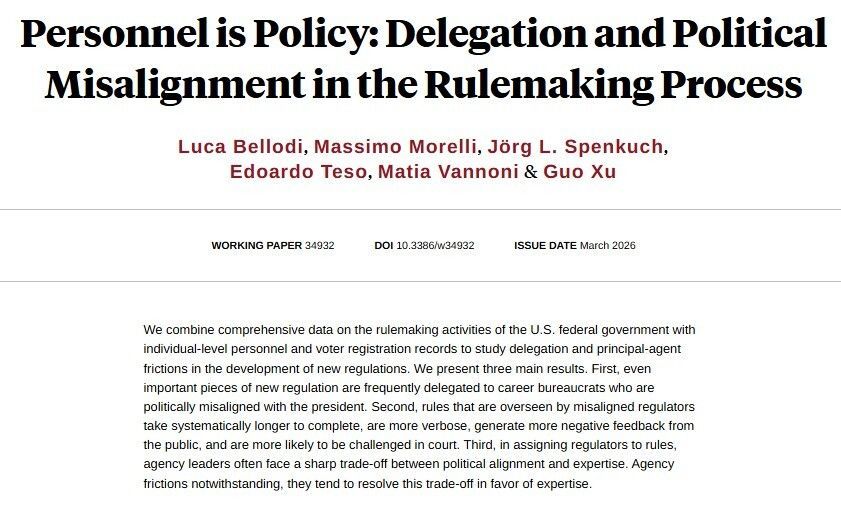
Studying delegation and principal-agent frictions in the development of new federal regulations in the United States, from Luca Bellodi, Massimo Morelli, @jspenkuch, @edoardoteso, Matia Vannoni, and @guoxu_econ nber.org/papers/w34932
10
25
3,989
Edoardo Teso retweeted

Mar 11
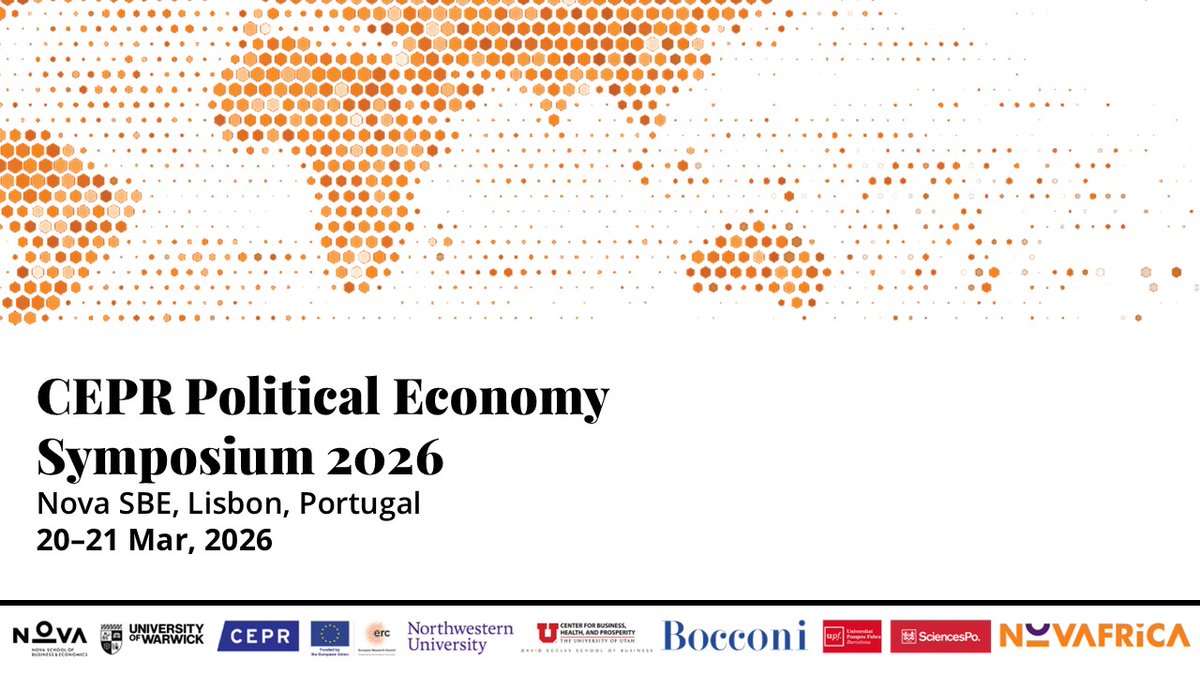
📢 CEPR Upcoming Conference
NOVAFRICA is proud to co-host the #2026CEPREconomySymposium will take place on
March 20–21 at @NovaSBE , Lisbon, Portugal.
Scholars from leading institutions will discuss key topics in political economy.
Information here: tinyurl.com/2rwpy7mh
1
9
15
1,455
Feb 22
We are in good hands..
Feb 21

🚨 SAM ALTMAN: “People talk about how much energy it takes to train an AI model … But it also takes a lot of energy to train a human. It takes like 20 years of life and all of the food you eat during that time before you get smart.”
6
441
Edoardo Teso retweeted

Feb 14
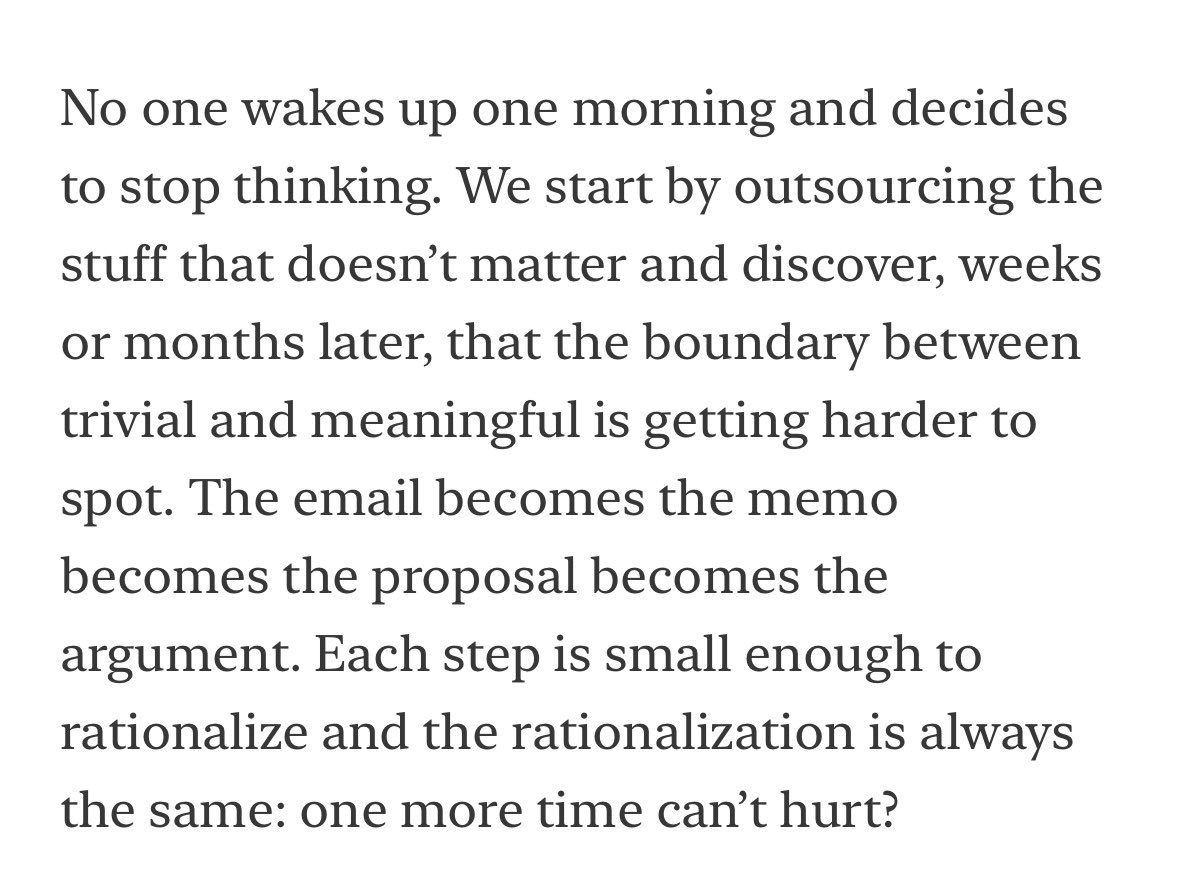
This essay “The Last Temptation of Claude” by Harry Law is excellent.
This part stuck out: de skilling doesn’t just happen. People dont make one choice—it’s hundreds and thousands of little choices. Off load a memo, off load a section of the paper, etc. they all seem small but then you wake up one day and hey that thing that used to be easy is now quite hard, or even impossible.
The temptation is real, so as with all temptation, it’s important to be deliberate and have rules. Everyone will be different, I have mine (write everything on my own, read old fiction)—but they might sound dumb or not work for others.
open.substack.com/pub/cosmos…
21
167
1,047
104,123
Edoardo Teso retweeted

19 Dec 2025
Forthcoming article "Fiscal Rules, Austerity in Public Administration, and Political Accountability: Evidence from a Natural Experiment in Colombia” by @mariacarreri and @LuisRMartinezA
@EEANews @OUPAcademic
doi.org/10.1093/jeea/jvaf046
2
10
18
1,450
Edoardo Teso retweeted

10 Nov 2025
AND IT IS OUT!
We have had enough reports saying Europe is stagnating. Change is not possible if we do not change the way the EU works. With Bengt Holmstrom and @competitionprof , I argue the EU should focus on prosperity and stop regulating everything.
constitutionofinnovation.eu/
44
175
607
179,734
Edoardo Teso retweeted

11 Oct 2025
Bocconi Economics is hiring!! 2 junior positions open this year.
Super environment, great colleagues, great students, great city, great outdoors. Love it!!
Apply!!
@Unibocconi @Bocconi
5
53
261
27,472
13 Sep 2025
RT @rcbregman: Devastating new investigation by Dutch newspaper De Volkskrant: 15 international doctors report at least 114 Palestinian chi…
5,920
5 Sep 2025
Exciting news: I’ve received an ERC Starting Grant to study state capacity through the lens of quantitative economic history! Projects will focus on political econ & econ history.
I am looking for:
🔹 1 Postdoc
🔹 2 RAs (1 full-time, 1 part-time)
Application links in the thread
13
53
352
35,829
5 Sep 2025
Postdoc: jobmarket.unibocconi.eu/?id=…
RA part-time: jobmarket.unibocconi.eu/?id=…
RA full-time: jobmarket.unibocconi.eu/?id=…
5
17
4,879
Edoardo Teso retweeted

26 Aug 2025
New working paper alert 🚨
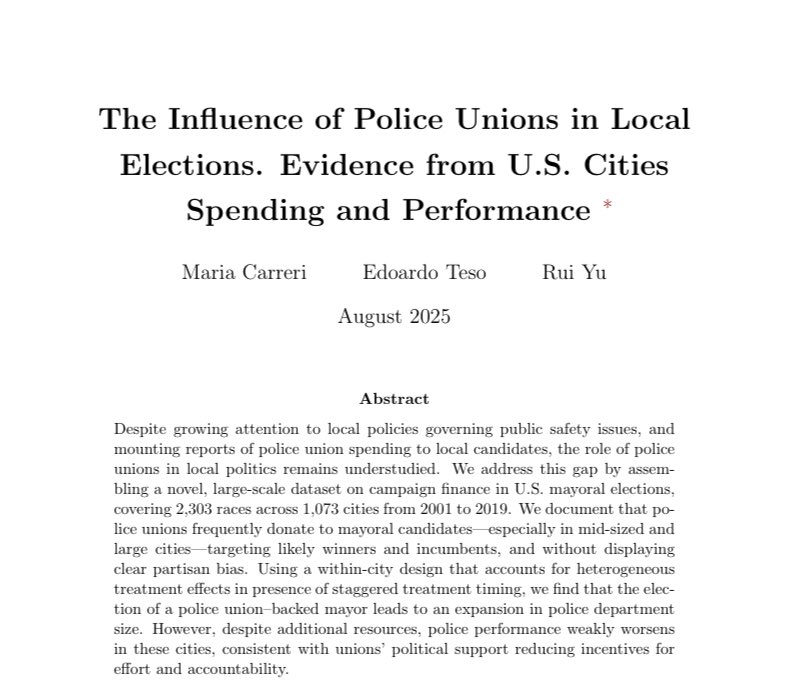
We investigate the influence of police unions in U.S. local politics. We show that in cities where the mayor was supported by a police union, police departments obtain more resources, but, if anything, police performance worsens in these cities.
3
36
132
13,927
Edoardo Teso retweeted
14 Aug 2025
I'm happy to share an open letter to the Israeli government from 23 professors of economics across the US and Europe (including myself):
drive.google.com/file/d/1D_S…
135
556
2,712
609,942
Edoardo Teso retweeted

1 Aug 2025
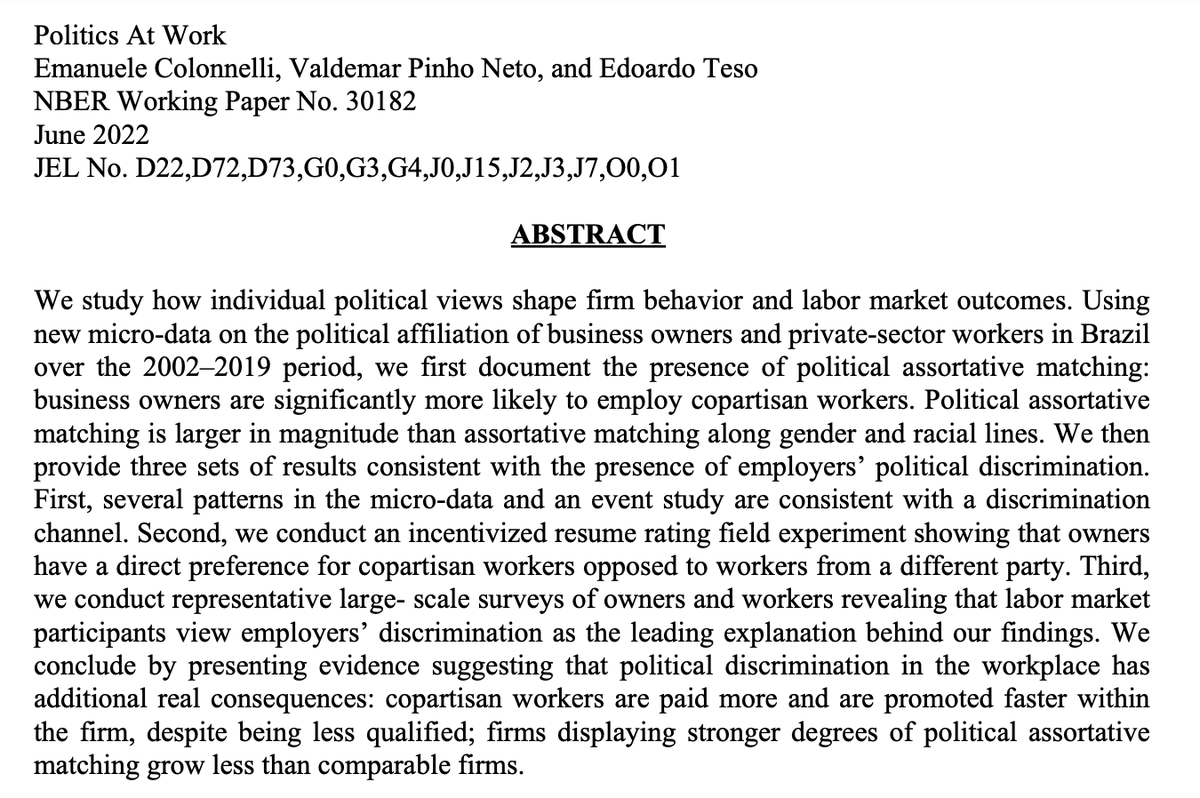
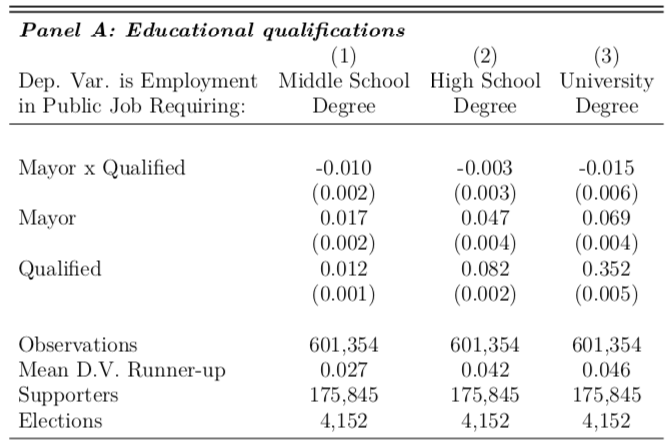
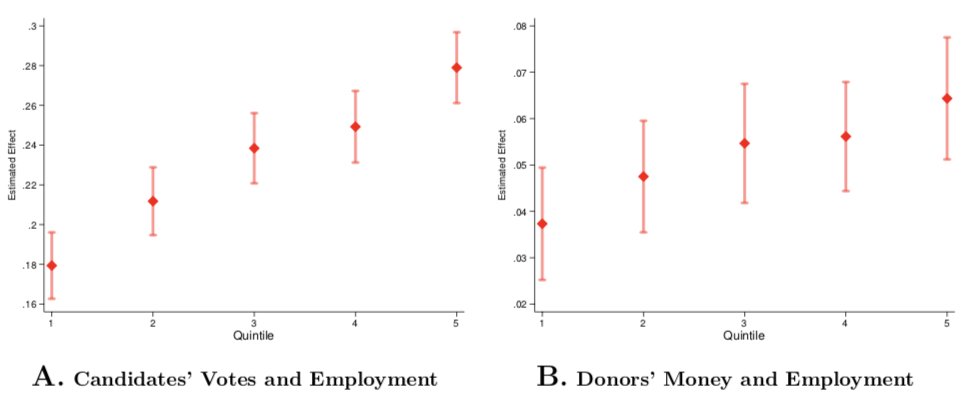
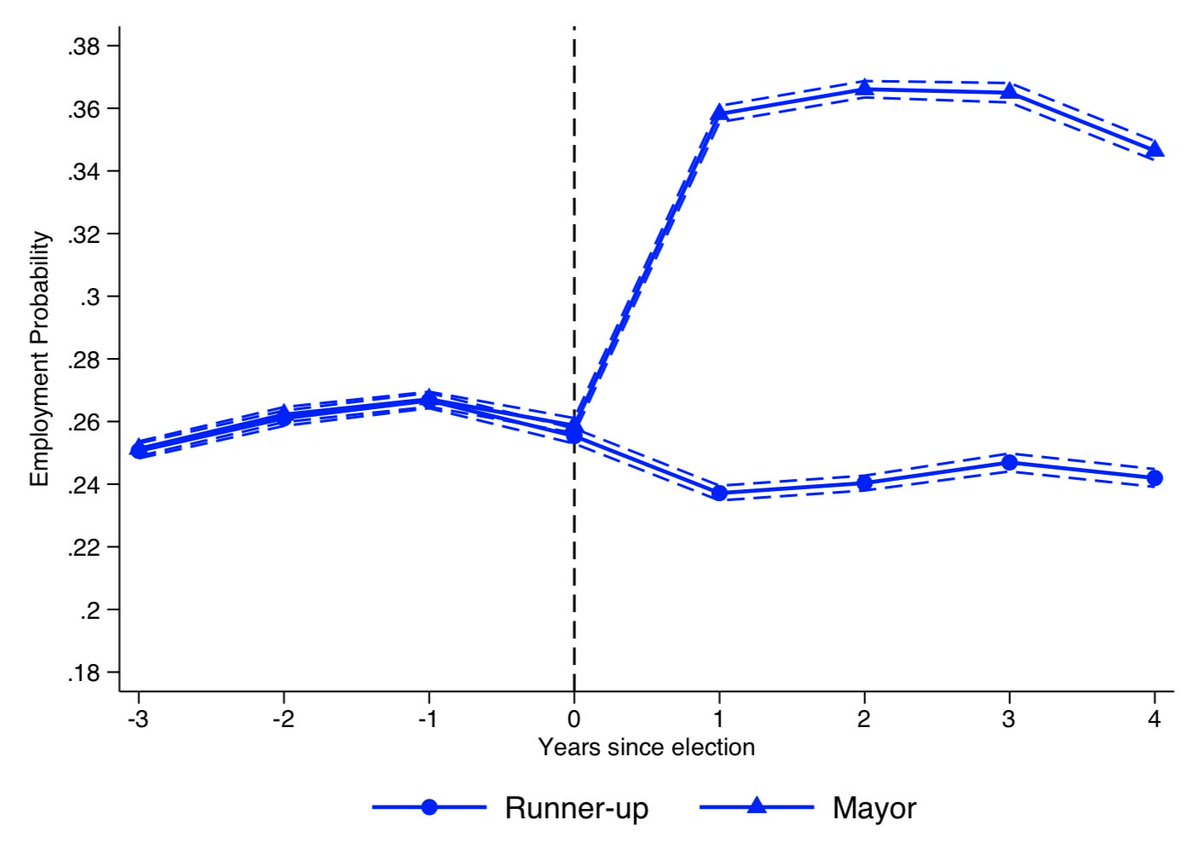
Forthcoming in the AER: "Politics at Work" by Emanuele Colonnelli, Valdemar Pinho Neto, and Edoardo Teso. aeaweb.org/articles?id=10.12…
1
11
58
7,510
1 Aug 2025
RT @ceciliasala: Ayalon è il generale israeliano ed ex capo dei servizi segreti responsabili per Gaza che oggi coordina un gruppo speciale:…
113
Edoardo Teso retweeted

29 Jul 2025
I soliti trucchi retorici di Di Battista: l’arte di confondere le vittime con i carnefici - Per favore retwittate: i debunking sono importanti e richiedono tempo e fatica. Grazie.
1) “L’Ucraina non è affatto una democrazia, no?”
Di Battista descrive l’Ucraina come un paese corrotto, privo di trasparenza, che arresta dissidenti, rastrella giovani per la guerra e sospende elezioni. Ne conclude che non è una democrazia.
LA REALTÀ: L’Ucraina è una democrazia con un sistema misto presidenziale-parlamentare che ha tenuto elezioni libere e competitive fino all’invasione russa del 2022. La sospensione delle elezioni è attualmente in vigore per effetto della legge marziale, approvata dal Parlamento in risposta all’aggressione su larga scala. Sebbene alcune libertà civili siano limitate – come è prevedibile in uno stato in guerra – non sono state abolite: esistono media indipendenti, opposizione politica, critiche al governo e forme di dissenso pubblico. Dire che “non è una democrazia” significa ignorare il contesto eccezionale e minimizzare i segnali, ancora presenti, di una società civile viva e di un ordinamento democratico resistente, pur sotto pressione.
2) “Migliaia di cadaveri restituiti dalla Russia, ma i media occidentali tacciono”
Secondo Di Battista, l’Ucraina starebbe ricevendo migliaia di cadaveri dei propri soldati ma questo verrebbe censurato per non sgretolare la narrativa “eroica”.
LA REALTÀ: Le perdite ucraine sono altissime e ben documentate, tanto da essere oggetto di dibattito pubblico in Ucraina e all’estero. È vero che l fonti russe hanno pubblicizzato la restituzione dei corpi, ma non è affatto vero che i media occidentali tacciano su questo tema: ne parlano ampiamente sia i giornali ucraini che quelli internazionali. Il fatto che l’argomento non apraa i telegiornali non significa che sia nascosto. Inoltre, le perdite russe sono di gran lunga superiori a quelle ucraine: questo è un dato di fatto, non propaganda, come vorrebbe far credere il prestigiatore Di Battista.
3) “I giovani ucraini vengono rastrellati per strada, presi a forza per combattere”
Nel video si parla di rastrellamenti violenti da parte dell’esercito ucraino, con madri disperate che vedono i figli trascinati via per essere mandati a morire.
LA REALTÀ: L’Ucraina ha avviato una mobilitazione generale per difendersi da un’invasione militare. Come accade in ogni guerra totale, esistono episodi controversi. Ci sono state segnalazioni e testimonianze di reclutamenti gestiti in modo approssimativo, ma generalizzare parlando di “rastrellamenti” sistematici (termine che richiama volutamente al fascismo) è propagandistico. Va sottolineato che, anche su temi delicati come la mobilitazione obbligatoria, in Ucraina si è svolto un dibattito pubblico reale, con opinioni divergenti espresse da ONG, media indipendenti e membri della società civile. Cosa che in un sistema autoritario come quello russo è impensabile.
Inoltre è del tutto normale che, in tempo di guerra, uno Stato chiami i propri cittadini a difendere il Paese: è sempre stato così. Avete mai sentito parlare di una nazione sotto attacco che non mobiliti i suoi uomini? Farlo non è una violazione dei diritti, ma una risposta estrema a una minaccia estrema.
4) “Zelenski vuole un incontro con Putin, sta elemosinando un negoziato”
Il video afferma che Zelenski è disperato, chiede incontri a Putin, ed è disposto a tutto per negoziare.
LA REALTA: L’Ucraina ha sempre dichiarato di essere disposta al dialogo, ma non alla resa. Zelenski ha ribadito più volte che non si può trattare con Putin finché l’esercito russo occupa territori ucraini. Non c’è stato nessun tentativo recente di “elemosinare” un incontro: sono ricostruzioni di fonti russe o interpretazioni soggettive. Le posizioni ucraine restano chiare: pace sì, ma non alle condizioni dell’invasore. Lo so, i pacifinti vorrebbero una resa, ma mettetevi l’anima in pace: non si arrenderanno mai, perché la libertà non si baratta.
5) “Hanno smantellato le agenzie anticorruzione per fare quello che vogliono”
Di Battista afferma che Zelenski ha promosso leggi per ridurre i poteri di NABU e SAPO, le principali agenzie anticorruzione, mettendole sotto controllo presidenziale.
LA REALTÀ: Questo punto ha un fondo di verità: nel luglio 2025 il Parlamento ucraino ha approvato una legge che riduce l'autonomia delle agenzie anticorruzione. Questo ha generato forti proteste interne e critiche internazionali. Ma il governo ha risposto annunciando l’intenzione di correggere la legge. Il punto è che in una dittatura non si protesta e non si cambia nulla: in Ucraina, invece, le pressioni della società civile hanno effetto. Viva Dio!
6)“Il mandato di Zelenski è scaduto nel maggio 2024. È rimasto al potere grazie alla legge marziale”
Secondo il video, Zelenski è rimasto “abusivamente” al potere oltre la scadenza del mandato, senza nuove elezioni.
LA REALTÀ: Il mandato è stato prorogato in base alla legge marziale in vigore a causa della guerra. La Costituzione ucraina prevede che, in tempo di guerra, le elezioni non si tengano (sarebbe complicatissimo, quasi impossibile avere elezioni con milioni di Ucraini in giro per il mondo e altri residenti in zone occupate dai russi, mentre al fronte si continua a combattere). Il Parlamento ha confermato questa sospensione. È una misura legale e temporanea, non un abuso di potere. Anche in altre democrazie in guerra (come in UK in passato), sono state adottate misure simili.
7) “Il governo Zelenski è lo stesso che ha fatto un colpo di stato contro Yanukovych nel 2014”
Sembra incredibile, ma questa bugia viene ancora ripetuta. Il video presenta la rivoluzione di Euromaidan come un colpo di stato orchestrato dagli USA e dal Regno Unito.
LA REALTÀ: Questa è una delle narrazioni centrali della propaganda russa. Le proteste del 2013-14 furono popolari e spontanee, scatenate dalla decisione di Yanukovych di rinunciare a un accordo con l’Unione Europea. Dopo settimane di repressione violenta, il presidente fuggì in Russia. Il Parlamento dichiarò vacante la presidenza e indisse elezioni anticipate, che portarono all’elezione di Poroshenko nel giugno 2014. Poroshenko rimase presidente fino al 2019, quando gli successe Zelenskyy, eletto con una vittoria schiacciante. Tra Poroshenko e Zelenskyy non c’è stato alcun colpo di stato o golpe, ma regolari passaggi di potere democratici. Presentare il governo di Zelenskyy come il risultato di un colpo di stato contro Yanukovych è storicamente e giuridicamente falso, oltre che ridicolo.
8) “Zelenski ha fatto approvare una legge che proibisce trattative con la Russia finché c'è Putin”
“...gli hanno perdonato anche l’aver fatto approvare al Parlamento una legge che di fatto proibisce all'Ucraina di trattare con la Russia finché ci sarà Putin al Cremlino...”
LA REALTÀ: Quella legge esiste: fu approvata nell'autunno 2022, quando la Russia aveva appena annesso illegalmente nuove regioni ucraine. La norma riflette una scelta politica chiara: non negoziare con un regime che invade, bombarda e commette crimini di guerra. Non è una follia, ma una misura SIMBOLICA e TEMPORANEA, simile ad altre adottate in situazioni di conflitto. Inoltre, non impedisce negoziati indiretti o futuri — infatti Ucraina e Russia hanno già trattato sullo scambio di prigionieri e sui corridoi umanitari.
9) “Zelenski si è circondato di neonazisti, li ha incorporati nell’esercito”
“...aver permesso a truppe neonaziste, di fatto paramilitari neonazisti, di essere incorporati all’interno dell’esercito ufficiale...”
LA REALTÀ: Questa è una delle accuse più diffuse nella propaganda russa. È vero che battaglioni come l’Azov avevano origini ultranazionaliste, ma già dal 2015 sono stati formalmente integrati nelle Forze Armate sotto controllo statale. D'altronde, cosa avrebbe dovuto fare un paese che si difende per non morire? Dire: "No, grazie"? "Preferisco farmi ammazzare dal nazista russo?" Azov ha progressivamente cambiato composizione e orientamento. Le accuse di “esercito neonazista” non trovano riscontro nella realtà dell’Ucraina odierna, un paese con un presidente ebreo (Zelenski), eletto con oltre il 70% dei voti. I gruppi neonazisti esistono anche in Europa, ma ciò non rende le nostre democrazie e i nostri eserciti “fascisti”.
10) “Gonzalo Lira, il Navalny ucraino, è stato fatto morire in carcere”
“...venne arrestato perché aveva posizioni legittimamente contrarie a Zelenski. L’hanno fatto morire in carcere...”
LA REALTÀ: Gonzalo Lira era un blogger cileno-statunitense residente in Ucraina, noto per le sue posizioni apertamente filorusse e per la diffusione di contenuti che le autorità ucraine hanno ritenuto configurare propaganda a favore dell’invasione russa. È stato arrestato nel maggio 2023 con l’accusa di giustificare l’aggressione militare russa, in violazione del codice penale ucraino. Dopo una breve liberazione su cauzione, fu nuovamente incarcerato per aver tentato di lasciare illegalmente il Paese. È morto in custodia nel gennaio 2024, ufficialmente per complicazioni respiratorie, in circostanze che alcuni ritengono controverse ma per cui non sono emerse prove reali di torture o maltrattamenti. Paragonarlo ad Alexey Navalny è del tutto infondato: Navalny era un leader politico d’opposizione con un vasto seguito e una struttura organizzativa, perseguitato per anni dal regime di Putin; Lira era un commentatore online con opinioni estremiste, detenuto in tempo di guerra in uno Stato democratico che combatte per la propria sopravvivenza. Si tratta di due figure imparagonabili, in contesti radicalmente diversi.
11) “L’Occidente ci ha raccontato balle: che i russi combattevano con le pale, che l’Ucraina stava vincendo”
“...ci hanno detto che i russi combattono con le pale, che l’Ucraina è vicina alla vittoria, tutte balle dette per farci accettare la guerra...”
LA REALTÀ: Durante la guerra, tutte le parti hanno usato slogan propagandistici. Ma l’informazione occidentale ha anche ampiamente coperto le difficoltà militari dell’Ucraina, le fasi di stallo, la carenza di armi e di truppe. Il conflitto è lungo, sanguinoso e bilanciato. Parlare solo dei “successi russi” e accusare il fronte occidentale di falsità è, al contrario, una strategia di ribaltamento: far passare la vittima (Ucraina) per bugiarda e l’invasore per onesto.
12) “Il mainstream nasconde tutto. Quando le cose vanno male per l’Ucraina, cala il silenzio”
“Quando una situazione merita approfondimento... arriva il silenzio totale... perché distruggerebbe la narrazione.”
LA REALTÀ: È vero che non tutte le notizie trovano spazio uguale nei media generalisti. Ma l’affermazione che esista un silenzio sistematico imposto dall’alto è completamente infondata. Le principali testate occidentali, dal New York Times a Der Spiegel, dal Guardian a Le Monde, hanno ampiamente trattato temi come la corruzione interna, i limiti della leadership ucraina, le difficoltà militari, il calo di consenso popolare e i ritardi degli aiuti.Dire che “nessuno ne parla” è spesso una strategia per dare peso a fonti dubbie. La verità è un’altra: i suoi fedeli ascoltatori non leggono e lui lo sa. Così può raccontare loro che certe cose non esistono o non vengono raccontate.
---------------
Il video di Di Battista non è un’analisi equilibrata, né un contributo onesto al dibattito pubblico. È l’ennesimo esempio di comunicazione filo-russa travestita da controinformazione, che utilizza frammenti di realtà, accostamenti forzati e retorica insinuante per capovolgere i fatti e minare la percezione morale dell’aggressione in corso. Chi guarda questo tipo di contenuti deve sapere che non sta assistendo a un’analisi, ma a un’operazione di manipolazione.
Il conflitto tra Russia e Ucraina è reale, sanguinoso, e non ha due facce uguali: è un’invasione deliberata, avviata nel 2014 e intensificata nel 2022 con un attacco militare su larga scala da parte di Mosca. Questa guerra non è una lotta tra imperi rivali, ma tra un popolo che vuole restare libero e un regime che vuole sottometterlo.
L’Ucraina non è perfetta, e nessuna democrazia lo è, soprattutto sotto le bombe. Ma nessun popolo dovrebbe essere costretto a scegliere tra sottomissione e annientamento. Il coraggio degli ucraini, che continuano a resistere contro un aggressore immensamente più forte, è l’espressione più autentica del diritto umano più sacro: quello di autodeterminarsi, di decidere da chi farsi governare, di costruire il proprio destino — anche a costo della vita.
In questo scenario, personaggi come Di Battista non stanno “aprendo gli occhi” alla gente, ma li stanno chiudendo. Sono prestigiatori ideologici, illusionisti della menzogna che guadagnano visibilità, soldi e consensi facendo leva sul disagio, sulla stanchezza, sulla sfiducia. E lo fanno sulla pelle di un popolo martoriato, sfruttando le sue imperfezioni per giustificare la violenza che lo opprime. Non è solo irresponsabile: è moralmente miserabile.
Chi oggi cerca di negare la natura criminale dell’invasione russa, o di sminuire la dignità della resistenza ucraina, non è un pacifista, non è un neutrale, non è un critico lucido. È semplicemente un complice di un criminale, un megafono dell’impero che bombarda e reprime.
L’Ucraina non è un simbolo astratto. È fatta di persone reali, che vogliono vivere libere, scegliere i propri leader, camminare per strada senza temere un drone o una deportazione. Se questo non basta per schierarsi - non con un governo, ma con il diritto di un popolo a non sparire - allora il problema non è Zelenski, ma la vostra coscienza, asservita, vostro malgrado, all’interiorizzazione di un’ideologia stanca, ipocrita e vile.
#SlavaUkraïni #slavaUkraini
28 Jul 2025

Tutti i guai di Zelensky in Ucraina. Smascherato il finto paladino della libertà e della democrazia
youtu.be/0gYnf8mM4H0
57
191
507
31,969
Edoardo Teso retweeted

26 Jul 2025
Very important essay by a historian and former senior judge who sat on the Supreme Court of the United Kingdom from 2012 to 2018
newstatesman.com/world/middl…
17
205
381
85,391
Edoardo Teso retweeted
15 Jul 2025
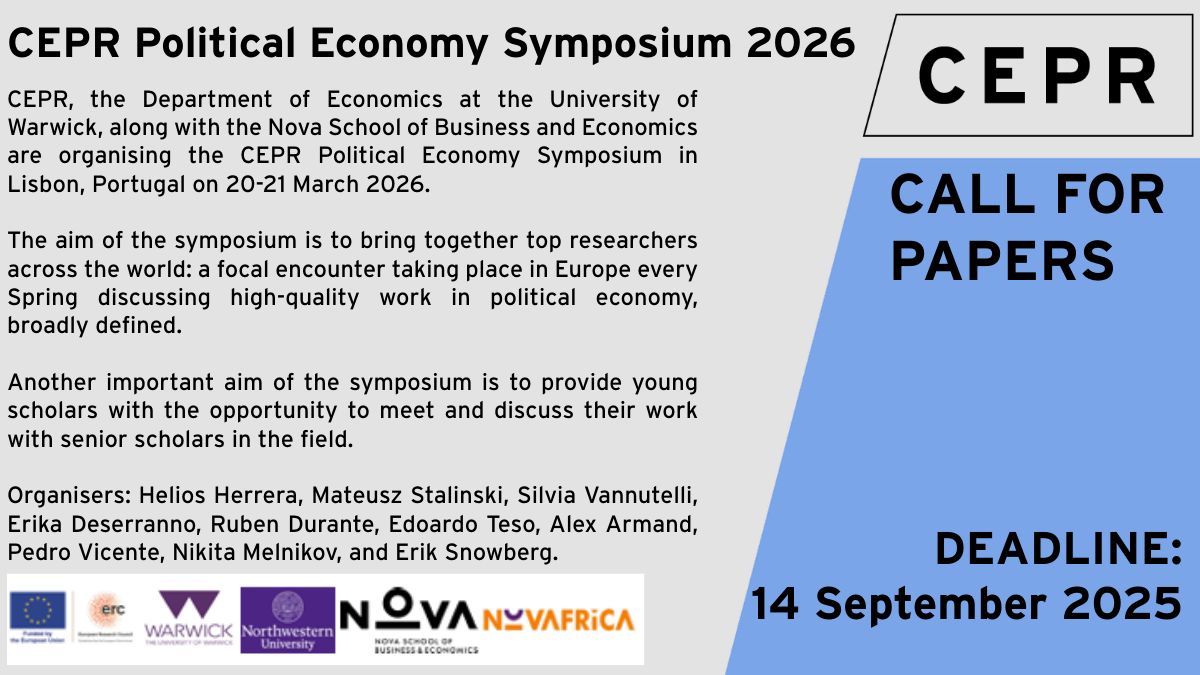
📢 Call for Papers: #CEPR Political Economy Symposium 2026
🗓️ Deadline: 14 Sep 2025 |📍Lisbon,@NovaSBE
@cepr_org invites submissions on political economy topics—development, conflict, inequality, & more.
Limited slots for high-impact discussion.
Apply: ow.ly/bPfT50Wof2t
23
55
12,638