Husband, father, history nerd and enthusiastic golfer. All tweets, etc. are personal and my own.
Joined September 2010
- Tweets 2,559
- Following 2,488
- Followers 481
- Likes 83,138
992 Photos and videos
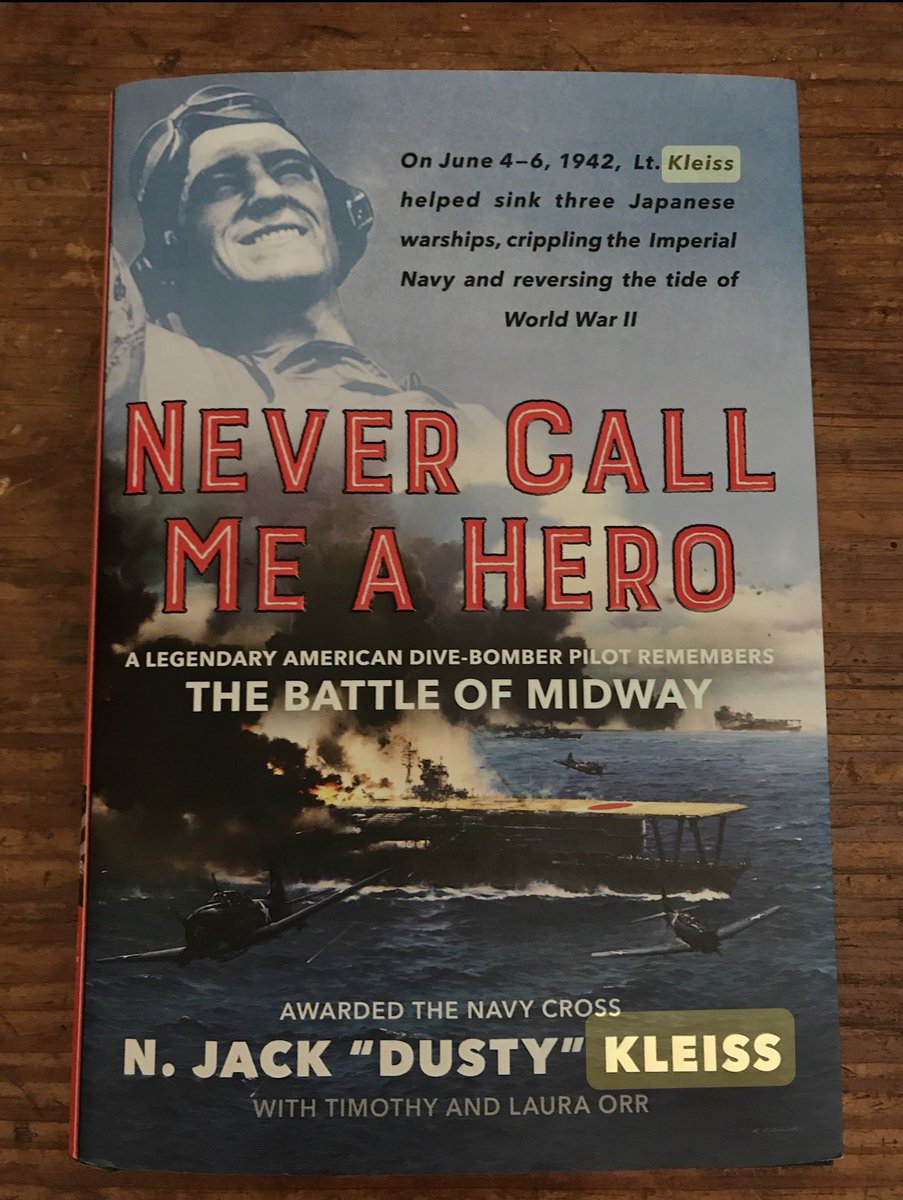
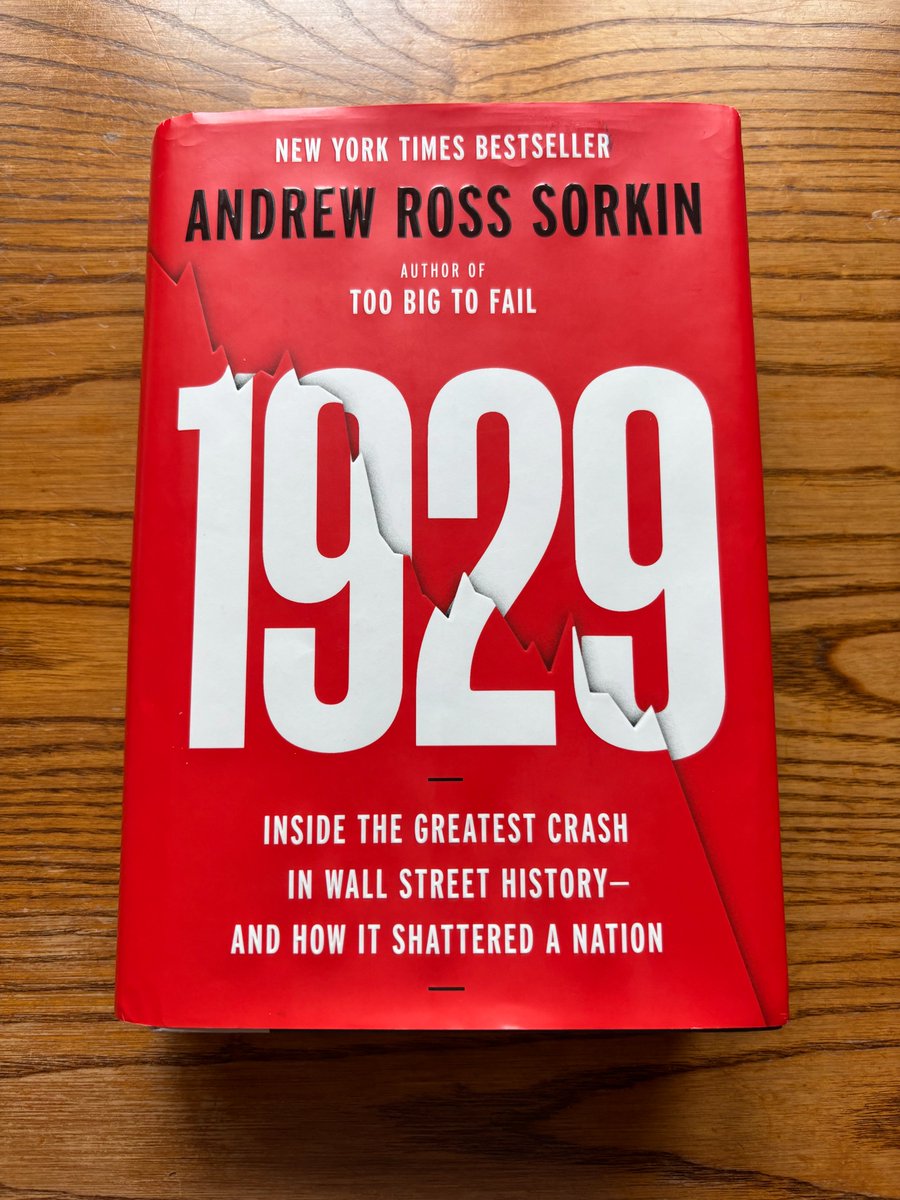

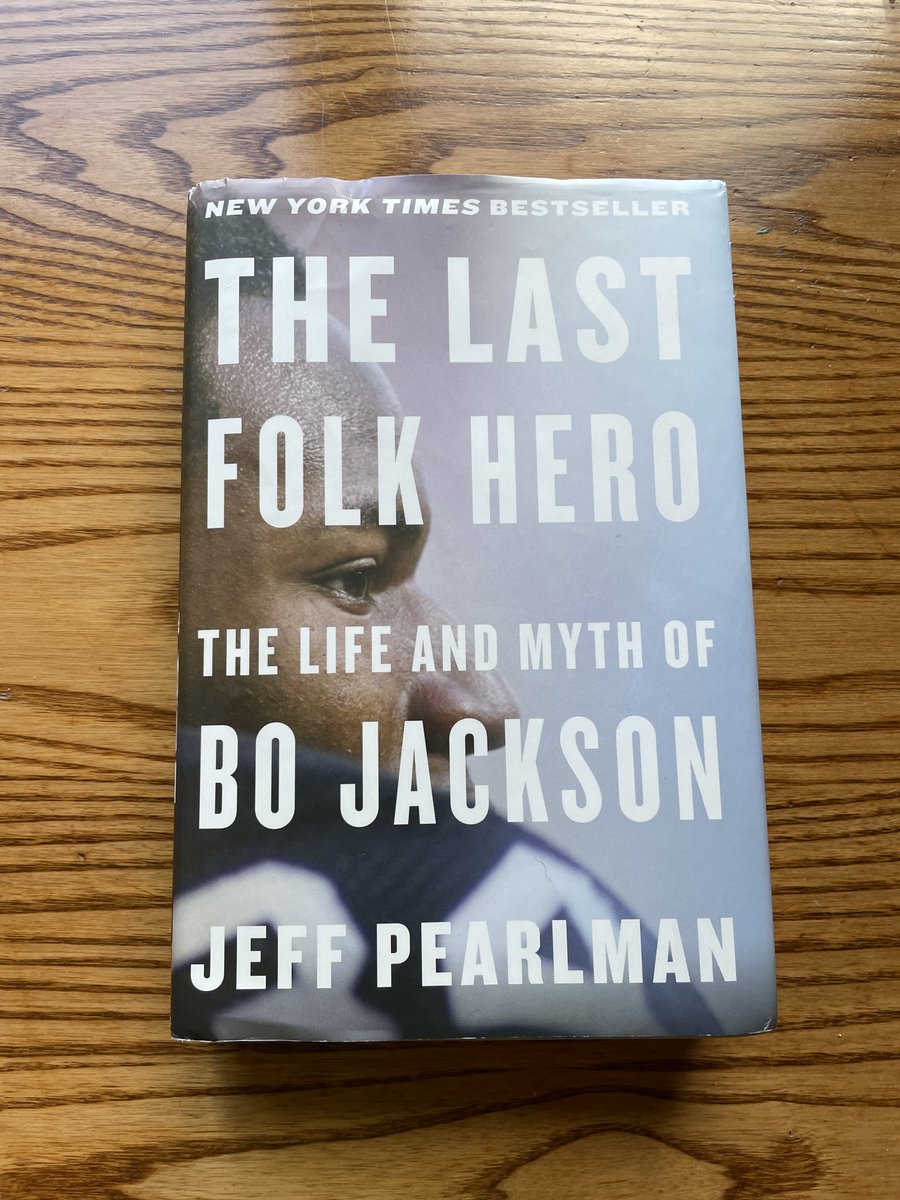
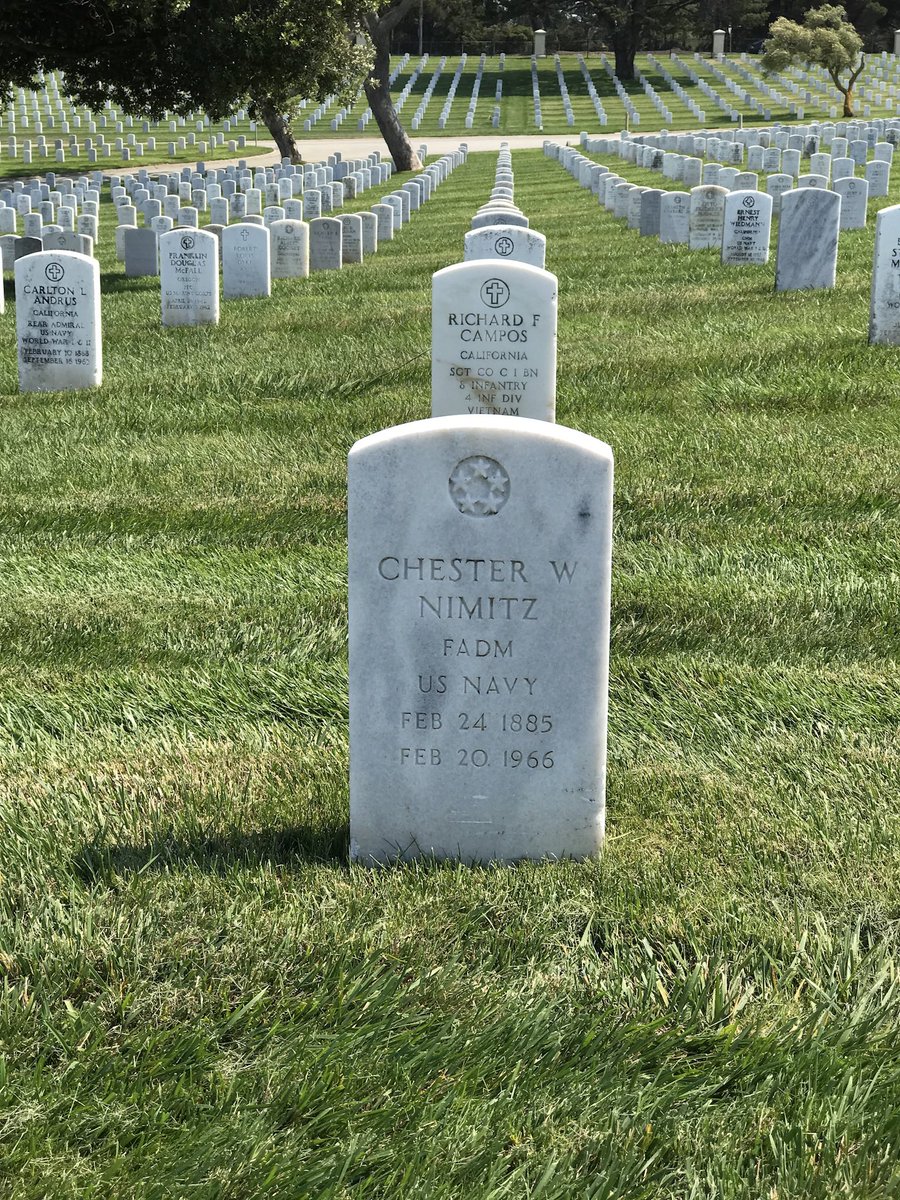
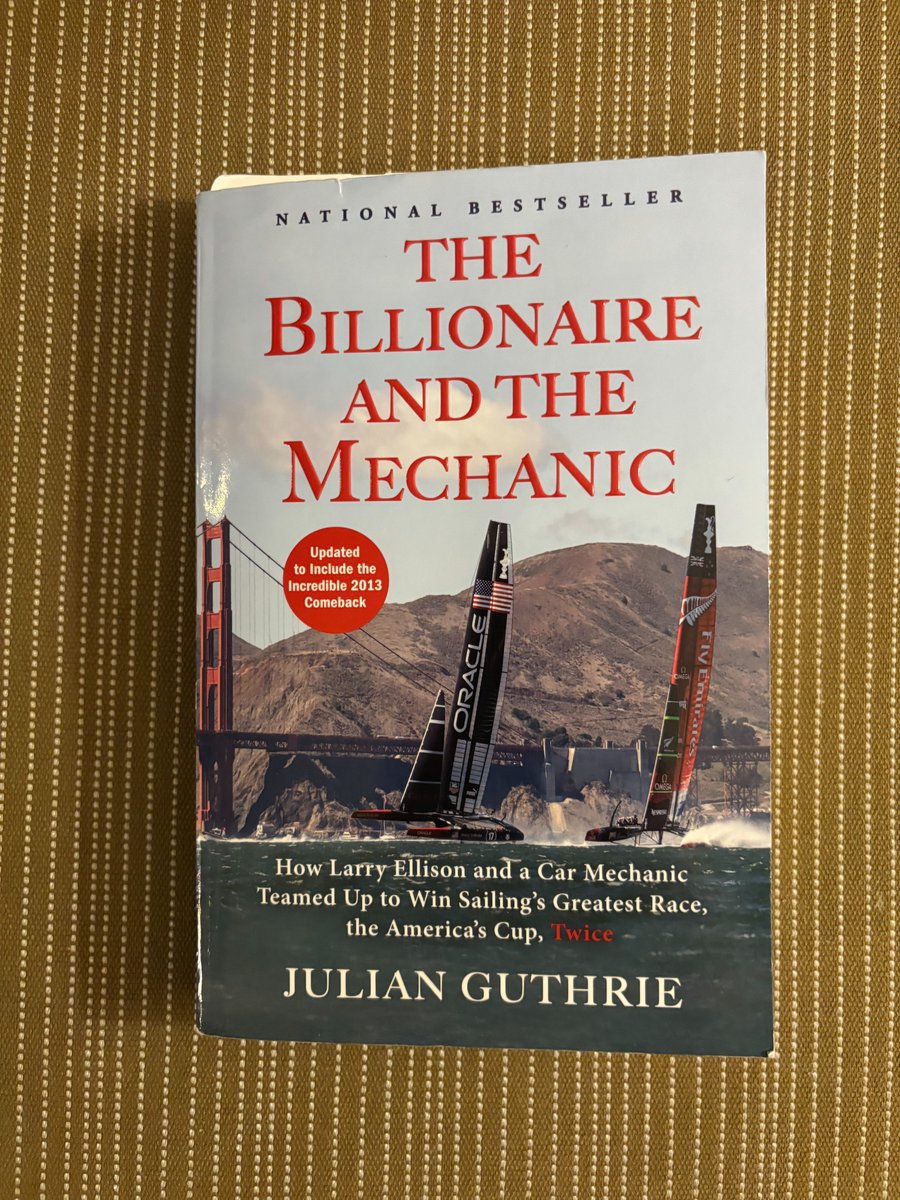
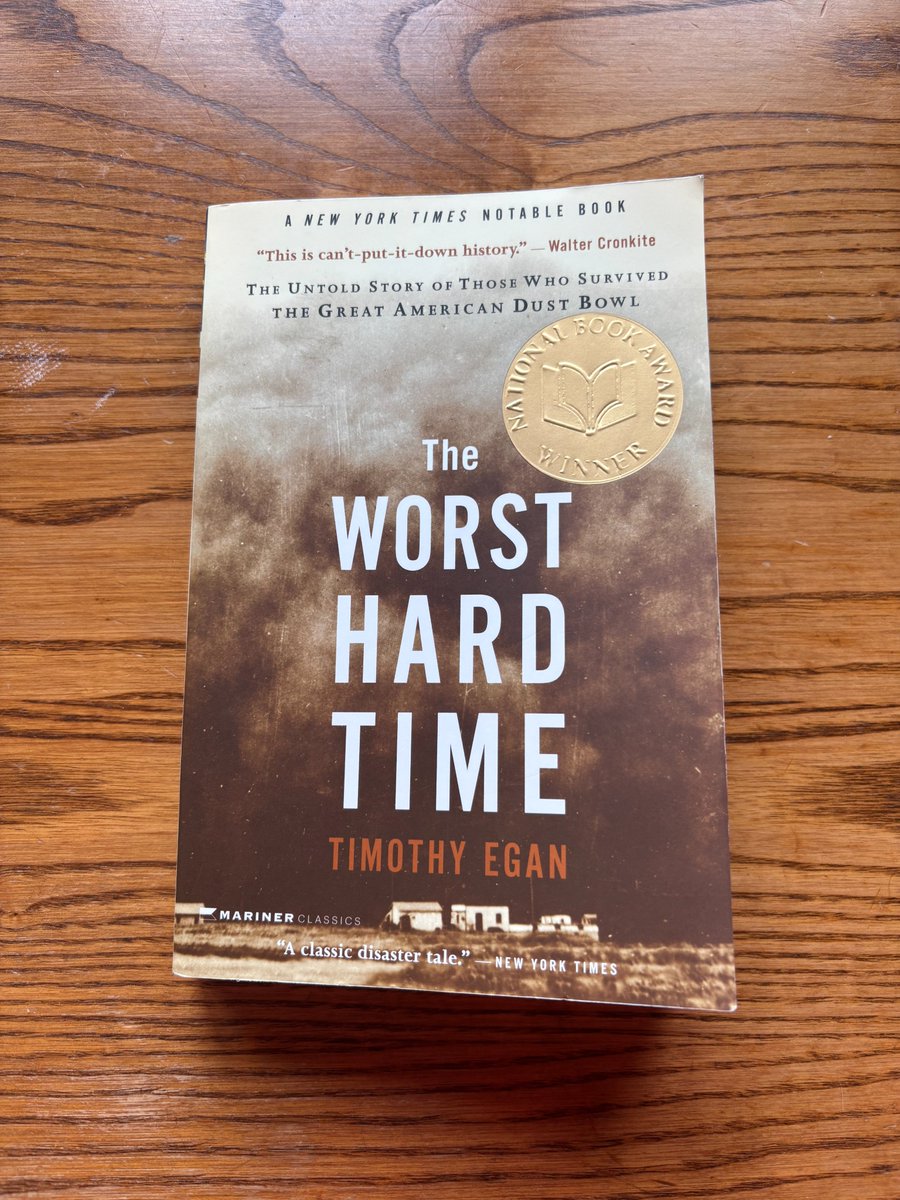
Thanks to @andrewrsorkin for his excellent work #1929 - the reasons, people and organizations involved in the 1929 Stock Market Crash and resulting Depression of the 1930’s. Beware of speculation with borrowed money. Enjoy.
2
3
1,598

May 25
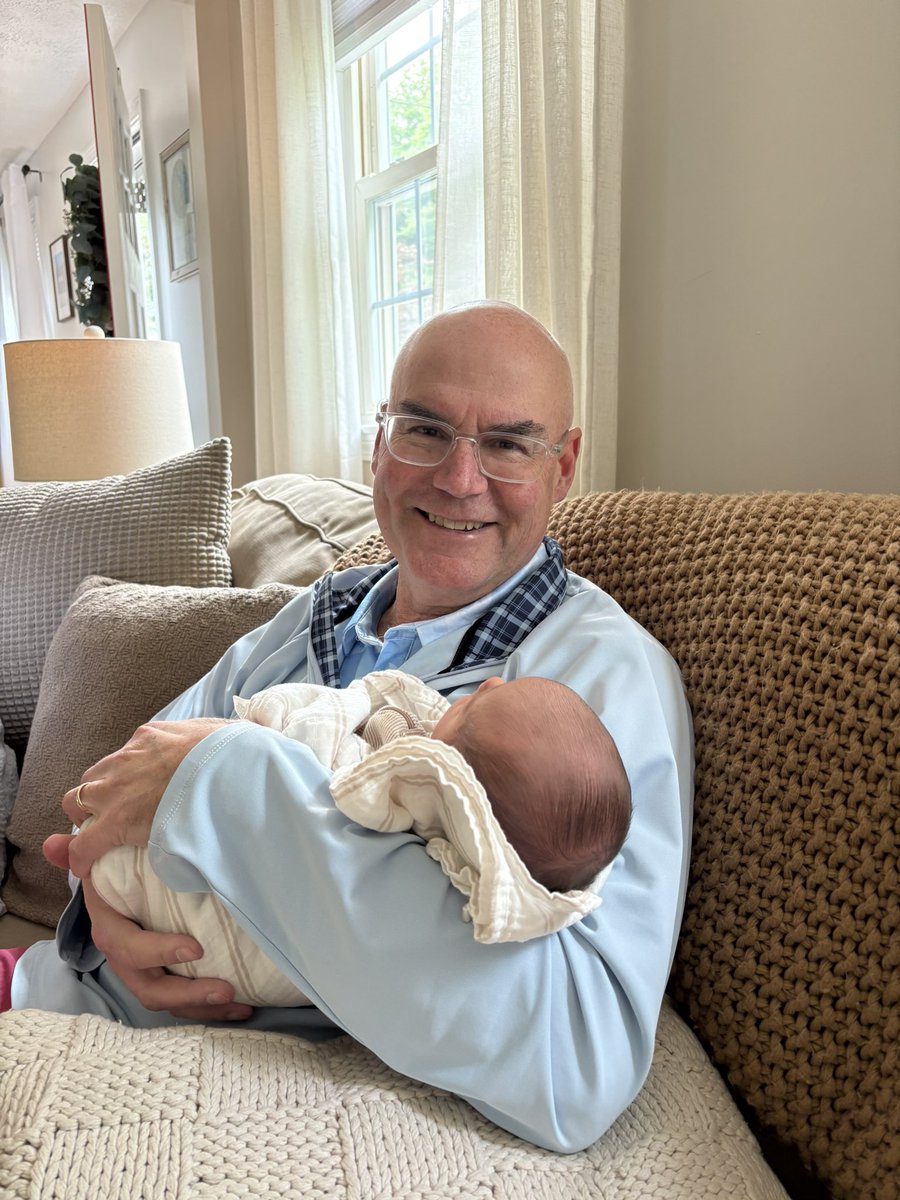
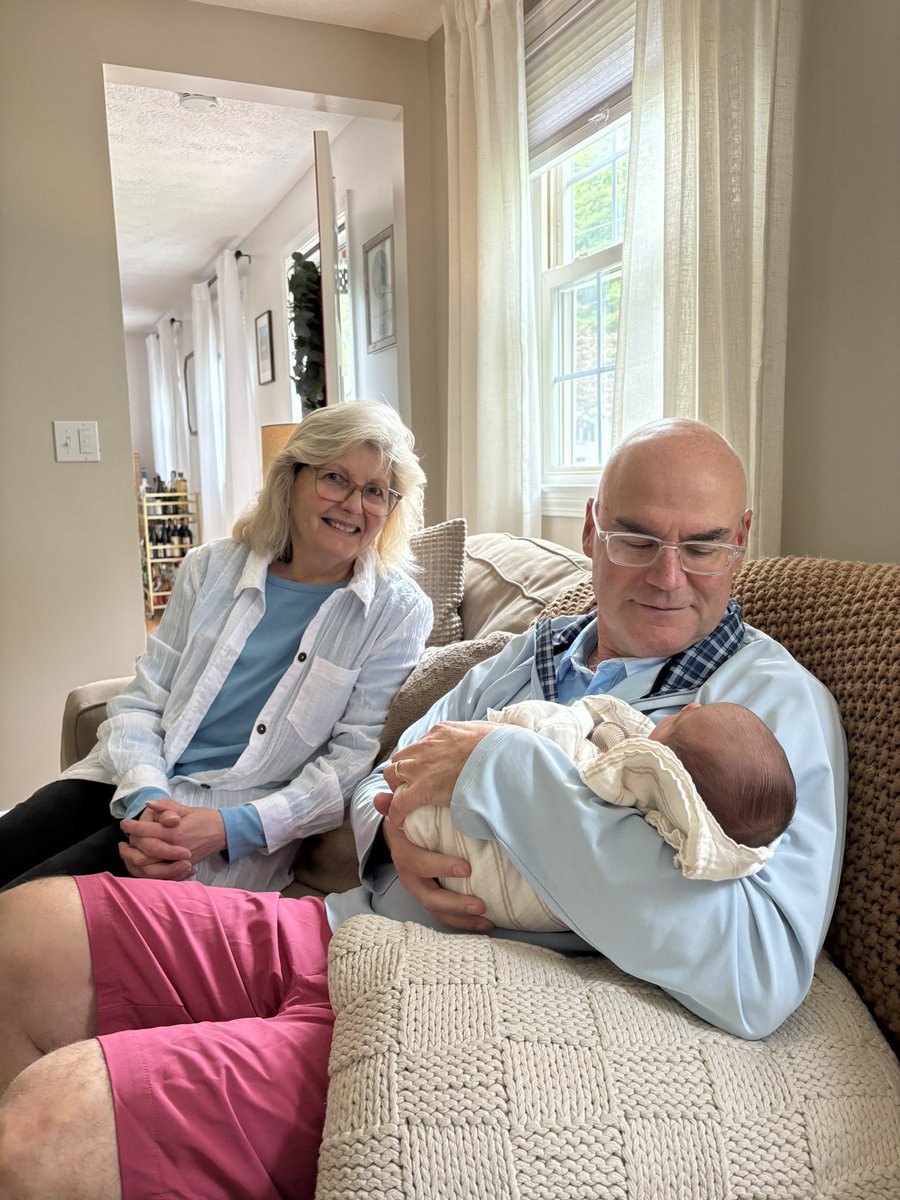
Our new grandson - Harrison James Drouin. Born on May 15. Was 9.7 lbs and 21 inches. He is doing great as is his mom & dad.
2
101
May 22
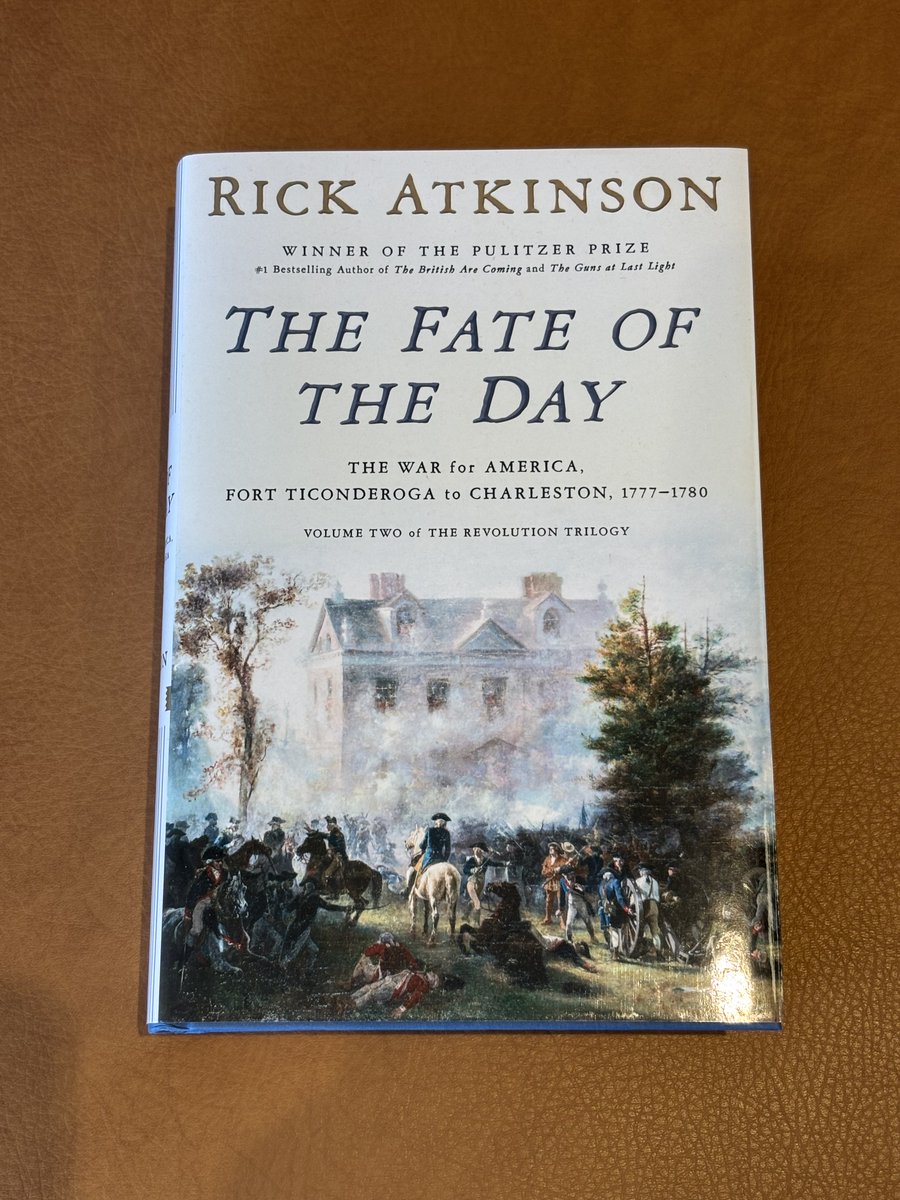
Just finished #RickAtkinson's #TheFateoftheDay - 2nd part in his trilogy of the American Revolution. Another great work by Atkinson. I particularly enjoyed the challenges within the British Gov't and how the War evolved into a global conflict. Enjoy.
23
Steve Edwards retweeted

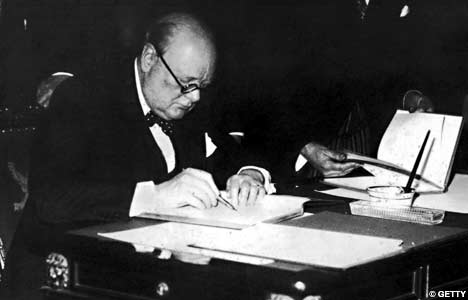
"What shall I do with all my books?"
- Read them, or if you cannot read them, at any rate handle them, fondle them. Peer into them. Let them fall open where they will. Read on from the first sentence that arrests the eye. Then turn to another.
Make a voyage of discovery, taking soundings of uncharted seas. Set them back on their shelves with your own hands. Arrange them on your own plan, so that if you do not know what is in them, you at least know where they are.
If they cannot be your friends, let them at any rate be your acquaintances. If they cannot enter the circle of your life, do not deny them at least a nod of recognition.
- Sir Winston Churchill.

23
173
700
19,037
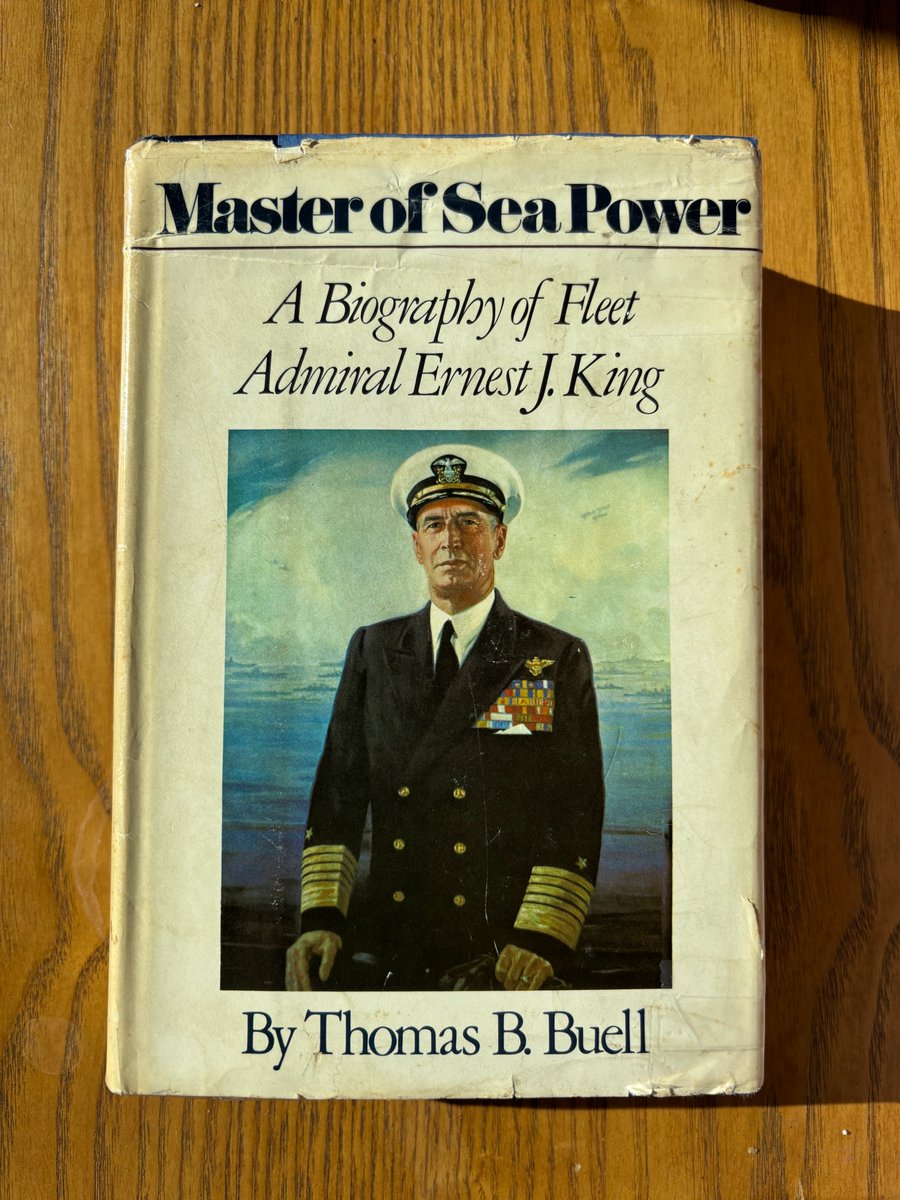
Admiral Ernst J King was smart, tough and demanded nothing less of all in the @USNavy as CNO during WW2. #ThomasBBuell's book es excellent. I particularly enjoyed the drills and plans King ran prior to the War beginning. #Respect 🇺🇸
1
2
68
Steve Edwards retweeted

Apr 18
Ben Carr started the year as a conditional member.
A T7 finish in his home state at the Club Car Championship vaulted him up the priority ranking and made getting starts much easier.
After making the cut on the number this week, he shoots 67 on Saturday and currently sits T8 at the Tulum Championship at PGA Riviera Maya.
9
59
11,517
Steve Edwards retweeted

Apr 7
NEW LONG FORM VIDEO: Why The Masters Doesn’t Want Your Money
In 2002, a women’s rights activist named Martha Burke sent a polite letter to Augusta National Golf Club with a simple request: please consider admitting a female member. The chairman at the time, a man named Hootie Johnson, responded firmly. He said that someday they might admit a female member, but they would not do it under pressure.
What happened next surprised everyone. Johnson called the Masters’ three biggest sponsors, IBM, Coca-Cola, and Citigroup, and told them not to return. Instead, the tournament would run its television broadcast with no advertising. For two straight years, the Masters aired without commercials, leaving roughly $20 million a year in sponsorship revenue on the table.
Even today, the Masters continues to operate in ways that seem almost irrational. The tournament is estimated to leave around $250 million in potential revenue on the table each year. They sell pimento cheese sandwiches for just $1.50 and limit commercialization in ways that most businesses would never consider.
And yet, despite all of these unusual decisions, the Masters remains one of the most prestigious sporting events in the United States.
So what would make an organization run a business this way? Is it greed, elitism, or something much more strategic? This is the rise of the Masters.
42
39
645
146,238
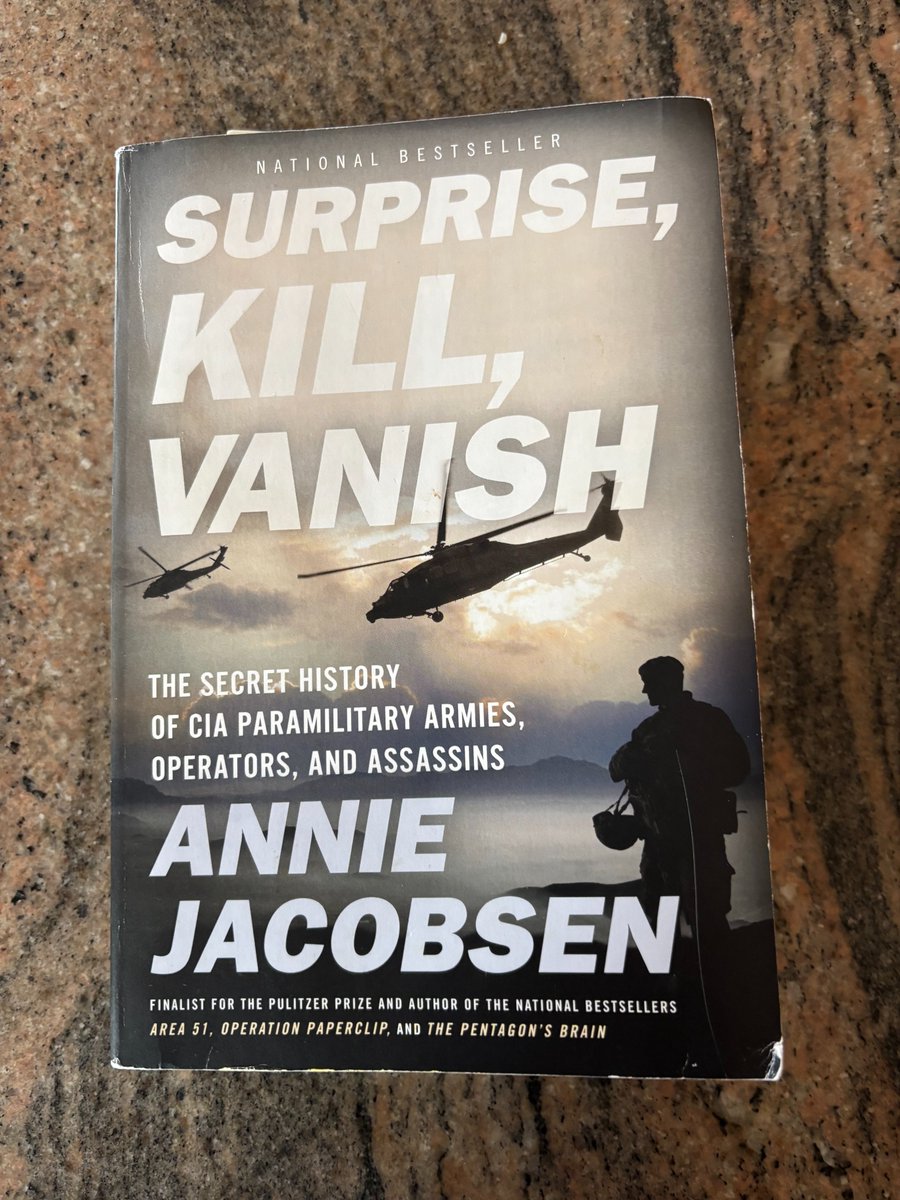
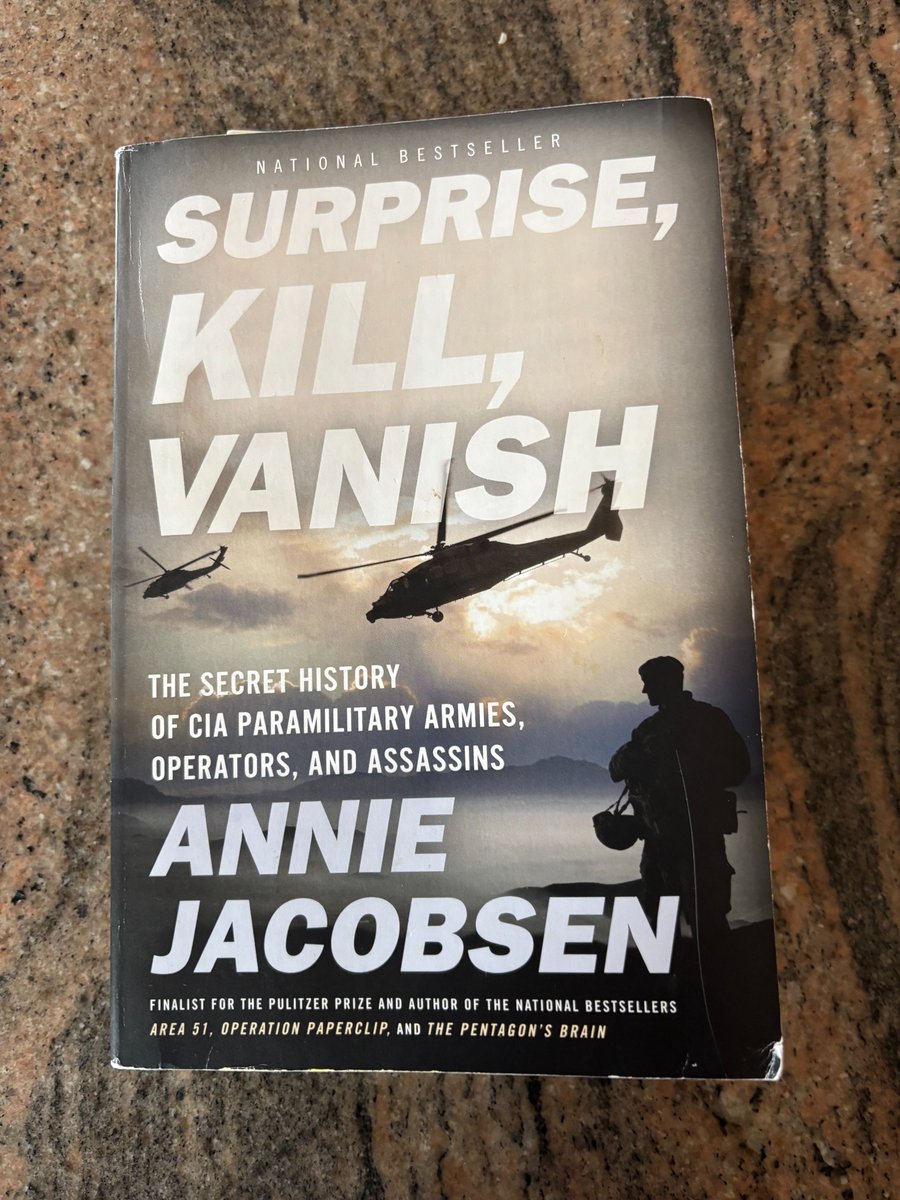
Does the US need covert intelligence special operations forces? @AnnieJacobsen’s asks this question in her excellent book. She provides the history and profiles #BillyWaugh and his many missions. (1).
2
1
1
65
Also does nice profile of Lewis Merletti – former Green Beret in Vietnam, then USSS Senior Agent on Protective Details on President Reagan, Bush and Clinton. (2)
1
35
My read of @AnnieJacobsen's book is she agrees they are necessary.
17
Steve Edwards retweeted

26 Mar 2023
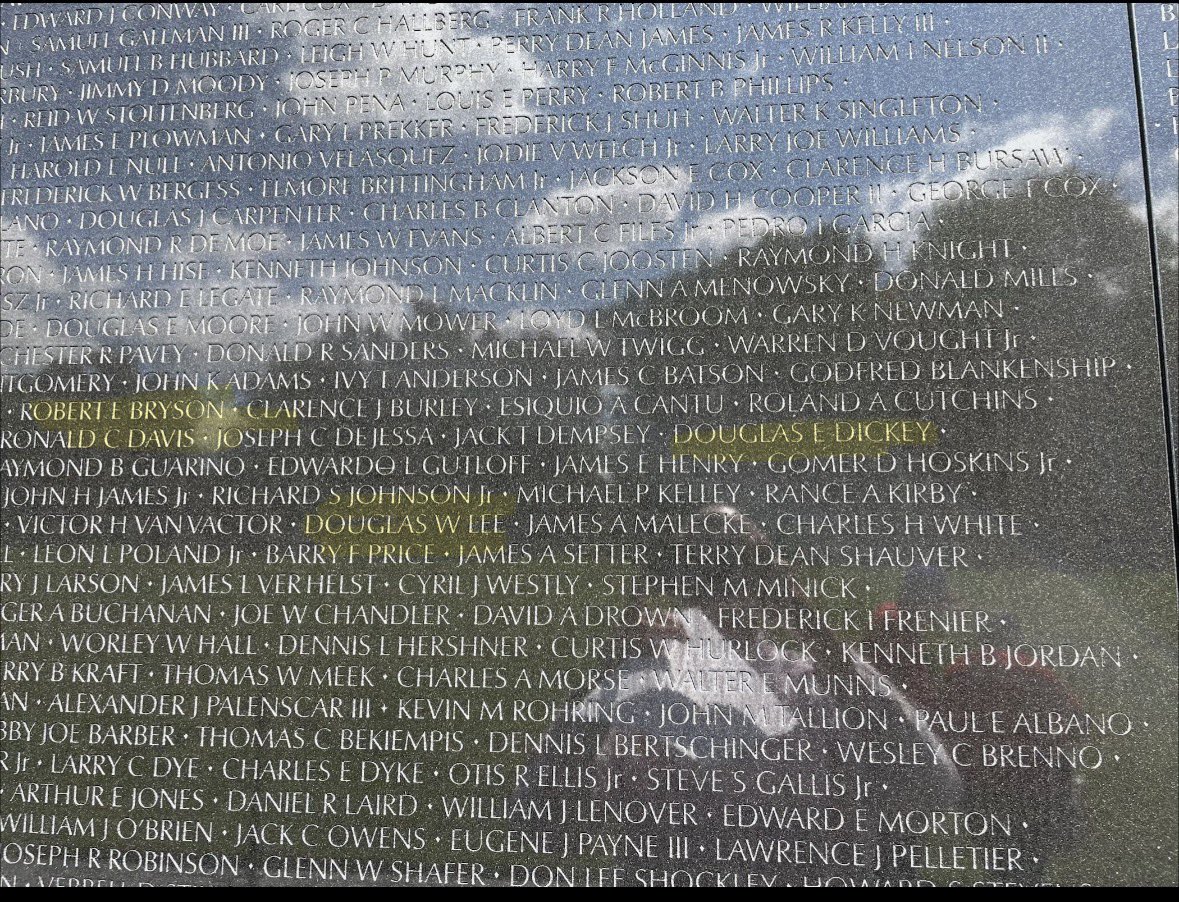
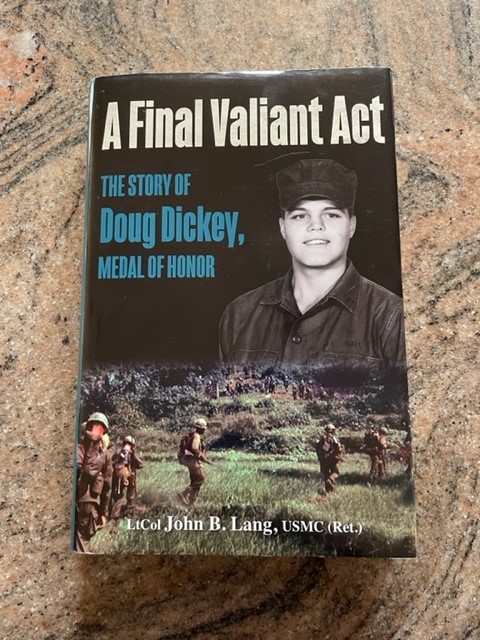
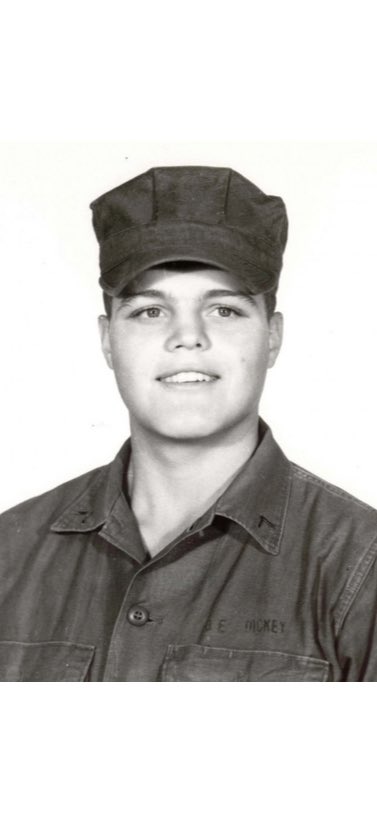
U.S. Marine Corps Private First Class Douglas Eugene Dickey selflessly sacrificed his life for his Marine brothers on March 26, 1967 in Quang Tri Province, South Vietnam. For his extraordinary heroism and bravery that day, Douglas was awarded the Medal of Honor. He was 20. Hero🇺🇸
238
786
3,777
52,866
Mar 19
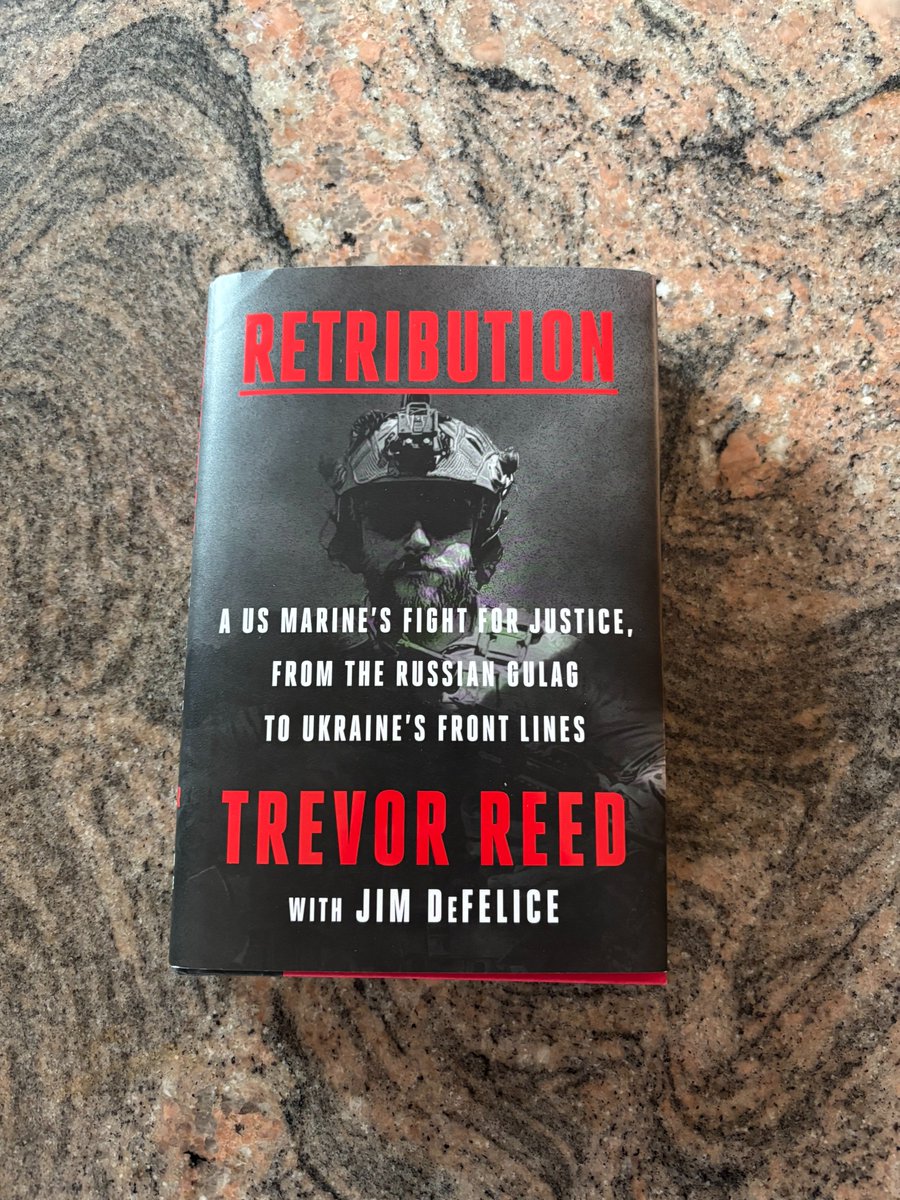
Learn about mental toughness and discipline by reading #TrevorReed's service as a @USMC, subsequent arrest and imprisonment in Russia and then joining #Ukraine forces fighting the Russians. with @JimDeFelice. Enjoy.
41
Steve Edwards retweeted

Mar 15
June 1983. A 28-year-old Steve Jobs walks into a design conference in Aspen, Colorado. He asks the room who owns a personal computer. Nobody raises their hand. He says “Uh-oh.”
Then he spends the next 55 minutes describing the next four decades of technology.
Jobs told the audience Apple’s strategy was to “put an incredibly great computer in a book that you can carry around with you, that you can learn how to use in 20 minutes… with a radio link in it so you don’t have to hook up to anything.” That’s an iPhone. In 1983. The Mac hadn’t even shipped yet.
He described an MIT project that sent a camera truck down every street in Aspen, photographed every intersection, and built a virtual walkthrough on a computer screen. Google Street View launched 24 years later. He said office networking was about 5 years away and home networking 10 to 15 years out. The web went mainstream in the mid-90s, about 12 years later. Dead on.
He described software being sent electronically over phone lines, with free previews and credit card payment. That’s the App Store, 25 years before it launched. He even compared it to the music industry and said software needed “the equivalent of a radio station” for free sampling. Apple built the iTunes Music Store 20 years later.
The AI prediction is the one that hits different now. Near the end, Jobs talked about machines that could capture a person’s “underlying spirit” or “way of looking at the world,” so that after they died, you could ask the machine questions and maybe get answers. He said 50 to 100 years. ChatGPT arrived in about 40.
The weird part is this speech was lost for nearly 30 years. The full hour-long recording only surfaced in 2012 when a blogger got a cassette tape from someone who attended the original conference. The Steve Jobs Archive didn’t release actual video footage until July 2024.
His timelines were consistently too fast. He wanted the “computer in a book” within the 1980s. Apple’s first attempt was the Macintosh Portable in 1989, which weighed 16 pounds and cost $6,500. The iPad arrived in 2010, 27 years late. He guessed voice recognition was about a decade away. Siri launched in 2011, nearly 30 years later. The vision was right every time. The clock was wrong every time.
Apple was doing about $1 billion a year in revenue when Jobs gave this talk, with under 5,000 employees. Today it’s worth $3.7 trillion.
106
1,461
7,273
1,104,146
Feb 15
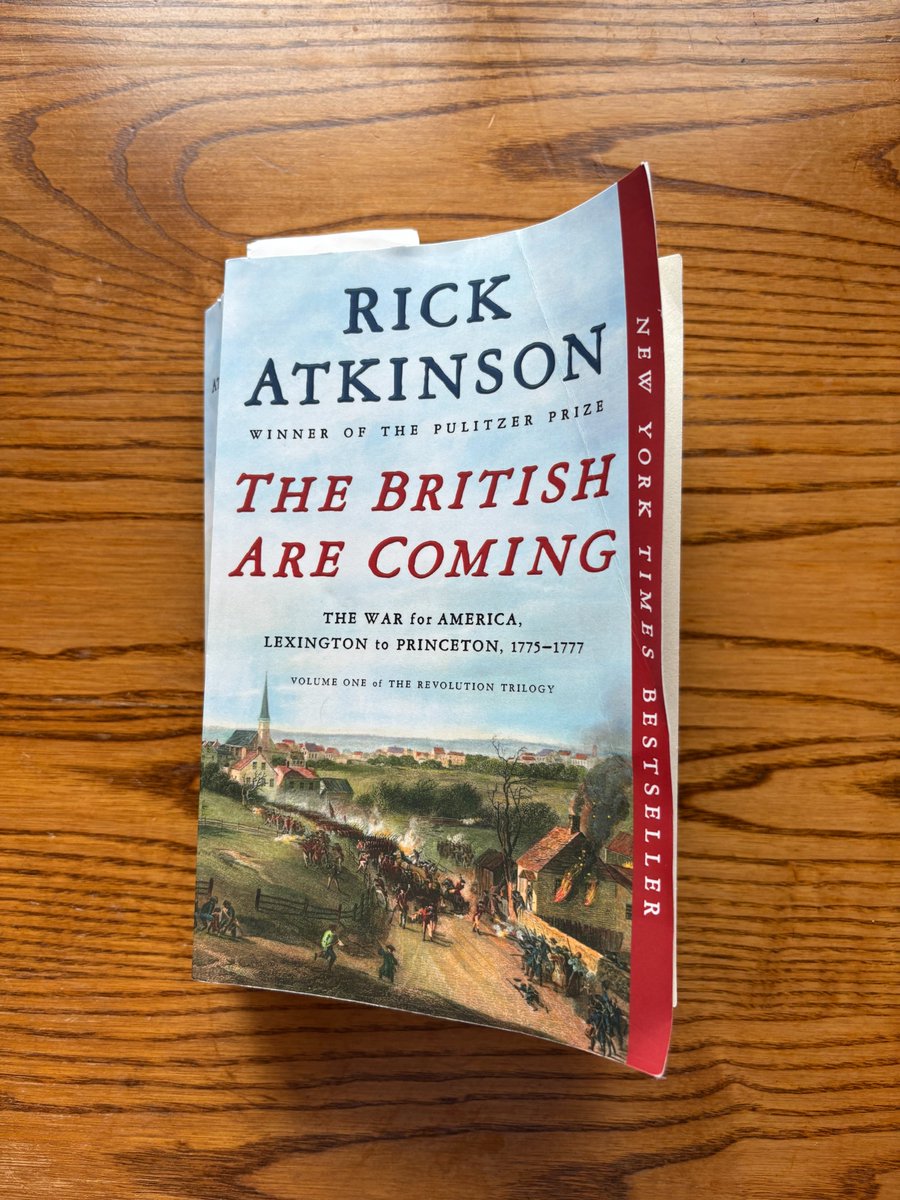
Best book I've read about the American Revolution. #RickAtkinson is a fantastic historian & author. His participation in @KenBurns epic @PBS series prompted me to get this. Glad I did. Looking forward to next two. Enjoy.
1
1
4
104
Jan 31
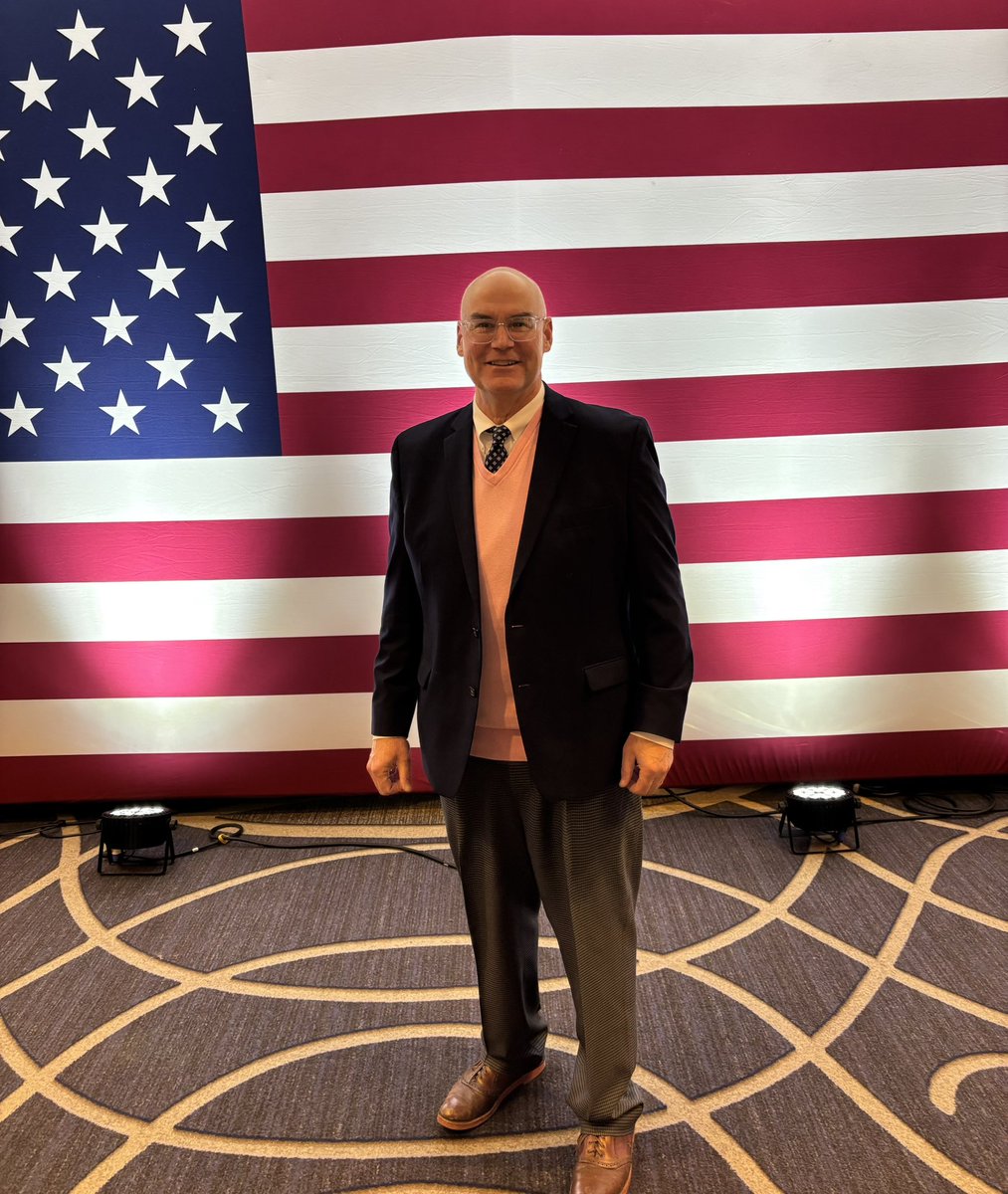
Presented to the National Sheriffs’ Association Conference today in Washington, DC.
1
2
50