
I am me ! Live Life to the Fullest.Happily Married.God Bless our Troops🫡🇺🇸John316.🙏🏻
Joined December 2025
- Tweets 536
- Following 184
- Followers 118
- Likes 320
12 Photos and videos


K. M. retweeted

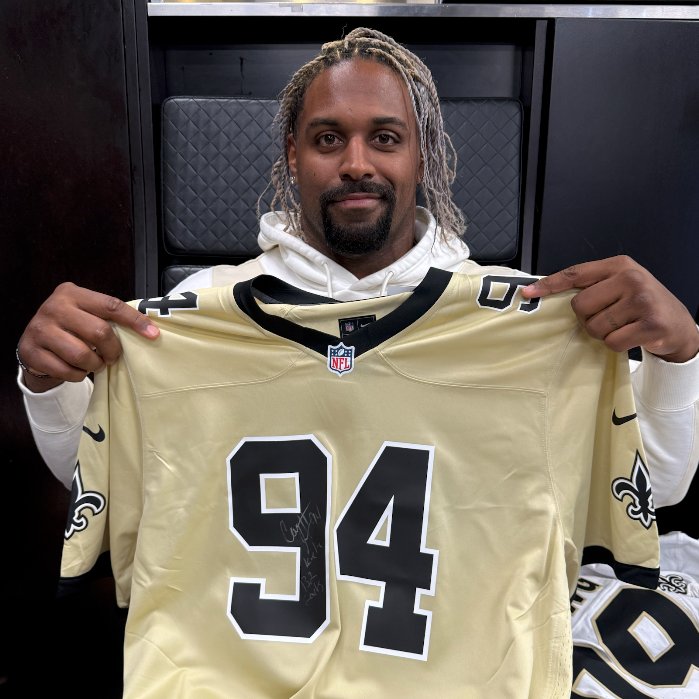
wanna LEVEL(Z) 🆙??
RT for your chance to win an autographed Cam Jordan jersey 🔁
#Saints | Rules 🔗neworlns.co/CamJordan
56
1,443
1,532
36,567

This is what Brother Clapp would preach and out Pilgrim family started a new church in Prosperity, Pennsylvania.

3 #gods do not get along. #1-God, #creator & #immortality. #2- the #devil, a created enemy. #3-YOU, the created #mortal god, #humans. Everything you were taught in #school is a #lie. If you follow me; I #expect that you are #interested in #reading the book.

3
Pipe Dream (Animusic) - Remastered 4K 60FPS youtu.be/HmoUSSVSV7I?is=1osh… via @YouTube
THERE IS WIDESPREAD FLOODING IN LOUISIANA WITH TORNADOS .
STOP DRIVING THRU FLOODED STREETS YOUR PUSHING WATER IN YOUR ENGINE AND TAIL PIPE.
40
I love climbing up buildings too…in Pittsburgh!

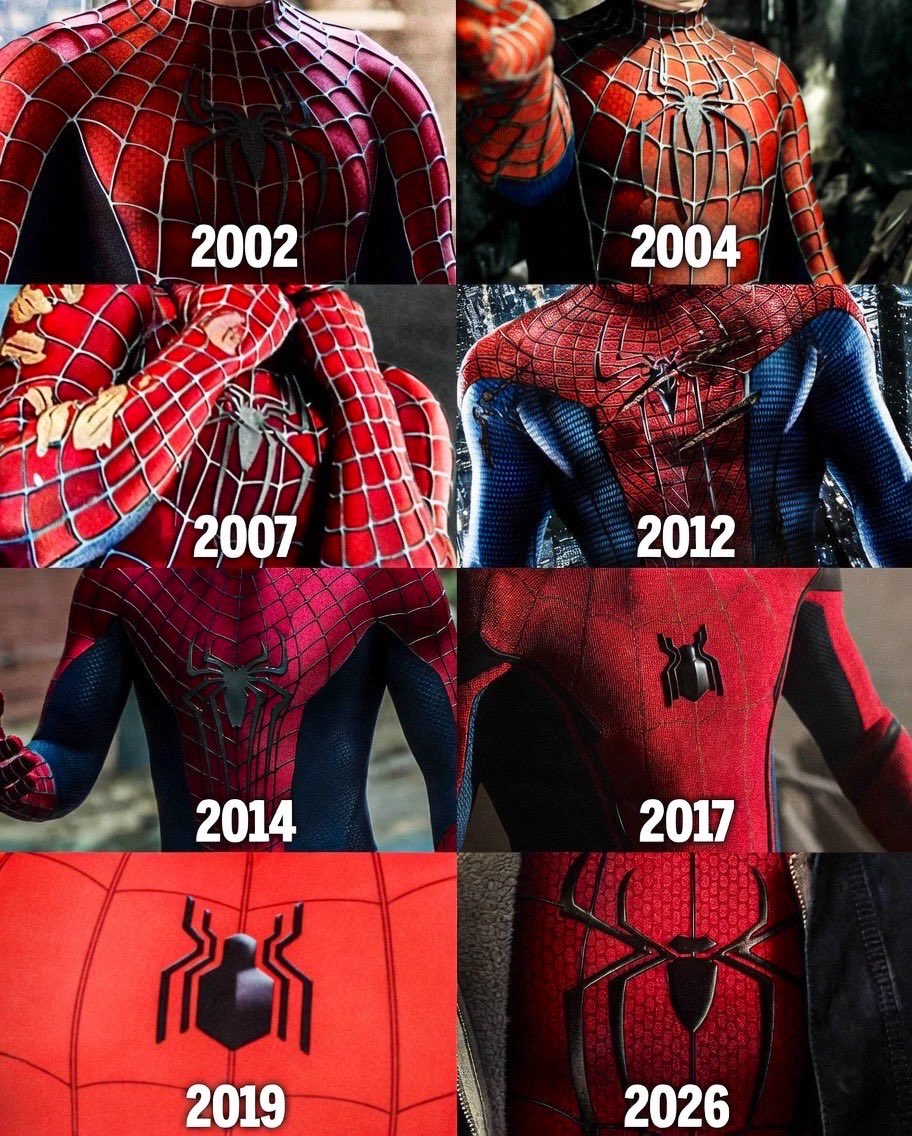
🕸️🕷️Eight iconic logos for “Spider-Man”
Which one is ur favorite?
#SpiderMan #SpiderManBrandNewDay
2
69
K. M. retweeted

🕸️🕷️Eight iconic logos for “Spider-Man”
Which one is ur favorite?
#SpiderMan #SpiderManBrandNewDay
9
33
278
8,252


Why can’t we fill that stadium

#Pittsburgh #Pirates play their first game in #Minnesota vs the #Twins OTD 6/16/97.
Mark Smith became the Bucs’ 1st-ever DH & hit a 2-run HR!
Kevin Polcovich also hit a 2-run shot for his 1st MLB HR.
#Buccos held on, 8-6!
#LetsGoBucs
2
57
K. M. retweeted

#Pittsburgh #Pirates play their first game in #Minnesota vs the #Twins OTD 6/16/97.
Mark Smith became the Bucs’ 1st-ever DH & hit a 2-run HR!
Kevin Polcovich also hit a 2-run shot for his 1st MLB HR.
#Buccos held on, 8-6!
#LetsGoBucs
2
4
12
1,358
K. M. retweeted

Jun 16
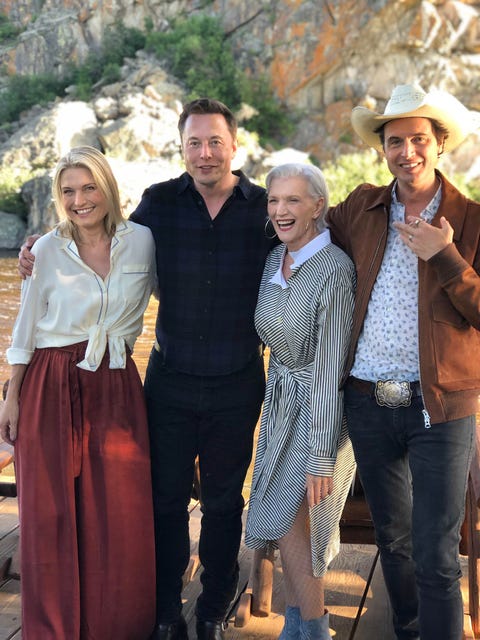
Elon Musk’s success didn’t begin in a boardroom, a rocket factory, or a Tesla lab.
It began with Maye Musk — a mother who raised bold, independent, fearless children and still shows up with pride for her kids and grandkids.
Behind great builders are great mothers. Maye is one of them. 🩷
100
244
1,558
17,933
K. M. retweeted

Jun 15
This is hard, guys. Really hard! God Bless America! 💪🇺🇸
1,516
8,337
54,108
595,685
The phone is not plugged in the wall jack. You need someone to place the call
Jun 16

Ok, many of my followers are around my age so I'm guessing that y'all will have some great answers.
What's missing from this scene? 👇🤔

16
K. M. retweeted

Jun 16
Ok, many of my followers are around my age so I'm guessing that y'all will have some great answers.
What's missing from this scene? 👇🤔
9,499
145
1,726
262,683
I know the quiet you speak of. It’s deafening and you are trying to keep a strong presence. When I was physically forced to be a right hander there was no one to help me not even my parents. I will let you read my year book 📕. I became the leader of people who were being picked on.
We morf into jello it seems. I know your feeling. Greif Sharing helped my husband and I with Hurricane Katrina 2005. Eric saved my life and got me the medical attention I needed in Pittsburgh, Pennsylvania.
Jun 17

Some days it looks like everything is fine on the outside… but inside, there’s a silence no one can hear.👂
I’ve built, I’ve lost, I’ve smiled for cameras and stayed strong when it hurt more than anyone could imagine. But there are moments where even success doesn’t fill the empty spaces people never see.
It’s strange how someone can be surrounded by everything they ever worked for… yet still feel like something important is missing. Not money. Not fame. Not achievements. Just understanding. Just presence. Just the feeling that someone truly stays.😑❤️🩹
And maybe that’s the hardest part of it all… not the noise of the world, but the quiet thoughts when everything goes still.

1
19
K. M. retweeted

Jun 17
Some days it looks like everything is fine on the outside… but inside, there’s a silence no one can hear.👂
I’ve built, I’ve lost, I’ve smiled for cameras and stayed strong when it hurt more than anyone could imagine. But there are moments where even success doesn’t fill the empty spaces people never see.
It’s strange how someone can be surrounded by everything they ever worked for… yet still feel like something important is missing. Not money. Not fame. Not achievements. Just understanding. Just presence. Just the feeling that someone truly stays.😑❤️🩹
And maybe that’s the hardest part of it all… not the noise of the world, but the quiet thoughts when everything goes still.
237
91
358
6,359
A job at space x

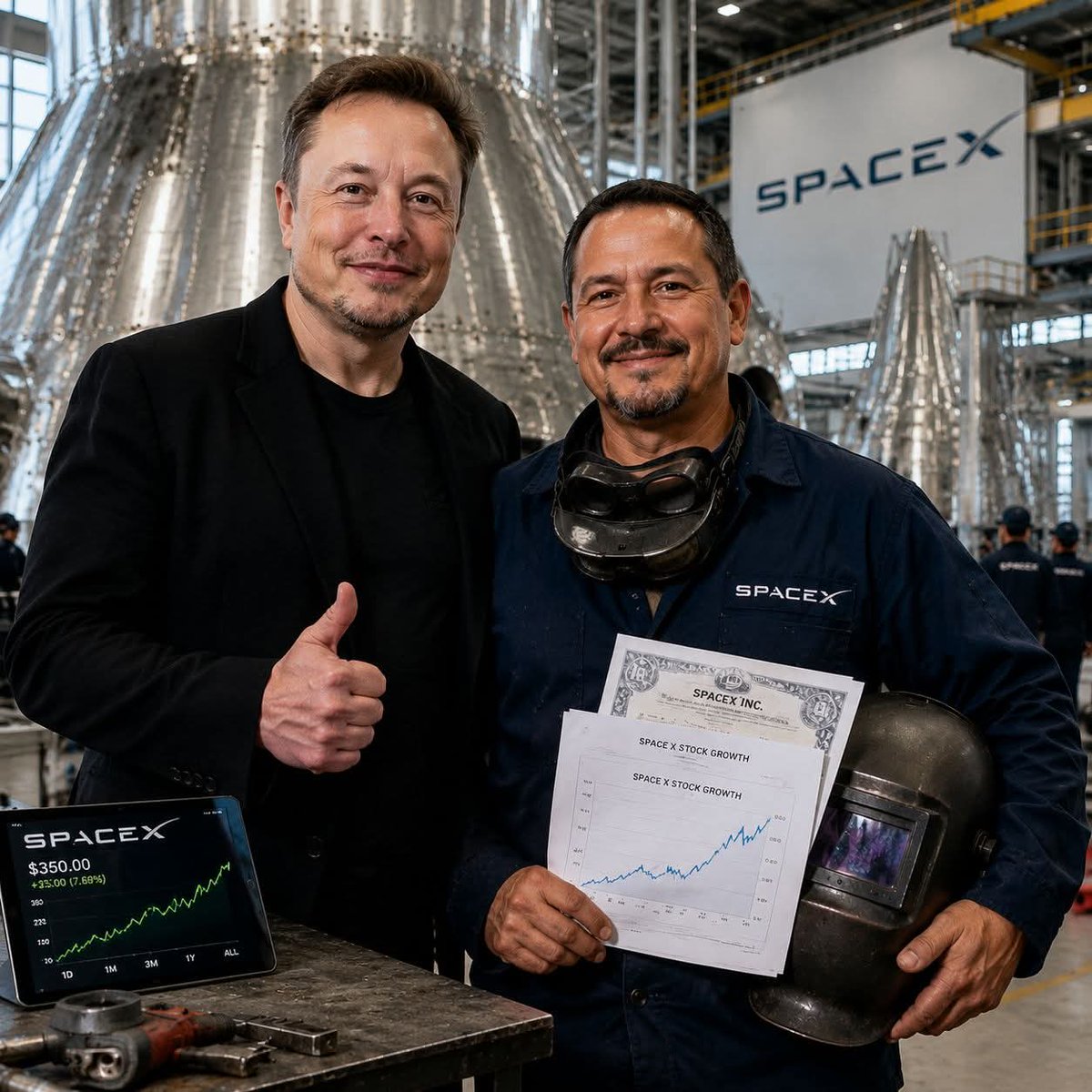
🚀 If Elon Musk offered you ONE thing today, what would you choose?
A) 1% of SpaceX stock 💰
B) A trip to Mars 🚀
C) Lunch with Elon 🤝
D) A job at SpaceX 🏭
2
28
K. M. retweeted

🚀 If Elon Musk offered you ONE thing today, what would you choose?
A) 1% of SpaceX stock 💰
B) A trip to Mars 🚀
C) Lunch with Elon 🤝
D) A job at SpaceX 🏭
2,828
551
1,658
64,930
K. M. retweeted

SAVING ISRAEL FOR LAST...
👁 Now the pattern is fully visible...
Trump kept Netanyahu close because the relationship was tactical... keep your friends close, keep your enemies closer... stabilize the region around him, dismantle the proxy networks, lock Iran into containment, reposition Syria, isolate Hezbollah... then expose the leader still choosing destruction...
That defines the Final Takedown Template... Globalist leaders are not removed in isolation... their protection systems are dismantled first...
[Their] wars are ended... their funding networks are traced... [their] proxies are neutralized... [their] narratives collapse... [their] allies step away... [their] crimes surface... then the receipts move upward through the architecture that protected [them]...
Trump’s message was direct...
Too many civilians are being killed... apartment buildings cannot be flattened every time Israel claims to be hunting one target... Syria can handle Hezbollah without Netanyahu expanding another endless war...
The justification is disappearing...
Iran contained... Syria repositioned... Hezbollah isolated... regional peace architecture forming... Netanyahu separated from the shield that covered him...
War crimes... crimes against humanity... civilian deaths... destroyed cities... decades of protected power now moving into full view...
This is bigger than Israel...
The Final Takedown Template is moving through the global control structure... one protected leader at a time... one network at a time... one layer closer to the top... watch it spread...
Saving Israel for last meant removing every excuse first... nowhere left to hide... and...
This is only the beginning... BQQM...

139
1,220
3,487
115,528
K. M. retweeted

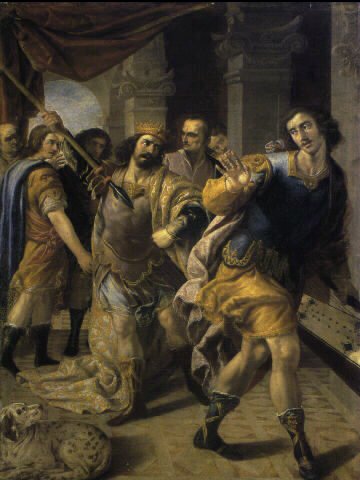
Remarkably, after saving Israel, David became the object of Israel's king's hatred. David defeated Goliath, delivered the nation from its greatest threat, and brought honor to Israel. Yet almost immediately, Saul turned against him. The women sang David's praises, the people celebrated his victory, and Saul "eyed David from that day and forward" (1 Samuel 18:9). The very man who had rescued the kingdom became a fugitive within it.
This pattern should sound familiar. Jesus came to His people as their promised Messiah. He healed the sick, fed the hungry, raised the dead, and taught with divine authority. Yet many of the leaders who should have recognized Him became His fiercest opponents. John's Gospel summarizes the tragedy in a single sentence: "He came unto his own, and his own received him not" (John 1:11).
The parallels are even more striking because David had already been anointed king by Samuel. Though Saul still occupied the throne, God's choice had already been made. David was the rightful king, but he was not yet recognized as such by the nation. In a similar way, Jesus was the true King of Israel, yet most people failed to recognize Him during His mortal ministry. The title placed above His cross, "King of the Jews," was intended as mockery, but it was profoundly true.
David's response to rejection also points us toward Christ. On multiple occasions, David had the opportunity to kill Saul and claim the throne by force. Instead, he refused to raise his hand against the Lord's anointed and patiently waited for God's timing. He chose trust over vengeance and submission over self-promotion. Christ likewise refused every shortcut to power. He did not establish His kingdom through political maneuvering, military force, or coercion. He submitted Himself entirely to the Father’s will, even when that path led to Gethsemane and Calvary.
For years, David wandered as an exile, gathering around him a small band of loyal followers while the established leadership rejected him. Yet those outcasts and faithful disciples would eventually share in his kingdom. The same pattern appears in the ministry of Jesus. The religious elite largely rejected Him, while fishermen, publicans, and ordinary believers became the foundation of His Church.
David's years of rejection remind us that God's chosen king is not always immediately recognized. Before the crown came the wilderness. Before the throne came suffering. Before the kingdom came rejection. The same pattern appears perfectly in Jesus Christ. He was despised before He was exalted, rejected before He was enthroned, and crucified before He was glorified.
The story of David ultimately invites us to ask a personal question: would we have recognized God's anointed king when others rejected him? The answer matters just as much today. Christ still comes in ways the world does not expect, and disciples are still called to follow Him even when the crowd does not. David's experience as the rejected king points us to the greater Son of David, who was rejected by men but chosen of God and who now reigns forever.
Art: Saul threatening David, by José Leonardo
#ComeFollowMe
#SundaySchool
2
7
34
449
K. M. retweeted

Jun 16
A nuclear powered rover on an alien planet, 140 million miles away captured this.
This is Sol 3070 on Mars.
259
995
7,298
319,895