Clinical researcher in Pediatric Orthopaedics. HIPpy crusader. Crazy runner.
- Tweets 252
- Following 254
- Followers 89
- Likes 44,388




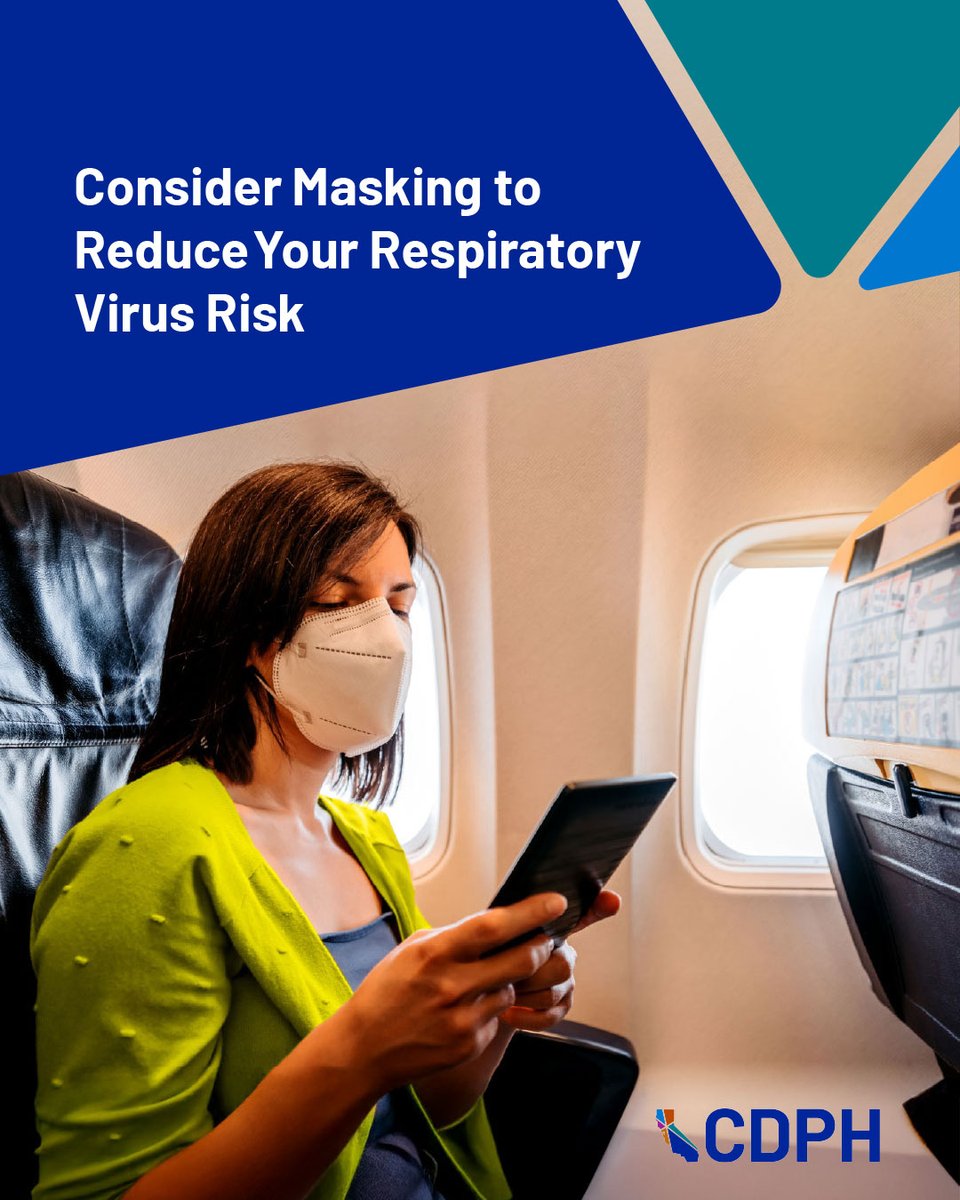
ALT Person wearing a mask sitting by an airplane window, using a smartphone, under a notice from CDPH recommending masks to reduce respiratory virus risk.


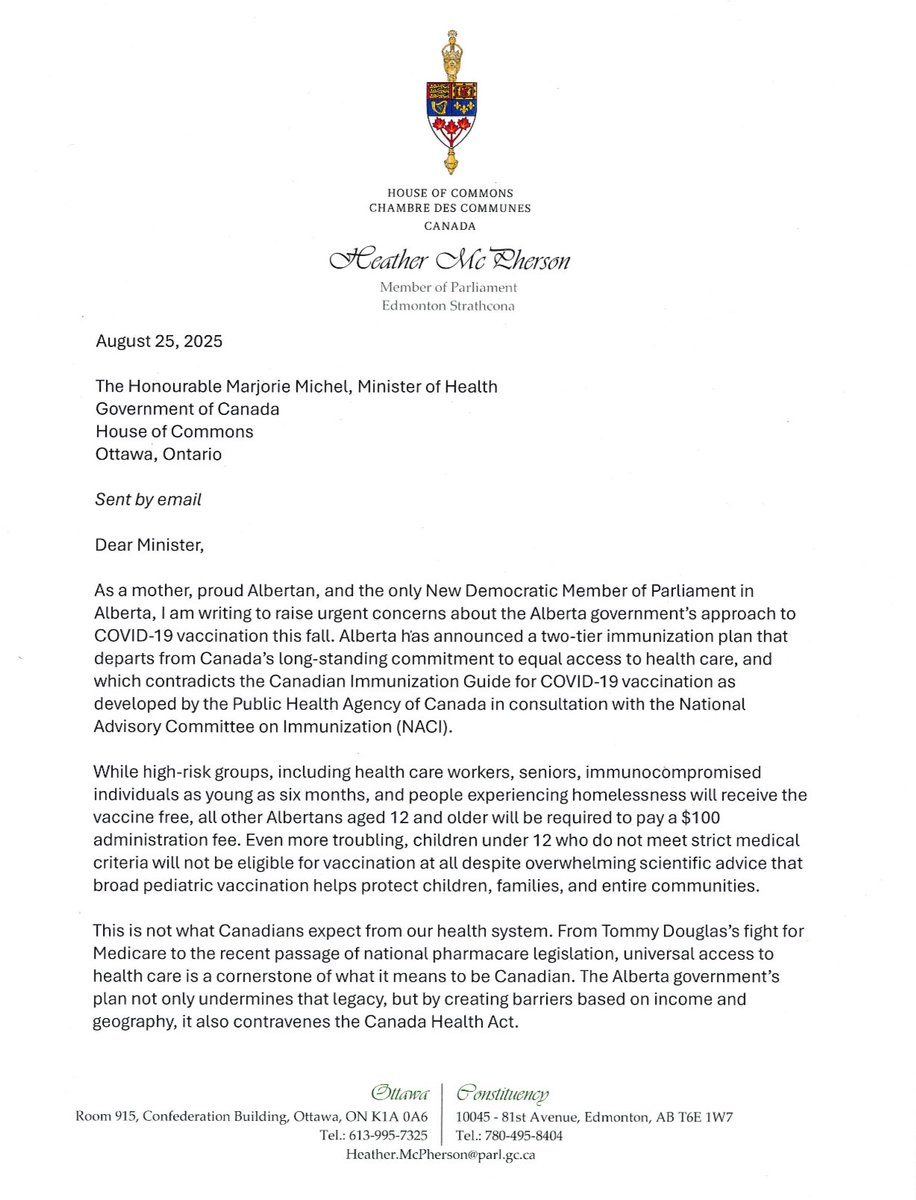
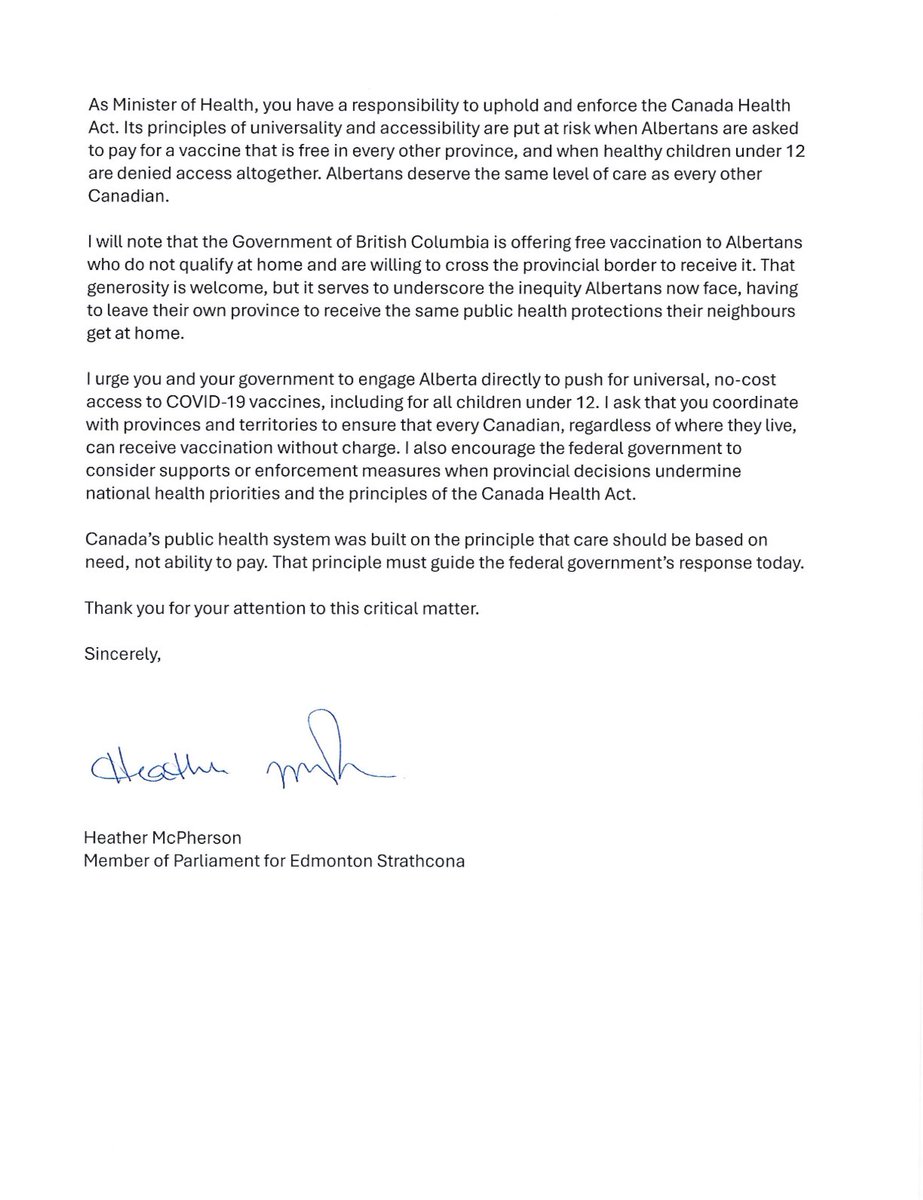


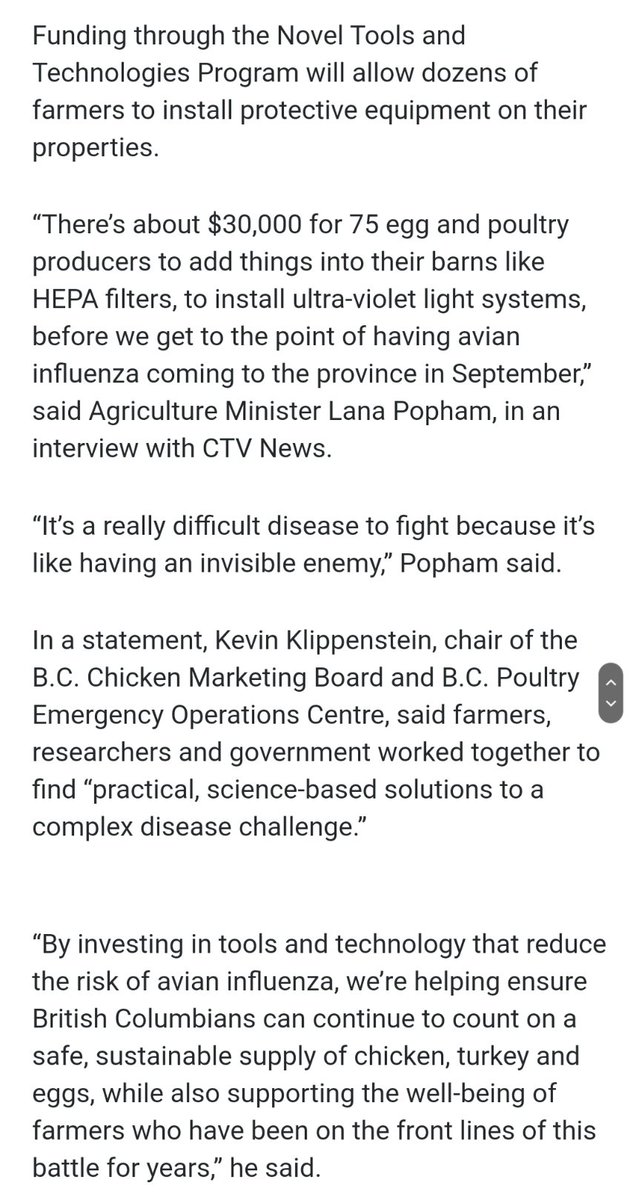
ALT Funding through the Novel Tools and Technologies Program will allow dozens of farmers to install protective equipment on their properties. “There’s about $30,000 for 75 egg and poultry producers to add things into their barns like HEPA filters, to install ultra-violet light systems, before we get to the point of having avian influenza coming to the province in September,” said Agriculture Minister Lana Popham, in an interview with CTV News. “It’s a really difficult disease to fight because it’s like having an invisible enemy,” Popham said. In a statement, Kevin Klippenstein, chair of the B.C. Chicken Marketing Board and B.C. Poultry Emergency Operations Centre, said farmers, researchers and government worked together to find “practical, science-based solutions to a complex disease challenge.” “By investing in tools and technology that reduce the risk of avian influenza, we’re helping ensure British Columbians can continue to count on a safe, sustainable supply of chicken, turkey and eg
![[Continued from previous image alt text:
turkey and eggs, while also supporting the well-being of farmers who have been on the front lines of this battle for years,” he said.
]
This image:
He said through research and collaboration with the province, farmers and the Canadian Food Inspection Agency, work has been done to try and lessen the impact of avian flu.
Driediger said the group worked together to try and find solutions that could be implemented before this fall’s migratory period.
“It was a priority of this working group to determine what could effectively be installed quickly,” said Driediger.
His own farm has made changes to the ventilation system, using “heat exchangers in conjunction with air filtration,” Driediger explained.
“We’re evaluating and monitoring the effectiveness of those technologies as they’re implemented,” he added. “To see if it’s making a difference.”](https://venexa.site/media/GyczDgFagAA53Fs.jpg)
ALT [Continued from previous image alt text: turkey and eggs, while also supporting the well-being of farmers who have been on the front lines of this battle for years,” he said. ] This image: He said through research and collaboration with the province, farmers and the Canadian Food Inspection Agency, work has been done to try and lessen the impact of avian flu. Driediger said the group worked together to try and find solutions that could be implemented before this fall’s migratory period. “It was a priority of this working group to determine what could effectively be installed quickly,” said Driediger. His own farm has made changes to the ventilation system, using “heat exchangers in conjunction with air filtration,” Driediger explained. “We’re evaluating and monitoring the effectiveness of those technologies as they’re implemented,” he added. “To see if it’s making a difference.”