
Joined September 2007
- Tweets 563
- Following 349
- Followers 318
- Likes 357
72 Photos and videos








Pinned Tweet

25 Dec 2025
Scalestack 2025 Wrapped is here!
It was an awesome year!
linkedin.com/posts/elionarci…
6
102
Elio Narciso retweeted

May 20
Today, we're partnering with @ScalestackAI to combine AI agents, APIs, and intelligent integrations into a single agentic workflow engine built for enterprise scale.
Lusha has two data layers: The first offering verified B2B data across 300M profiles and 40M companies, and the deep intel data layer shaped by your business, your ICP, your signals, your patterns, that gets sharper over time.pulse.ly/ccrh0snmsc buying signals. 98% email deliverability. GDPR, CCPA, ISO 27701, and SOC 2 Type II compliant by default. Data you can build on.
Scalestack brings the orchestration: AI agents that enrich records and coordinate across multiple data sources (including Lusha), apply custom ICP logic, deduplicate at scale, route leads intelligently, and keep workflows running autonomously.
For GTME / RevOps teams, this partnership means:
✔ Use Lusha credits directly in Scalestack’s workflows
✔ Real-time visibility into consumption
✔ Waterfall logic that optimizes cost automatically
✔ AI agents that coordinate enrichment across 60 sources
Most platforms force you to choose between automation and control.
This one gives you both.
Learn more about the Lusha x Scalestack partnership: lusha.pulse.ly/kg25jwr6ii

1
5
125
Mar 6
So the US Military yearly budget is $900B something, with (it depends on the source) around $40B devoted to ‘munitions’.
And, after 1 WEEK of war, in one place, the Pentagon needs to RUSH to get MORE CASH to replenish the munition stockpiles?
Sounds insane.
wsj.com/politics/national-se…?
47
Jan 13
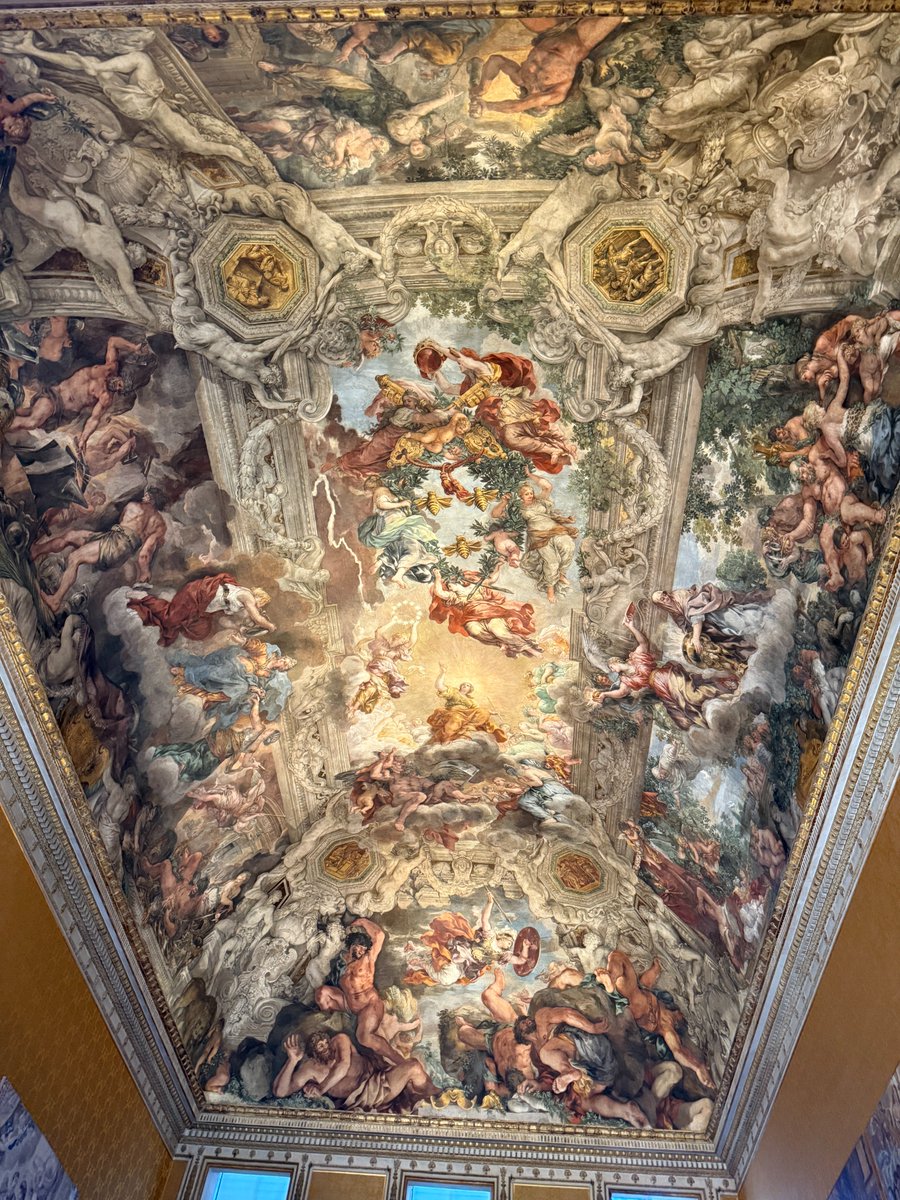
Was super lucky to spend a few days in Rome for a mix of family and business — and got invited to visit Palazzo Barberini. At some point you end up in the Gran Salone, the biggest room in the building, and I was… completely floored by the ceiling.
Above you is Pietro da Cortona’s fresco known as “The Triumph of Divine Providence” (also aptly called “Allegory of Divine Providence and Barberini Power”), commissioned by the Barberini family in the 1630s.
The Barberini story alone is crazy.
They began as successful Florentine grain, wool, and textile merchants, fighting for space in a world dominated by families like the Medici. Then everything changed when Cardinal Maffeo Barberini was elected Pope in 1623 and became Urban VIII (you know, when popes were princes, could marry, accumulate wealth etc.). Overnight, the family moved from wealthy outsiders to the very center of European power.
Palazzo Barberini was their statement piece — not just a residence, but a monument to legitimacy, ambition, and permanence. There’s even a rumor saying that marble for the palace was taken from the Colosseum...and people whispered at the time (and now) “What the barbarians did not do, the Barberini did.”
But going back to the ceiling - it’s not “one painting.” It’s an engineered world. The vault is split by a painted (fake) marble framework into five sections—one central, four lateral—so your eye has structure while everything else explodes into motion. At the center, Divine Providence literally instructs Fame to crown the Barberini bees (the symbol of the family). Around it, virtues conquer chaos, order defeats vice, and history is rewritten in paint. It’s a political narrative told in mythology.
Pietro da Cortona worked on this for roughly seven years (1632-1639). What’s wild is that the fresco was reportedly almost finished earlier — then he chose to go back and rework large parts of it before final completion. And in the meantime, Pope Urban VIII became impatient with using the Palazzo and the Gran Salone, so there were no structures on the floor...Cortona had to work "hanging" from the ceiling while the Pope and his friends could enjoy the rest of the gigantic room.
This is peak competitive Rome: big patrons, reputations on the line, and major contemporaries/rivals in the same city. Cortona's contemporaries and rivals were giants like Gian Lorenzo Bernini and Francesco Borromini.
Why am I telling you this story? well first because i enjoyed it deeply and it elevated my spirit to look at all of this in a beautiful sunny winter day surrounded by my parents and family.
But also because I thought about what I am building and...everything that worries me in building as a founder...competition, the speed at which we need to do things, the grit it requires...Seeing something this ambitious — created in a ruthless, political, hyper-competitive environment — somehow put all of that into perspective...and inspired me.
And I wanted to share it! Go see it!
5
66
Elio Narciso retweeted

23 Dec 2025
2025 was relentless—and we loved every minute of it 💪
Our team worked harder this year than ever before—and the results speak for themselves 📈
Here's what we built in 2025, and why we're more energized than ever for 2026: linkedin.com/feed/update/urn…
#Scalestack #AutonomousRevenueEngine #Wrapped2025
1
1
5
66
12 Dec 2025
Squeezed in one last business trip before the end of the year — and it took me to a city I’d never been to before: Salt Lake City! And wow… it was awesome.
From the moment I landed, the landscape was stunning and the energy was strong but calm, and...I learned so much.
I learned that SLC is a not-so-secret tech hub anymore, nestled in what’s known as the Silicon Slopes — a huge ecosystem leveraging the incredible local tech talent and attracting innovators and innovation from across the U.S.
I dove into the local culture and history, had energizing conversations with customers, partners, and investors, and genuinely felt welcomed everywhere I went. Also, as an Italian, I firmly believe the best conversations happen over meals — let’s just say I had plenty of them 😄🍝 (and nobody let me pay!).
Special shoutout to Jay Choi from Typeform, Ryan Westwood and Dylan Ferguson from Fullcast, Justin Shriber from Terret, and Elisabeth Green from Sorenson — thank you for the incredible hospitality and inspiring conversations.
Already looking forward to the next visit. 🙌✈️
5
120
10 Dec 2025
1
4
94
3 Dec 2025
From hundreds of our customers and prospects calls, these are the Top 10 hashtag#Enterprise GTM Pain Points directly from transcripts:
😨 Dirty, duplicated, or outdated CRM data
😨 Manual pre-contact research by reps
😨 Lack of reliable or dynamic account prioritization
😨 Broken or overly complex parent/child hierarchies
😨 Territory mapping is static or misaligned
😨 RevOps teams overwhelmed with maintenance and patchwork fixes
😨 Fragmented enrichment sources, with no orchestration layer
😨 Trust issues with data quality, reps avoid CRM
😨 Desire for confidence scores to validate enrichment logic
😨 Frustration with hard-to-maintain go-to-market workflows
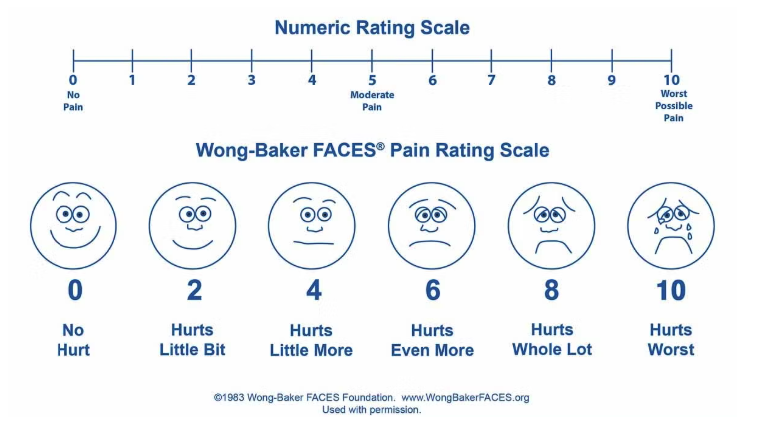
If in the Wong-Baker Faces pain rating scale, you are at 6 or above on any of these...we built Scalestack from the ground up for you. With a pre-built agentic workflow fit for enterprise scale, deployed in 1 week, integrated in your systems and running autonomously...we can fix your boo boo.
It's holiday (and planning) season. Should be a wonderful time of the year. Let us help you!
1
74
25 Nov 2025
Love this. @mowwat explaining how he is building #whispered leveraging @ScalestackAI #agentic workflows...while we show the workflows themselves on a split screen. 😎
1
4
66
16 Nov 2025
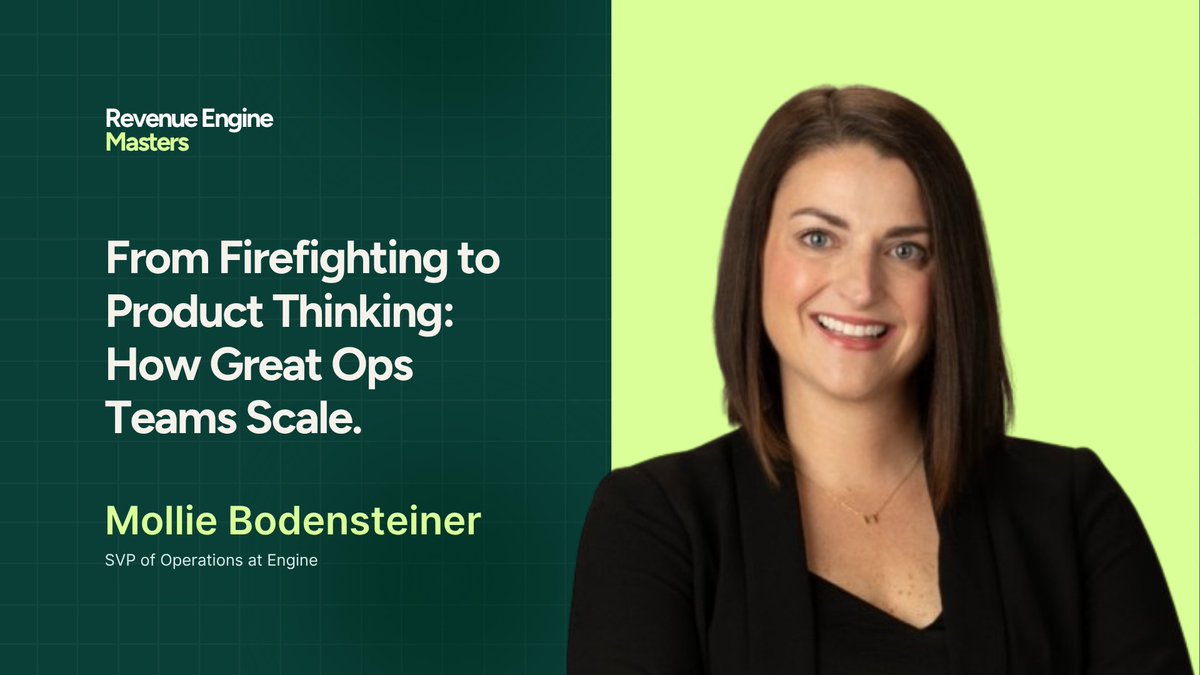
Episode 17 of our Revenue Engine Master Podcast is live!
@mbodensteiner14 at Engine has spent her career building and rebuilding systems under real pressure — healthcare, HR tech, now travel — and you can tell.
She thinks in product terms, not “ticket terms.” Pods, ownership lines, clean start/stop definitions, thoughtful speed instead of endless planning… this is how high-performing ops teams operate.
There’s something I’ve seen over and over: people who come up through #marketing #ops (like Mollie) bring a different edge. They understand tools and tech, data, experimentation, and automation at a level that’s inherently tied to outcomes.
That shows in how she hires, how she sets priorities, and how she avoids the firefighting trap that so many ops teams fall into.
We also dug into hashtag#AI in a very real way:
- How to pick a single use case, ship it fast, learn fast, and avoid the “boil the ocean” mistake that kills most enterprise pilots.
- and this was my favourite quote: "Ops leaders who succeed aren’t the most technical — they understand human behavior. They design intuitive processes that make complex feel simple."
A lot of this thinking maps directly to the work we’re doing at Scalestack. We think the future of AI is *autonomous*: freeing people from the grunt work so they can actually analyze, think, and design better systems, the human way.
Check for the full episode scalestack.ai/blog/from-fire…
1
5
64
14 Nov 2025
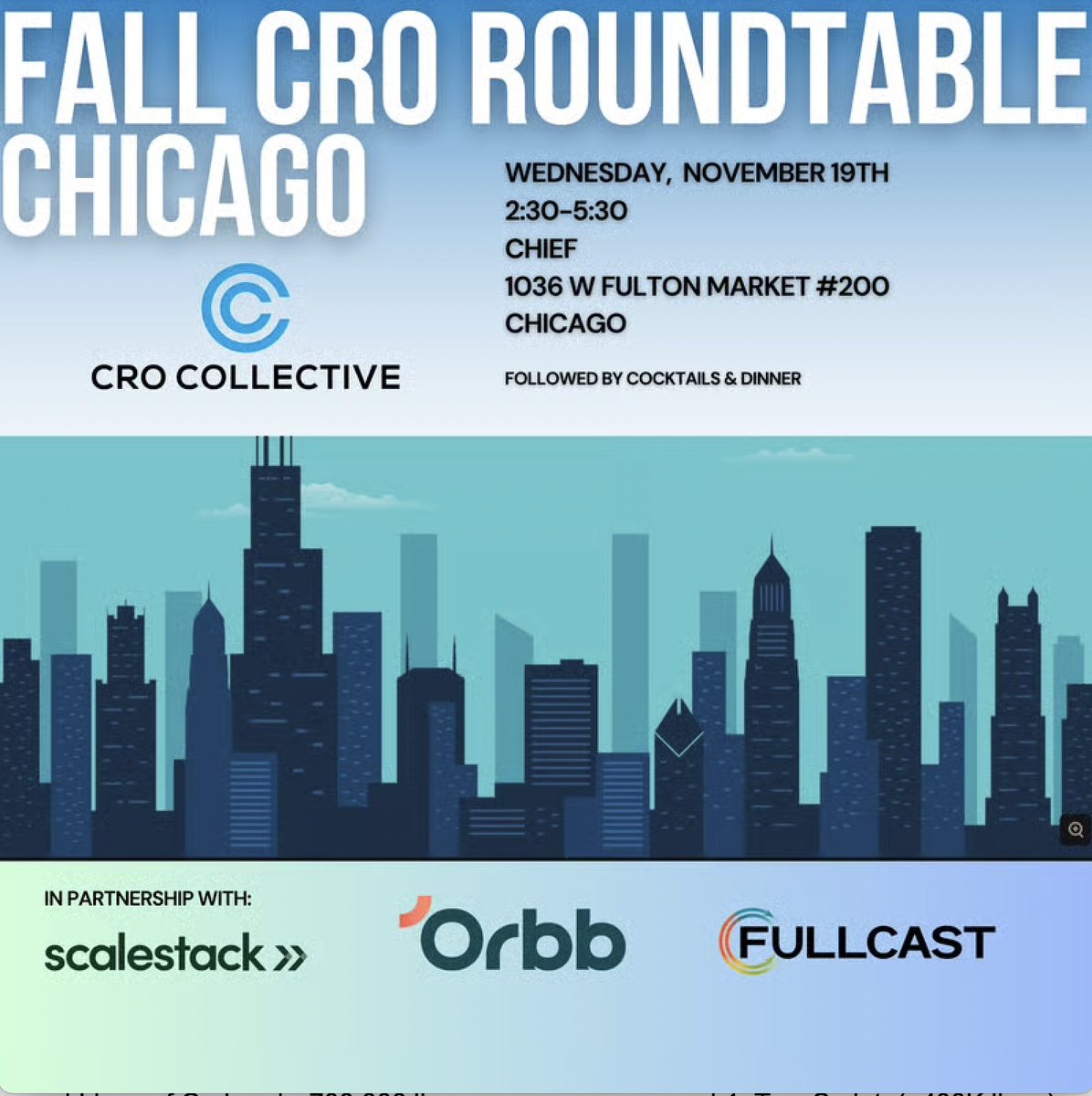
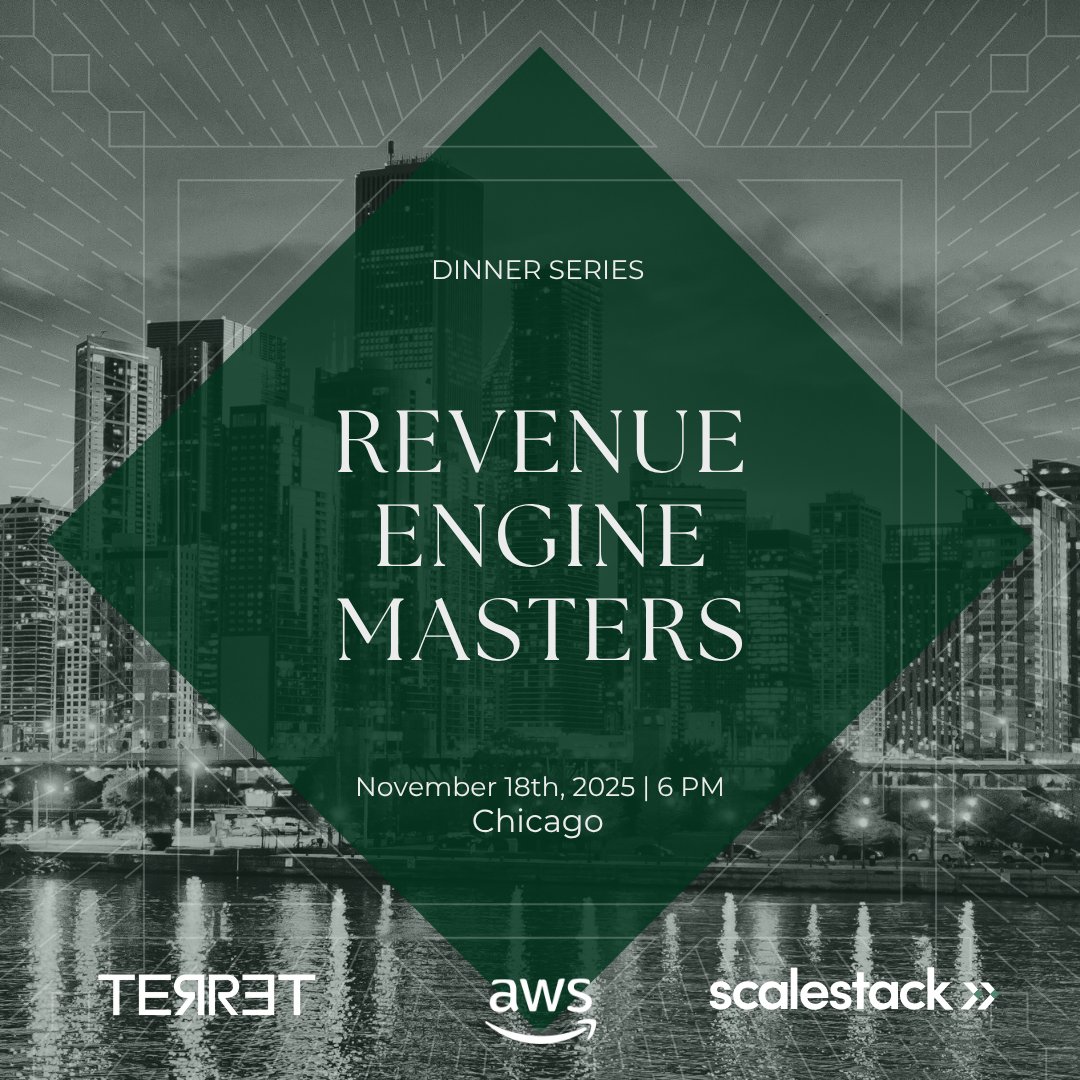
Can't wait to go to beautiful #Chicago next week! I’m co-hosting two very different, very operator-driven GTM sessions back-to-back, and if you’re in town, you should come.
📌 Tuesday, Nov 18 — Revenue Engine Masters - Dinner Series - Co-hosted with @awscloud (AWS) and #Terret
6:00 PM | A small-room, deep-dive dinner with GTM and GTM Ops leaders on how teams are actually building modern revenue engines: clean data, agentic workflows, real-time enrichment, ICP alignment, and eliminating the “manual work tax.” No slides, no pitches — just real operator (and "jeffersonian"!) conversation around the table. (With great drinks and food in one of my favorite "foodie" cities!)
📌 Wednesday, Nov 19 — Fall CRO Roundtable (together with @warrenzenna / CROCollective, @fullcast_com , and #Orbb)
2:30–5:30 PM | A bigger-format CRO discussion on what’s working, what’s breaking, and how GTM teams are adapting their playbooks for 2026 and beyond. Followed by cocktails & dinner :).
If you’re in Chicago — or have a colleague who’d get value from either session — DM me and I’ll try to squeeze you in.
luma.com/CROChicago
luma.com/3nfcpfiz
1
5
98
7 Nov 2025
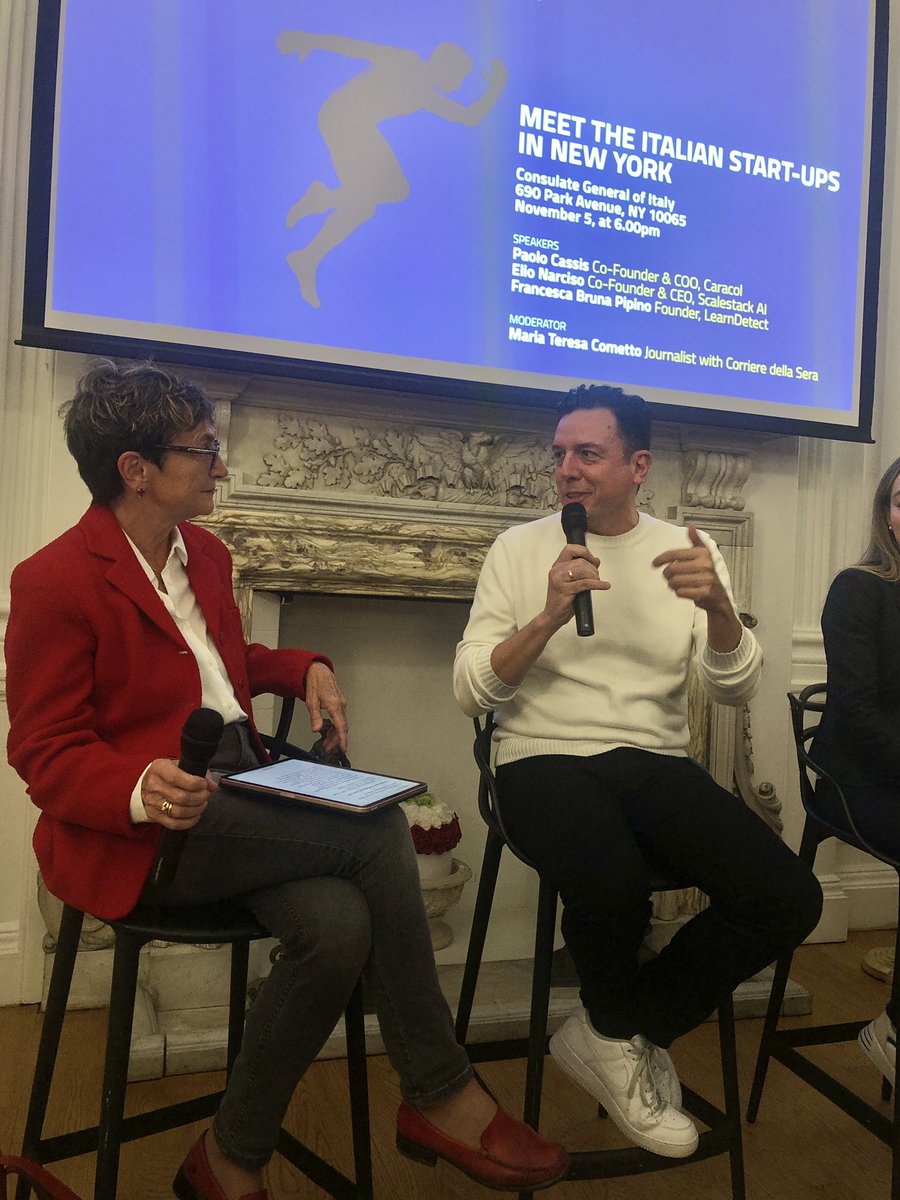
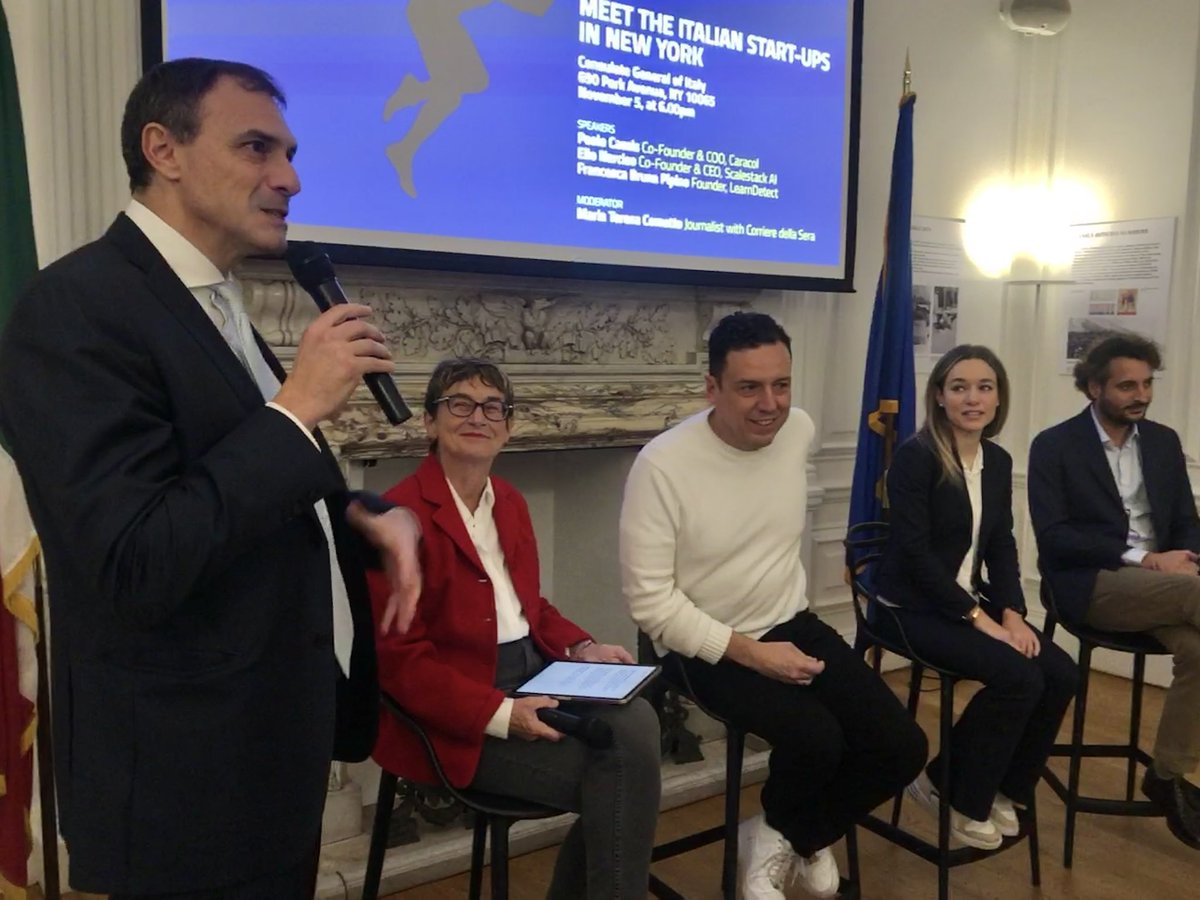
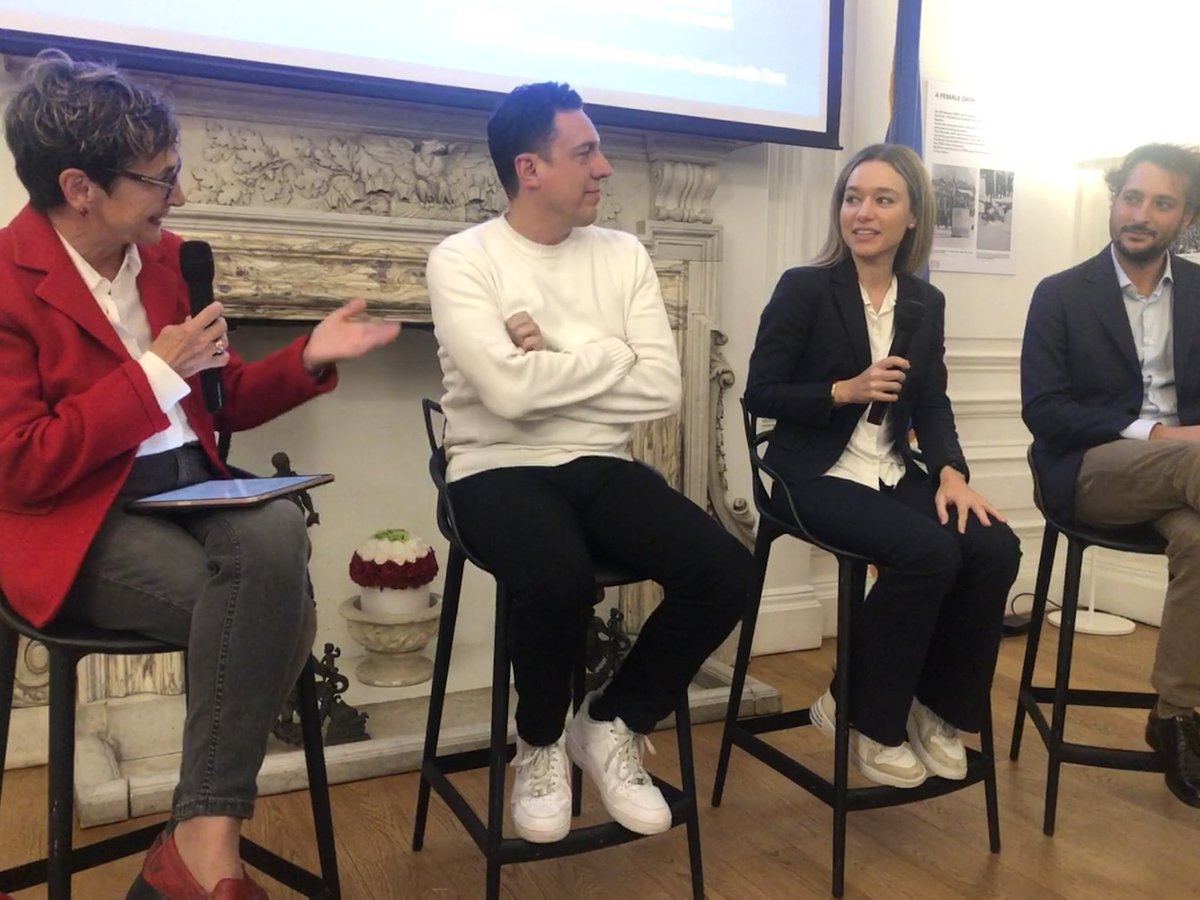
Had an amazing time at the #italianconsulatenyc, together with @mtcometto nyc italian #consul Fabrizio Di Michele, deputy Marta Mammana and @FedericoRampini in the audience (great questions of course!) talking about #tech #ai #entrepreneurship and more.
Ps: @baselinescene I shared some of the things we learned at #entreprenuershipwithoutborders!!!
4
98
Elio Narciso retweeted
5 Nov 2025
95% of enterprise AI projects fail.
Why? Because companies are automating the wrong things.
While everyone’s focused on replacing human interactions, the real ROI is hiding in the back office — in the tedious, manual data work nobody wants to do anyway.
That’s what we call the Manual Work Tax — and it’s exactly what @ScalestackAI eliminates.
The results:
→ Redis: data hygiene from 40% → 90%
→ MongoDB: hours of manual work gone
→ Redis VP Sales: finally trusting data to assign territories
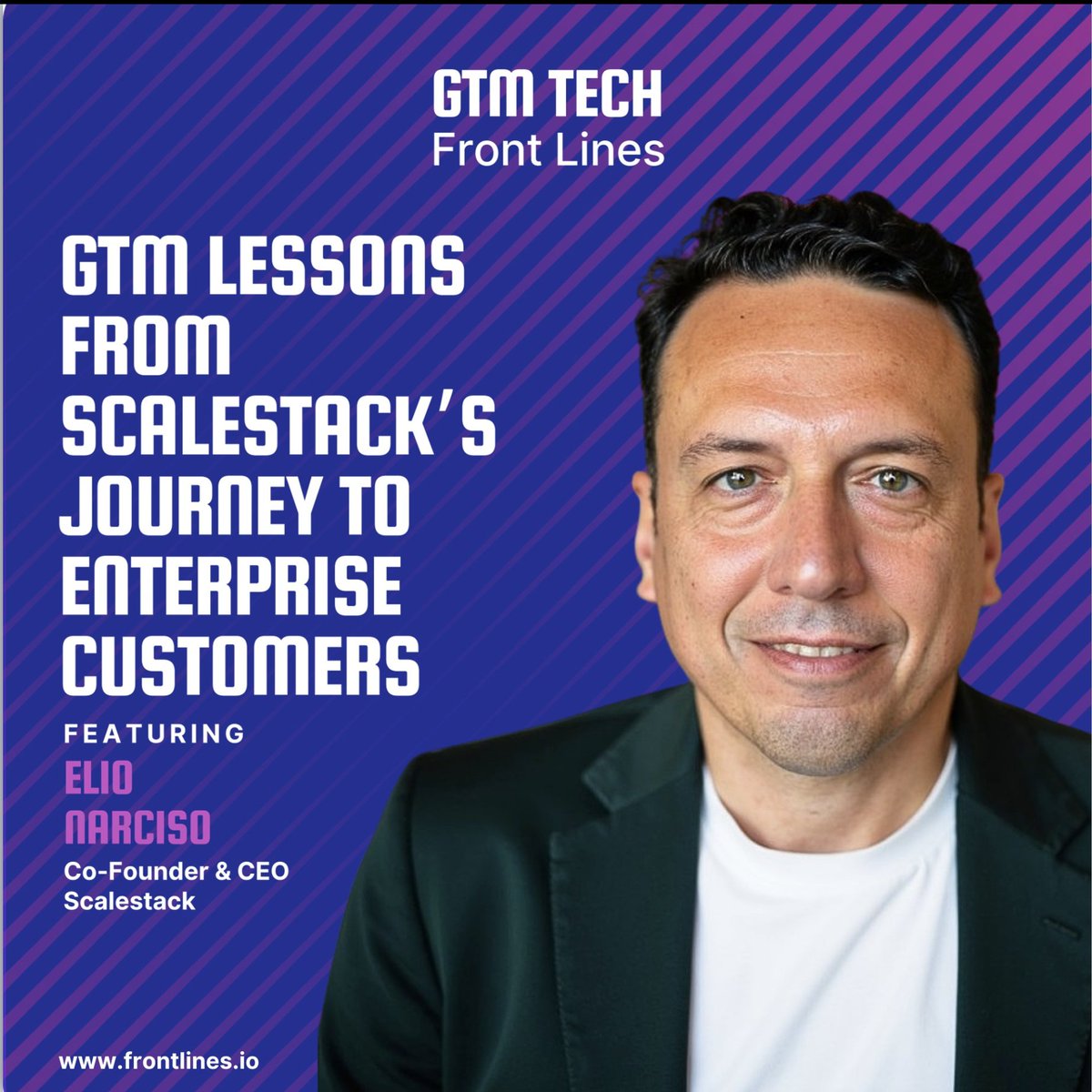
🎙️ Hear our co-founder & CEO @elius on the Front Lines podcast — on why GTM teams don’t need “AI that sells.”
They need AI that fixes the back office.
👉 frontlines.io/podcasts/elio-…
#AI #RevOps #ManualWorkTax #GTM #Automation #Scalestack
2
4
82
28 Oct 2025
Looking forward to speaking at the annual Super AI ML Summit in NYC on Oct 30! In partnership with #NYC Mayor’s Office for International Affairs, @NYCEDC, @CivicHall, and @TeamSupermomos, are bringing together the brightest minds in #AI & #ML for a day supercharged with insight.
Register with my name as the special access code for priority access and expedited review: summit.supermomos.com (click "Join Us" to go to the RSVP page)
I'm going to moderate a panel with @AnthropicAI's Chloe Ho, and @Google's Jon Flynn to give a perspective on go-to-market in the age of AI.
1
9
179
24 Oct 2025
Every time I’m back in Boston, I get a little sentimental — I studied there, and it’s where so much of my journey started.
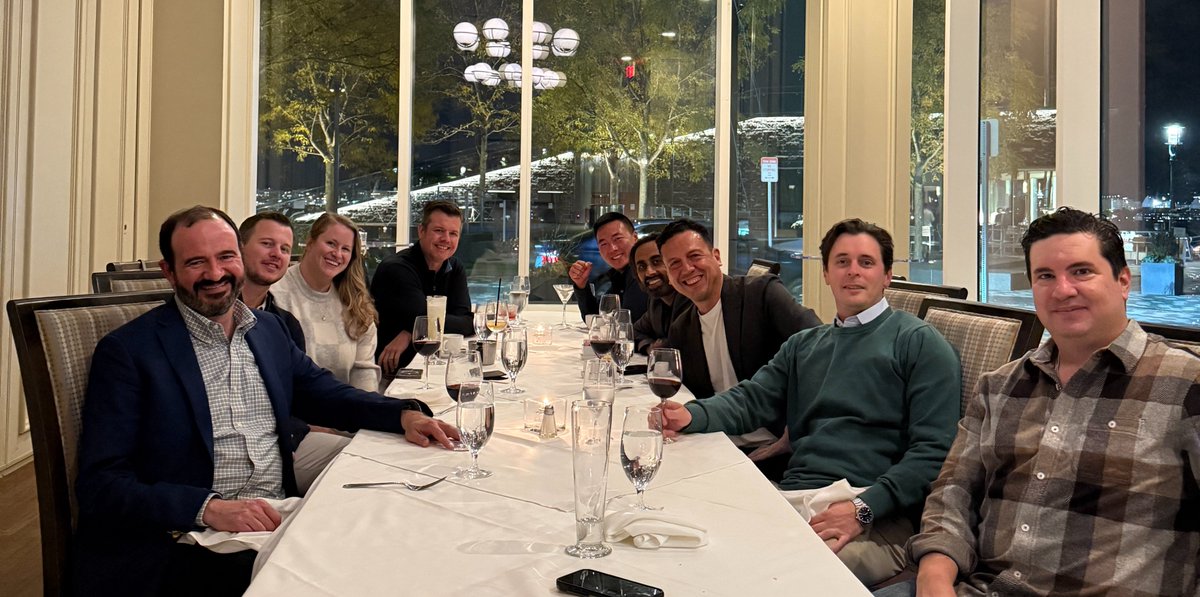
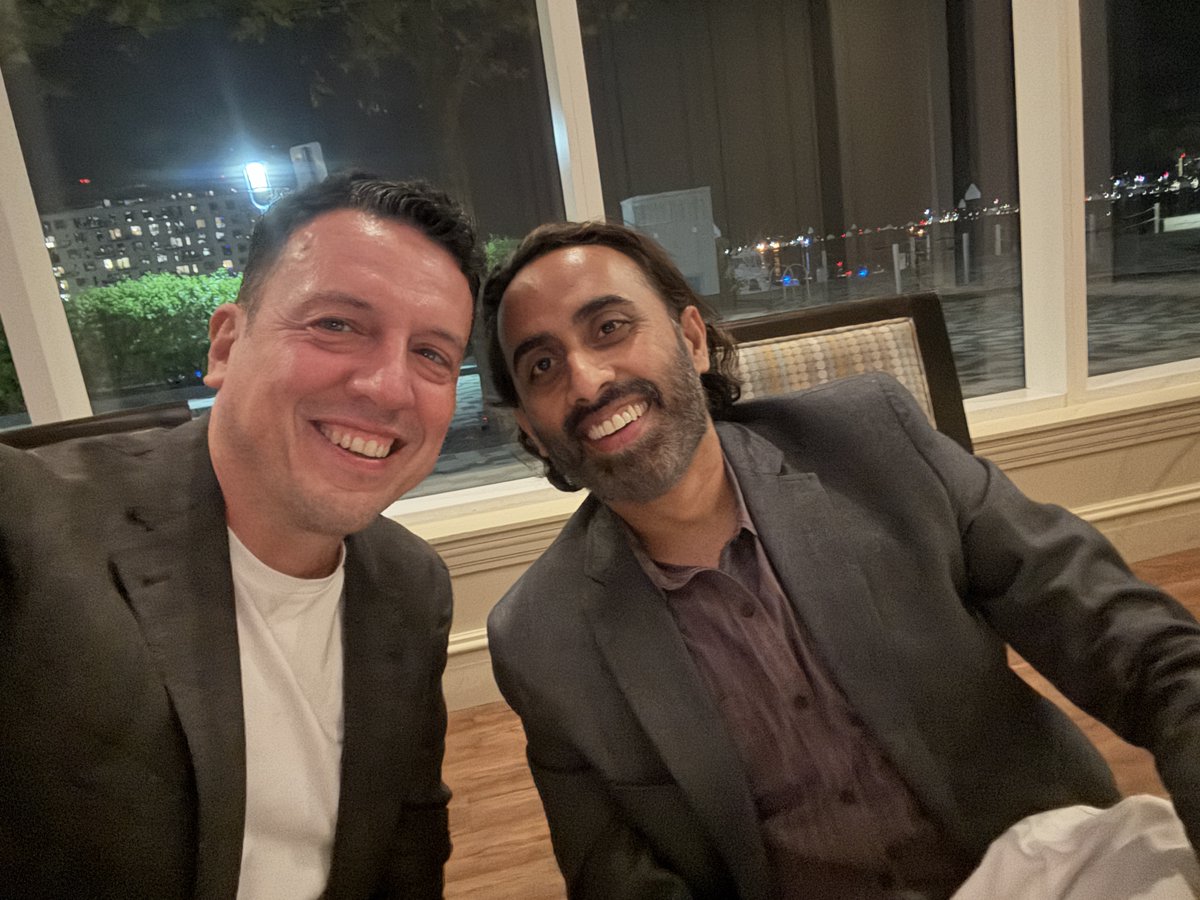
This week we hosted our latest Revenue Engine Masters dinner in Boston — co-hosted by @awscloud, @Scalestack, and Terret — bringing together an incredible group of revenue leaders.
The convo (once I was able to reach the right restaurant...there are many Davio's!) was super lively and fun...we talked about how modern GTM teams are moving beyond fragmented tech stacks and manual processes to build scalable, AI-powered revenue engines...and maybe finally filling some gaps that big CRMs should have solved ages ago.
Big thanks to everyone who joined and shared insights — Boston’s Revenue brain trust never disappoints 💡
#RevenueEngineMasters #RevOps #AI #GTM #Boston
1
2
8
160
11 Apr 2025
As an entrepreneur...I have done the mistake of rushing to build a solution, without having clearly defined the Pain. And that, over time, became...very painful.
So this is what I learned: Before you name the solution, you have to name the Pain.
Every great category starts by naming the thing no one else wants to talk about, but that once you say it...it becomes clear.
For us at Scalestack, that was the Manual Work Tax.
•The hours reps spend researching leads instead of selling
•The time RevOps spends fixing CRM instead of driving strategy
•The hard-coded solutions deployed because...GTM tech is bad
•The misalignment between tools, teams, and...truth
We didn’t invent the problem. We just gave it a name. Like, right now.
And in doing so, we want to make it visible.
Because when you name a problem, you give people permission to stop tolerating it.
Only then can you introduce the solution.
The hidden tax that so many SDRs and reps pay in the form of manual work that they have to do just to get going is...bad. Even newer tools require them to spend hours in their day simply to...start their real job of listening and selling.
The hard-coded, duct-taped solutions that GTM Ops teams at larger companies feel they have to build to fill gaps in their stack...are costly to build, difficult and expensive to maintain, and distract from the main job of building for their customers.
What’s the hidden tax your team is paying right now?
If you could name it, what would you call it?
#ManualWorkTax #AutonomousRevenueEngine #DuctTapeDiaries
2
107
23 Mar 2025
Every once in a while, you see something so broken, so frustrating, that you can’t unsee it.
For me, that moment happened at Amazon Web Services (AWS).
I was managing the AWS Global Startup Program, tracking thousands of high-growth, VC-backed companies, assessing their fit to join the program, and then helping them scale by finding other larger companies and enterprises willing to work with them.
Easy enough, right? Amazon has tens of thousands of customers.
But there was a problem. A massive one.
Our CRM was useless.
Our GTM data was broken.
And so my manager (Erik Smith) and I were left with making critical revenue decisions based on...a spreadsheet. Yes, I had to build a spreadsheet trying to parse data manually from many different sources like Crunchbase, manually researching data on thousands of companies, and keeping that data updated, while doing my day job.
That’s right. Even at Amazon, one of the world’s most data-driven companies, sales and BD teams were stuck fixing, enriching, and routing data manually.
And then it hit me.
Every company is running on a broken GTM system.
Sales teams waste hours researching leads instead of selling.
RevOps spend more time fixing CRM issues than optimizing GTM execution.
Customer success reacts to churn instead of preventing it.
The problem isn’t your sales team. It’s the system they’ve been forced to work in. It drives them to do things manually, spending their time doing repetitive and boring work. We call it the "Manual Work Tax".
So Alessandro S Alter and I asked ourselves: What if all of this actually worked...automatically?
💡 What if we went from (once a year, painful) sales planning, to dynamic account profiling, enabling sales to prioritize the right accounts at any time, and efficiently distributing a book of business across the org?
💡 What if we accelerated lead conversion? De-anonymizing or enriching leads with valuable data, and prioritizing them for efficient follow-up, based on ICP and buyer persona matching?
💡 What if, by achieving automated CRM data hygiene, we increased trust and improved collaboration between sales and marketing?
💡 What if RevOps never had to fix another CRM mess?
That’s why we built Scalestack.
Not another point solution.
Not another data source.
Not another dashboard.
An Autonomous Revenue Engine that makes GTM execution run itself.
Because the future of GTM isn’t more tools. It’s an intelligent system that connects them all - an autonomous orchestration layer that helps you run your GTM ops, automatically.
And here’s the thing. Some of the best GTM Ops teams are already making the shift. MongoDB. Redis. Astronomer. They’ve already broken free from the "Manual Work Tax".
The question is—when will you?
#Scalestack #GTM #Automation #RevOps #TheFutureOfGTM #AI
3
100