
854 Photos and videos












Jun 11
smartest guys I know are helping secure Ethereum with FV and getting s/o by Vitalik
You're not bullish enough on Verity
Jun 11

Looks like the options thing is happening already!
See also: various people thinking through and building different versions of the idea in the thread: ethresear.ch/t/building-inde…
Though I do strongly urge that if any of these get on mainnet quickly, we formally verify it first. I hope @vyperlang and/or github.com/lfglabs-dev/verit… folks ( @Fricoben) can help!
(Also, now is a good time to be thinking about robustness-optimized oracles)
firefly.social/post/x/206494…
4
2
57
5,087
Jun 10
everyone around me being like "yo have you tried the new Fable" and I thought they released a new game but it's just another anthropic model
3
6
288
Jun 8
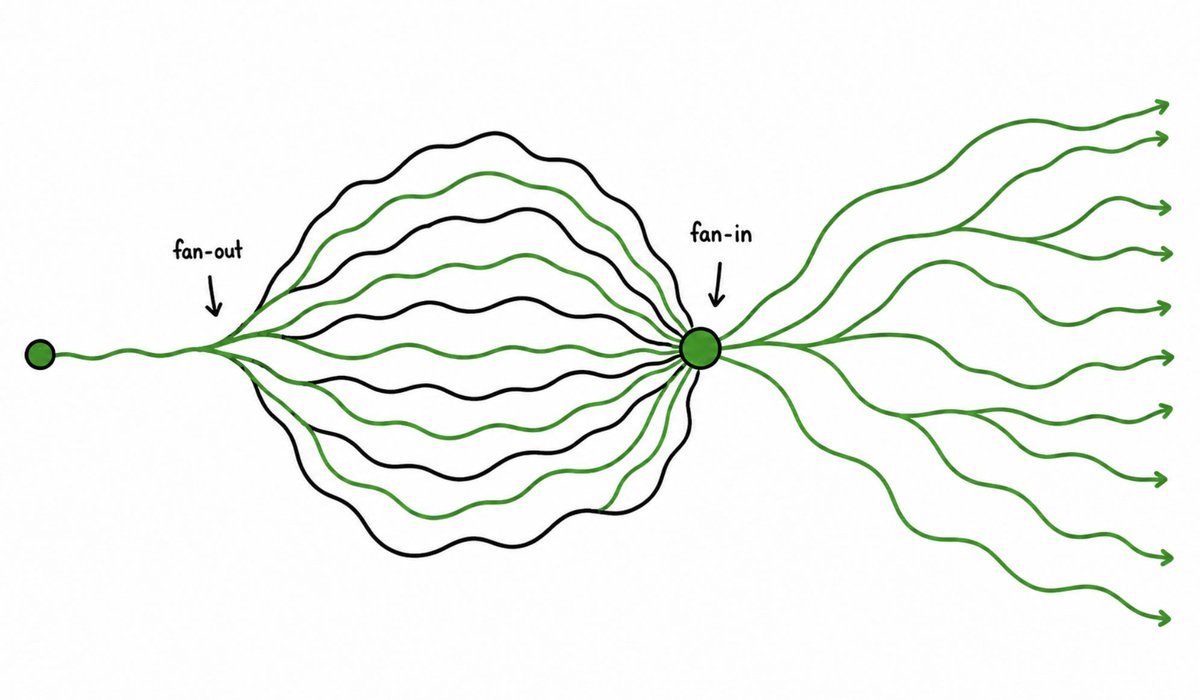
everytime I'm approaching a new topic my first reflex is to fan-out and see how other people have approached similar situations. Sending a few subagents explore similar codebases, read some docs, gather some ideas and merge them into a report really gets 70% of the work done

> What do you use subagents for?
many things, but my favorite:
the good old fan-out-fan-in
and I think there is more to this than "you can parallelize token spraying" (which... is fun, but... careful)
rather, the more important fan-out pattern is one in which each branch (subagent) accumulates experience, and then the fan-in synthesizes this experience into condensed learnings
what do I mean by experience?
it's conventional wisdom by now that the models do better when they have back-pressure to spew their tokens against
the thinking goes: if you're using agents to one-shot something, chances are it may be wrong on the first try. but if you give them some back-pressure--say, tests that they can run against the real world and whose results they can observe--their outputs converge on something more accurate
and it's not just parallelizing unit tests... any experiential "theory meets reality" observation of the world rolls up into this category. the one that emerges most often in my own usage is parallel research and synthesis
so it's not only interesting to parallelize work to just generate more tokens, it's interesting to parallelize work because you can accumulate experience faster
the fan-out-fan-in is an efficient empirical learning pattern
imagine splitting yourself to parallelize your lived experience into a sort of multiverse reality all of which you remember after your shards re-converge with learnings in tow
1
189
21,437
Jun 8
It looks like agentic loops are back on the timeline so it's time to bring that article back to the front row x.com/i/status/2043681765575…

2
235
eni 🍞 retweeted

May 20
177
334
3,449
1,466,745
Jun 8
I think a good proxy on how to think about token consumption for the next few years is to fix a monthly token budget reasonable for your business and make sure to always fill it entirely.
As tokens get cheaper over the years what matters is focusing on scaling more and more
1
9
243
Jun 4
In December 2024 Sonnet 3.5 was assisting me with mundane tasks
A year later, Opus 4.5 could work on non-core topics autonomously
6 months later gpt-5.5 is going through most of my work.
The dynamic is clear; and the gap between the old world and the new world will keep widening every day. If your engineering team is not adapting to this, someone else will eat your lunch.
2
6
443

May 31
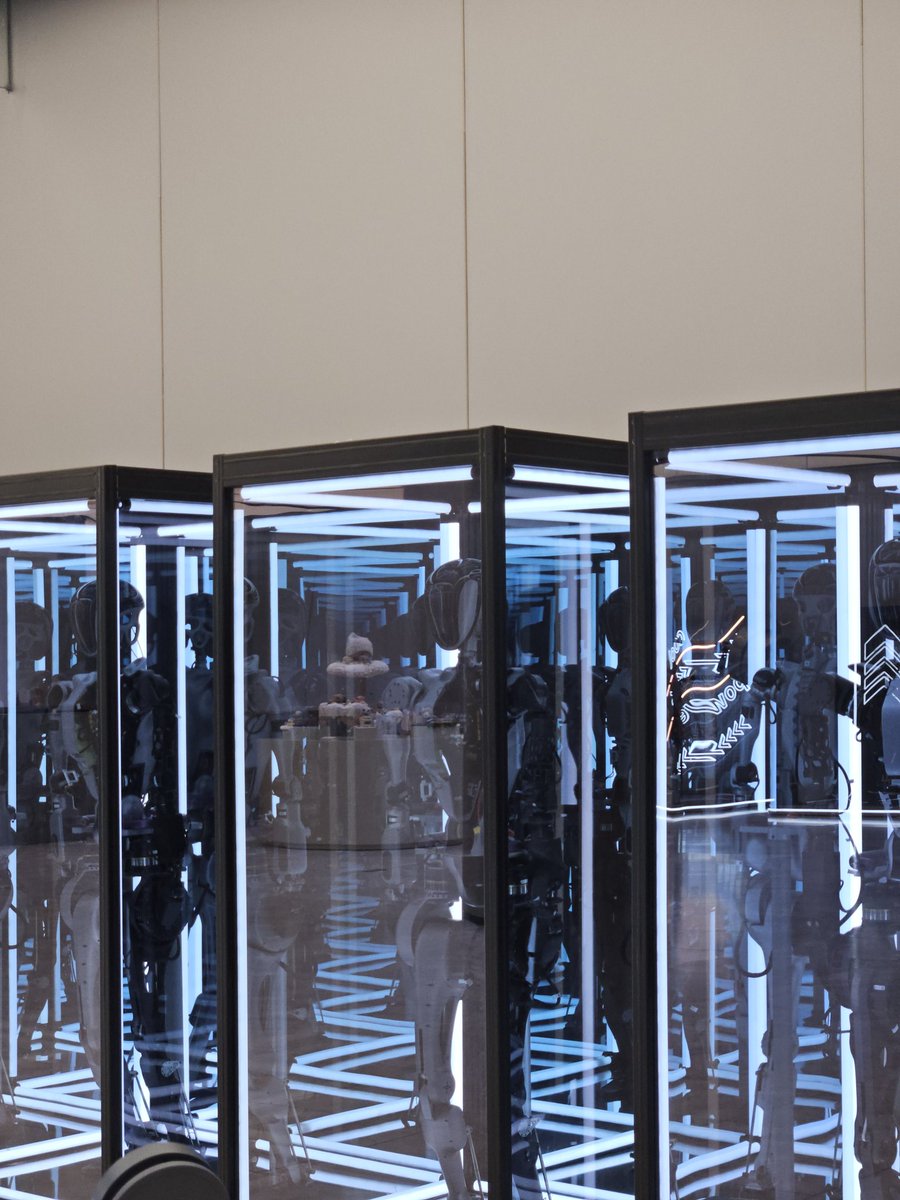
After a month of Chinamaxxing it's time to say goodbye. I will miss Shanghai... easily top 3 cities in the world


35
28
1,264
62,573


eni 🍞 retweeted

May 29
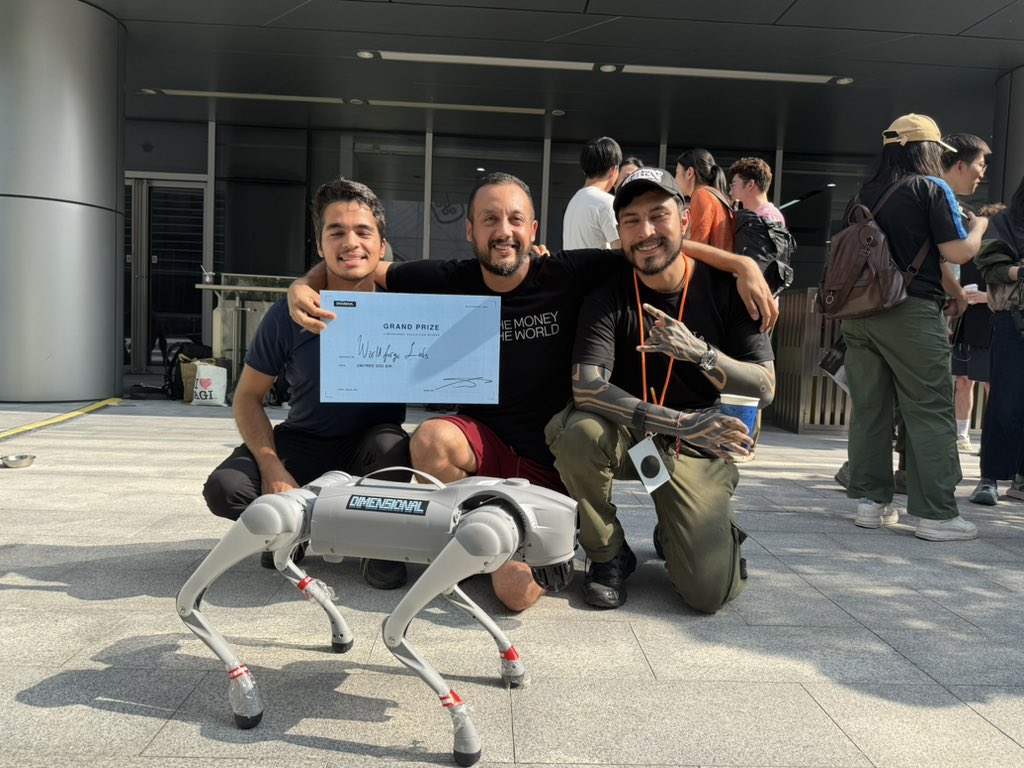
Glad to announce that we won the @dimensionalos hackathon with World Forge project: scoring and planning actions of @UnitreeRobotics Go 2 Robot Dog with a JEPA based world model.
Latent space for the win!
36
17
171
29,239
eni 🍞 retweeted

May 25
Humanity, created by God in all its grandeur, is today facing a pivotal choice: either to construct a new Tower of Babel or to build the city in which God and humanity dwell together. In Jesus Christ, this humanity in its grandeur becomes the Way, the Truth and the Life, opening the path for each of us to grow toward fullness. #MagnificaHumanitas
vatican.va/content/leo-xiv/e…
1,390
28,411
177,872
22,308,196
May 25
A major downside of remote work is that you're gonna start your day as usual and at 4pm you realise it was a bank holiday
3
12
640
May 23
hired: chinese optics supplier at 70% discount on the western mafia
May 22
tired: chinese peptide supplier
wired: chinese tailored clothes supplier
1
722
May 23
3 years of memecoin degeneracy and "cat with a hat" from borat has not gone viral
what's the point even
2
327
May 22
tired: chinese peptide supplier
wired: chinese tailored clothes supplier
1,024