
Curator of all the flies that aren't Flies @ the Natural History Museum, London 🌍 Instagram: benpricepix
Joined November 2012
- Tweets 821
- Following 881
- Followers 825
- Likes 2,706
151 Photos and videos
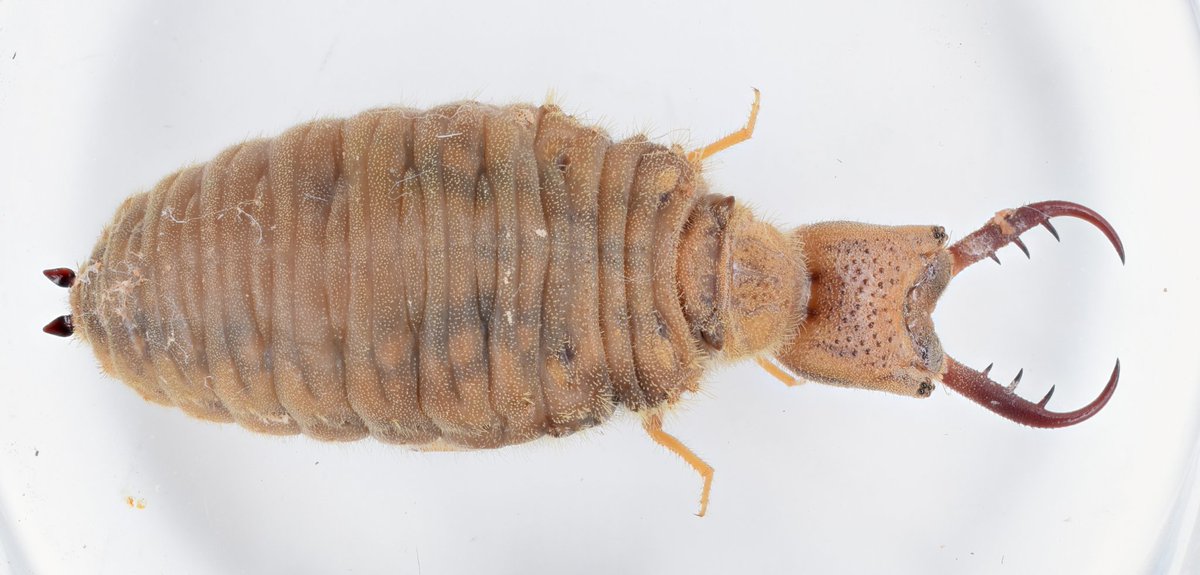

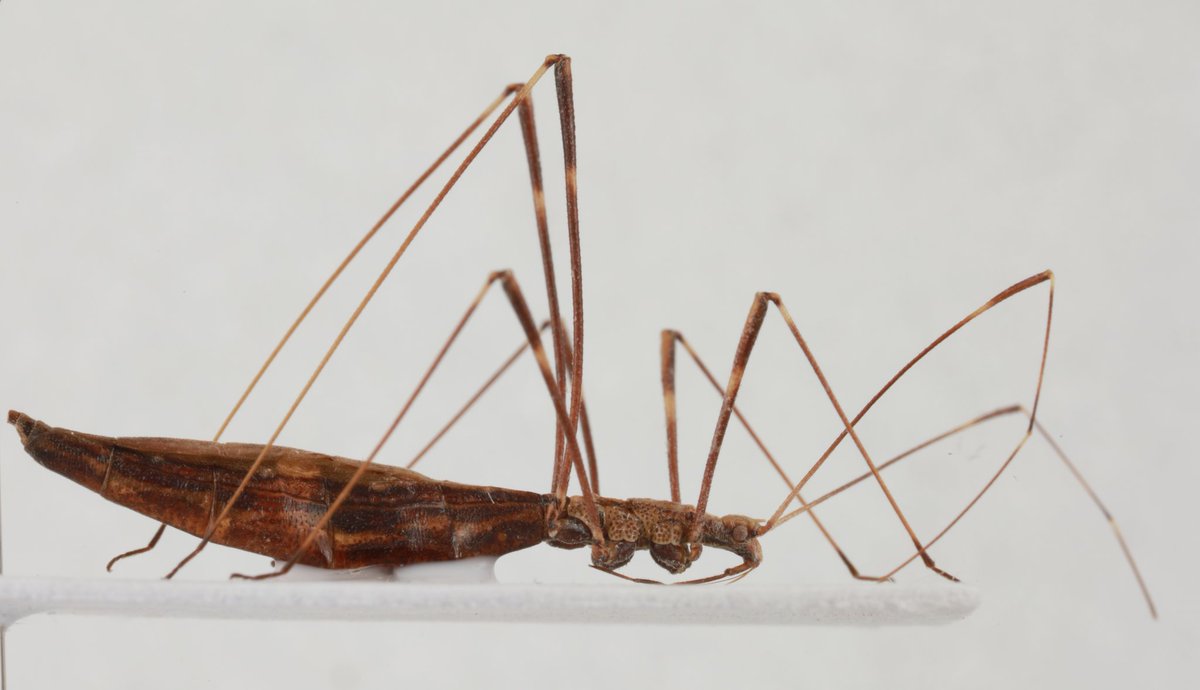
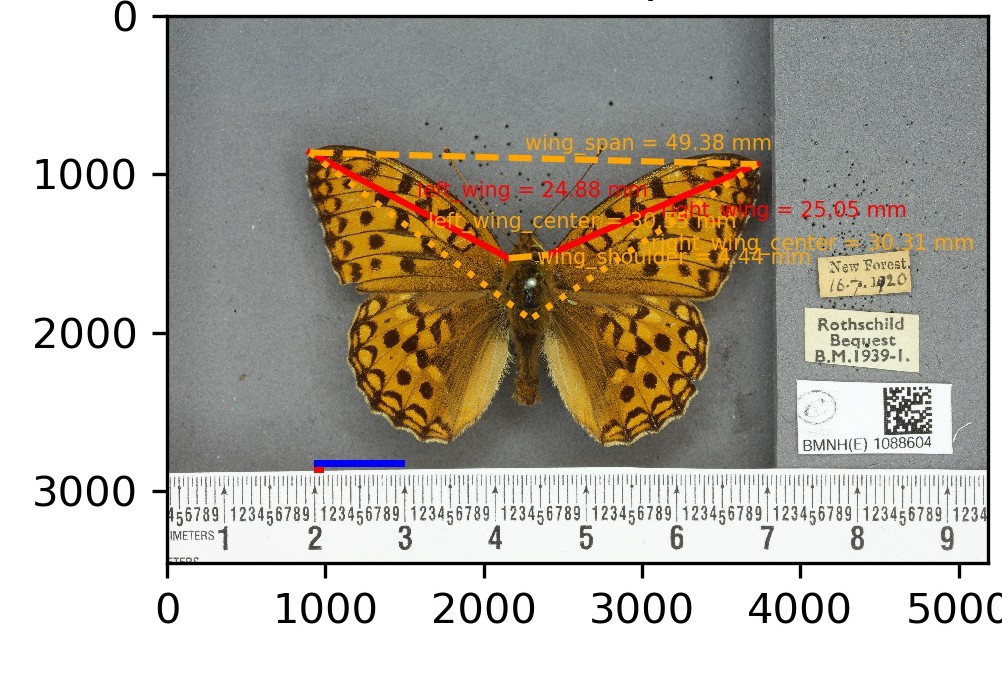

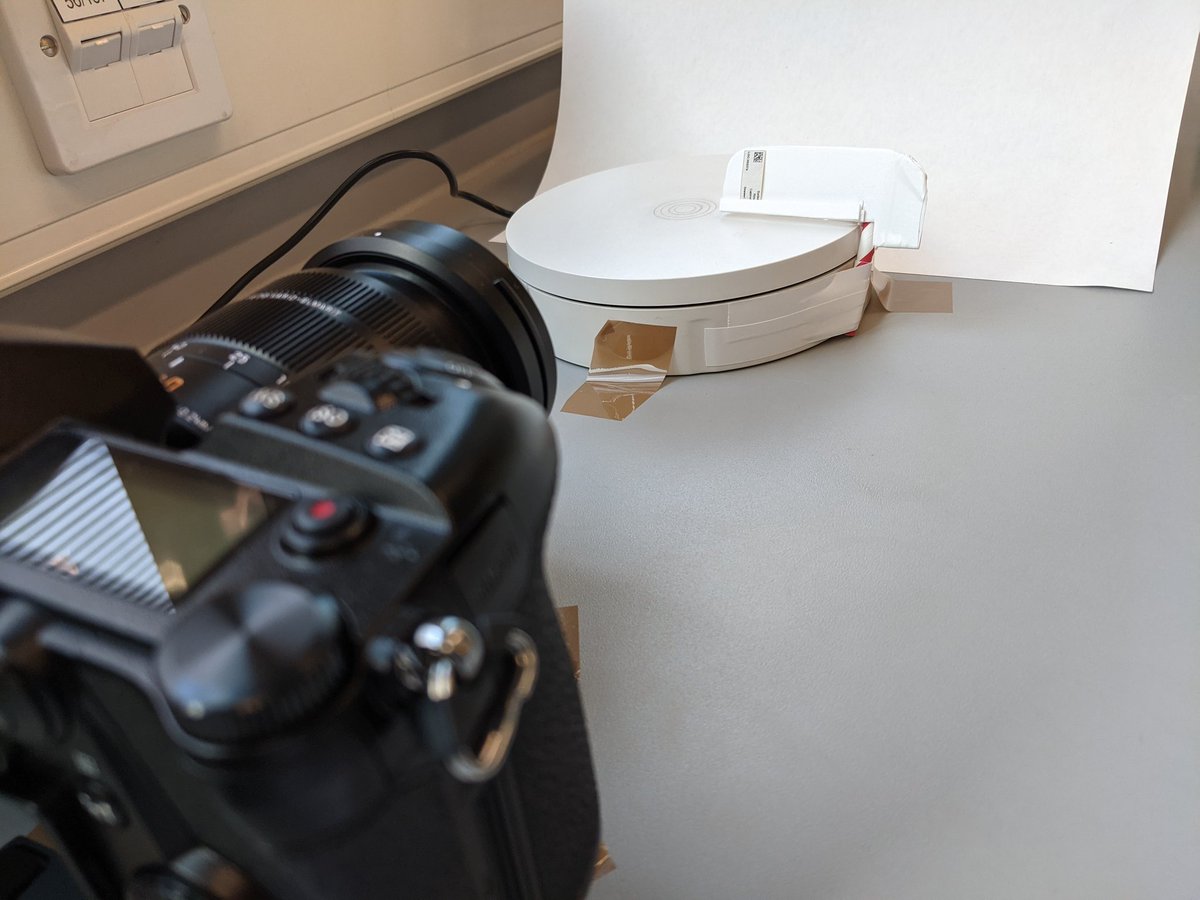
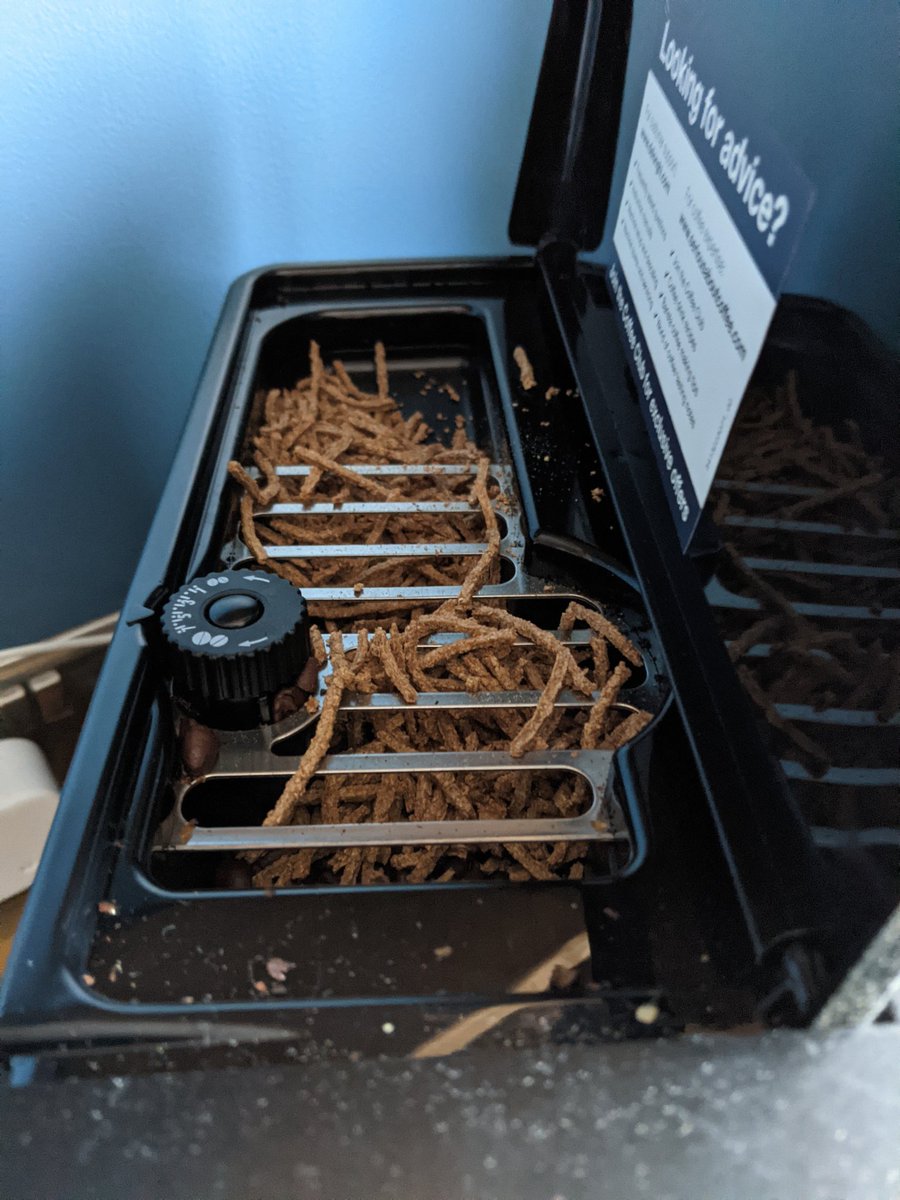
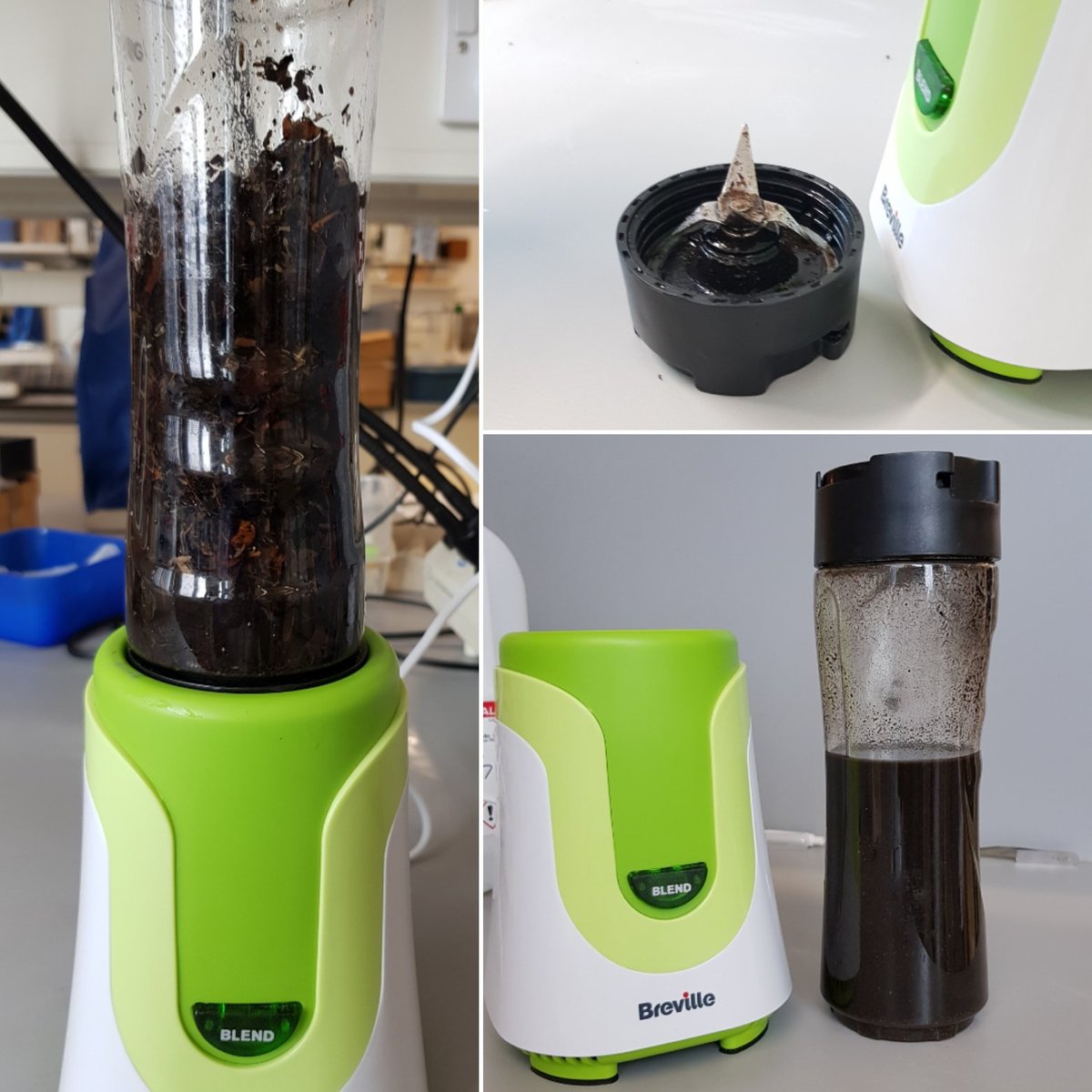
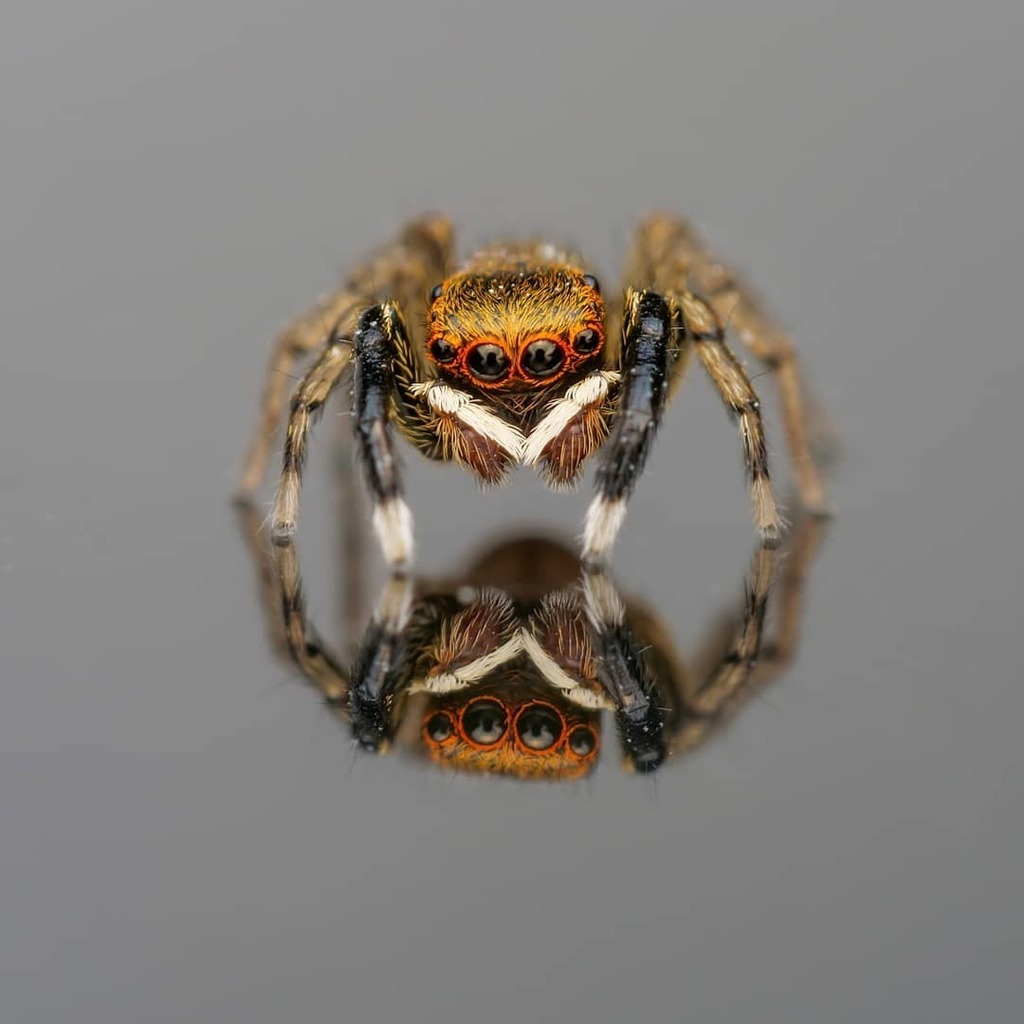
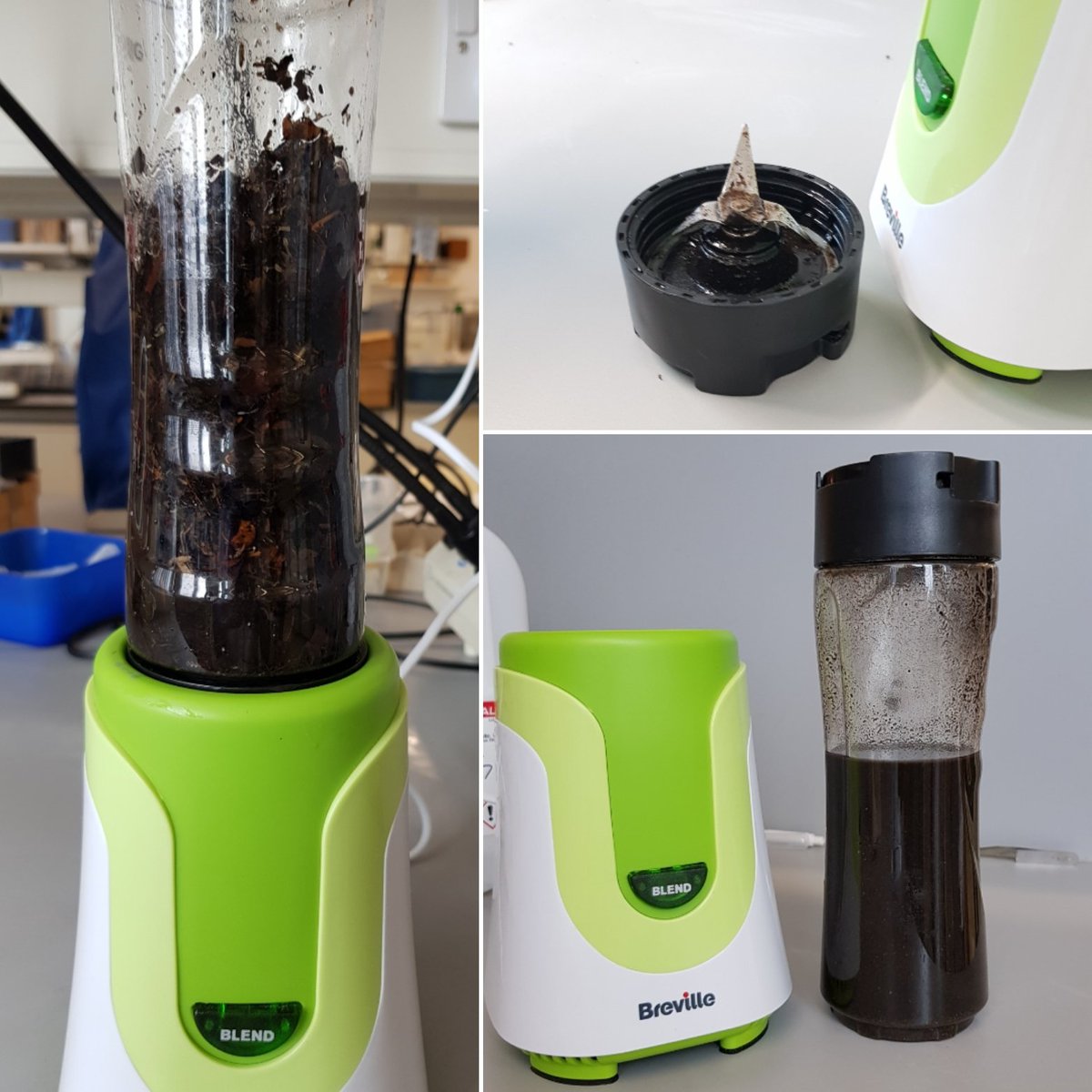
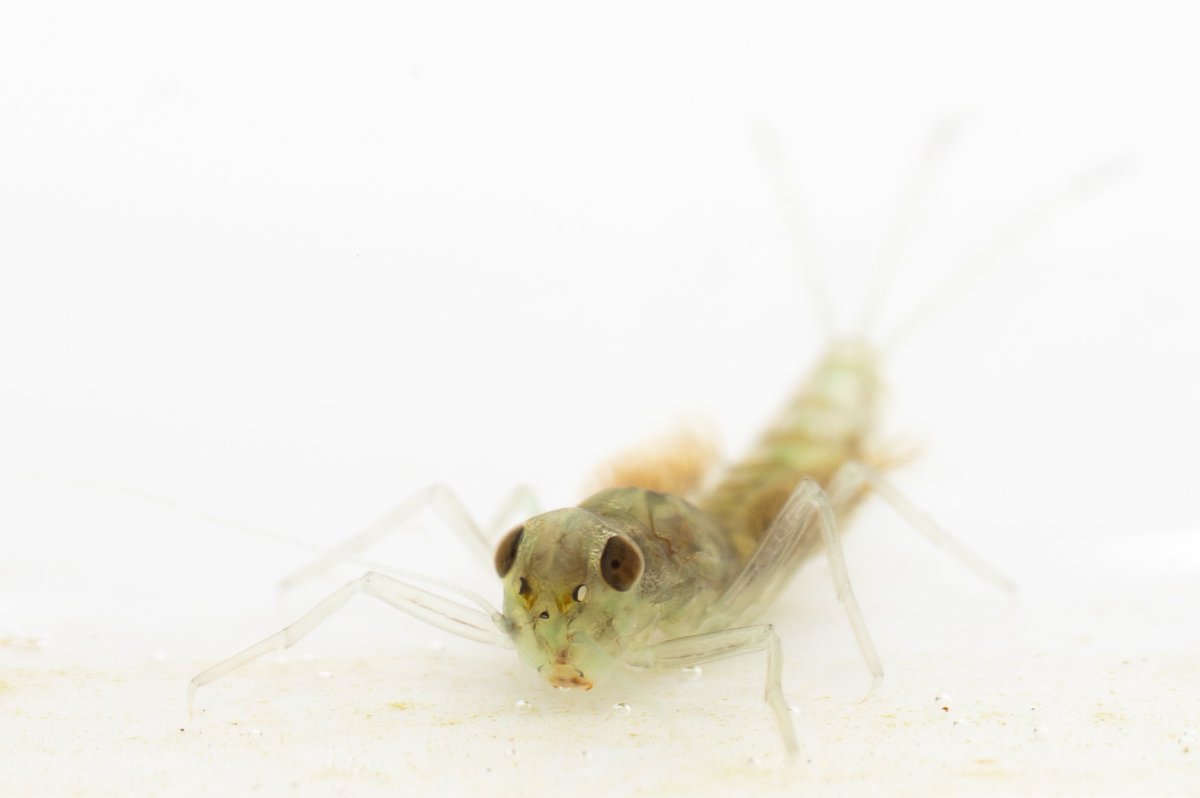
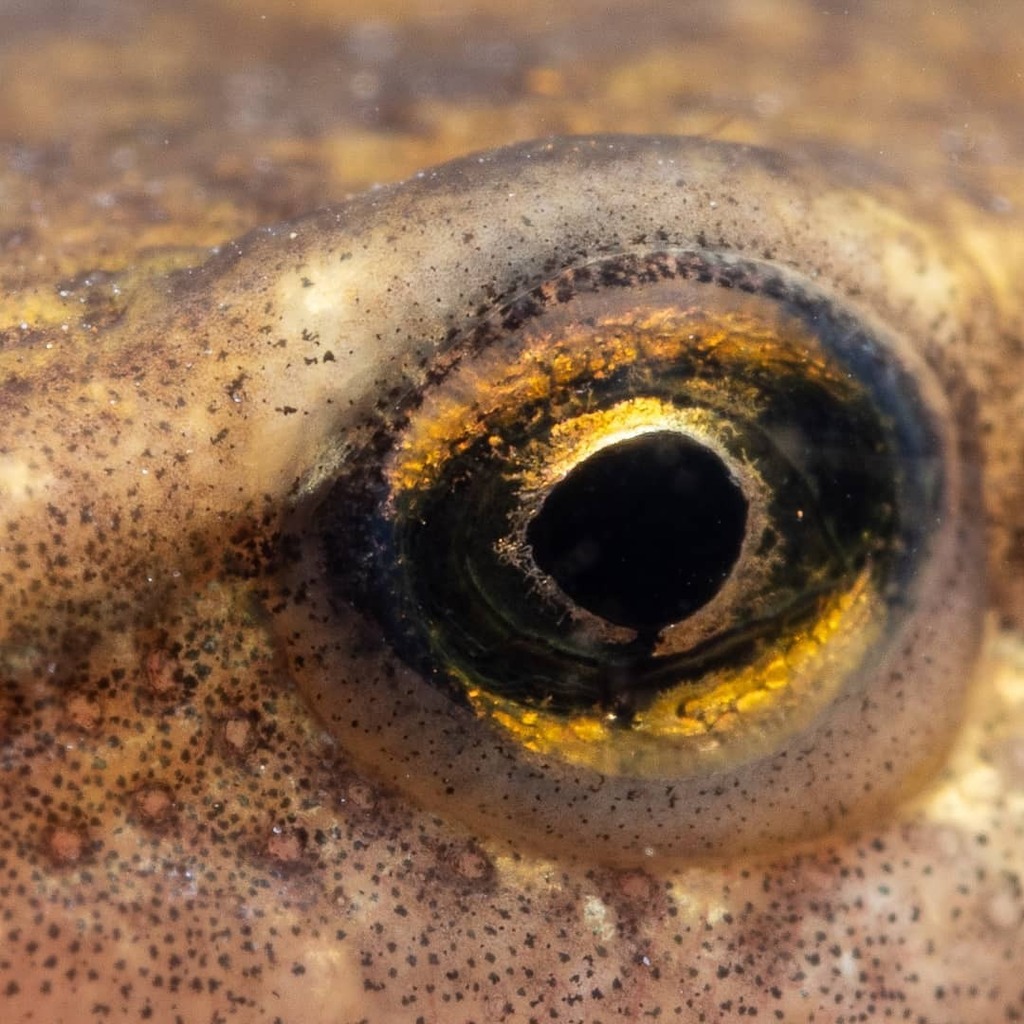
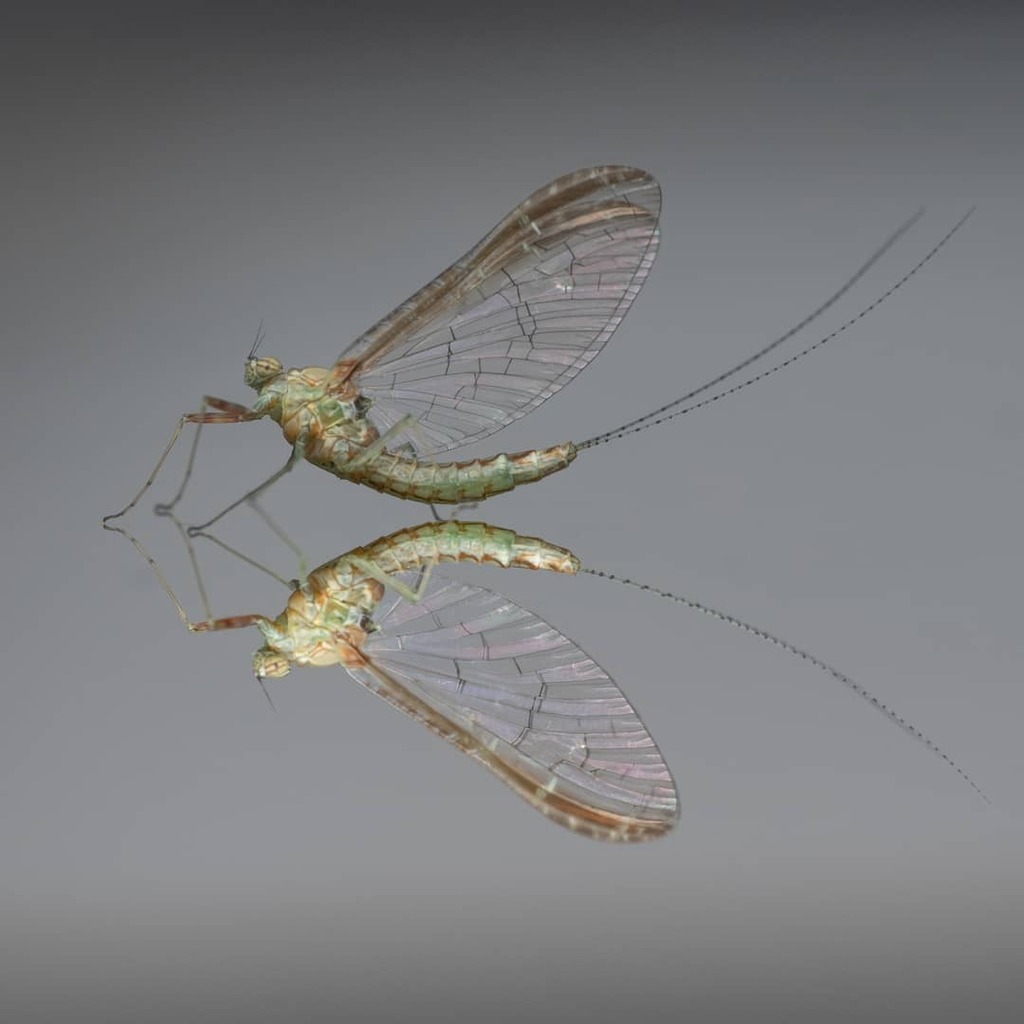


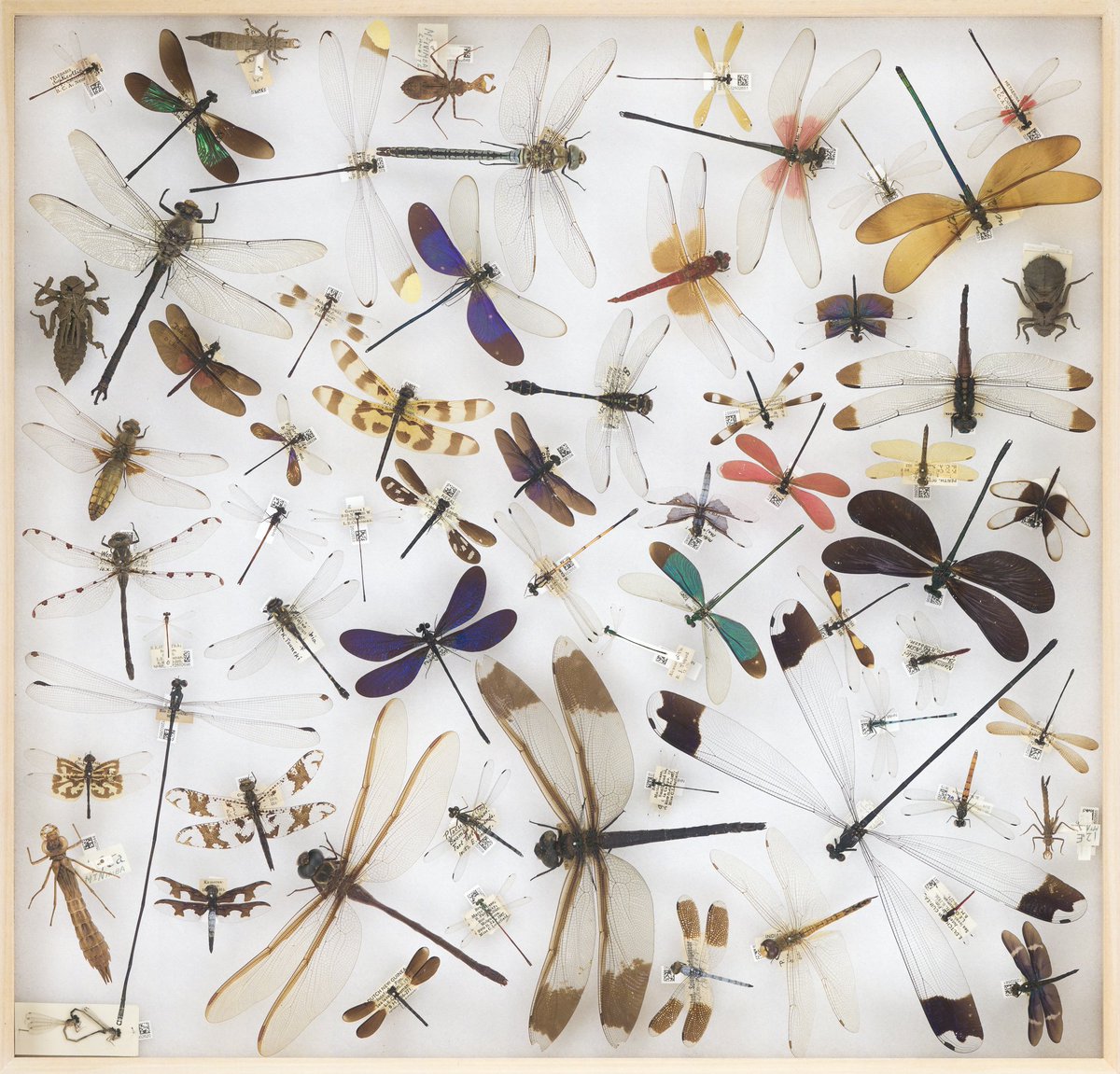
First look at the "flight" of dragonflies for the @royalsociety summer exhibition "Nurturing nature's innovations" next week. Come visit our stand: royalsociety.org/science-eve… - an @NHM_London and @imperialcollege collaboration.
1
41
118
Ben Price retweeted

1 Nov 2024
Our NERC funded project on Antarctic Krill with @NHM_Science starts today! See details here nhm.ac.uk/discover/news/2024…
4
7
581
Ben Price retweeted
31 Oct 2024
Our latest study developing a Snakemake framework for the assembly and phylogenetic analysis of mitochondrial and ribosomal sequences from genome skims of museum collections is now published in @molecology with @NHM_Science onlinelibrary.wiley.com/doi/…

1
8
22
2,819
Ben Price retweeted

15 Oct 2024
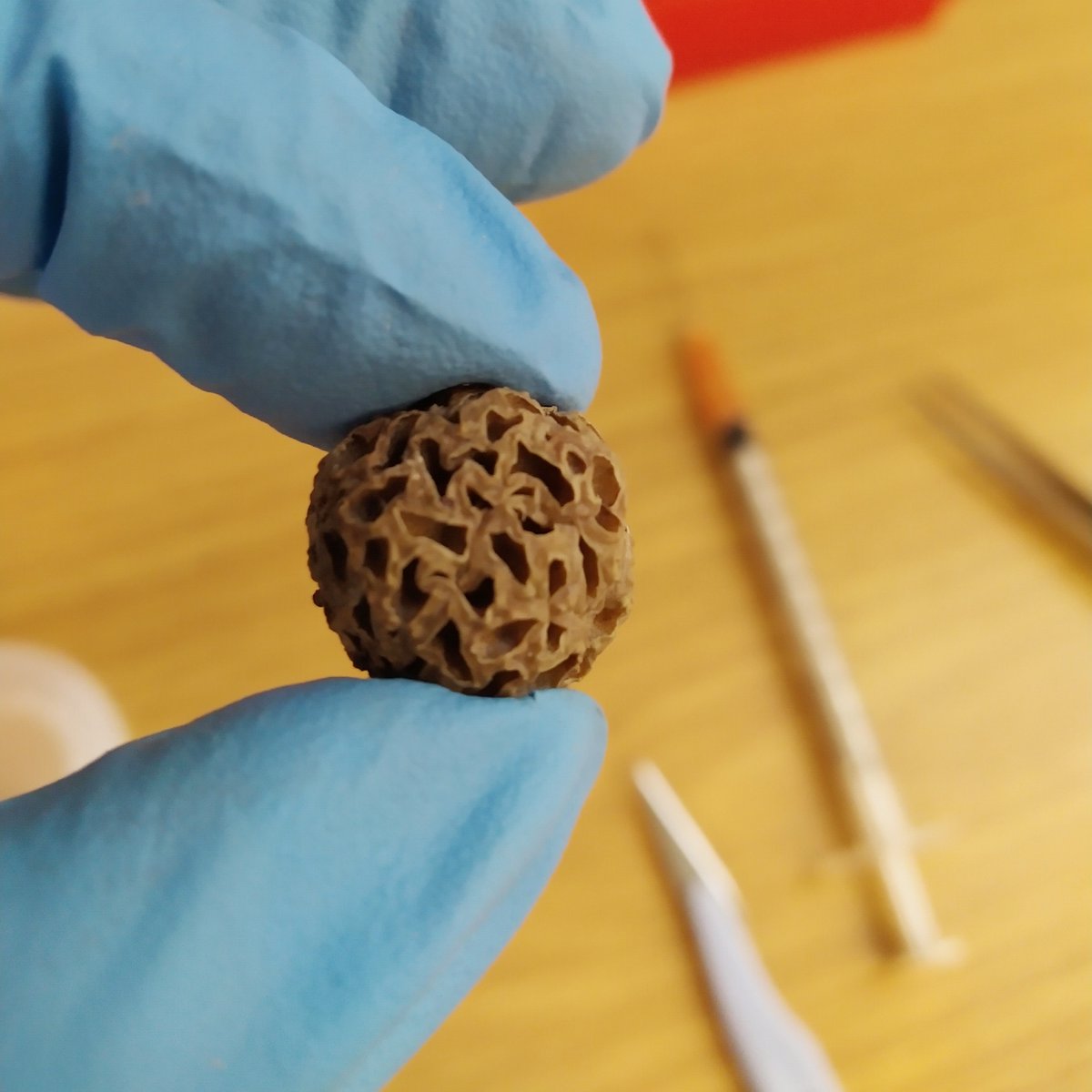
🚨Job Alert: Are you a bioinformatics geek? familiar with ancient/historical DNA data? Do you want to join Kew Mycology to analyse fungal genomes of very old specimens? check our vacancies! careers.kew.org/vacancy/bioi…
careers.kew.org/vacancy/seni… #fungal #genomics #museomics
72
107
10,523
Ben Price retweeted

4 Oct 2024
Excited to share the final chapter of my PhD thesis has been published! 🎉 Country-wide DNA metabarcoding is now a reality, thanks to key advancements. Big thanks to my co-authors and all who supported me! @leeselab @Senckenberg Link: onlinelibrary.wiley.com/doi/…
20
65
4,788
Ben Price retweeted

🚨 EntoSieve: New automated tool for fast, accurate size-sorting of bulk insect samples! Perfect for boosting DNA megabarcoding & metabarcoding projects. 🧬🔬 DIY low-cost device, gentle on specimens and yet efficient 🦋🐞read here: authorea.com/users/836612/ar…
2
59
158
11,922
Ben Price retweeted

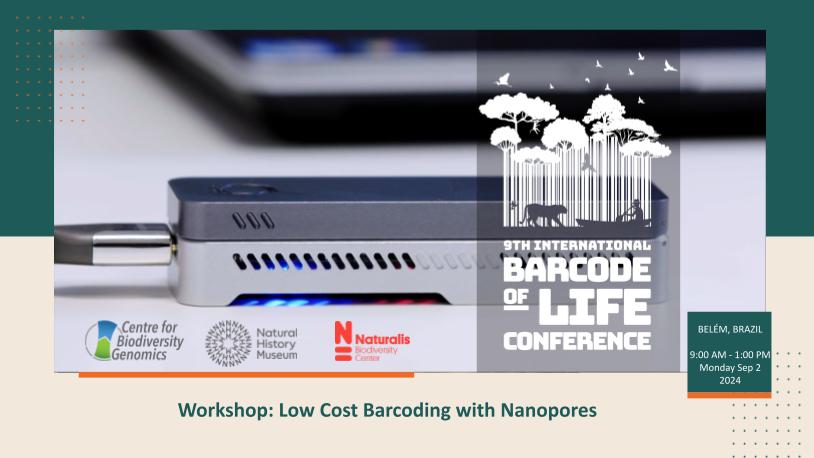
Are you attending #iBOL2024? Did you want to learn more about barcoding with nanopores?
Register to attend the pre-conference workshop. Space is limited!
dnabarcodingconference.com
@eZakhar0v @ento_ben @Elza74649502 @CBG_UofG
11
23
1,246
Ben Price retweeted

OPPORTUNITY! We are recruiting an exceptional leader for NHM Collections:
Director of Collections: You'll lead a dedicated team, spearhead strategy for the future of collections, drive access and research, and ensure success of our multi-site expansion
nature.com/naturecareers/job…
43
30
6,378
Ben Price retweeted

5 Jul 2024
🚨 Job Alert! 🚨 Naturalis is hiring two tenure-track researchers. We're looking for experts who want to integrate molecular techniques, imaging, and data science (AI) to advance species recognition and detection. Apply here: naturalis.nl/en/about-us/job…. #Biodiversity #metabarcoding
3
61
67
10,323
Ben Price retweeted

7 Jun 2024
If you want something super simple and reasonably priced, microCLEAN may be worth trying: microzone.co.uk/shop/post-am… (I would love to know how it works in terms of chemistry!).
Or you could try a cheap magnetic bead cleanup with reagents and magnet rack, possibly cheapest and most accessible from sergilabsupplies.com/product… haven’t tested these myself though).
If you want something very inexpensive but more time consuming and have enough samples to warrant stocking up on PEG, salt, and ethanol, a PEG precipitation may be useful, e.g.: sites.lsa.umich.edu/olsen-la… .
You could also try a freeze-and-squeeze extraction method extracting from TAE gels, e.g. x.com/theBentoLab/status/173…
There will also be other methods, e.g. homemade spin columns, bought spin columns with homemade reagents, etc.
The question of which method would work best for you will probably depend on your own preferred balance of cost/speed/scalability/yield/reliability!
Hope that helps!
13 Dec 2023

For anyone extracting PCR products from agarose gels (or who would like the option to do so occasionally), here’s a cheap and rapid homemade spin-column gel extraction method that’s reportedly good enough for Sanger sequencing without further purification.
The method, described by Abraham et al. (2017), is based on the observation that low concentrations of TAE (Tris-acetic acid-EDTA) buffer do not seem to inhibit PCR and Sanger sequencing. This means that a quick centrifugation of a gel slice through a filter could be enough to produce sequencing-ready DNA.
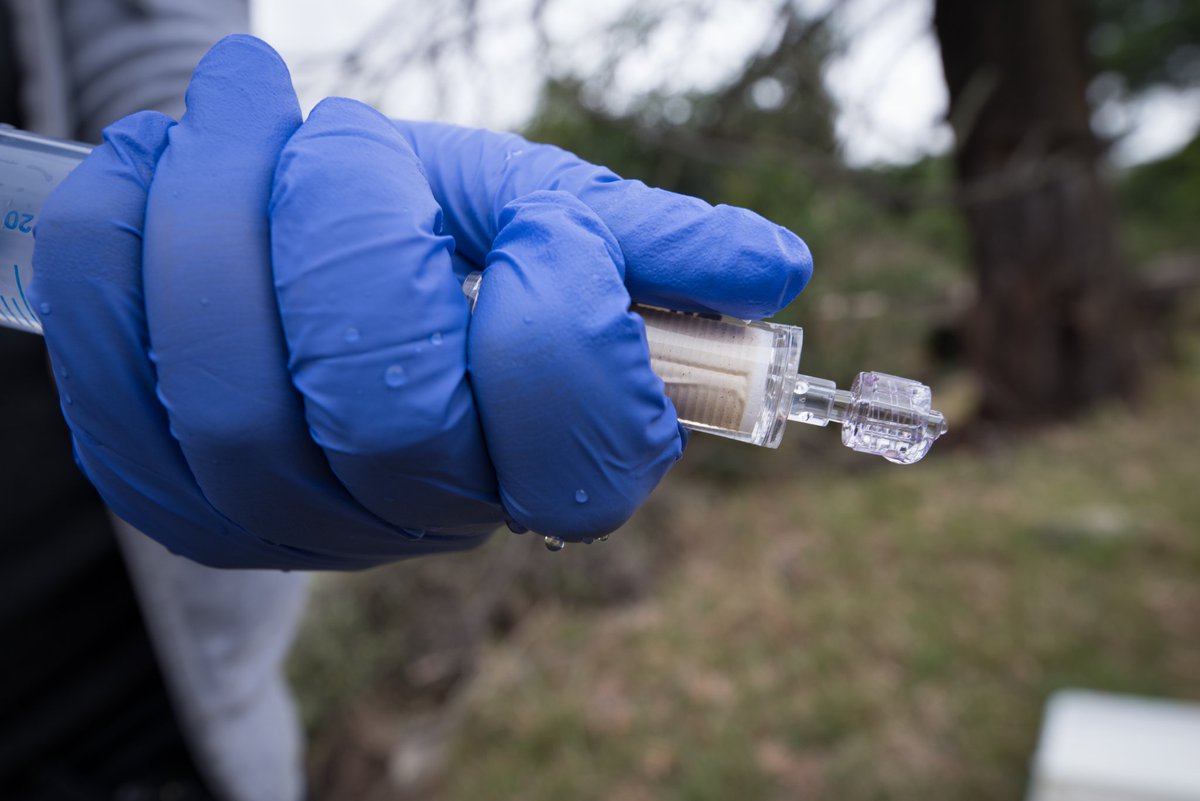
The authors made homemade spin columns by placing a small amount of cotton fiber (moistened with 0.5x TAE buffer), in a 0.5 mL centrifuge tube, and poked a hole in the bottom of the tube. This tube was then placed inside a 1.5 mL tube, and was then ready for use.
An electrophoresis gel was run using 0.5x TAE buffer, and successful amplicon bands cut out and placed in the homemade spin columns. The gel slices and columns were then centrifuged at 5200×g for 5 minutes to produce an extract used for Sanger sequencing reactions.
The authors reported a slight reduction in DNA yield compared to commercial gel extraction kits, but this didn’t impact results and their method was much cheaper and quicker. However, they did suggest that it’s best used for strong PCR bands, and it may not be quite as efficient as methods that totally remove TAE buffer. Their article can be found here:
Abraham et al. (2017). A quick and effective in-house method of DNA purification from agarose gel, suitable for sequencing. 3 Biotech, 7, 1-6.
ncbi.nlm.nih.gov/pmc/article…
Interestingly, this method appears to be a hybrid of the classic “freeze-and-squeeze” method (where the agarose is frozen before centrifugation to extract DNA), for example as described by Tautz & Renz (1983)...
Tautz & Renz (1983). An optimized freeze-squeeze method for the recovery of DNA fragments from agarose gels. Analytical biochemistry, 132(1), 14-19.
sciencedirect.com/science/ar… (subscription access).
… and Millipore’s Montage(TM) DNA Gel Extraction Kit, which uses proprietary filter columns plus a gel shredder to improve extraction efficiency without freezing. See Leonard et al. (1998) below for a description of the method using what is presumably a previous iteration of this kit:
Leonard et al. (1998). Preparation of PCR products for DNA sequencing. Biotechniques, 24(2), 314-317.
future-science.com/doi/abs/1…
Looking at all three protocols, two additional modifications to Abraham et al. (2017)'s method spring to mind:
⭐Replace the homemade spin column with a cut-down filter-pipette tip, making the method even cheaper and more accessible. You can find a great video by Rahul Patharkar on using filter-tip freeze-and-squeeze here: youtube.com/watch?v=b3wfhofZ… !
⭐Reduce the EDTA concentration in the TAE buffer to 1/10 of its normal concentration, in-line with Millipore’s Montage(TM) DNA Gel Extraction Kit recommendations.
In other words, you could try running a gel in a low EDTA TAE buffer to visualise amplicons, cut out gel bands, and centrifuge through filter tips to extract a (hopefully) Sanger sequencing-ready DNA extract.
As a disclaimer, Abraham et al. (2017) and Leonard et al. (1998) both used ethidium bromide in their gels. Other DNA stains might (or might not) have more of an impact on sequencing quality.
Also, if you do try it, I would also suggest testing on only a few samples to begin with just in case of failures!
And if you already use this method, or something similar, we'd love to know how works for you!
1
4
2,282
Ben Price retweeted
6 Jun 2024
Just updated BOLDigger2: By popular demand 🫡, BOLDigger2 now accepts BOLD credentials as optional arguments for seamless integration into existing bioinformatics pipelines. Update now at github.com/DominikBuchner/BO…! #boldigger2 #update 💻
2
11
31
2,146
Ben Price retweeted
29 May 2024
🚀 Excited to announce BOLDigger2! 🎉 Top 100 hits, better error handling, pipeline integration, faster downloads, tons of bug fixes, and BIN support. Check it out and feel free to share: github.com/DominikBuchner/BO… #BOLDigger2 #upscaling @leeselab
17
61
6,182
Ben Price retweeted

28 May 2024
How to efficiently implement #ONT for #DNAbarcoding applications? Join our webinar on June 6th to hear useful tips and discuss with experts from the @iBOLEurope community!
iboleurope.org/june-6th-webi…

20
50
4,706
Wow! Those libraries were clearly competing with each other 🤣
25 May 2024

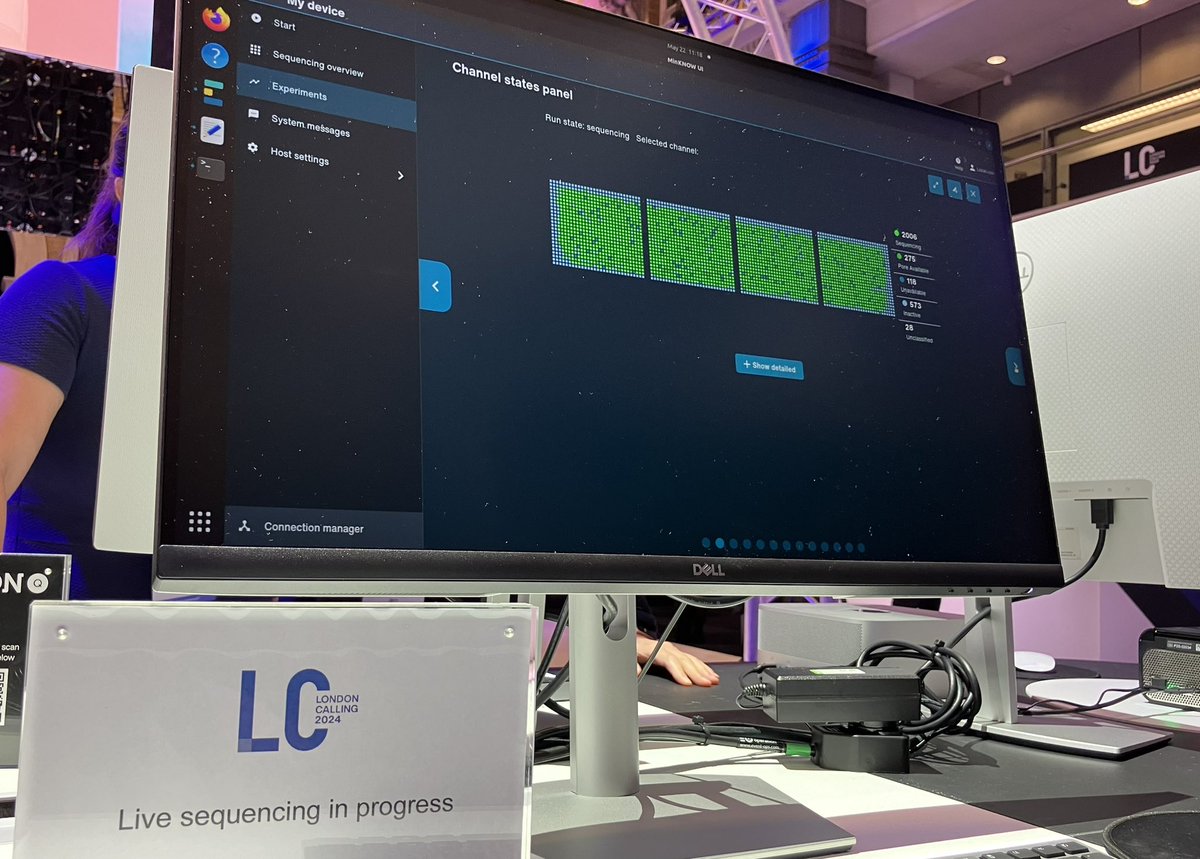
London Calling closed out with just over 800G of sequencing data for 10 endangered species! Wow!
Looking forward to seeing these genomes used to help conservation.
@NHM_London @rzss @nanopore
#nanoporeconf
99
Ben Price retweeted

22 May 2024
We’re sequencing the genomes of 10 endangered species with ORG.one live at London Calling! 🦁🦛🐛🐧🦆🐆🦌
Thanks to @NHM_London and @rzss for making this possible and helping to generate useful genomic data to support conservation efforts! #nanoporeconf
4
11
7,681
The samples were shipped to @SangerToL and non-destructively DNA extracted by @marakat’s team and @sangerinstitute Scientific Operations who then ran 92,160 PCRs (the protocol is a two step PCR carried out in 384-well plates).
1
84
For even more individual voucher specimens on a MinION (100k!!) see this great paper by @iBOLConsortium biorxiv.org/content/10.1101/…
49
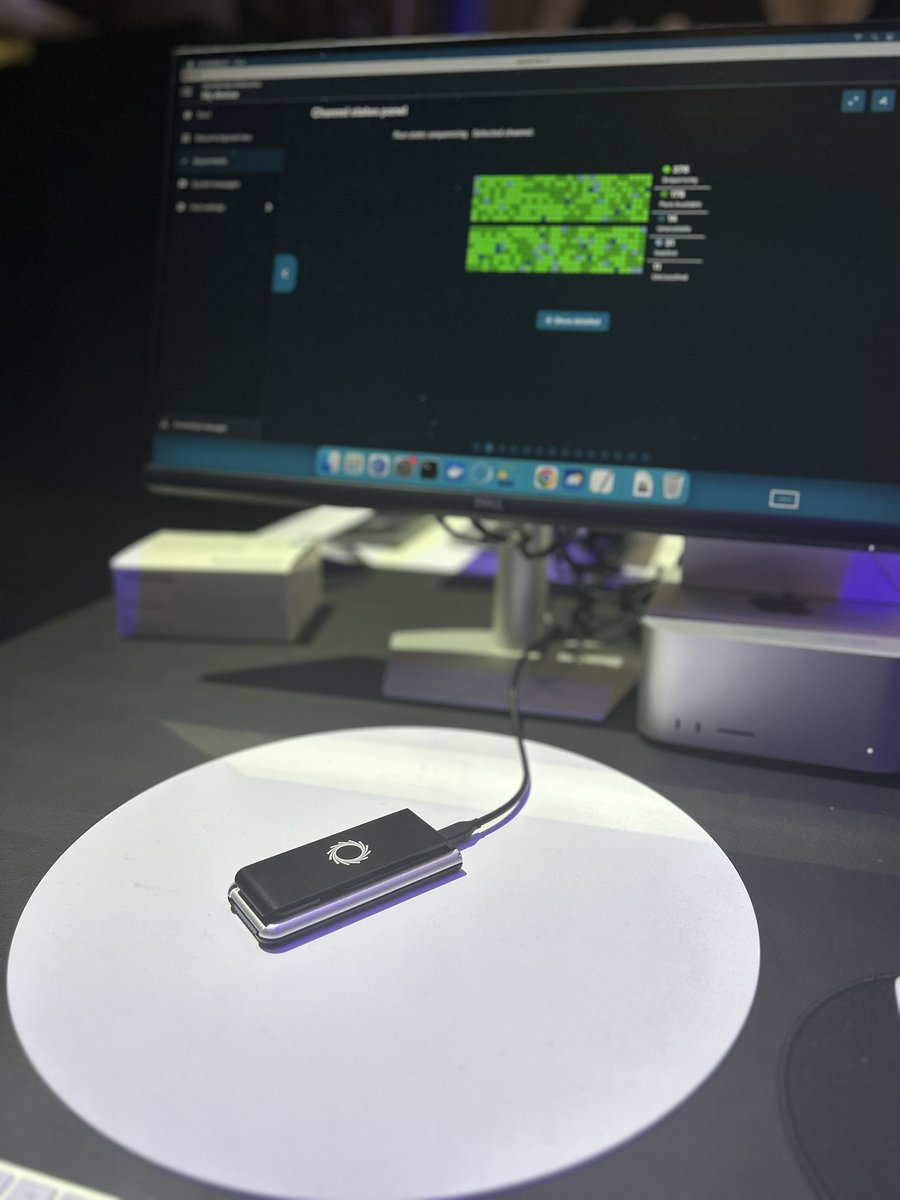
Very exciting that the first live run of the MinION Mk1D device at #nanoporeconf has a huge and biodiverse amplicon pool, as this technology will facilitate much easier global access to high throughput biodiversity discovery and monitoring with DNA barcodes.
23 May 2024

10 years on we’re doing the first live MinION Mk1D sequencing at #nanoporeconf #10yrsON @nanopore on @apple Mac Studio nanoporetech.com/products/se…
1
1
12
980
These barcodes are from over 45,000 arthropod specimens held in 480 96-well plates, where each well contains a single specimen collected using Malaise traps by the wonderful partners participating in the @BIOSCAN_UK project led out of @SangerToL and @marakat’s group
1
66