
Joined April 2007
- Tweets 15,507
- Following 3,984
- Followers 940
- Likes 13,911
254 Photos and videos





Eran Sandler retweeted

Jun 11
How we built forkable vm's in opencomputer.dev
00:11 Architecture
00:35 Zooming in to a single worker
01:13 Forkable VM's
02:43 Demo
04:10 Results
04:24 Typescript sdk
5
45
367
20,940

Jun 9
Do you believe that hallucinations and agents breakout can be solved by fixing up the models?
2
3
122
Eran Sandler retweeted

Jun 4
Timeout bound coding agent sandboxes make you babysit snapshots and preview URLs to keep an app "alive".
In opencomputer.dev, when idle, the box hibernates ($0 compute, URL intact).
Any request coming in auto wakes it.
Hibernation snapshots the VM state (memory disk) automatically and stops the VM, so there are no compute costs while hibernated, you only pay for the stored snapshot.
Folks building lovable's for {x} love this!
docs.opencomputer.dev/sandbo…
1
1
15
1,280
Jun 4
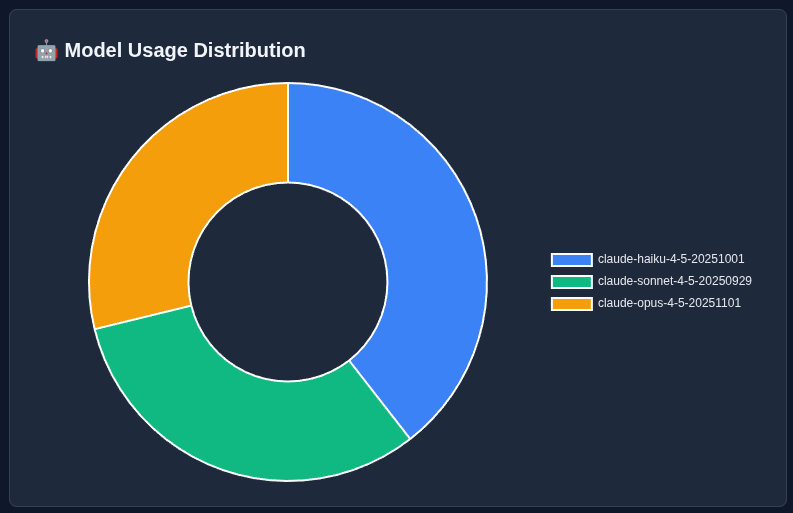
With the abundance of open weights providers out there I really wanted to be able to have an API to compare the same model across providers as well as the ability to have all that information be consumed easily by LLM.
I've created ai-pricing.fyi/ for exactly that reason.
Any feedback is welcome!
48
Eran Sandler retweeted

Jun 3
We built four malicious skills to test whether skill scanners actually work. Three took less than an hour to conceive and implement. ClawHub, Cisco, and Vercel's skills.sh marked them as safe. 🧵
9
66
276
31,235
Jun 2
1/ The attack will not look like malware.
That’s the thing that keeps coming up for me with AI agents. The risky action may use approved tools, valid credentials, and workflows that look completely normal.
1
69
Jun 2
3/ That’s why prompts, settings files, tool permissions, and logs after the fact are not enough. They matter, but the control point has to sit outside the agent’s reasoning loop, where the agent cannot bypass it.
1
39
Jun 2
4/ This is what we’re building at Canyon Road: AgentSH at runtime, Beacon on endpoints, Watchtower across the fleet.
The agent proposes the action. Policy decides whether it happens.
canyonroad.ai/blog/the-attac…
27
Eran Sandler retweeted

1/
After founding a gaming company and spending more than a decade in venture, one thing has become very clear to me:
I love early-stage investing.
Today, I’m excited to share that I’ve started @entropyVC.
41
6
145
34,498
Eran Sandler retweeted
May 23
@motatoeshq cooked with this. I've been hooked to clawputer over the last few days
opencomputer.dev/clawputer uses:
- opencomputer.dev as the computer
- @pipedream for integrations
- @browser_use for browser use (lol)
- linqapp.com for imessage infra

4
8
1,359
Eran Sandler retweeted
May 21
Firecracker doesn't support live migration.
It has snapshot/restore ie. pause the VM, save state, restore later. But it is not really the same thing.
True live migration means serializing a running VM (CPU, memory, devices) and moving it to another host mid execution. QEMU has done this for 10 years w iterative pre/post-copy dirty page tracking.
Firecracker was built for Lambda. Long running agents need both Lambda ergonomics WITH EC2 semantics. QEMU ftw.
5
4
42
4,113
Eran Sandler retweeted
May 15
The “spin it up, tear it down” sandbox model is very 2024.
Agents don’t run for 200ms any more. They run for hours. Sometimes days.
1
2
10
506
May 14
Agentic AI’s blind spot is not just what agents can read.
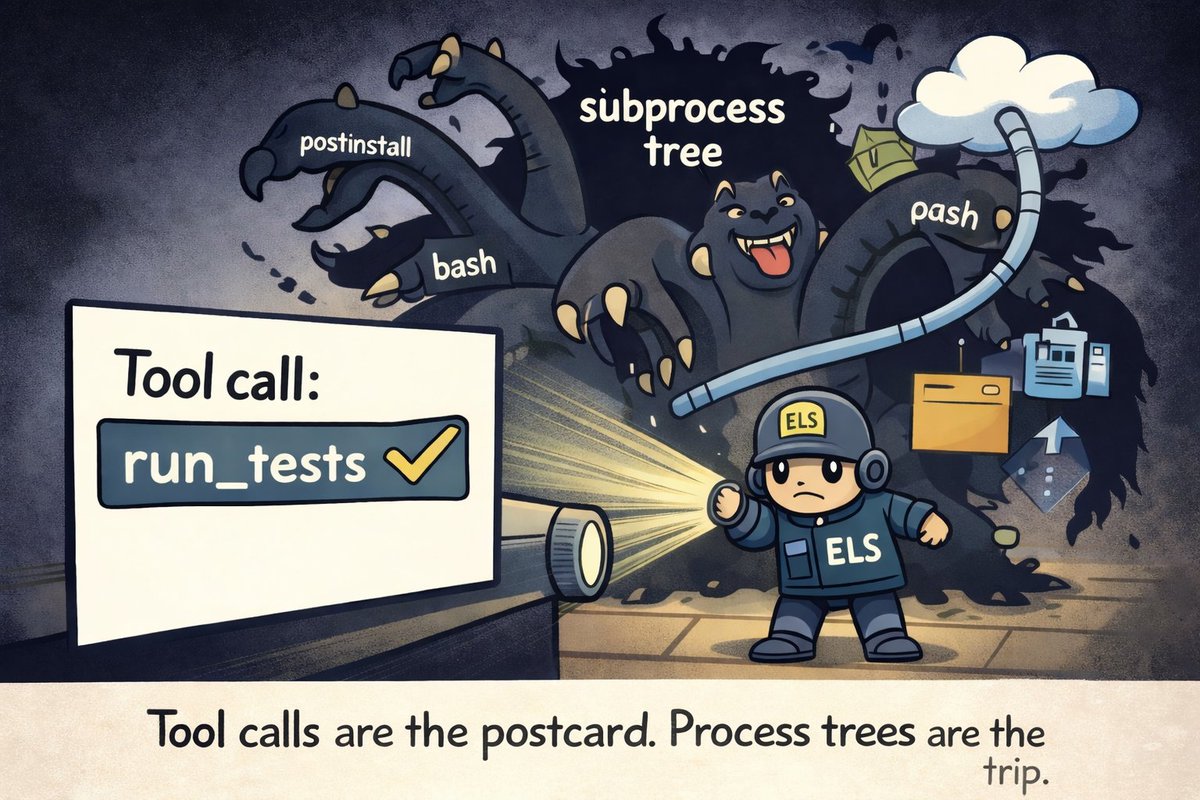
It’s what they can do after they read it: spawn processes, write files, call APIs, reach the network, and use credentials.
That control point is the execution layer.
That’s why we’re building AgentSH: agentsh.org
May 12

🤖 Agentic AI is already running in production while security teams treat it as a policy issue.
You can’t secure what you don’t understand. Three agent types — one now lets anyone build powerful agents with real access, no code needed.
Read about it: thehackernews.com/2026/05/wh…
1
1
166
Eran Sandler retweeted

May 14
Want to be a 1-person code factory?
@timoreilly and I chatted all about how it works
oreilly.com/radar/ryan-carso…
8
11
86
6,343
Eran Sandler retweeted
May 14
same here. will bring nice things too.
May 14

if you are a YC CTO i would like to talk to you. i’ll come to your office and bring nice things.
1
4
757
Eran Sandler retweeted
May 13
Agents today are processes that live for hours. The substrate should match!
Today, agents pause, resume, branch, retry, sit idle waiting for a human, then wake up and keep going.
You can’t really run that on infra designed for stateless functions.
6
2
9
862
Eran Sandler retweeted
May 12
buckle up.
next 2-3 weeks at opencomputer.dev might be the most fun stretch we’ve had as a company.
so much shipping.
you’re going to love it.
1
4
14
822
Eran Sandler retweeted
May 6
"my agent OOM'd on a rust cargo build" came up in basically every early discovery call we had for opencomputer.
the nail in the coffin was a pickleball session in dogpatch with @tokengobbler where he detailed this out to the literal T haha.
so we built our elasticity feature. the agent now hits 169.254.169.254 from inside the VM and scales its own RAM and CPU mid-task without a restart.
agents are getting ambitious, so we think the substrate should, well, keep up?
(set min=max and it's disabled, you can opt out if you want fixed sizing.)
2
4
602
Eran Sandler retweeted
May 6
No single winner. But the winners will nail the same things every infra primitive eventually demands:
1. Reliable af
2. Goated DX, devs should genuinely love using it
3. Opinionated (we’ve never really had an infra primitive that was everything for everyone)
4. Tasteful. code is cheap today. authenticity is the moat, and it’s brutally hard to fake.
Apr 21

When the dust settles, who will have won the sandbox war? Why?
2
7
850