18S rRNA Collaborative Annotation Initiative. Part of @PR2database. This account is not active, follow @PR2database for updates on @EukRef
Joined April 2015
- Tweets 148
- Following 2
- Followers 441
- Likes 73
17 Photos and videos



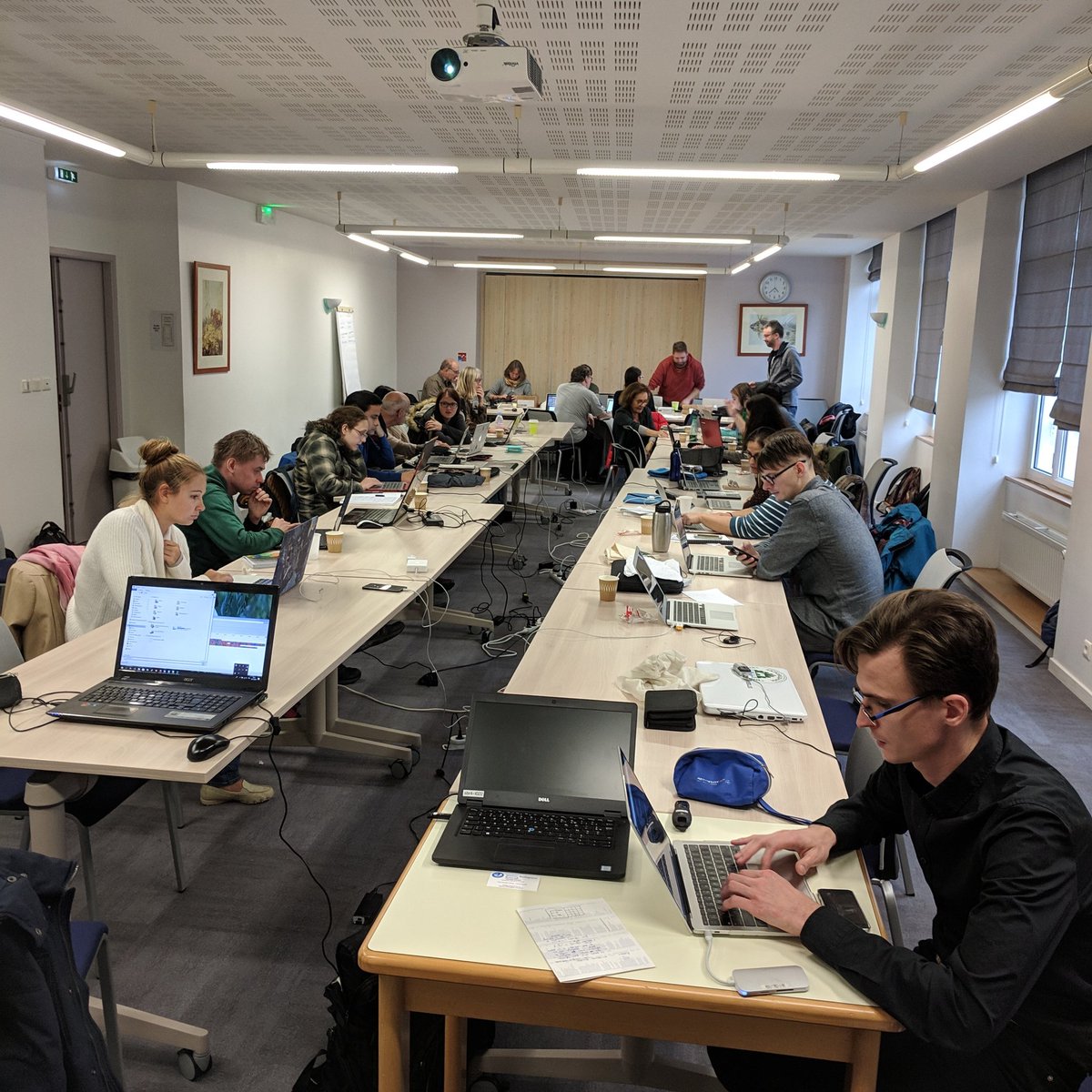
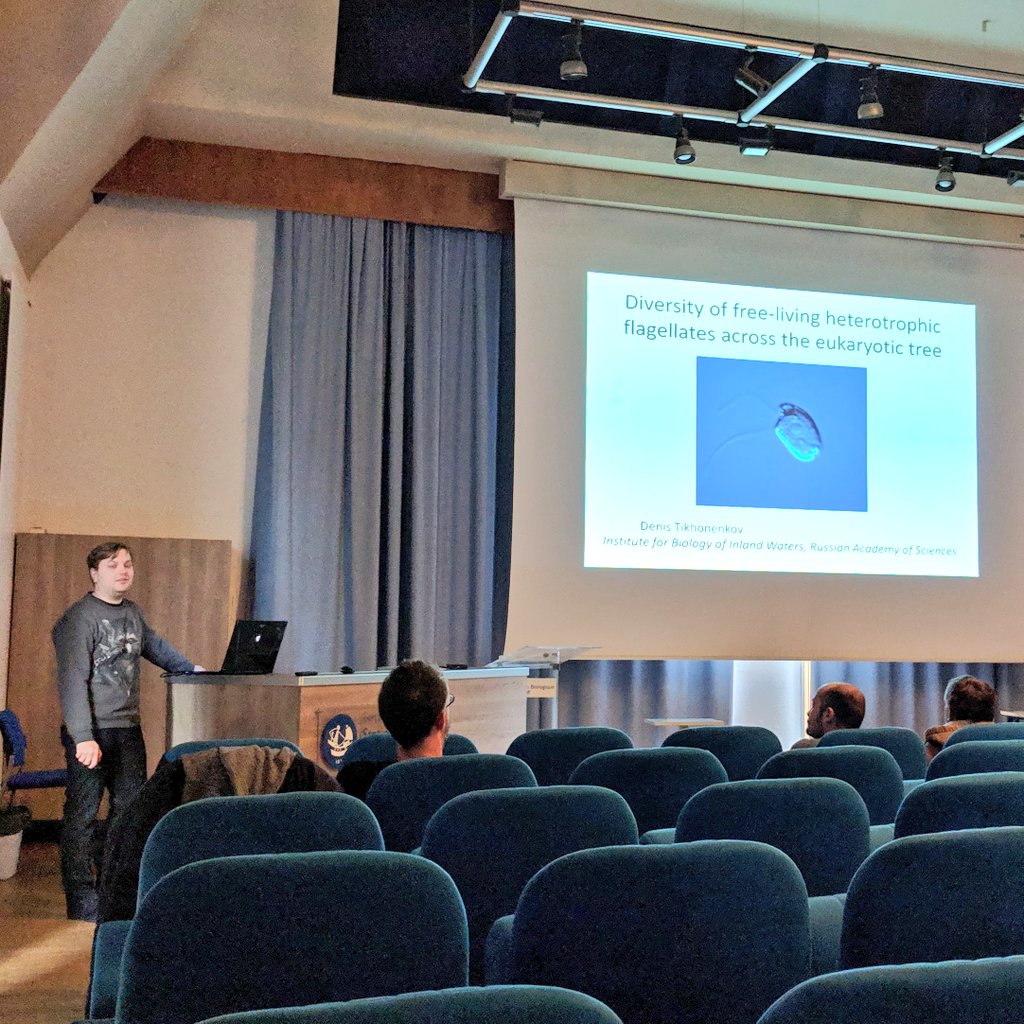
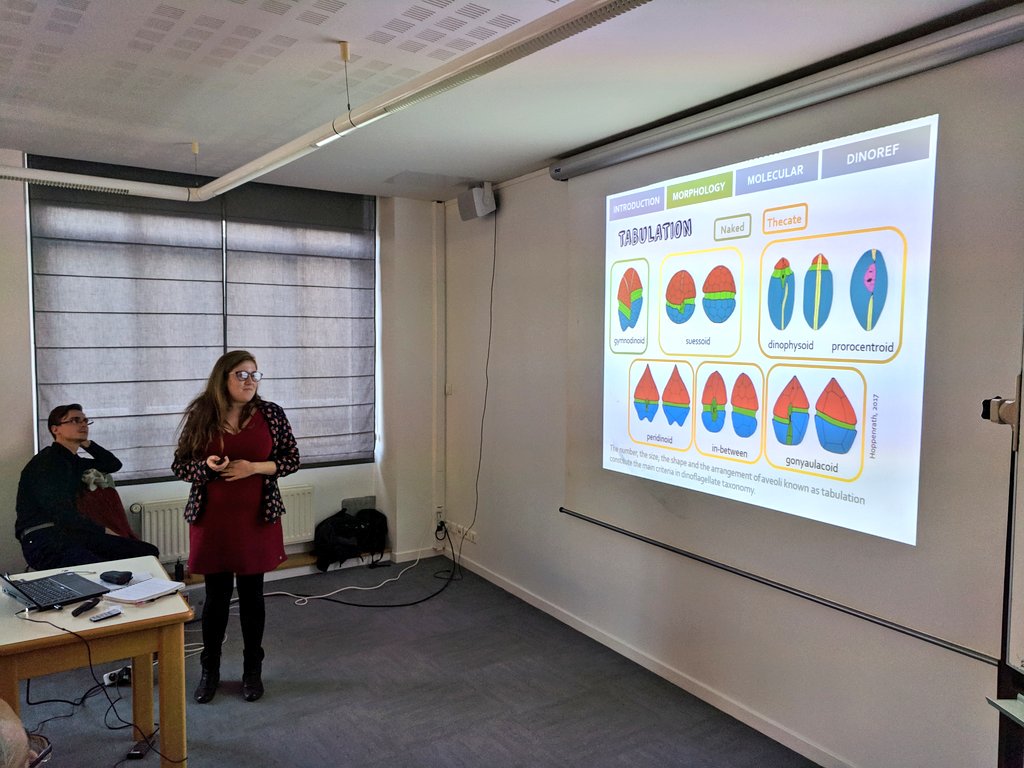
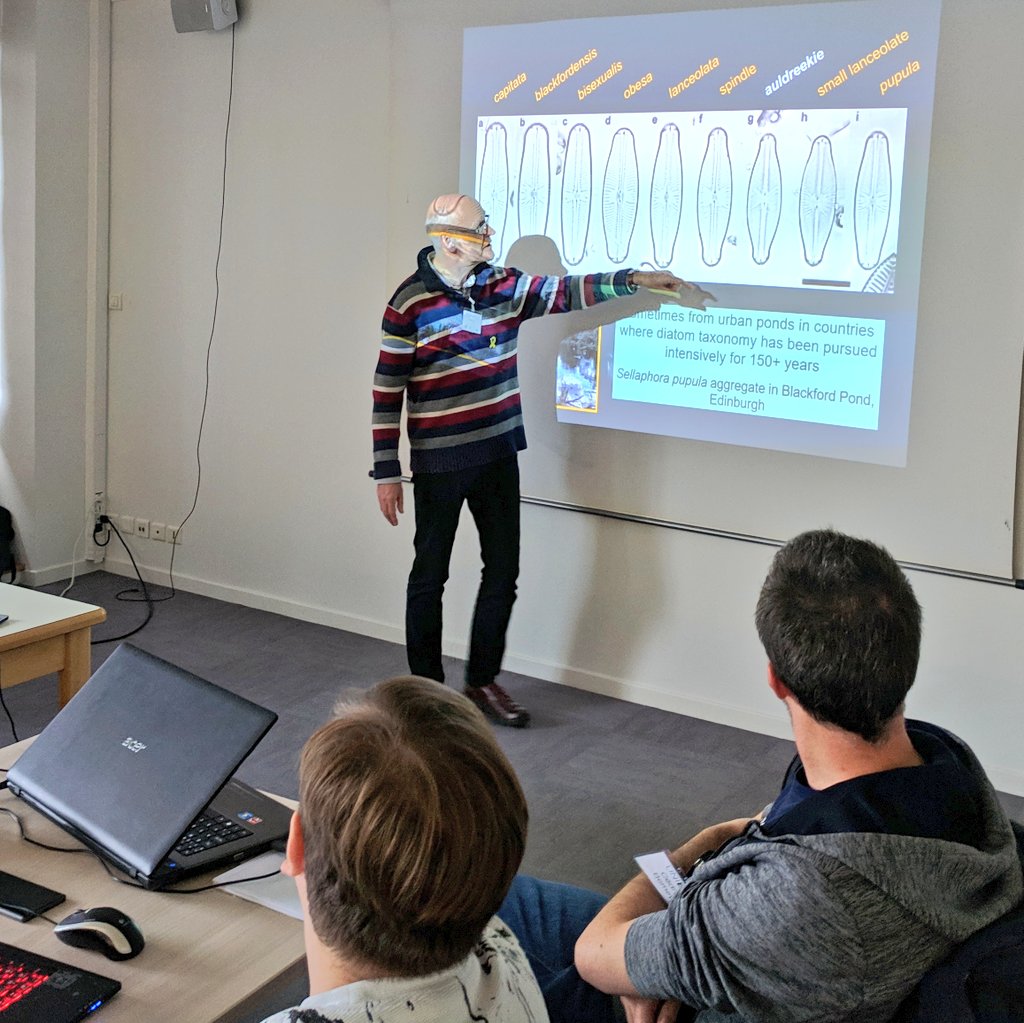
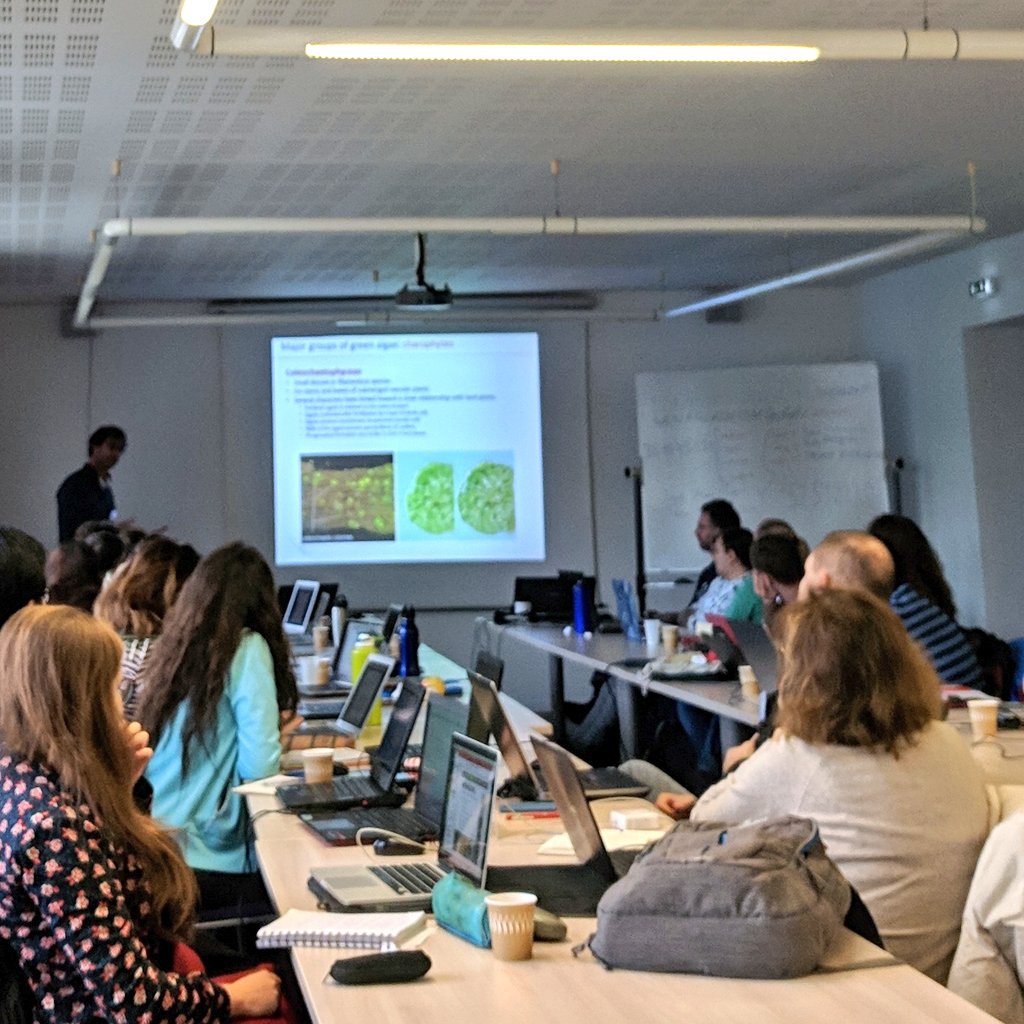
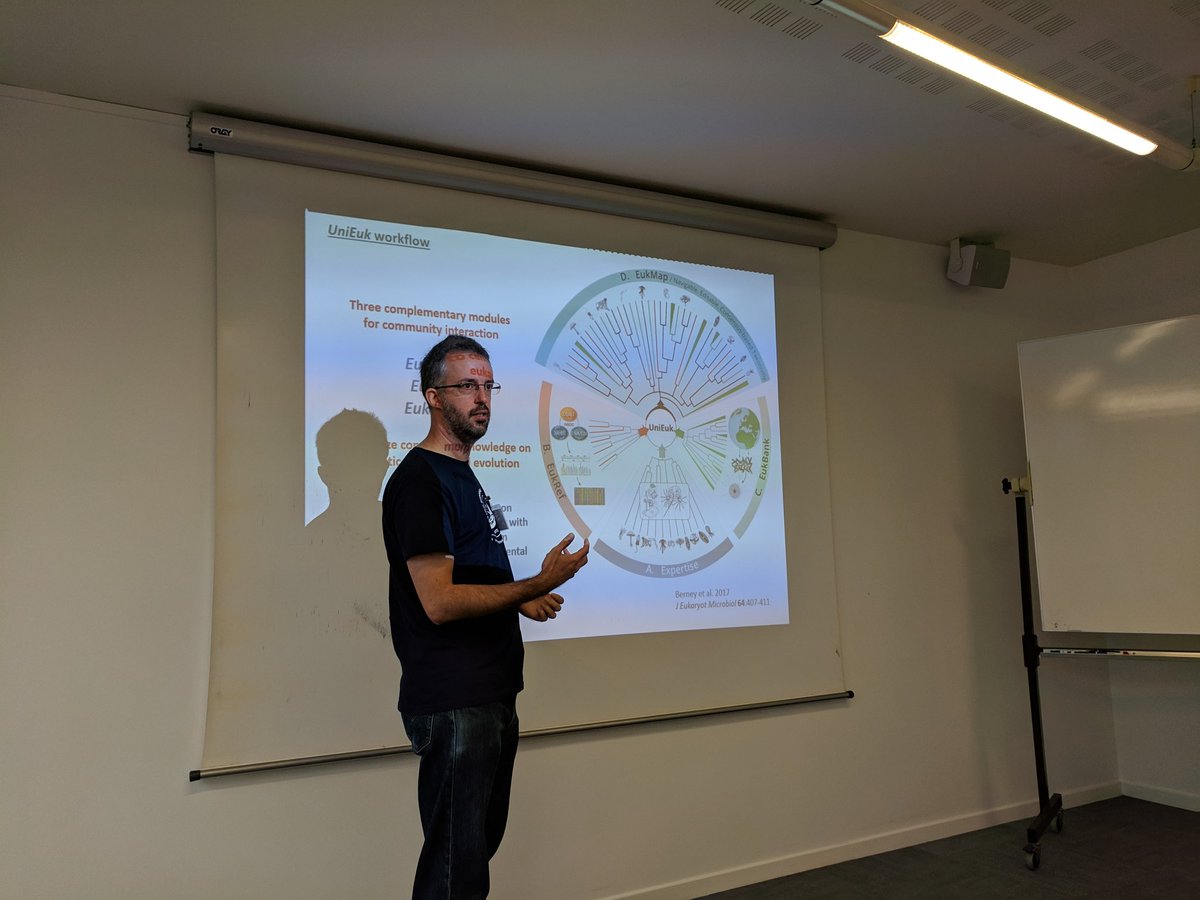
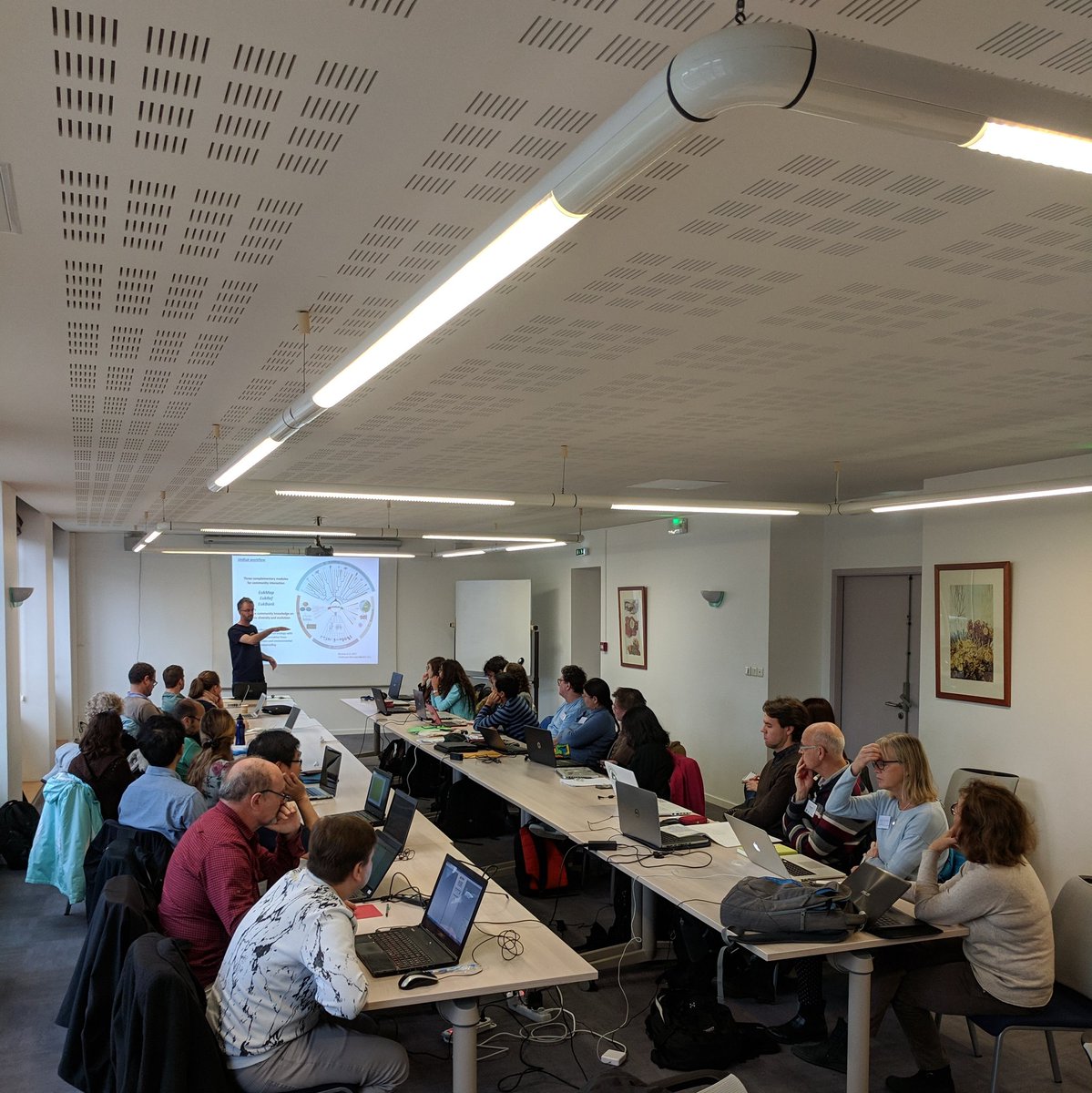

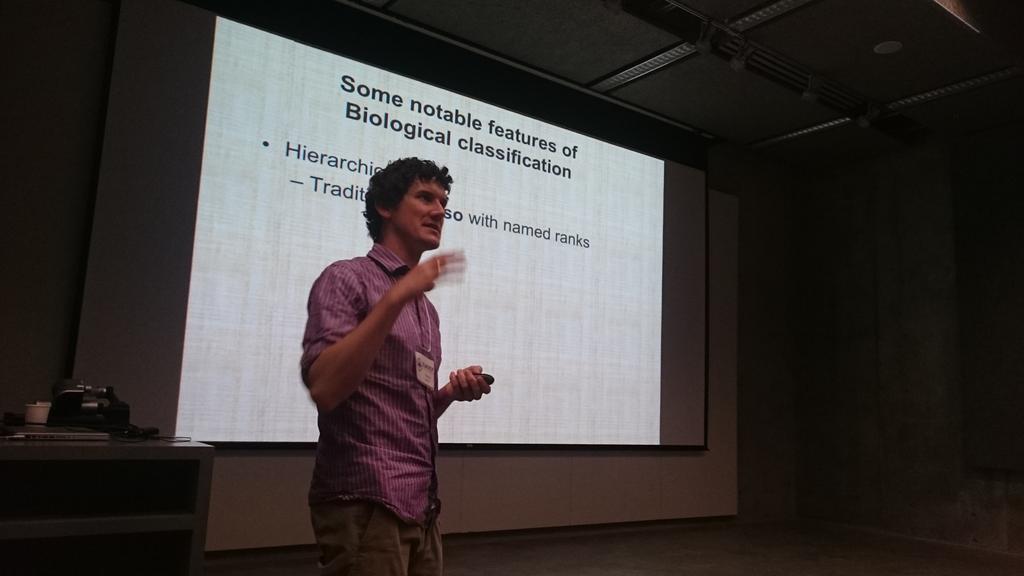

‼️This account is going to become inactive on July 16, 2020 🗓️. As part of our integration with pr2-database.org our twitter activity is going to move PR2's twitter. So, if you are interested in EukRef, #protists, and #metabarcoding please follow 👉@PR2database
3
8
EukRef retweeted

1 May 2020
Next week, May 5 & 6, will take place the First Electronic Symposium on Protistology organized by @pjkeelinglab, @fburki, and myself (check at protist.online for more information). In the meantime let me introduce our amazing speakers 👩🔬👨🔬 and their talks 👇

1
10
29
EukRef retweeted
21 Apr 2020
Happy to announce that Protist.Online - The Electronic Symposium on Protistology is live and active 🎊 Check our program 📄and speakers 👩🔬 and save the date 📅 MAY 5-6 2020. Thanks to @isep and @PR2database for their help spreading the news! More info soon ⏰

29
63
EukRef retweeted

12 Mar 2020
Statement Regarding the Coronavirus Pandemic: ISOP and ISEP are canceling the 2020 meeting in Cancun, MX, 31 May- 04 June effective immediately. Payments received to date at the registration website will be fully refunded. Find here the complete statement: protistologists.org/isop-ise…
4
EukRef retweeted
10 Mar 2020
‼️Statement to Members and Attendants regarding #COVID19 and the upcoming ISOP / ISEP meeting in México. ▶️ The early registration period extended to April 1st ▶️If the meeting is canceled registration fees will be refunded. More details 👉
protistologists.org/isop-ise…
3
3
EukRef retweeted
24 Feb 2020
ISOP / ISEP Meeting 🦠, Cancún, México 🇲🇽 (May 30 - June 5, 2020) ➡️New Student Hotel Rates ⬅️ $150 CAD for a Double Room 📉 REGISTER HERE 👉ccdeconference.usask.ca/inde…

4
11
EukRef retweeted
22 Feb 2020
It is funny how @NCBI considers #protists a lost cause 😅 Thankfully we have @PR2database ✊ #goprotists
1
2
7
EukRef retweeted

21 Feb 2020
. @NCBI has a curated set of rRNA reference sequences (targeted loci) with verifiable organism sources and current names. 16S (Bacteria and Archaea), 18S (SSU) Fungi, 28S LSU Fungi, ITS Fungi. Download these from the BLAST db FTP area. go.usa.gov/xdEBX
2
52
95
EukRef retweeted

17 Feb 2020
Due to internet connexion failure, the ABiMS plateform is curently unreachable. We are really sorry about this.
3
1
EukRef retweeted
16 Dec 2019
Finally out, the new @PR2database site! Kudos to @daniel_vaulot for his leadership, hard work and skills that made pr2-database.org a reality. We have integrated in it the former @eukref site as part of our merger #metabarcoding #databases
7
20
EukRef retweeted

16 Dec 2019
Very happy to be involved to help with the incredibly important community effort to provide a highly curated euk 18S database. Check out the new website too.
1
1
14
EukRef retweeted
8 Nov 2019
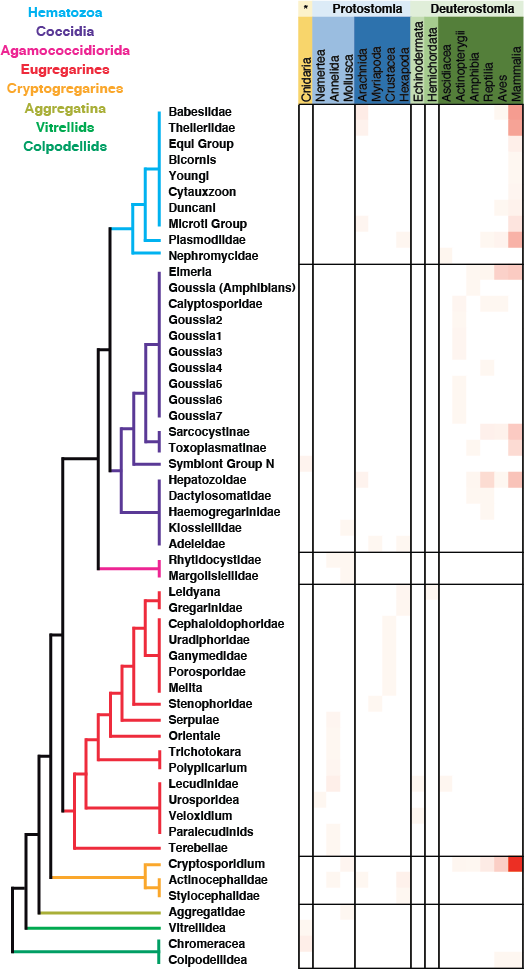
4/4 Take-home messages: A great diversity of #apicomplexas is waiting to be described and integrated into our knowledge framework. #metabarcoding is a great tool to study parasites for ecology, medical or veterinary sciences, but please, use curated reference DBs 🙏 @PR2database
4
2
EukRef retweeted
8 Nov 2019
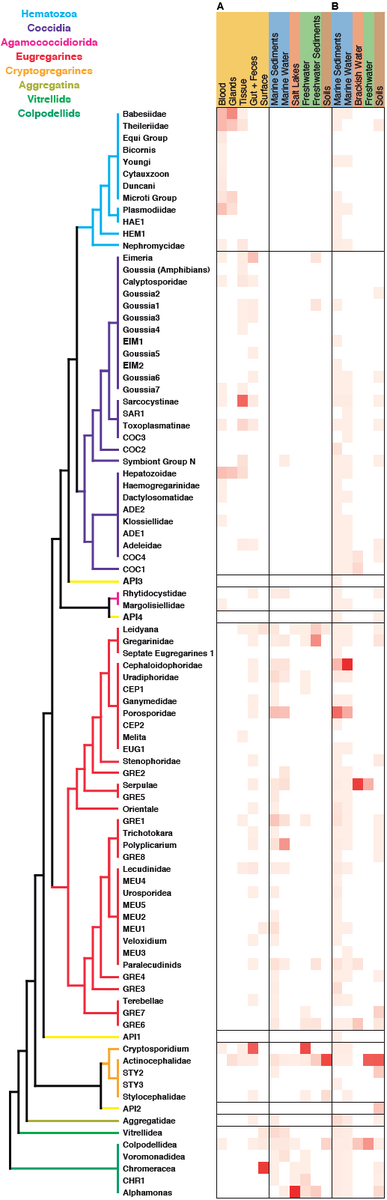
3/4 Gregarines (eugregarines and neogregarines) were identified as the most abundantly represented and widespread #apicomplexans in our analyses. We also reported the presence in environmental samples of well-known parasitic groups as haemosporidians, piroplasmids or toxoplasma
1
3
3
EukRef retweeted
8 Nov 2019
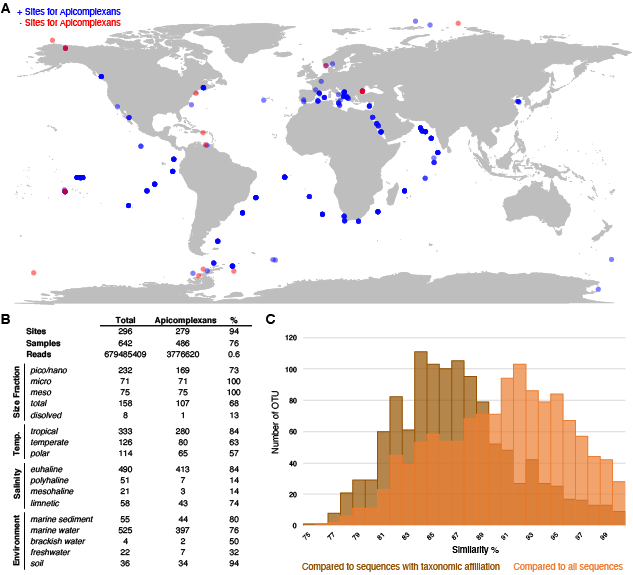
2/4 We describe a remarkable molecular diversity of this group compared with our current knowledge, especially when compared with that identified from described apicomplexan species (the average sequence similarity of our dataset vs described #apicomplexans is only 87%!!!)
1
3
2
EukRef retweeted
8 Nov 2019
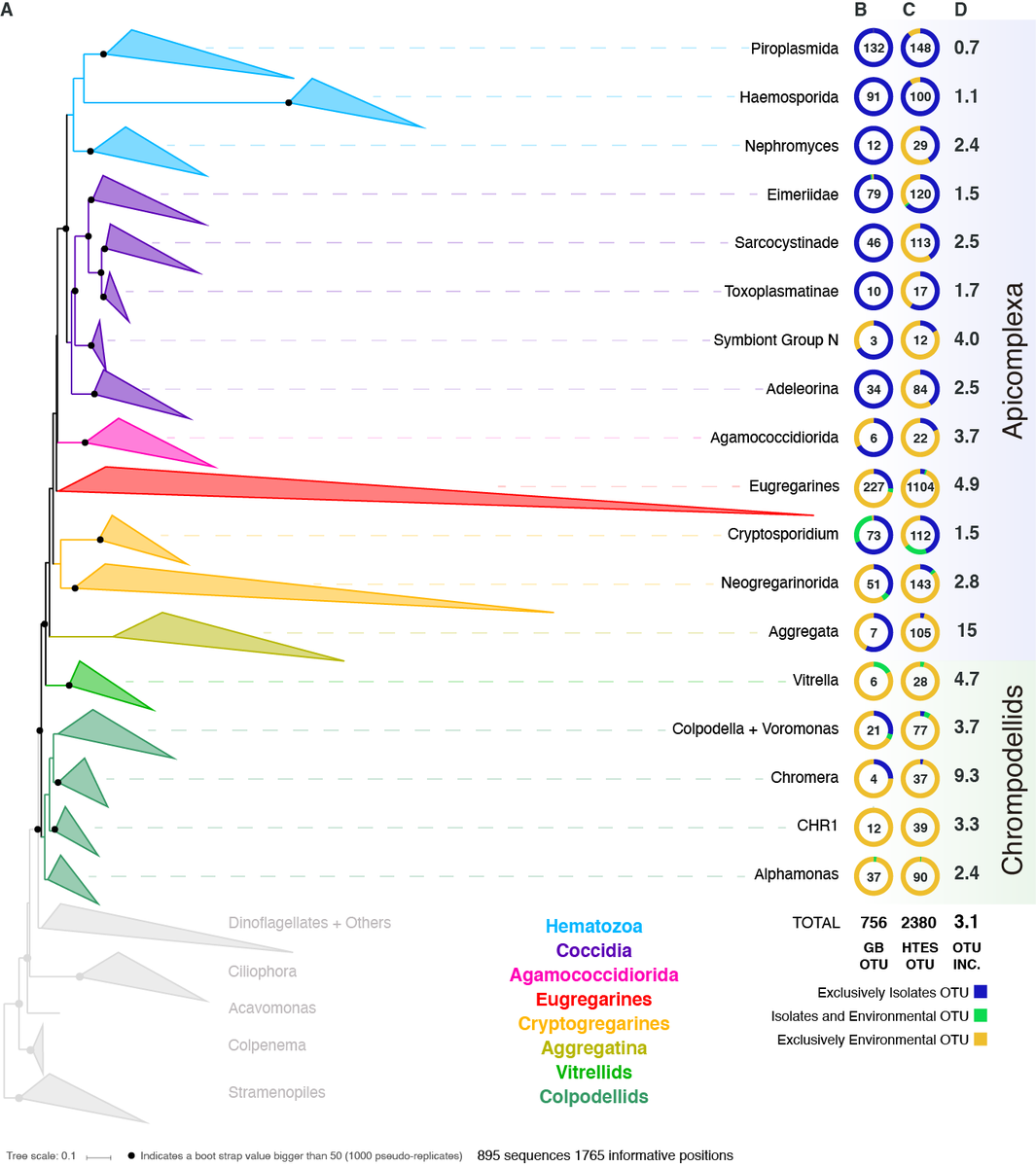
1/4 Apicomplexan reference database (available now at
@PR2database), which includes the largest apicomplexan SSU rRNA tree available to date (see below). We have been able to identify 12 novel clades and detect several taxonomic classification errors within well-known groups
1
4
2
EukRef retweeted
8 Nov 2019
Have a look at our most recent paper at @FrontMicrobiol focused on the Diversity & Distribution of #Apicomplexans in host-associated & free-living environments using #eDNA frontiersin.org/articles/10.… cc @pjkeelinglab @AncestralState @RMassanaM #parasite #malaria #toxoplasma Thread👇
1
15
32
EukRef retweeted

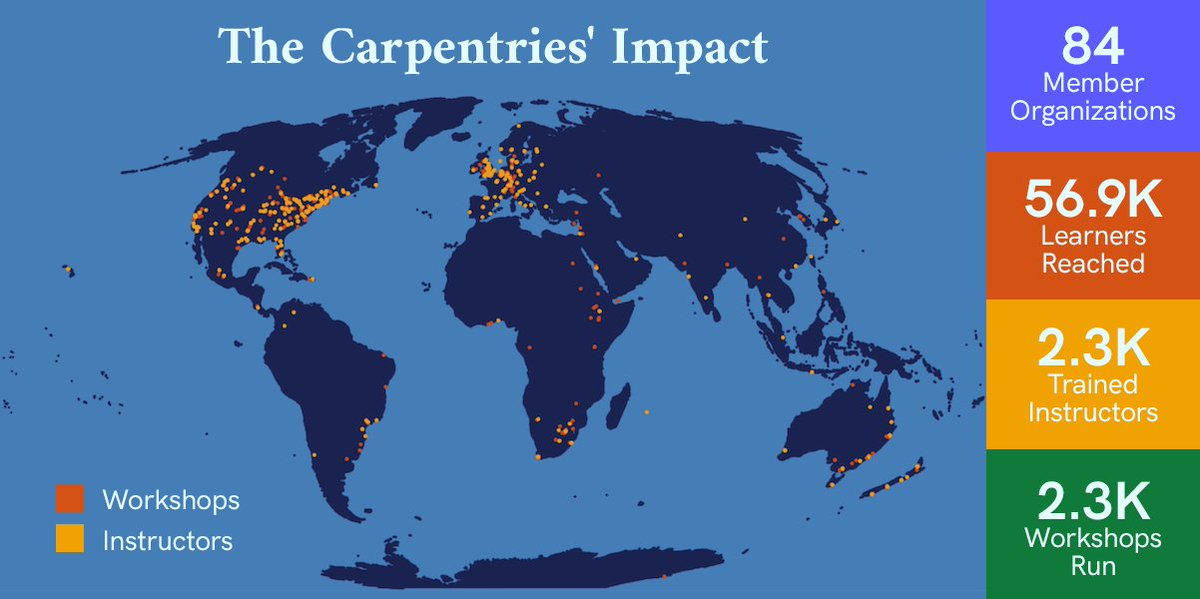
We are excited to announce that we have received funding from @MooreFound and @ChanZuckerberg to support our initiatives in empowering people to work with data and computing skills!
carpentries.org/blog/2019/11…
2
82
142

Computational skills are 🔑 for scientists to fully leverage their data. We’re partnering with @MooreFound to support @thecarpentries to teach programming and data science skills to researchers worldwide #bioinformatics bit.ly/2WuhG9S
32
82
We are very happy to announce that the next two years @EukRef will be working with @thecarpentries in order to optimize our efforts to improve the quality of eukaryotic metabarcoding databases. This initiative is funded by the @MooreFound and @cziscience, thanks! 😁

We are excited to announce that we have received funding from @MooreFound and @ChanZuckerberg to support our initiatives in empowering people to work with data and computing skills!
carpentries.org/blog/2019/11…
6
25