
Cofounder @pulsedive cybersecurity #threatintel | watercolorist | hyperserious board gamer | still borrows books from the public library
Joined August 2019
- Tweets 1,330
- Following 1,294
- Followers 998
- Likes 2,660
225 Photos and videos











Pinned Tweet

30 Jan 2024
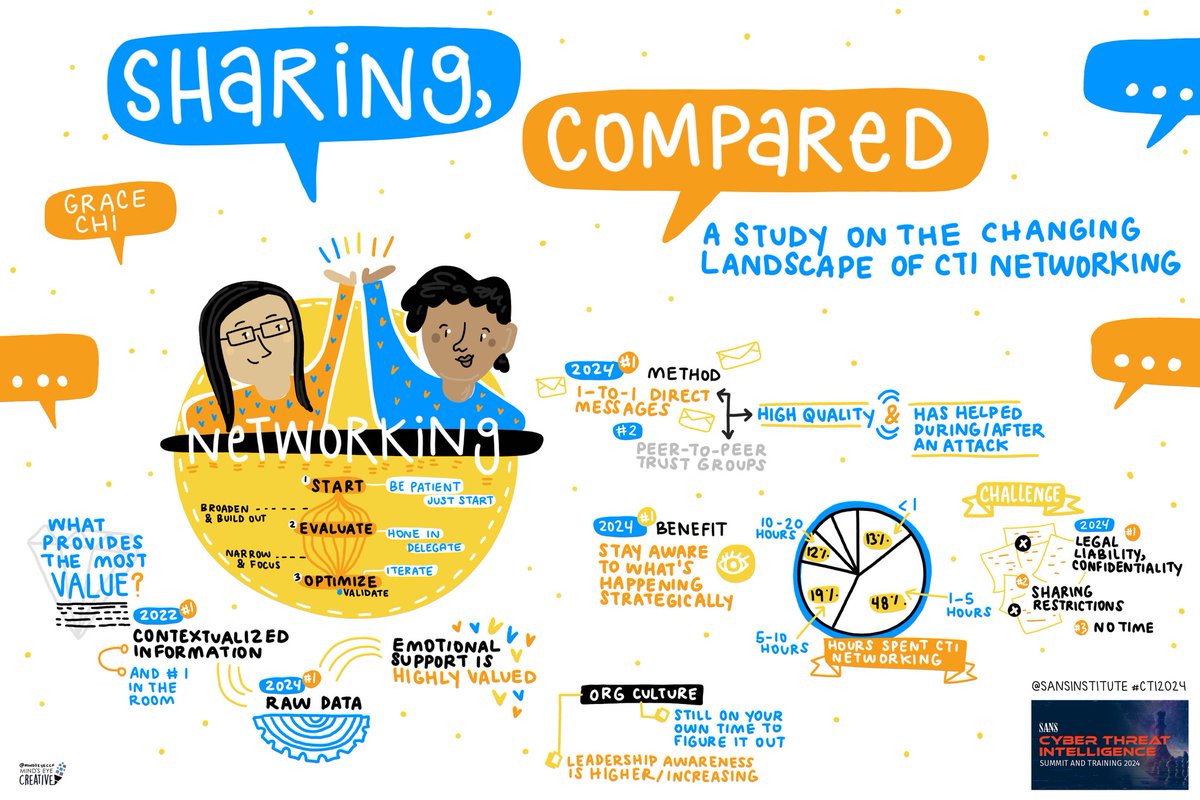
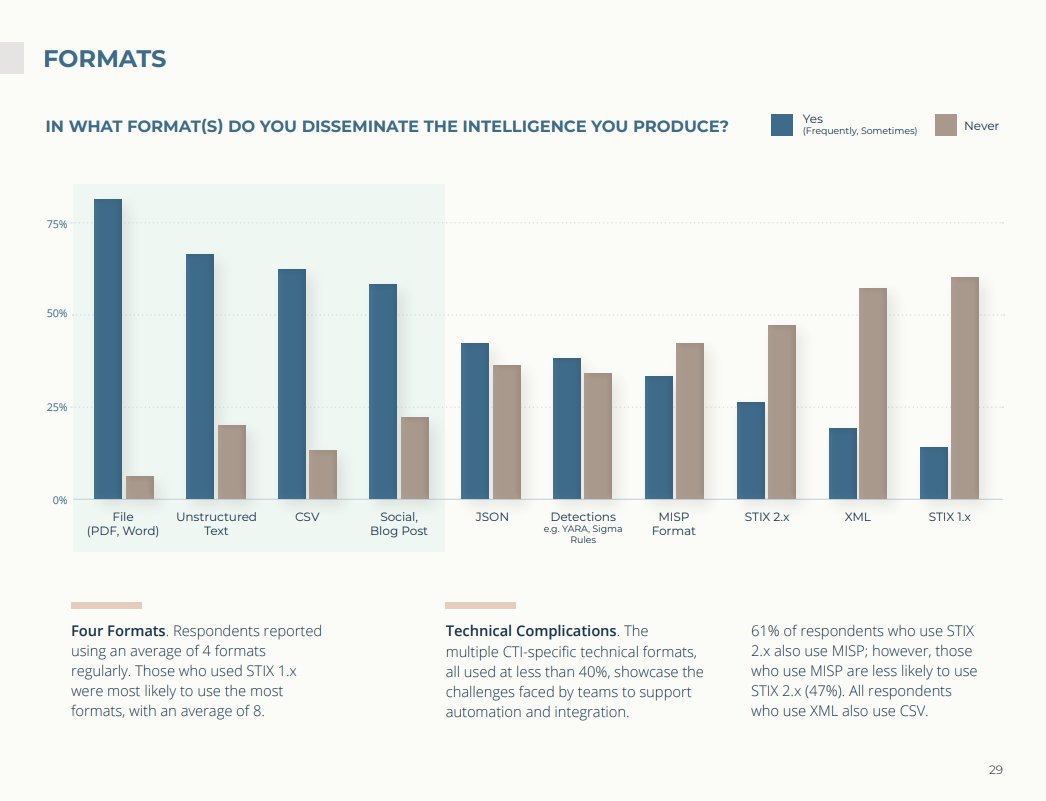
It's happening.
The 2024 CTI Networking Report is now live: bit.ly/cti-networking-2024
1
10
19
1,703
Grace retweeted

10 Dec 2025
Exploitation attempts for #React2Shell (CVE-2025-55182) have been widespread over the last week. Three resources that outline exploitation are:
greynoise.io/blog/cve-2025-5…
esentire.com/security-adviso…
huntress.com/blog/peerblight…
Recommendation: Deploy patches as soon as possible
2
3
390
Grace retweeted
26 Nov 2025
We analyzed the malicious code in the recent "second coming" of Shai-Hulud.
blog.pulsedive.com/return-of…
2
4
221
Grace retweeted
18 Nov 2025
We'll be back . See you soon.

2
4
260
Grace retweeted

5 Nov 2025
A technical analysis reveals that the Kimsuky threat group utilizes a JavaScript dropper to exfiltrate data from compromised systems, utilizing network IOCs and establishing persistence via Windows scheduled tasks. #CyberSecurity #MalwareAnalysis blog.pulsedive.com/dissectin…
3
10
820

Grace retweeted
31 Oct 2024
Community Resource Share: @CuratedIntel's CTI Research Guide
curatedintel.org/2024/10/the…
Start with this guide if you're finding it difficult to consistently and appropriately perform intelligence collection for your stakeholders.
1
3
314
Grace retweeted
12 Sep 2024
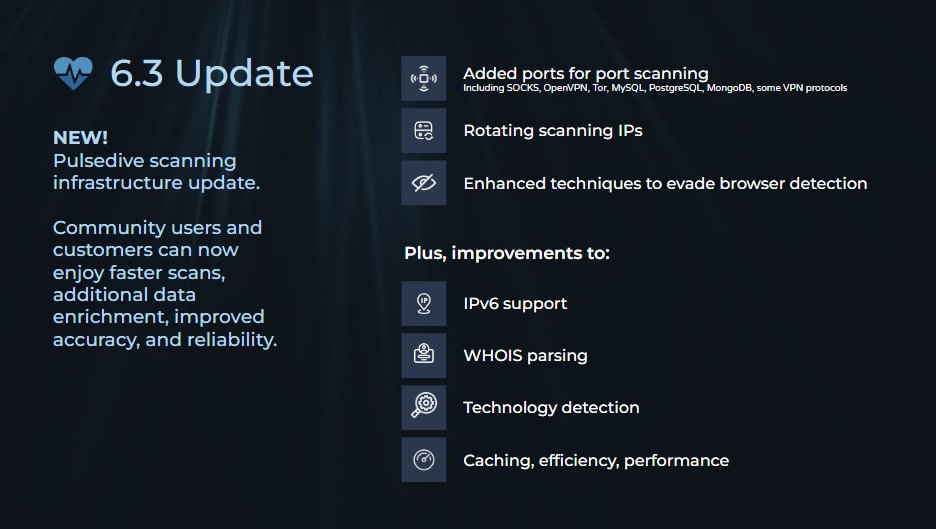
We released Pulsedive 6.3 this week to Pulsedive Community. This scanning infrastructure update benefits all users and customers with better data enrichment and performance.
Details below
2
3
3
369
15 Aug 2024
I'm coming for you @BSidesNYC
14 Aug 2024

Sneak peek of the @BSidesNYC 0x04 badge. It's our first electronic badge, ever!
See it in action: youtube.com/watch?v=nQN8bjaB…
⏩ Credits
Photo: Hawkeye
Design: @1dark0ne
Build: @MakeAugusta

2
109
13 Aug 2024
RT @BushidoToken: PSA from the @CuratedIntel Community to the CTI industry — watch out for cybercrime groups seeking access to your vendor…
27
Grace retweeted
30 Jul 2024
CrowdStrike BSOD Outage: What We Know
blog.pulsedive.com/crowdstri…
1
2
4
192
Grace retweeted
26 Jul 2024
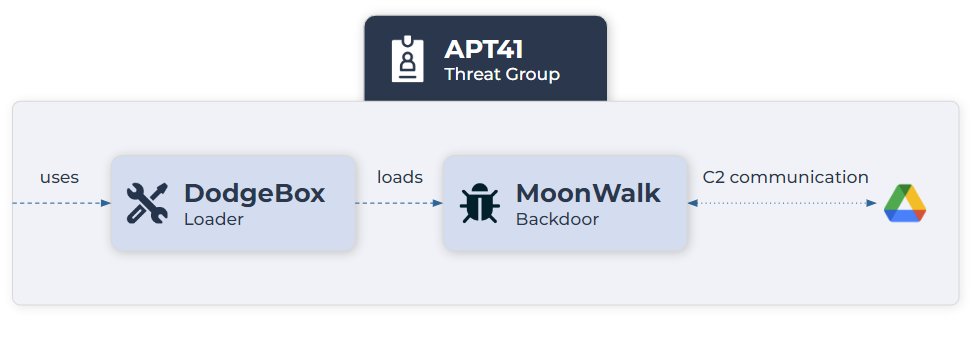
We're tracking the new DodgeBox (loader) & MoonWalk (backdoor) tools researched by the @Threatlabz team as related threat pages in our free Community Platform.
DodgeBox: pulsedive.com/threat/DodgeBo…
MoonWalk: pulsedive.com/threat/MoonWal…
APT41: pulsedive.com/threat/APT41
1
3
5
299
Grace retweeted
25 Jul 2024
New blog published, all about phishing kits: blog.pulsedive.com/phishing-…
How do they work, what capabilities do they have, and most importantly - how can we better detect and protect against phishing kits?
4
5
229
18 Jun 2024
Final part of the CTI Networking Research series is now out.
blog.pulsedive.com/sharing-c…
1
1
137
Grace retweeted
4 Jun 2024
🔎What's going on with Latrodectus?
blog.pulsedive.com/threat-re…
Our latest research blog examines the distribution mechanisms, C2 traffic patterns, and key capabilities of Latrodectus loader.
3
3
262
Grace retweeted
29 May 2024
Our browser add-on for Chrome, Firefox, and Edge has a new look, fresh features, and more controls with our V3 update. Free to use and enrich from our Pulsedive Community platform.
blog.pulsedive.com/update-pu…
1
3
3
216
Grace retweeted
18 Apr 2024
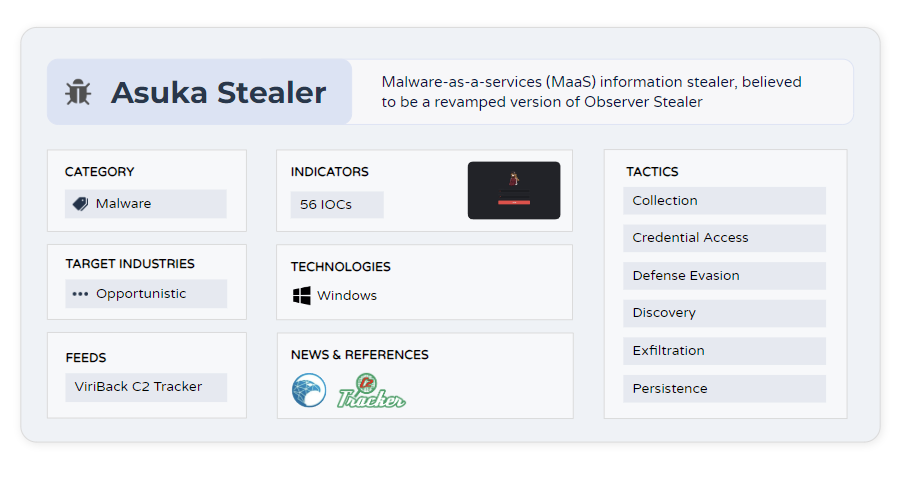
New Threat Added: Asuka Stealer
Find IOCs, TTPs, news and other highlights at: pulsedive.com/threat/Asuka%2…
1
3
277
Grace retweeted
9 Apr 2024
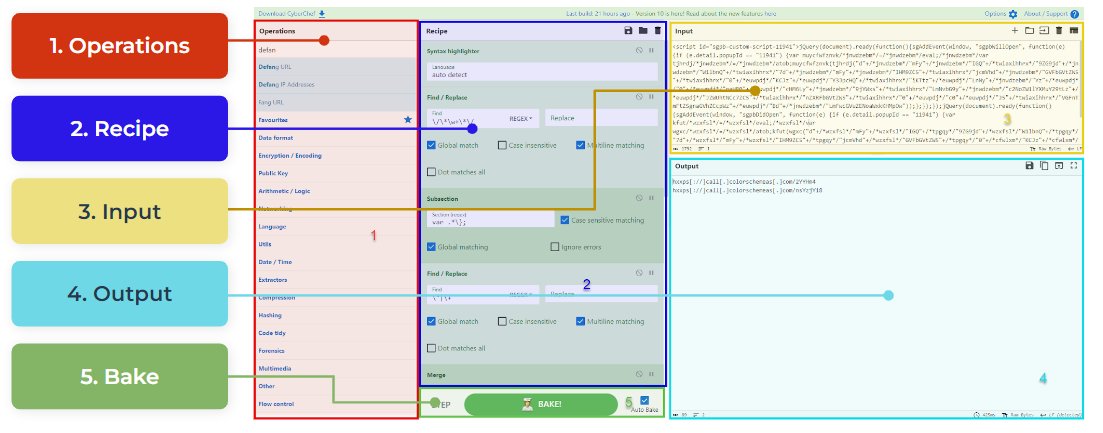
Newly published: a beginner-friendly CyberChef 101 Guide
blog.pulsedive.com/tool-guid…
We cover how it works and how you can use it for security analysis - real-world examples and resources included.
9
9
693
Grace retweeted

31 Mar 2024
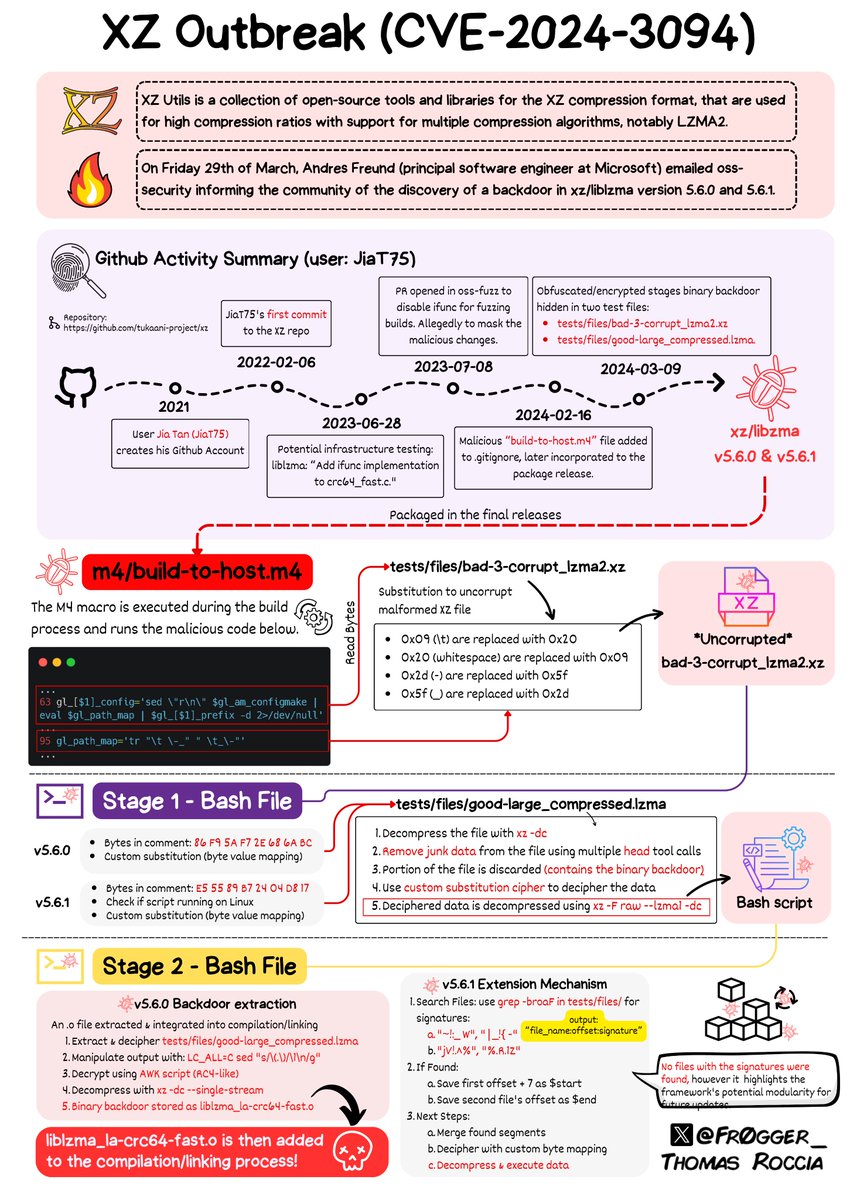
🤯 The level of sophistication of the XZ attack is very impressive! I tried to make sense of the analysis in a single page (which was quite complicated)!
I hope it helps to make sense of the information out there. Please treat the information "as is" while the analysis progresses! 🧐 #infosec #xz
96
3,089
12,314
1,106,115
26 Mar 2024
My CTI Networking report is turning into a blog series, and here is part 1: blog.pulsedive.com/sharing-c…
1
7
9
1,926