
Evolutionary Biomechanics lab @uni_greifswald | Diversity & evolution of function in biological materials and animal traits | PI @jonas_o_wolff | @ERC_Research
Joined September 2022
- Tweets 97
- Following 64
- Followers 175
- Likes 79
31 Photos and videos
EVO|MEC retweeted

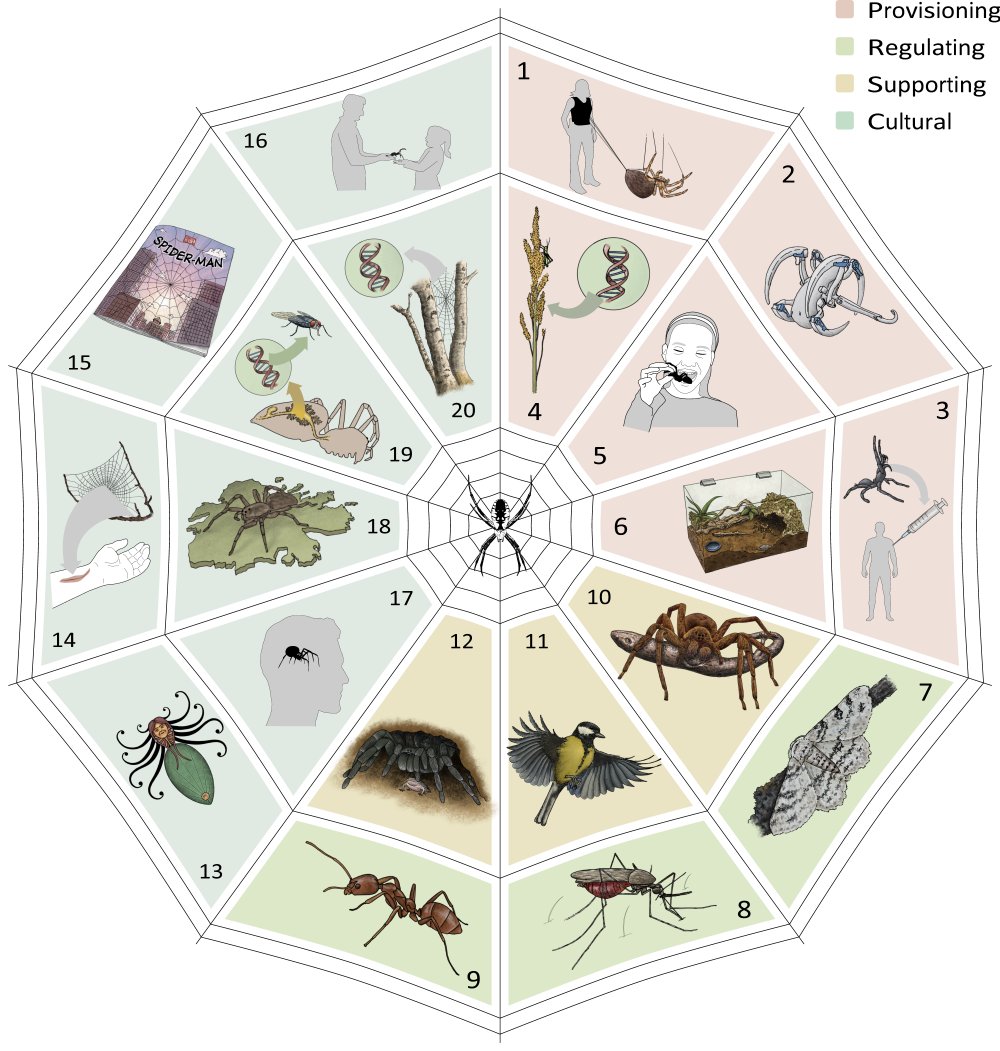
Did someone ever ask you why should we care about #spiders? Or maybe you wondered yourself? In doi.org/10.22541/au.17253863… we delve into the diverse spectrum of spider #ecosystem #services and their potential to inspire #nature-based #solutions.
Figure by @jago_MO @CE3CResearch
1
42
108
10,451

Hot off the press:
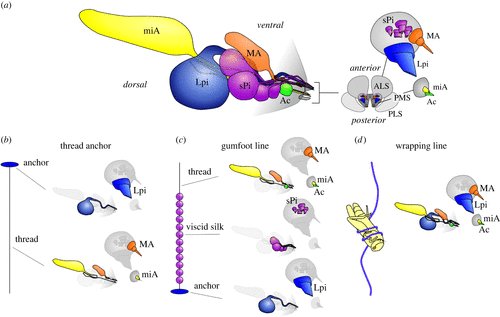
From fibres to adhesives: #evolution of #spider capture threads from web anchors by radical changes in #silk gland function
doi.org/10.1098/rsif.2024.01… 🔓
1/4
2
5
7
472
Further, the organic salt betaine is present in the viscous glue in high quantities. It might bind water and help in keeping the proteinaceous secretion soft and sticky.
Another glue dries quickly and contains a silk protein with a modified end, so it cannot form fibres. 4/4
1
54
This research was a cross-global collaboration with researchers from Australia, the UK, Czech Republic, the US and Germany.
Including @jessica_garb @SeanBlamires @Maitry_jani @CelineHeu
3
61
EVO|MEC retweeted

25 Jul 2024
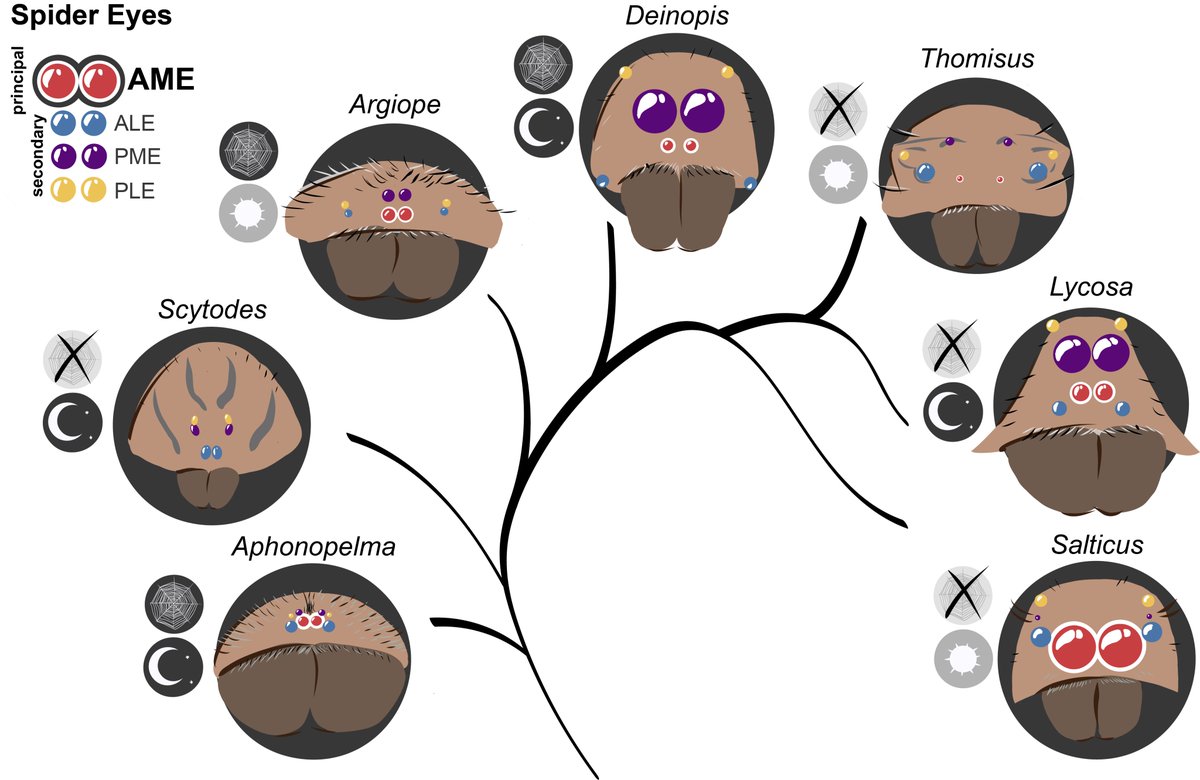
👀👀@jonas_o_wolff invited me to join him in writing a dispatch on the beautiful work on eye evolution in spiders🕷️by @KaylinChong, @Lauren_hSR and co-authors recently published in @CurrentBiology. This was a total pleasure to write!👀👀
doi.org/10.1016/j.cub.2024.0…
3 Jul 2024

Very excited to share my first paper is out! 🎉 We explore the evolution of the multiple eye pairs in spiders🕷️(cell.com/current-biology/ful…)
Couldn’t have done it without to the mentorship of the brilliant @Lauren_hSR!
1
62
174
11,693
It was a great pleasure to host @EvoBiomech David Labonte for a few days. We enjoyed inspiring discussions about arthropod biomechanics and generated new ideas.
1
2
14
623
EVO|MEC retweeted

4 Jul 2024
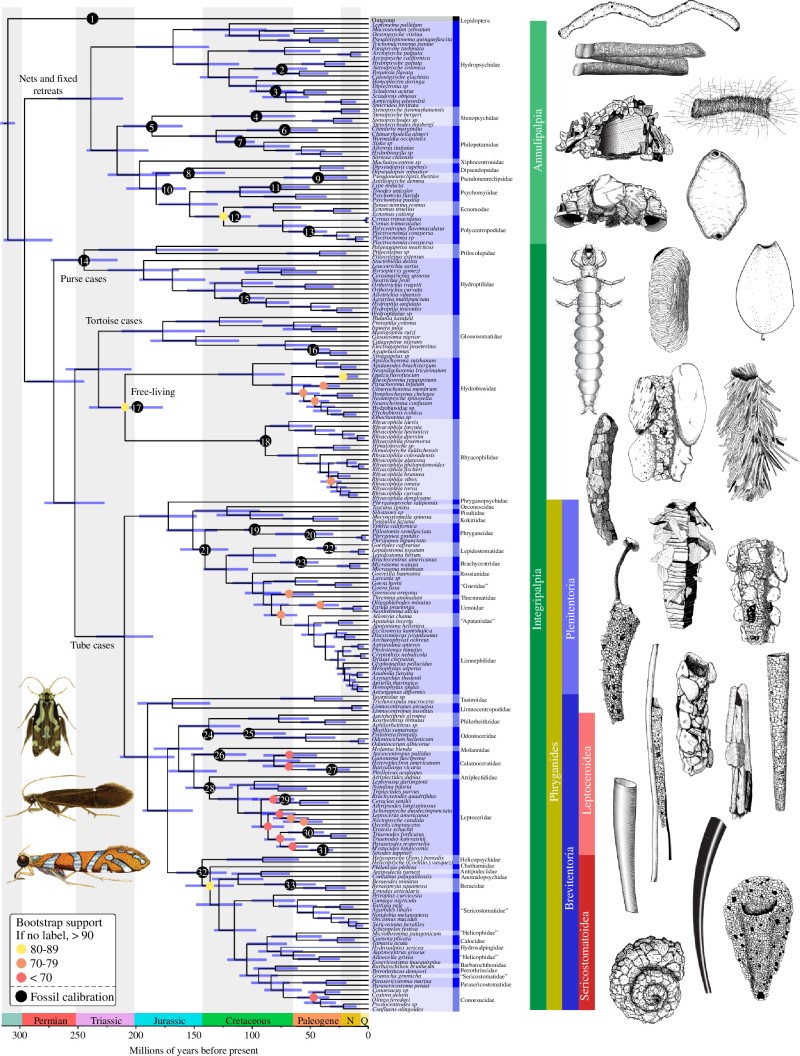
Nature’s aquatic architects: Caddisfly larvae use specially adapted silk to construct portable cases and underwater shelters that provide protection and facilitate feeding. New #ProcB paper explores the evolutionary origins of this trait: ow.ly/srZE50SusUJ
@paulbfrandsen
60
159
12,736
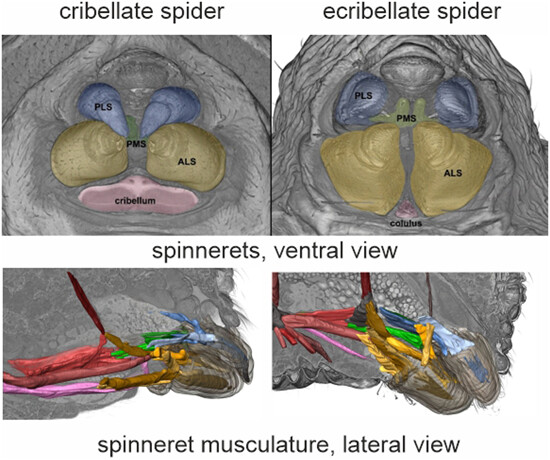
Spiders are masters in silk spinning and possess multiple different silk glands that produce fibres or glues with different properties.
Which gland is used for what - web, egg case, dispersal ...?
In a new preprint we give a summary on methods to find out:
doi.org/10.32942/X2CP7K
5
1,419
The threads spun by the Southern house spider (Kukulcania) to capture prey are the most extensible fibre material found in nature due to a special loops-on-loops structure with regularly coiled fibres held together by straight connecting fibres.
👉 doi.org/10.1098/rsfs.2023.00… 👈🔓
2
4
1,632
EVO|MEC retweeted

10 May 2024
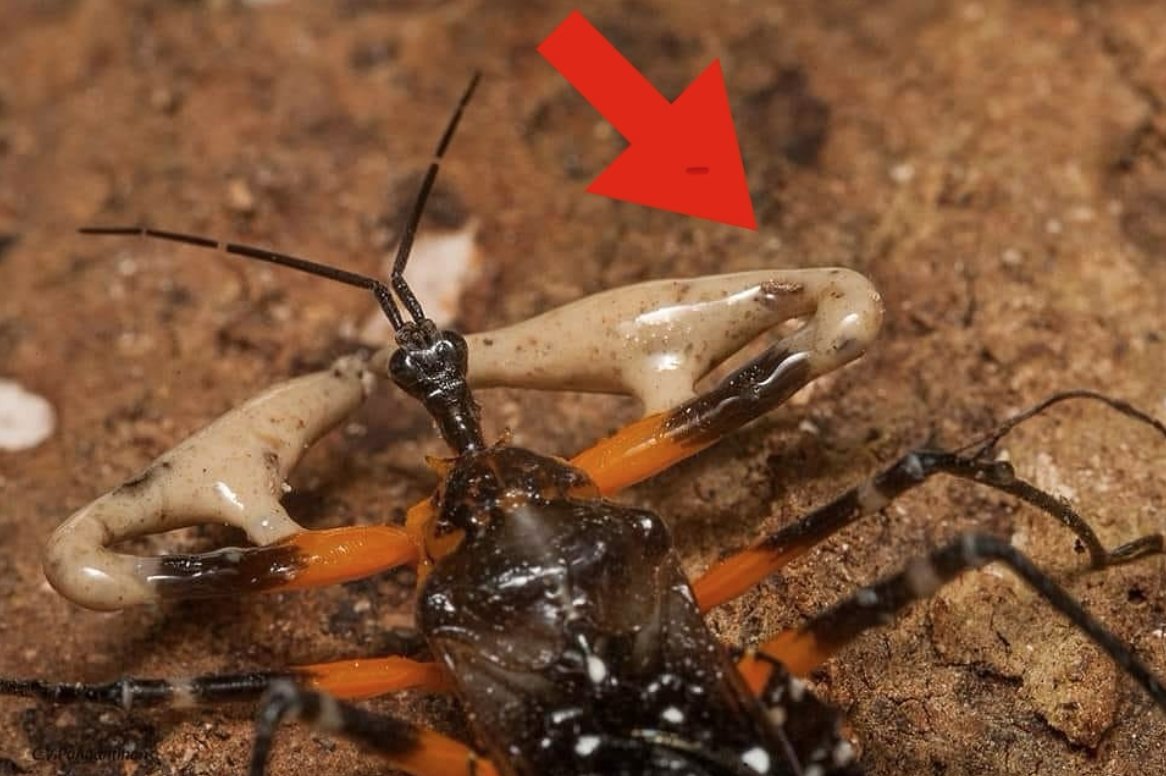
On our expedition to Borneo, we spotted an Amulius assassin bug that weaponises tree resin.
It coats its fore legs in it, and when a termite walks past, it gives it a sticky -- and deadly -- embrace and sucks out the prey's insides.
📷 Clister Pangantihon
9
178
941
82,125
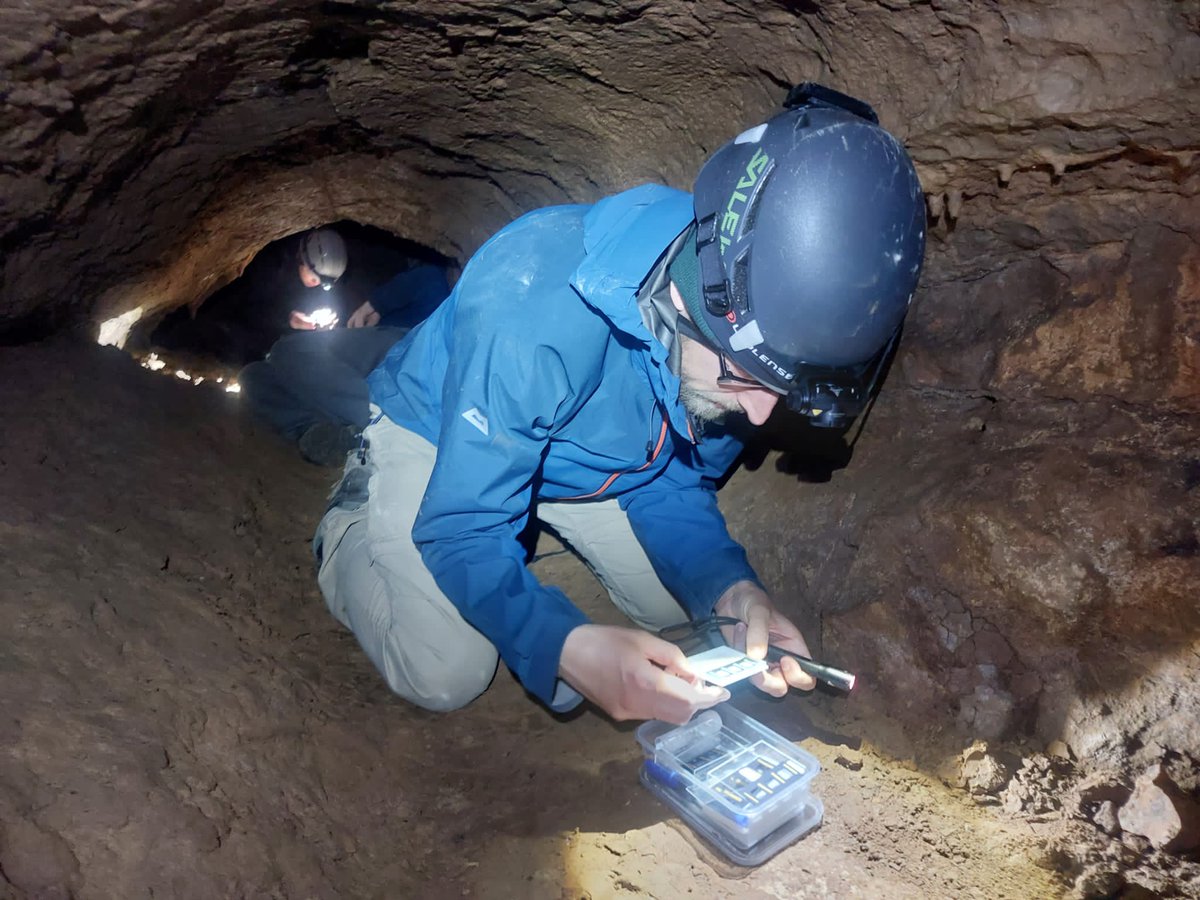
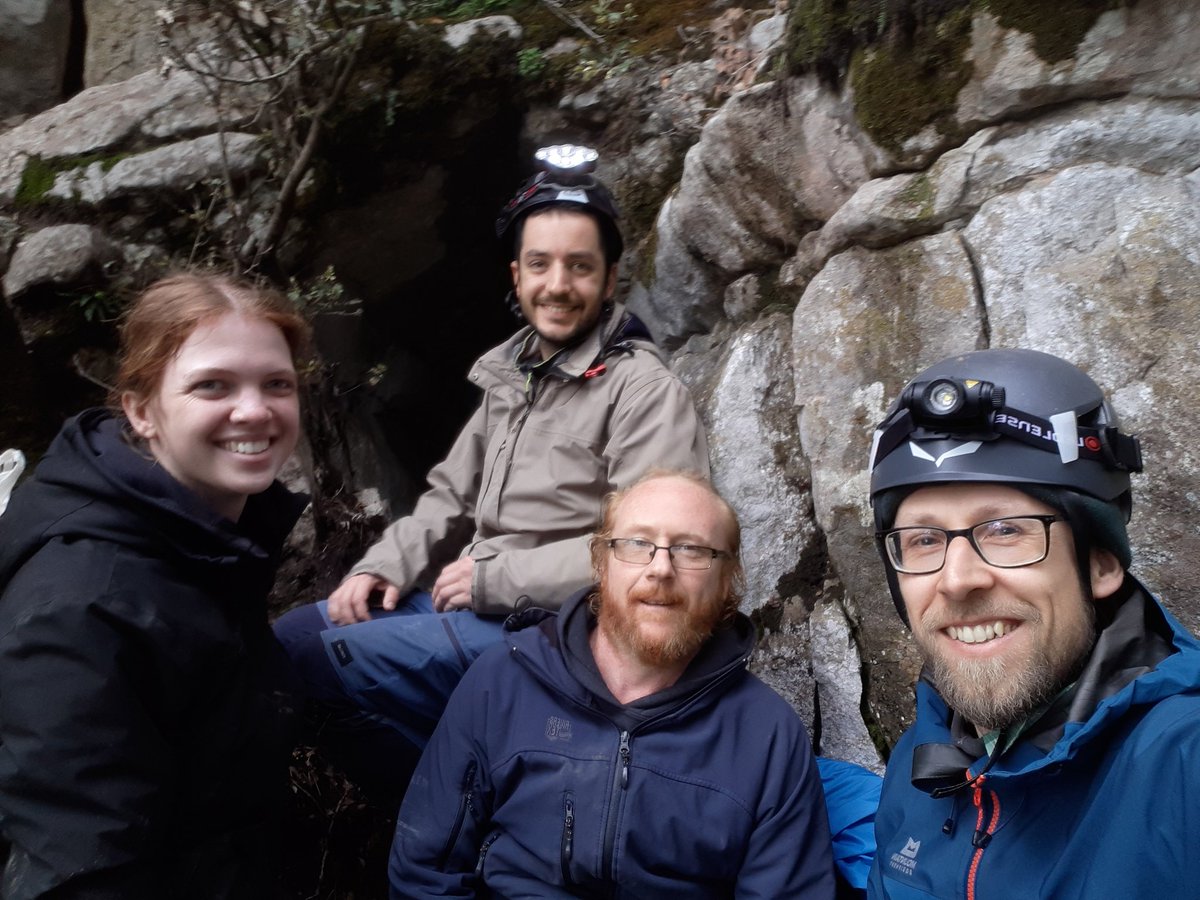
Visiting a hidden cave with @MDomenech6 to sample silks from the enigmatic Telema spiders was a great finale of our Iberian field trip.
5
16
494
EVO|MEC retweeted
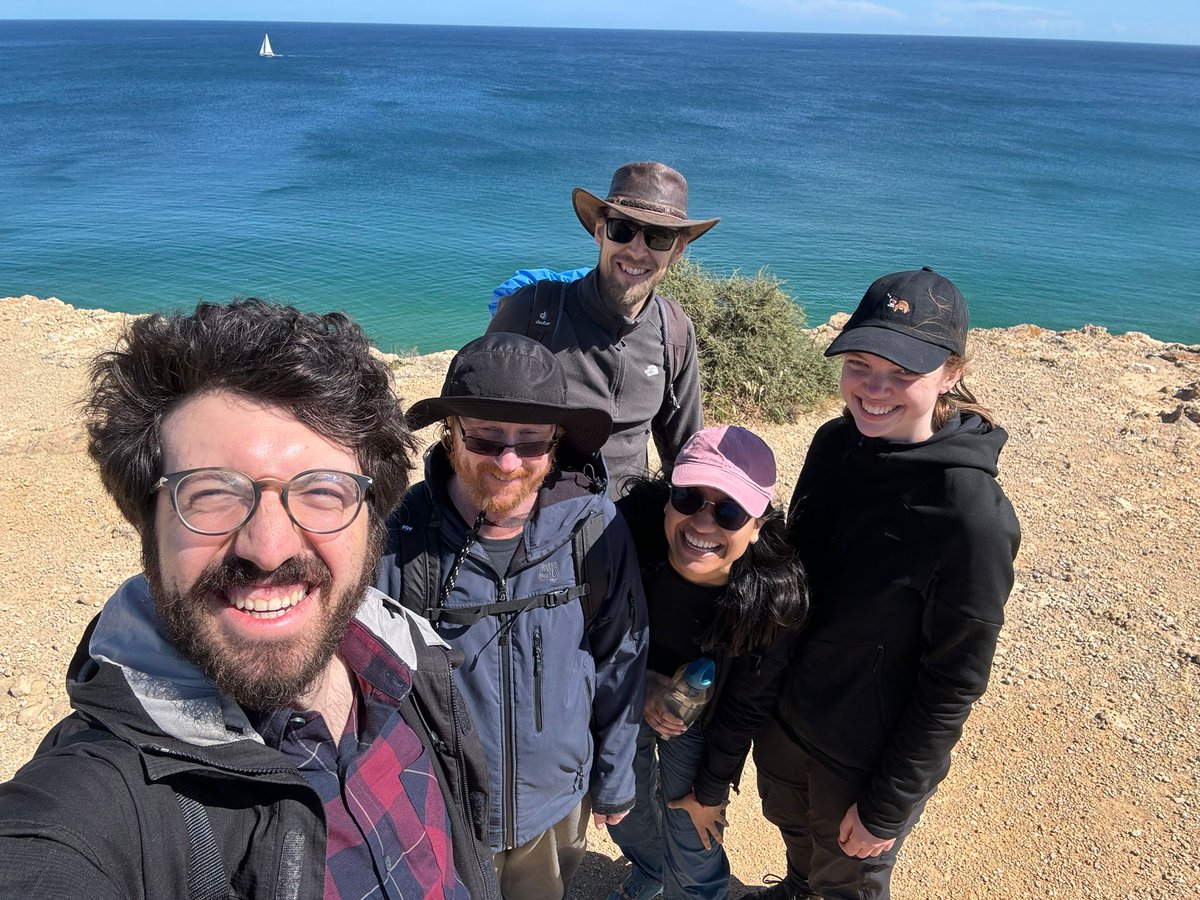
Great weekend at @CE3CResearch field station. A total of 15 arachnologists gathered to sample #spiders for different projects. Inventorying the local fauna kickstarting the #BASS project and looking for some species for studies on the evolution of #silk. Further plans ahead.
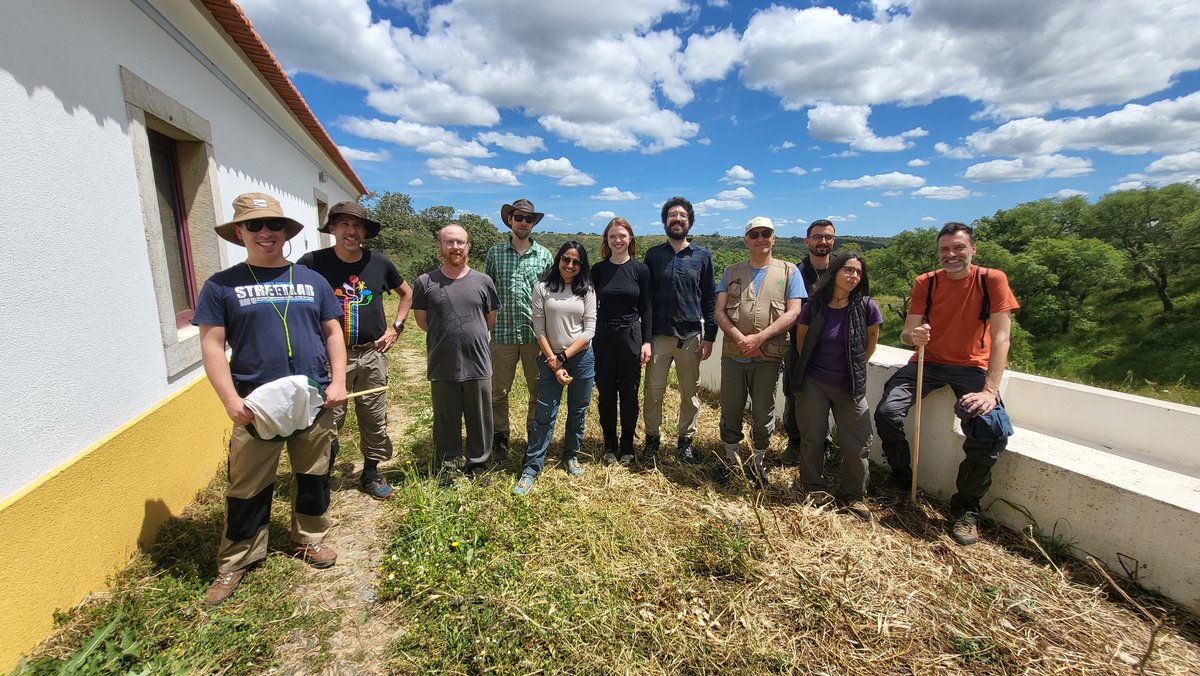
6
18
883
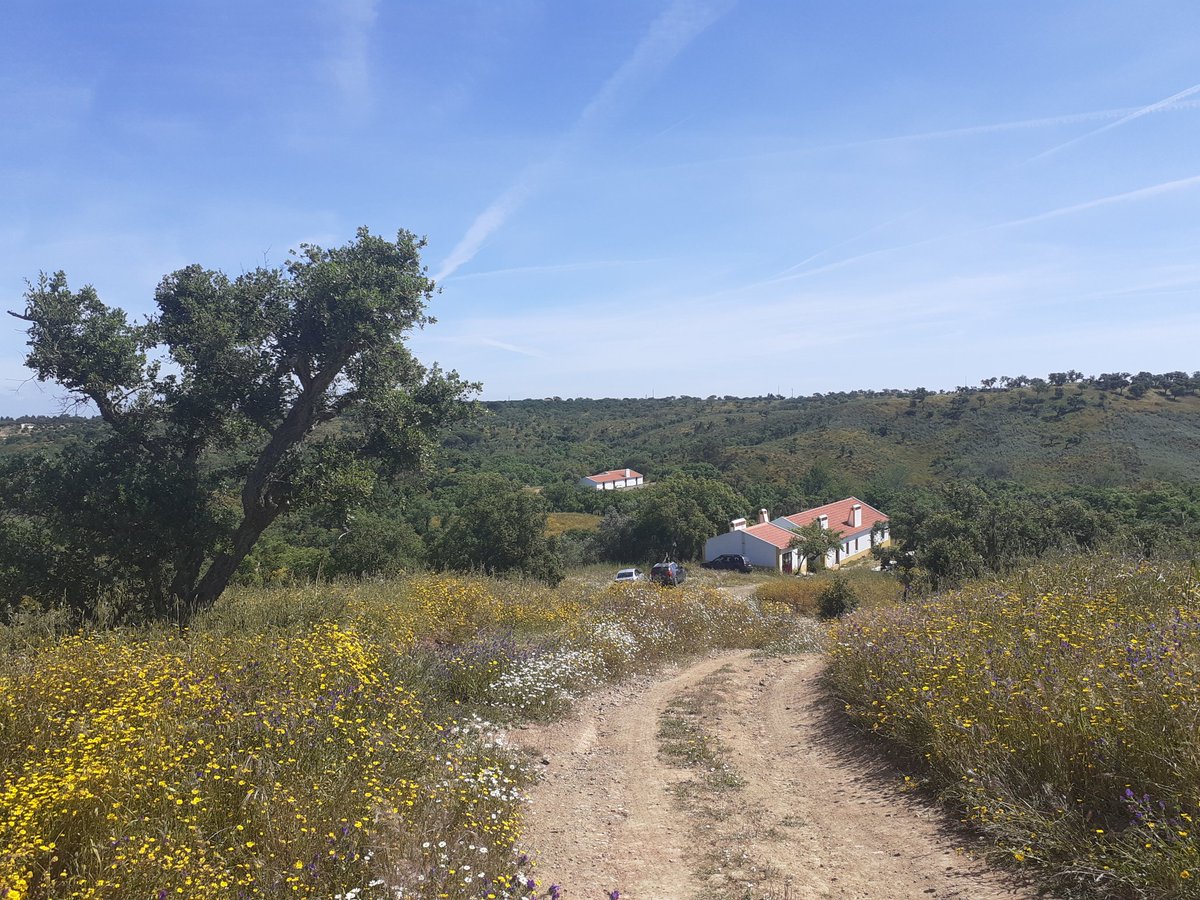
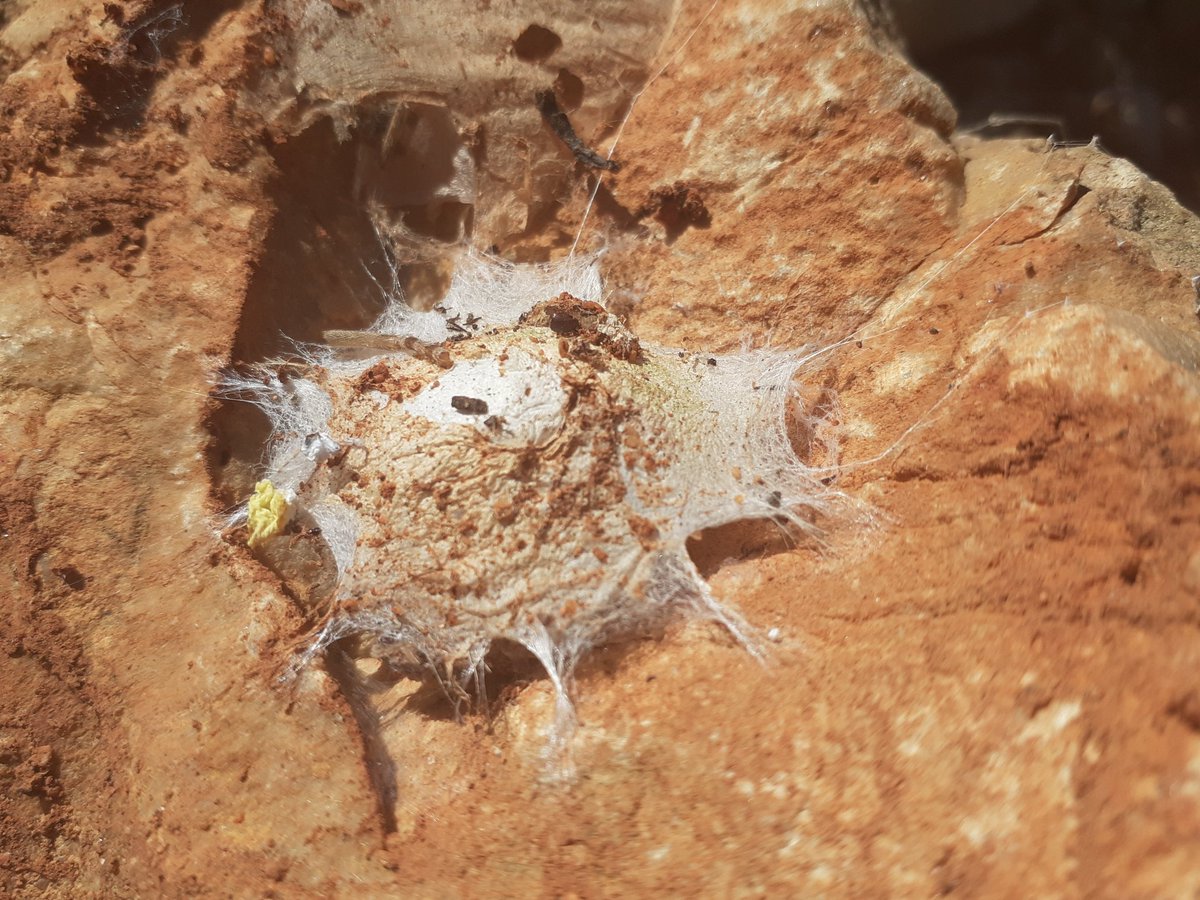
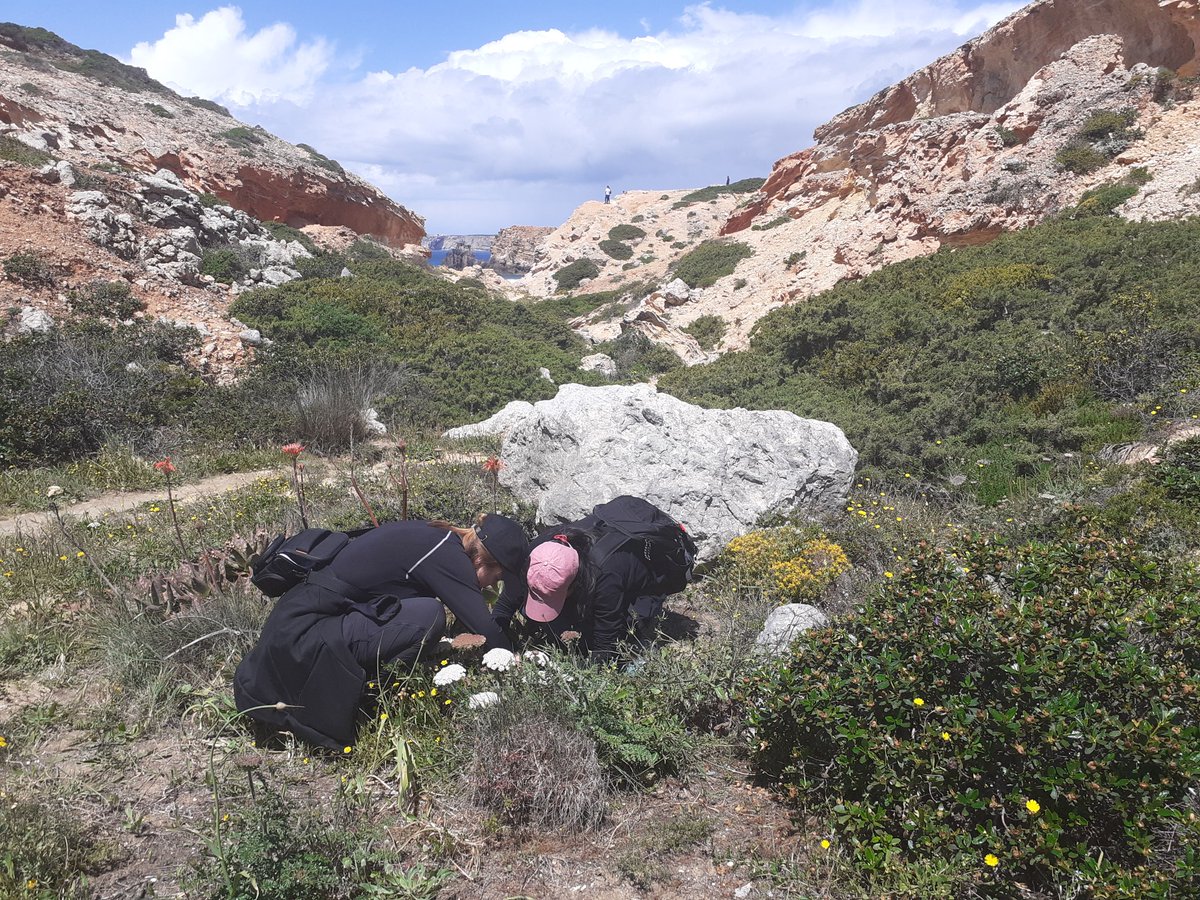
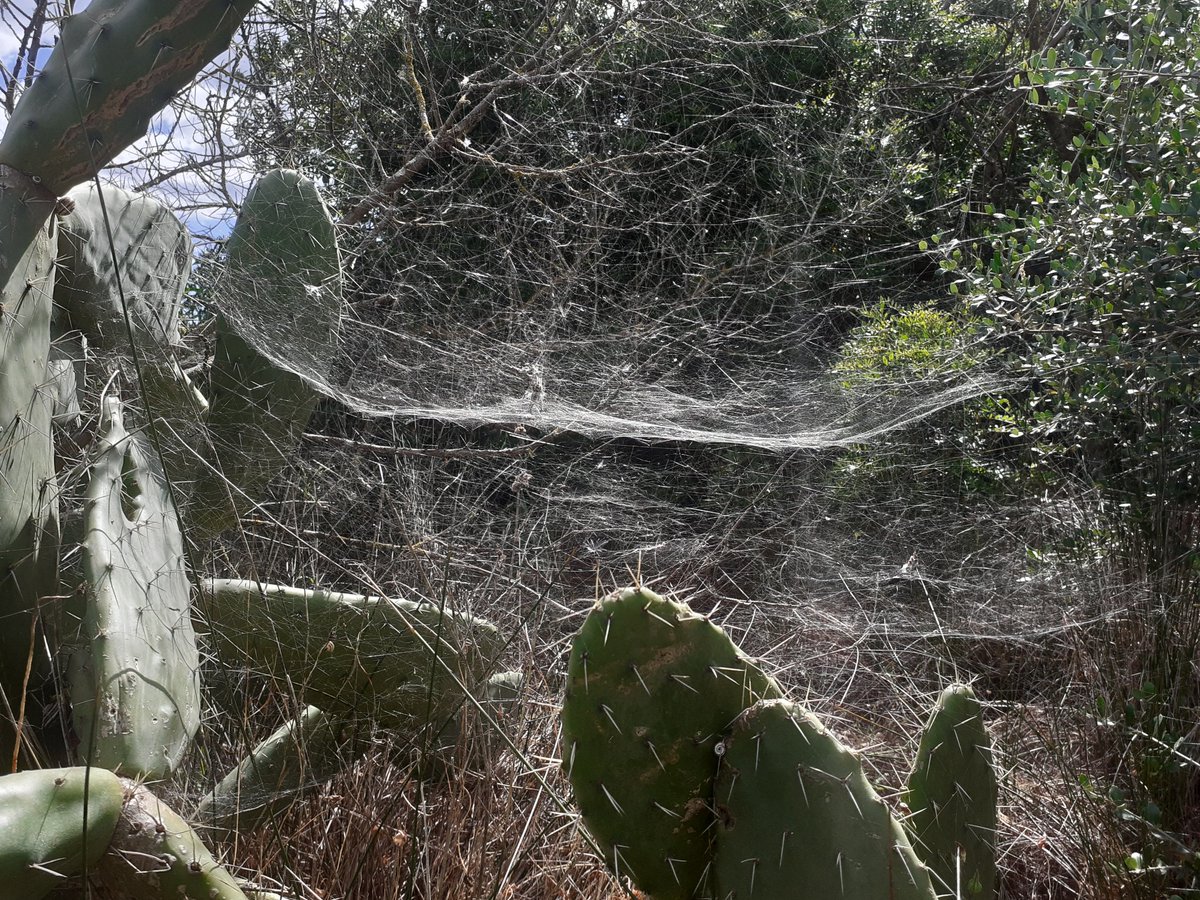
Had a nice day visit to the field station Herdade da Ribeira Abaixo (@CE3CResearch) where everything was in flowers 🌼. Thanks @cardosopmb for showing us around and pointing out the interesting spider habitats.
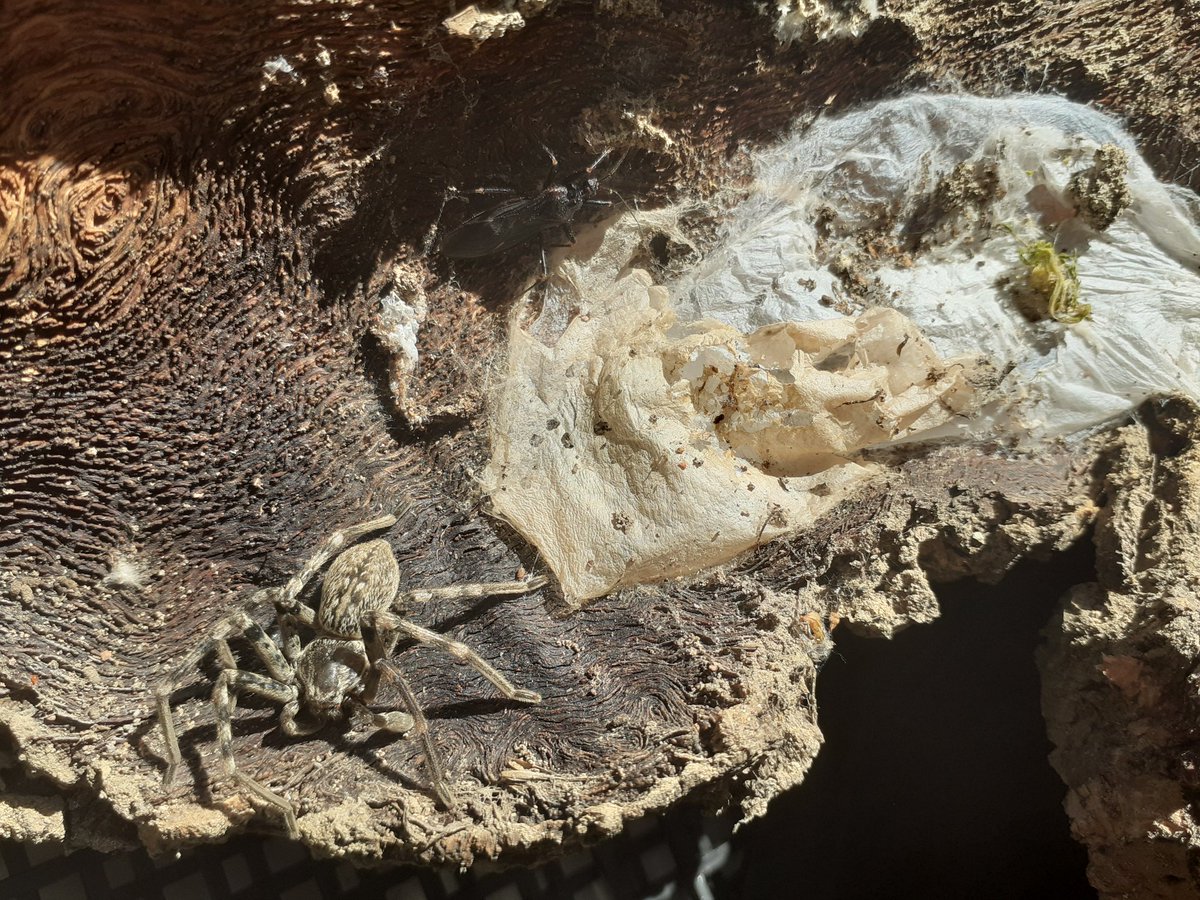
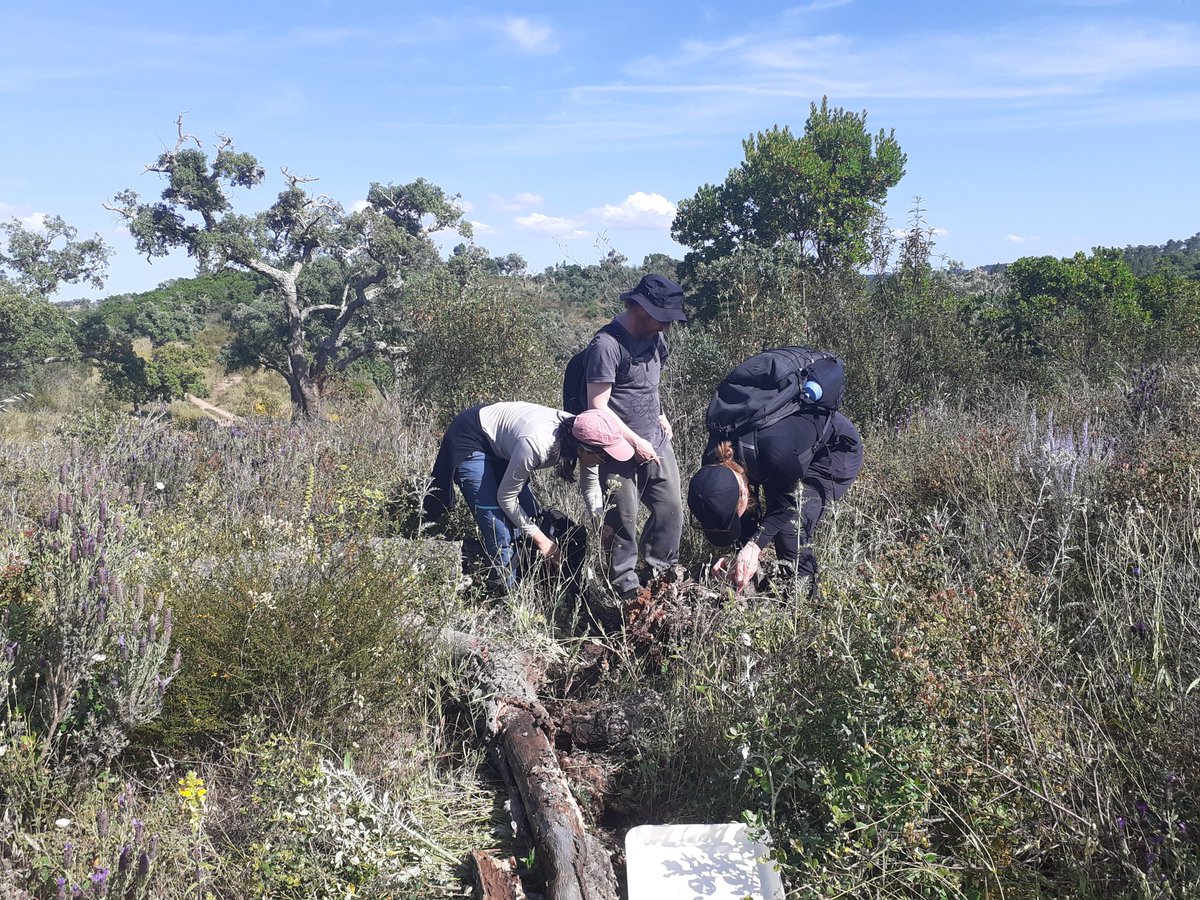
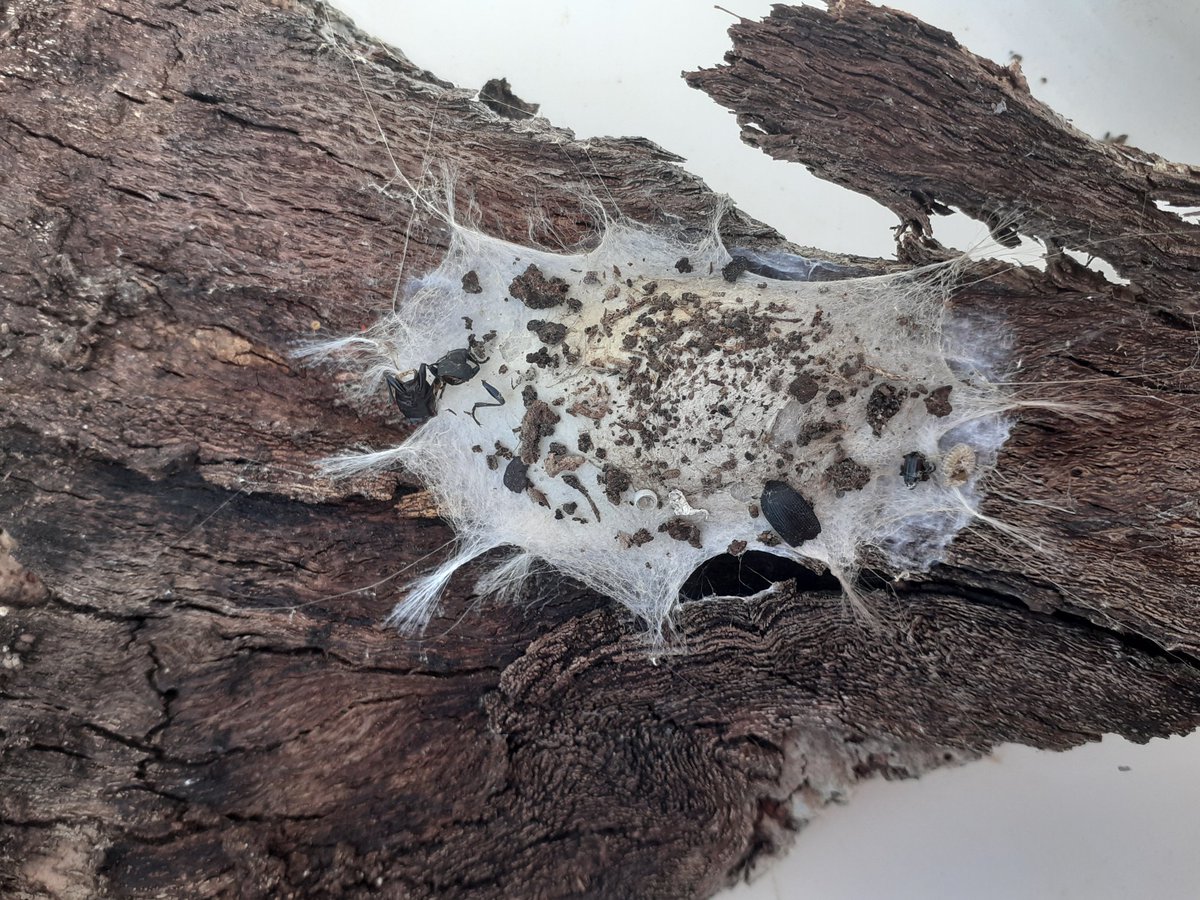
2
4
216
2
11
385
EVO|MEC retweeted

29 Apr 2024
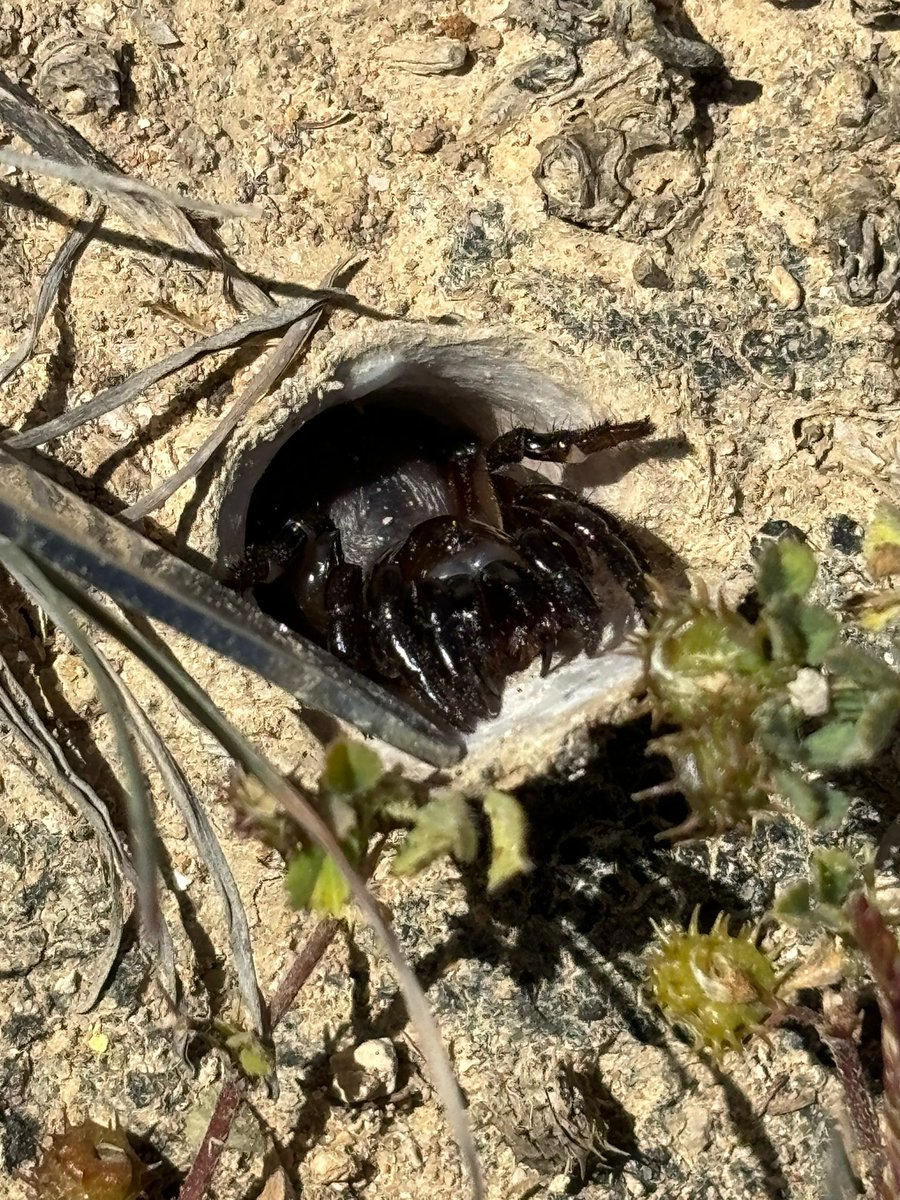
Trapdoor spider (Ummidia algarve) not being happy that I opened the lid of its retreat.
3
2
28
780
EVO|MEC retweeted
16 Apr 2024
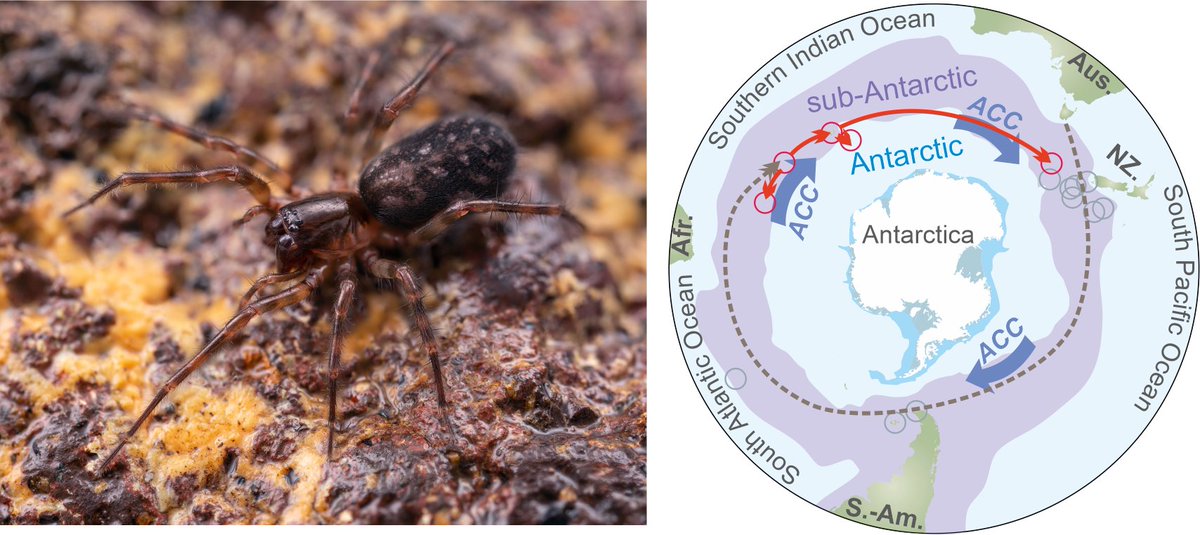
#Spiders, remote #Islands, #Antarctica, #evolution and long-range #dispersal: our new paper pre-published in @ASNAmNat has it all: doi.org/10.1086/730827
Phylogeography of Southern Seashore Spiders
@evoimec, Krehenwinkel lab, @CeridwenFraser, @sderkarabetian, David Renault etal.
3
14
51
3,062
EVO|MEC retweeted

12 Mar 2024
Ants! Robots! What more could you want?
There's still time to apply for this PhD opportunity (but be quick - applications close in April). Open to domestic AND international students, 4 years funding secured.
30 Nov 2023

!!Funded PhD available (start 2024)!! Do you want to study #collectivebehaviour in weaver ants (in particular how they build their ultra-cool and totally unstudied silk nests), and develop #bioinspired #3Dprinting #swarmrobotics? Let me know! And please RT!

1
25
51
8,700