
Joined May 2021
- Tweets 38
- Following 1,086
- Followers 112
- Likes 76
Photos and videos
Arty | Extrypto retweeted

Mar 19
🚨 🚨 mainnet launch update 🚨🚨
> testnet v1 (Sepolia) is still live but will be sunsetted early next month
> a snapshot of early users of testnet v1 has been made 📸
> testnet v2 (Hoodi) is currently under private deployment and will soon be publicly available
> testnet v2 includes the RLN-based spam protection that will be implemented on mainnet
> mainnet launch is now planned for end of April
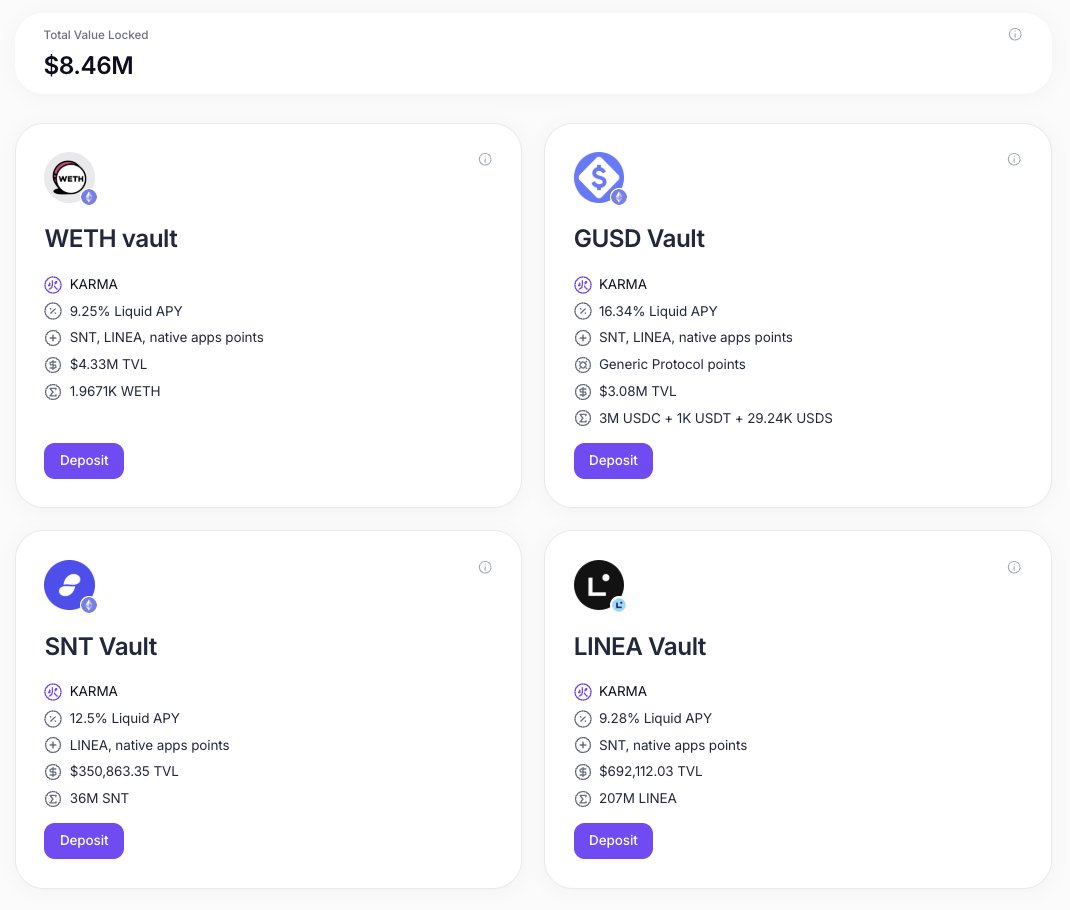
> we added some extra rewards in $SNT and $LINEA for pre-depositors and adjusted the yield calculation in the vaults
> pre-deposits are still open for now
> earn 9% liquid yield on ETH and 16% on stablecoins on top of Karma
> the Status Network whitepaper will be published early April, along with detailed Karma tokenomics
> native apps are getting onboarded:
native DEX: @OrvexFi
native CDP: @usf_money
native launchpad: to be announced soon
native privacy layer: to be announced soon
> you'll soon be able to experience a new way to interact with blockchains based on reputation (Karma) and not gas
Karma counts.
7
8
59
6,329
Arty | Extrypto retweeted

Mar 16
Logos Testnet v0.1 is live.
A convergence milestone: Logos modules now run together as a unified stack for the first time.
The initial release is a proving ground for integration and backend validation.
Start experimenting at the new Logos Builder Hub.
press.logos.co/article/logos…
13
32
137
18,235



Arty | Extrypto retweeted

29 Dec 2025
Nobody wants to admit this part but
one of the biggest reasons onchain apps still struggle to reach mainstream users is that
gas fees make everything harder than it needs to be.
Every activity has a cost and suddenly a “simple” app feels stressful to use.
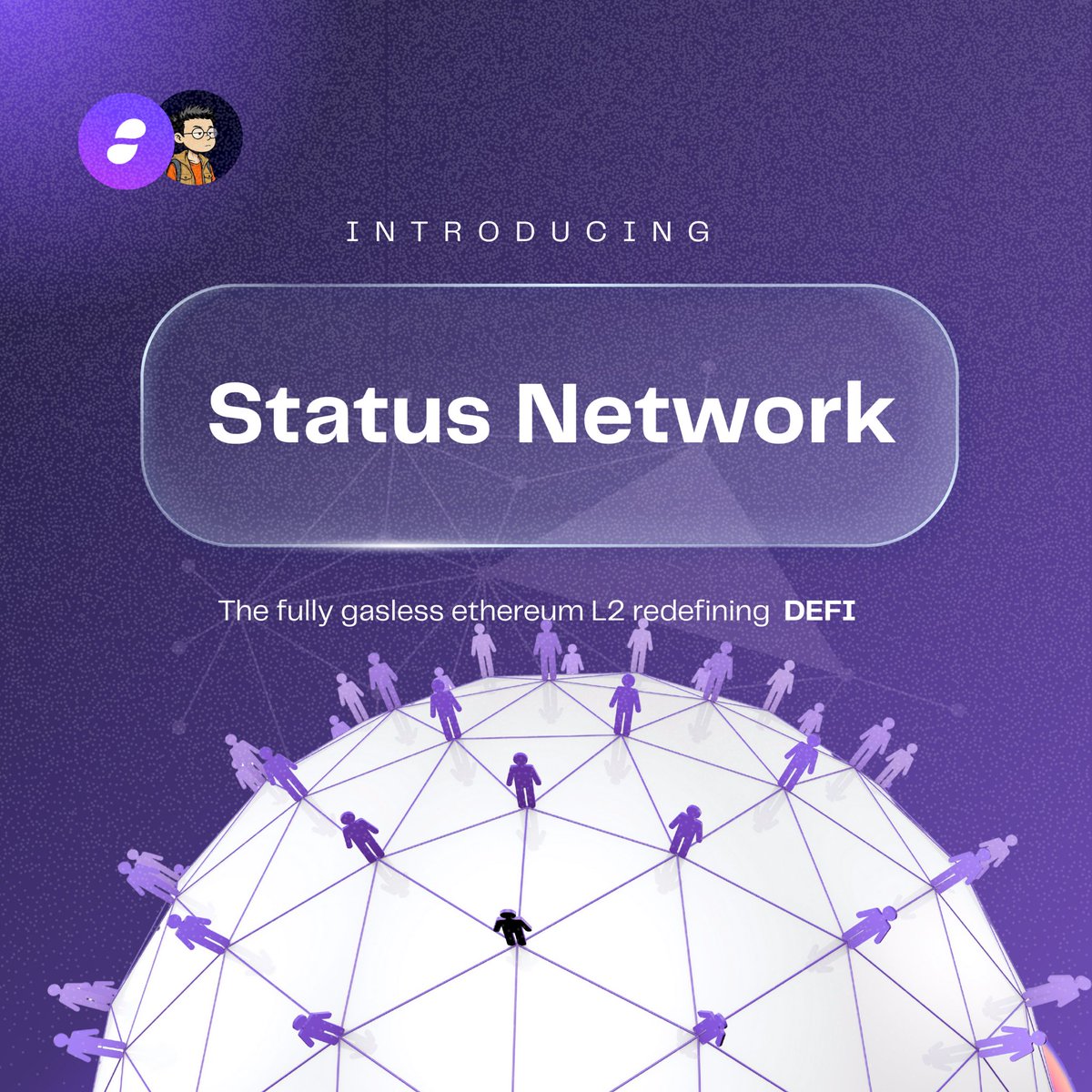
This is the problem @StatusL2 is designed to solve.
Status Network is an Ethereum Layer 2 designed for one thing:
To make apps feel normal to use, especially social apps and games.
It’s the first ever natively gasless L2 on Ethereum.
What does “gasless” actually mean?
It means that users can send transactions without paying fees,
developers don’t have to design around fees, and users don’t need to think about them at all.
@StatusL2 runs on Linea’s zkEVM stack, whereby keeping Ethereum-level security while delivering fast, high-performance execution.
Although gas pays for security, @StatusL2 funds itself differently.
Instead of charging users gas, the network earns native yield and also earns fees from native apps, starting with a DEX.
This revenue keeps the network running and funds builders.
So the system stays sustainable without pushing its costs to users.
Aside from keeping the L2 running, the revenue also flows into apps funding pool,
governed by token holders, that continuously fund onchain builders and public goods.
@StatusL2 also prevents spams by using Rate-Limiting Nullifiers (RLNs)
to fairly allocate free transactions per user and protect the network from abuse.
This means every user gets a fair, equal allowance of gasless transactions within a given time window.
And it doesn’t exist in isolation. @StatusL2 is deeply integrated with the IFT stack:
@ethstatus, @Keycard_, @Waku_org, and @Codex_storage,
making it part of a larger, coherent ecosystem.
19
8
53
3,468
Arty | Extrypto retweeted

18 Dec 2025
Daily reminder: Santa isn’t the only one watching 👀

5
5
35
2,933
Arty | Extrypto retweeted

12 Dec 2025
HOW THEY WILL FREEZE YOUR CRYPTO
3,347
4,018
23,735
1,492,525
Arty | Extrypto retweeted
11 Dec 2025
Status Network mainnet is getting closer
if you hold SNT, you can have your say on how the network launches
a new vote is live
it covers activating a limited part of the community fund to prep the L2 for launch, and grow the Status ecosystem
jump in and cast your vote ↓
status.app/blog/vote-to-supp…
1
6
36
2,199
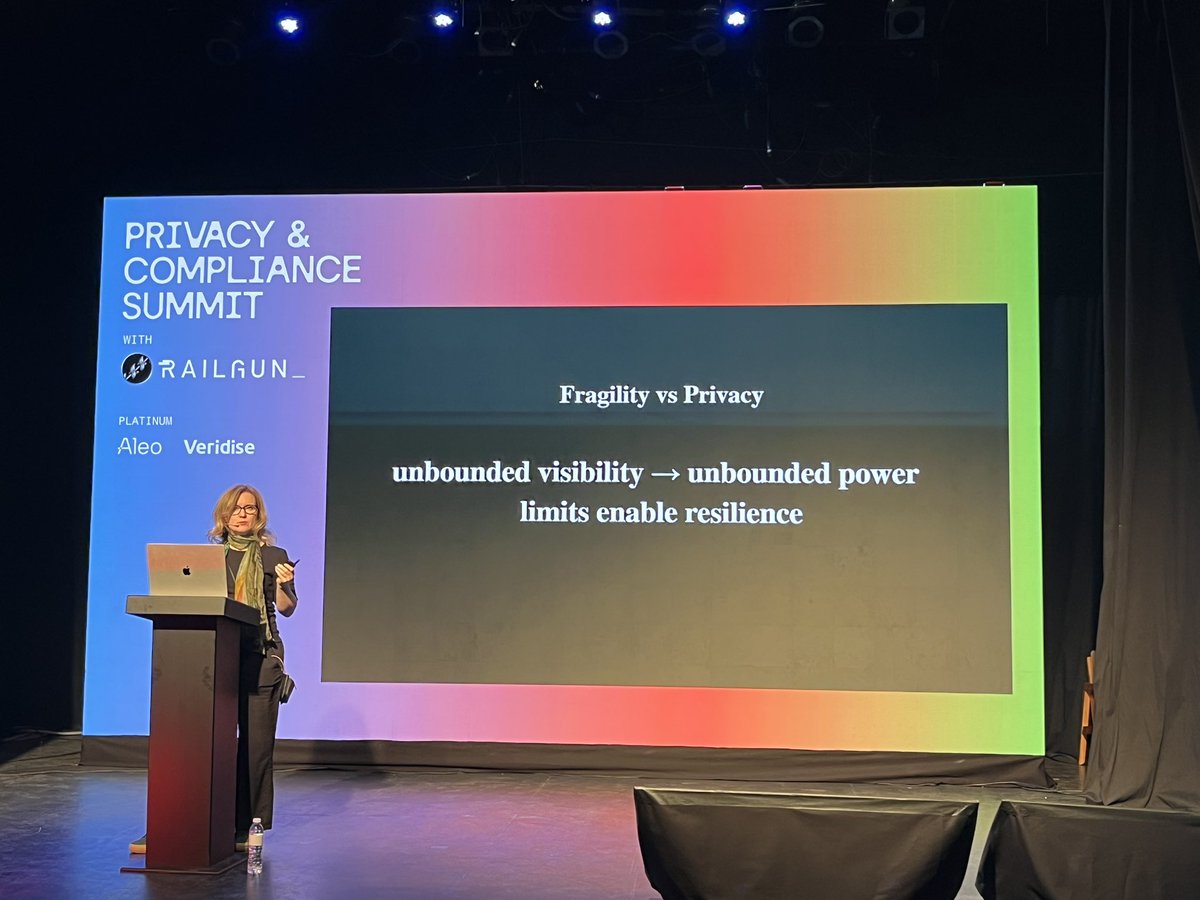
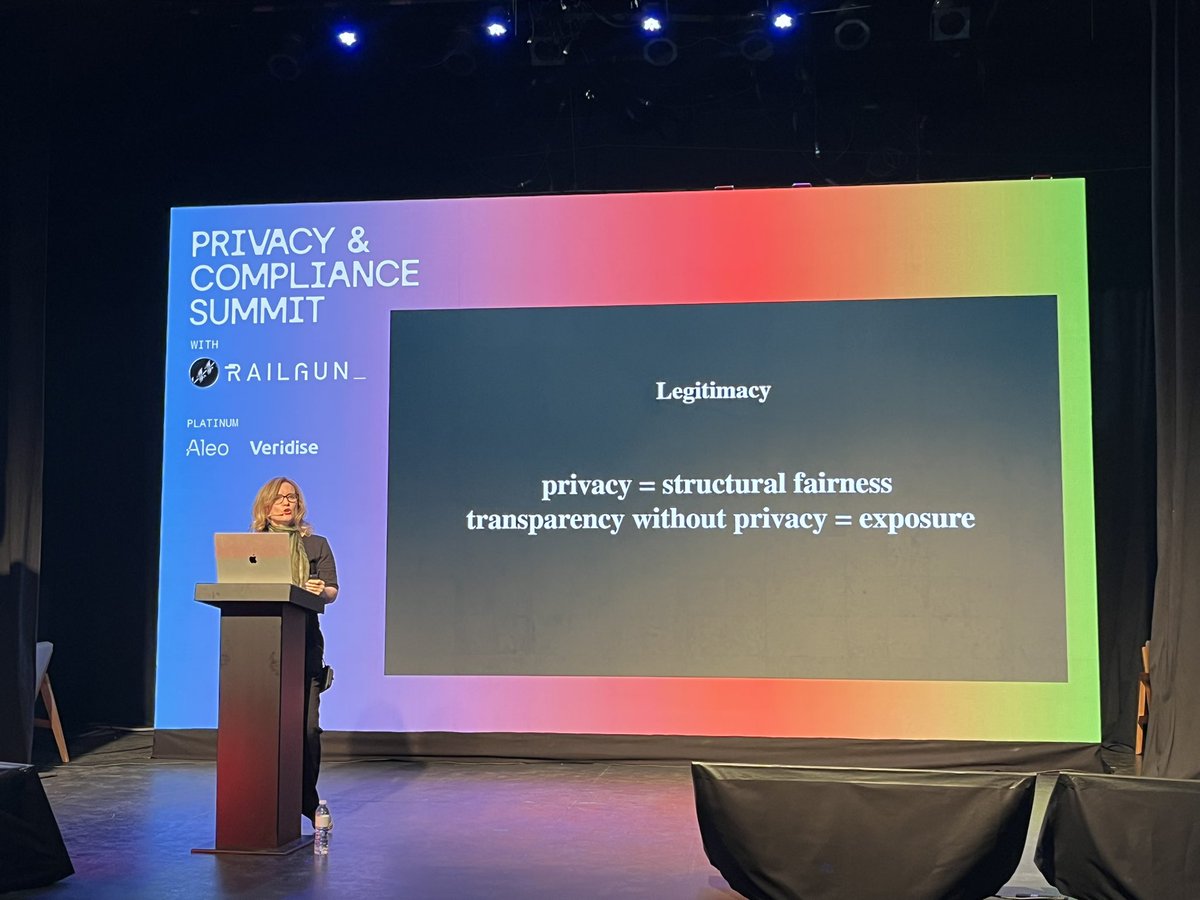
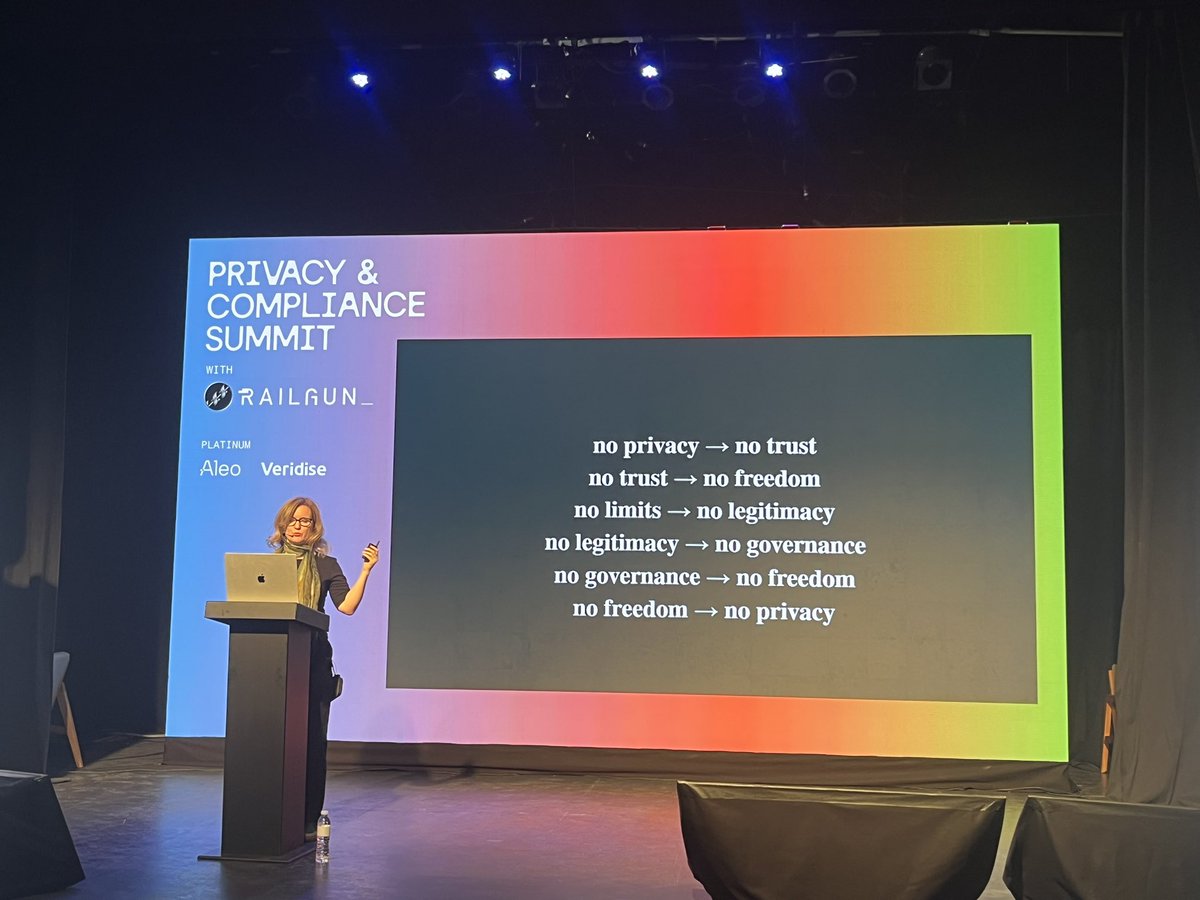
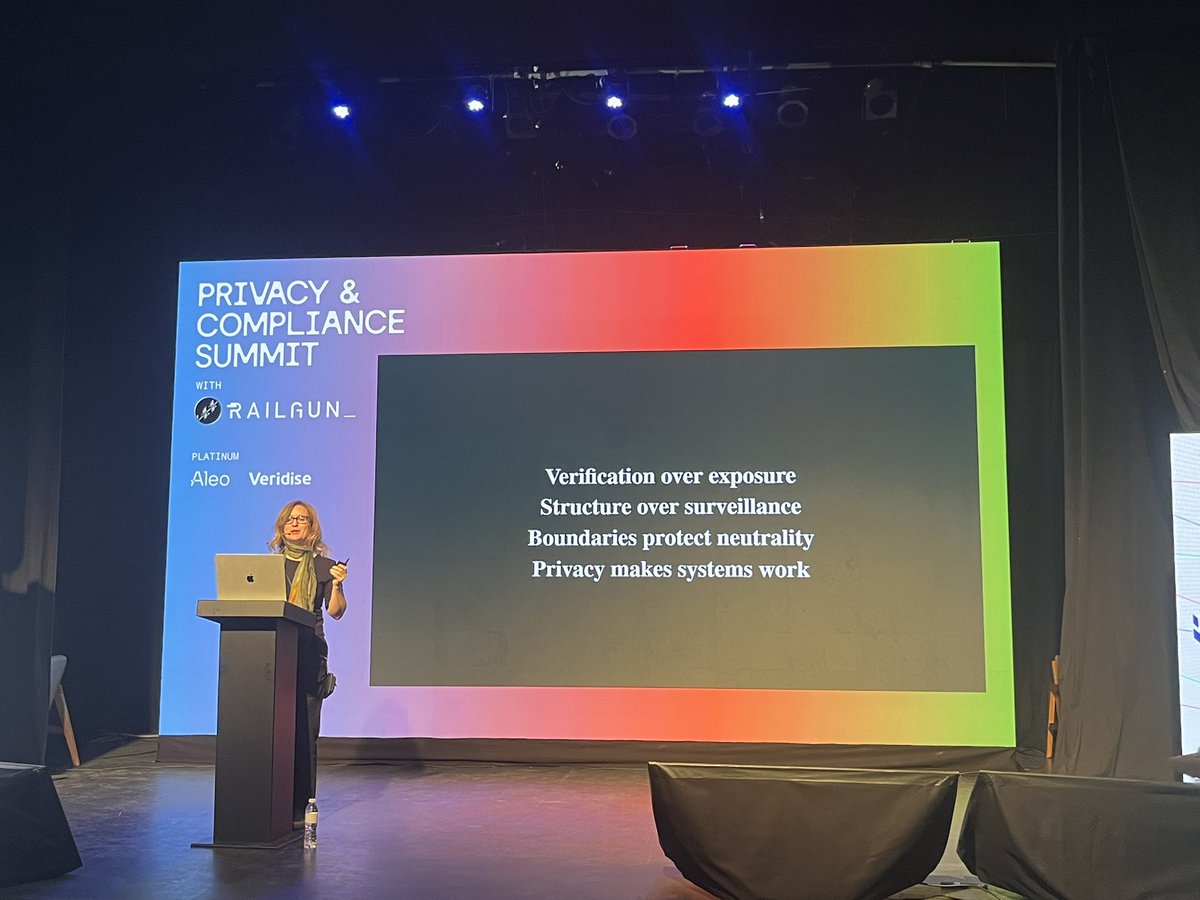
when building private systems, if a god mode view exists, it will eventually be used
we need to make trust systemic, and privacy should be considered the base for structural fairness
great talk by @AgataJFerreira
1
7
29
1,234
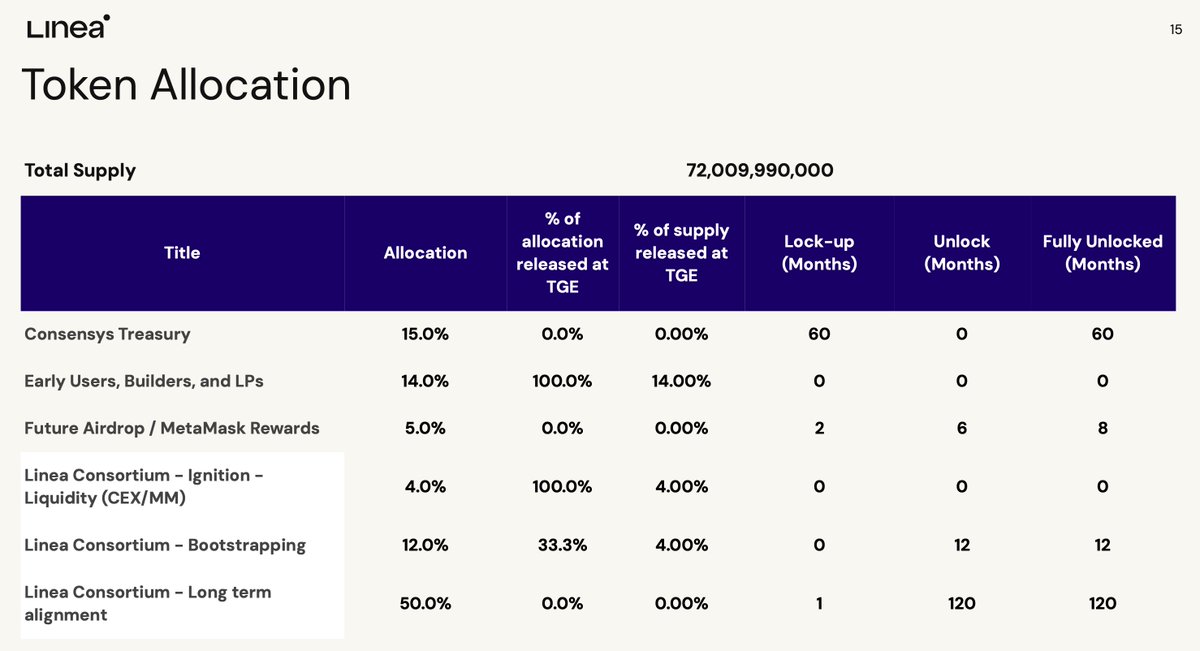
tired of seeing this on the timeline, so here's a screenshot straight from the last Linea Consortium board meeting internal presentation
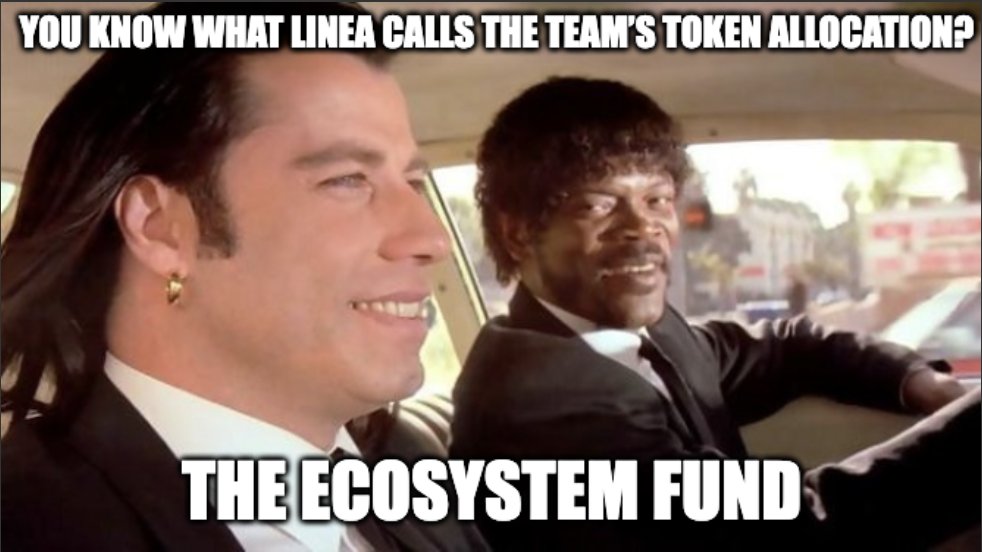
as you can see the Linea team has literally 0 token allocated to them
the Linea Consortium has 4% of the total supply to bootstrap the organization (that is going to pay for the core development of the Linea stack the actual L2 operation)
an additional 4% has been allocated for liquidity provision to centralized exchanges to the last liquidity incentive program before native yield gets launched on mainnet
the Linea Consortium is formed by diverse entities (SBET, Eigen, Status, more coming soon), with only 1 seat for Consensys. so no, the Linea team doesn't have access to any token directly, only the Consortium board can decide on the allocations
btw, i was involved in the negotiations leading up to the latest announcement by SBET to start deploying their ETH reserve on Linea - and i made sure to include a clause in the contract that ultimately this ETH TVL will be used productively in the Linea DeFi ecosystem and be aligned with the LINEA token
the reason i'm telling you this is to share a bit more transparently what's going on behind the scene: we are multiple companies working very hard on making the Linea ecosystem succeed, and all of those organizations may have divergent opinions and strategies to get there, hence the Consortium is definitely not managed by a centralized Linea team, but is here to find what's best for the Linea ecosystem, the Linea stack, and the LINEA token and its holders
as mentioned multiple times already, the only tokens held by the Linea team has been bought at market post TGE. i'm not in the Linea team, but have been deeply involved in the ecosystem for the last 2 years (@StatusL2 runs on the Linea stack), and the only LINEA tokens i personally own i bought them post TGE as well - i actually provided concentrated liquidity on Etherex right before Oct 10 - and got immediately rekt lol. i don't plan on selling it as i believe that Linea is undervalued (i mean SWIFT? SBET?? native yield? burn?? all of these seemed overlooked to me as everyone jumps to the latest hot stuff)
if you read this far, you deserve to get some alpha:
- burn starts very soon (before devconnect is my guess - potentially as early as next week)
- native yield is nearly done (hopefully live in december, pending audits)
- the native yield will be immediately put to good use as community incentives - so not using LINEA tokens as rewards anymore, but pure ETH and mUSD
- the Consortium will soon have a website up with more info on the by-laws resolutions content about latest board meetings and strategic directions
- we're currently hiring for an Executive Director for the Consortium - if you know someone who might be a good fit, please reach out!
i'm personally determined to push transparency forward and as a fellow b̶a̶g̶h̶o̶l̶d̶e̶r̶ member of the community i will do my best to bring as much utility to the LINEA token as possible
believe in something 🫡

61
36
193
45,936
Arty | Extrypto retweeted

27 Oct 2025
Super excited seeing @Keycard_ coming down the assembly line!

14
17
145
7,912
Arty | Extrypto retweeted

1 Mar 2025
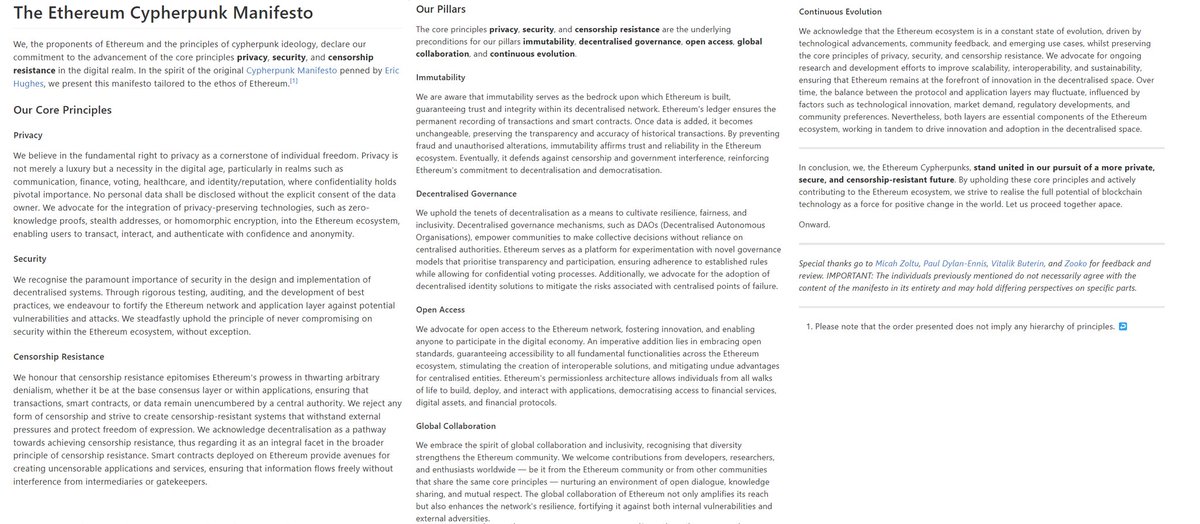
We, the Ethereum Cypherpunks, act on principles. We fucking care about privacy. We fucking care about security. We fucking care about censorship resistance. And we will always fucking defend these core principles. I wrote the Ethereum Cypherpunk Manifesto because this shit matters. If you're butthurt, go touch some grass and get a reality check. We, the Ethereum Cypherpunks, stand united in our pursuit of a more private, secure, and censorship-resistant future. Like it or not.
hackmd.io/@pcaversaccio/the-…
1 Mar 2025

What Ethereum needs is a lot of young blood who shared the cypherpunk vision.
All OGs are jaded.
It’s on the next generation now.
381
533
2,671
681,966
Arty | Extrypto retweeted

4 Mar 2023
To be clear:
ERC4337 is not Account Abstraction but an early-stage relayer technology. While I appreciate the push from the team behind it, a lot of confusion is currently spread by 4337 enthusiasts.
A 🧵on why we shouldn't think of 4337 as AA, but as a transaction relayer
21
124
538
129,739

10 Apr 2025
They'll be back. The era of centralized exchanges, banks, and censorship is coming to an end. We are at the beginning of the journey. Again. But we have an army of like-minded people behind us.
#wearestatus
@ethstatus @binance
60


Arty | Extrypto retweeted

30 Jan 2025
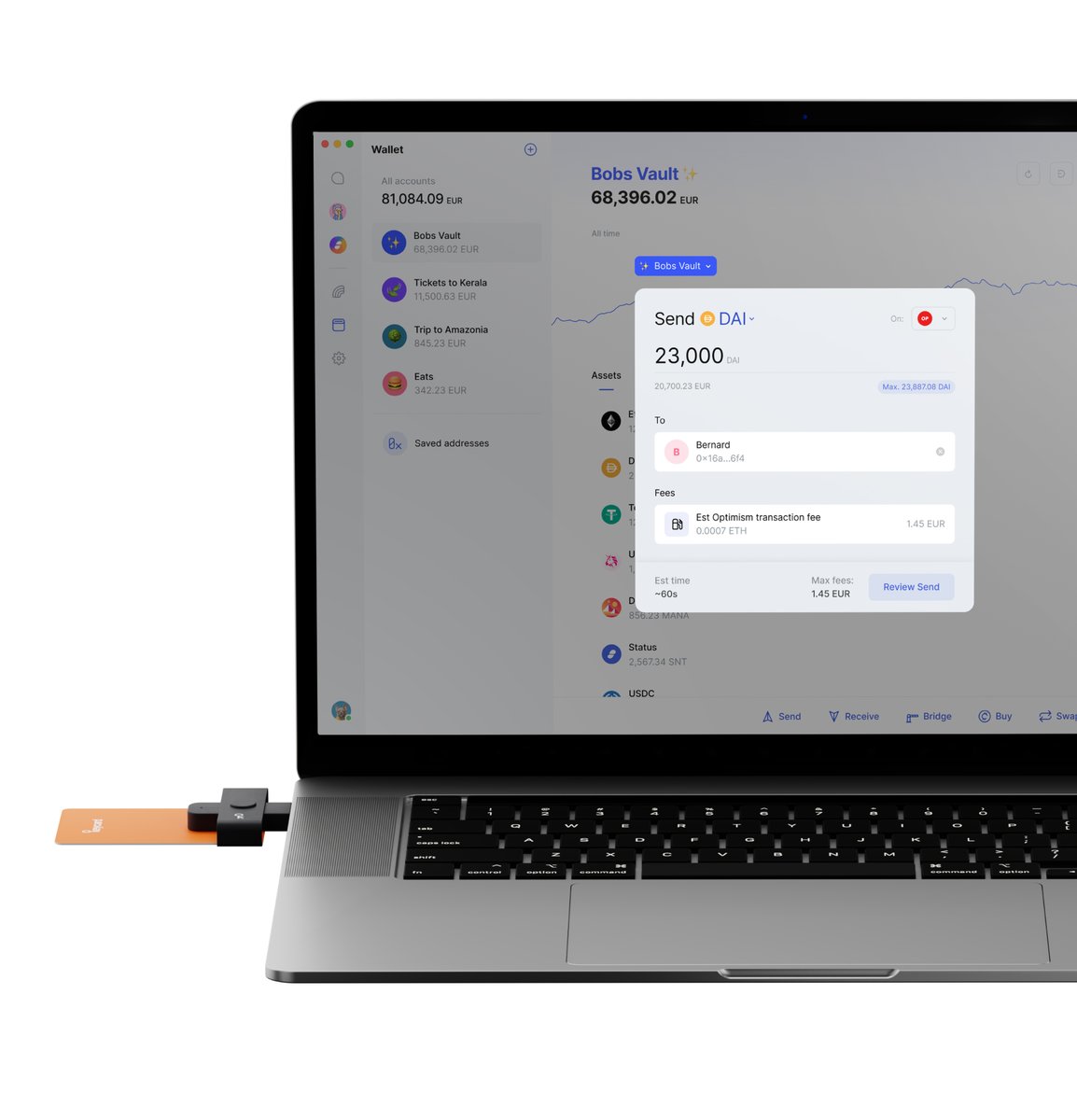
Use Keycard on your laptop, with @ethStatus!
Limited Time Only: Free card reader with every order 💻🔐💳
2
7
17
2,662
Arty | Extrypto retweeted

30 Jan 2025
Politicians change, bitcoin stays.
1,943
2,429
22,778
1,391,033
Arty | Extrypto retweeted
28 Jan 2025
Telegram has been in the spotlight recently, raising concerns over privacy in messaging apps 💬
Sure feels like the perfect time to explore Status, the messenger and crypto wallet that offers real privacy.
Here's how Status compares with Telegram 👇
status.app/blog/status-vs-te…
15
28
2,798
Arty | Extrypto retweeted
21 Nov 2024
We are still here.
3,793
2,258
28,728
1,751,691