
30 Photos and videos








Steph retweeted

6 Nov 2024
Hey @Raspberry_Pi, any chance you could start posting on @bluesky too? You can even set up a custom domain as your handle to verify yourself: bsky.social/about/blog/4-28-…
3
8
42
3,322

Es macht einfach keinen Sinn. Wieso macht eine Regierung Politik gegen den Willen der Menschen, die sie gewählt haben und für die, die sie nicht gewählt haben? Warum sollte ich die beim nächsten Mal noch wählen??
18 Oct 2024

Man kann keine #Migrationspolitik machen, die rechtskonform ist und die Rechtsextremen zufrieden stellt. Das lernt die #Ampel gerade mit einer Politik, die niemanden zufrieden stellt. Fünf Kritikpunkte, die nicht von Rechts kommen. #Sicherheitspaket volksverpetzer.de/analyse/am…
1
99
Steph retweeted

12 Jul 2024
This is one of the thought-provoking pieces I've read lately on how China manages its economy, and why it ultimately creates more value for society overall.
asiatimes.com/2024/07/chinas…
Essentially the author - the mysterious Han Feizi (a pseudonym) - argues that the West looks at value creation primarily through the length of profitability and market capitalization, whilst China looks at it from a consumer and externalities standpoint.
He explains this through a couple of examples. For instance solar panels, pointing out the fact that "America’s First Solar recently became the most valuable photovoltaic company" whilst "cutthroat competition in China destroyed margins".
So which country created more value with regards to solar panels? Well, the author argues, "the fact that China’s photovoltaic companies are slaughtering each other by flooding the world with cheap solar panels is prima facie evidence of stunning policy success and value creation".
Why? Because ultimately the value for society is to have lots of solar panels at very affordable prices, not trillion-dollar market-cap stocks... Much like "what we want from the butcher, the brewer and the baker are beef, beer and bread, not for them to be fabulously wealthy shop owners."
In fact, the author argues, mega-cap valuations indicate that something has gone seriously awry. Do we really want tech billionaires or do we really want tech?"
Same thing with EVs: the US ends up with Tesla which has a US$788 billion market cap, whilst China ends up with a huge ecosystem of over 250 EV models to choose from (the largest player, BYD, has a $93 billion market cap) in an insanely competitive environment. Ultimately Chinese companies sell way more cars than Tesla, they're much more innovative and, more importantly, we end up in a situation where close to 60% of cars sold in China are EVs, whilst in the US that's only 7%... So which system created more "value"? 🤔
As "Han Feizi" cheekily writes: "This writer thinks stupefied fanboys would be better off worshipping Elon Musk a little less and demanding affordable cars a little more, but that’s just my opinion." 🎯
And then there are externalities, which the author rightly says is the "more significant outcomes of industrial policy" in terms of value creation.
When it comes to EV, externalities include "weening China from oil imports and lowering particulates and CO2 emissions". And when it comes to cheap solar panel prices they include "significantly lowering the cost of energy for the Global South with massive geopolitical implications". Isn't that value-creation? Of course it is, but that's not captured in a company's EBITDA or market cap...
In the end this piece makes us go back to first principles: what is economic success, what is value creation? Maybe, just maybe, it's the approach that delivers the most tangible improvements in people's lives, instead of trillion-dollar companies and billionaire CEOs 🤷
207
1,341
3,784
328,181
Steph retweeted

9 Jul 2024
Europe's new heavy-lift rocket, Ariane 6, made its inaugural flight from @EuropeSpacePort in French Guiana at 20:00 BST/21:00 CEST on 9 July.
This launch brings Europe into a new era of autonomous space transportation and powers Europe into space to realise its ambitions on the world stage.
🔗 esa.int/Enabling_Support/Spa…
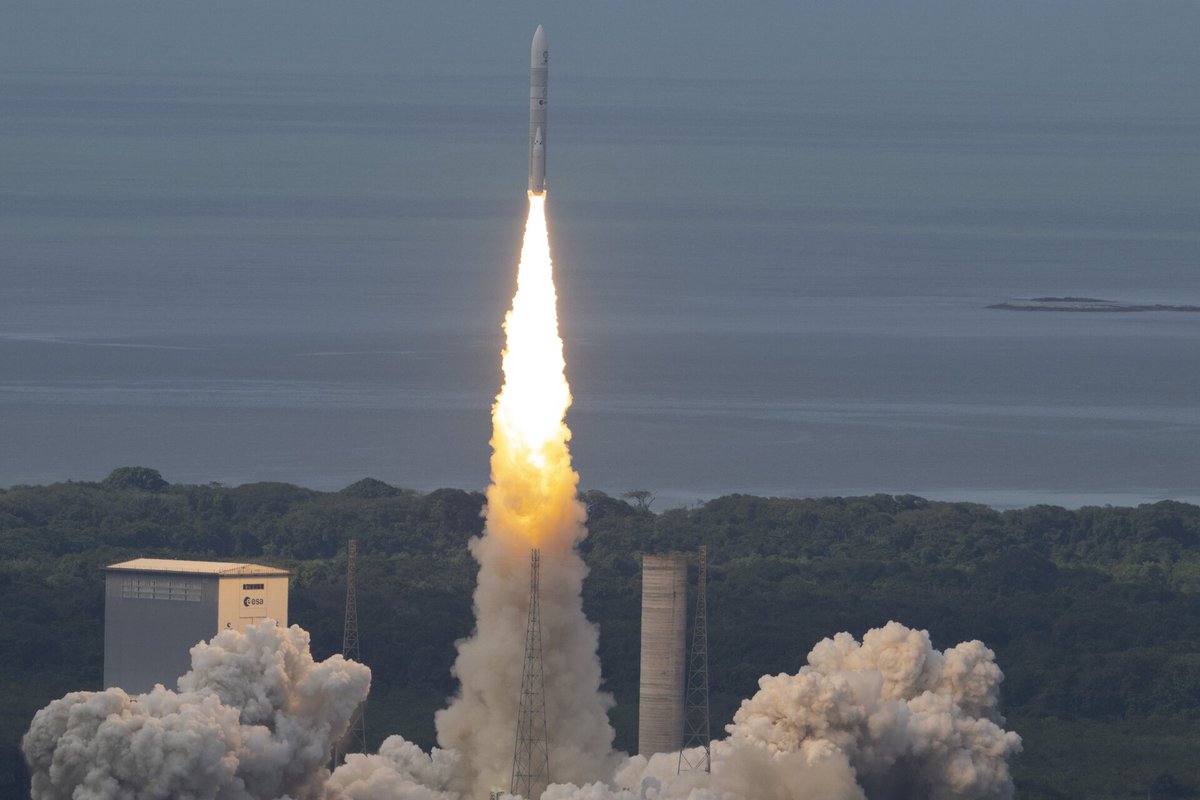
ALT Ariane 6 lifts off from the green rainforest of French Guiana leaving behind a bright plume of smoke.
25
241
1,053
86,467
Steph retweeted
9 Jul 2024
🚀 It’s launch day for #Ariane6 #VA262, taking Europe into a new era of space transportation!
📺 Watch live on YouTube from 18:30 BST/19:30 CEST 👉 youtube.com/live/B0oFpOJaIYc
🚀 Liftoff scheduled for 19:00 BST/20:00 CEST.
🔗 esa.int/arianelive
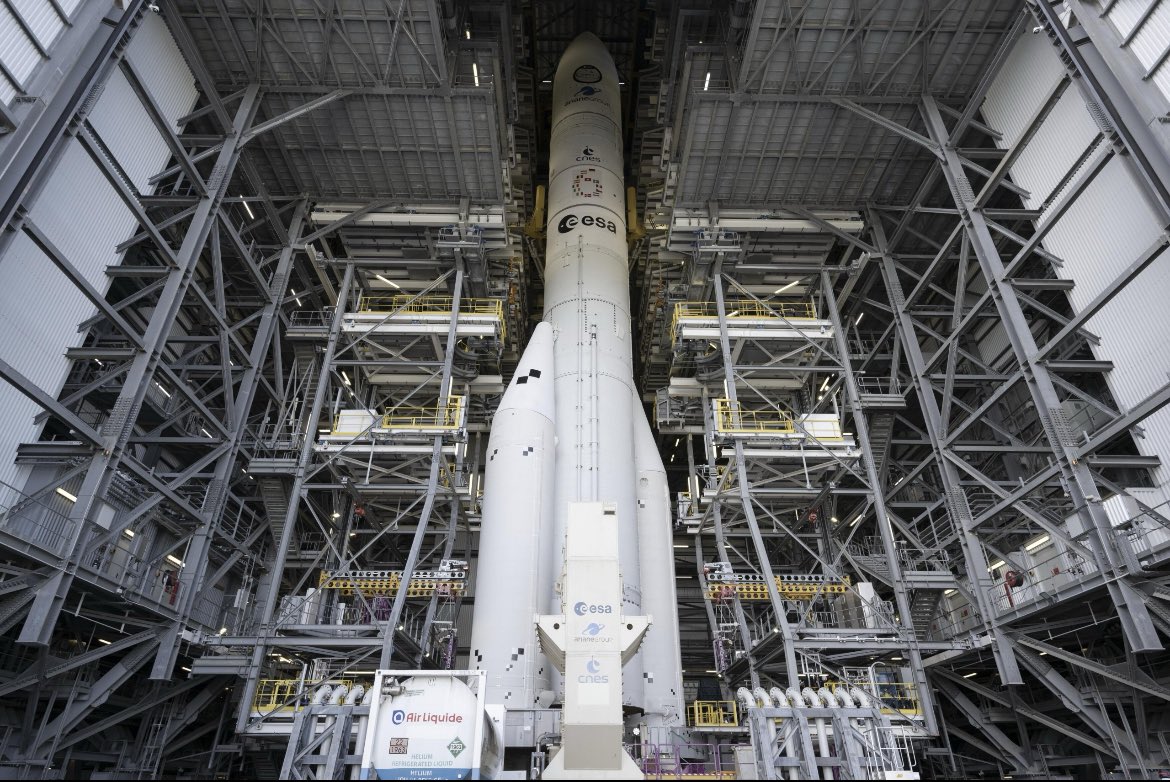
ALT White rocket stands in a building with multiple layers of metal scaffolding.
19
244
852
266,220

Zeit wird's. :P
24 Jul 2023

6
107
Steph retweeted

1 Jan 2023
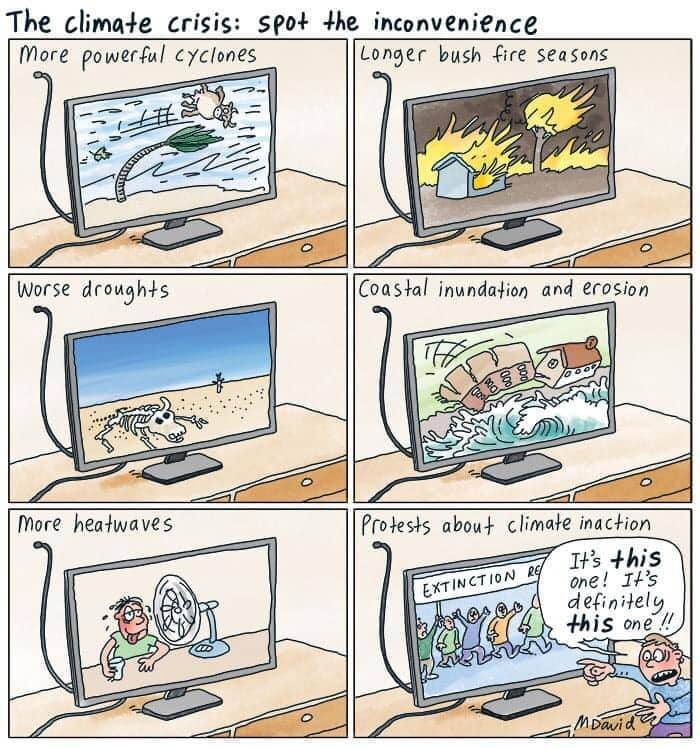
ALT The climate crisis: spot the inconvenience: More powerful cyclones Longer bush fire seasons Worse droughts Coastal inundation and erosion More heatwaves Protests about climate inaction <Wild eyed person points and shouts> "It's this one! It's definitely this one!!" MDavid
69
769
3,021
224,014
Steph retweeted

13 Dec 2022
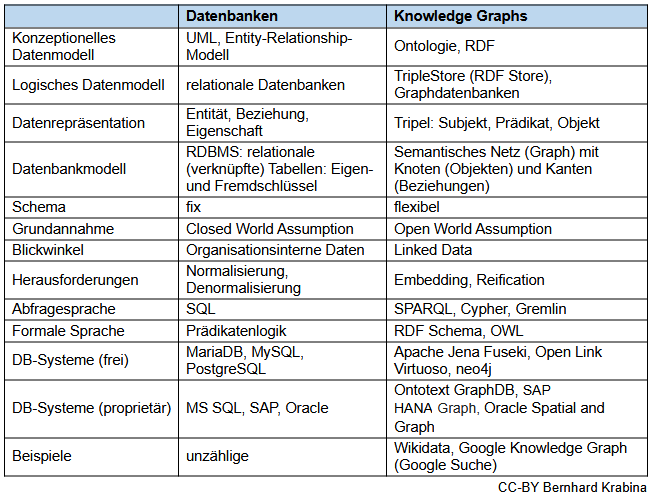
Hab mal einen Vergleich von konventionellen (relationalen) Datenbanken und Knowledge Graphs erstellt. Feedback/Korrekturen oder bessere Zusammenstellungen sind gerne willkommen. #Knowledgegraph #Databases
3
19
Steph retweeted

30 Nov 2022
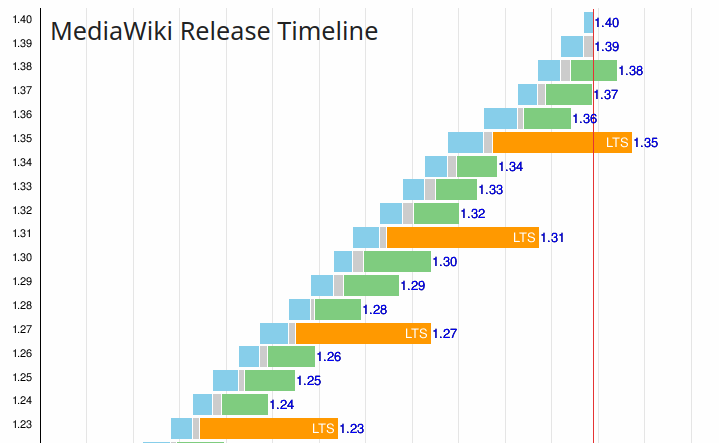
#MediaWiki 1.39 has been released!
This Long Term Support version will be supported till November 2025.
Users of the previous LTS, MediaWiki 1.35, have till September 2023 to upgrade.
Don't want to worry about versions? Get a managed wiki via pro.wiki
4
3
Steph retweeted

27 Nov 2022
Fantastischer Rundumschlag von @dieterschnaas. Einfach lesen.
amp2.wiwo.de/politik/ausland…

19
92
353
Steph retweeted

15 Oct 2022
Die #Gematik fährt die Digitalisierung vor die Wand. Es müssen personelle und strukturelle Konsequenzen gezogen werden heise.de/meinung/Zerschlagt-… #Telematik
6
148
428
Steph retweeted
15 Oct 2022
Völlig sinnlose tausendfache Vernichtung einsatzfähiger Hardware verhindern: Chaos Computer Club spart dem Gesundheitssystem 400 Millionen Euro ccc.de/de/updates/2022/konne… #gematik #Telematik
18
527
1,752
Steph retweeted

8 Sep 2022
having a king is going to take some getting used to. we’re used to our monarch moving as far as they want in any direction but now it’s just one square at a time. much higher chance of being killed by a horse
123
6,944
61,717
Steph retweeted

3 Aug 2022
The 19th Semantic MediaWiki Conference will be held in Breda, The Netherlands on October 26-28.
Suggestions and contributions can be added using the following link: semantic-mediawiki.org/wiki/…
#SMWCon

6
7

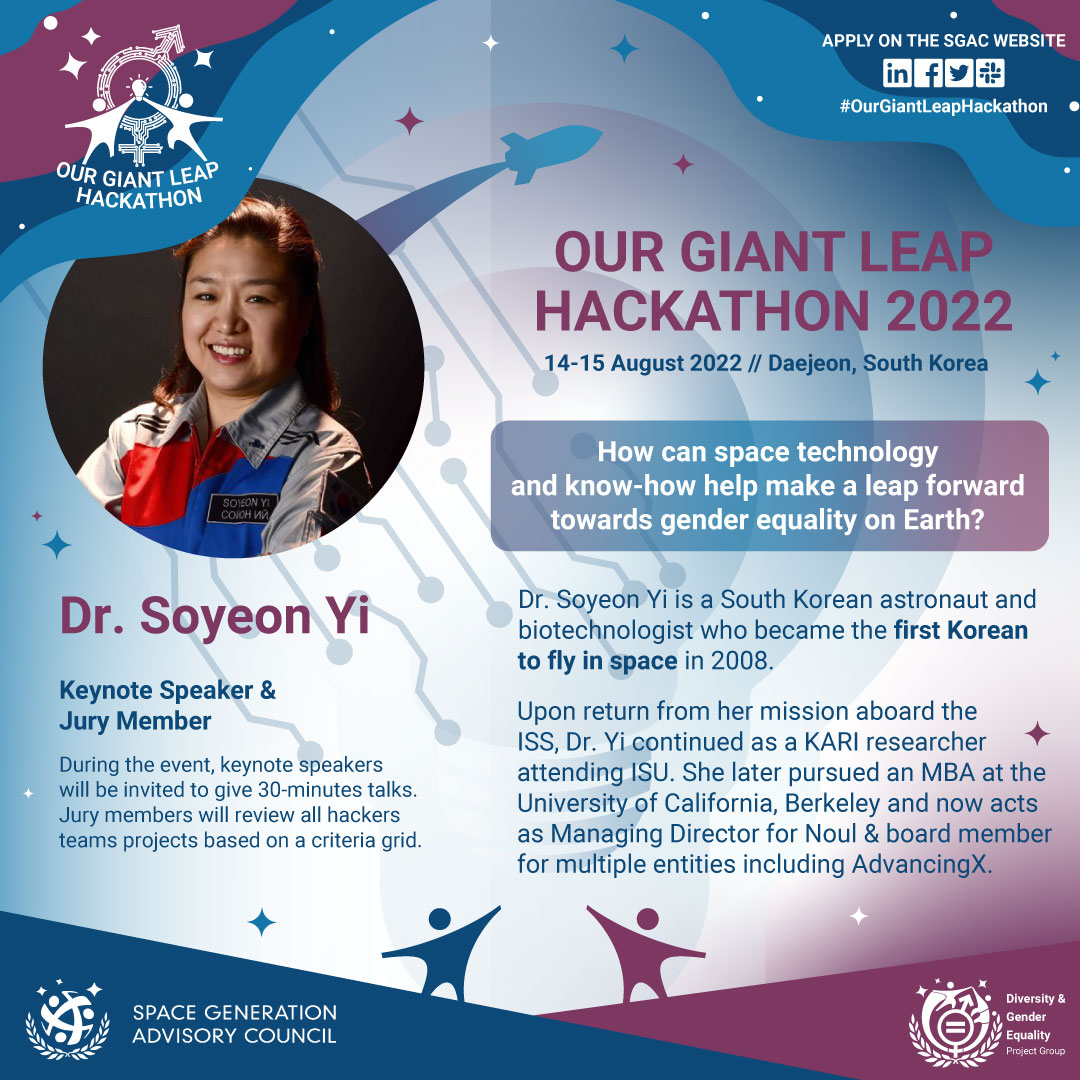
Always dreamed of meeting an astronaut in the flesh? 👩🚀
At the #OurGiantLeapHackathon @ourgiantleap you will be able to cross that off your bucket list - Korean astronaut Dr. Soyeon Yi @MsCoolAstro will participate as speaker & judge! 🔥
@kari2030 @Space_Station @AdvancingX
4
13