
the hun in the sun
Joined March 2013
- Tweets 59,928
- Following 165
- Followers 250
- Likes 97,976
1,265 Photos and videos








SpeC retweeted

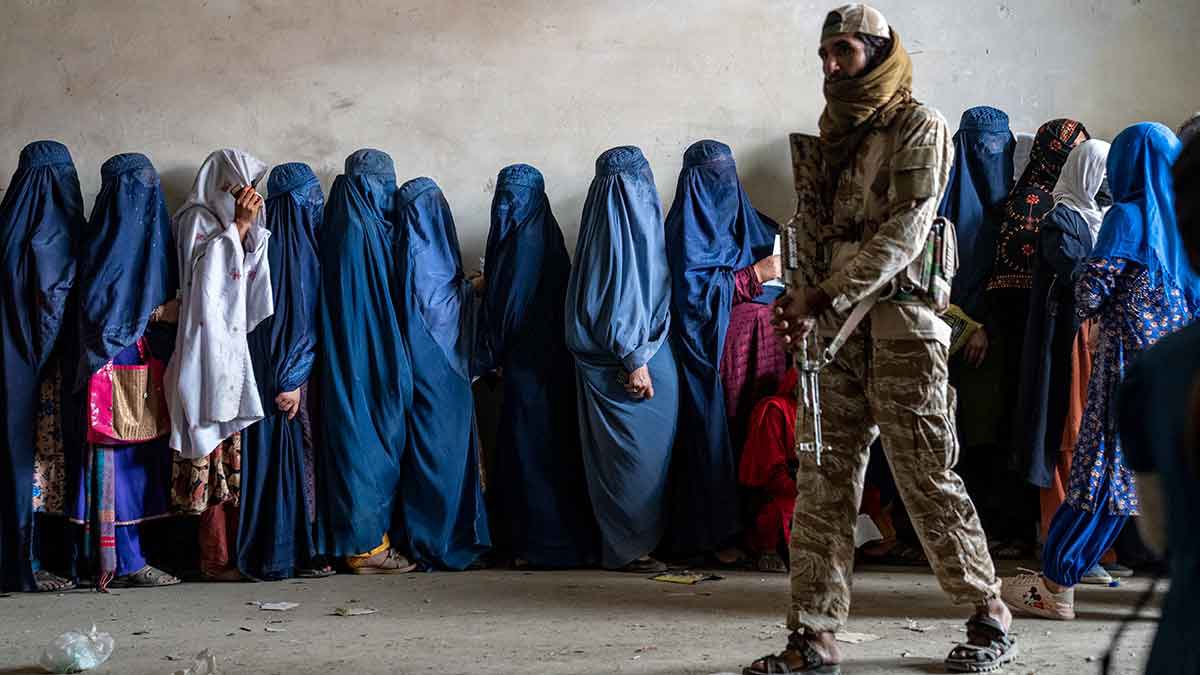
In 2024, the Taliban issued a decree that reinterpreted a girl's silence as her consent to marriage.
Not a verbal yes. Not a signed document. Silence. Stillness. The absence of protest treated as agreement.
It is worth sitting with that for a moment.
The decree applied to post-pubescent girls. For girls younger than that, the authority to accept a marriage on their behalf rested with their father or paternal grandfather. The girl herself was not consulted. She was, legally, beside the point.
This did not arrive without context.
Since the Taliban retook control of Afghanistan in 2021, the restrictions on women and girls have accumulated in layers, each one narrowing the space a female person is permitted to occupy.
Girls' education was ended at age 12. Secondary schools closed. Universities followed. A generation of Afghan women who had studied medicine, law, engineering, and literature watched the doors shut in front of them, in some cases on the same day they were scheduled to sit exams.
Women were removed from government employment. Most NGO work was closed to them. The right to move through public space without a male guardian was revoked. Permission to leave the home required a male relative's approval.
Mandatory facial covering was imposed in public. Not as a private religious choice, but as a state-enforced rule backed by punishment.
And then came the silence decree.
There is a logic to the sequence, once you see it. Each restriction removes one more avenue of expression, one more site of visibility, one more mechanism by which a woman or girl could register her own existence in public life. When you cannot go to school, you cannot argue from education. When you cannot work, you have no economic independence from which to speak. When you cannot leave the house without permission, you cannot organize, cannot gather, cannot reach other women facing the same conditions.
And when your silence is declared to be consent, you cannot even refuse.
Afghanistan had, before 2021, one of the fastest-growing rates of girls' secondary education in the world. Women held seats in parliament. They ran businesses, led hospitals, practiced journalism. That did not happen overnight. It was built, slowly and with enormous effort, over two decades, by Afghan women and girls and by the organizations that worked alongside them.
That record makes the speed of the reversal harder to absorb, not easier.
Because what the Taliban has systematically dismantled was not an abstraction. It was the specific, accumulated choices of specific women: the girl who stayed in school when her family was uncertain, the judge who took the bench when it was not yet safe to do so, the journalist who filed a story with her name on it.
Those choices were real. And they are now being answered, institutionally, with a rule that says: your silence means yes.
Organizations working on this issue, including the Afghanistan Independent Human Rights Commission in exile and UN Women, have documented each stage of this escalation. Their reports are thorough and available. If you want to understand the full scope of what is being described here, their documentation is the place to start.
The silence decree did not come out of nowhere.
It was the next step in a process that has been, from the evidence, deliberate.
A girl in Afghanistan today cannot go to secondary school. Cannot work most jobs. Cannot leave her home without a male guardian's permission. Cannot appear in public without covering her face. And now, in the matter of who she will marry and when, her silence is taken as her answer.
She has been, by design, made unable to say no out loud.
And so the law steps in to say yes for her.
UN Special Rapporteur Richard Bennett formally described the Taliban's cumulative restrictions on women and girls as amounting to 'gender apartheid' in reporting to the UN Human Rights Council.
#drthehistories
3
34
58
2,665
SpeC retweeted

Jun 15
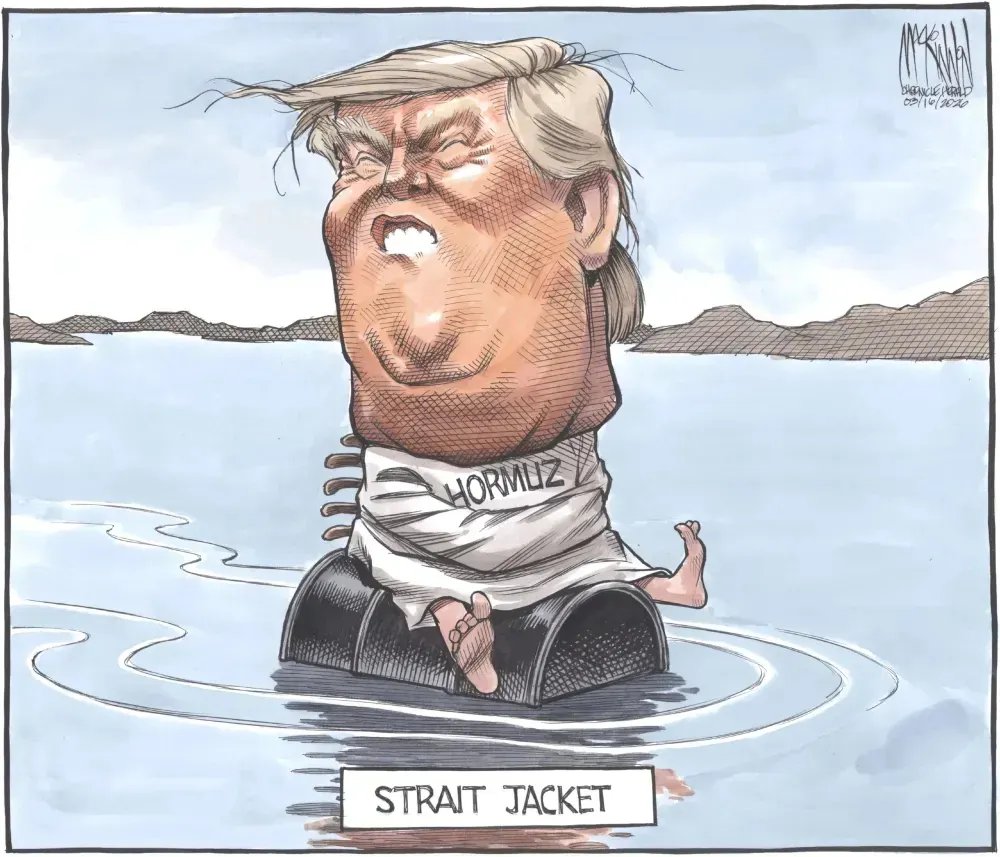
1/ Iran has reportedly assessed that Donald Trump is "mentally incompetent" and has incorporated psychologists into its negotiating team to adapt the wording of the proposed agreement "as if the recipient were a [mental] patient ... whose capacity is limited." ⬇️
69
886
3,848
189,810
SpeC retweeted
Jun 15
11/ "As a result, negotiations become a process of constant adjustment to the perceptions of one party rather than a search for a sustainable balance of interests.
1
29
496
22,211
SpeC retweeted
Jun 15
12/ "This creates a perpetual precondition for protracted cycles of tension, where any temporary lull remains hostage to Trump's individual idiosyncrasies rather than institutional guarantees." /end
Source:
t.me/polit_doklad/597
(Cartoon by bsky.app/profile/mackinnonar…)
4
30
519
20,714
SpeC retweeted
Jun 15
10/ "This approach reflects the challenges that a personalised leadership style imposes on highly complex relationships...
1
26
481
16,052
SpeC retweeted
Jun 15
9/ "This is not a rhetorical device or an exaggeration: Iranian sources explicitly assume they are dealing with a person whose capacity is limited and adjust their language accordingly...
1
37
567
17,808
SpeC retweeted
Jun 15
8/ "Instead of relying on institutional procedures and predictable responses, one side now structures its entire preparation around the individual cognitive profile of the other.
1
31
548
18,767
SpeC retweeted
Jun 15
7/ "Psychological assessment is becoming a tool to reduce the risk that a proposed proposal will be perceived through the prism of a momentary impulse or distorted perception.
The integration of psychologists upends the traditional logic of negotiations between countries.
1
31
572
19,508
SpeC retweeted
Jun 15
5/ "Mediators from Qatar, Pakistan, Turkey, and Saudi Arabia are recording the same problem: Trump agrees to positions and then immediately reverses them, leaving no stable basis for continuation."
1
46
703
22,149
SpeC retweeted
Jun 15
4/ "Psychologists have compiled a detailed profile of his thinking, and now the wording is being adapted as if the recipient were a patient whose perception is distorted and subject to sudden shifts.
2
46
702
23,060
SpeC retweeted

Jun 15
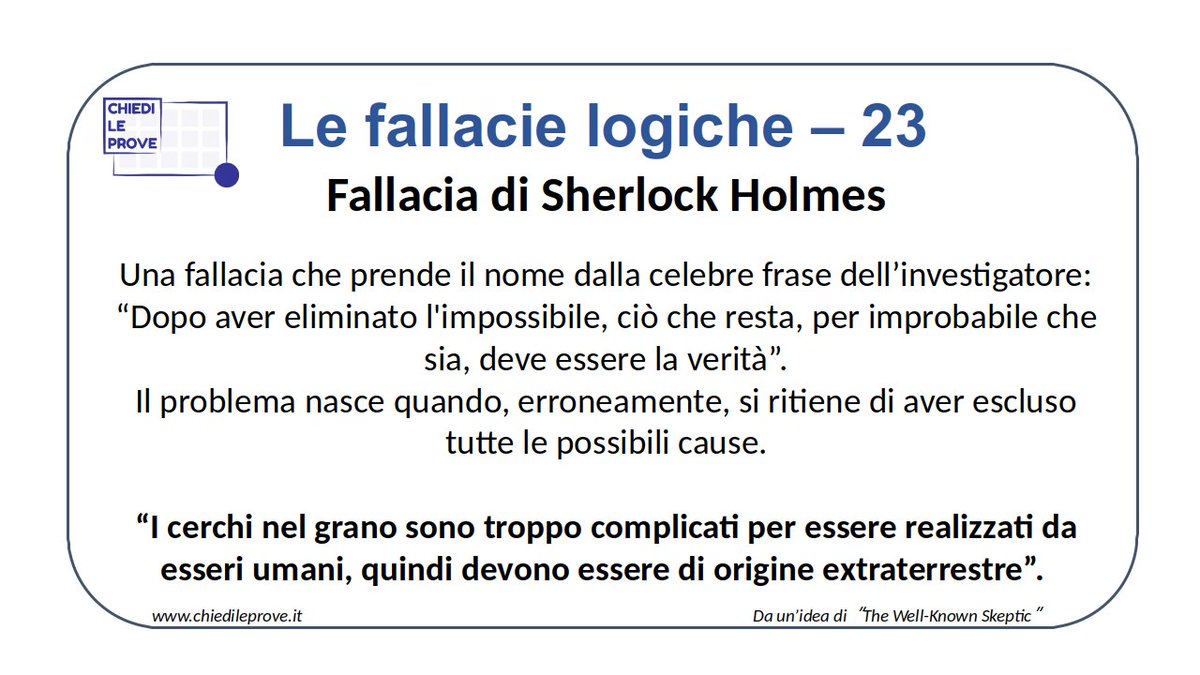
Altri esempi (solo esempi!): "Quelle lesioni non sono di origine naturale!" "Anche le piramidi sono state costruite dagli alieni!" "E pure le linee di Nazcaaaa!!!!" #lefallacie
1
2
11
142
SpeC retweeted

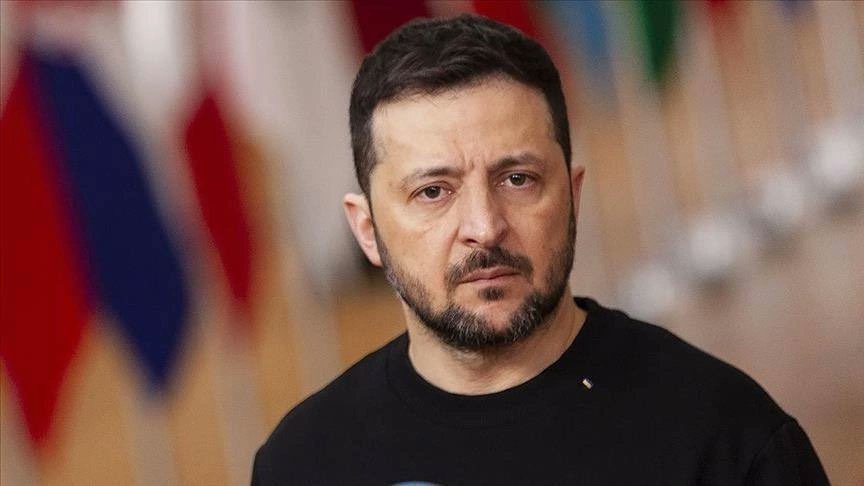
Presidente Zelensky: 🇺🇦
<Chi? Orsini? Sarebbe ingiusto criticarlo, anche io una volta facevo il comico>
11
37
381
4,629
SpeC retweeted

Jun 15
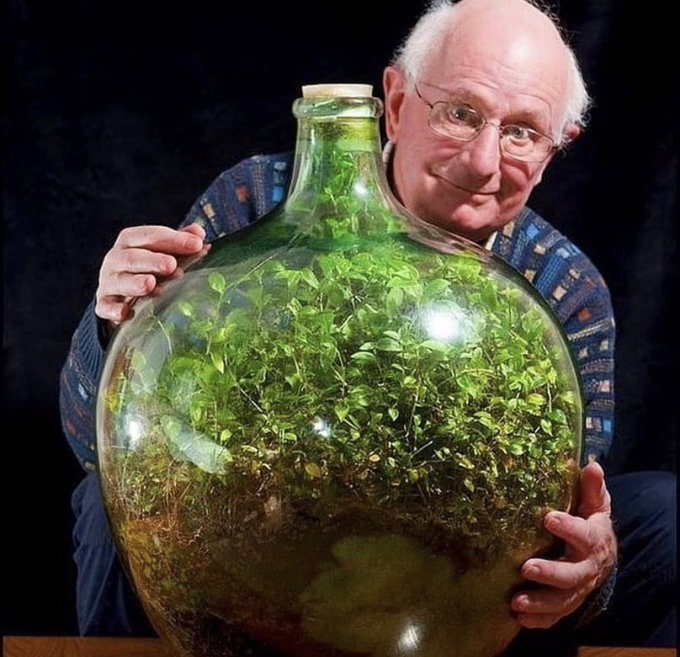
In 1960, David Latimer planted a spiderwort sprout inside of a large glass jar, added a quarter pint of water, and then sealed it shut.
He opened the bottle for the first time only 12 years later, in 1972, to add some water and then sealed it for good.
The self-contained ecosystem flourished for more than 60 years as a perfectly balanced garden and self-sufficient ecosystem.
The bacteria in the compost ate the dead plants and broke down the oxygen released, turning it into carbon dioxide, essentially forming a microcosm of Earth.
203
1,608
9,695
392,397
SpeC retweeted

Jun 15
Watching the evolution of kids The last stage nearly finished me off
6
53
389
39,877
SpeC retweeted

Jun 15
Poi non appena nomino Renzi arrivano quelli che lamentano il fatto (inventato) che io provi odio per lui.
Invece ne giudico amaramente solo il cinico tatticismo senza una visione strategica del Paese.
Ora, anche grazie a lui, l'Italia sta "coltivando" una controcultura postfascista, intollerante, primitiva, dannosa.
Vannacci scasserà il centrodestra? MIca si pone il problema se scassa anche l'Italia!
Il suo pensiero è presentarsi nel capo largo dicendo che gli ha regalato la vittoria.
Che perdiamo tutti gli frega niente

🧵 La scelta di @matteorenzi di spingere Vannacci per vincere le elezioni è una totale follia. Sono tatticismi sciagurati ed irresponsabili. Qualcuno lo fermi.
"Vannacci è un problema per Meloni, non per noi". No Matteo, Vannacci è un problema per l'Italia e la democrazia.
1/➡️
19
33
318
13,373
SpeC retweeted

Jun 15
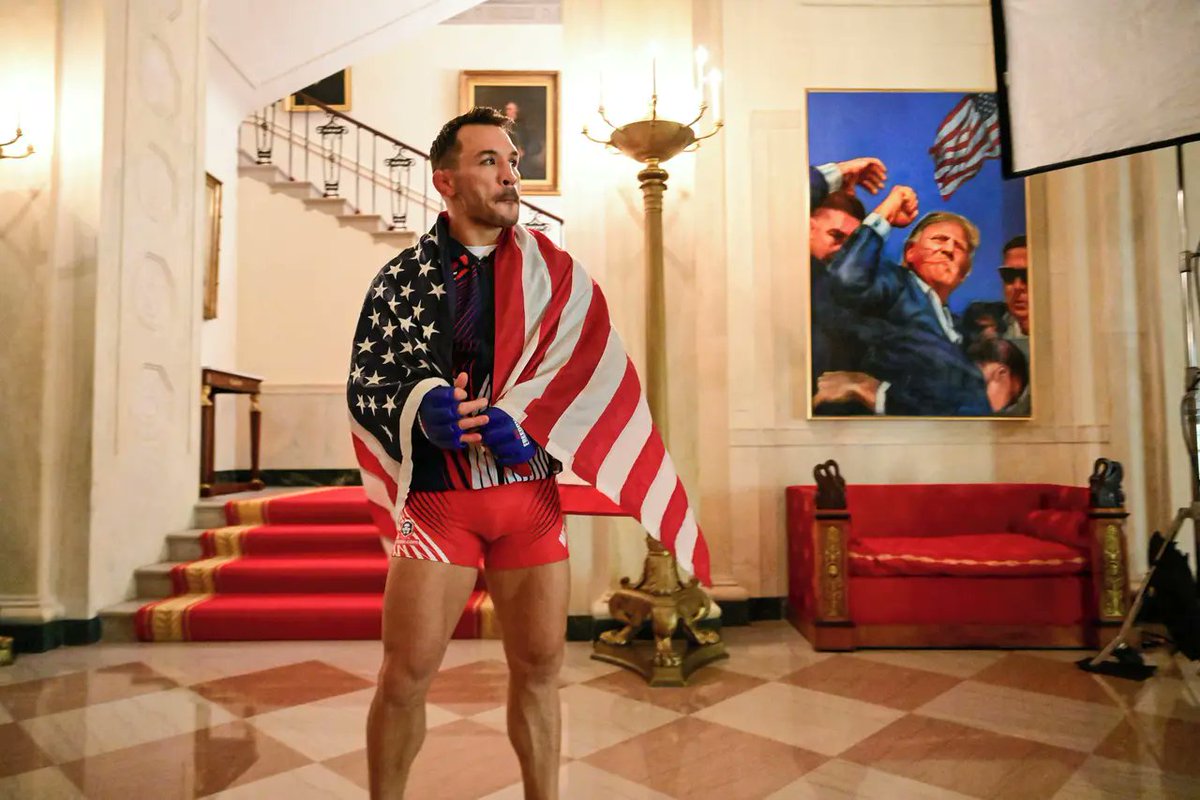
Yet somehow Zelenskyy not wearing a suit was a problem.
668
3,970
30,746
1,135,824
SpeC retweeted

Jun 14
"Men without beards can cause 'indecent thoughts' in other men because they look like women."
Islamic scholar in Spain claims all men must grow a beard like his for this reason. Thoughts?
3,055
1,119
2,321
116,745
SpeC retweeted

To understand the scale of today’s Russian crime against humanity’s historical heritage: it is the equivalent of bombing St. Peter’s Basilica in a war of conquest against Italy, or Notre-Dame de Paris against France, Westminster Abbey against Britain, or Aachen Cathedral.

251
2,214
6,607
83,938
SpeC retweeted

Jun 15
So, Trump is gonna give Iran $300 billion to open a strait that wasn’t closed, so long as they promise not build a nuke they didn’t have?
Do I have that just about right?
2,848
5,678
30,981
542,918
SpeC retweeted
Jun 15
The "US biolabs in Ukraine" story is one of the Kremlin's oldest and most successful disinformation campaigns.
The facilities in question were Ukrainian public health and veterinary laboratories supported by the US Cooperative Threat Reduction Program to improve biosafety and disease surveillance. None of the publicly available documents show evidence of biological weapons.
In Russian state media, these facilities are routinely described outright as "US bioweapons labs." Among pro-Kremlin influencers and politicians in the West, the messaging is often more subtle. They simply talk about "dangerous pathogens" and hint at unspecified sinister purposes, allowing audiences to draw their own conclusions.
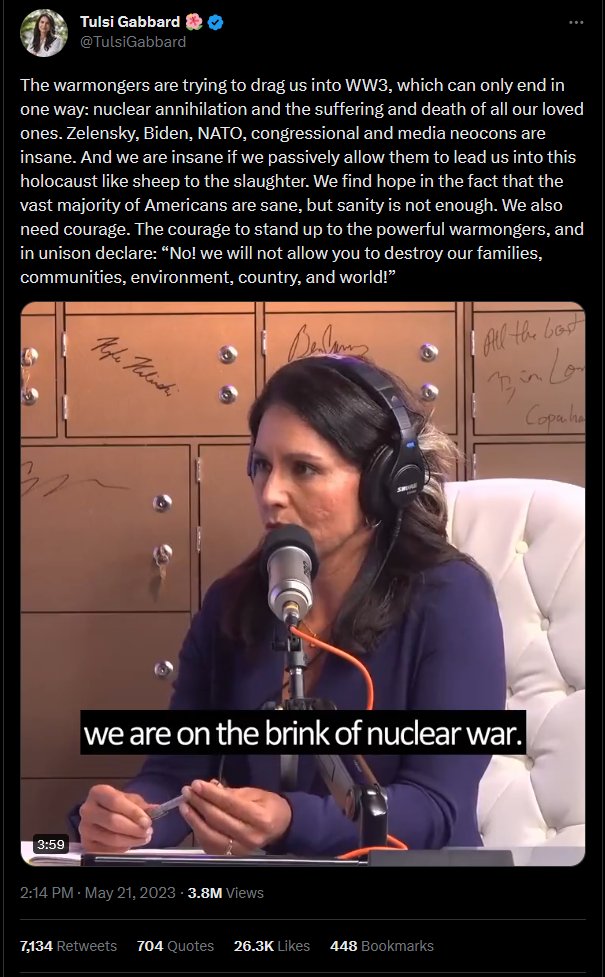
Yet Tulsi Gabbard, a long-time Russia supporter who met Syrian dictator Bashar al-Assad twice and questioned the Assad regime's responsibility for the Khan Shaykhun chemical attack, is now presenting old public documents as newly "declassified evidence." In reality, ODNI simply re-stamped documents that had already been public for years.
Many of the slides are excerpts from a Pentagon DTRA fact sheet released publicly in March 2022. Gabbard's office repackaged these documents and presented them alongside Russian fabrications as evidence of a sinister biolabs program.
This shouldn't surprise anyone. When it comes to Ukraine, Gabbard has consistently echoed Kremlin talking points. She has argued that the US and NATO provoked Putin into invading Ukraine, framed the conflict as a US-Russia proxy war, claimed that sanctions hurt the West more than Russia, blamed an "elite cabal of warmongers" for the conflict, and suggested that peace negotiations should prioritize avoiding nuclear war.
She has repeatedly claimed that the war could have been avoided by ruling out NATO membership for Ukraine. But Putin himself made clear in his essays and speeches before the invasion that his goals went far beyond NATO and centered on denying Ukraine's right to exist as an independent nation.
She has also dismissed allegations of Russian interference in the 2016 election as a "manufactured hoax" and appeared as a speaker at the "antiwar" Rage Against the War Machine rally in 2023.
Tulsi's only goal with all this is to hurt Ukraine and help Russia.
66
784
2,480
39,387