2,595 Photos and videos




F Bret retweeted

Pero, ¿porqué esta manía de “los mejores callos del mundo” como si España fuese demasiado poco y no se cocinasen también en medio planeta? Es un poco absurdo.
3
2
14
1,256
F Bret retweeted

Trump and Vance both electronically signed the MOU with Iran. @mb_ghalibaf signed from the Iranian side, U.S. official said
78
263
877
131,769
F Bret retweeted

If you wanted yet another proof that Raphaël Glucksmann is one of the most corrosively stupid politicians in Europe - quite a high bar to reach - please watch this.
He says that France and Europe's enemies "have a name and a face, they're called Elon Musk, Sam Altman and Zhang Yiming [the founder of Bytedance]": in other words all the successful tech entrepreneurs out there who aren't European.
I literally cannot think of a stupider way to frame the issue of Europe's competitiveness: literally like a team that hasn't won a match in years declaring the league champions enemies of football.
Bear in mind this guy is, unfortunately, one of the lead candidates for the next presidential elections. Hard to get worse than Macron, but in his case he absolutely would be: basically all of Macron's worst instincts but with the IQ and charisma of a parking meter.
Jun 14

« Notre ennemi, notre ennemi a un visage. Et il a un nom. Il en a même plusieurs. Il s’appelle Elon Musk, Sam Altman, Zhang Yiming »
@rglucks1 au lieu de designer des ennemis imaginaires comme un vulgaire complotiste, vous feriez mieux de vous demander pourquoi la France est totalement larguée sur l’IA. C’est pourtant simple : 50 ans de socialisme, d’impôts confiscatoires, de bureaucratie kafkaïenne, de matraquage des entreprises et d’État obèse qui veut tout contrôler de la vie de français alors qu’il n’assure même plus les fonctions régaliennes. Résultat ? Pendant qu’Elon Musk et les Américains avancent à la vitesse de la lumière, vous fantasmez sur des « investissements massifs publics » qui finiront en gabegie, rapports inutiles et subventions à des copains. Le vrai ennemi de l’innovation française, ce n’est pas Elon Musk. C’est vous et votre idéologie socialocommuniste qui a transformé la France en musée du déclin.
Ce n’est pas un hasard si Air France a choisi Starlink pour connecter ses passager au monde. Votre délire d’une « IA souveraine pilotée par l’État » ? En 2045 on attendra toujours.
63
132
780
45,213
F Bret retweeted

Anécdota del día: Mucho se ha hablado de la costumbre de Marlon Brando de apuntarse los diálogos en los lugares más desacostumbrados porque no quería o no podía estudiarse sus líneas, apoyándose, sobre todo, en la famosa foto de Robert Duvall con los folios prendidos...
12
98
516
55,287

RT @EnriqueKrauze: Recuerdo de Jorge Luis Borges, cuya rectitud moral, gentileza y sencillez realzaban aún más su grandeza literaria.
25
F Bret retweeted

Jun 14
Israel started massive bombing campaign against Lebanon as soon as a potential peace deal was announced. They’re never going to let us live in peace. They are never going to be satisfied.
They’re insatiable fanatics, who want endless war because they think God promised that land to them 3,000 years ago. They’re the religious and nationalist fundamentalists we should have been warned about.
That’s so fucking obvious. Just look at a map!! Are the Palestinians occupying the Israelis, or the other way around? Are the Lebanese invading Israel, or the other way around? You would have to be both blind and deeply stupid to not see the reality at this point.
I’m furious at our national media. They all lied in unison for decades to trick us into supporting and funding the terrorists.
I don’t know that I can ever forgive all the reporters in the national press, who lied to help the fascists, and called their victims “terrorists.” These sick people helped the actual terrorists brutalize the Palestinians for six decades, while actively hiding the truth from us.
1,346
4,361
17,124
431,436
Update On The Terras Gauda Scandal
This case isn’t just a legal matter — it’s a mirror reflecting a system that speaks of origin while allowing the terroir itself to be rectified.
open.substack.com/pub/galici…
1
21
F Bret retweeted

Jun 13
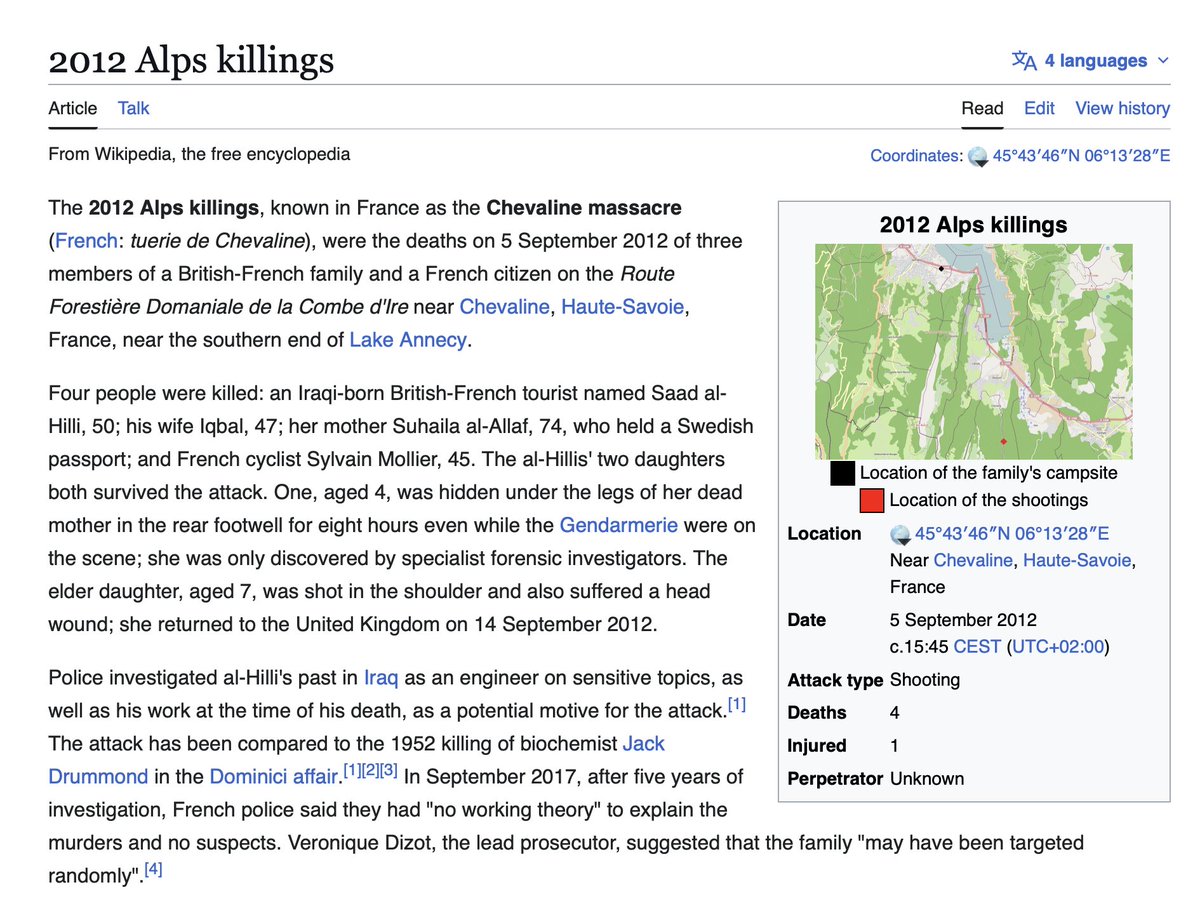
Brad told me about this the last time we got lunch and my jaw was on the floor. Thank God America is not always the craziest country on Earth. At the very end, this bewilderingly brutal and spooky story opens out into an even deeper rabbit-hole known as the Chevaline Massacre.
Jun 10

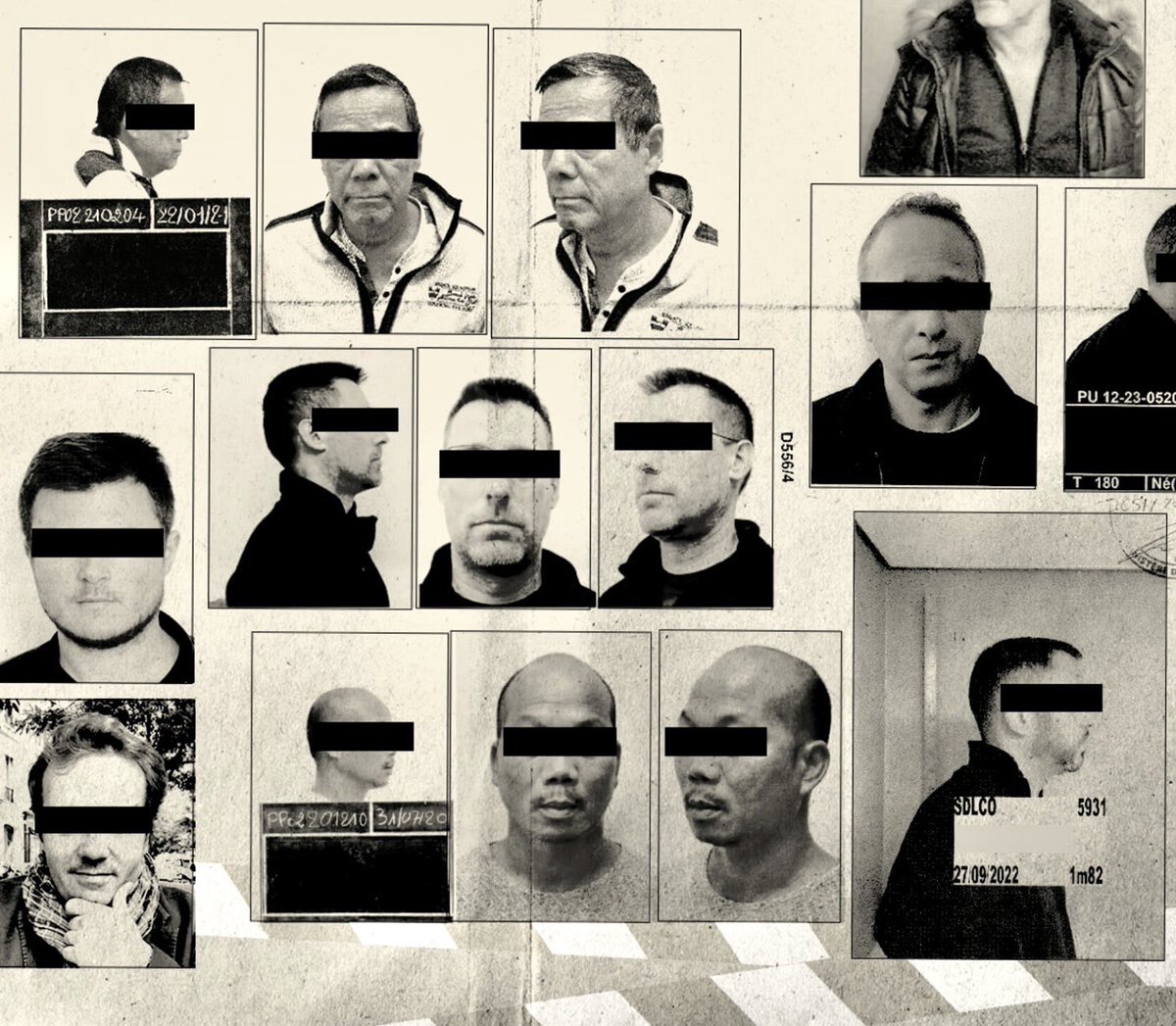
A masonic lodge in Paris ran a murder-for-hire squad employing state intelligence operatives. They are currently on trial, most facing life in prison. I tell the unbelievable story of The Athanor Affair on the latest QAA ep.
20
311
5,083
613,925
F Bret retweeted

21 anys sense el genial escriptor català i universal, Jesús Moncada. La seva prosa mordaç retrata la psicologia humana i el seu paisatge, la Franja de Ponent. Amb ell podem dir que prou a les imposicions espanyolistes que viu el territori de parla catalana a l'Aragó.

4
87
213
4,565
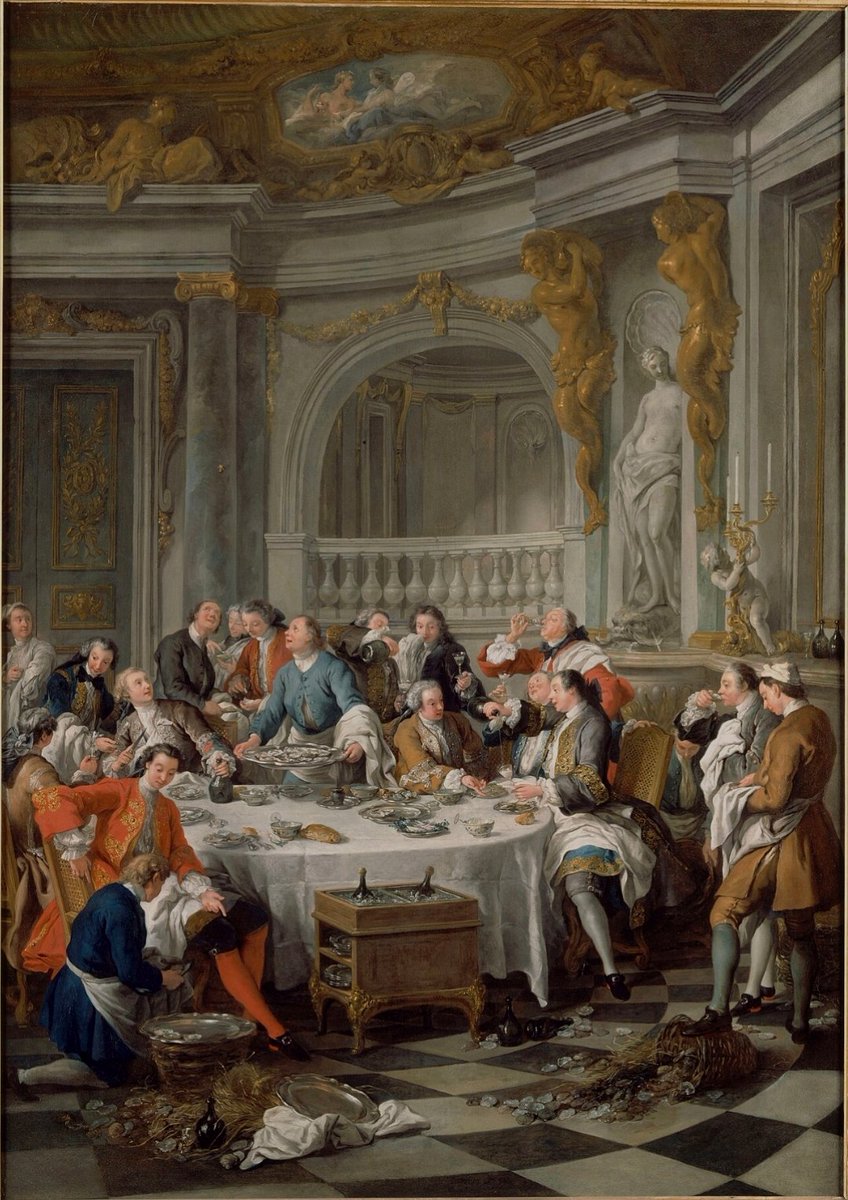
Le Déjeuner d’Huîtres: The first sparkling Champagne painting
worldoffinewine.com/homepage…
11
F Bret retweeted

Jun 13
Israel is blowing up entire villages in Lebanon, killing 200 to 300 civilians every 48-96 hours, calling it a ceasefire, with absolutely no consequences.
Israel is killing so many Lebanese so regularly that the world has lost interest. Just like has lost interest in Gaza.
307
4,966
6,723
118,994
Gérard Fourel
Visages du Barroso loeildelaphotographie.com/fr…
7
F Bret retweeted

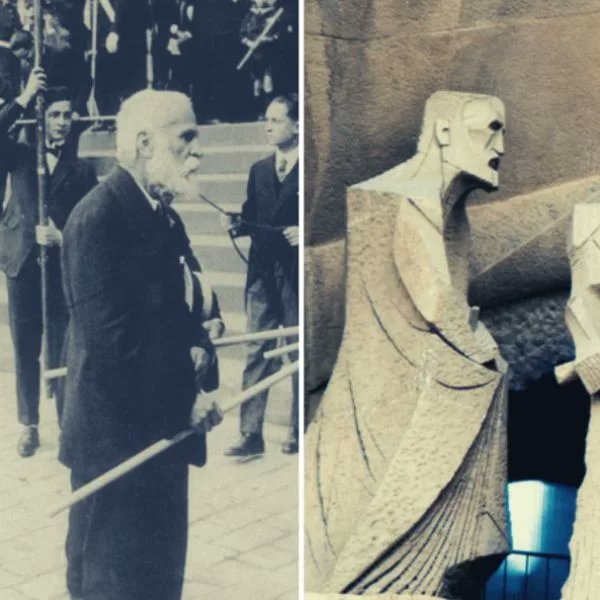
Subirachs hizo un homenaje a Gaudí añadiendo su retrato en la Fachada de la Pasión de la Sagrada Familia.
No se trata de ningún personaje en concreto, sino que más bien simboliza la humanidad siendo testimonio de los acontecimientos de la Pasión. Está situado en el centro de la Fachada, a la izquierda de la figura central que representa la Verónica.
Subirachs se sirvió de una de las pocas fotografías de Gaudí que se conservan, tomada sólo un par de años antes de su muerte, mientras participaba en una procesión del Corpus delante de la Catedral de Barcelona.
5
235
1,400
50,820
F Bret retweeted

20 Oct 2025
I've spent time in the wonderful Christian village of Taybeh on the West Bank, which was again attacked by Israeli Settlers this weekend. This was my report for @nybooks:
Disappearing Christians | William Dalrymple | The New York Review of Books share.google/pUYAPvG2zDRkmfB…
19 Oct 2025

BREAKING: Israeli settler terrorists are attacking the Christian village of Taybeh in the occupied West Bank, blocking its entrance and preventing residents from entering or leaving the town.
26
893
1,530
110,551
'Terror Was Needed to Make Arabs Leave': What the Israeli Army Did in 1948, Revealed
Thousands of newly discovered documents now make it possible to tell the true story of Israel's expulsion of Palestinians in 1948 haaretz.com/israel-news/isra…
12
F Bret retweeted

Jun 12
During Franco's regime in Spain, Luis García Berlanga's "The Executioner" (1963) ran in to censorship trouble in the script stages & also during its release.
The Spanish ambassador for Italy, Sanchez Bella, whom Ricardo Muñoz Suay [Assistant director of the movie] knew from his student days when they had been in opposing political camps, insisted on seeing the film before its official screening. When he saw it he was furious; he ranted that it was unpatriotic and anti-Spanish and he accused Berlanga of having been the unwitting dupe of the Spanish Communist party.
Venice, that year was seething with left-wing and Anarchist groups demonstrating against capital punishment and against Franco. In Italy, Franco was nicknamed “The Executioner” (the film later opened under the title 'La ballata del boia'—'The Executioner’s Ballad'). In Venice, Spanish officials had already been briefed on the case and knew that the Spanish ambassador did not want the film shown. It seemed to the government that the picture was related to the execution of two Spanish Anarchists on August 17, 1963, only a few weeks earlier, although in fact 'The Executioner' had been shot long before that execution. Muñoz Suay had thought of distributing a poster in Venice reproducing Goya’s famous capricho showing a man being garroted, but he was forbidden to do so.
Notwithstanding the official Spanish pressures, 'The Executioner' was screened in Venice. There were some disturbances organized by Anarchist groups, and an effigy was paraded through the streets. The outcome was that the ambassador wrote a long letter to the Spanish Minister of Foreign Affair Fernando Castiella, with a copy to Franco, denouncing Muñoz Suay as "the communist instigator of the film" and Berlanga as having been hoodwinked by the “reds.” The letter also attacked the Minister of Information and Tourism, Fraga Iribarne, and his Director General of Cinematography, Garcia Escudero, accusing them of excessively liberalizing Spanish cinema.
Sanchez Bella wrote, “This film seems to me to be one of the greatest libels ever perpetrated against Spain, an incredible political tract, not against the regime but against all of Spanish society.” Sanchez Bella, it turned out, was after Fraga’s ministerial job, and ultimately he was to succeed in his purpose, initiating the most sinister period in the late Franco era. In a Council of Ministers meeting in Madrid, Franco was to comment, “I well know that Berlanga is not a Communist. He is something far worse: a bad Spaniard.”
After instructions from the censors to cut or alter five of its scenes had been followed, 'The Executioner' was finally released in February 1964. But it was given only a short run in Madrid. Many years later, the exhibitor, Garcia Ramos, commented that official pressures forced him to pull the film out of his theater after only two weeks.
The troubles that 'The Executioner' had run into so discouraged and infuriated Berlanga that he withdrew from direction. His next film was not made until four years later in Argentina.
("Behind the Spanish Lens: Spanish Cinema under Fascism and Democracy", Peter Besas, 1985)
P.S: Remembering the legendary Spanish filmmaker Luis García Berlanga on his 105th birthday!
5
61
215
22,489
F Bret retweeted

Jun 11
Algunas fotos de @EmilioMorenatti del acto del Papa ayer en la #SagradaFamilia. Maravilla.
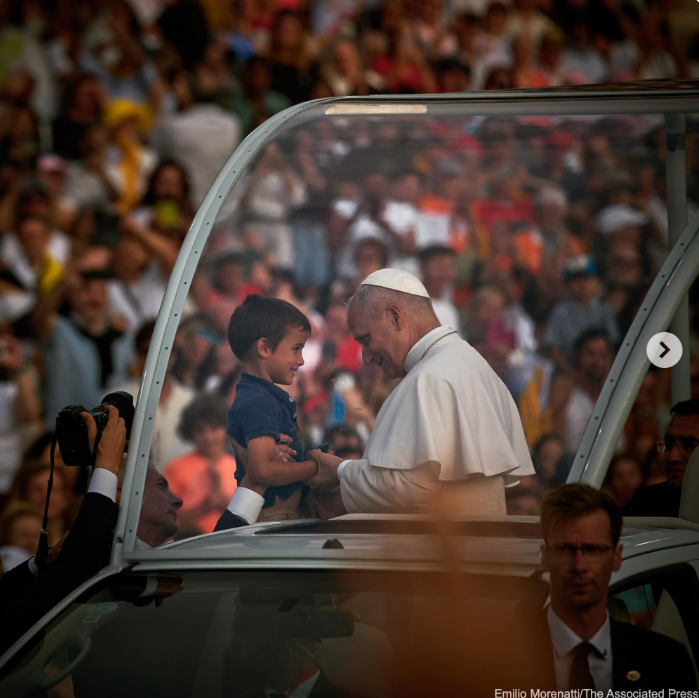
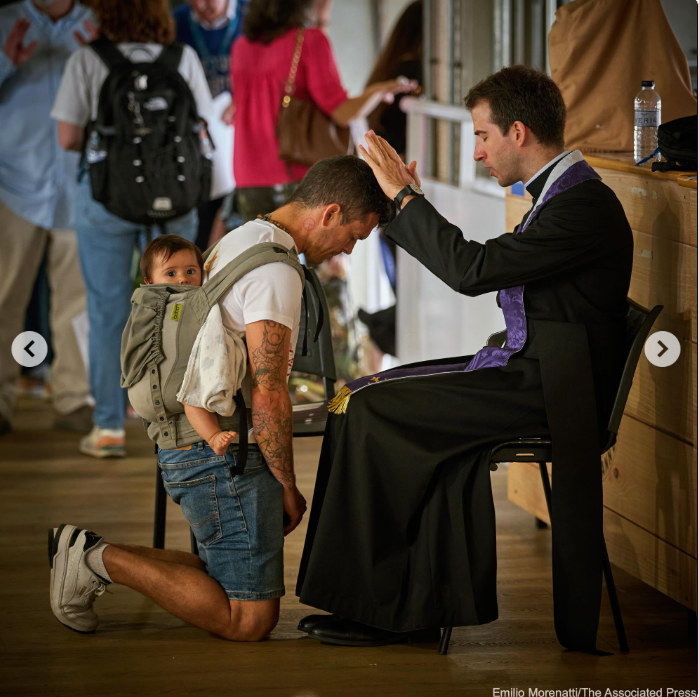
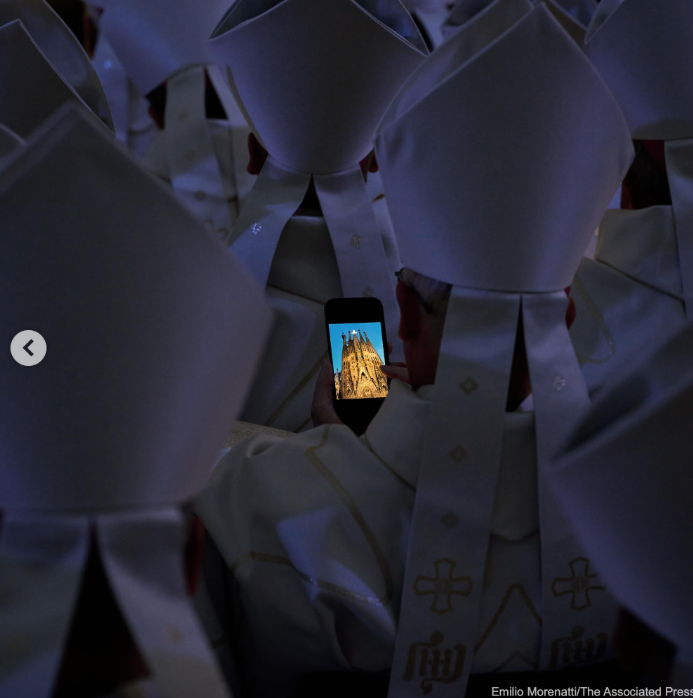
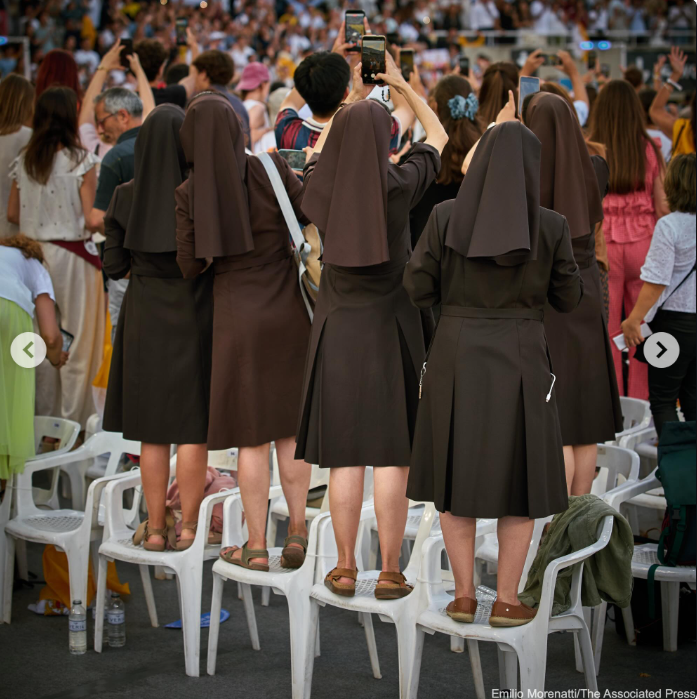
14
223
1,265
46,365
F Bret retweeted

Jun 11
Israeli lawyer Ben Marmarelli says Palestinian prisoners he represents beg him not to visit because they're raped each time he is due to meet them.
This is a scene from Al Jazeera's shocking new documentary on Israel's systematic use of rape.
615
27,675
68,431
1,585,458