
Creo juegos de mesa en mi editorial @Navespacial1. Política internacional aquí y en Fabber Futuro youtube.com/@elfabber Oceans rise, empires fall.
Joined August 2007
- Tweets 56,325
- Following 999
- Followers 5,059
- Likes 26,233
3,470 Photos and videos








Pinned Tweet

8 Oct 2020
Guerra en el Pacífico fue mi bautizo como autor de juegos de mesa y hasta ahora me sigue dando muchas alegrías. Se vende en Chile con DEVIR, en Perú con mi pequeña editorial NAVESPACIAL ¡y tiene una expansión en una ucronía zombie! Lanzo un hilo para contar algo más. 1/x
3
24
95

🚀🌏︎ Andrés Paredes retweeted

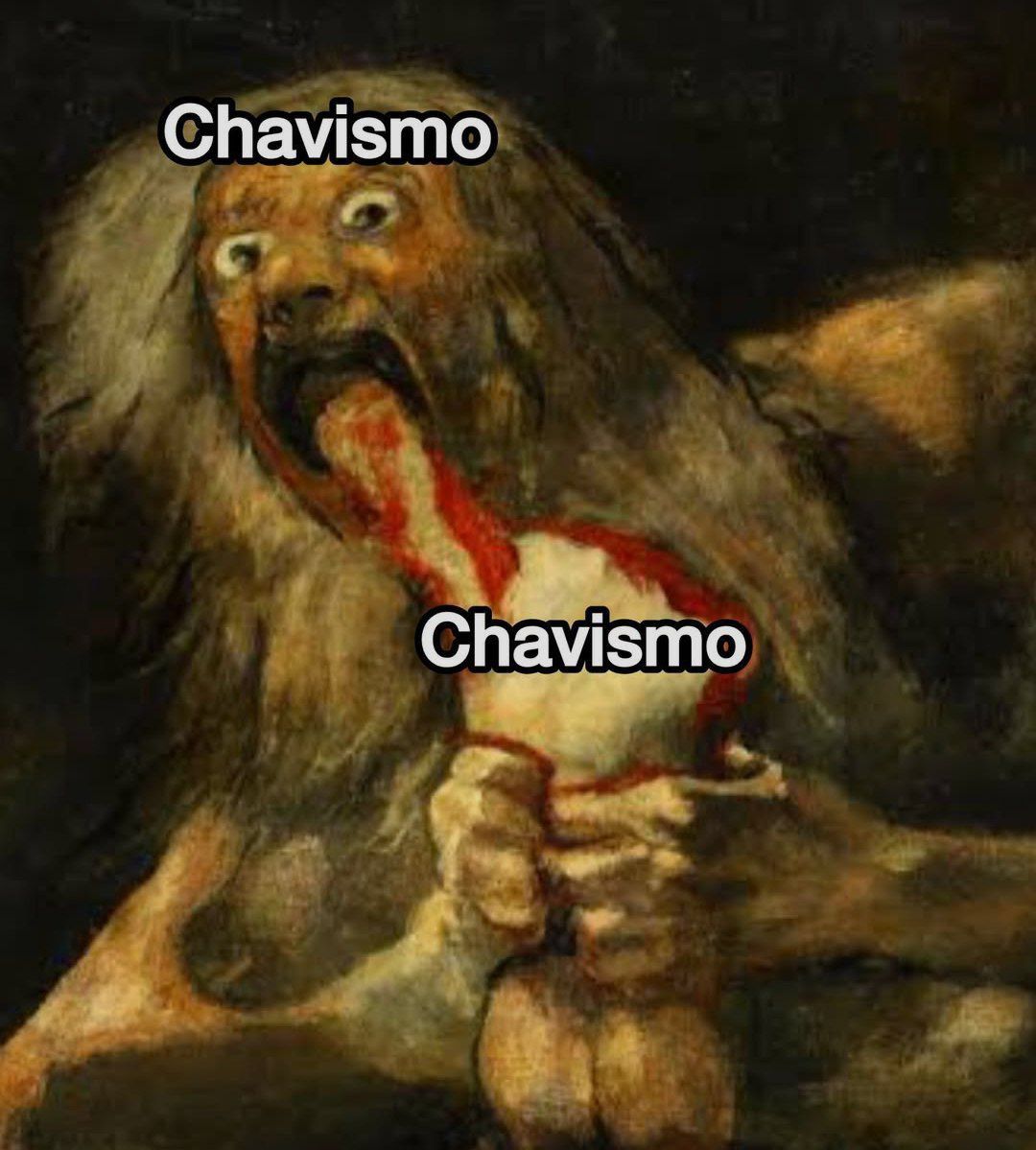
2026: Atacan las minas que armaron. Discuten sus deudas. Entregan a Saab. Botan a otro Saab llamado Tarek. También enjuician a Tareck. Pasan La Hojilla por una guillotina. Reforman la ley de hidrocarburos. Le lloran al FMI. Detienen a Gorrin. Borran a Maduro y Flores...
34
808
1,978
24,470
🚀🌏︎ Andrés Paredes retweeted

17h
La realidad compartida murió. La idea de tener una monocultura y que tengamos las mismas referencias se ha perdido. Cada uno tiene diferentes algoritmos y diferentes apps. Nuestra nueva realidad esta dentro de dispositivos. Somos testigos digitales de eventos que no suceden.
1
1
145
Cierto sector sigue descargando su ira contra Nieto, los peruanos que migraron,Cross y Chubakueno o a varios politólogos.
Esos mismos evitan tocar los reales motivos por los que mucha gente no votó por JP: Antauro, Movadef o la negación del golpe de Castillo.
30
70
319
8,632
Quitas esos 3 factores y Sánchez arrasaba con 60% o 70%. Conozco muchísima gente disuadida de arranque por eso. Pero o no la ven o no quieren que se vea.
7
1
27
771
🚀🌏︎ Andrés Paredes retweeted

Jun 13
Toda América latina apoyando a Paraguay
Paraguay:
816
42,729
371,590
4,302,323
🚀🌏︎ Andrés Paredes retweeted

Elon reportedly became a trillionaire today. Come on, Congress, it's past time to have an honest debate about Capitated Capitalism.
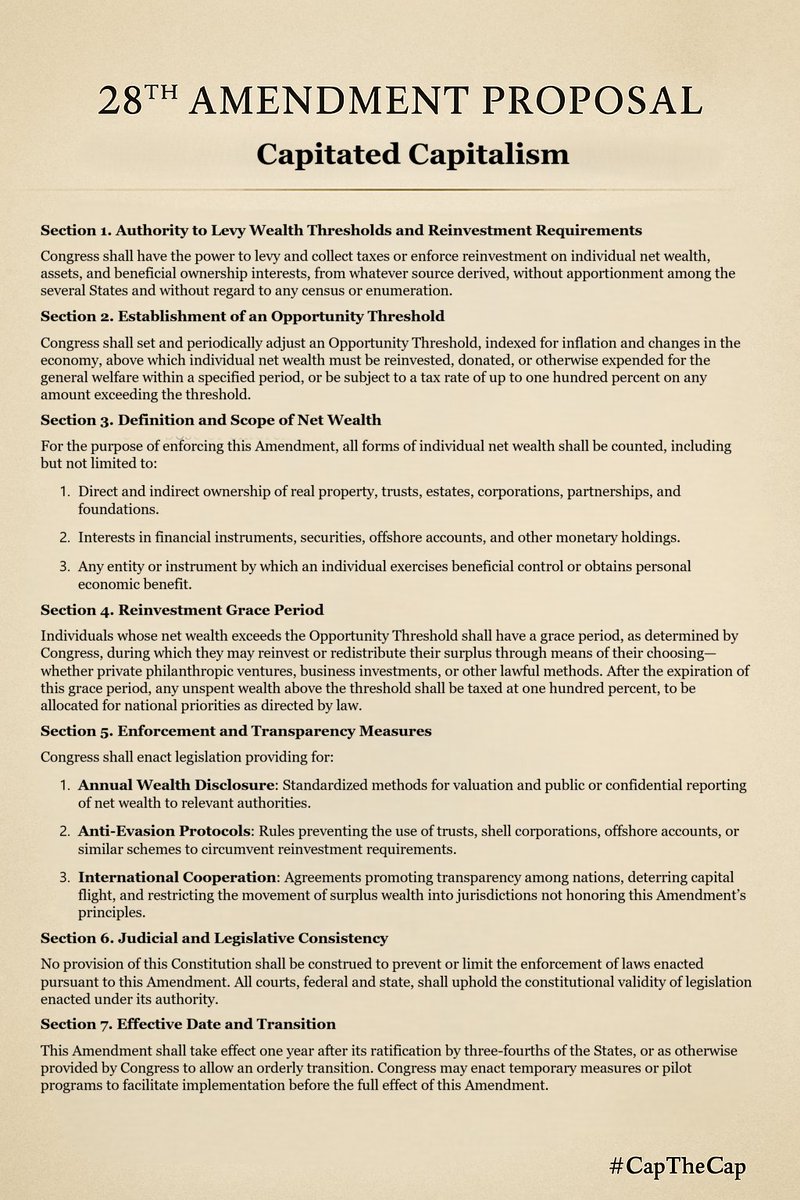

x.com/i/grok/share/40b89c6ce…
Dear Congress,
Due to character limits, click on the link above for full response. Per Grok:
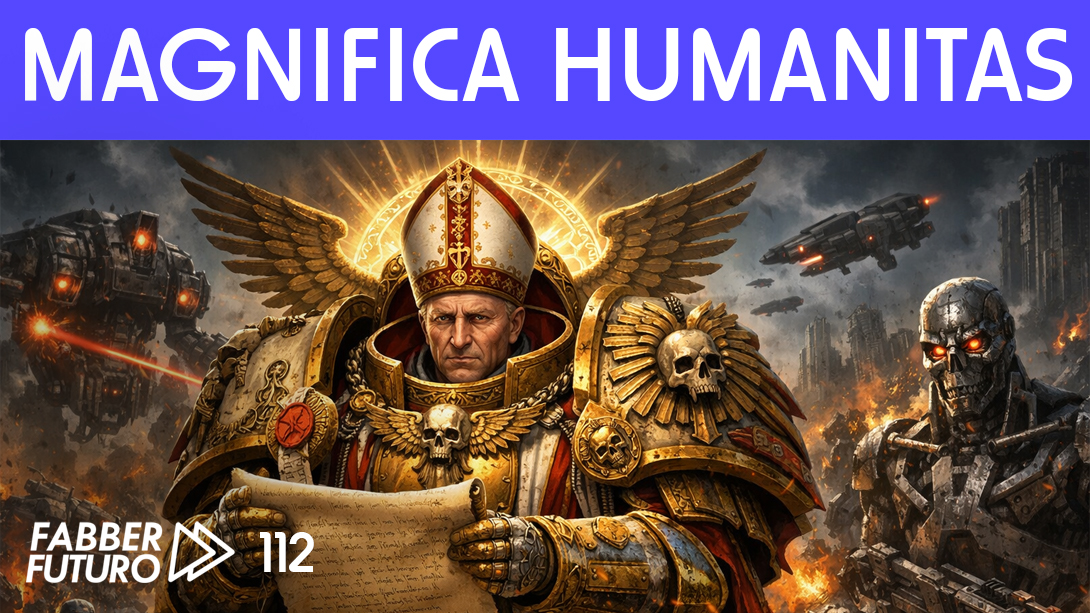
"Options in Relation to Magnifica Humanitas
A) Capitated Capitalism ("Cap The Cap")
This aligns most closely. It preserves private property and market mechanisms (subsidiarity and individual initiative) while mandating that excess capital above a high threshold ($1B) be productively allocated by owners or face a 100% Greed Tax redirected to the national debt (universal destination of goods and common good). This directly counters concentration of economic power without state seizure or central planning. It promotes circulation of resources for broader opportunity, job creation, innovation, and debt relief—serving integral human development and the preferential option for the vulnerable. The owner-directed allocation respects subsidiarity (decisions at the lowest effective level) while enforcing solidarity when hoarding threatens the social fabric.
B) Traditional Wealth Tax
This has partial alignment but is weaker. It invokes the universal destination of goods by redistributing concentrated wealth via state mechanisms. However, it risks violating subsidiarity through greater government intervention and potential inefficiencies or disincentives that could harm work, innovation, and responsibility...
C) Status Quo
This is least aligned. Unchecked accumulation and concentration of economic/technological power in few hands directly contradicts the encyclical's warnings about private actors wielding de facto dominance...
Most aligned: Capitated Capitalism. It best operationalizes the principles by keeping allocation private and market-oriented...while enforcing circulation for the common good and universal destination of goods, especially relevant to AI-era power concentration in tech/finance elites.
Moral Implications of Each Option...
Capitated Capitalism: Morally strong. It affirms stewardship ("to whom much is given, much is required") by requiring excess capital to serve productive ends benefiting society (jobs, education, innovation). This promotes justice without abolishing incentives or responsibility...
Traditional Wealth Tax: Mixed moral implications. It enacts solidarity and preferential option for the poor through redistribution but can undermine personal responsibility, subsidiarity... and the incentive to create wealth...
Status Quo: Morally deficient in the encyclical's framework. Tolerating unchecked concentration allows a few to dominate resources meant for all...
Did Magnifica Humanitas Address Concerns of Concentrated Power, Including Economic Power? Did It Call on the Duty of Politics/Politicians?
Yes, explicitly and repeatedly. It denounces concentration of technological and economic power in private transnational actors surpassing many governments, creating dominance, opacity, and inequalities...
...The political community must protect the common good, intervene when needed... Public authorities have a duty to create conditions for participation, accountability, and solidarity—explicitly in governance of AI, data, and economic flows.
For Policymakers: AI Alignment Rooted in Human Alignment? Which Economic Option Best Aligns AI Controllers to the Common Good?
Yes—the encyclical frames AI risks as stemming from human choices, values, and power structures... The "root problem" is human alignment...
Capitated Capitalism best aligns them...
Summary Recommendation:
For policymakers guided by Magnifica Humanitas, advance Capitated Capitalism (with debate and modeling) as the option most coherently embodying Catholic social principles in the AI age. It safeguards magnificent humanity by aligning economic and technological power with dignity and the common good, rather than permitting new forms of domination."
@Pontifex
@VaticanNews
@HouseGOP
@SenateGOP
@HouseDemocrats
@SenateDems
@VP
@POTUS
@TheDemocrats
@GOP
@LeaderJohnThune
@SenSchumer
@SpeakerJohnson
@RepJeffries
2
1
1
162
🚀🌏︎ Andrés Paredes retweeted

Jun 13
#URGENTE | EEUU eliminó al Niño Guerrero, jefe de la banda terrorista Tren de Aragua, quien se refugiaba en Venezuela en el estado Bolívar.
La operación fue anunciada por Trump y fue llevada a cabo en coordinación con el régimen de Delcy Rodríguez.
348
2,874
10,986
390,587
Jun 12
Ayer comenzó el primer Mundial en que el país anfitrión está en guerra activa con un país participante. No es el primer Mundial bélico pero sí el más preocupante. Lo vemos en minutos en #FabberFuturo
youtube.com/live/EbdIywNqH1A…

1
1
6
345
🚀🌏︎ Andrés Paredes retweeted

Jun 11
En los últimos años la calidad de de los candidatos en Latinoamérica hicieron que en lugar de elecciones haya un proceso de descarte
Es como elegir entre una paliza o una venérea
Eso explica en parte la decadencia y el desinterés creciente de los ciudadanos por la política
93
428
1,698
31,459
🚀🌏︎ Andrés Paredes retweeted

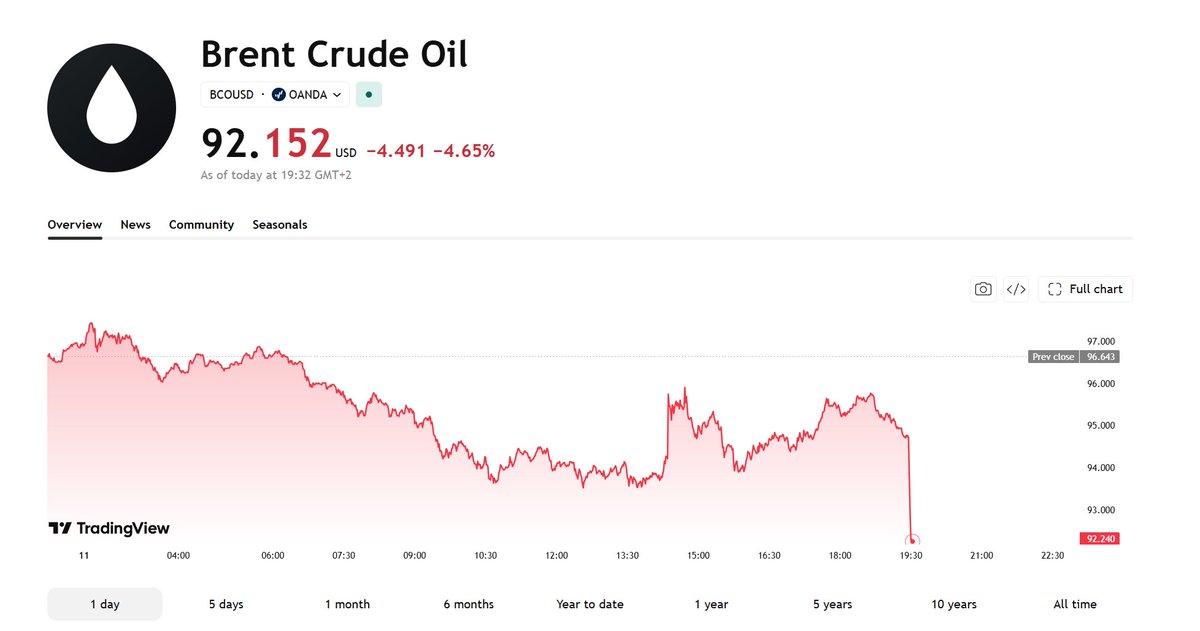
Thanks for playing.
Jun 11

*TRUMP CANCELS PLANNED STRIKES AGAINST IRAN TONIGHT
28
106
1,044
115,963
Jun 11
RT @sandraborda: Muchas gracias por su respuesta Presidente. Guardaré este tuit, con todo y sus errores gramaticales en la base de datos qu…
825
🚀🌏︎ Andrés Paredes retweeted

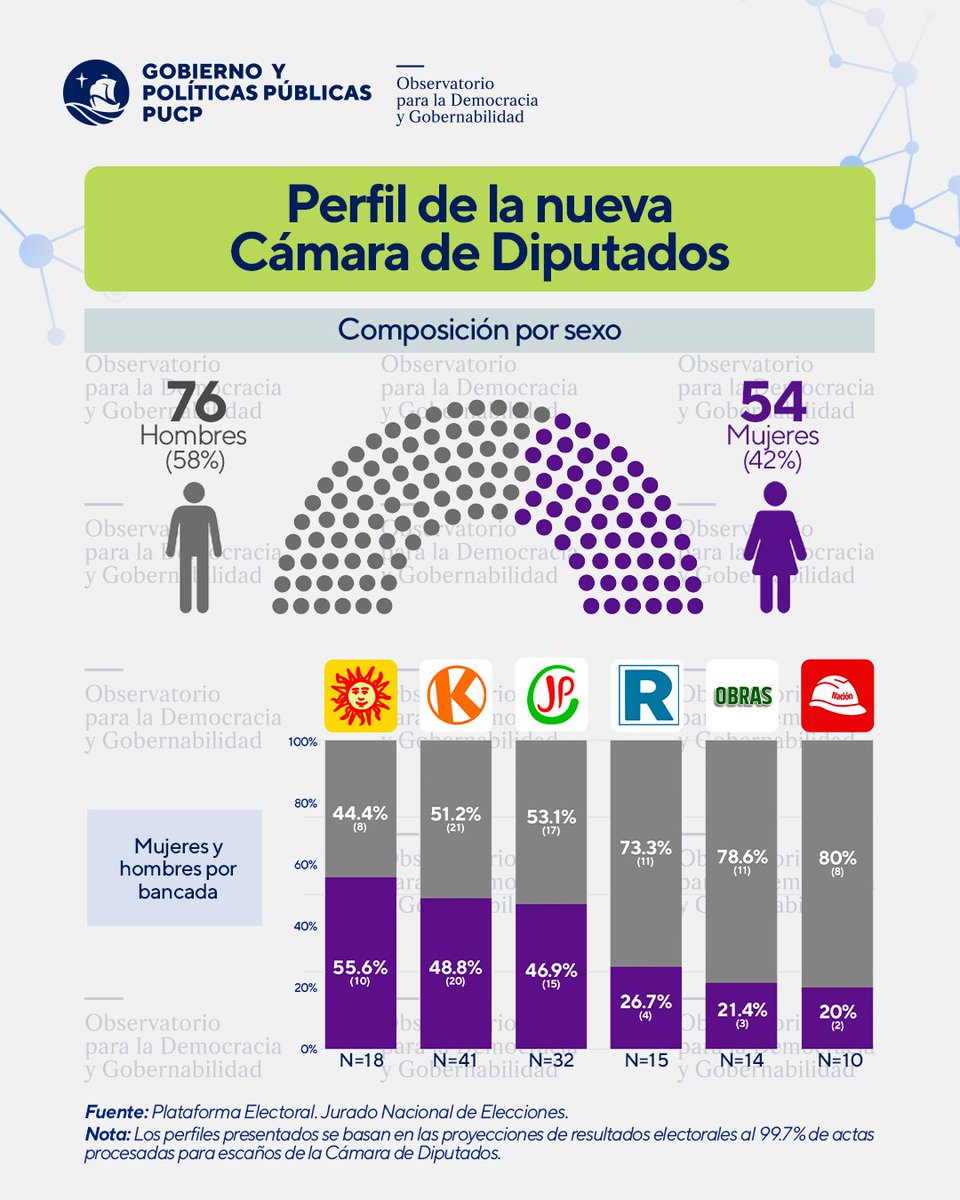
🔎 En el marco de las Elecciones Generales 2026, el Área de Investigación e Incidencia presenta el perfil de los diputados electos:
🏛️ El 42% de la nueva Cámara de Diputados son mujeres (54 de 130), una proporción mayor que en el Senado (27%).
4
74
227
33,708
🚀🌏︎ Andrés Paredes retweeted

Jun 11
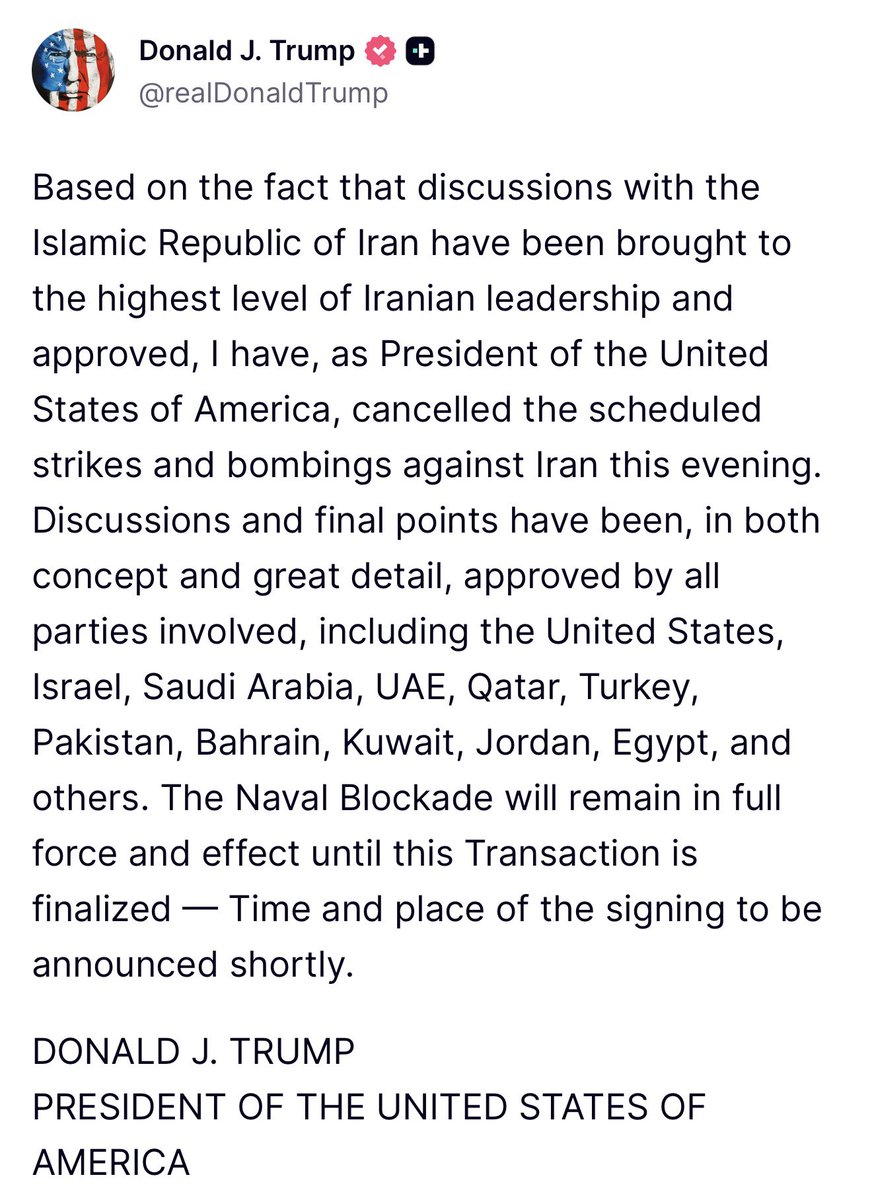
After stating earlier today in post on TruthSocial that the United States would be hitting Iran “VERY HARD TONIGHT” and taking Kharg Island soon, President Donald J. Trump has now announced that strikes will no longer take place, stating: “Based on the fact that discussions with the Islamic Republic of Iran have been brought to the highest level of Iranian leadership and approved, I have, as President of the United States of America, cancelled the scheduled strikes and bombings against Iran this evening.”
President Trump adds that, “Discussions and final points have been, in both concept and great detail, approved by all parties involved, including the United States, Israel, Saudi Arabia, UAE, Qatar, Turkey, Pakistan, Bahrain, Kuwait, Jordan, Egypt, and others.” Though he states that the current naval blockade against Iran, “will remain in full force and effect until this Transaction is finalized,” with a time and place of the signing to be announced shortly by the United States.
184
88
710
518,279
Jun 11
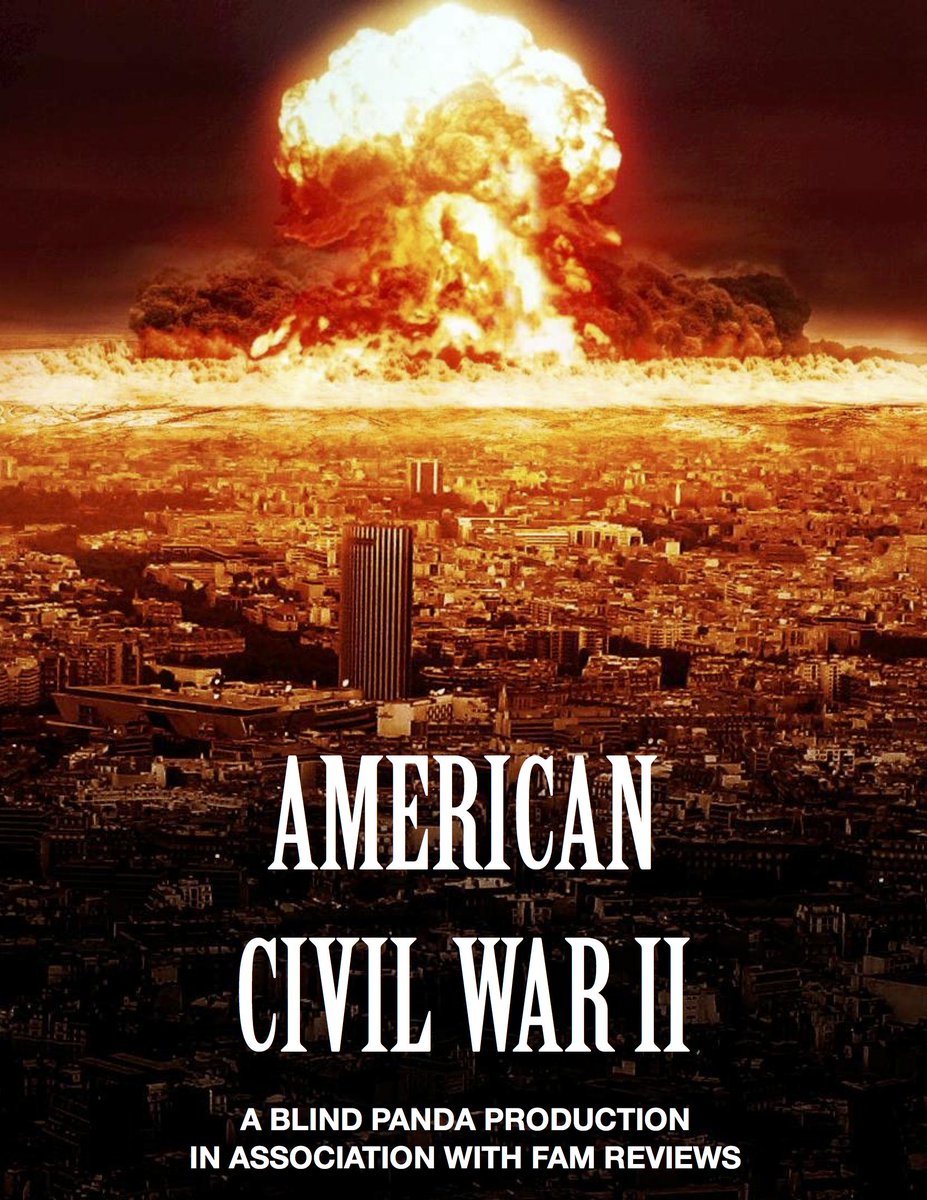
Sí, Perú es un país dividido.
Pero la primera potencia mundial no está más estable.

If America had a presidential election as close as Peru in this current environment ⬇️
2
1
12
547
🚀🌏︎ Andrés Paredes retweeted

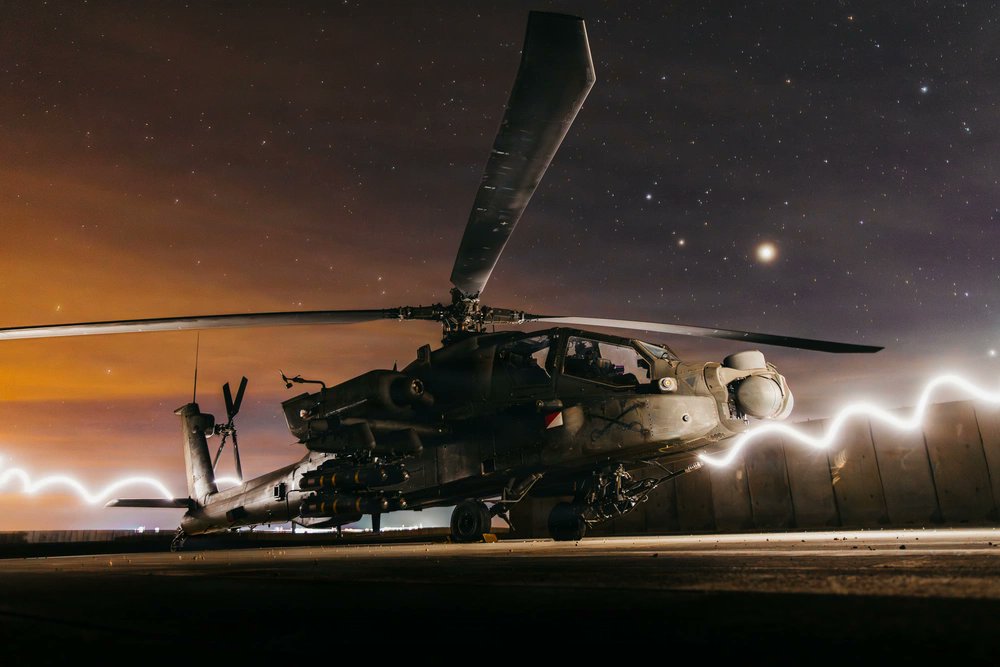
1/20 Un helicóptero de ataque Apache de EE.UU. fue derribado por Irán en el golfo de Omán. Sus dos pilotos cayeron al agua en una zona de combate activa. Los rescató un barco sin tripulación en la primera misión SAR autónoma de la historia. ¡Tira del hilo!🧵👇
7
51
224
18,509
Jun 11
Esto no se lo hicieron a los fraudistas de Porky. Ese alcalde debe recibir una denuncia.
Jun 11

Entre barro, agua y abuso municipal. Así se veía el parque Bausate, frente al JNE, donde un grupo de ciudadanos simpatizantes de Juntos por el Perú hace una vigilia por sus votos. Todo el parque quedó embarrado y mojado en donde duermen.
Esto tras abusivo acto de la Municipalidad de Jesús María de mojarlos y a sus carpas.
1
10
22
660
🚀🌏︎ Andrés Paredes retweeted

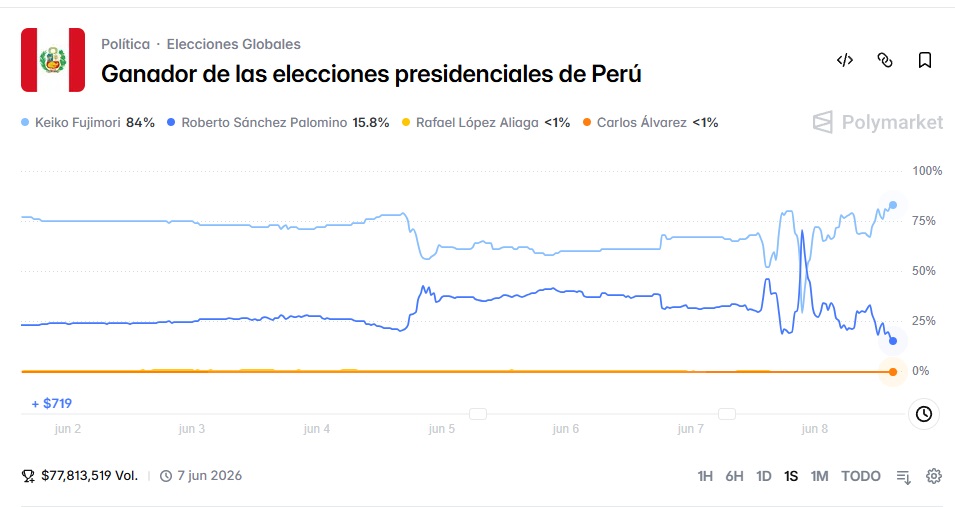
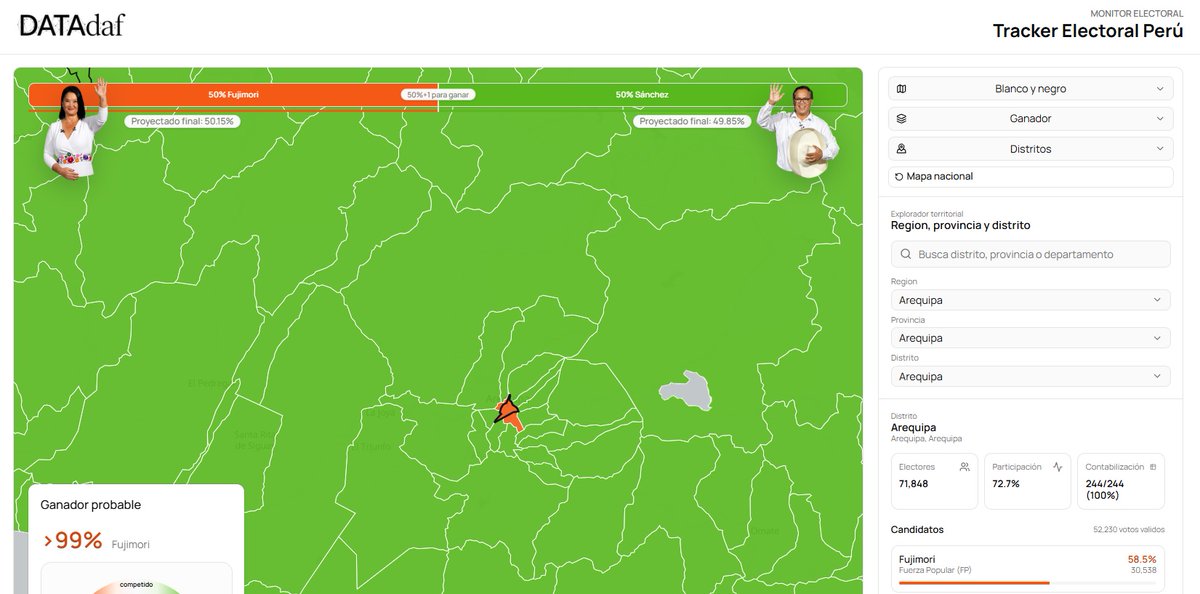
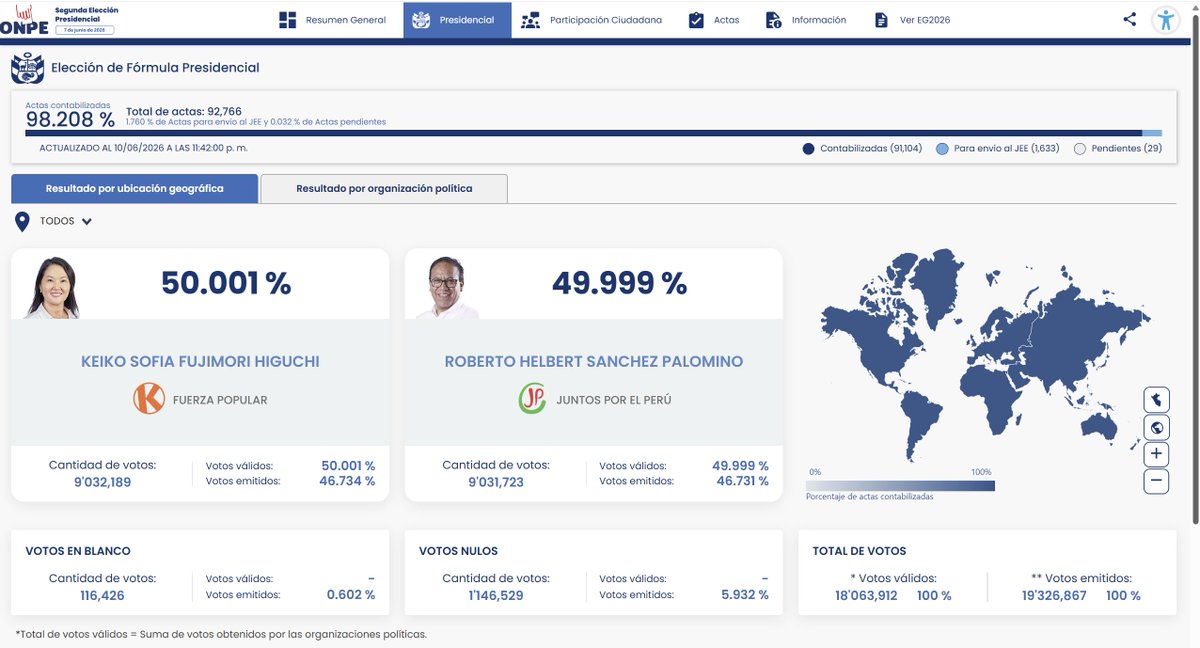
Se produjo el rebase de K a S; K-S >0 se va a ampliar.
Toca q la coalición de JP-AN-O-V dé un mensaje al país, cual corresponde en democracia:
1. aceptar la derrota electoral,
2. llamar a seguidores a aceptar resultados (no hay fraudismo de izq)
3. anunciar su rol de oposición.
15
33
195
13,755