
Researcher interested in the role wild animals in the Earth System and their contribution in mitigating climate change and financing conservation.
Joined April 2019
- Tweets 54
- Following 82
- Followers 37
- Likes 17
4 Photos and videos
Pinned Tweet

6 Feb 2024
From our latest @FunEcology paper, did you know that small mammals now make up the biggest portion of the remaining mammals' biomass on land with 98 million tons? We have now lost 60% of large and 30% of small herbivore mammals biomass. Find out more besjournals.onlinelibrary.wi…
1
4
11
2,411
1 Apr 2025
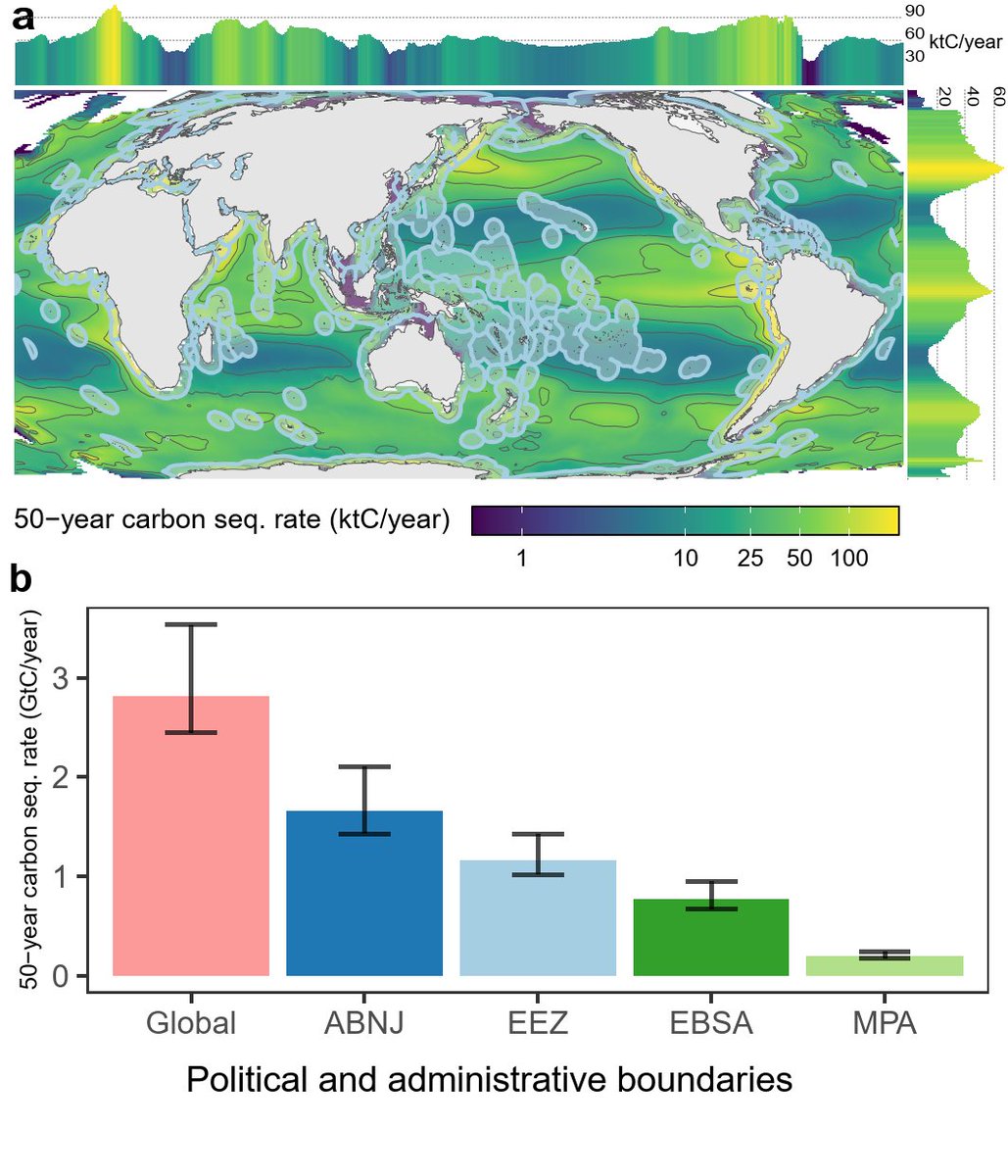
Our new study shows that the Biological Carbon Pump (plankton&fish) helps sequester nearly 3 Gt of carbon in the ocean each year where it remains stored for at least 50 years - This ecosystem service is worth $2 trillion USD. Link to article rdcu.be/efknr
ALT Spatial and geopolitical distribution of BCP carbon sequestration
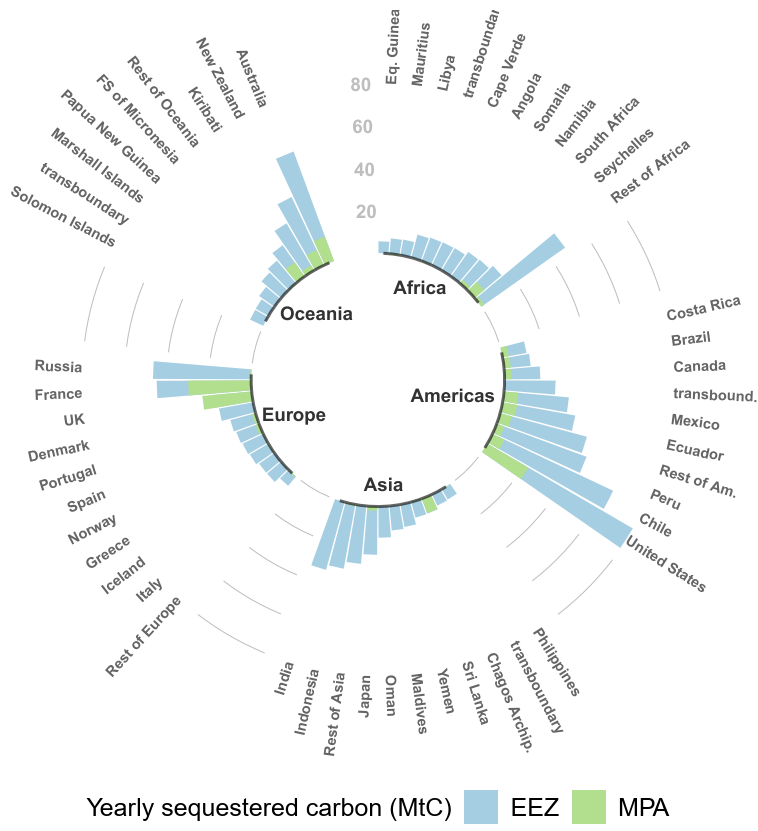
ALT 50-year carbon sequestration rate within countries’ EEZ and MPAs, grouped by continent
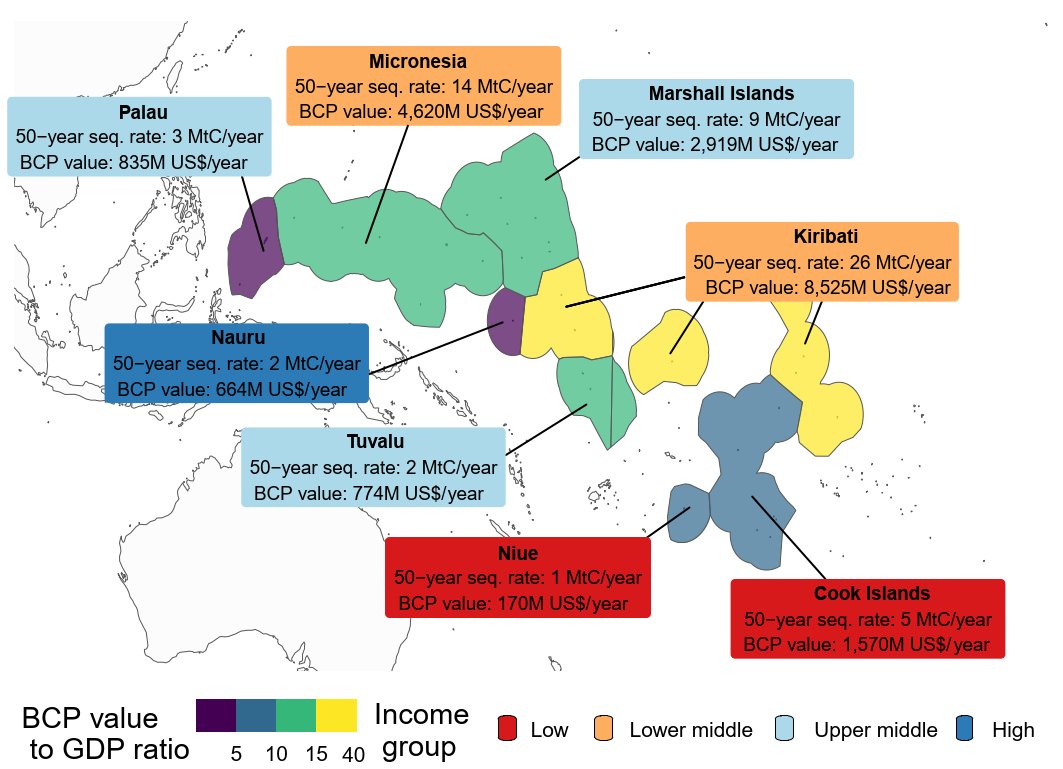
ALT BCP carbon service value in relation to GDP in Small Islands Developing States
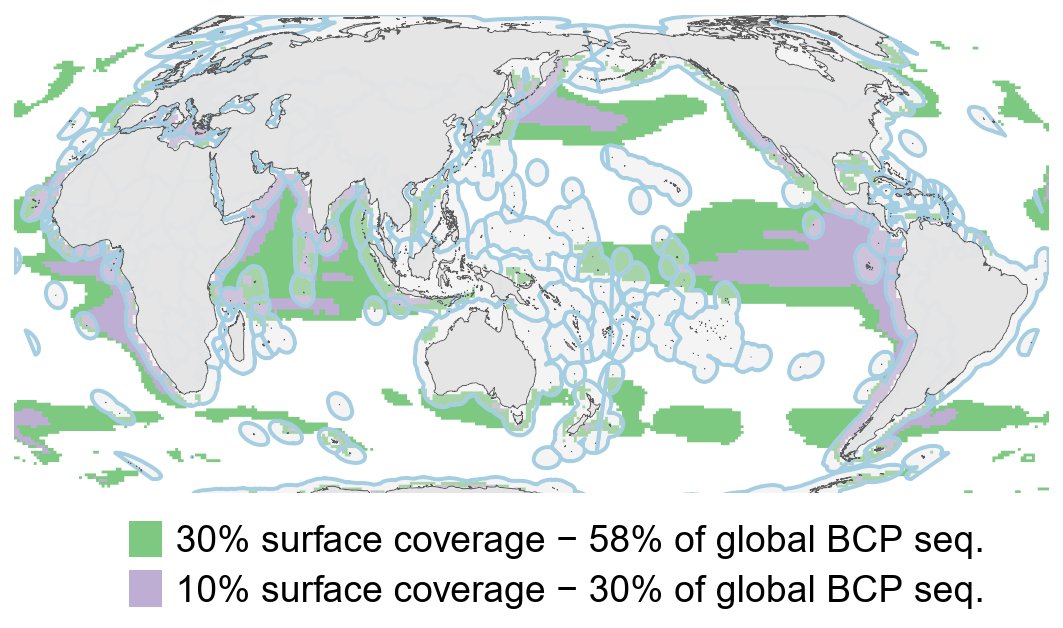
ALT BCP 50-year sequestration hotspots covering 10% and 30% of the ocean surface and relative global coverage
1
1
9
6 Feb 2024
From our latest @FunEcology paper, did you know that small mammals now make up the biggest portion of the remaining mammals' biomass on land with 98 million tons? We have now lost 60% of large and 30% of small herbivore mammals biomass. Find out more besjournals.onlinelibrary.wi…
1
4
11
2,411
6 Feb 2024
We show that natural ecosystems could have sustained a potential wild herbivore wet biomass of 330 Mt (95% CI: 245–417), comprised of 193 Mt (95% CI: 177–208) by large species (body mass >1–10 kg, depending on functional group) and 138 Mt (95% CI: 68–209) by small species.
1
1
99
6 Feb 2024
We also show that actual evapotranspiration is the most important driver of mammals biomass and explains between 49% and 64% its variation. Outside Africa and the Tropics, biomass hotspots before the industrial revolution were in areas today dominated by humans.
2
71
Fabio Berzaghi retweeted

28 Mar 2023
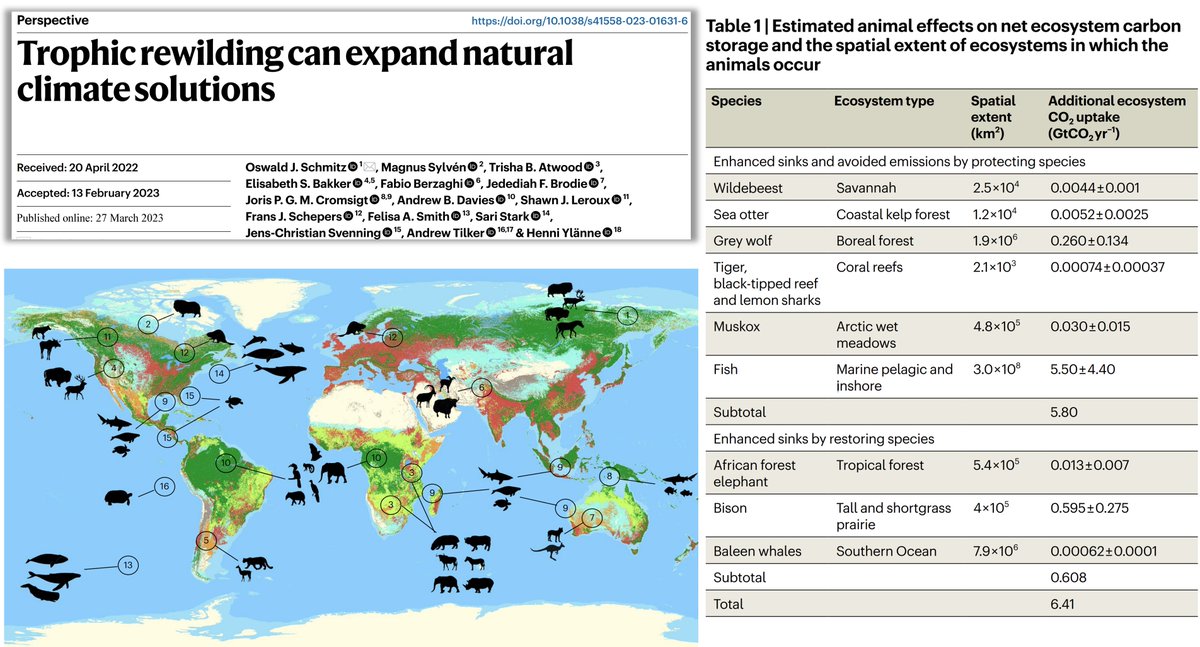
The key to our future? Nature itself! 🌱🌊 With #rewilding, we can help ecosystems heal (land and aquatic) and fight climate change at the same time. We need to act now - there's no time to lose! #climateaction 🌍
i.e.🐺🐴🐋🦬🐘🐟
See @SchmitzLab et al doi.org/10.1038/s41558-023-0…
11
33
2,089
2 Aug 2022
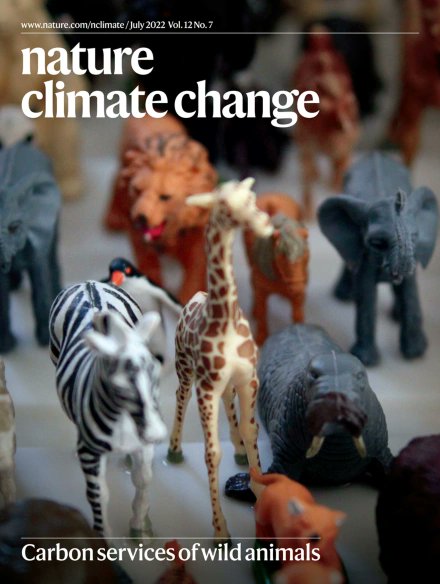
I randomly found out that our paper was featured on the cover of @NatureClimate July issue! nature.com/nclimate/volumes/…
5
Fabio Berzaghi retweeted

29 Jun 2022
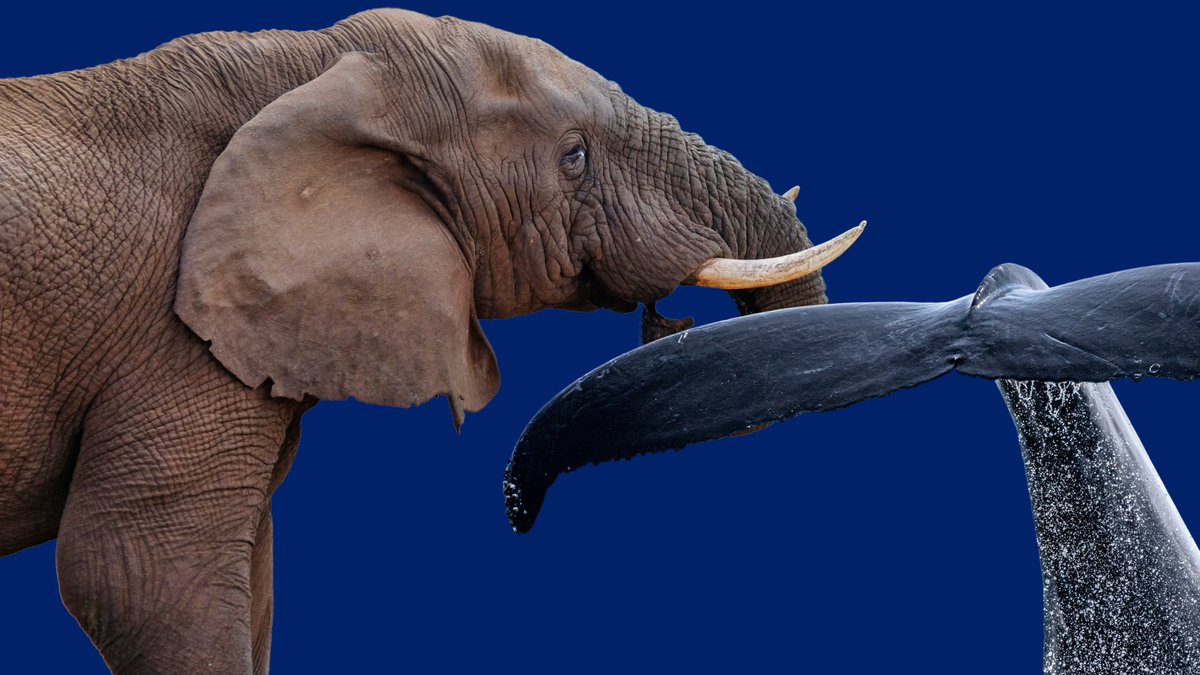
New research by @ConnelFullenk and an international team of researchers thinks they may have a solution to part of the climate crisis--and animals could help.
Read more about why they think their idea is a "win-win."
econ.duke.edu/news/how-eleph…
1
2
27 Jun 2022
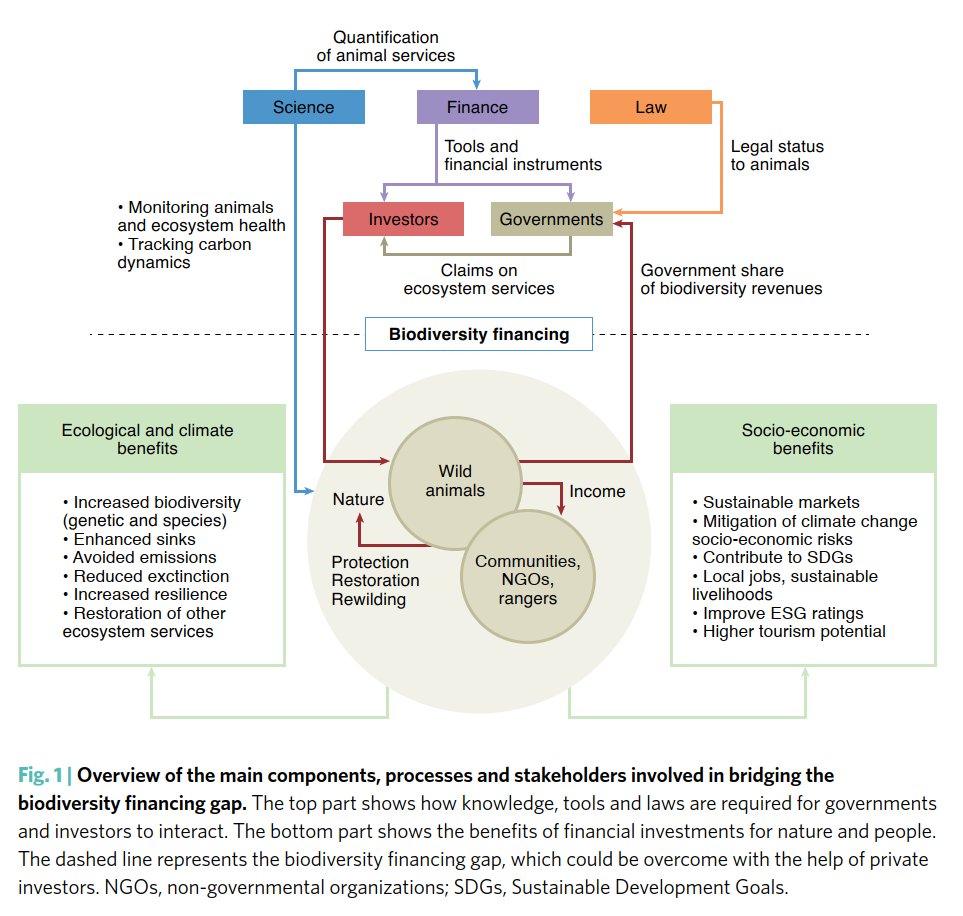
Our latest research on how wild animals' carbon service can help finance #biodiversity #conservation and #Rewilding has been published in @NatureClimate
. Read here: rdcu.be/cQuta. Just in time for #UNOceanConference2022
5
6
30 May 2022
Can we finance conservation by valuing carbon services produced by wild animals? Yes, in this @PNASNews paper we show how through the example of the African forest elephants. pnas.org/doi/10.1073/pnas.21…
PS: If you don't have access to the PDF please send me a request
2
2
2
Fabio Berzaghi retweeted
30 May 2022
Can we finance conservation by valuing carbon services produced by wild animals? Yes, in this @PNASNews paper we show how through the example of the African forest elephants. pnas.org/doi/10.1073/pnas.21…
PS: If you don't have access to the PDF please send me a request
2
2
2
6 Nov 2021
2
2
5
6 Oct 2020
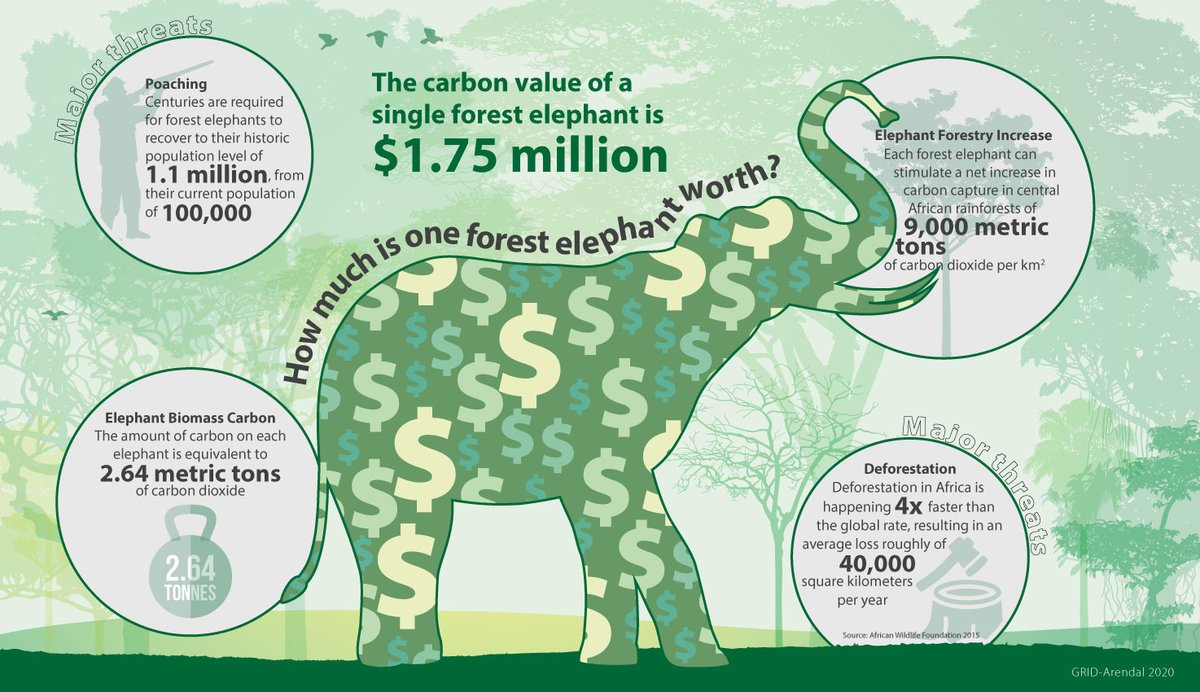
I'd have never thought we could make a connection between forest elephants and the IMF! And the IMF folks were really nice and so interested in finding solutions to preserve nature.

Did you know the African forest elephant provides over $150 billion in carbon-capture services? IMF’s Ralph Chami writes in a new F&D article that when we #SaveTheElephants, we save the planet from #climatechange. ow.ly/gxKH50By8oo
1

Did you know the African forest elephant provides over $150 billion in carbon-capture services? IMF’s Ralph Chami writes in a new F&D article that when we #SaveTheElephants, we save the planet from #climatechange. ow.ly/gxKH50By8oo
1
38
73
25 Feb 2020
Our opinion paper on the future of vegetation models has been published - how can we create vegetation models with flexible traits? sciencedirect.com/science/ar… @ianjwright1
1
1
1