
Creating a new accredited ML/AI & Data Science M.A. program at Vedian College. Ask me about AI/ML, economics, biology, physics, math, stats, health & nutrition.
Joined May 2009
- Tweets 860
- Following 3,390
- Followers 2,117
- Likes 4,181
36 Photos and videos




4 Apr 2025
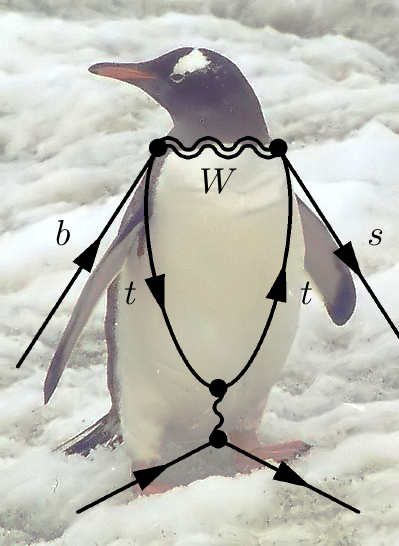
I need to raise awareness of my JPubE paper with @taka_adachi on welfare consequences of taxation including ad valorem taxes (like trade tariffs)
Economists cite my JPE 2013 pass-through paper w/ @glenweyl a lot, but don't know about the new more general paper
Open-access PDF⤵
2
2
15
2,338
4 Apr 2025
Title: Pass-through, welfare, and incidence under imperfect competition
Open access link (click PDF): sciencedirect.com/science/ar…
Nathaniel Hendren (@nhendren82) kindly contributed to the quality of the article as the journal editor. 🙏
3
692
3 Apr 2025
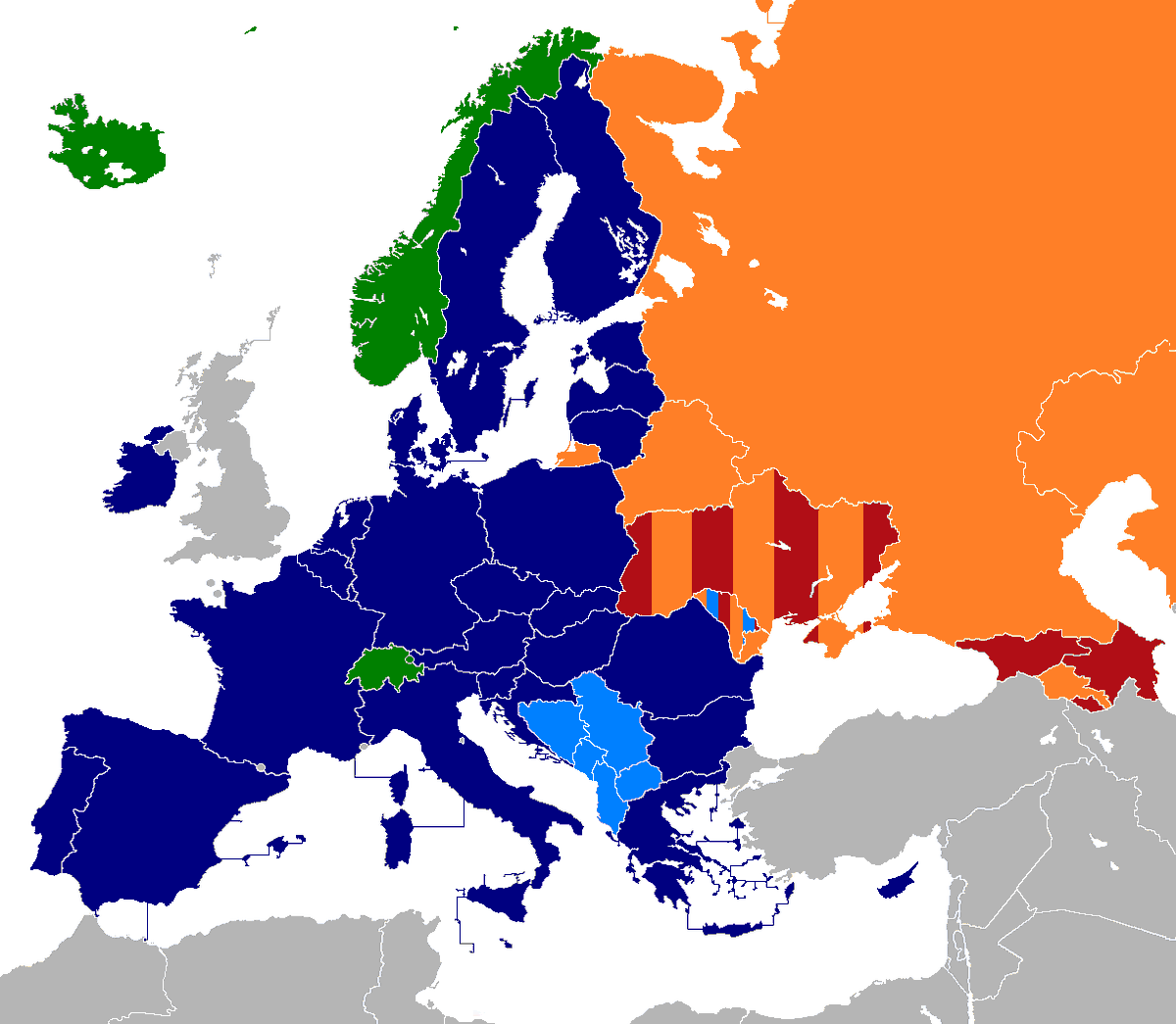
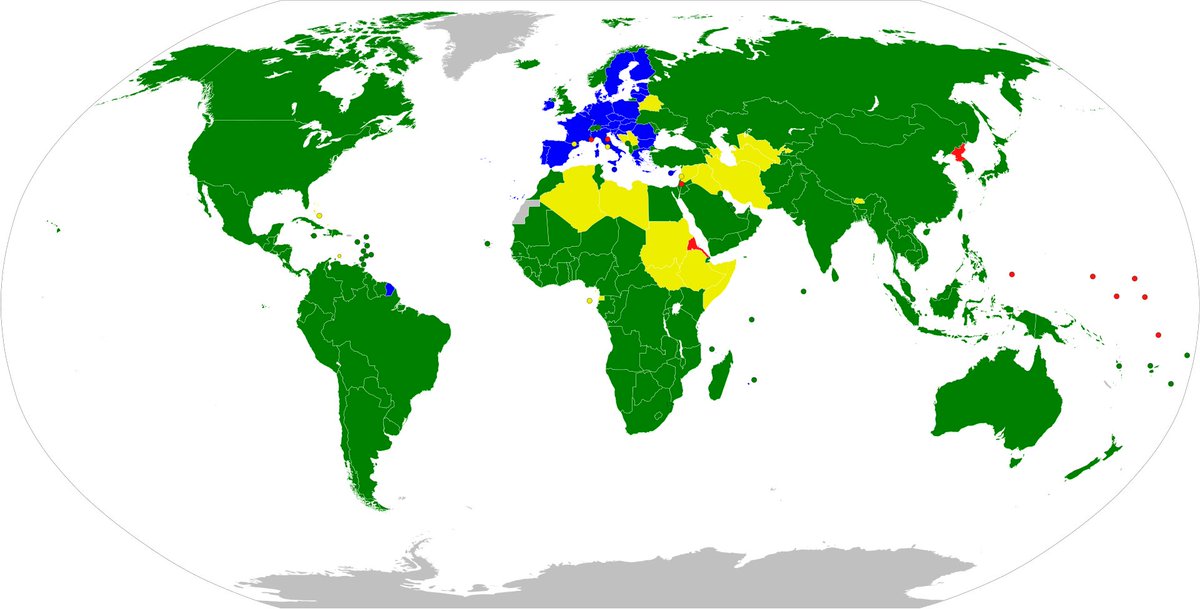
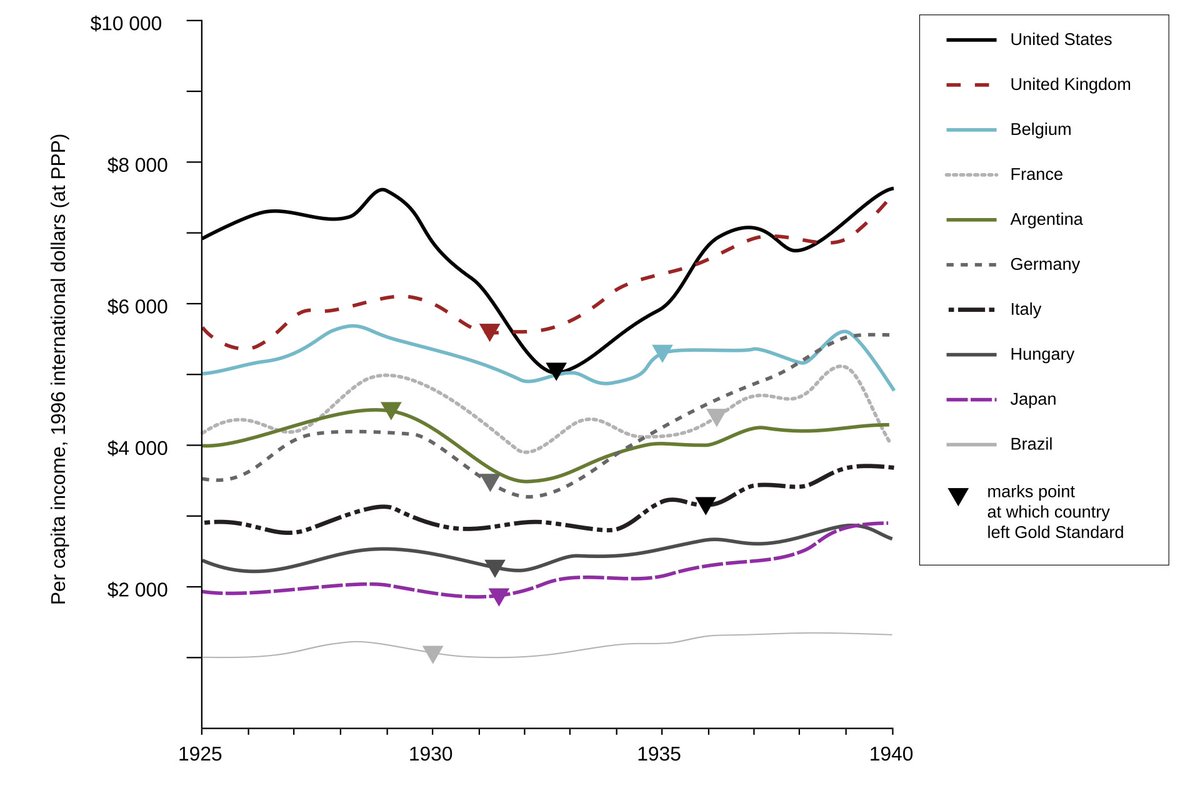
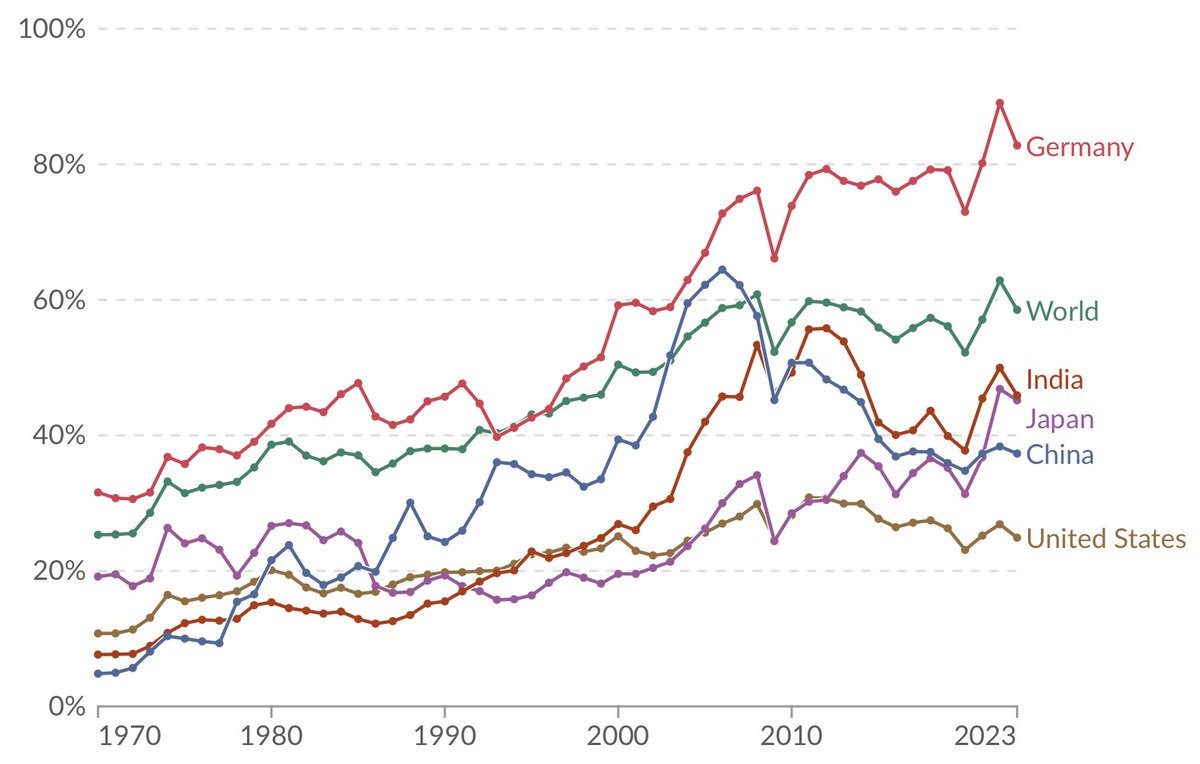
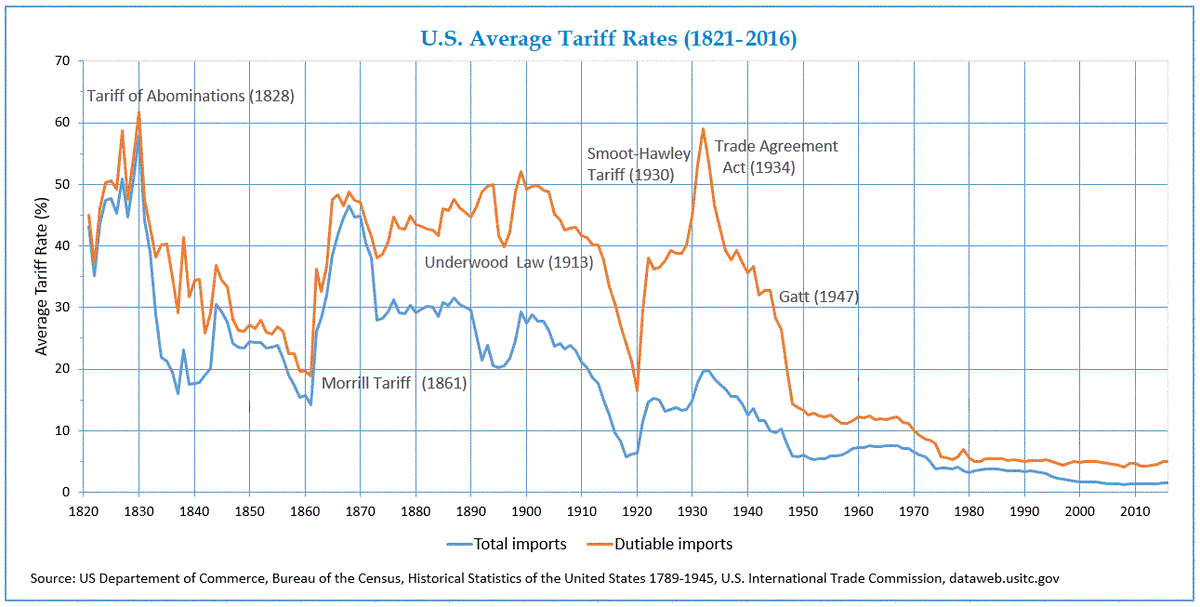
Tariffs, Trade Wars, and Globalization: A Quick Tour from 1900 to Today 📦🌎💸
I've seen someone say that in year 1900, tariffs on international trade were high, so it would be ok to return to that level.
Does this make sense? Let's take a quick look at the history of tariffs.
1
5
9
2,235
3 Apr 2025
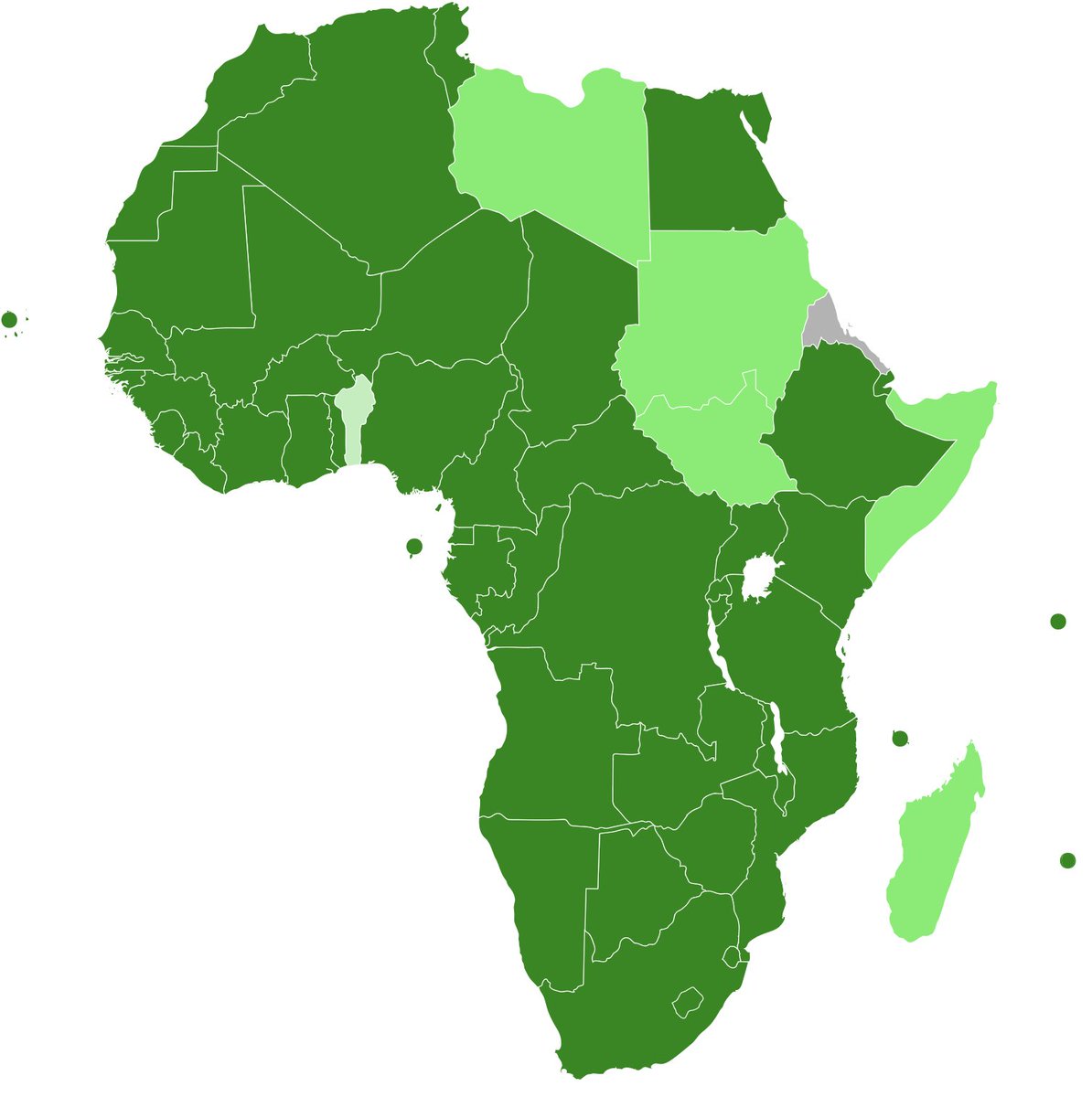
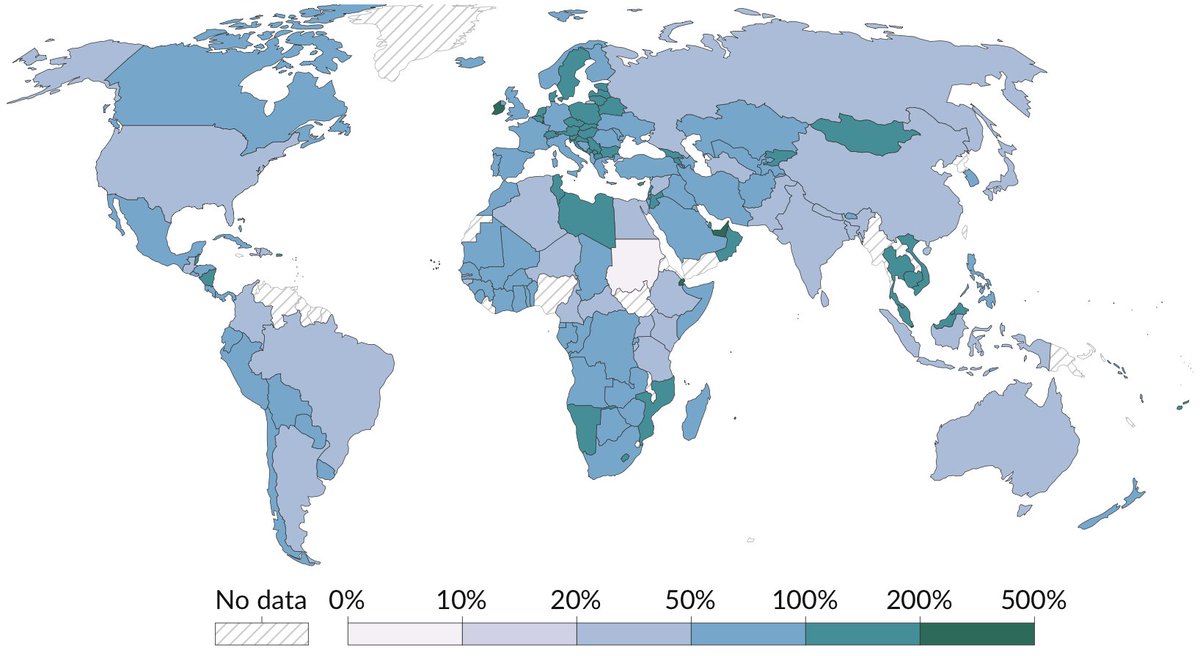
9. Africa's Growing Integration 🌍📈
Historically, tariffs and limited infrastructure restricted trade within Africa. Recently, regional agreements like ECOWAS and the African Continental Free Trade Area (AfCFTA) have sought to lower tariffs and boost intra-African trade.
1
1
1
296
3 Apr 2025
10. Conclusion 🌐
History consistently shows that tariff wars usually backfire, harming global prosperity. Carefully crafted cooperation and trade agreements have repeatedly proven more beneficial.
(Image credits: Wikipedia and Our World in Data)
1
2
243
3 Mar 2025
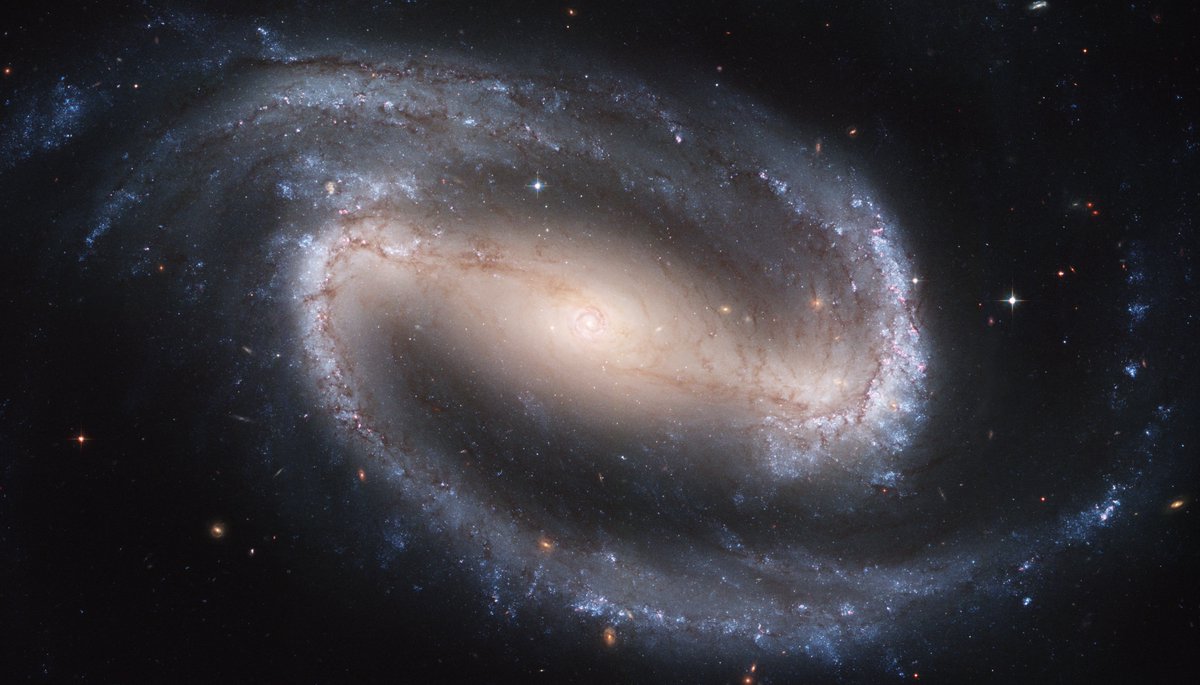
Dark energy explained in one sentence:
2 Mar 2025

Take a good look at what is going on on this planet, and ask yourself: is it really surprising that all other galaxies keep receding from us at an ever-accelerating pace?
1
3
533
27 Jan 2025
Jevons Paradox: Can More Efficient Use of a Resource Lead to Greater Demand for It? ⚙️📈
If you buy a car that uses less fuel per kilometer, you’ll spend less on fuel, right? That seems intuitive.
But sometimes, the economy behaves counterintuitively: improving efficiency in the use of a resource can *increase* total consumption of that resource rather than reduce it.
Let's take a very quick look at this phenomenon, known as the Jevons Paradox.
1. Defining the Paradox 🏭 🚂❓
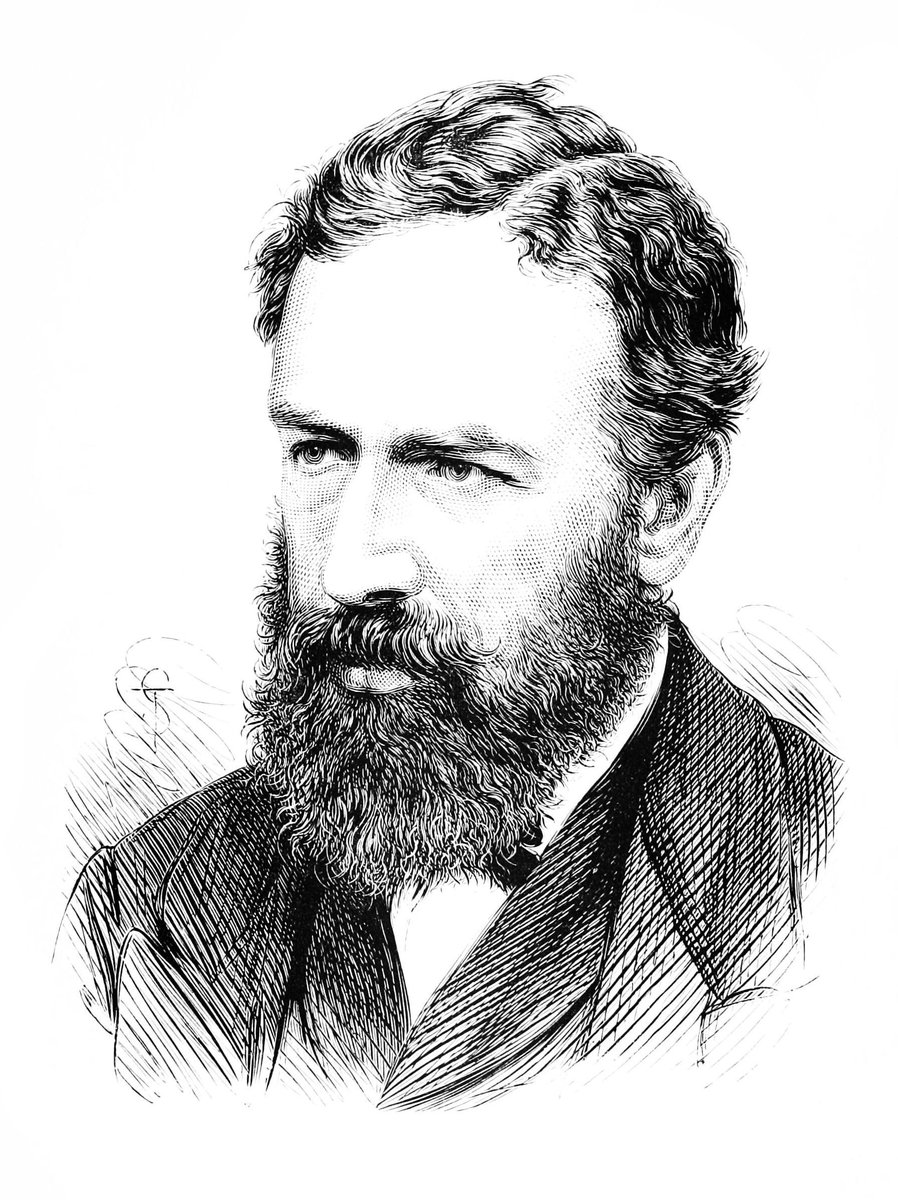
In 1865, economist William Stanley Jevons made a surprising discovery: after steam engines became more fuel-efficient, total coal use went up, not down!
2. How Did It Happen? 🏭 🚂📈
- Lower "Effective" Cost: When coal-powered engines became cheaper to run, people found more ways to use them.
- Expanding Applications: Efficiency opened up new industries and services powered by steam, boosting overall coal demand far beyond the initial fuel savings.
3. Why the Frequent Misjudgment? 🤔⌛💡
Situations like Jevons' original example are often misunderstood. It’s easy to focus on direct savings—like using less coal in existing processes—but people often fail to predict new or expanded uses that arise when costs drop.
By the time we notice, total resource consumption may already exceed where it started. It’s possible that even today, society is misjudging similar situations.
4. Another Example: Datacenters and Electricity 💻⚡🏬
Modern datacenters have become much more efficient, using less electricity per calculation. One might expect overall electricity usage to fall.
But lower operating costs spur expanded usage, leading to more servers and more tasks. As capacity grows, total electricity consumption often ends up rising, overshadowing the initial efficiency gains.
(Of course, not just energy efficiency but also hardware cost play a role here.)
5. Key Insight ⚖️ ✅
Efficiency sparks cost savings and innovation, but it doesn’t guarantee lower resource use.
Whether demand for a resource ultimately rises or falls depends on our habits, policies, and whether new uses emerge.
The true impact of an efficiency breakthrough is often hard to predict!
1
13
35
13,462
13 Jan 2025
A Simple Explanation of Attention Mechanisms in AI with a Dictionary Analogy 🤖❓🔑💎
What drives your favorite chatbot’s “thinking”? It’s a powerful concept called “attention,” employed by transformer neural networks for large language models.
It can be intuitively understood as a clever twist on a standard database lookup.
Let me explain:
1. The Basic Idea
Imagine a dictionary (or database) made up of keys (🔑) and values (💎), for example:
🌞 Sun → yellow
🌱 Grass → green
🌊 Ocean → blue
🔥 Fire → orange
🍅 Tomato → red
🍋 Lemon → yellow
🍊 Orange → orange
2. Perfect Matches
You interact with this dictionary by issuing a query (❓). For instance, if your query is “Ocean,” you retrieve the value “blue.”
But for the query “Tangerine,” there’s no exact match. A traditional dictionary that demands perfect matches wouldn’t return any result in this scenario.
3. Imperfect Matches
A clever approach is to allow for imperfect matches. For example, we might consider a Tangerine to be roughly
0.8 × Orange 0.2 × Lemon.
This may sound odd, but in neural networks, concepts are represented as vectors (lists of numbers), so combining them like this is quite natural.
If we replace the query Tangerine with 0.8 × Orange 0.2 × Lemon, then performing the dictionary lookup yields
0.8 × orange 0.2 × yellow.
4. Interpretation of the Imperfect Matches
In this example, for the original query Tangerine and the key Orange, the “attention weight” is 0.8, and for the key Lemon, it’s 0.2.
Alternatively, you can say the query Tangerine leads to attention levels of 0.8 for Orange and 0.2 for Lemon, producing 0.8 × orange 0.2 × yellow.
Because Tangerine is conceptually closer to Orange, its attention weight is larger. Whether or not “attention” is the ideal term doesn’t really matter; the crucial point is that this mechanism lets the chatbot use existing knowledge even when there’s no perfect match.
5. Dynamic Attention Weights
While a traditional dictionary remains mostly static, neural networks construct “dictionaries” of keys and values repeatedly, many times per second.
These dictionaries reflect how the chatbot “understands” the information it’s given.
When you input a sentence, the model uses individual text segments to build keys and values. Intuitively (though not precisely), you can think of the keys as describing what type of information is located where in the text, and the values as describing the content.
6. A Real-World Example: Driving on the Left
Imagine reading a story in which someone drives on the left side of the road. Whether that’s normal depends on the country. If the text earlier mentions Japan or the UK, driving on the left is normal; if it’s Canada or Germany, it’s unusual.
When the model processes the driving section, it needs to decide how to interpret “driving on the left.” Is it normal? Unusual? So for that part of the text, the chatbot creates a query essentially meaning “I’m looking for location.”
Then, at points in the text where the location is specified, the keys convey “location is specified here,” and the values might read “Japan.”
Because this query (❓) aligns well with those keys (🔑), the attention mechanism’s final value (💎) is effectively “Japan.”
This information is then routed to the portion discussing left-side driving. If the country is Japan, the chatbot concludes it’s normal to drive on the left.
By leveraging attention weights, the chatbot retrieves and combines precisely the detail it needs—“This is in Japan”—to interpret the scenario accurately.
7. Wrapping Up
This is how attention mechanisms work:
• They allow neural networks to handle imperfect matches gracefully.
• They dynamically determine which parts of the text (or data) are most relevant.
• They combine that relevant information in a weighted way to produce an answer.
That’s the “secret sauce” enabling your chatbot to seem so smart—even when the query isn’t an exact match to anything it has encountered before.
Please let me know if you have any queries!
2
322
11 Jan 2025
Late-night cravings can be tough, but I overcame them by eating natto (fermented soybeans) or small amounts of other low-carb, probiotic-rich foods like blue cheese.🫘🥢🧀
My cravings are gone, and I can now easily do 72-hour fasts with just water and electrolytes when I decide.
2
289