
Neuroscientist @AllenInstitute studying synaptic and artificial networks
Joined June 2008
- Tweets 292
- Following 208
- Followers 443
- Likes 288
12 Photos and videos
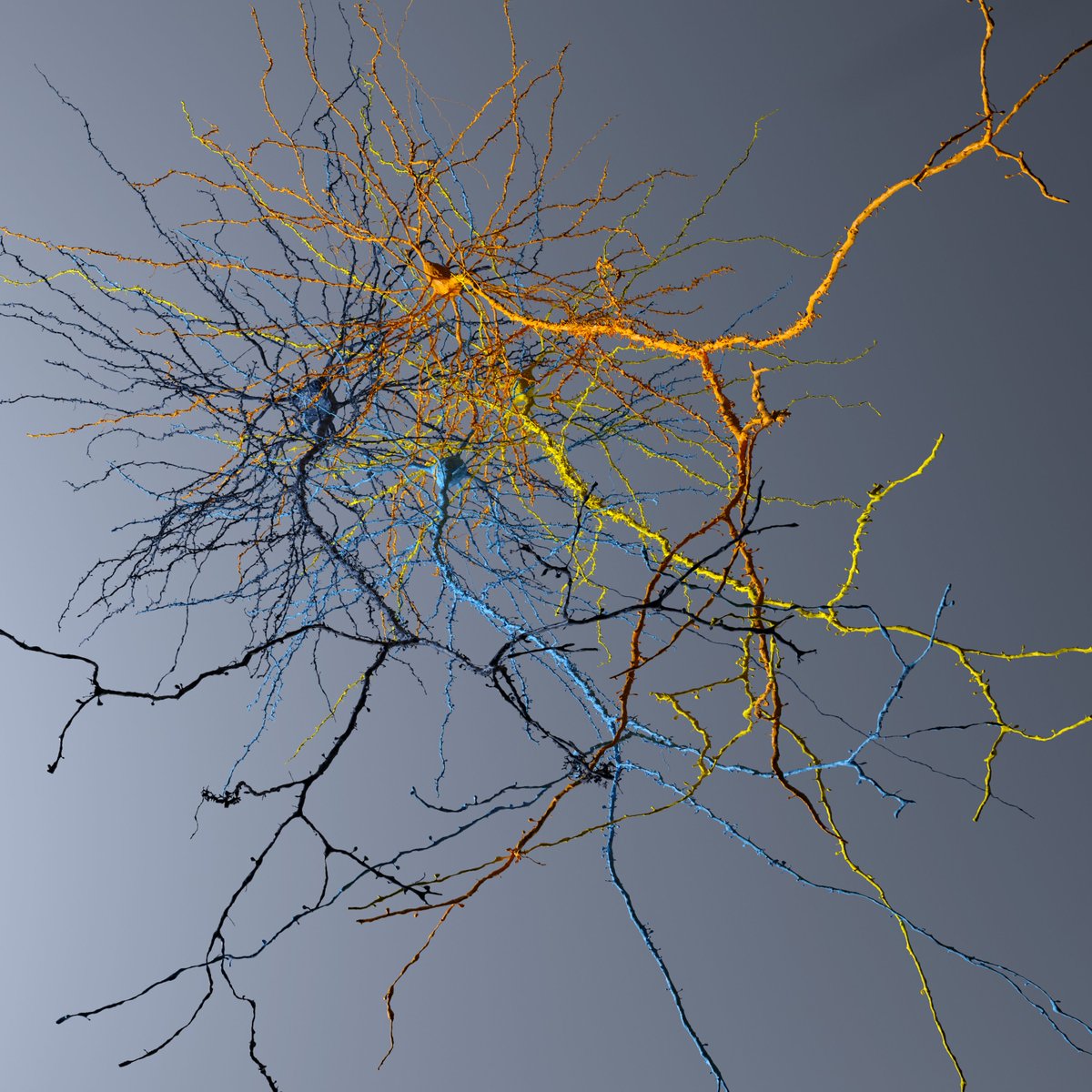
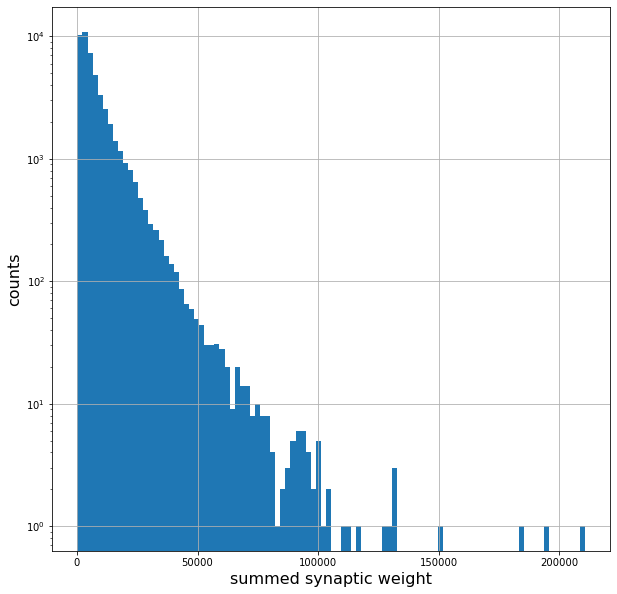
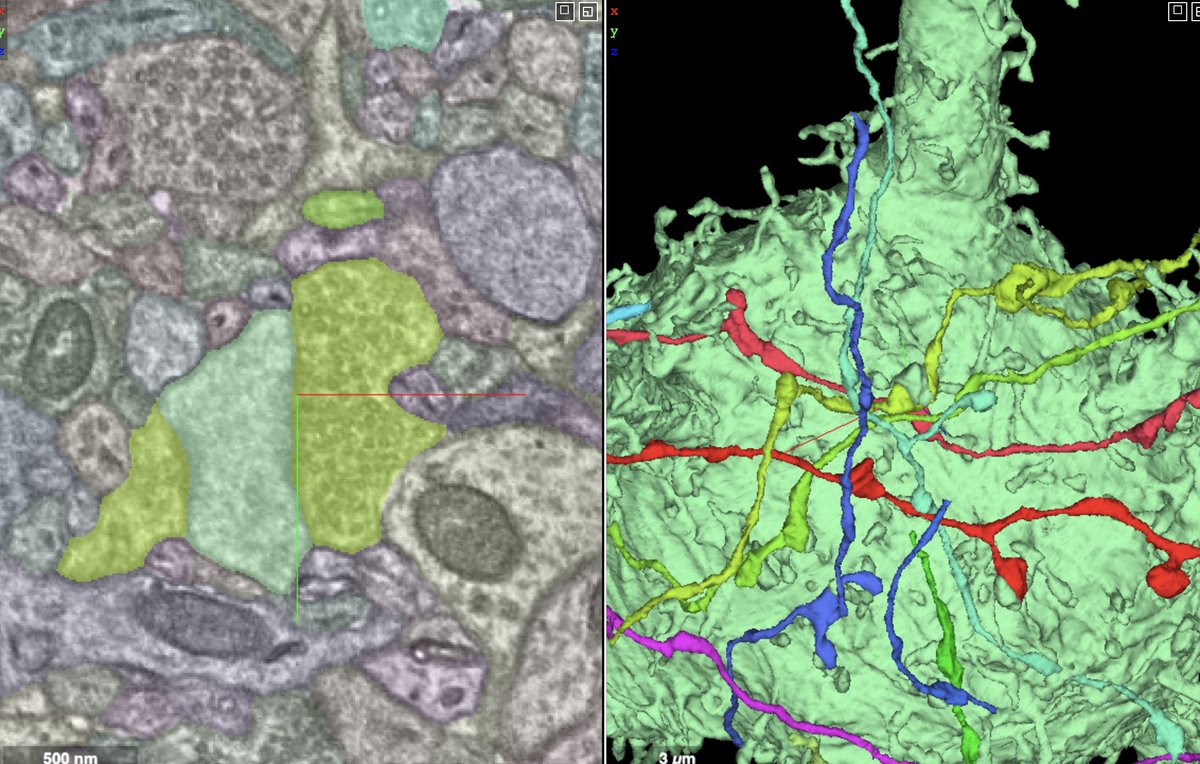
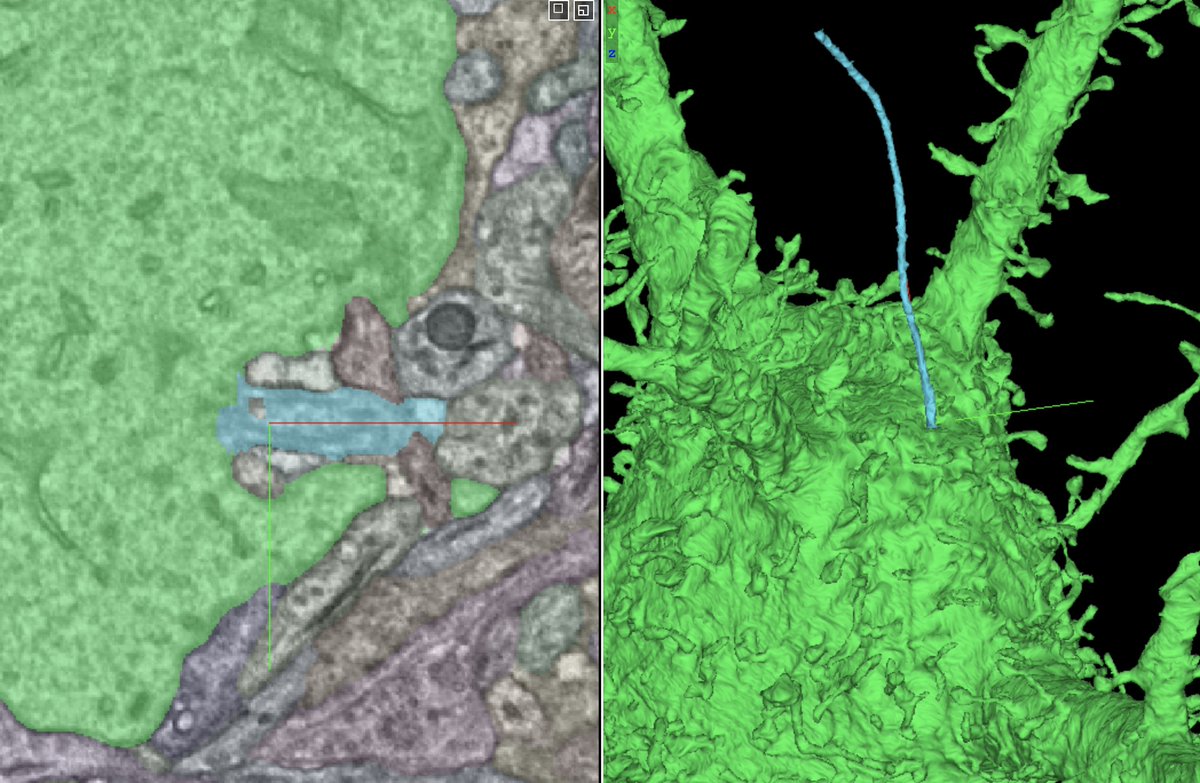
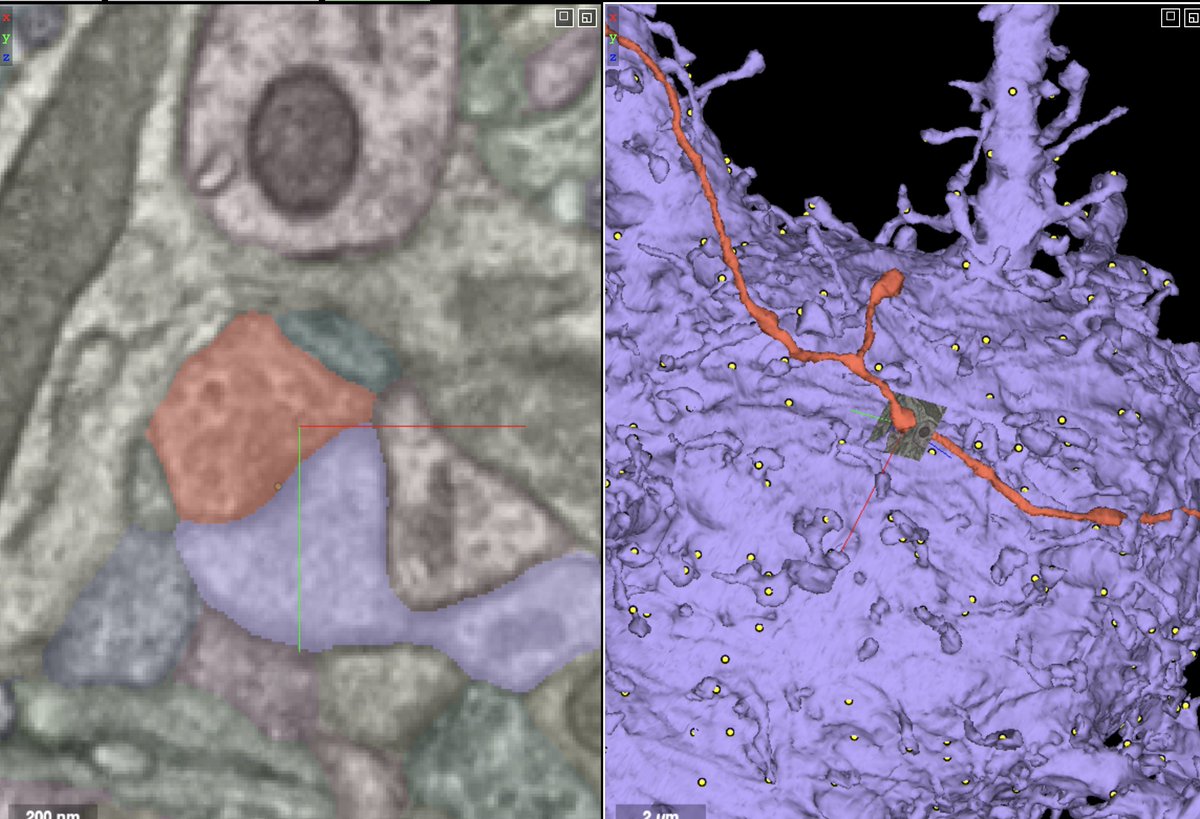
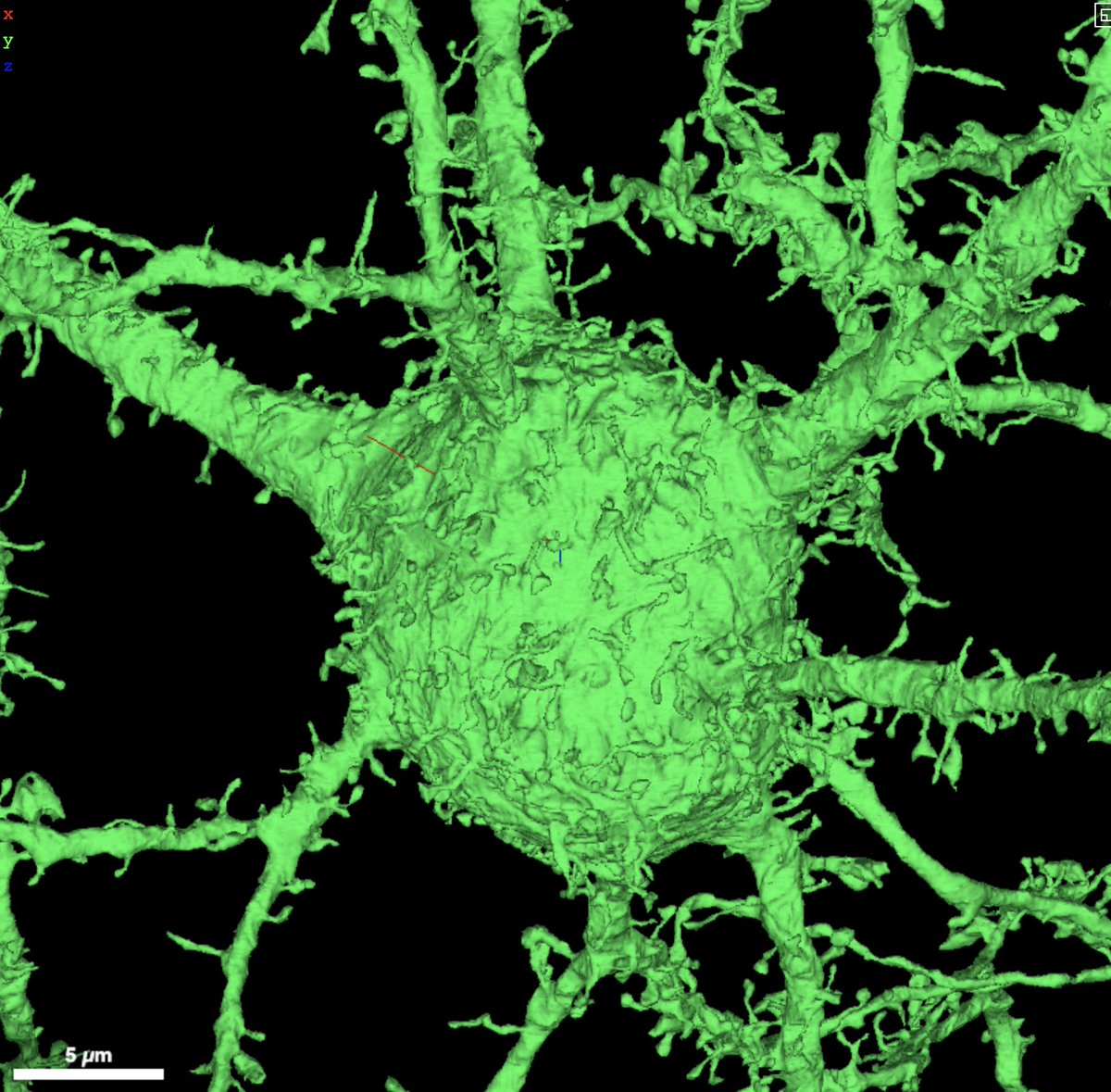
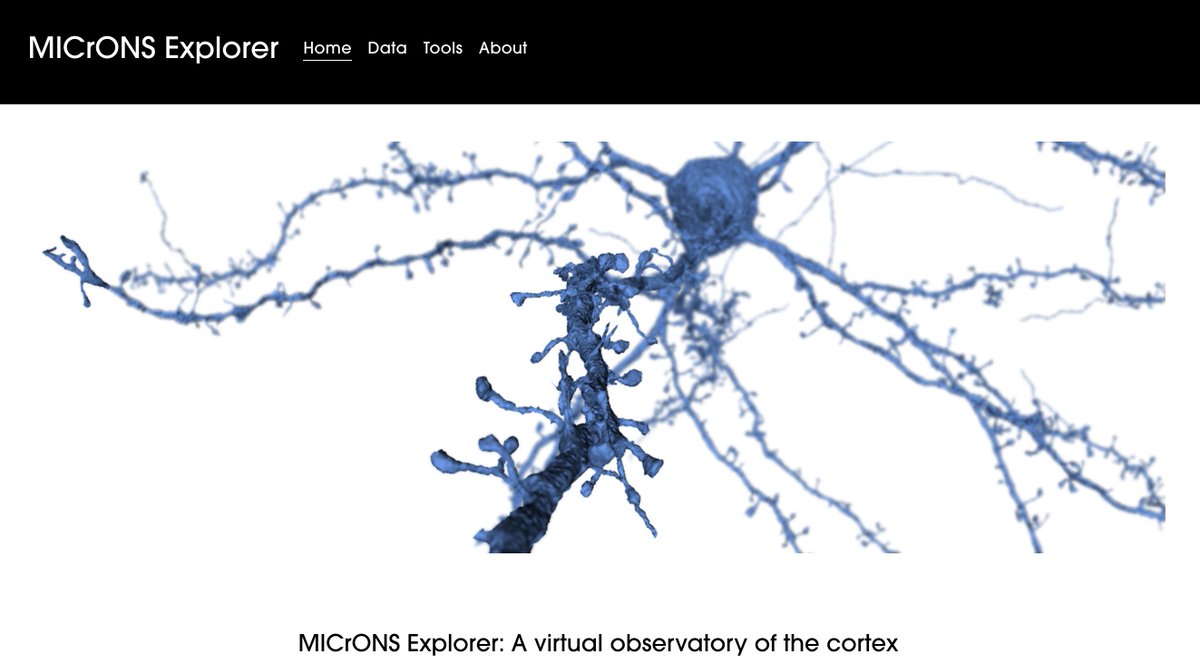


Excited to get started working on this! Will also aim to do 10 mm^3 at synaptic resolution across the basal ganglia, including NaC, VP, MD thalamus and VTA and the connections between, with segmentation from @zettaconnectome.
26 Sep 2023

Our scientists and collaborators will enhance transmission #electronmicroscopy techniques with goal of imaging an entire hemisphere of mouse brain at 120nm resolution.
@Princeton @argonne @calstateeastbay @mtholyoke @appstate @CollmanForrest @nih | #studyBRAIN
1
21
3,226
We posted our pre-print today describing how the Connectome Annotation Versioning Engine (CCAVE) supports analyzing and editing the worlds largest connectomics datasets biorxiv.org/cgi/content/shor…! @sdorkenw @csdashm @AllenInstitute @SebastianSeung!
13
43
7,502
fcollman retweeted

9 Feb 2023
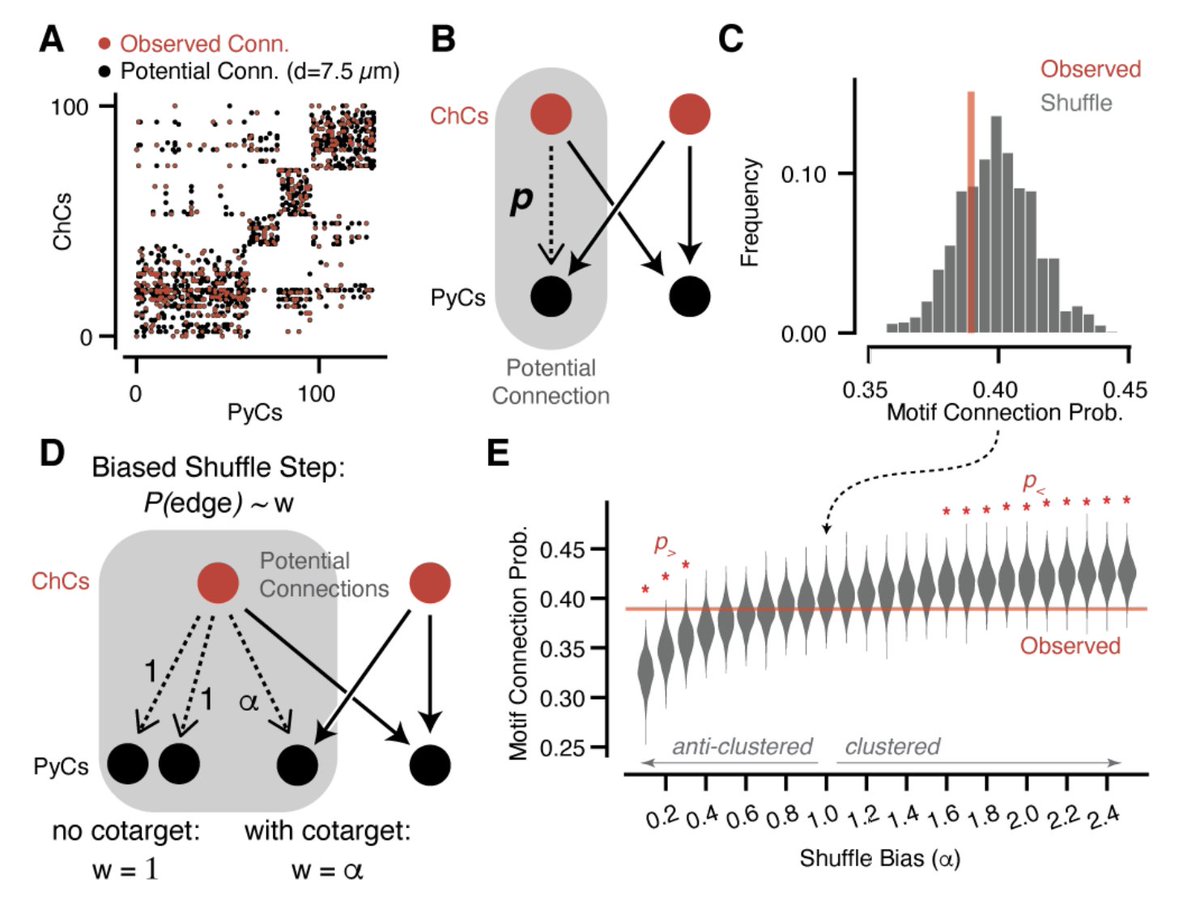
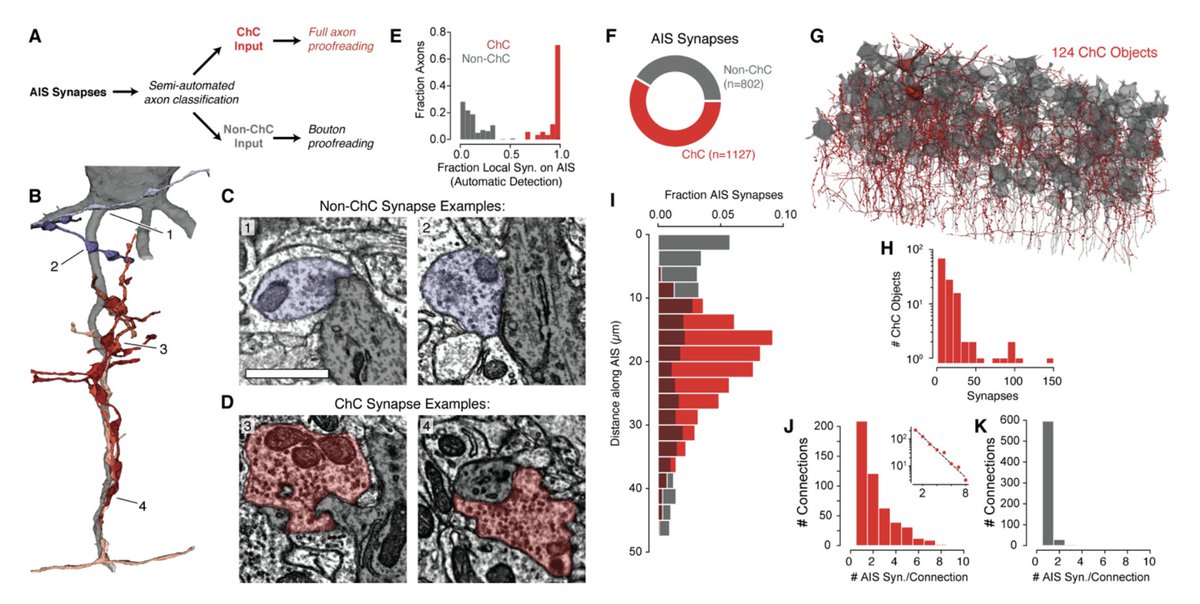
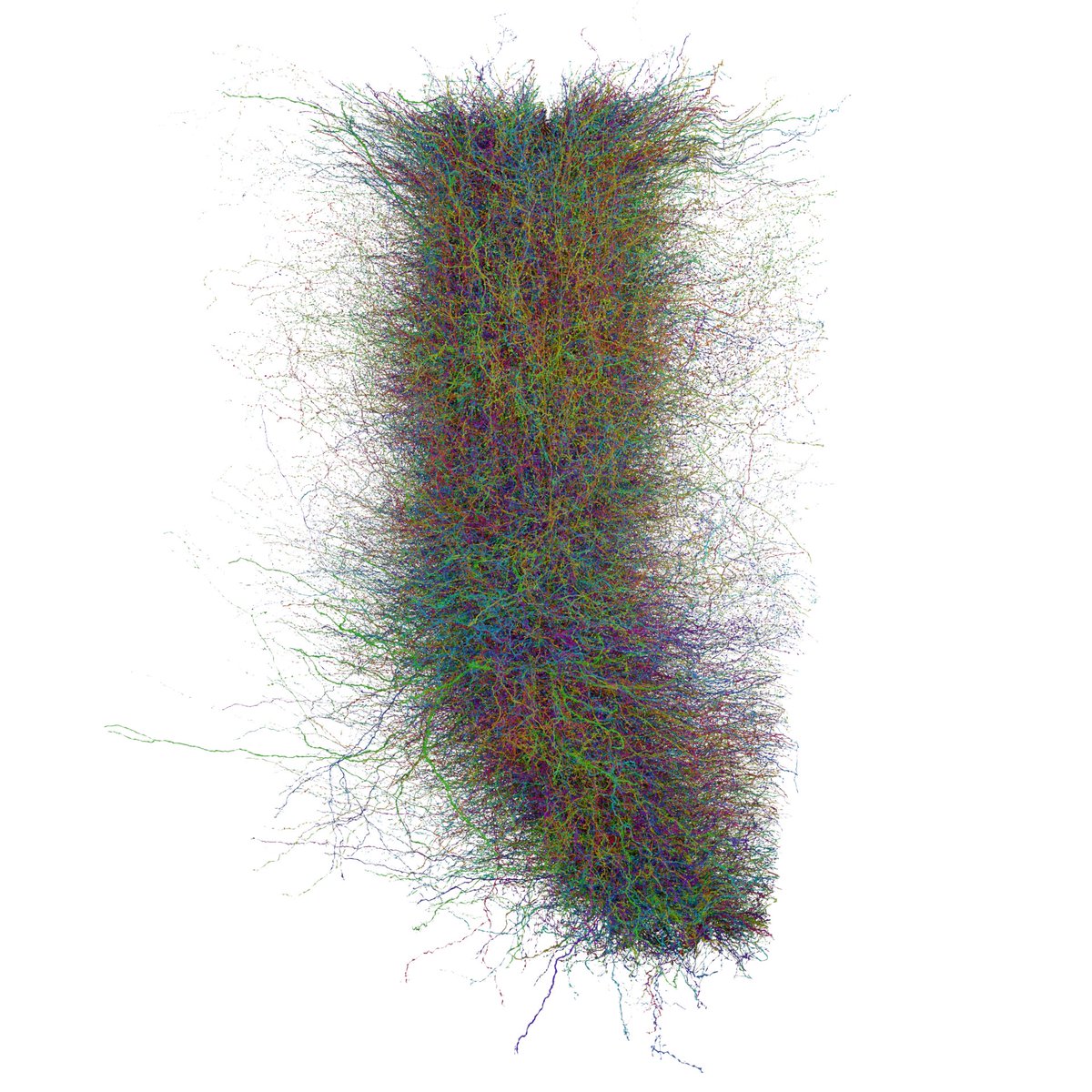
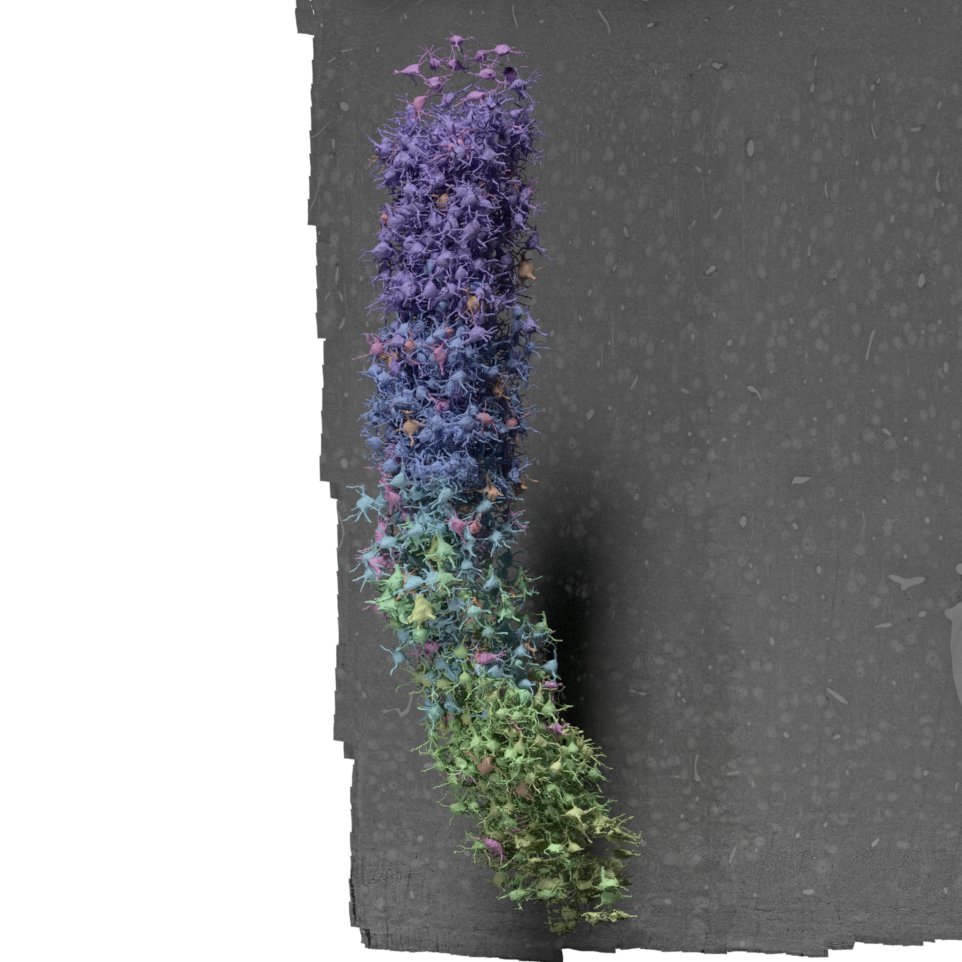
Our scientists are using millimeter-scale #volumeEM to map the brain w/ single-synapse resolution. In a recent preprint, using data spanning millions of synapses across more than 1300 neurons, they reveal new organizing principles for cortical inhibition.
biorxiv.org/content/10.1101/…
2
22
60
12,474
fcollman retweeted

27 Jan 2023
Happy to share my latest #neuro animation, a remix of previous #MICrONS videos, while I took some #SciArt license and had some fun, it remains quantitative.
Possibly inspired by me having recently ridden Smuggler’s Run.
A video🧵 1/4
#neuroscience #b3d
1
1
10
3,114
Happy holidays from the brain! This is an awesome remix of the original I made. I love seeing how open science and data also can lead to open art and inspiration. Thanks to the broader team from @AllenInstitute @SebastianSeung and @AToliasLab to make things like this happen.
2
4
41
7,198
fcollman retweeted
12 Dec 2022
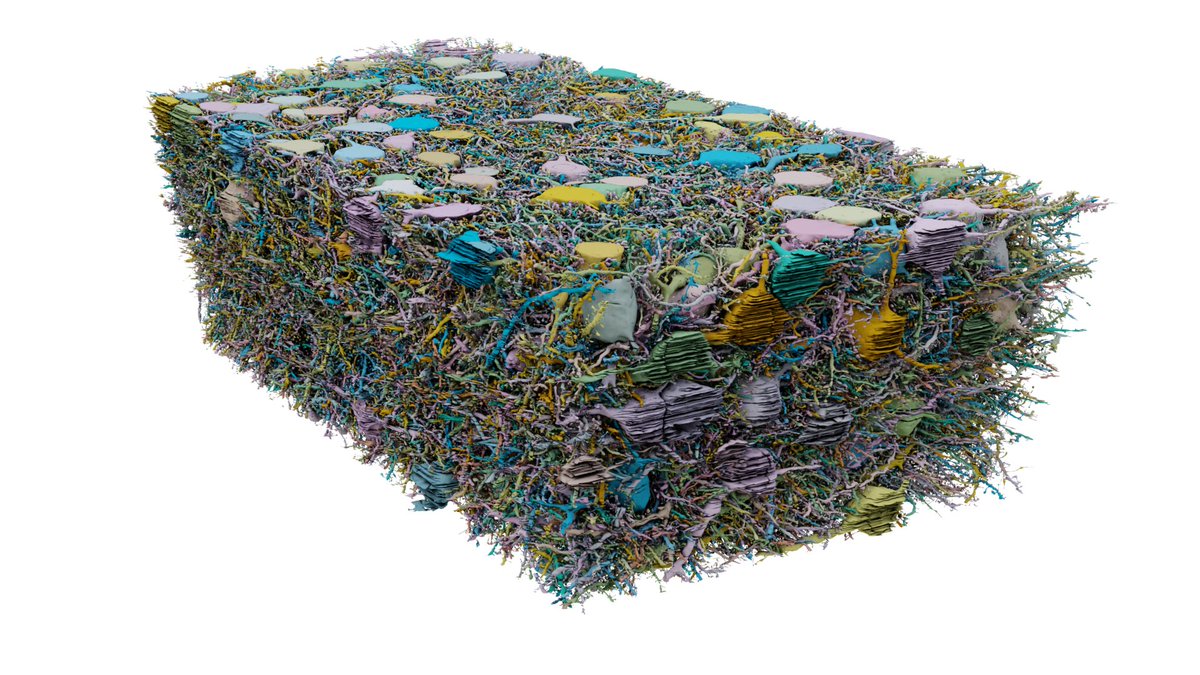
In reality, neurons are packed in so tightly that they make sardines look comfortable. Here are 364 neurons packed into a box roughly the size of a grain of sand. This dense reconstruction is from the Allen Institute's MICrONS layer 2/3 dataset. Rendered in #Blender3d
7
60
244
fcollman retweeted

25 Nov 2022
Excited to share beam deflection Transmission Electron Microscope (bdTEM), a fun and productive collaboration with @ProjectVoxa. biorxiv.org/content/10.1101/… (1/5)
1
8
18
fcollman retweeted

18 Nov 2022
Our analysis of the connections between excitatory L2/3 pyramidal cells in mouse V1 just came out in eLife! Amazing team work between @PrincetonNeuro @bcmhouston @AllenInstitute
Previous tweet thread:
x.com/tmacrina/status/121283…
elifesciences.org/articles/7…
18 Nov 2022
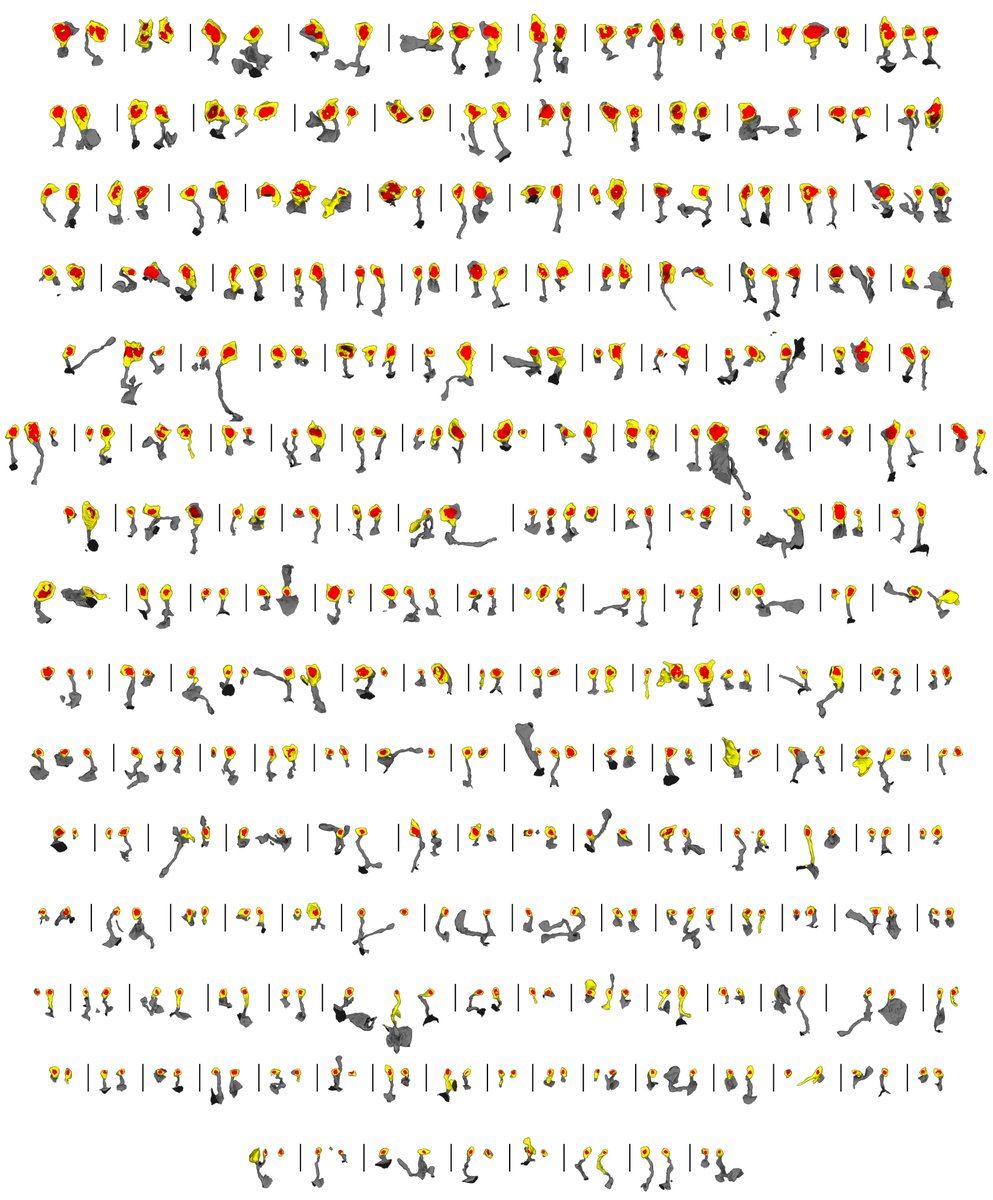
Our scientists & collaborators used the largest map of connectivity to date between cortical neurons of a defined type (L2/3 pyramidal cells in mouse primary visual cortex), to identify constraints on the learning algorithms employed by the cortex.
📄 elifesciences.org/articles/7…
2
18
71
fcollman retweeted

27 Aug 2022
I'm happy to share a somewhat unpredicted first manuscript out of my lab with you. Browsing the invaluable @Allen Mouse Brain Connectivity Project's images we wondered, "Hey, anyone noticed these black dots in the red channel?"
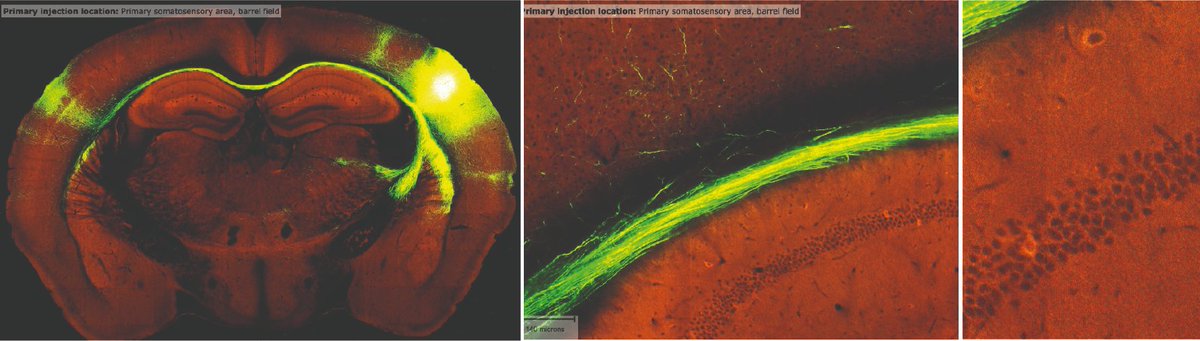
ALT credit http://connectivity.brain-map.org/
5
19
180
fcollman retweeted
31 Mar 2022
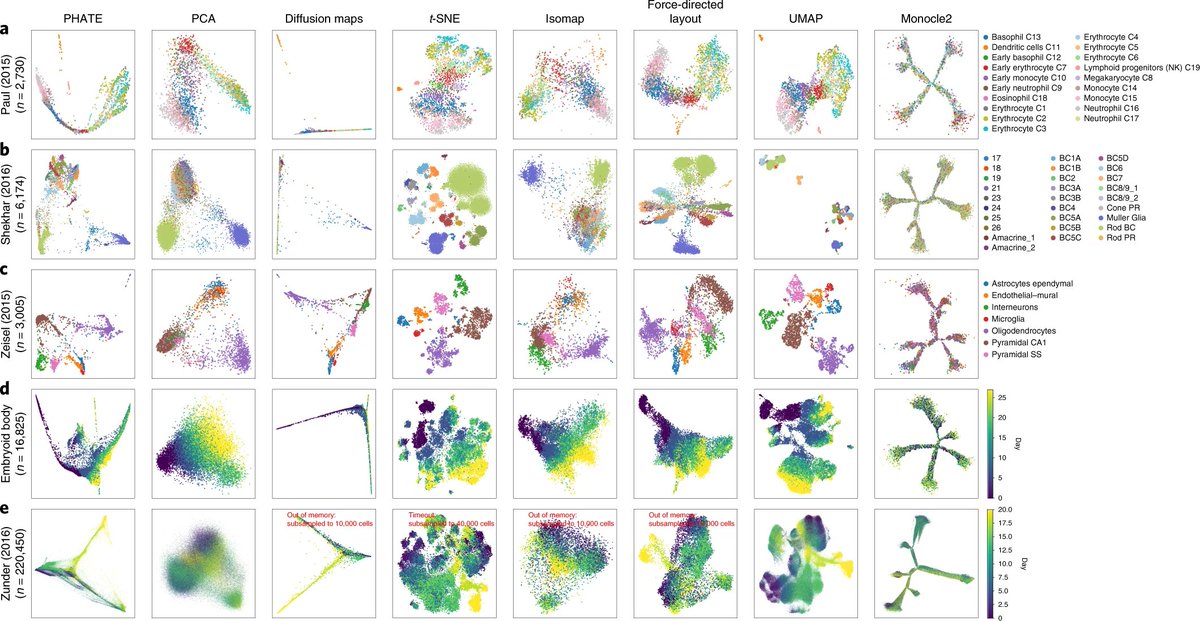
The results of a fun connectomics project with @stardazed0, @Chinasaurli and collegues are finally out. Starting from an automated segmentation and EM, self-supervised learning can produce informative embeddings that make downstream tasks more attainable / possible.
7
17
My first act of in person lab science in years... any time you can pour liquid nitrogen into something you gotta do it.
17 Mar 2022
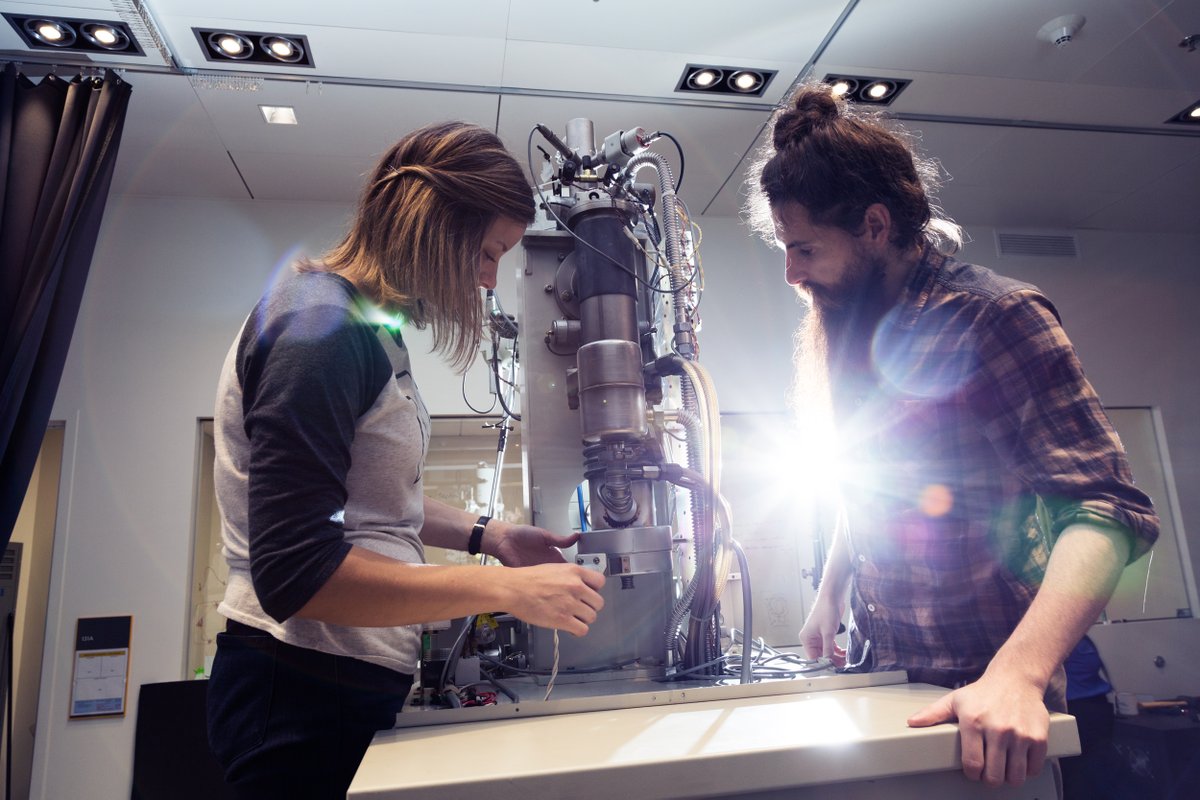
🔬 ⚡️ Using beams of electrons — our #electronmicroscopy team is capturing the highest possible resolution images of neurons to map the brain. Peek into their lab with this day-in-the-life #brainweek feature. 👀
alleninstitute.org/what-we-d… #neuroscience
11
fcollman retweeted
17 Mar 2022
🔬 ⚡️ Using beams of electrons — our #electronmicroscopy team is capturing the highest possible resolution images of neurons to map the brain. Peek into their lab with this day-in-the-life #brainweek feature. 👀
alleninstitute.org/what-we-d… #neuroscience
2
5
fcollman retweeted

25 Feb 2022
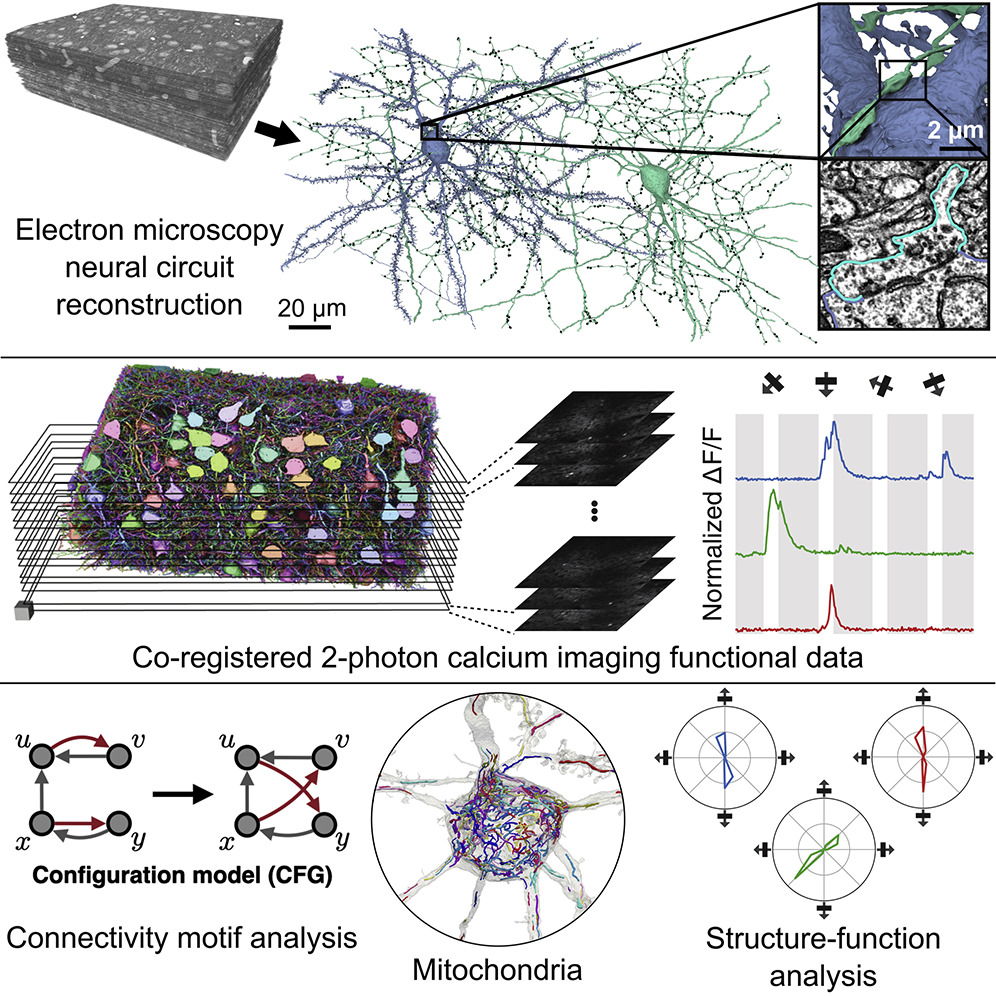
Our paper online today in @CellCellPress (authors.elsevier.com/c/1eeR~…) combines EM neural circuit reconstruction, organelle reconstruction, and neural activity in mouse visual cortex released here microns-explorer.org/phase1. @PrincetonNeuro @BCMHouston @AllenInstitute @IARPAnews
3
58
207
fcollman retweeted

23 Feb 2022
We highlight brain #vasculature in large-scale 3D electron microscopy studies. There is a gold mine of information waiting to be explored, with relevance to the BBB, blood flow, brain clearance, and metabolism. Amazing resources for the vascular community.
biorxiv.org/content/10.1101/…
16
111
398
We recently installed a heat pump to replace our natural gas heating system. I had a hard time finding real world impact on energy usage and costs. So here’s a thread on ours. TLDR no real marginal cost change, so net positive from a marginal carbon cost point of view. 1/5
1
2
4