@HMSgenetics professor studying RNA dynamics across the cell, including transcription, mRNA processing, and mitochondrial gene expression. @Stanford physics PhD
Joined November 2007
- Tweets 1,445
- Following 746
- Followers 5,756
- Likes 5,289
108 Photos and videos

Pinned Tweet

22 Mar 2024
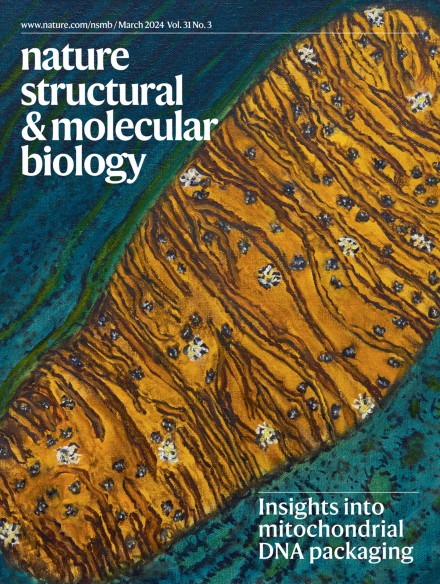
I'm thrilled to see the cover of @NatureSMB this month! My sibling Leidy Churchman made this special painting to illustrate our latest work on the packaging of mitochondrial DNA. Both works are nicely described in the "Musings on art and science" editorial
nature.com/articles/s41594-0…
2
19
162
14,492
Stirling Churchman retweeted

Jun 12
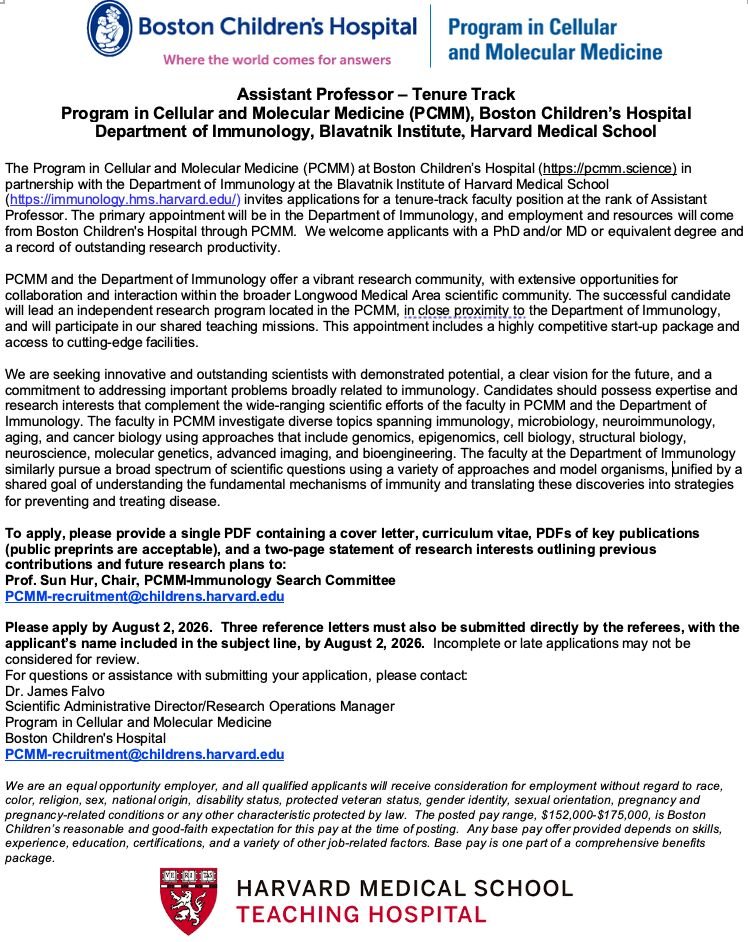
We are thrilled to announce an opening for a tenure-track assistant professor in PCMM, Boston Children's Hospital and Harvard Immunology! Apply by August 2, 2026.
43
116
16,975
I’m spending three months at @OpenAI on a mini-sabbatical and just finished month one with the Rosalind team.
I've loved watching this new version come together from up close. I’m learning a ton and I’m excited for people to try it. Thanks to @joyjiao12 and team for hosting me!

We’re bringing new capabilities to GPT-Rosalind, a model series purpose-built for life sciences research at enterprise scale.
It brings GPT-5.5’s agentic coding and tool use together with stronger intelligence for drug discovery, analysis, design, and experimental workflows.
openai.com/index/introducing…
3
1
118
17,677
Stirling Churchman retweeted

Jun 4
congrats to the team, especially excited for the new medchem capabilities and performance on our new out of distribution evals! @bacchuswng @yunyunash @suyashss @davediego @edwardzhou_ @kevinrao99
We’re bringing new capabilities to GPT-Rosalind, a model series purpose-built for life sciences research at enterprise scale.
It brings GPT-5.5’s agentic coding and tool use together with stronger intelligence for drug discovery, analysis, design, and experimental workflows.
openai.com/index/introducing…
3
5
41
4,086

We’re bringing new capabilities to GPT-Rosalind, a model series purpose-built for life sciences research at enterprise scale.
It brings GPT-5.5’s agentic coding and tool use together with stronger intelligence for drug discovery, analysis, design, and experimental workflows.
openai.com/index/introducing…
246
403
3,828
554,843
Stirling Churchman retweeted

Jun 3
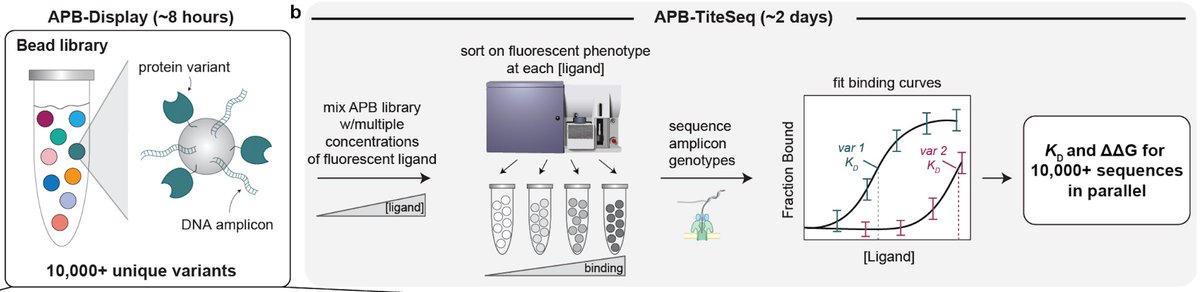
Characterizing AI-designed proteins requires quantitative biochemistry at massive scale. Enter Amplicon/Protein Bead Display (APB-Display), a fully in vitro platform that quantifies Kd's for >100,000 variants in <3 days (preprint link below!) @Stanford_ChEMH @czbiohub (1/n)
3
97
439
62,331
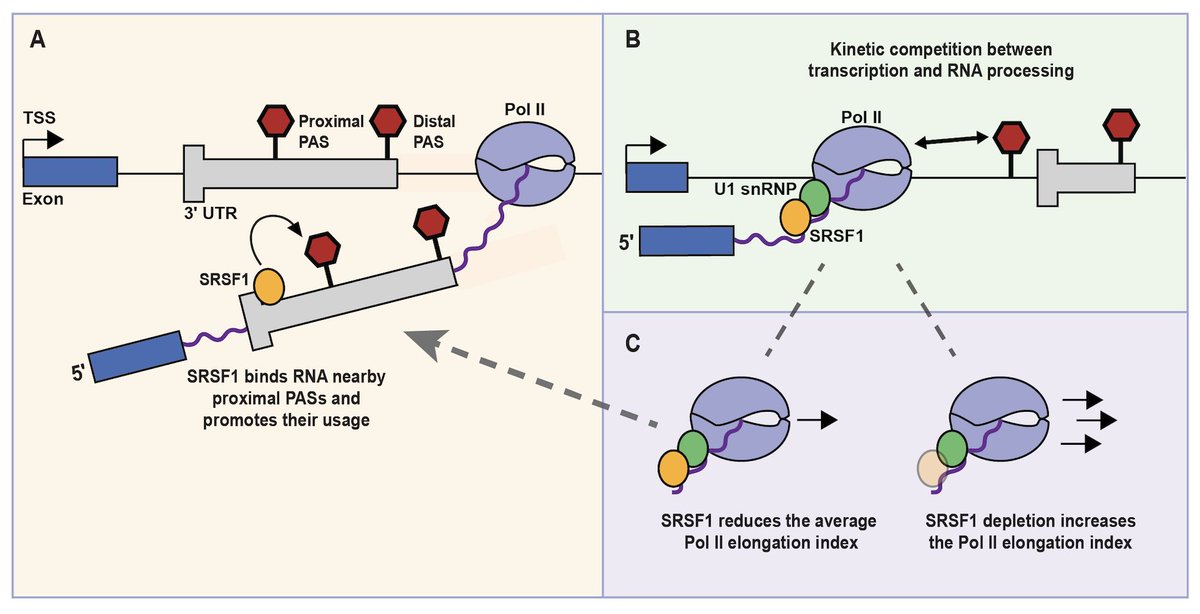
1/ Preprint alert 🚨🚨🚨 How do cells decide where an mRNA should end?
And how is that decision coordinated with splicing and transcription while the RNA is still being made?
Here's what first author @HopeMerens found 👇
4
45
245
21,591
10/ These effects also appear relevant beyond cell lines.
In breast cancer tumors, lower SRSF1 levels are associated with more distal alternative last exon usage, consistent with what we observe after SRSF1 depletion.
1
4
955
11/ Together, our results suggest that SRSF1 coordinates splicing, transcription, and 3′-end processing to shape mRNA isoform identity.
Thanks to @anafiszbein and team for their help!
Read the preprint here: biorxiv.org/content/10.64898…
5
939
Stirling Churchman retweeted
Apr 17
the female-led research team who built the model wanted to honor our scientist idol, what do you suggest as a better name? :)
1
2
6
577
Stirling Churchman retweeted

Mar 18
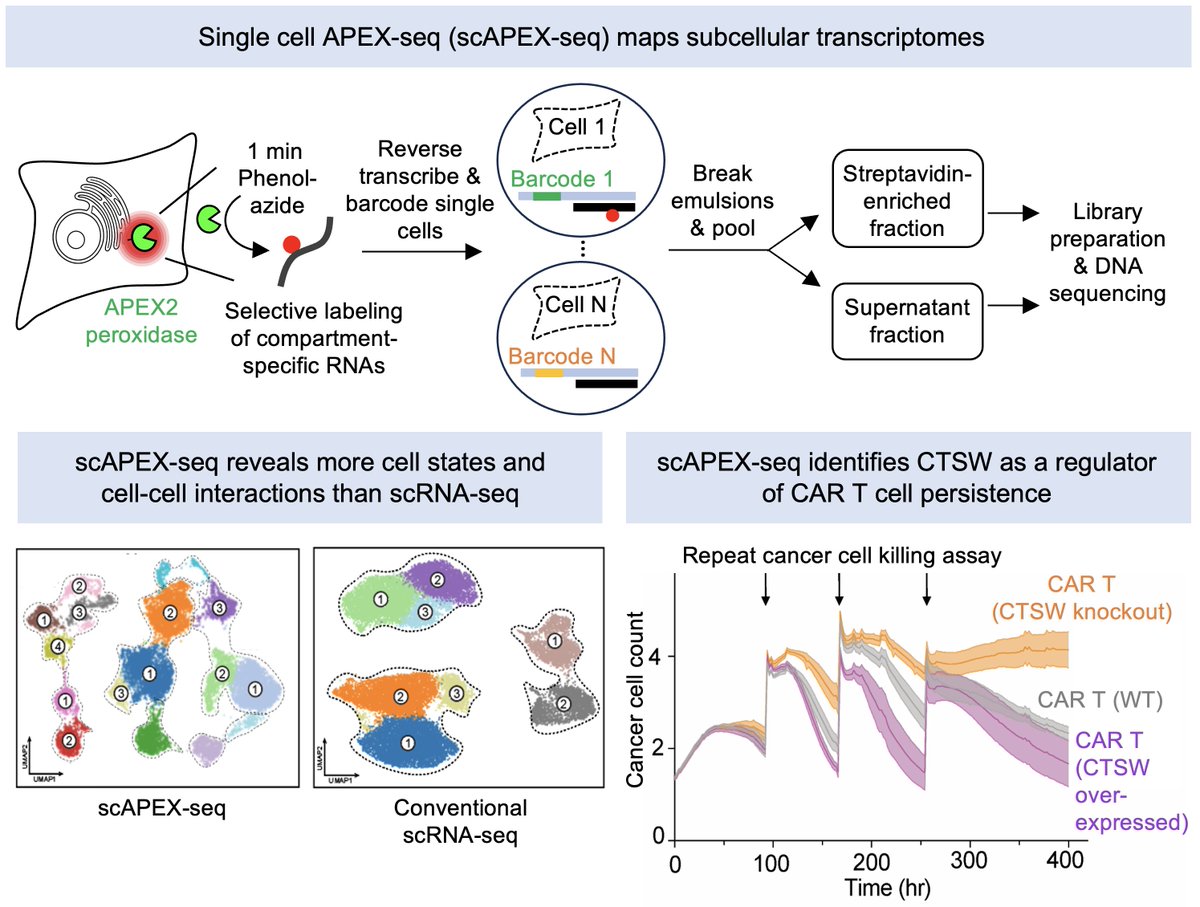
Today we report single-cell APEX-seq (scAPEX-seq) — a new method for unbiased mapping of *subcellular* transcriptomes at single-cell resolution. This approach reveals cell states that are not detectable by standard scRNA-seq, and enabled us to identify regulators of CAR T function that improve solid tumor killing.
biorxiv.org/cgi/content/shor…
3
121
531
41,500
Mar 15
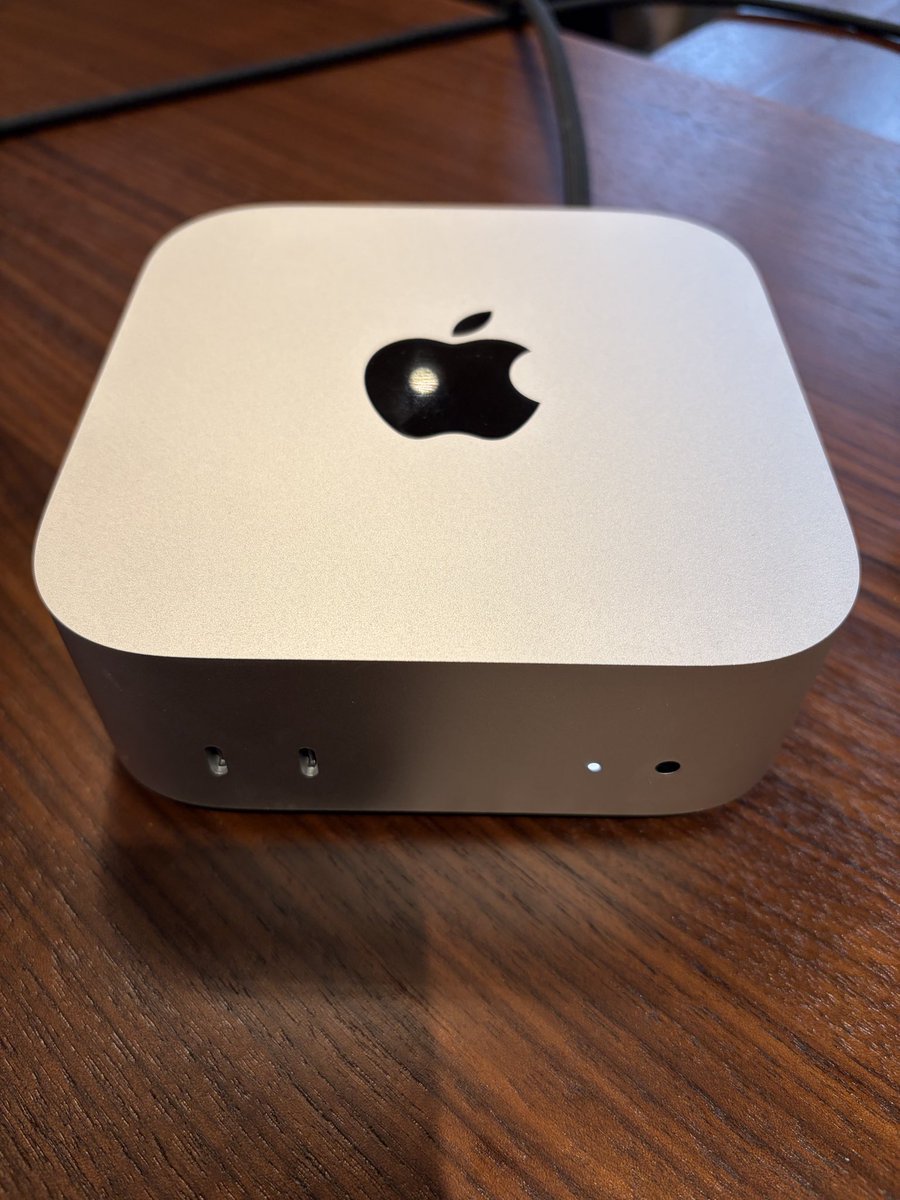
It was my birthday a couple of weeks ago so I bought myself a Mac mini and installed @openclaw Meet Tessera!
If you’re wondering what a “normie” genetics professor is doing with it or want tips to get started, ask 👇 !
14
7
183
24,713
Stirling Churchman retweeted

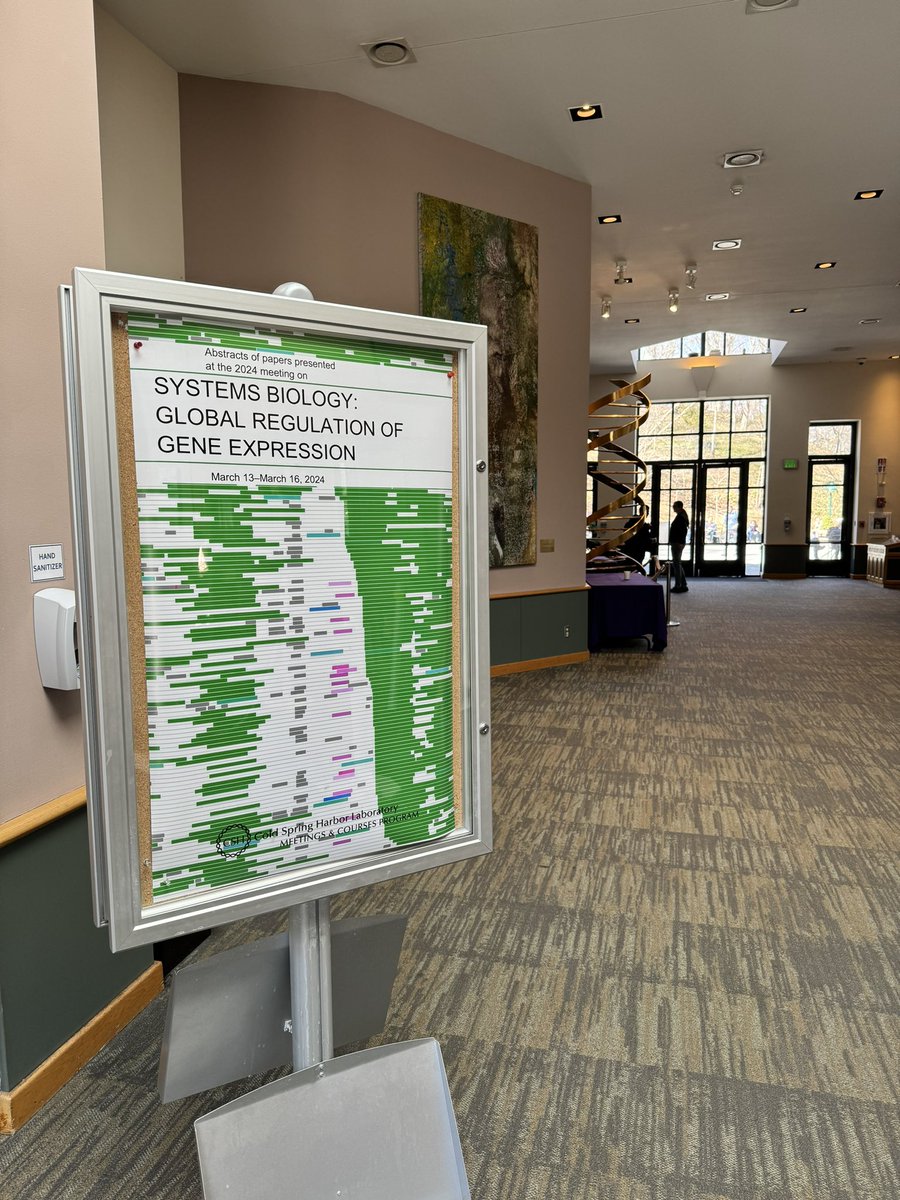
Next week, @_AndrewLeduc will present at the CSHL (@cshlmeetings) Systems Biology: Global Regulation of Gene Expression meeting.
His talk will focus on in vivo protein regulation in single cells, including results from this preprint:
biorxiv.org/content/10.1101/…
4
7
2,462