
Associate professor, physiotherapist & runner. Exercise; physical activity; critical care; qualitative methodologies; health service delivery; sociology
Joined February 2012
- Tweets 4,636
- Following 1,040
- Followers 2,479
- Likes 5,387
471 Photos and videos







10 Oct 2025
Love this graphic - beware 'leadership tampering' in the early phase of change!
7 Apr 2025

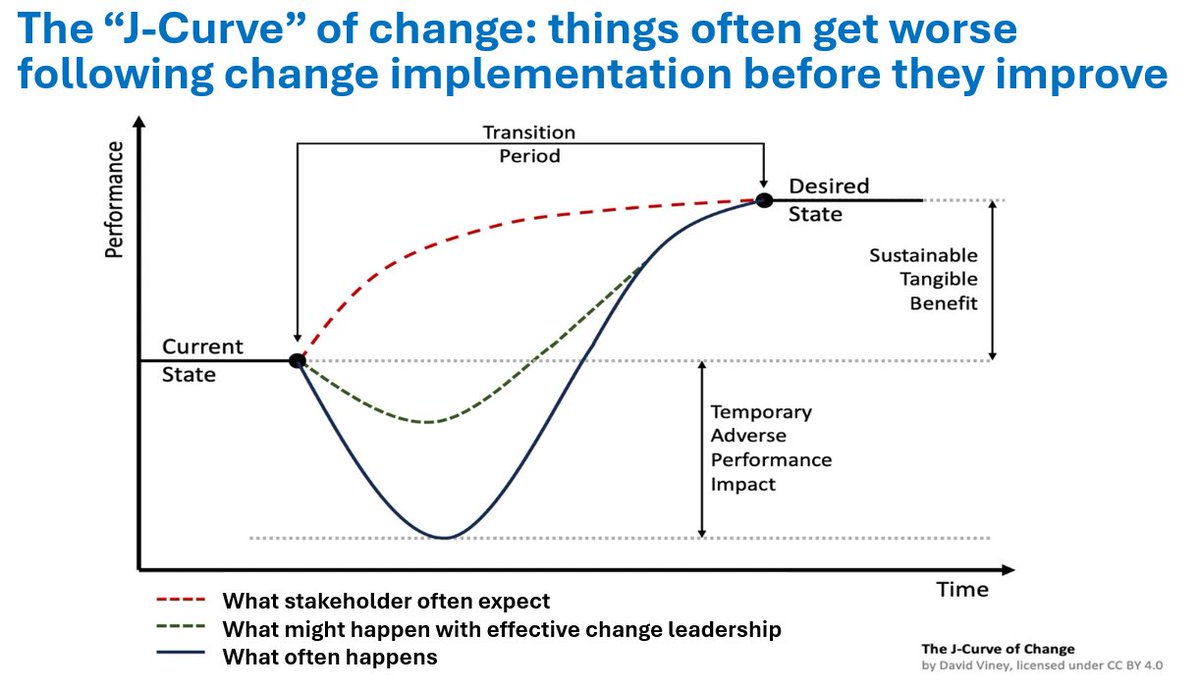
The "J-Curve" of change is a helpful concept when thinking about the trajectory of a change initiative. Leaders assume that they will see early results from the implementation of change but performance often gets worse before it gets better.
There are many reasons for it; disruption to existing systems, people fearful of & getting used to new ways of working; it's a learning curve for the system.
One of the worst things that happens as a result of the J-Curve is "leadership tampering": leaders impatient for results who start to fiddle with the new system before new arrangements get a chance to work through.
There are many things we can do to reduce the impact of the J-Curve:
1) Stay focused on shared purpose & values, giving people the confidence to move towards a different future that is more compelling than the status quo
2) Anticipate that an "implementation lag" may happen and set expectations based on that
3) Provide support - technical, emotional, learning
4) Involve everyone in the change process, so it is done "with" people, not "to" them
5) Adjust, based on learning & feedback, through small test of change
This article is from @dviney who developed the concept of the J-Curve: david-viney.me/post/the-j-cu….
206
10 Oct 2025
Calling all FCPs! Please help if you can. We would be so grateful if you could complete the survey and share amongst your FCP peers. Thank you :) @RogerKerry1
7 Oct 2025

Help us make this the widest and deepest evaluation of first contact physiotherapy & help inform future practice. Please complete our survey
Survey link- forms.office.com/e/xdvCwtf1E…
@thecsp @sharonchanb @physiojack @NeilLangridge @JackAChew @RogerKerry1 @FionaMoffat18 @benedsmith
1
4
3
1,410
Dr Fiona Moffatt retweeted

7 Apr 2025
The "J-Curve" of change is a helpful concept when thinking about the trajectory of a change initiative. Leaders assume that they will see early results from the implementation of change but performance often gets worse before it gets better.
There are many reasons for it; disruption to existing systems, people fearful of & getting used to new ways of working; it's a learning curve for the system.
One of the worst things that happens as a result of the J-Curve is "leadership tampering": leaders impatient for results who start to fiddle with the new system before new arrangements get a chance to work through.
There are many things we can do to reduce the impact of the J-Curve:
1) Stay focused on shared purpose & values, giving people the confidence to move towards a different future that is more compelling than the status quo
2) Anticipate that an "implementation lag" may happen and set expectations based on that
3) Provide support - technical, emotional, learning
4) Involve everyone in the change process, so it is done "with" people, not "to" them
5) Adjust, based on learning & feedback, through small test of change
This article is from @dviney who developed the concept of the J-Curve: david-viney.me/post/the-j-cu….
6
52
222
23,188
8 Sep 2024
Happy world physiotherapy day! Opportunity to promote an awesome profession that changes lives at scale
@RogerKerry1 @UoN_SHS @UoNPhysio @supra_uon @WorldPhysio1951
1
2
396
22 Aug 2024
Great students do great things - and our @UoNPhysio students are the greatest! Future global leaders flying the banner @WorldPhysio1951 @UoNSUPRA @Sharonvblack @kirstyhyndes @jowi12 @OngwenMartin @ekstokes @misssdjohnson
22 Aug 2024

Our amazing students are doing a thing for #worldphysiotherapyday2024 #wpd2024
A result of incredible engagement with their Global Leadership module with @fimo18 @UoN_SHS @supra_uon @UoNPressOffice @UniofNottingham instagram.com/p/C--_ApJCTOR/…
2
4
828
Dr Fiona Moffatt retweeted

16 Jul 2024
Do consider our @TheACPRC writing retreat! We all need time (and space and a bit of gentle prodding) to write all sorts of things - a business case, clinical audit, literature review, case series or postgraduate university work. If you are tempted but unsure, just get in touch!

⭐️ Exciting news!!! ⭐️ our 1st writing retreat is open for applications! 8-10th November 2024, at the beautiful @gladlib in North Wales, head here to find out more acprc.org.uk/courses/acprc-r… deadline for applications 7/8/24

1
7
23
2,685
Dr Fiona Moffatt retweeted

18 Jul 2024
New paper! First study to show that training line managers in mental health is related to lower long-term mental health sickness absence, recruitment/retention, and business performance. Invest in your line managers! journals.plos.org/plosone/ar… #Workforce #MentalHealth @ERC_UK @ESRC
1
7
14
2,151
17 Jul 2024
Dear Primary Care Colleagues - pls can you help with this important research? 10 minute survey re: pelvic floor dysfunction @RogerKerry1 @goodyrob
17 Jul 2024

To you @@fimo18 !
5
4
1,740
4 Dec 2023
Another fabulous example of our amazing students, clinical educators and their clients. Thanks for sharing @theLDphysio @UoN_SHS @UoNPhysio

1
1
6
1,402
Dr Fiona Moffatt retweeted

1 Dec 2023
Physiotherapy, it's about people.
9
30
188
37,794
Dr Fiona Moffatt retweeted
29 Nov 2023
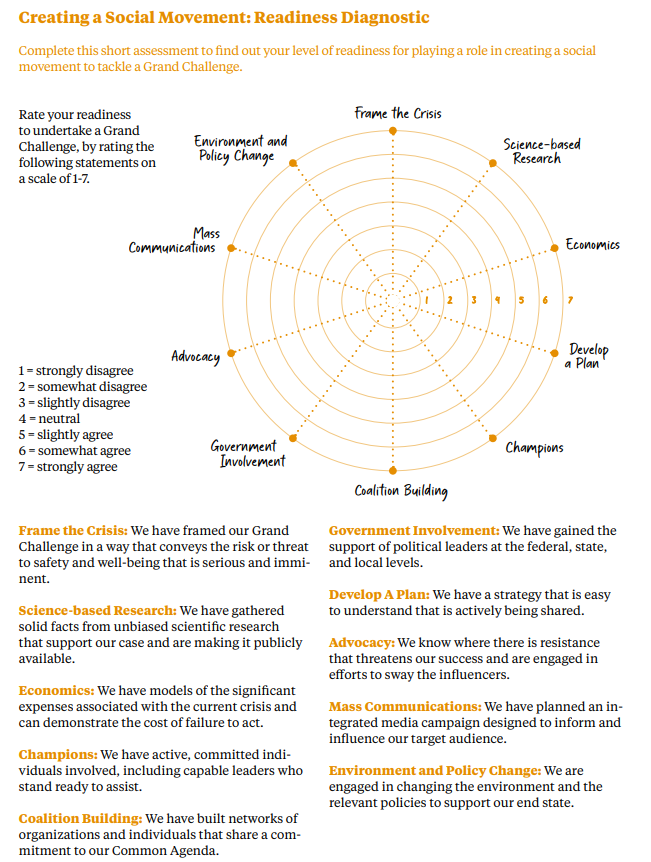
Ten key elements to create a social movement to spread change on a massive scale. Here the methodology is applied to "Grand Challenges" - collaborative responses to significant social problems that demand large-scale change. The approach can be used for other kinds of social change on a smaller scale: medium.com/@SethKahan/creati… By @21stCenturyAssn
1
51
209
39,754
Dr Fiona Moffatt retweeted
17 Nov 2023
First week on placement complete ✅
1
4
19
11,233
Dr Fiona Moffatt retweeted
12 Nov 2023
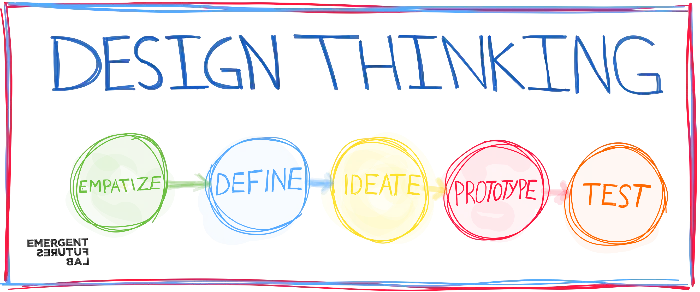
One of the most powerful aspects of design thinking is that it encourages us to focus very strongly on defining the problem. Far too often, we rush into change solutions with a lot of assumptions about the problem we are addressing. It means we limit the possibilities of our solutions in advance of any actual solution being developed. The most radical, breakthrough innovation is usually much more about reinventing or rethinking the problem than it is about developing solutions. So, it's usually good advice to pause, to stop the rush to solutions, and go backwards to the problem: medium.com/the-emergent-futu… By Jason Frasca on @Medium.
11
65
236
39,282
Dr Fiona Moffatt retweeted

21 Sep 2023
Parents and coaches of youth athletes...
Before worrying about sport specific lessons, a speed training coach or an organized strength and conditioning program take a quick assessment and figure out...can my young athlete do these things:
Can you skip in a straight line and in multiple directions?
Can you backpedal?
Can you crawl 20 yds under control with hips low?
Can you crab hold for 30 sec?
Can you hop forward/back and side to side on both without putting the other foot down?
Can you hang from a bar for more than 30 sec?
Can you balance on one leg for 30 sec?
Can you stand on one leg and touch the ground without falling over?
Can you jump and land without collapsing?
Can you take 10 big steps forward (a lunge) with falling over?
Can you front shoulder roll, cartwheel, or somersault?
All these are simply basic movements that set the foundation to be able to learn more complex athletic/sports specific skills. Youth athletes should be exposed to basic movements early and often and ultimately mastered before attempting to move on to high performance training. #LTAD
29
172
1,181
446,524
Dr Fiona Moffatt retweeted

20 Sep 2023
🏊 Swimming is an essential life skill
💪 Supports physical and mental health
💙 And saves the NHS hundreds of millions of pounds each year
That's why we're saying... #DontPutACapOnSwimming
#ValueOfSwimming
17
25
5,005
Dr Fiona Moffatt retweeted
29 Jul 2023
This shocked me and it should shock you too
2
10
24
8,661
Dr Fiona Moffatt retweeted
24 Jul 2023
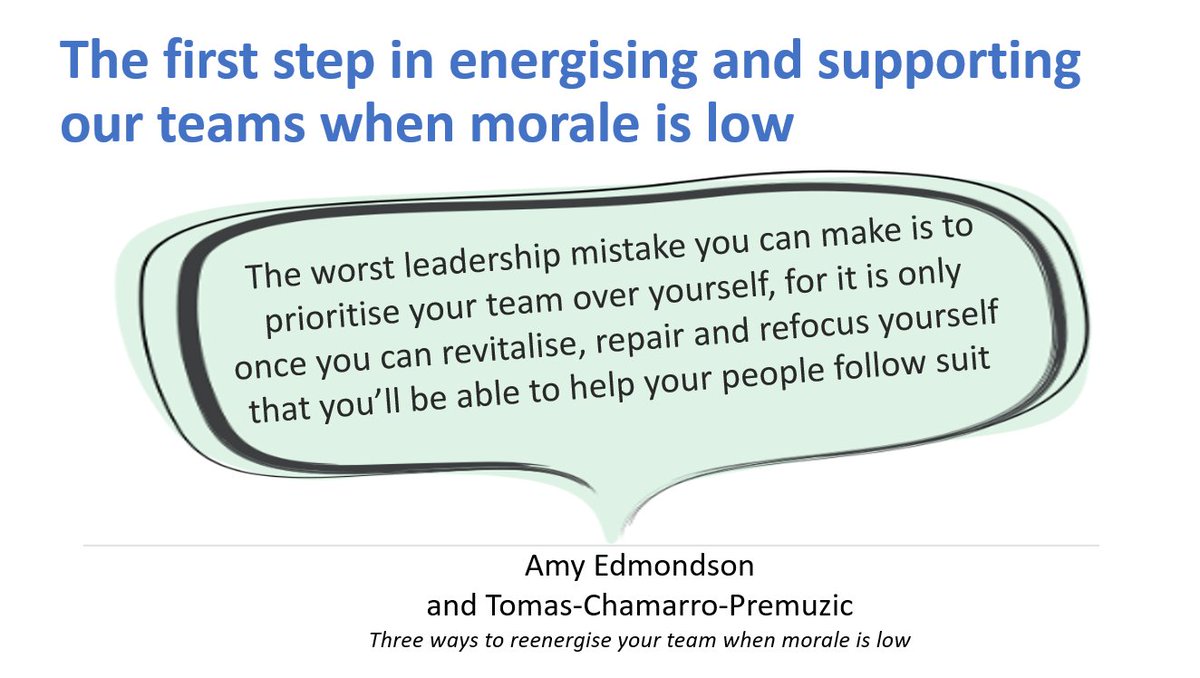
30-40% of the variability in team morale, performance & critical organisational behaviours can be explained by what leaders do. three action areas for leaders who want to create team environments where people thrive & excel:
1) Revitalising: help people feel energised & motivated by connecting to purpose, meaning & what matters to them
2) Repairing: restore wellbeing & address human (not business) problems
3) Refocusing: align team members on key priorities.
And, as leaders, we can't revitalise, repair & refocus others unless we do it to ourselves first: hbr.org/2023/07/3-ways-to-re… By @AmyCEdmondson & @drtcp
12
153
405
82,141
Dr Fiona Moffatt retweeted
21 Jul 2023
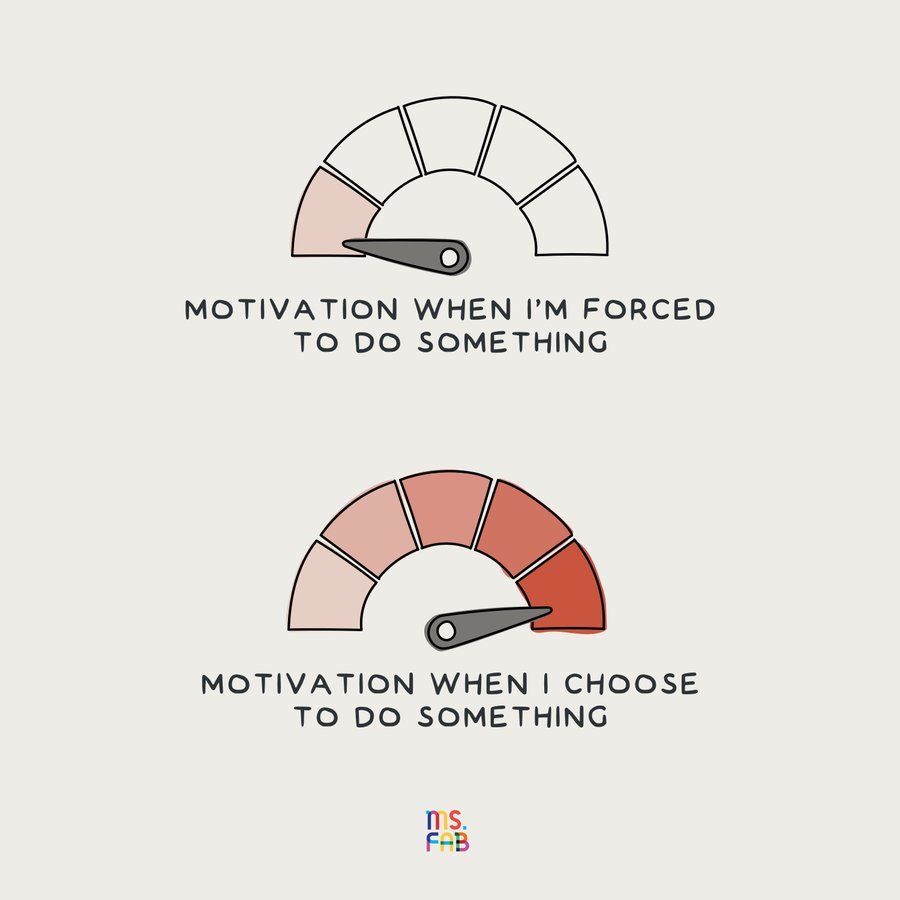
If people are motivated towards the change in a change process, everything else becomes easier. All the time & effort we invest early in that change process, engaging people, listening & co-producing, pays off later in better, more sustainable change. Trying to short-cut engagement means doing change "to" or "for" people & that's usually a bad move. Graphic: @anafabrega11
14
141
494
87,622