Joined December 2023
- Tweets 2,544
- Following 695
- Followers 24,899
- Likes 4,879
130 Photos and videos
Pinned Tweet
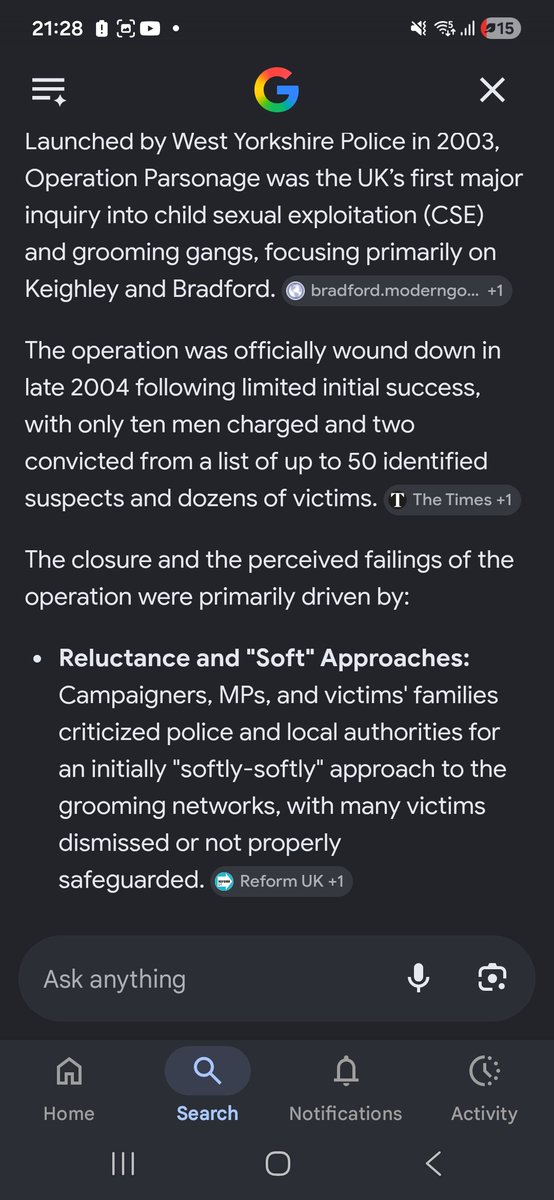
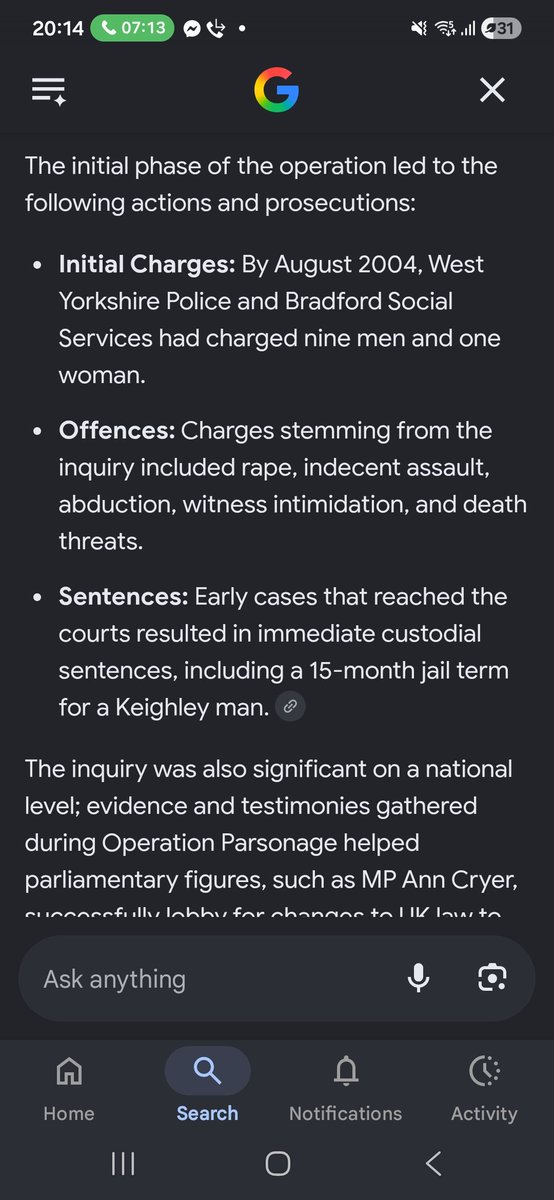
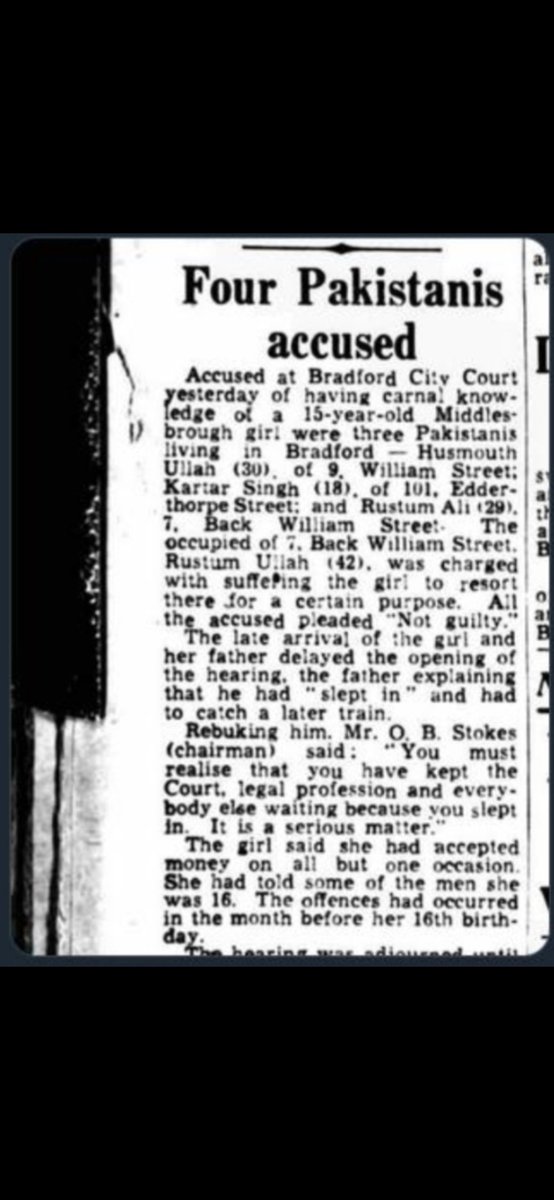
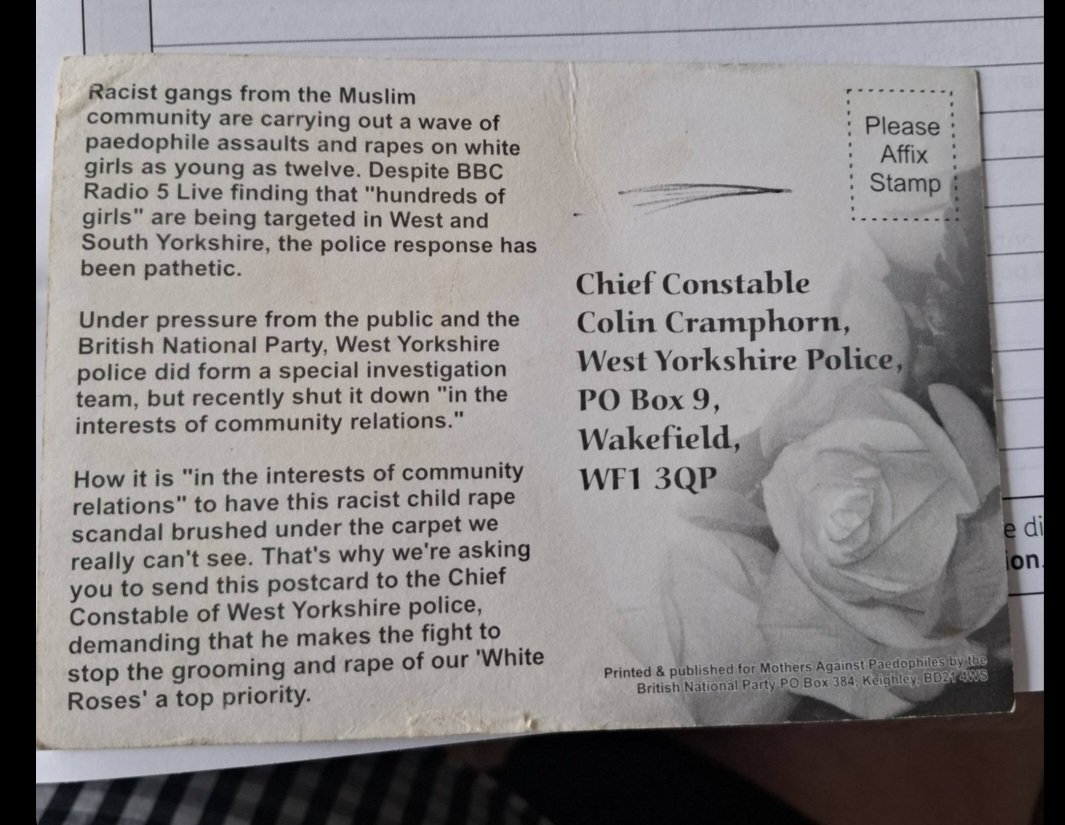
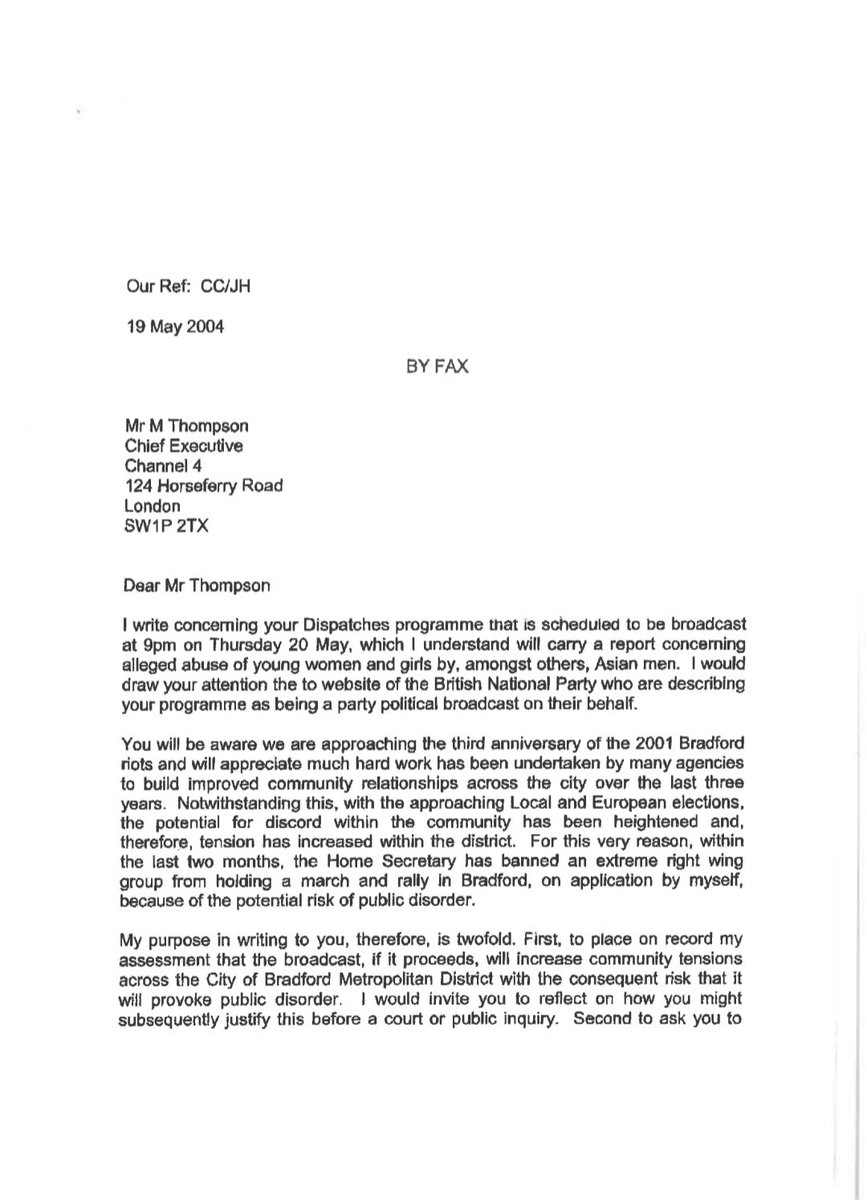
Ment to say 2004 not 2001 and i repeated a few things because my kids kept walking in and distracting me 🤣
Links to help me carry on doing what im doing in spite of all the accusations and abuse i get are below 👇👇👇 this wont go away and I wont stop doing what I am.
paypal.me/Fionagoddard361
buymeacoffee.com/fionagoddar…
7
20
113
1,898
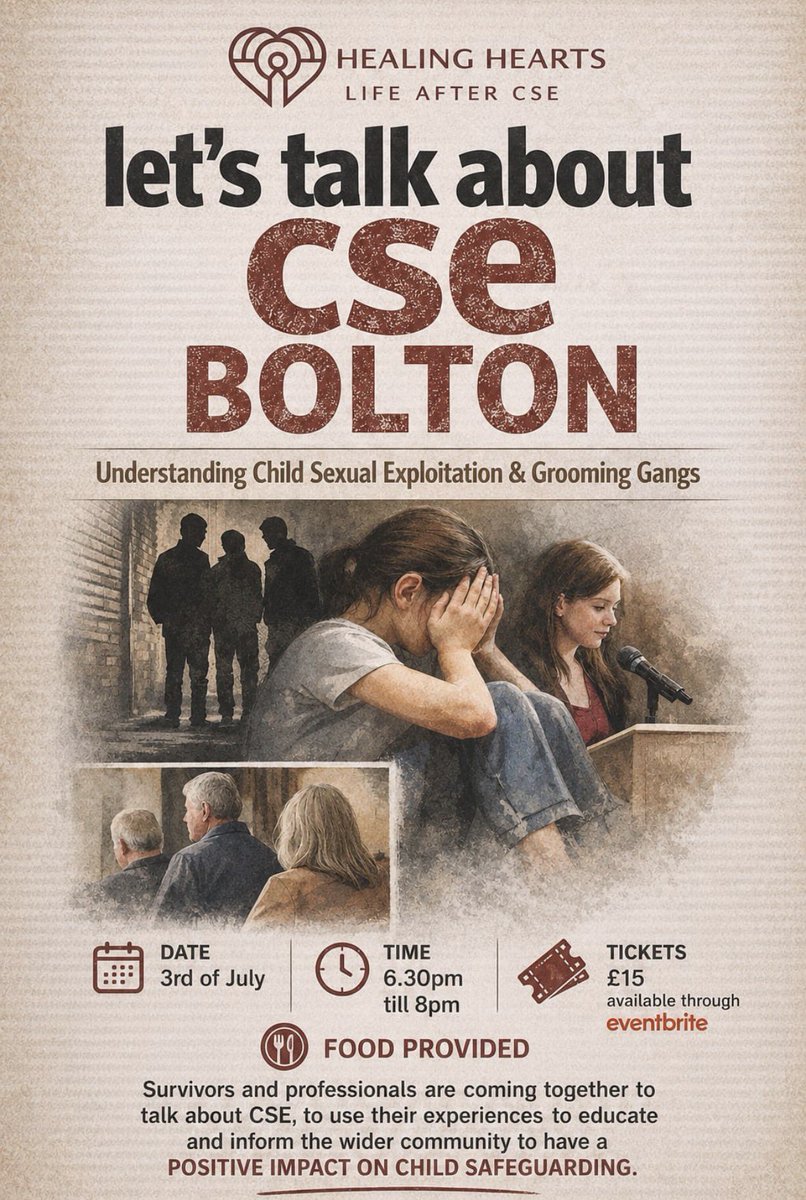
Our event has today been shared around protest groups that deny grooming gangs ever existed to try draw people into crashing our event.
We have survivors speaking at this event using their experiances to educate and push positive change yet people are trying to organise some kind of resistance against that.....
Mind blowing
We are working to make children safer. Others are trying to sabotage that. I know im on the right side.
As claire says security will be present.
Anyone who wants to attend (and not protest against us) can purchase a ticket through the following link
eventbrite.co.uk/e/lets-talk…
Or to support the work im doing across the country support through
paypal.me/Fionagoddard361
buymeacoffee.com/fionagoddar…

Within hours of us announcing our next event, a group of men were already sharing it online and warning others about it.
As with all our events, security will be present to ensure the safety of survivors, victims, speakers and attendees.
We won’t be distracted. The focus remains on child sexual exploitation, safeguarding and supporting those affected.
1
15
46
1,824
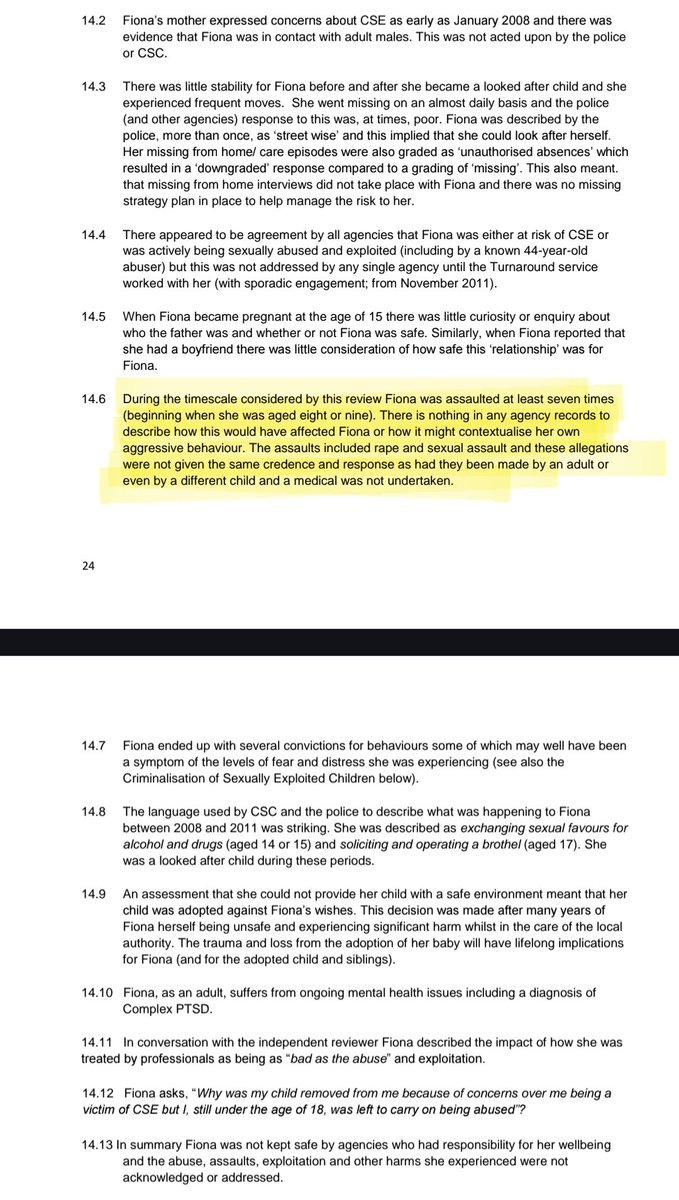
Being told I dont understand injustice....... im a grooming gang victim love, ive faced injustice every day of my life.
-Sacrificed to be raped as a child to keep racial tensions at bay.
-moved to different locations known to be targetted by men raping children rather than stopping the rapes
-staff handling my clothes with PPE to protect themselves because of the blood and evidence of rape on them, yet never ringing police
-police ordering people to stop reporting me missing while also accepting i was a victim of child sexual exploitation
-Criminalised instead of my abusers
-blamed for my own rapes
-restrained and arrested by staff and police while being distressed over said rapes
-my child taken off me at 16 and out through a forced adoption so I could continue being raped
-told I wasnt worth the funding it took to save me
-my case covered up over and over again, including my files deleted, untill I exposed it to the bbc
-even once I finally got an investigation, it was me that had to move 7 times and lose everything I own repetedly, just so my abusers could stay out on bail while repetedly sending people to my house to silence me
-my other kids being removed for 54 weeks to try and "make me take responsibility for my own abuse" and drop civil cases
-being refused compensation even though they accepted my abuse breached my article 3 and 4 human rights
-being refused therapy for 8 years
-still targetted, called a liar and abused because I speak up about what happened and fight for all victims
The list goes on even more.
Dont try tell me about injustice darling. You dont know the half of it
18
139
571
5,328
Does common sense even exist in this country still? Because im really starting to wonder.....
6
6
45
980
I actually think the sentence the guy got for breaking the police officers back was shockingly low.
Even if you dont consider he hit her with a sledge hammer during a forceful act of vandalism that was being done to try and force the government to comply with their demands, just the act itself should carry a much longer sentence than he was given. I think rather than complaining that violent people went to jail for their actions you should be thankful it wasn't longer because others would of got a much longer sentence for doing the same thing.

One broke a police officer's back.... the others caused over 1mill in damage, are we supposed to just be letting people get away with crimes now?
If you were PM would people be allowed to go around destroying anything they decided they didnt like and seriously injure whoever they want?
Are you advocating for a lawless society?
4
6
95
1,551
One broke a police officer's back.... the others caused over 1mill in damage, are we supposed to just be letting people get away with crimes now?
If you were PM would people be allowed to go around destroying anything they decided they didnt like and seriously injure whoever they want?
Are you advocating for a lawless society?
Jun 12

Gut wrenching to see four young people jailed for direct action against an arms supplier to Israel.
Years in prison for protesting to save lives in Gaza, with 'terrorism' used despite no jury convicting them of it.
A truly dangerous attack on the right to protest.
4
5
73
2,640
Fiona goddard retweeted

Lancashire Police has confirmed that a 30-year-old British-born man of Pakistani heritage has been arrested on suspicion of attempted murder after a 17-year-old girl was stabbed in the neck in Brierfield.
The force said that the girl’s injuries were not life-threatening.
415
1,026
3,383
189,069

Jun 12
Not long untill my birthday now. Think I need to find a way to book a spa day for it. The amount of tension and trauma my body is holding is ridiculous, It that bad I cant even remember how it feels to not have my body throbbing from tension 😫
13
4
84
2,619
Jun 12
My good friend @MarlonTag and his brave daughter @scarlett_w53584 have their book available for pre order now.
This book documents not only scarlett's horrific experiances but also her father's battle, trying to save her.
You can pre order the book on the link below
amzn.eu/d/0hLicMkD
4
45
131
3,715
Fiona goddard retweeted
Jun 11
The PayPal link attached wasnt working for some reason. Ive attached it again.
paypal.me/Fionagoddard361
Jun 11
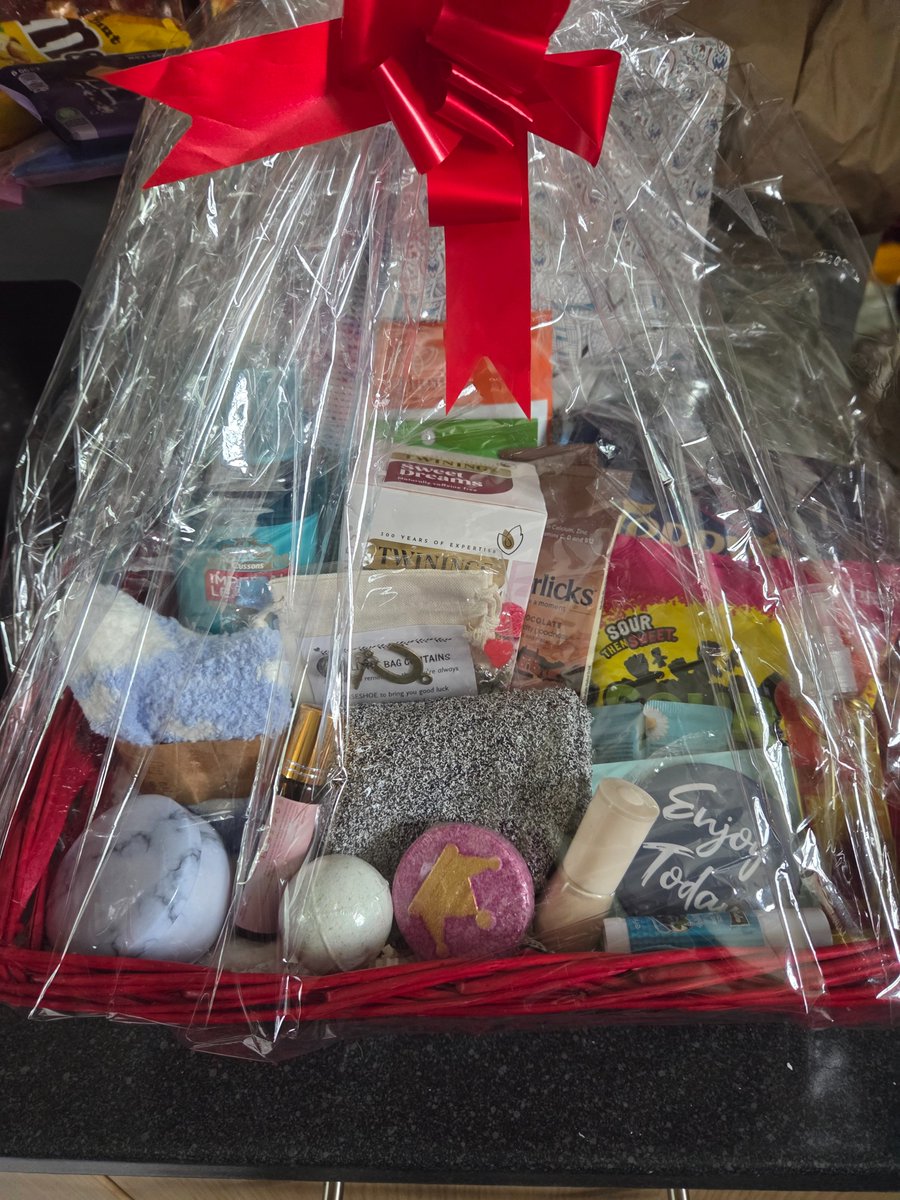
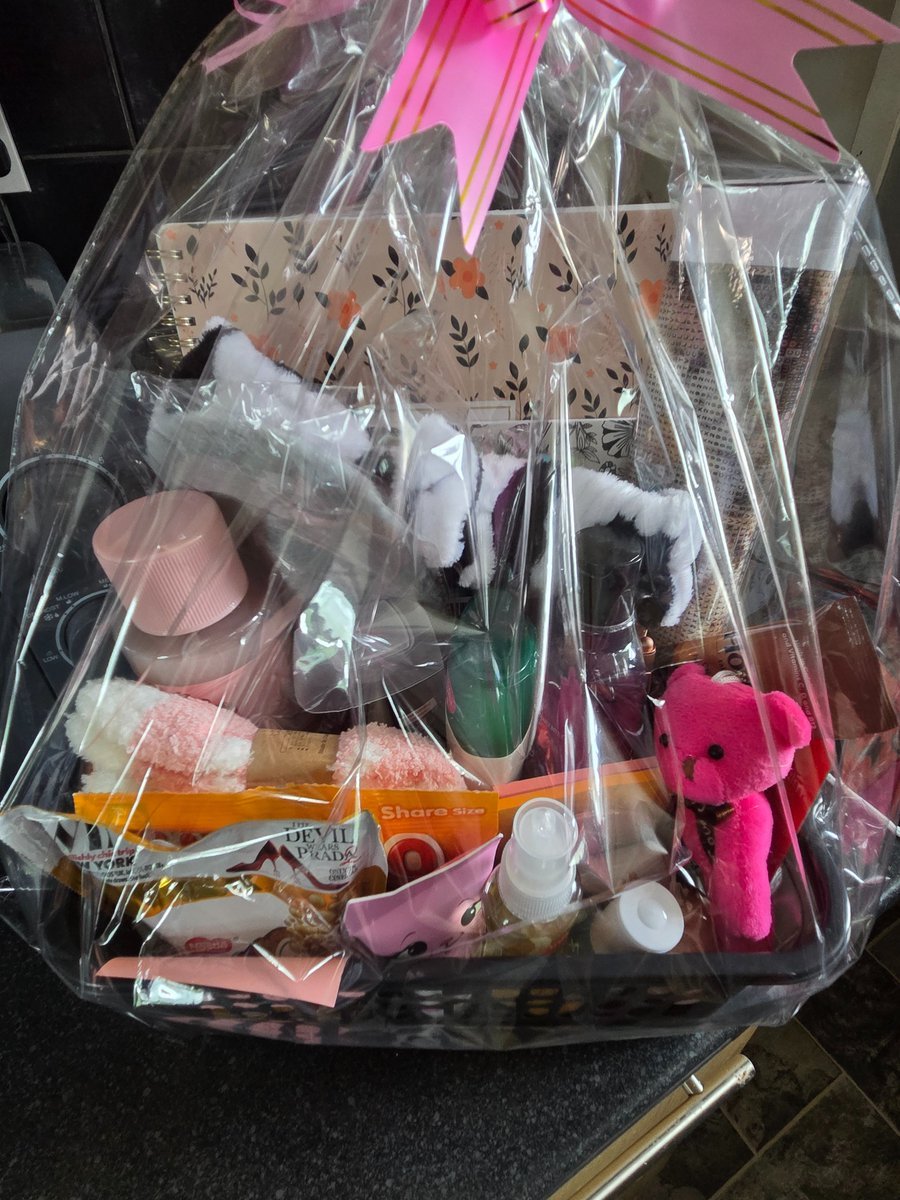
On my way to Huddersfield to meet with a survivor to see if there is any way I can help her with her case. Im also armed with a hamper for her so she has the tools to do some self care tonight after what could be a triggering conversation.
Once again thank you for all the support I get to continue doing these things. It wouldn't be possible without the help from all you guys. You are allowing me to help people as much as I can and im honoured to be able to do so.
You have no idea how much all the support means, not just to me, but to everyone else im able to help.
paypal.me/Fionagoddard361buy…
1
4
11
1,193
Jun 12
We were not allowed to mention Basharat Khaliq either, despite the fact that he was being prosecuted for abusing a third child and is now serving a 28-year sentence.
People often think that a conviction brings closure for victims, but it doesn't. The abuse may end, and the trial may be over, but what follows is a lifetime of dealing with the consequences. The trauma is constantly reopened by new revelations, court cases, media coverage, and reminders of what happened.
Now I am facing the release of five of my abusers over the next 12 months after they have served only half of their sentences. Alongside that comes the likelihood of more situations like this involving Fahim—more reminders, more conversations, and more trauma to confront again and again.
Victims effectively serve a life sentence. Yet the people who repeatedly abuse, exploit, and destroy lives are often released after only a few years. If sentences truly reflected the severity and repeated nature of these crimes, fewer victims would be forced to relive their trauma while their abusers are given the opportunity to harm others.

When we released @fionagoddarduk’s transcript & podcast with Julie Bindel, we had to be very careful to not name Fahim Iqbal. He was just sentenced for chasing a man down and cutting his leg off in the street with a machete. These insane rules need change
bbc.co.uk/news/articles/c14y…
6
103
382
12,561
Fiona goddard retweeted

Jun 12
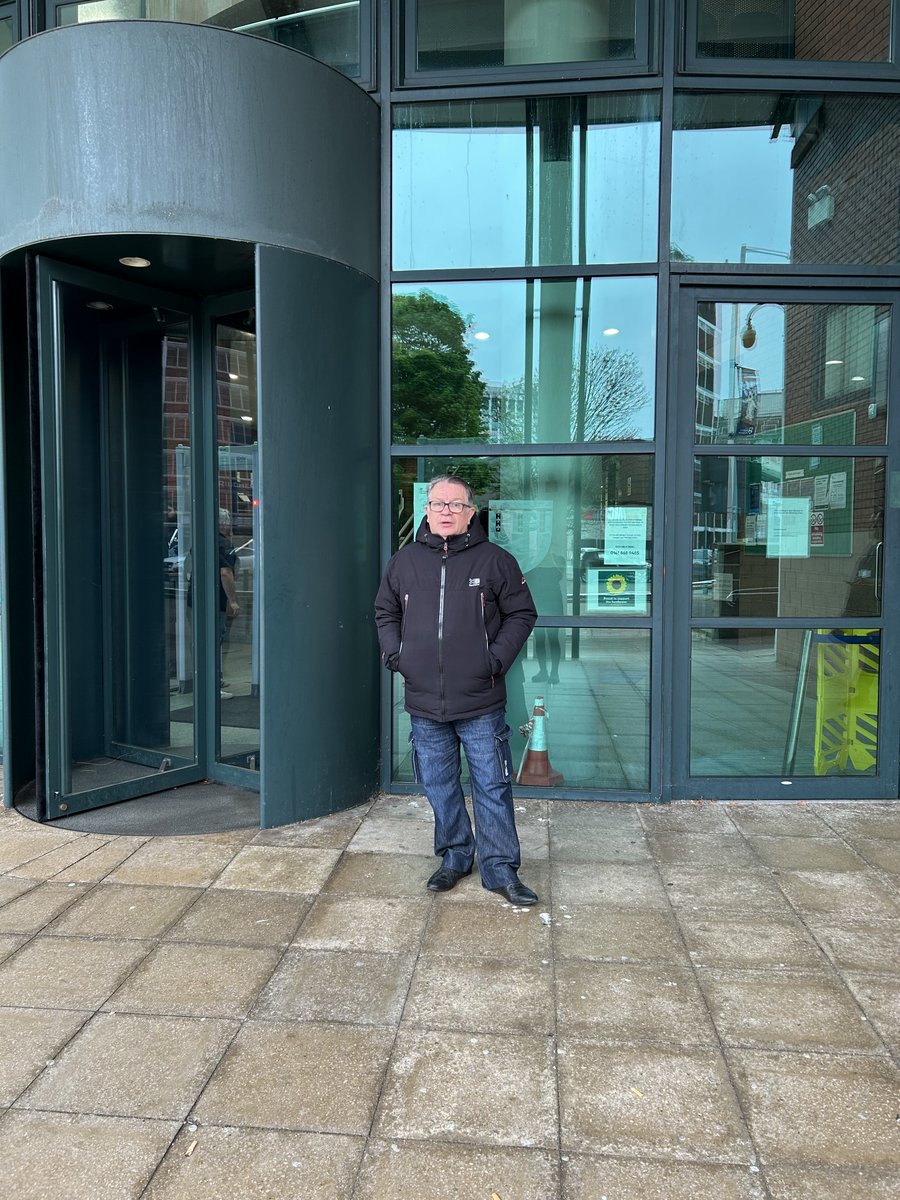
I’ve arrived at court early so I don’t miss anything. This is a huge day for so many people. Justice MUST be seen to be done. Little Preston spent his short life in the care system and nothing ever changes for these children who did not deserve to be treated so badly.
18
63
432
7,839
Fiona goddard retweeted
Jun 11
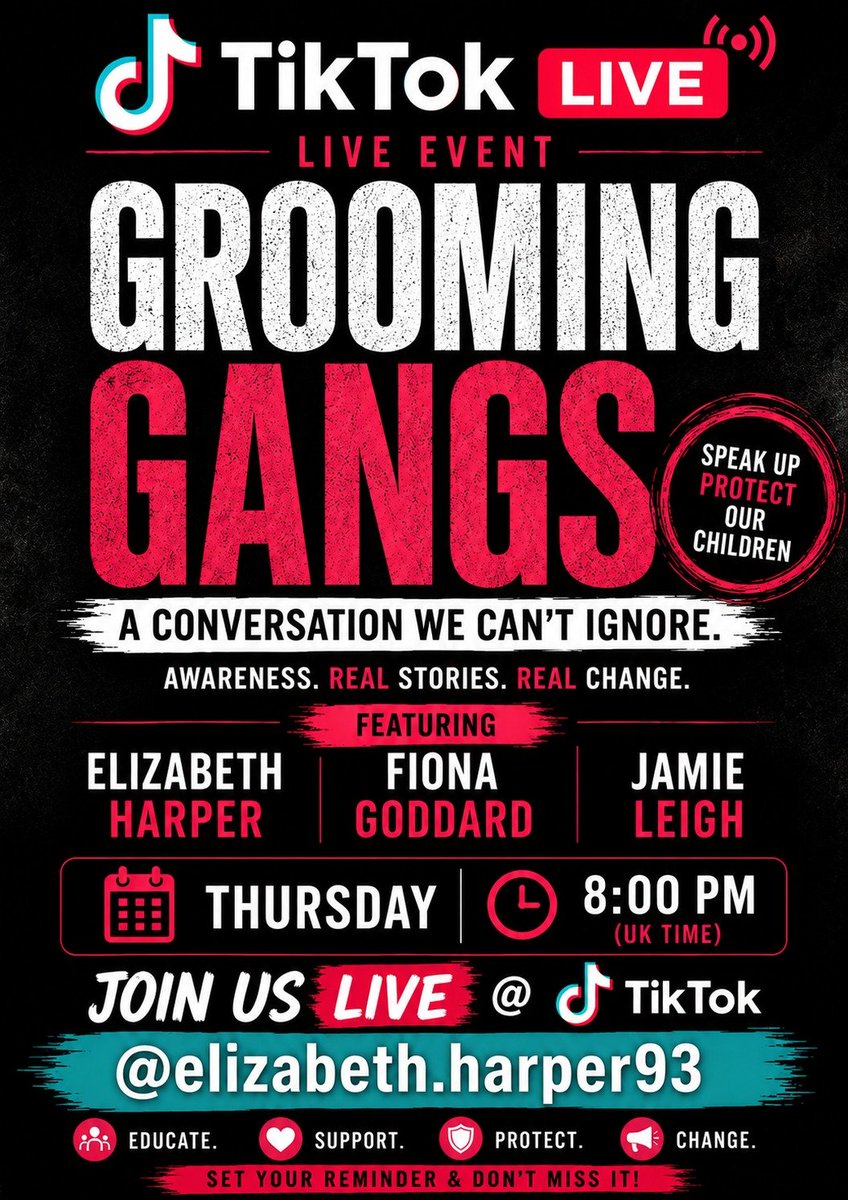
Our next event is in Bolton on the 3rd of july 18.30 till 20.00.
You can find out more details and buy tickets through the link below.
Please come along to hear and support survivors and gain a deeper understanding on child sexual exploitation
eventbrite.co.uk/e/lets-talk…
2
10
31
2,219
Jun 12
The article we have been working with the bbc on, it should be covered on bbc national news today aswell. I will share the link once its out
bbc.co.uk/news/articles/cly7…
5
44
128
3,778

We have requested them! Waiting on judge approval. I think there’s clear public interest
Jun 7

All the Henry Nowak court transcripts should be released.
A friend of the Henry Nowak family has claimed that two days of the proceedings were not reported in the local media.
If that’s correct, releasing the full transcripts would help clarify what was covered and what was not.
10
93
745
26,769