Retired. Easily bored. TT.💢 NO GROUPS OR LISTS. 💢NO DMs.💢 Anyone asking for money or pro MAGA will be Blocked💢I like birds🦉🐦🦜🕊️🦅🦉🦩🦢🦤🦆
Joined August 2011
- Tweets 347,074
- Following 94
- Followers 2,662
- Likes 383,689
7,565 Photos and videos







Pinned Tweet

7 Dec 2021
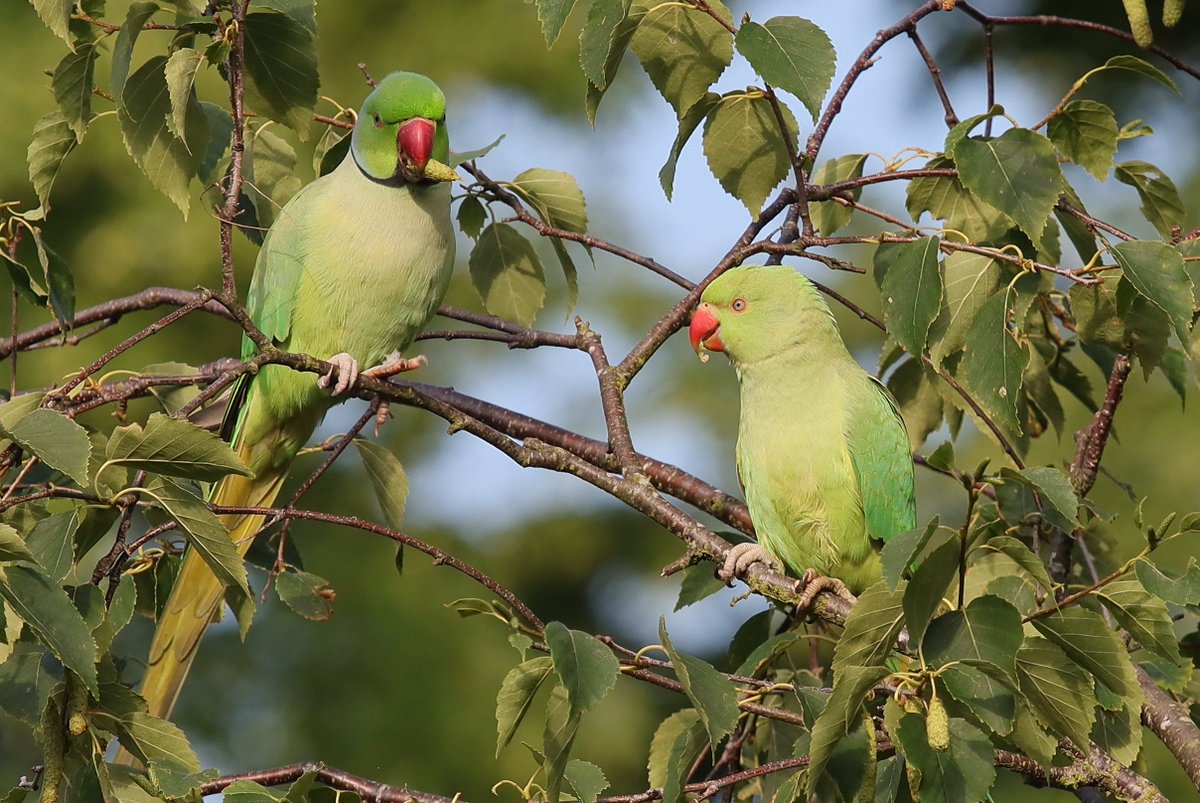
Ring-necked Parakeets in the June sunshine in the Park
17
137
1,093
Ed Foster💚 retweeted

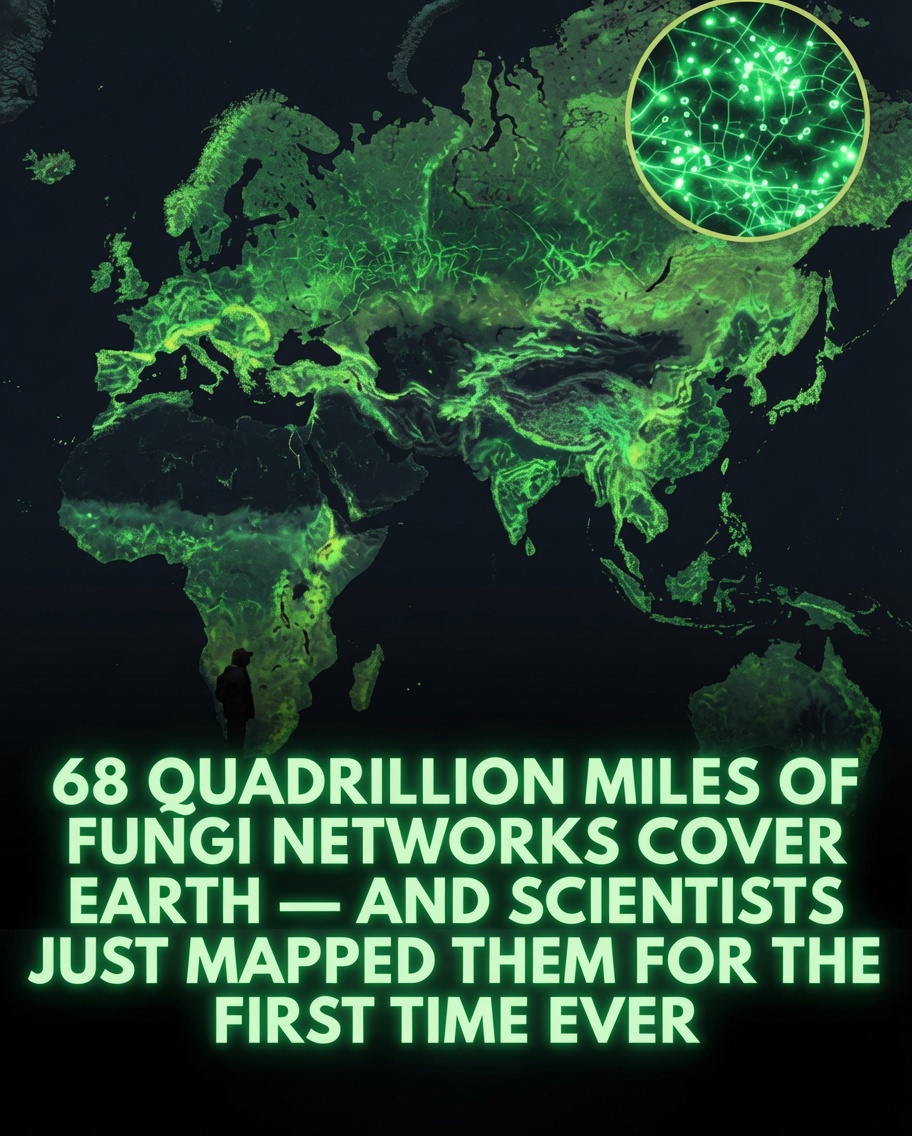
Scientists have mapped Earth’s vast underground fungal networks for the first time, revealing a staggering 68 quadrillion miles of fungal threads that help regulate the climate.
A groundbreaking new study estimates that arbuscular mycorrhizal fungi form an underground network stretching roughly 110 quadrillion kilometers (68 quadrillion miles), equivalent to nearly a billion times the distance from Earth to the Sun. These microscopic fungal threads create symbiotic relationships with over 70% of land plants, exchanging nutrients and water for carbon while locking away massive amounts of CO₂ in the soil.
The research, led by the Society for the Protection of Underground Networks (SPUN), used machine learning models trained on data from more than 16,000 global soil cores, combined with high-resolution robotic imaging of fungal hyphae.
However, these critical networks face a serious threat from modern industrial agriculture. Fungal density in croplands is nearly 50% lower than in undisturbed ecosystems, largely due to tilling, chemical fertilizers, and fungicides. This loss reduces the soil’s ability to store carbon, weakens nutrient cycling, and increases chemical runoff.
The findings underscore the urgent need to protect these hidden ecosystems. Researchers plan to present the data at the upcoming UN desertification summit to push for global conservation benchmarks.
[Stewart, J. D., et al. (2026). Global density and biomass of arbuscular mycorrhizal fungal networks. Science. DOI: 10.1126/science.adu4373]
20
186
553
26,910
Ed Foster💚 retweeted

Americans realizing they spent $75 billion fighting Iran, then another $300 billion rebuilding Iran, just to reopen the Strait of Hormuz that was already open before the war started
944
7,338
45,263
1,157,929
Ed Foster💚 retweeted

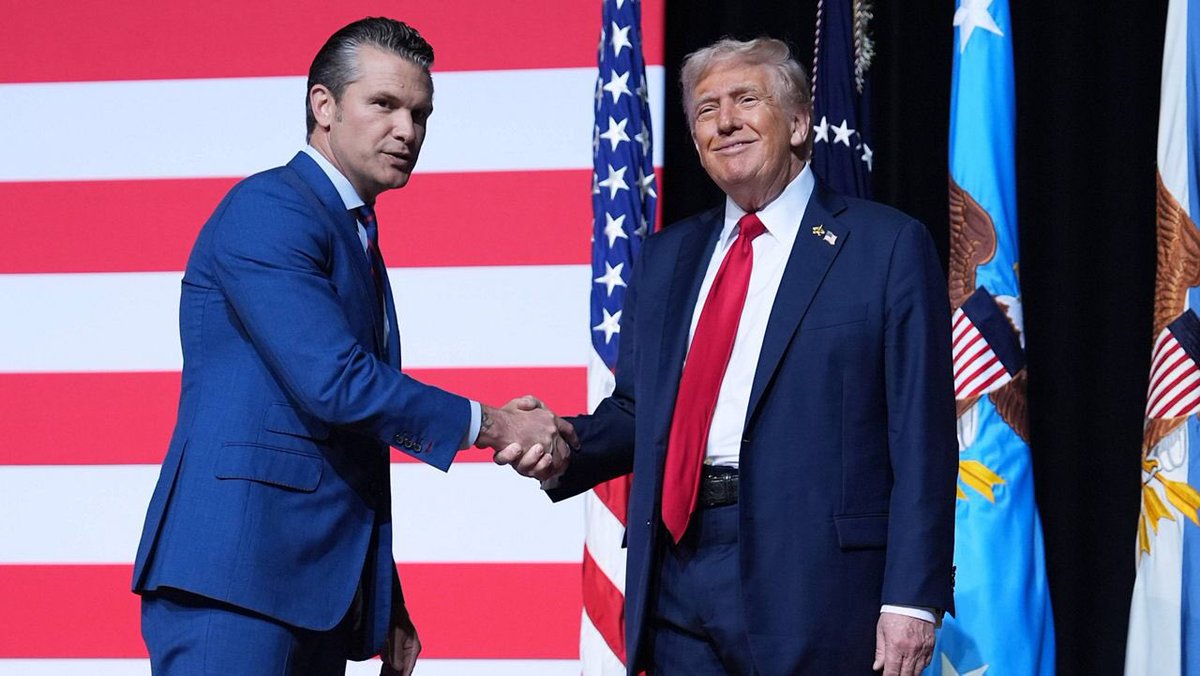
Hegseth said on Face the Nation that the difference in the Obama deal and the Trump deal is that Trump was dealing from a position of strength… the use of arms.
That strapped the US tax payers with $300 Billion in reconstruction costs…. Obama = zero in reconstruction costs
..
7
7
75
Ed Foster💚 retweeted

🚨ATTENTION SWITZERLAND🚨
A 34X convicted felon has entered your country. Subject is an adjudicated rapist. He is linked to Conspiracy, Treason, Espionage & Pedophilia.
Suspect is orange, hostile, profoundly stupid and smells like shit. REMAIN INDOORS!
350
4,028
17,030
217,512
Ed Foster💚 retweeted

Jun 14
Donald would hate seeing this ad on his birthday. Too bad!
@senecaprojectus is targeting the UFC White House event and the alleged 80,000 attendees with this ad.
We will never forget who protected predators, Donald!
#AmericaIsWatching
Help us make it go viral!
83
2,844
4,754
45,537
Ed Foster💚 retweeted

Jun 14
🚨 WOW! Al Jazeera completely humiliates Donald Trump. They expose how the US President has falsely claimed an Iran peace deal is imminent nearly 40 times!
The Trump administration is a total clown show, constantly lying to hide their massive diplomatic failures.
22
1,018
2,472
82,354

Ed Foster💚 retweeted

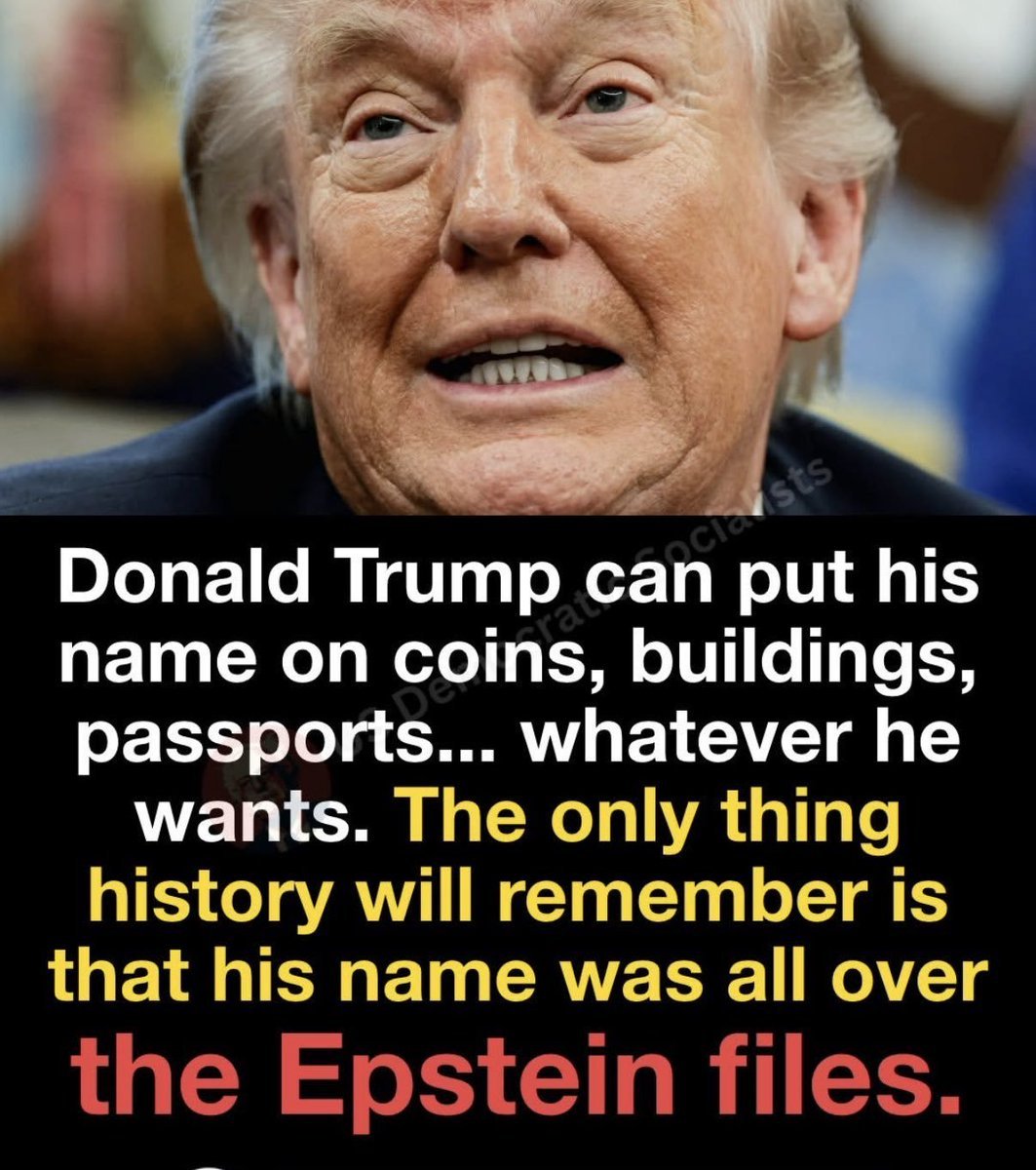
DO NOT STOP TALKING ABOUT EPSTEIN,
DO NOT STOP TALKING ABOUT EPSTEIN,
DO NOT STOP TALKING ABOUT EPSTEIN,
DO NOT STOP TALKING ABOUT EPSTEIN,
DO NOT STOP TALKING ABOUT EPSTEIN,
DO NOT STOP TALKING ABOUT EPSTEIN!
📢📢📢📢📢📢📢📢📢📢📢📢📢📢
67
992
1,345
8,774
Ed Foster💚 retweeted

Jun 14
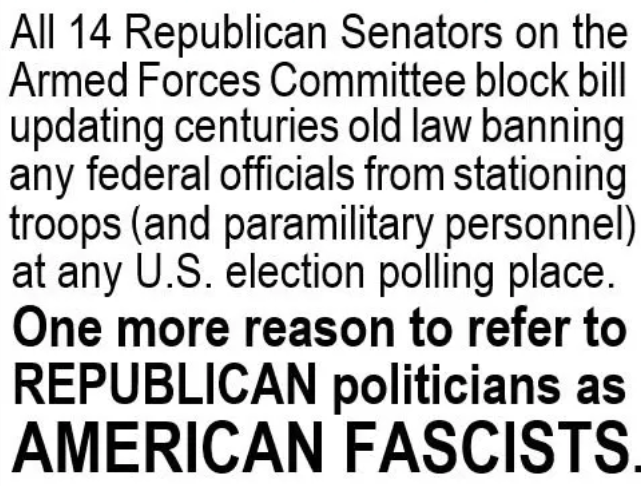
This is what FASCISM looks like.
21
551
694
4,492
Ed Foster💚 retweeted

Jun 14
#BREAKING: Psaki: “This week we also learned that despite the #UFC insisting that they will foot the bill for this whole thing, US taxpayers do appear to be subsidizing the event. A spokesperson for Washington DC told ESPN that the city expects to incur somewhere between $10-$12 million in supplemental security costs which will be paid for by a federal fund aka your tax dollars.” 🙄
119
2,382
5,855
358,039
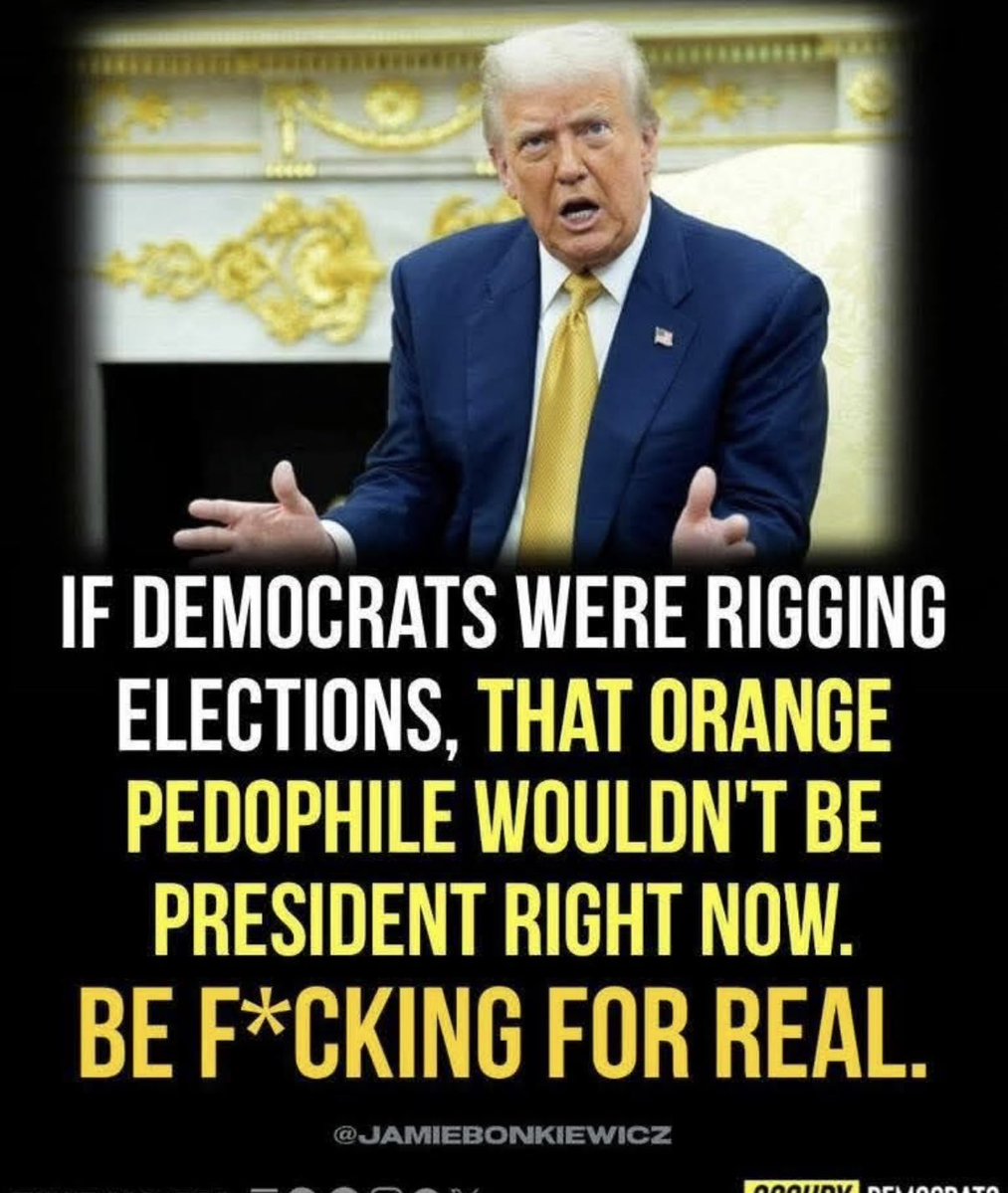
Ed Foster💚 retweeted

Courtney Wild, Epstein survivor, to Congress last month:
'Maybe that's how it works for rich guys. That's how it did work for Jeffrey Epstein.'
The government signed a secret nonprosecution agreement with Epstein. His 40 known victims were never told.
21
715
1,470
10,323
Ed Foster💚 retweeted

Jun 14
BREAKING: Cory Booker Just Summed Up His Criticism Of Trump's Iran Strategy In One Sentence.
"The Strait of Hormuz was open before he started this ill-conceived war."
Think about that.
The administration is now touting the reopening of one of the world's most important shipping lanes as a major achievement.
Booker's response?
It was already open.
According to Booker, Americans have spent months paying higher prices, tens of billions of taxpayer dollars have been committed, and U.S. service members have lost their lives.
Now the White House is presenting the restoration of the pre-war status quo as a victory.
33
615
1,849
22,606
Ed Foster💚 retweeted

Jun 14
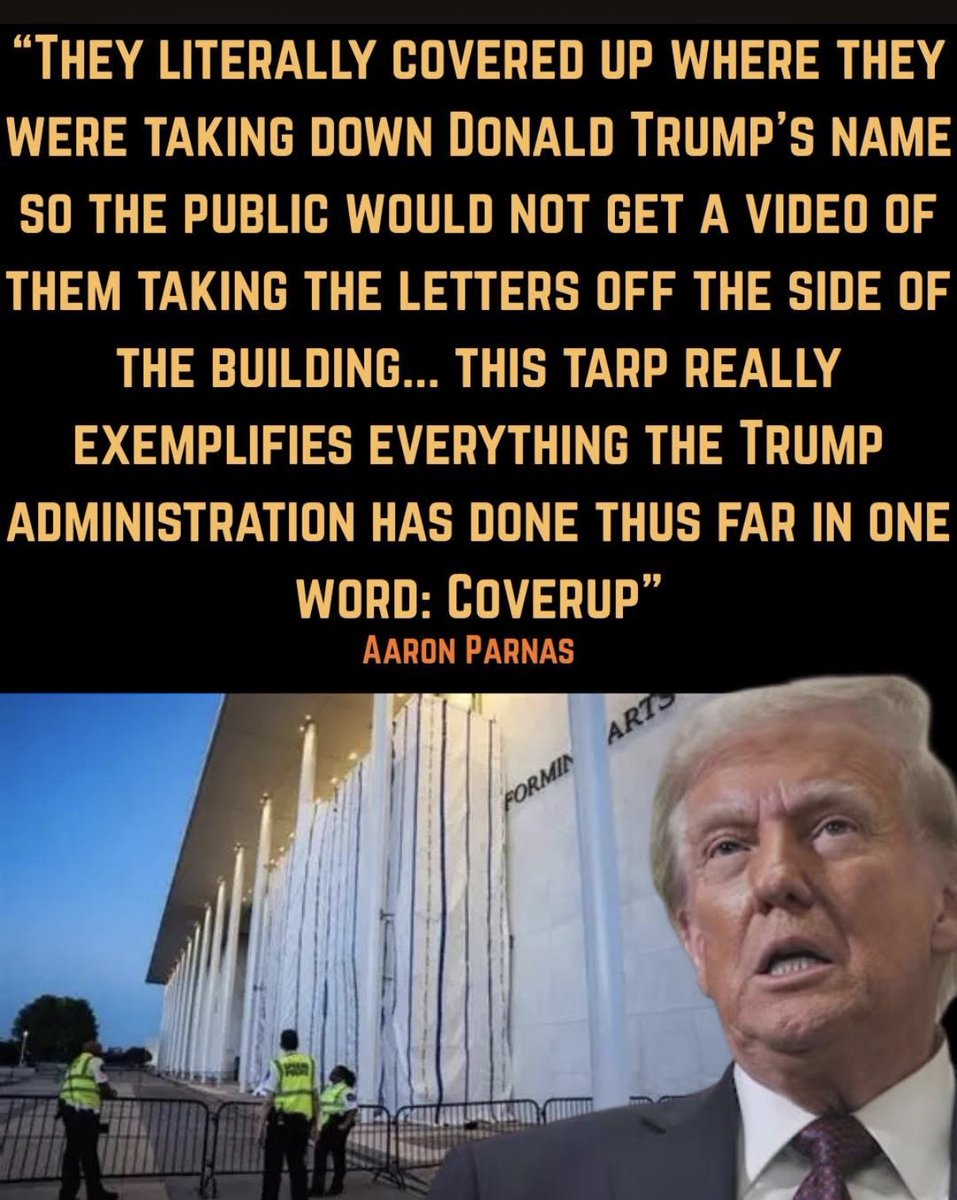
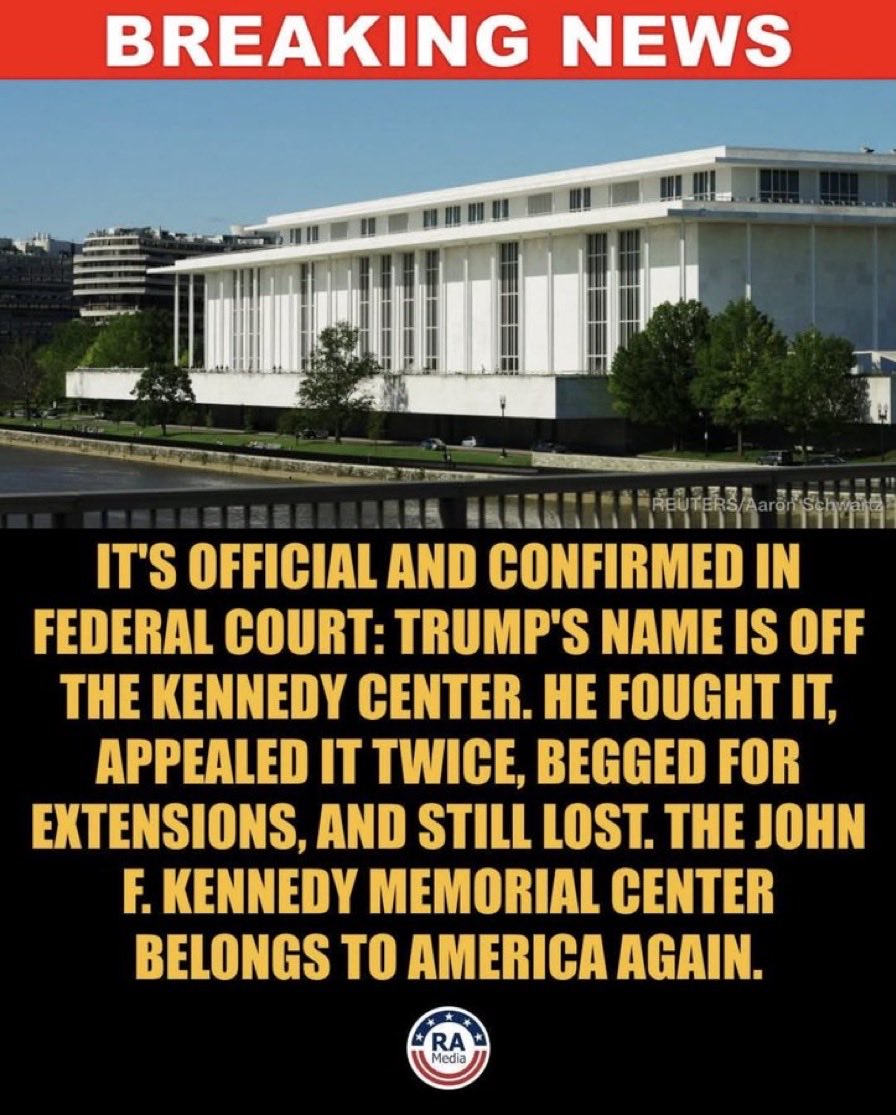
The name Donald J. Trump is no longer on the Kennedy Center, it was removed just in time for trump’s 80th birthday. 🤣
118
498
1,654
11,232
Ed Foster💚 retweeted

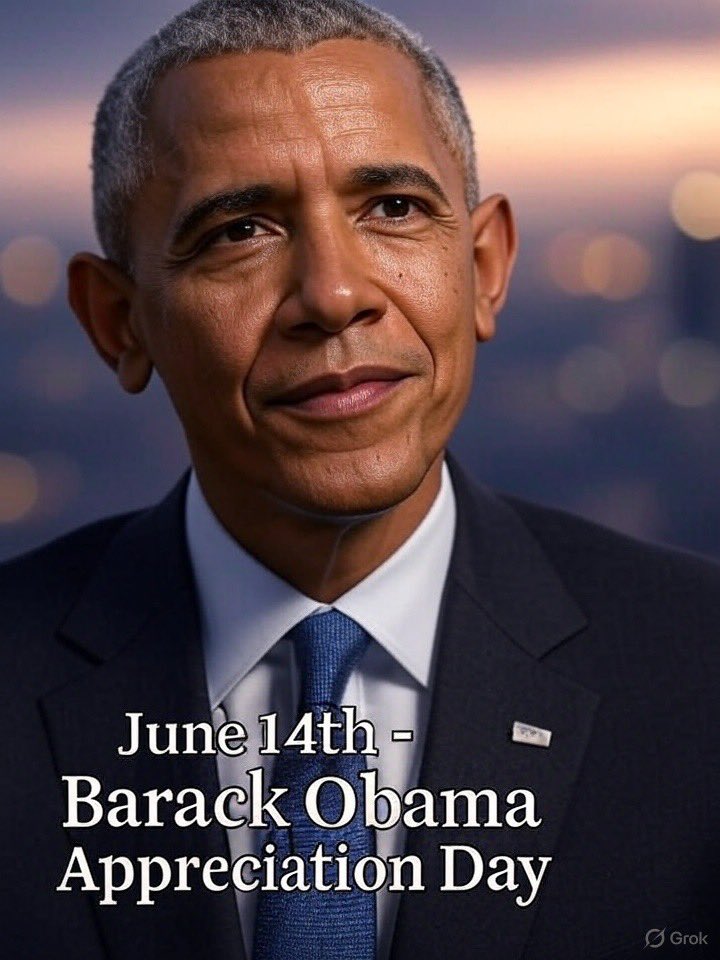
RETWEET if you are celebrating Barack Obama Appreciation Day today!
471
8,056
15,400
104,207
Ed Foster💚 retweeted

162
7,441
11,529
77,588
Ed Foster💚 retweeted

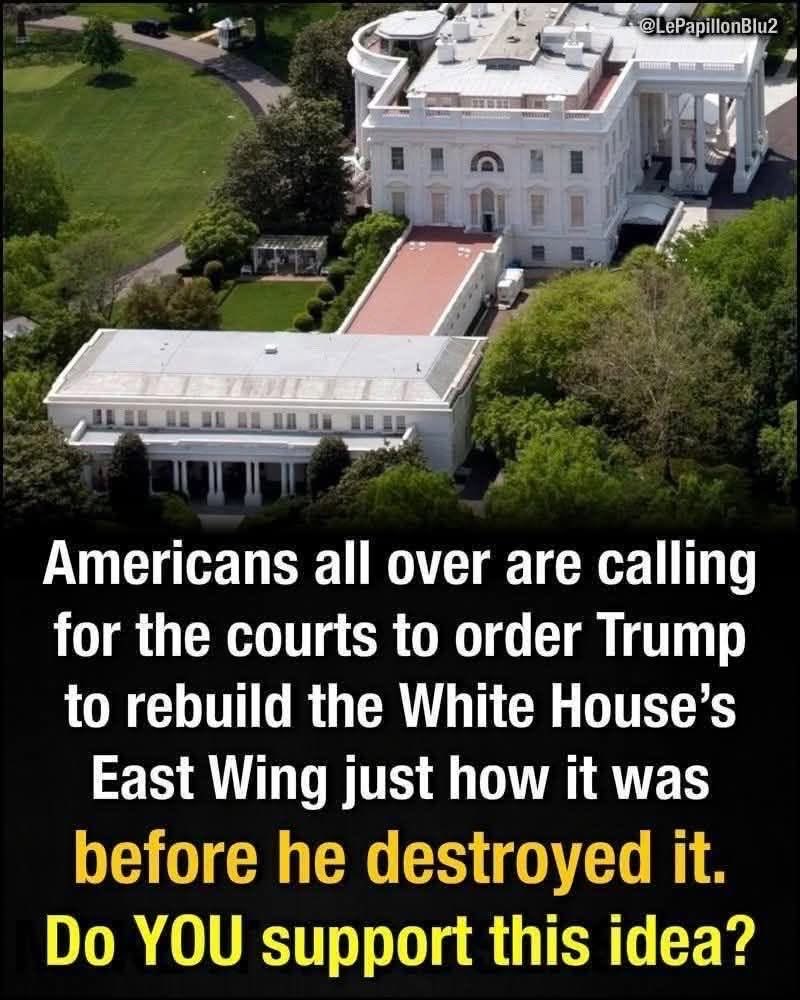
I support this .
He doesn’t have that right.
Jun 14

100
280
720
6,856
Ed Foster💚 retweeted

Jun 14
Raphael Warnock: “JD Vance is perhaps the most craven politician in the American landscape. Here’s a man who called Donald Trump America’s Hitler. He’s just deeply craven. It’s hard to know really what his moral center is. In some ways he’s scarier than Donald Trump”
103
1,092
4,763
70,719