
Joined March 2016
- Tweets 140
- Following 115
- Followers 46
- Likes 499
Photos and videos

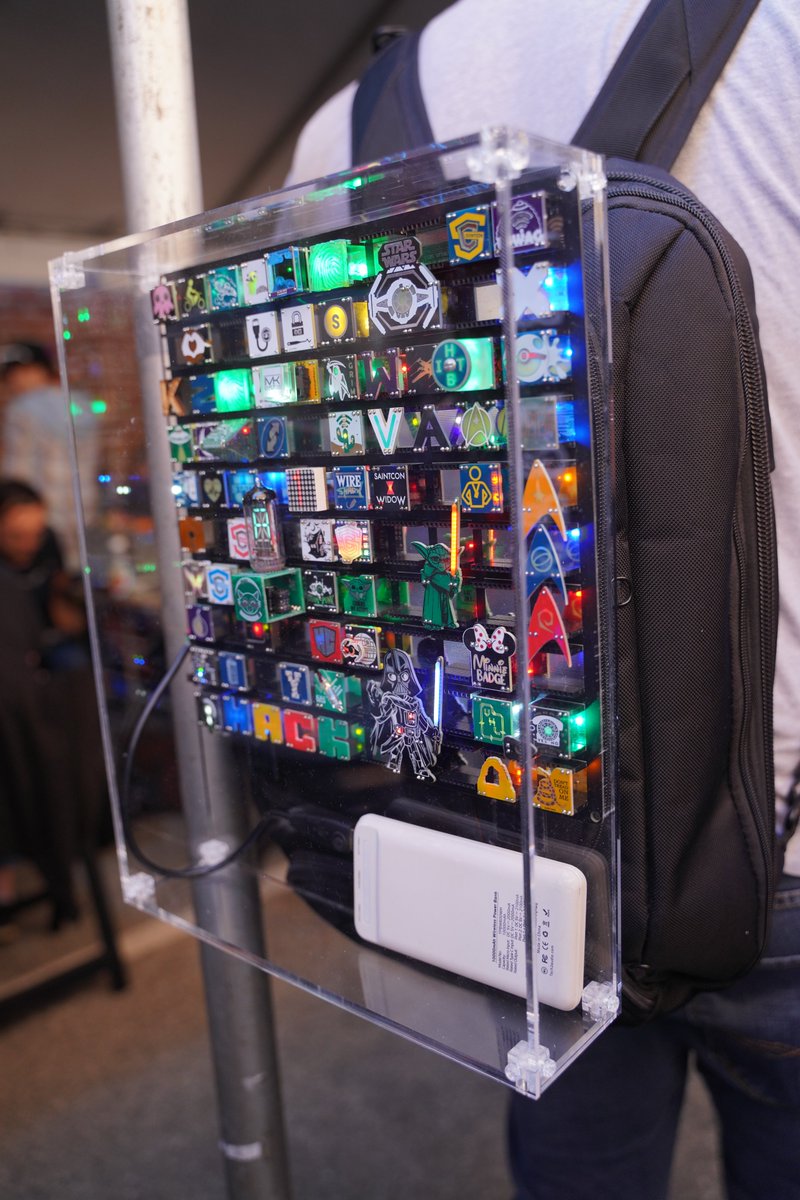
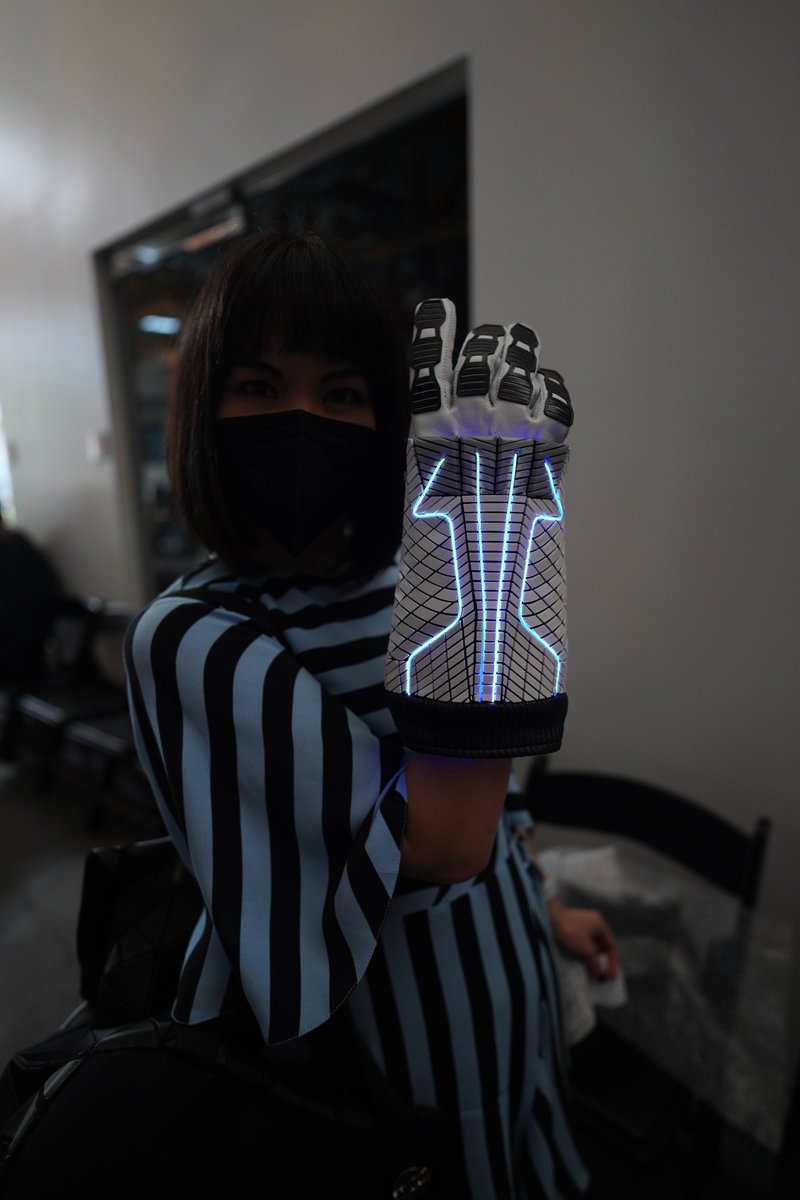
Hackaday Berlin: The Badge, Workshops, and Lightning Talks hackaday.com/2023/03/14/hack…
1
5
4,403
👾 Are you ready to show-off the #hardware projects you've been working on in 2023? Here's your chance..
Join us for the biggest gathering of hardware #hackers in Europe! Tickets are selling out🎟 bit.ly/40DYLKA
📍See you on March 25th @ MotionLab in #Berlin, Germany.


15
48
12,676
Daniel retweeted

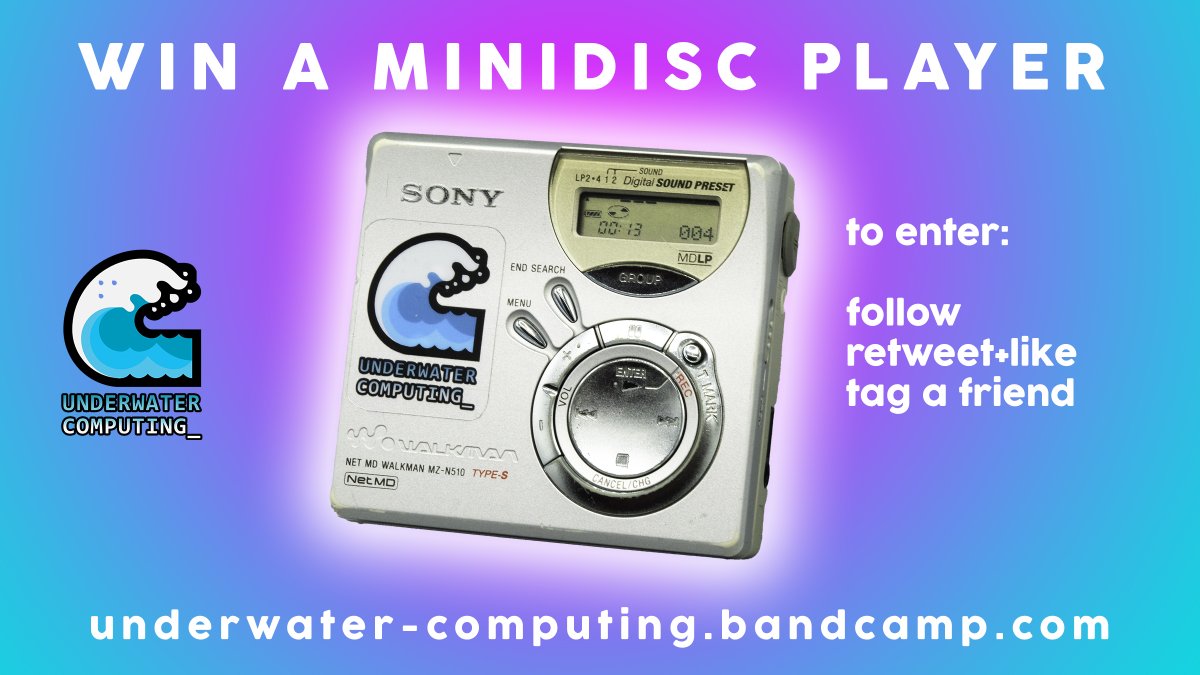
have you ever dreamed of entering the very select club of the md?
⭐ Win this MiniDisc player NetMD type S
⭐ a Special edition minidisc
⭐ Winner chosen at random will be announced 3.24
⭐ enter:
➡️Follow
➡️Retweet like this post
➡️Tag a friend in the comment of this post
130
127
209
16,031
Come Join Us for Hackaday Berlin! hackaday.com/2023/02/07/come…
2
11
45
17,832

5 Feb 2023
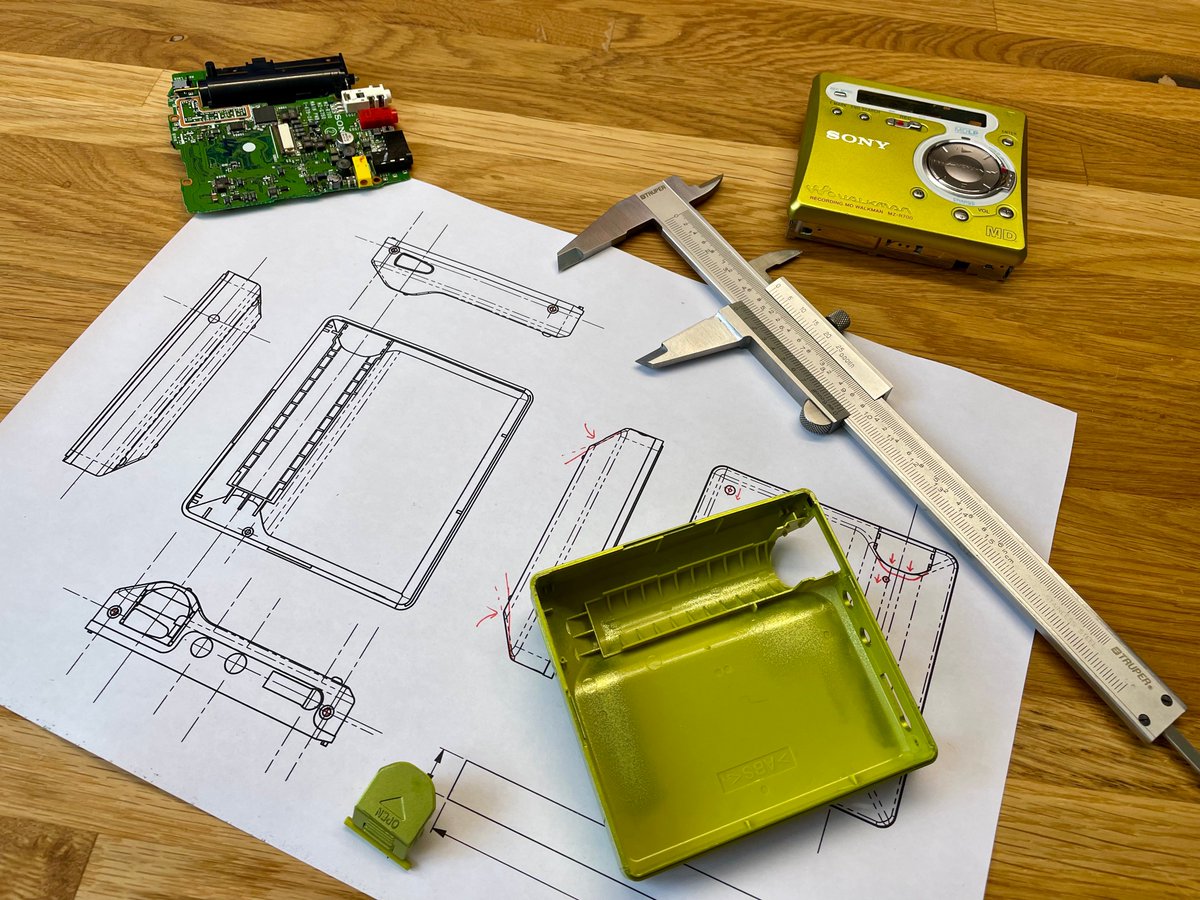
A bit of mechanical reverse engineering for the next iteration of the Bluetooth #MiniDisc project...
github.com/formatc1702/bluet…
3
4
215
5 Feb 2023
43
28 Jan 2023
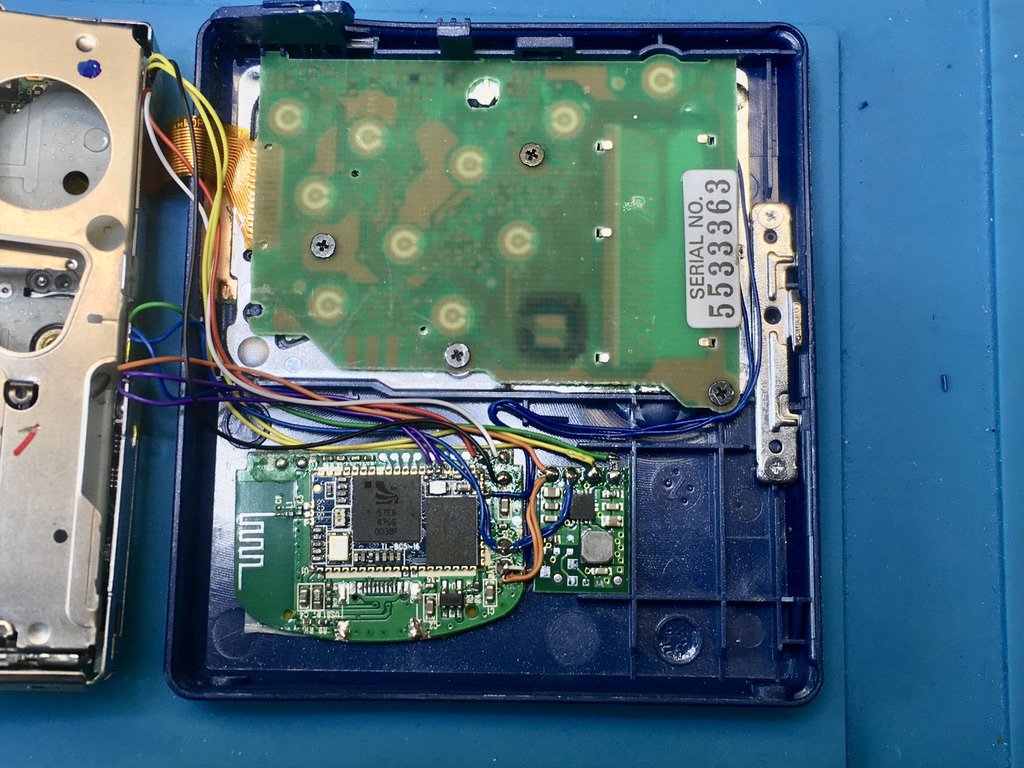
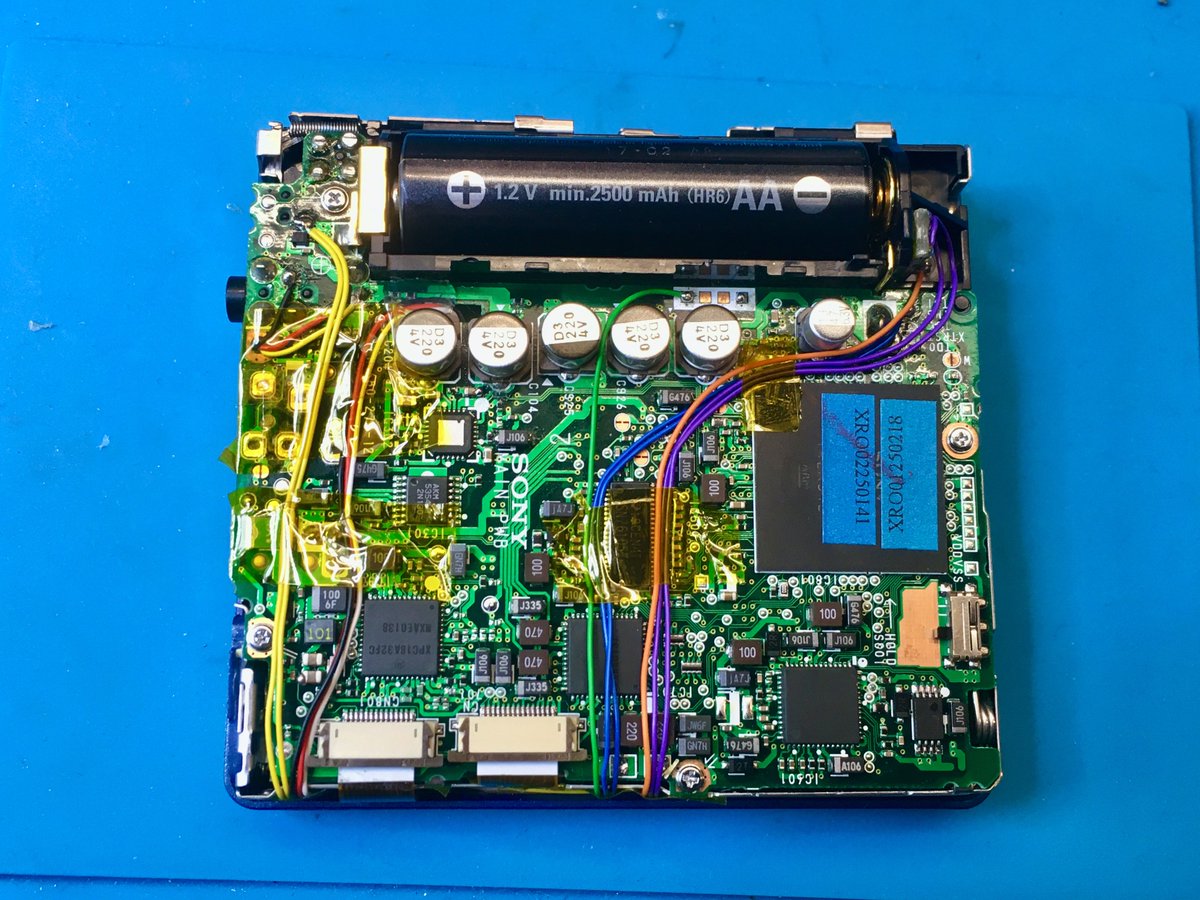
How I added built-in Bluetooth to my Minidisc player 💽❤️📶
github.com/formatc1702/bluet…
@MiniDisc_wiki
2
5
392
13 May 2021
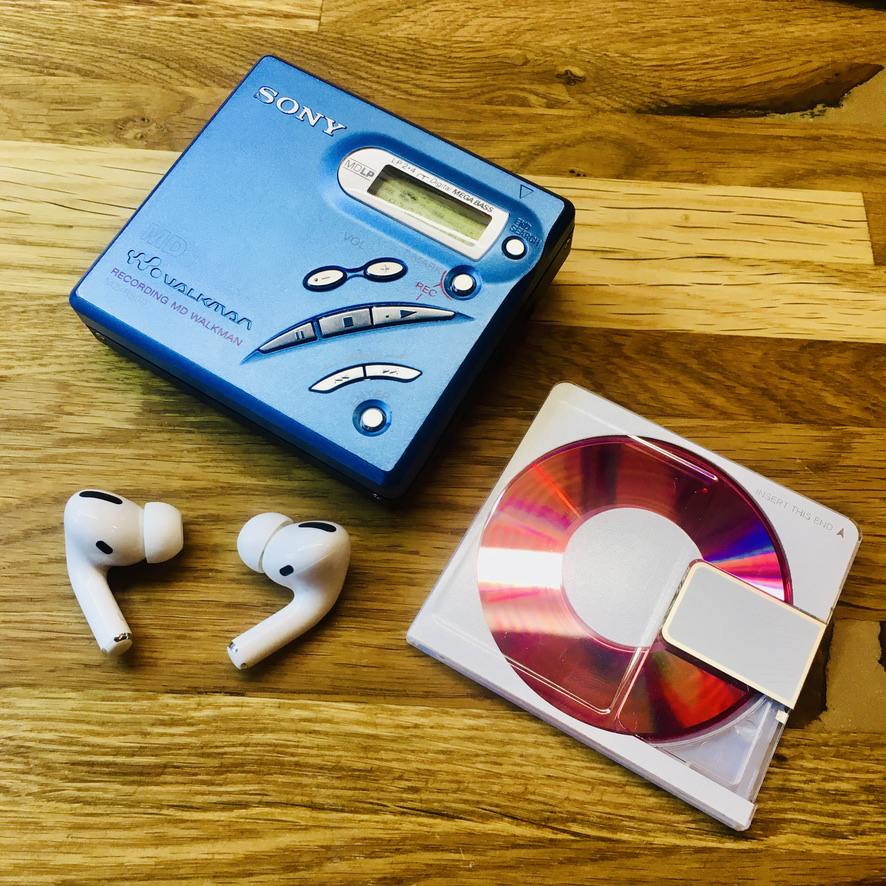
💽❤️📶
My MiniDisc player now has built-in Bluetooth, for streaming to AirPods Pro... time to blast some Linkin Park like it's 2001, but without wires🤘
1
1
17 Apr 2021
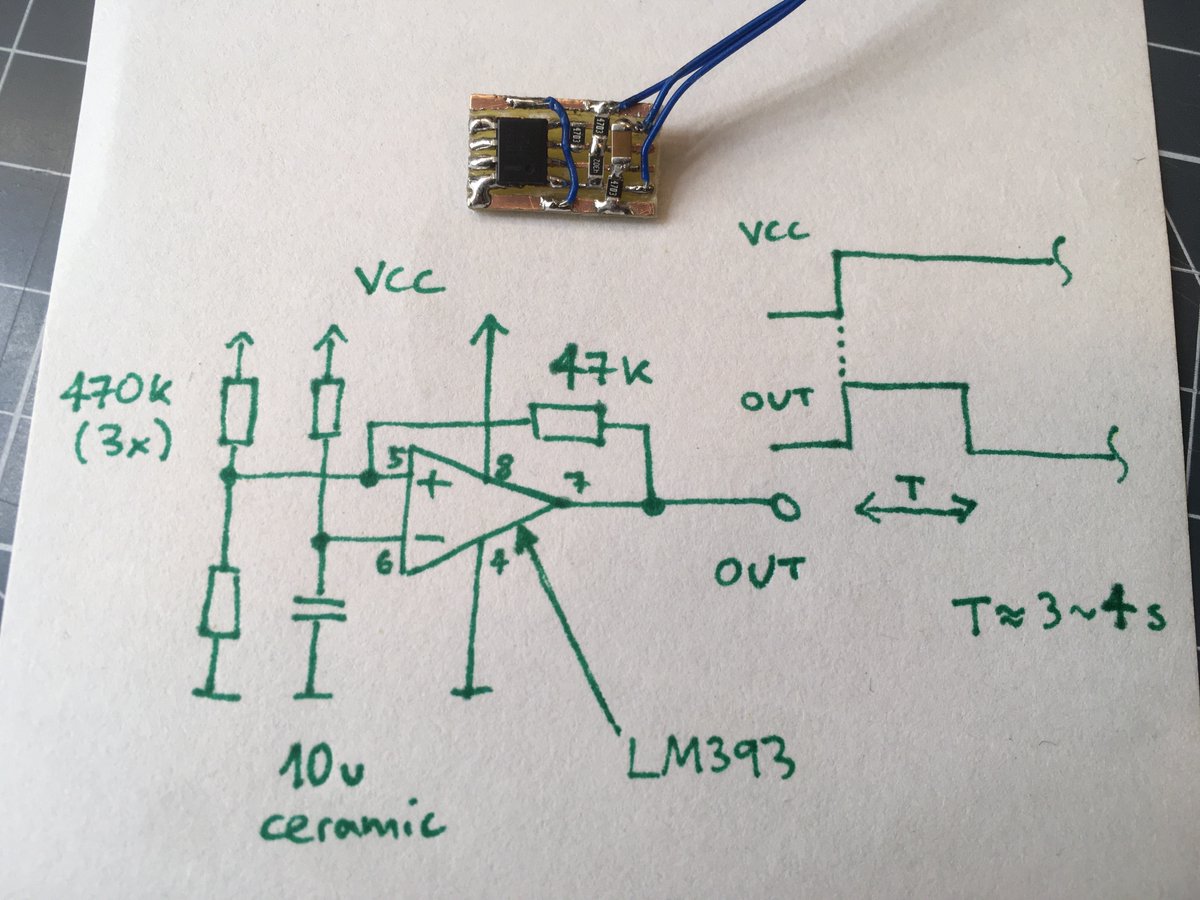
How to improve this circuit? Generates single 3~4s pulse after being powered on (3.3V). Can't get any bigger in size, should discharge cap. immediately after shutdown so pulse length is consistent every time (even after short power-down time), and ideally use LM393 as well. Go!
2
1
17 Apr 2021
ideally it would use a smaller and less bulky cap, but I'm afraid that the resistor between VCC and inverting input would need grow too large (already 470k) to achieve desired pulse length... perhaps there's a better architecture I don't know about?
9 Apr 2021
Does anybody in Berlin have a Pololu U1V11F3 boost converter (or similar tiny converter, 3.3V out) lying around that I could pick up super-short-notice? 🤖
1
9 Apr 2021
Needs to boost from 1.2~1.5V to 3.3V, small output current < 50 mA, and have a tiny footprint / height. The Pololu's 12 x 15 x 3 mm is juuuust barely small enough 😉
27 Nov 2020
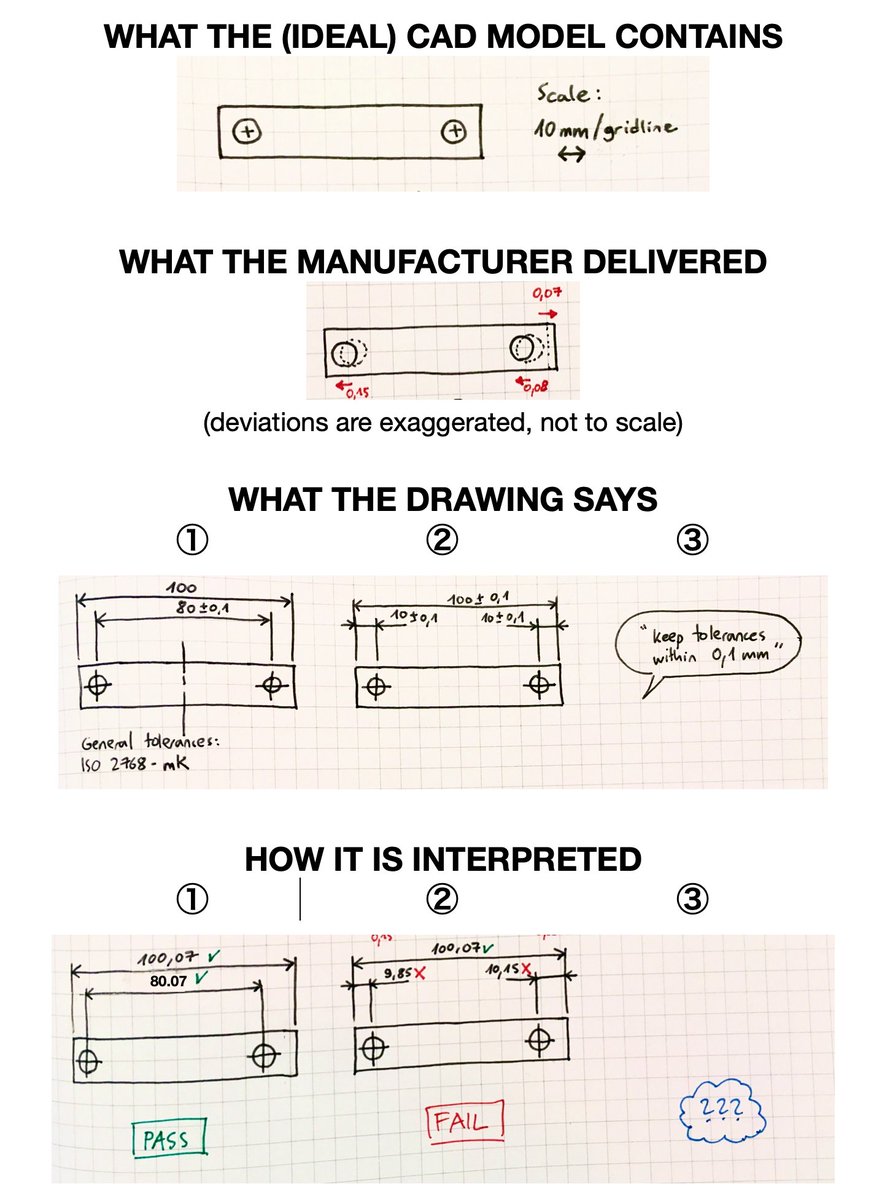
On the question: "Do I really need to provide a manufacturing drawing, or is a CAD model enough?"
Here's a 1D example of why in some cases, having a drawing *does* matter.
Based on a conversation with @timonsku
x.com/timonsku/status/133209…
3
10
67
27 Nov 2020
The whole thing gets more complicated if you add additional requirements. Hole diameter tolerance, hole roundness, straightness of the bar... not to mention extending the example to 2D and 3D!
1
2
27 Nov 2020
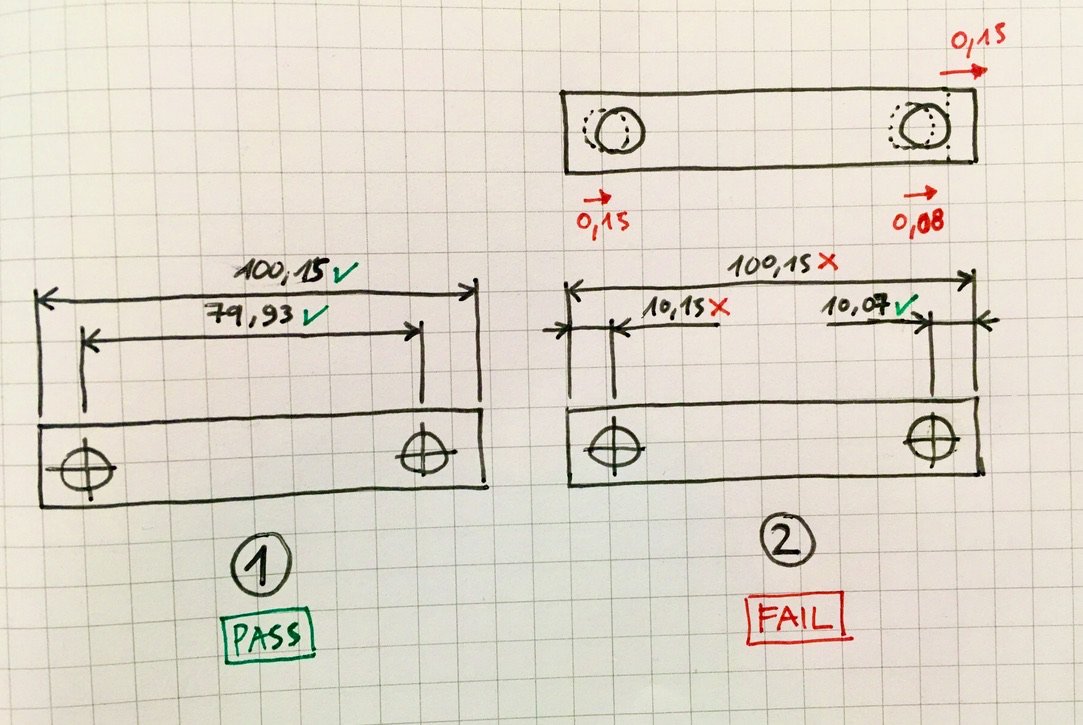
Another part has arrived!
This time, it violates another requirement of ② (overall length), but is still just as usable for ① thanks to the relaxed tolerances for functionally irrelevant dimensions 🎉
3