32 Photos and videos
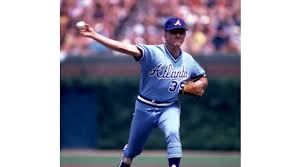

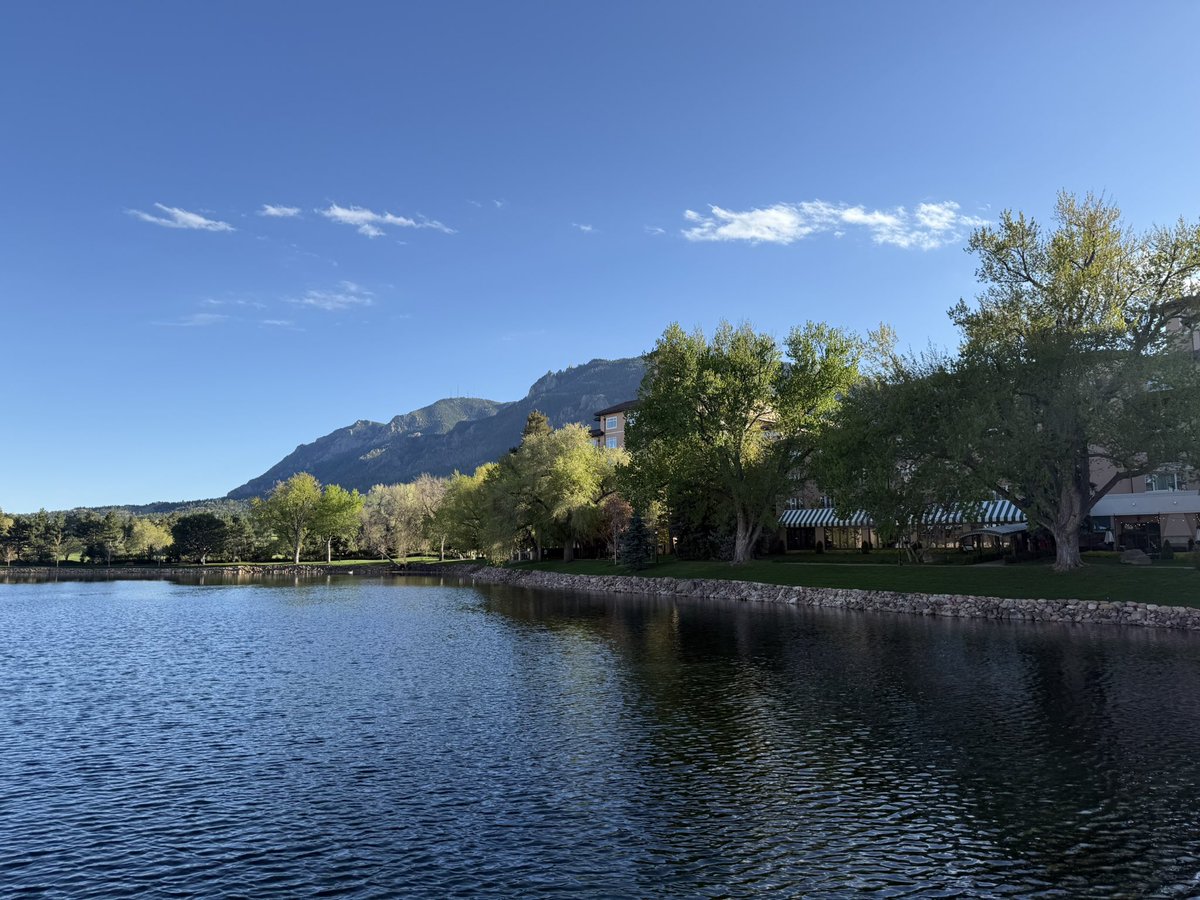


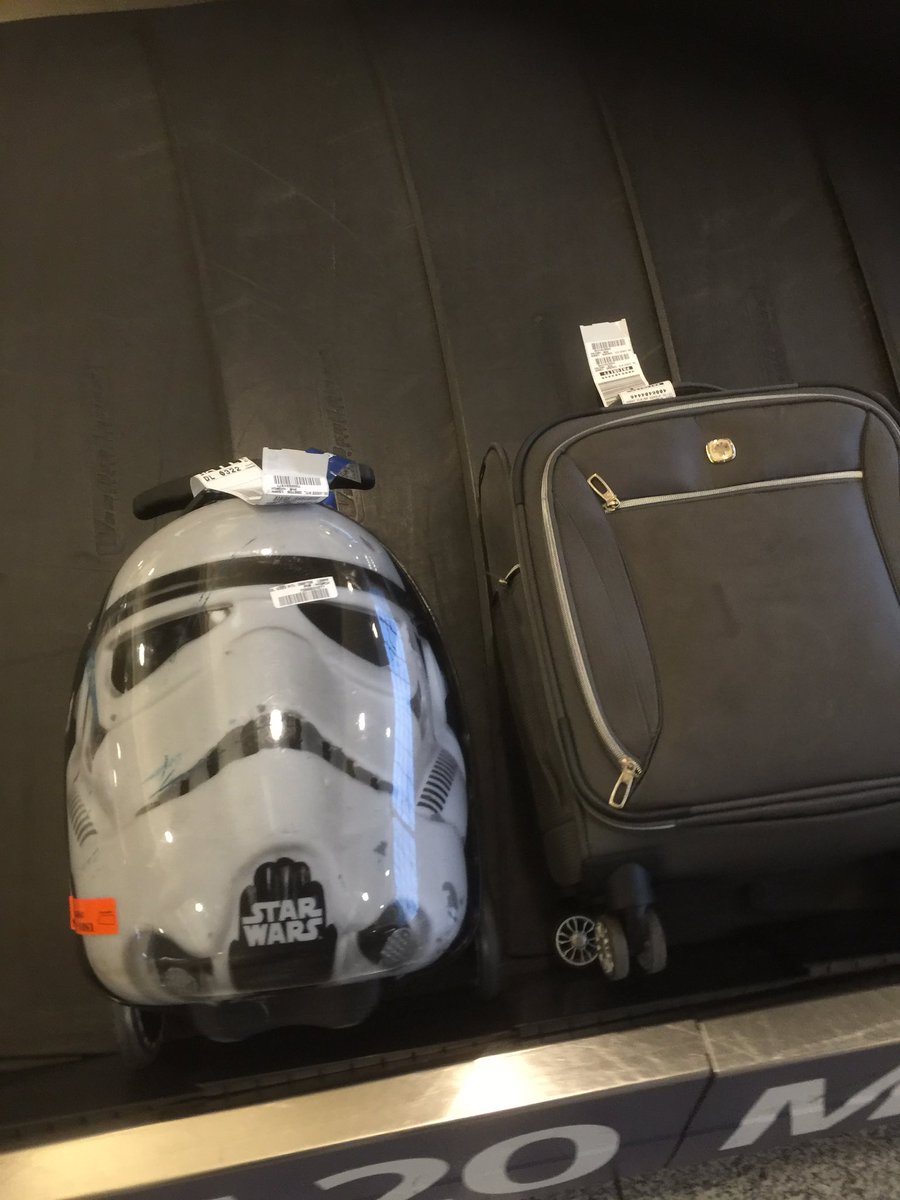
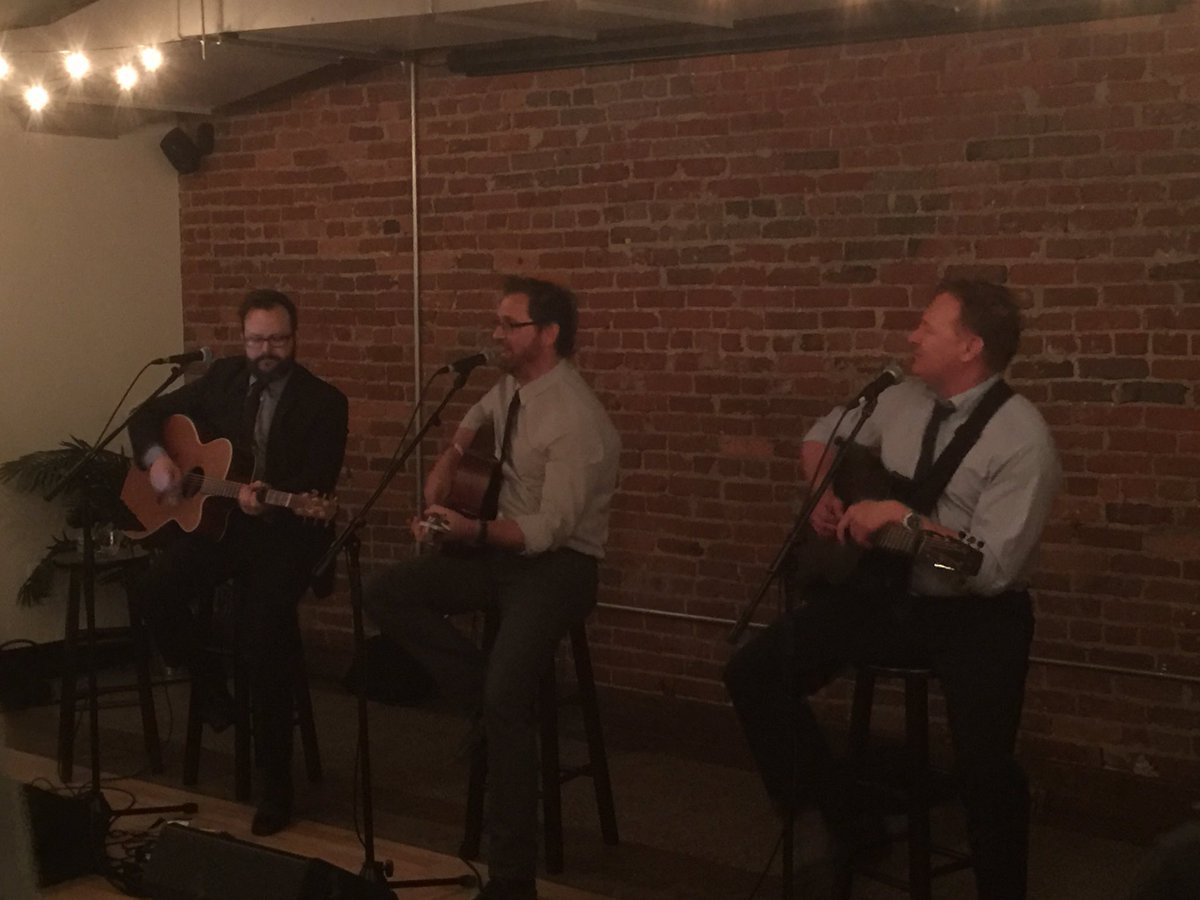

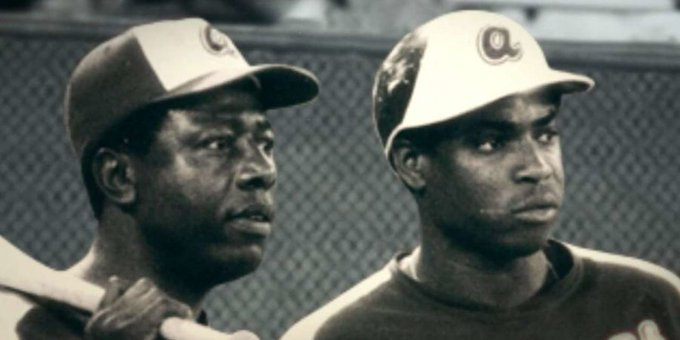
Two of my favorites. Actually three if you include Gibson.

"Don’t dig in against Bob Gibson, he'll knock you down.
He'd knock down his own grandmother if she dared to challenge him.
Don't stare at him, don't smile at him, don't talk to him.
He doesn't like it.
If you happen to hit a home run, don't run too slow, don't run too fast.
If you happen to want to celebrate, get in the tunnel first.
And if he hits you, DON"T charge the mound, because he's a Gold Glove boxer."
Hank Aaron to rookie Dusty Baker.
"I'm like, damn, what about my seventeen-game hitting streak?
That was the night it ended."
Dusty Baker Baker's mother wanted Dusty to go to college, but young Johnnie B. Baker Jr. had bigger dreams.
So when Baker signed in 1967 to play baseball with the Atlanta Braves at 18 years old, legendary slugger Hank Aaron promised Baker’s mother he would take care of her son.
Hank Aaron made sure Baker went to bed on time, insisted Dusty showed up at church every Sunday and had him up early enough, to eat a good breakfast daily.
2
159
Nice! It was funny then, and is funny now! I guess it does help that I know the folks in the commercial!
Jun 14

This 1982 Miller Lite commercial with Rodney Dangerfield, Dick Butkus, John Madden, Bubba Smith, Deacon Jones & others cannot be topped
1
93
Scott Orr retweeted

Jun 15
After Japan battled the Netherlands to a 2-2 draw, the Japanese fans stayed behind and cleaned up every single piece of trash from their section at Dallas Stadium after the game.
808
4,988
25,608
369,422
Worth reading and totally makes sense.

McDonald's announced they're replacing cashiers with kiosks in California just after the $20 minimum wage kicked in. Shocking to absolutely no one who understands basic economics. When you artificially price labor above its market value, employers find substitutes. Machines, automation, or they simply eliminate positions entirely.
The teenagers who desperately need that first job experience? Gone. The single mother trying to re-enter the workforce after years away? Priced out by someone with more skills. You've just created a legal barrier that prevents the least skilled workers from competing on the one thing they had going for them: willingness to work for less while they build experience.
Politicians pat themselves on the back for "helping workers" while unemployment among young minorities hits double digits. The workers who keep their jobs benefit (temporarily), but the invisible victims, those who never get hired in the first place, don't make headlines. Economics doesn't care about your good intentions.

48
Scott Orr retweeted

Jun 15
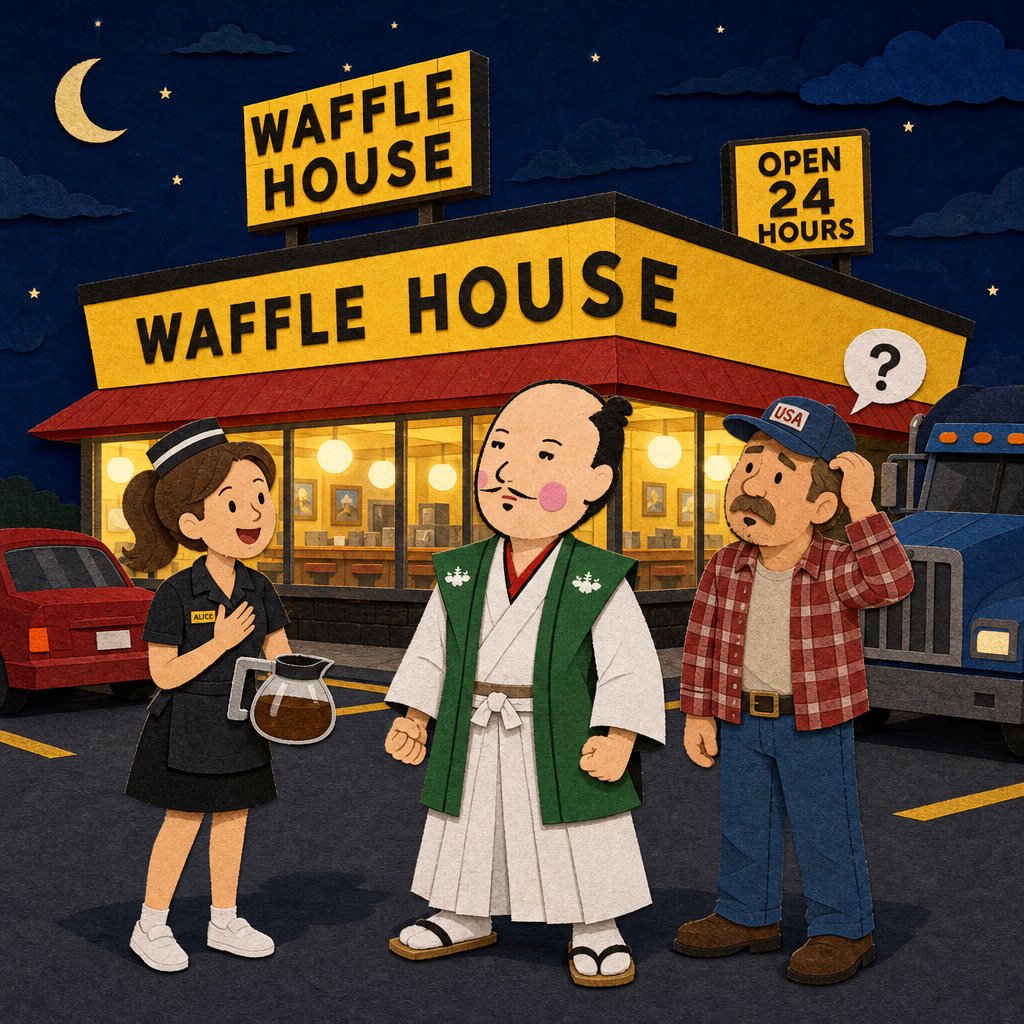
It was two in the morning, the hour when even the bravest samurai retires to his bedroll, yet here, a fortress of light beckoned me from the darkness.
Every castle I have ever known has fallen. Fire, siege, taxes. Eight hundred years of my family learning one lesson: nothing stays open forever.
This house has never closed.
Not for storms. Not for holidays. Not for the hour when even the moon looks tired. I asked the waitress when they lock the doors.
"We don't have locks, hon."
No locks. I own walls, moats, and a sword older than this country, and I have never once said anything that powerful.
Inside, a cook was scraping the grill at 2 a.m. with the calm of a man guarding something. I asked if he was the night watch.
"I'm Darnell."
A trucker two stools down raised his coffee. "Place stayed open during the hurricane," he said. "FEMA's got a whole index about it."
An index. The government of this nation measures disasters by whether THIS HOUSE is still standing. In Japan, we measured a clan's strength by its castle. Same thing. Theirs serves waffles.
I ordered. I ate. I confess what happened next.
I did not want to leave. The night outside was large. The booth was warm. I am a grown warrior, and I sat in a yellow fortress at 3 a.m. feeling protected by hash browns.
A castle does not promise to stand forever. It simply leaves the lights on.
I drive past at night now. Just to check. The lights are always on.
Sentries of the griddle — I see you. Hold the line.
92
693
6,275
115,410

Scott Orr retweeted

Jun 13
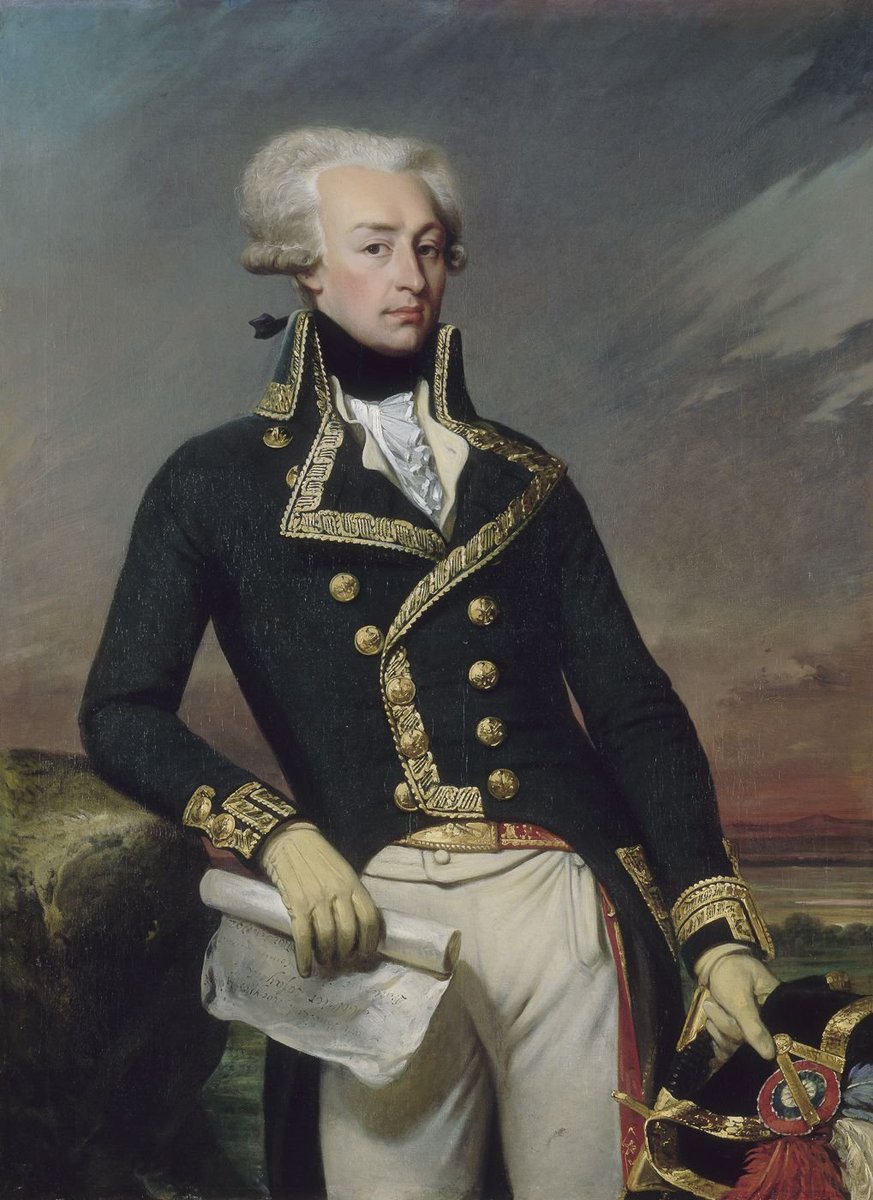
On June 13, 1777, a 19-year-old French teenager landed on a beach in South Carolina, uninvited, to fight in someone else's war. He would become one of the most important men in American history.
The Marquis de Lafayette was one of the richest young aristocrats in France. He had a beautiful wife, a fortune, and zero reason to risk any of it. But he believed in the American cause so fiercely that when the French king forbade him from going, Lafayette bought his own ship and sailed anyway. He literally went AWOL from a life of luxury to bleed for a country that didn't exist yet.
Congress was annoyed at first. Another foreign officer looking for a paycheck? Then Lafayette offered to serve for free and pay his own way. That got their attention.
He met Washington and the two formed one of the great father-son bonds in American history. Washington had no biological children. Lafayette named his only son George Washington Lafayette.
He took a bullet in the leg at Brandywine and kept rallying the retreat. He was instrumental at Yorktown, the battle that won the war. He went home a hero on two continents.
A foreign teenager believed in America before America did. 249 years ago today.
450
5,690
30,302
1,672,299


Scott Orr retweeted

A welder took a $28 an hour job in 2015 at a company he had never heard of.
On Friday, Juan Hernandez became a millionaire.
He spent ten years building the structures that lifted rockets onto the launch pad. SpaceX paid him partly in stock, the way it paid its cooks, machinists, technicians and cafeteria staff, equity instead of bigger salaries. His $10,000 grant grew into $880,000 at the IPO price. The first day pop carried it past a million. He is 42, an immigrant from Mexico, married, three kids. He says he is keeping the job.
He is not the outlier. He is the pattern.
4,400 current and former SpaceX employees became millionaires on Friday. One in five people who ever badged into the company. About 400 of them are walking away with $100 million or more. One employee took every cash bonus in stock instead of money. He is sitting on 50,000 shares, worth more than $8 million at Friday's prices.
And then there is the other side of the cafeteria.
Some employees sold their shares years ago, certain the company would never go public because Musk said he hated public markets. A few traded their stock for restaurant gift cards. The New York Times says they are consumed by regret. Same grant, same building, same years. One group held the claim. The other ate it.
None of the winners can touch the money yet. The first selling window opens after the August earnings report, and the rest unlocks in waves through December.
Underneath all of it sits the only lesson the market ever teaches. The welder and the gift card came from the same place. The difference was never the work. It was the ownership. Salary pays for the month. Equity pays for the era.
A cook in Brownsville just answered the question every buyer of SPCX is asking at $170: what is a claim on this company actually worth?
The piece prices that exact question at $2.2 trillion.
162
816
3,349
576,070
Scott Orr retweeted

Jun 12
Saving LA - Phase III
11,456
30,178
167,382
9,811,458

That’s what I’m talking about!!

Every Major Leaguer were once a kid having fun playing baseball.
Paul Skenes was driving by Little League baseball fields last night and saw the lights on and decided to stop and throw the ball
He was there over 2 hours signing, chatting and playing
31
Love the headline of this #WSJ editorial!
Jun 8

Scott Pelley’s hysterical self-indulgence illustrates what’s gone wrong with the American news media. #WSJopinion #WSJ wsj.com/opinion/when-60-minu…
1
12
Excellent idea!
Jun 8

Okay, Gov Kemp is offering Nat Guard troops if MARTA says it needs help. How about a trooper at every fair gate all day long for a couple of weeks? You pay or you don’t ride. Maybe that would give MARTA time to get its act together on the new gates. I said maybe.
1
32

Really excellent. Carefully argued. Worth reading:
“The problem in the Middle East is not, and has never been, the existence of the state of Israel. The problem is jihadism, Islamism, Islamic extremism, Islamofascism, militant Islam.” samharris.substack.com/p/why…
1,626
660
4,104
335,903
Great read. @mattvanswol is someone you should follow.
Jun 6

I keep getting asked why I'm so angry and so focused about repeat-offender crime.
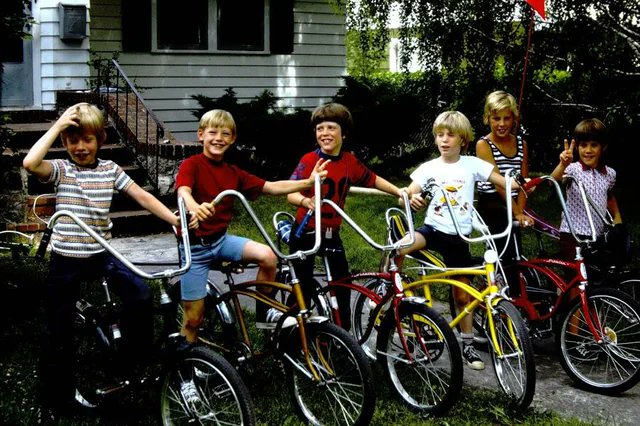
This photo right here… this is why.
I grew up in a country where childhood felt free.
Not perfect, but free.
We hopped on our bikes after breakfast and didn't come home until the streetlights flicked on.
No phones.
Just a bunch of kids pedaling through the neighborhood... cutting through yards, racing down hills, stopping at a friend's house because you saw their bike was in the grass out front and knew they were home so you knocked on the door and got hit with a water-balloon.
That's the start of a life-long friendship.
We went to public pools with a diving board and a high dive (they tore those down)
We played soccer in the front yard with whoever happened to be outside... sometimes they were kids you knew from school, but often times they were kids you only knew because you saw them every summer riding past your house.
It was normal for my parents to assume their kids would ALWAYS come home in one piece and my parents NEVER knew where we were growing up.
That's the America I knew, and the one I grew up in.
My kids are not growing up in that America.
I don't get to just be the parent yelling, "Be home by dinner!" I have to be the parent running risk calculations in my head. Because all of us parents know the public spaces aren't safe anymore.
There's no headline for "OH LOOK AT THAT! Another neighborhood kept their kids indoors today and gave them iPads!"
But go ahead and talk to ANY parent you know… it’s happening.
We all know it's happening.
It's the slow, quiet theft of my kids' childhood... and your kids childhood.
A childhood we ALL once had and one they will never know.
It wrecks me just thinking about it... I hate it for them.
So when I talk about repeat offenders... when I post the screenshots of their 50 arrests every single day…
Please understand something…
It's because I want my kids, and your kids, to have what we had.
I want the biggest concern at a park to be a skinned knee.
Not a st*bbing.
I want streets where the sound of bicycles and laughter is louder than that of sirens.
This is why I won't shut up about it.
I'm not asking for a perfect world.
I'm asking for the radical idea that childhood should be safe enough to look like this picture again.
And honestly, I just don’t think it’s all that radical of an ask…
1
21
Excellent read.
Jun 5

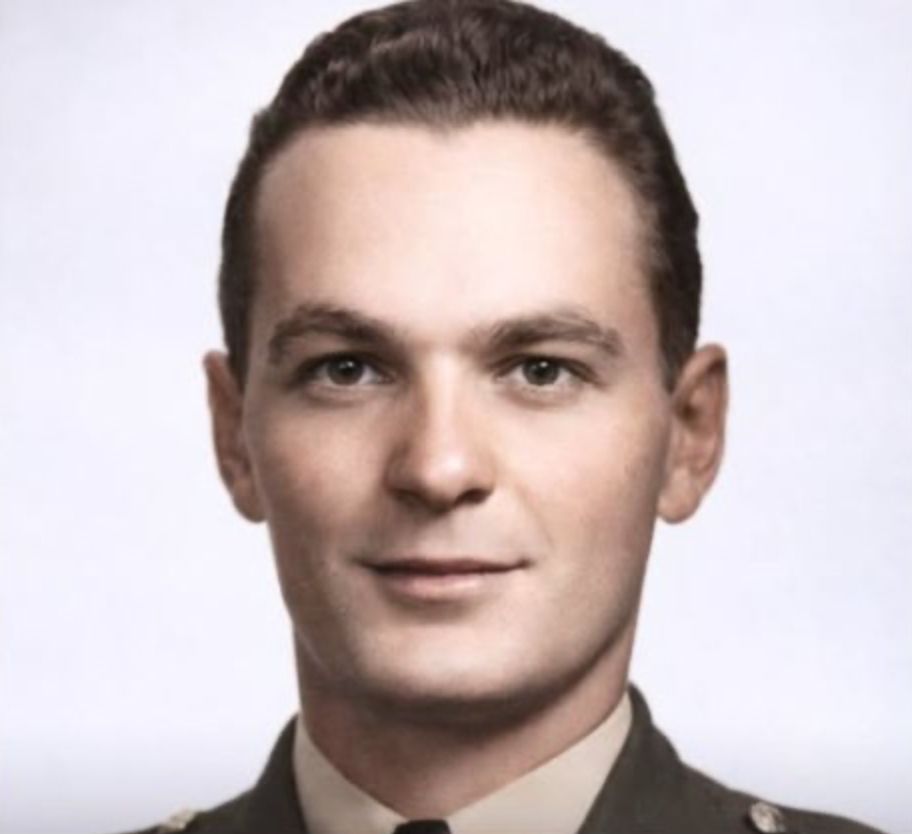
On the morning of June 4, 1942, Ensign George Gay climbed into his TBD Devastator torpedo bomber and flew toward the largest concentration of Japanese naval power ever assembled.
He knew exactly what he was flying into.
Torpedo Squadron 8 had 15 planes and 30 men. Their aircraft were slow, outdated, and completely unescorted. No fighter cover. Command had promised them protection. It never showed. The flight leader, Lieutenant Commander John Waldron, had written a farewell letter to his wife before takeoff. He knew.
Waldron found the Japanese fleet first. Before the attack, he got on the radio one last time: "My greatest hope is that we encounter a favorable tactical situation, but if we don't, and the worst comes to worst, I want each one of us to do his utmost to destroy our enemies. If there is only one plane left to make a final run in, I want that man to go in and get a hit."
Then they dove.
The Japanese Combat Air Patrol fell on them like wolves. Dozens of Zeros. The Devastators had no altitude, no speed, and no cover. They had to fly low and straight to line up torpedo shots, which meant they couldn't evade. They could only absorb fire and keep flying.
One by one, the planes went down.
Gay watched them fall around him. Friends. Bunkmates. Men he had trained with, eaten with, played cards with. Going into the water one after another. No parachutes. No survivors.
His gunner, Robert Huntington, was hit. Dying in the backseat as Gay flew forward.
Gay himself took a 20mm cannon round. His left hand was hit. The plane was on fire.
He kept flying.
He lined up on the Japanese carrier Soryu and dropped his torpedo at point-blank range, closer than doctrine called for, because he had no other choice. He watched it run toward the ship.
Soryu turned. The torpedo missed.
Then his plane was hit again and went in.
As the nose of the Devastator knifed into the Pacific, Gay forced the canopy open against the rushing water pressure and pulled himself free. He surfaced surrounded by burning fuel and wreckage, wounded, alone, in the middle of the Japanese fleet.
He had one Mae West life vest. One seat cushion. That was it.
The Japanese destroyers were close enough that he could see sailors moving on their decks. He knew if they spotted him, they would not rescue him. So he did the only thing he could do.
He held the seat cushion over his head and floated.
Every time a Japanese aircraft flew low over the water, he pushed himself under and pressed the cushion above him to break his silhouette. For hours he did this. Treading water. Hiding. Bleeding. Watching his friends' planes burn on the surface around him.
He was the last man. Every single other pilot and gunner in Torpedo Squadron 8 from the Hornet was dead. All 29 of them.
And then, from high altitude, the American dive bombers arrived.
SBD Dauntlesses. They had found the fleet almost by accident, following the wake of a Japanese destroyer. And when they arrived, the sky above the carriers was empty.
Here is the part that will haunt you.
VT-8's attack had looked like a catastrophic failure. But it wasn't. By flying low, slow, and straight into the teeth of the Japanese fleet, they had pulled every single Zero in the Combat Air Patrol down to sea level to kill them. For those few critical minutes, the carriers below had nothing above them. No protection. No altitude cover.
The dive bombers came straight down out of the sun.
Akagi: hit. Fires reached the torpedo magazine. Gone.
Kaga: hit. Fuel ignited. Gone.
Soryu, the same carrier Gay had attacked alone minutes before: hit. Gone.
Three of Japan's six fleet carriers, the core of the force that had attacked Pearl Harbor, were mortally wounded in under five minutes.
George Gay watched all of it.
From fifty yards away, treading water with a shot-up life vest and a seat cushion over his head, he watched three Japanese aircraft carriers burn to the waterline. He watched the explosions. He watched the smoke columns rise so high they could be seen for miles. He watched the fleet that had seemed invincible that morning begin to die.
He floated there for thirty hours total. When darkness finally fell, he inflated the life raft. It was full of bullet holes but held enough CO2 to keep him on the surface through the night.
A Navy PBY Catalina patrol plane found him the next morning and pulled him out.
He later met with Admiral Chester Nimitz personally and confirmed what he had seen: three carriers destroyed. His eyewitness account was among the first human confirmation that the battle had turned.
He was 26 years old.
He was awarded the Navy Cross. He recovered from his wounds. He went back to flying, eventually spending 30 years as a commercial pilot for Trans World Airlines, carrying passengers on routes across America. He never made a big show of what he had done. He gave interviews when asked. He wrote a book. He went to reunions.
He died in 1994 in Marietta, Georgia.
His name was Ensign George Henry Gay Jr. He is, to this day, the only known combatant in history to survive a major naval battle by floating in the middle of it while it happened around him.
He flew in with 29 men. He came home alone. And the battle those men died in changed the course of the entire war.
Today is the 84th anniversary of the Battle of Midway.
Remember his name.
1
44
Neat!!

a murder of crows protecting chickens from hawks is some interesting bird world stuff. I love it.
1
2
76
He cared about the troops.
Jun 5
On the night of June 5, 1944, Eisenhower stood on a tarmac in England and watched 13,000 paratroopers board their planes.
He already knew what Air Marshal Leigh-Mallory had told him in private: up to half of them might not survive the night. 6,500 men. Dead before a single soldier touched the beach. Eisenhower had approved the mission anyway, called the decision "soul-wracking," and said nothing to the men.
Instead he drove out and visited them.
He chatted. Laughed. Asked where they were from. Shook hands. Cracked jokes. Not one of them knew their general had just signed what might be their death warrant.
When the last plane disappeared into the dark sky, his driver Kay Summersby looked over at him.
There were tears running down his face.
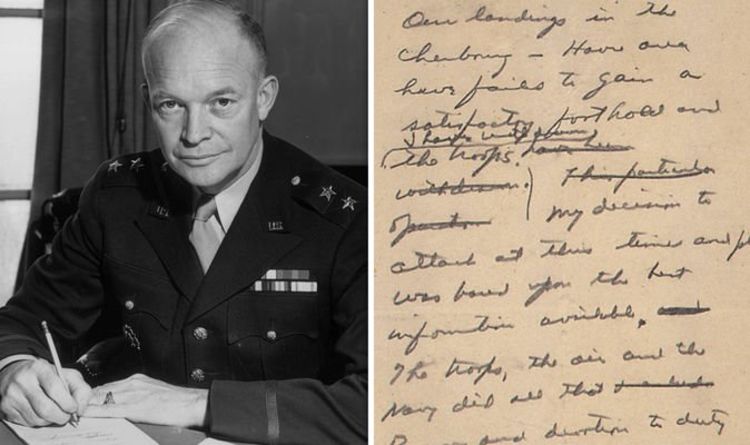
He drove back to Telegraph Cottage in silence. Then he sat down, picked up a pencil, and wrote a note he prayed no one would ever read.
"Our landings in the Cherbourg-Havre area have failed to gain a satisfactory foothold and I have withdrawn the troops. My decision to attack at this time and place was based upon the best information available. The troops, the air and the Navy did all that bravery and devotion to duty could do. If any blame or fault attaches to the attempt it is mine alone."
Look at what he edited.
He had first written "This particular operation." He crossed it out and replaced it with "My decision to attack." Then he pressed the pencil down hard and drew a long, firm line under the words "mine alone."
He misdated it July 5 instead of June 5.
He was so consumed with dread he had forgotten what month it was.
He folded the note and put it in his wallet. He carried it there as 156,000 men stormed the beaches of Normandy. When word came back that the beachhead had held, he took it out, crumpled it, and threw it in the trash.
An aide quietly pulled it out and saved it.
That note is now behind glass at the Eisenhower Presidential Library in Abilene, Kansas. You can still see where the pencil pressed hardest.
Right under the words "mine alone."
82 years ago tonight.
16
Scott Orr retweeted

Jun 5
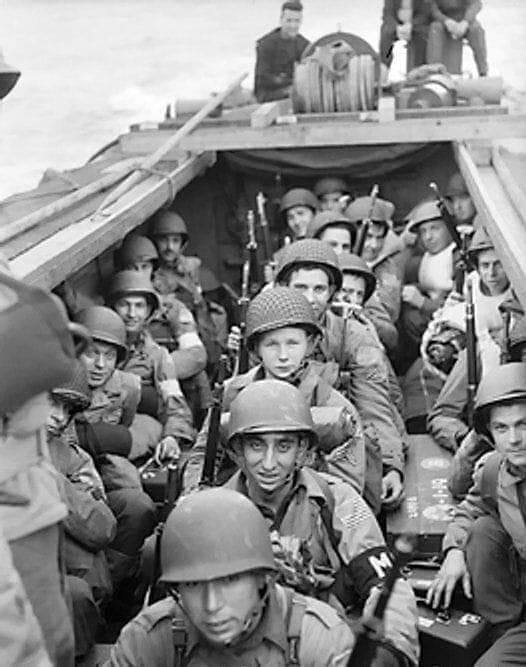
90% of the soldiers on the first boats to hit the beach didn't live to see the end of the day. Look at those faces. Some of them never made it to 18.
Never forget that they paid the ultimate price for our freedom. We live our lives the way we do because of them.
2,167
14,621
62,178
1,666,860