Postdoctoral Scientist @Stanford • Ph.D. @Columbia @sternberglab • @UCL Bichemistry ‘20 • Transposons, microbes, viruses, CRISPR genome engineering
Joined December 2019
- Tweets 72
- Following 364
- Followers 292
- Likes 574
10 Photos and videos
Pinned Tweet

11 Jun 2025
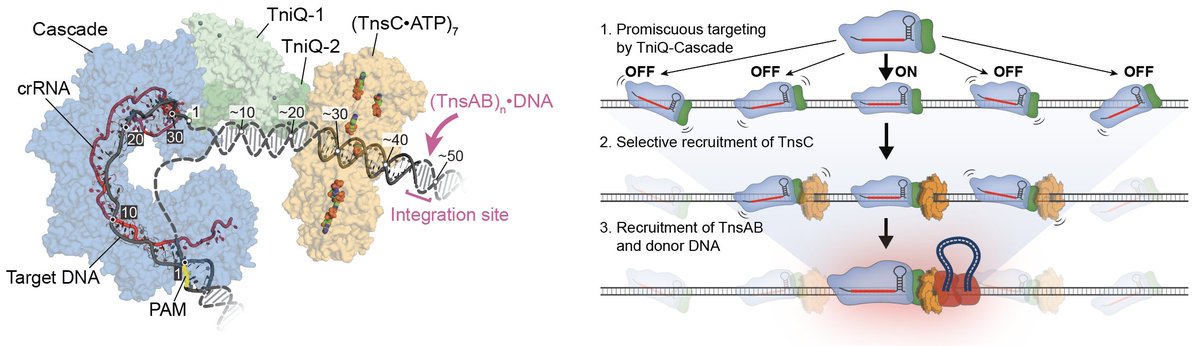
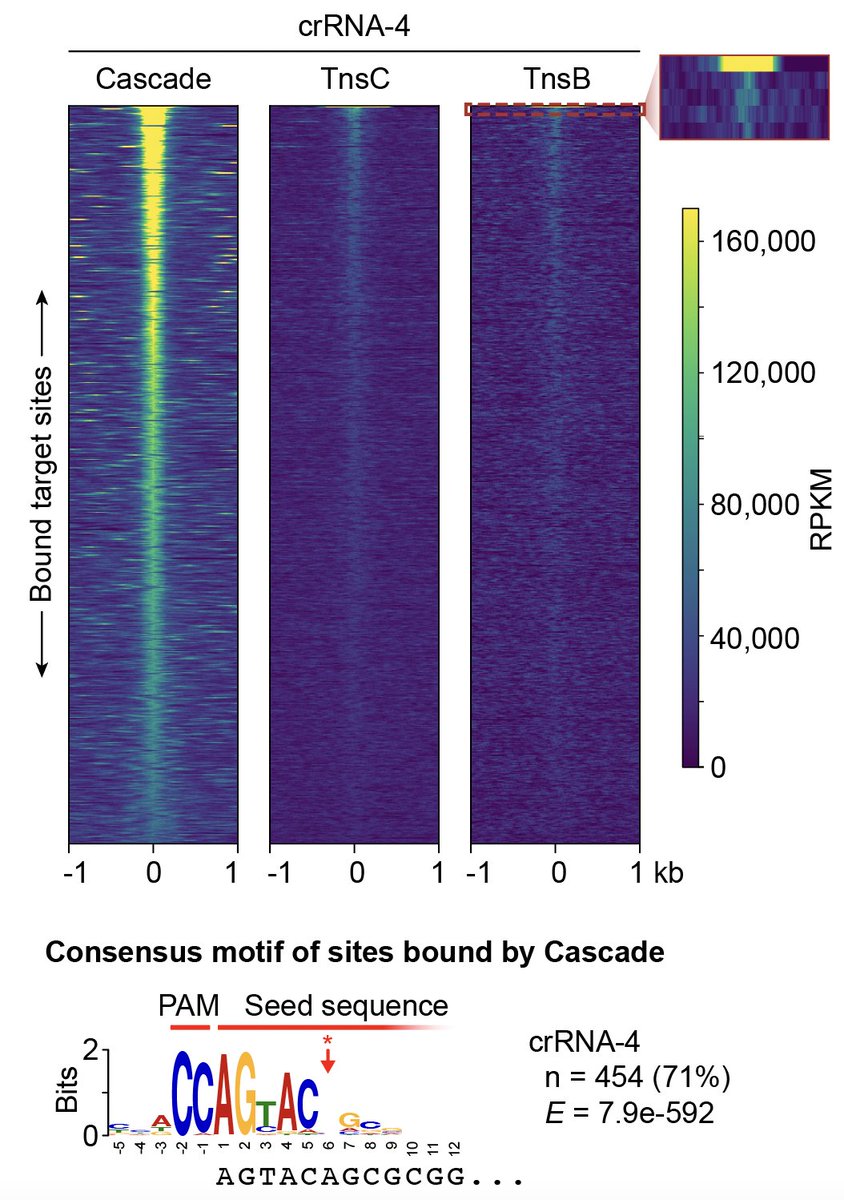
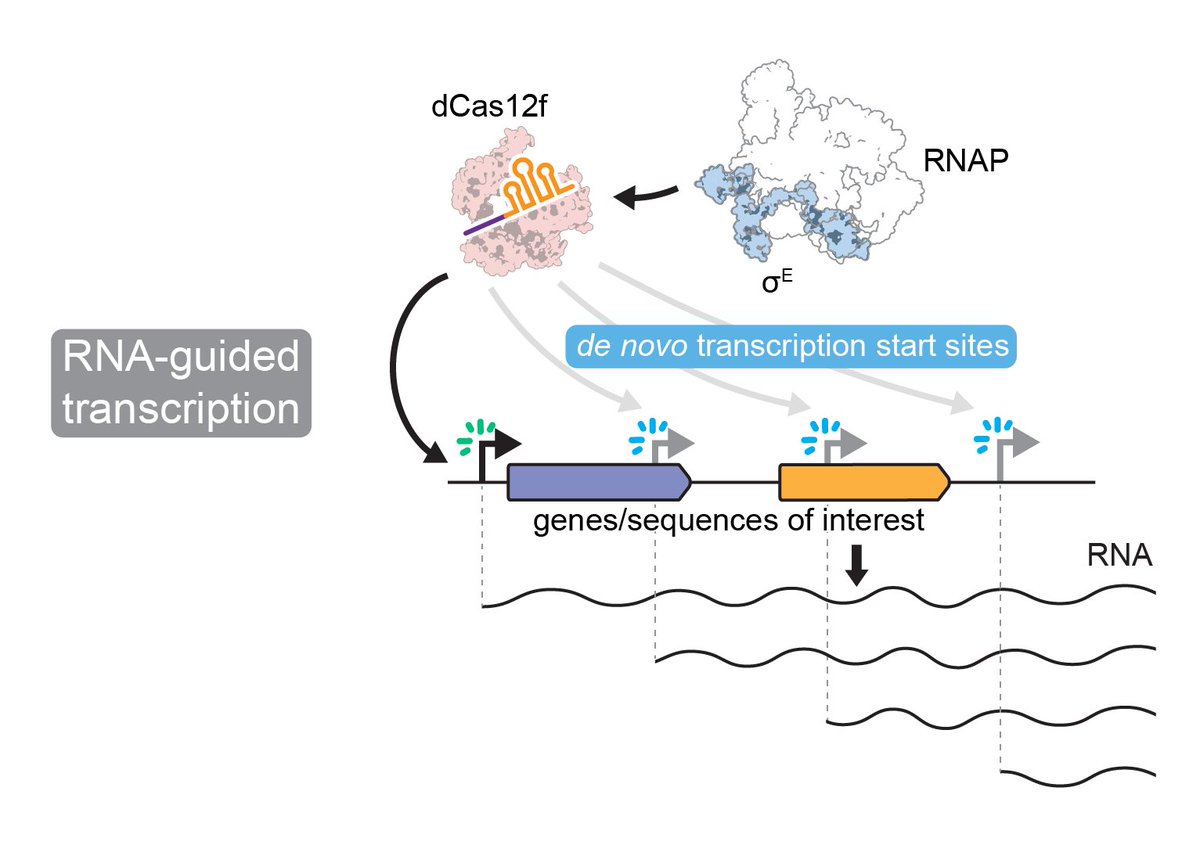
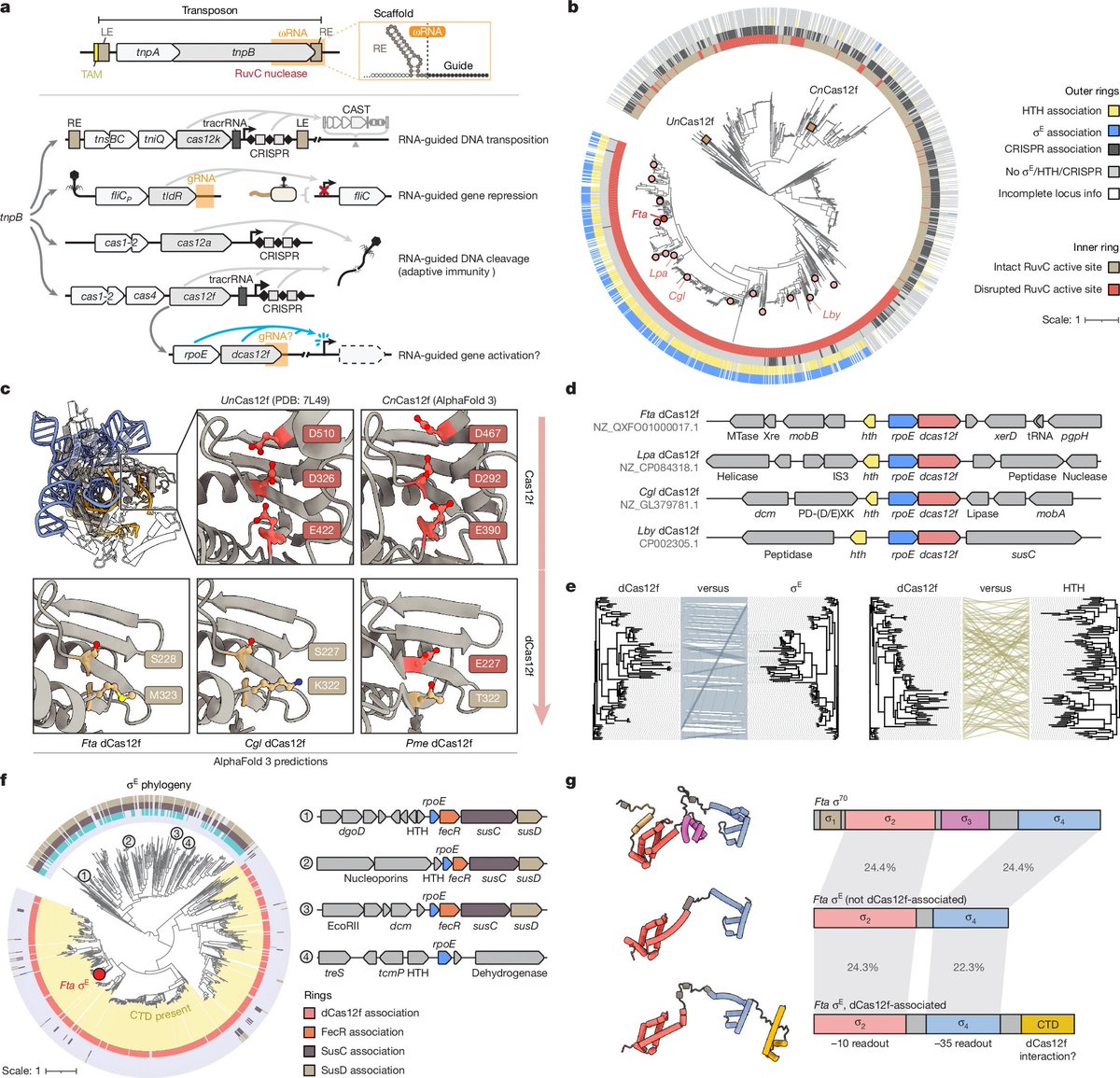
Excited to share my last major PhD work from the @SternbergLab. We discovered a mechanism that initiates transcription at programmable sites, without requiring promoter sequences - a novel mode of transcription regulation in bacteria.
11 Jun 2025

New pre-print(s) from the Sternberg Lab in collaboration with @LeifuChangLab! We uncover an unprecedented molecular mechanism of CRISPR-Cas12f-like proteins, which drive RNA-guided transcription independently of canonical promoter motifs.
Full story here: tinyurl.com/mr3fd493
4
22
131
15,142

Nature research paper: Exapted CRISPR–Cas12f homologues drive RNA-guided transcription
go.nature.com/3P0wiNu
14
65
12,143
Nature research paper: Structural basis of RNA-guided transcription by a dCas12f–σE–RNAP complex
go.nature.com/3MXvicv
13
52
12,826
Our 2 papers on RNA-guided transcription are now out @Nature. This mechanism re-writes the traditional concept of bacterial transcription and allows RNA transcripts to be generated de novo from potentially any cellular DNA sequence. 🧬 See below for links and thread 🧵
Out now! In collaboration with @LeifuChangLab, we uncover the molecular and structural underpinnings of CRISPR-Cas12f-like RNA-guided transcription systems!
Links to the articles in the following tweet:
2
32
179
19,453
Florian Hoffmann, PhD retweeted

17 Oct 2025
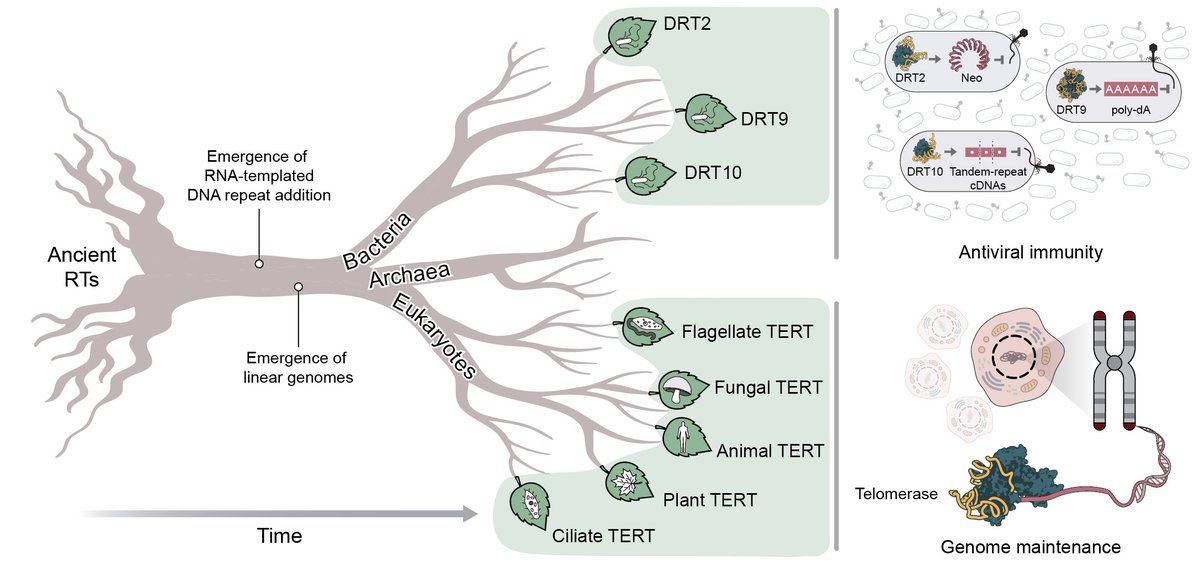
Genome maintenance by telomerase is a fundamental process in nearly all eukaryotes. But where does it come from?
Today, we report the discovery of telomerase homologs in a family of antiviral RTs, revealing an unexpected evolutionary origin in bacteria.
doi.org/10.1101/2025.10.16.6…
6
88
284
81,574
11 Jun 2025
In parallel to our RNA-guided transcription biology story, we collaborated with @LeifuChangLab and determined how Cas12f interacts with a Sigma factor to recruit RNA polymerase. See their thread on the magnificent dCas12f-Sigma-RNAP structure below:
11 Jun 2025

Our new preprint is live! doi.org/10.1101/2025.06.10.6…
In collaboration with @SternbergLab, we determined the cryo-EM structure of a dCas12f-σE-RNAP complex from F. taeanensis, revealing an RNA-guided transcription mechanism that bypasses canonical promoter motifs.
3
490
Florian Hoffmann, PhD retweeted

26 Mar 2025
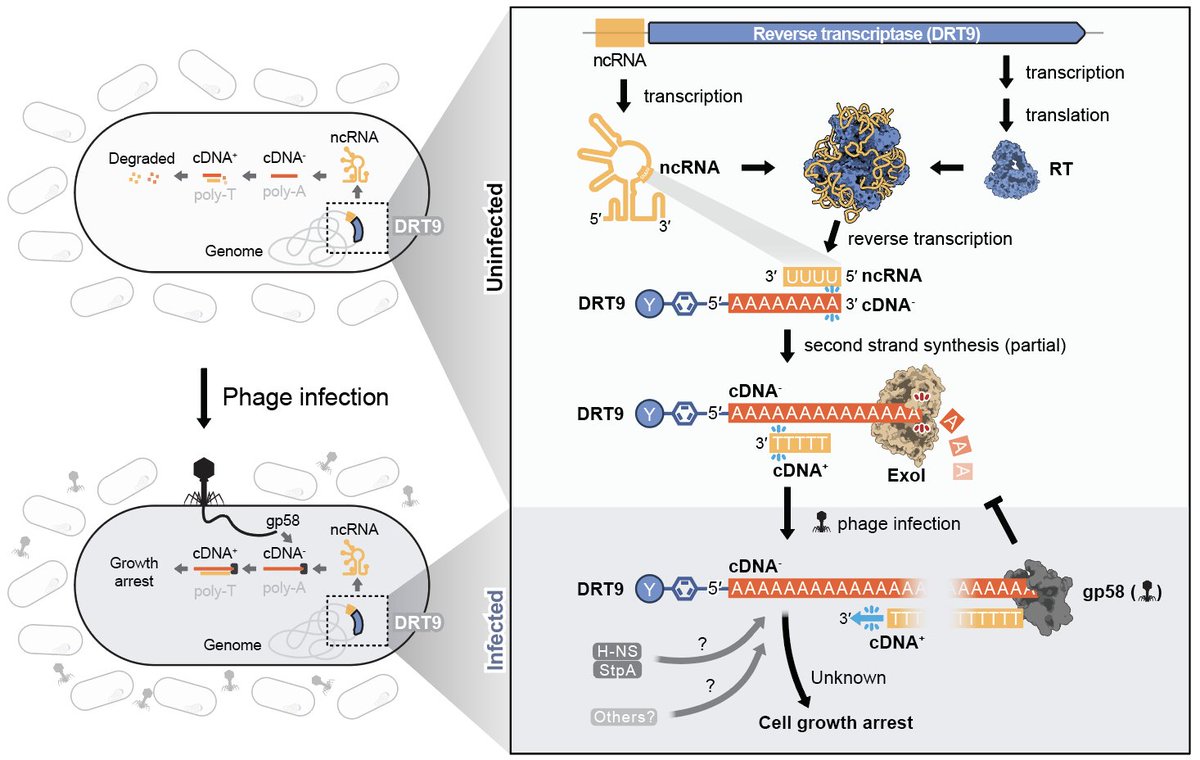
Know the feeling when two things look similar, and yet turn out to be quite different? Seems like defense-associated reverse transcriptases will continue to surprise us...
Another thrilling story uncovered in collaboration with @WiedenheftLab! Check it out:
26 Mar 2025

The sequel to our DRT2 story is here, and this one is once again full of surprises! This time around, the @SternbergLab teamed up with the @WiedenheftLab to study how DRT9 reverse transcriptases provide antiviral immunity. Here’s what we found: biorxiv.org/content/10.1101/…
12
36
3,761
Florian Hoffmann, PhD retweeted
4 Oct 2024
Thrilled, and also in a bit of disbelief, to see our paper featured on the cover of @ScienceMagazine! "Finding Neo" wasn't easy, but we just kept swimming (read: stared at a sequence of DNA) until the Eureka moment hit.
3 Oct 2024

The central dogma of molecular biology states that genetic information flows from DNA and RNA to protein, with reverse transcription converting RNA to DNA.
In the pursuit of understanding how bacteria defend themselves from viral infection, two groups have found alternative pathways to making genes from RNA that did not previously encode proteins. Learn more this week in Science: bit.ly/3ZO7tI1

11
37
244
32,375
24 Jul 2024
Huge congratulations to the most brilliant scientist I‘ve met so far - @shsternberg. Hard to come across a more dedicated PI and mentor - I can‘t even imagine the amazing discoveries this will enable you and the whole @SternbergLab to make in the future! 🧬 🎉
1
2
19
1,873
9 May 2024
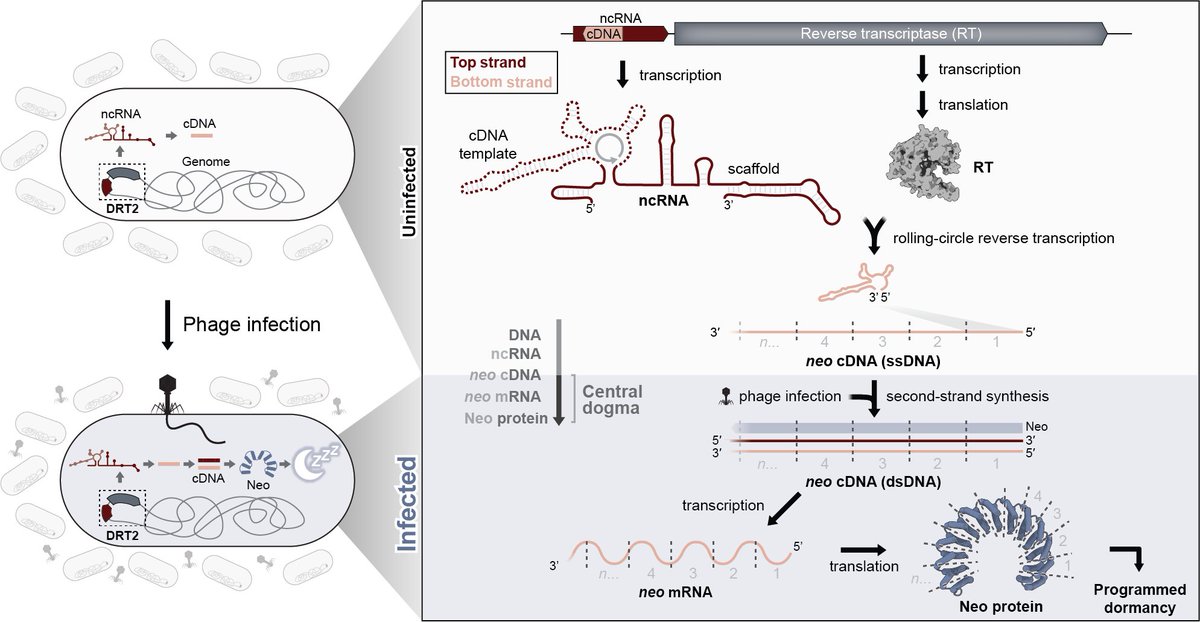
Preprint alert 🚨 from the @SternbergLab ‘De novo gene synthesis by an antiviral reverse transcriptase’: new central-dogma-expanding work led by @stephentang23 is now online! You won’t want to miss this thread:
biorxiv.org/content/10.1101/…
9 May 2024
I am delighted to share the newest work from the @SternbergLab, in which we discover RNA-templated gene creation as a mechanism of antiviral immunity. This is a story for anyone who loves molecular biology, and one that repeatedly left us in disbelief. doi.org/10.1101/2024.05.08.5…
1
6
629
1 Dec 2023
Not a single week without a new paper from the @SternbergLab: led by bioinformatics star @TannerWiegand
Bacteria use ancestral CRISPR-Cas genes as transcription factors!#crispr
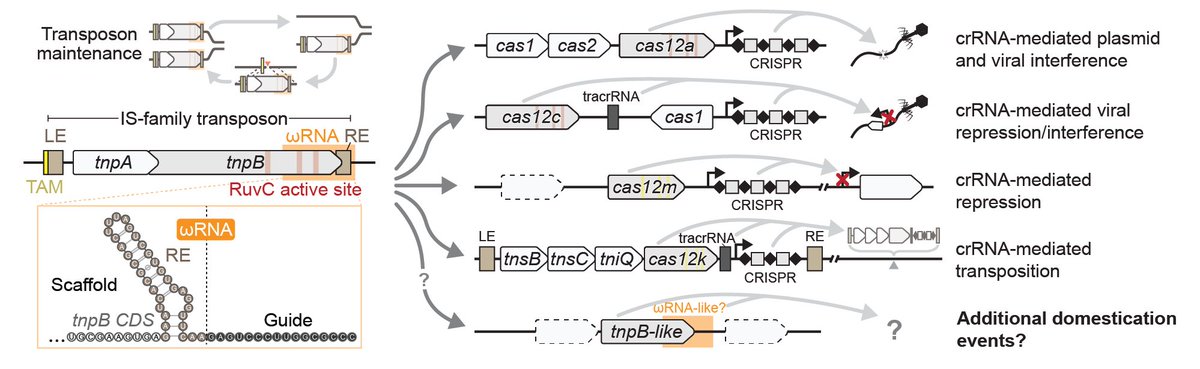
Emergence of RNA-guided transcription factors via domestication of transposon-encoded TnpB nucleases
1 Dec 2023
New pre-print from the Sternberg Lab! Transposon-encoded nucleases (TnpB/IscB) gave rise to the CRISPR-associated proteins (Cas9 and Cas12), but were TnpB-like proteins domesticated for other functions? 𝙔𝙀𝙎!! doi.org/10.1101/2023.11.30.5…
8
541
22 Nov 2023
Watch out for this pre-Thanksgiving treat from @SternbergLab @shsternberg, led by Rimantė Žedaveinytė. Check out her thread below! It’s now online @biorxivpreprint.
22 Nov 2023
We’re beyond excited to share the newest pre-print from the Sternberg Lab! You thought all bacterial transposons (aka IS elements) were simple? Think again…🤓1/6
1
1
343
22 Nov 2023
1
162
16 Nov 2023
New paper on CRISPR-associated transposons (type V-K) from our lab is now out @ScienceMagazine! @jerrintgeorge describes how to make this CAST system extremely specific. Exciting times @shsternberg @SternbergLab 🧬
16 Nov 2023

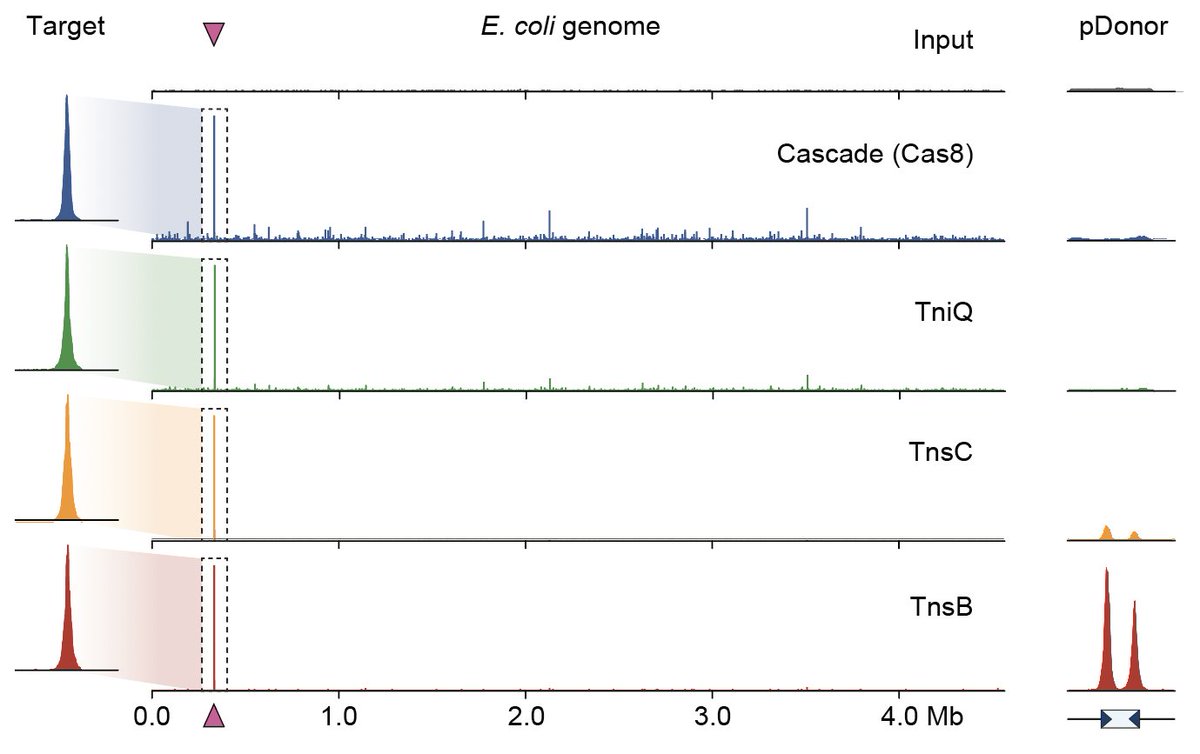
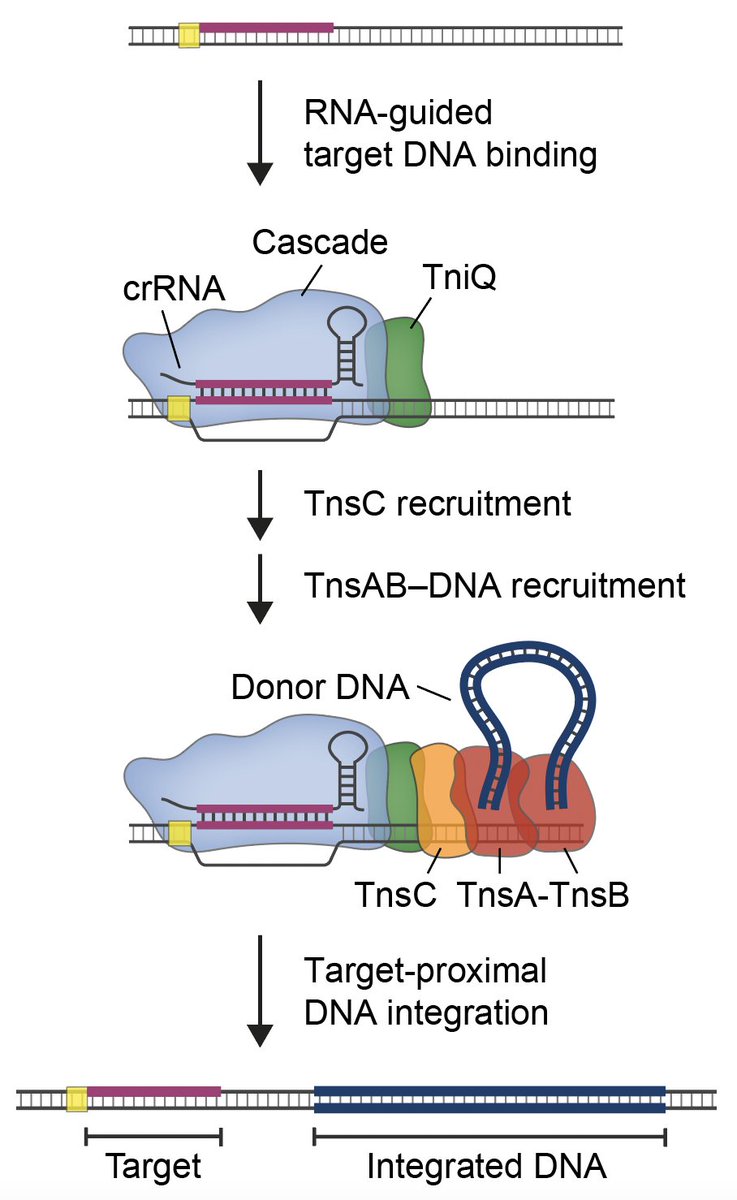
Thrilled to share our work on how type V-K CRISPR-associated transposases (CASTs) select their target sites, now published in @ScienceMagazine!
science.org/doi/full/10.1126…
In this study, we've enhanced the accuracy of type V-K CASTs up to 99%.🧵 on the bioRxiv version below: #CRISPR
3
19
2,176
Florian Hoffmann, PhD retweeted

16 Nov 2023
In a major milestone for science, for medicine, and for patients, the world’s first CRISPR drug has been approved in the UK.
“A new treatment for sickle-cell disease and transfusion-dependent β-thalassemia has been authorised by the Medicines and Healthcare products Regulatory Agency (MHRA) for patients aged 12 and over after a rigorous assessment of its safety, quality and effectiveness.”
Congratulations to the many scientists, doctors, patients, and industry leaders who made this development possible.🍻
gov.uk/government/news/mhra-…
21
306
1,404
189,222
Florian Hoffmann, PhD retweeted

1 Oct 2023
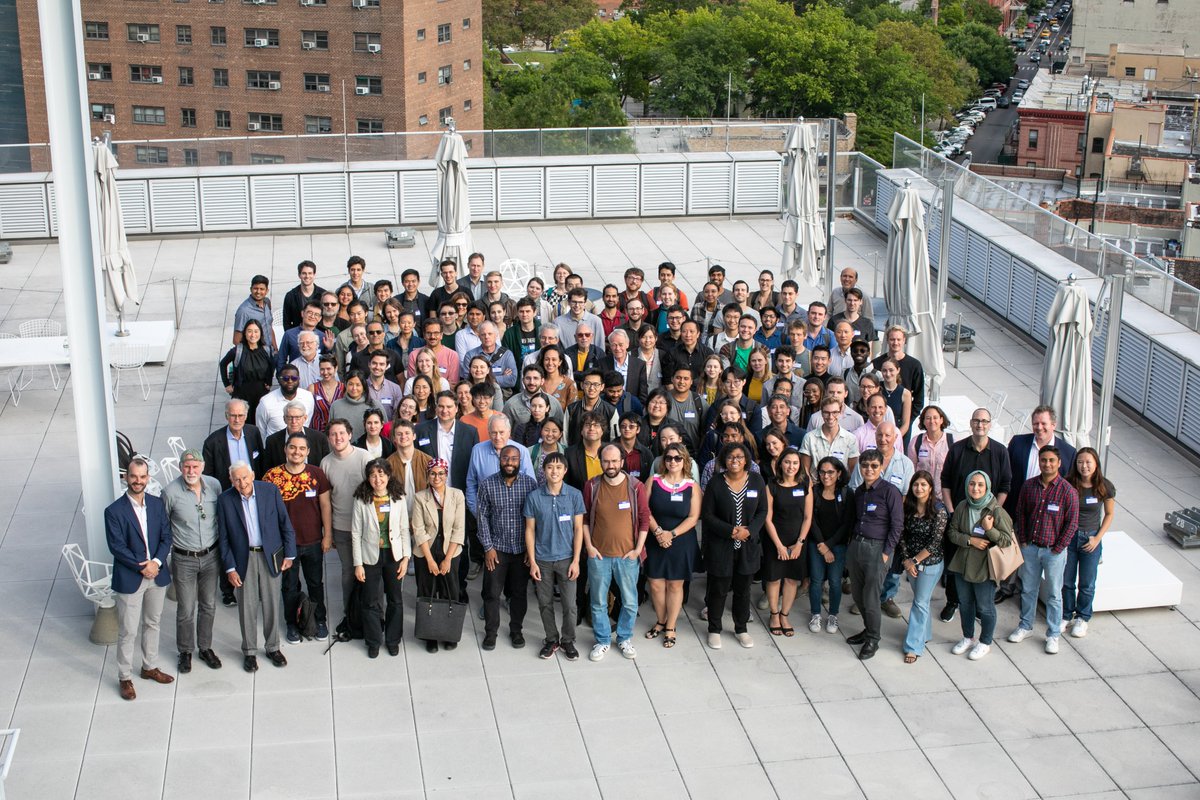
We're hiring! Join the Biochemistry and Molecular Biophysics department here at Columbia, in wonderful NYC, and pursue your best scientific ideas amidst fantastic colleagues and a growing community.
Happy to answer any questions about the department or application process.
1 Oct 2023

Who would not want to start the independent career working with this amazing group of junior faculty? Having peers that get you, share your problems, and can have a drink with you at the end of the week is key for success! BMB is hiring- please apply:apply.interfolio.com/131823
3
47
131
64,044
Florian Hoffmann, PhD retweeted
29 Sep 2023
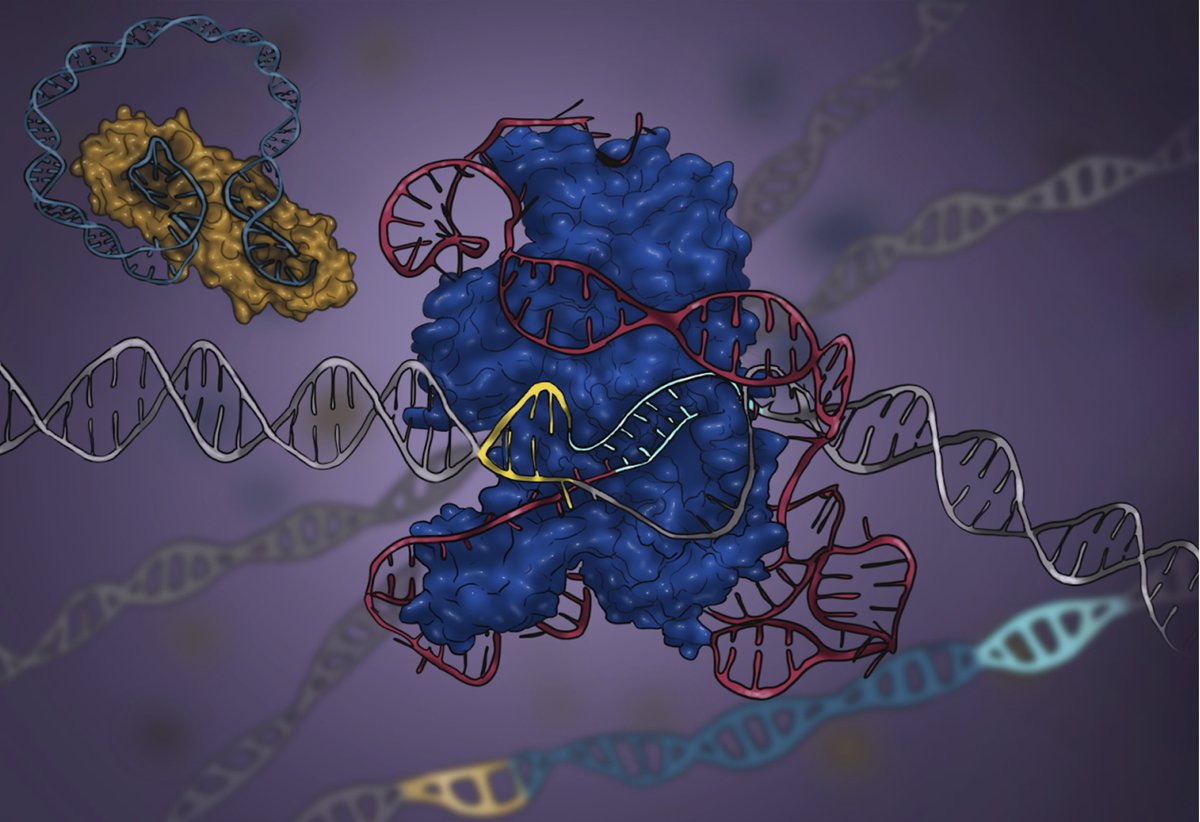
Thrilled to see our latest work published this week, on the essential roles of IscB/TnpB -- ancestral homologs of Cas9/Cas12 -- in transposon maintenance & spread. A wonderful team effort led by the talented Chance Meers! Thread on bioRxiv version below...
nature.com/articles/s41586-0…
28 Mar 2023

Great news - our lab's latest manuscript is out on bioRxiv!
Led by postdoc Chance Meers, we discovered that RNA-guided DNA cleavage by transposon-encoded nucleases arose to facilitate the pervasive spread and inheritance of transposons. 🧵: (1/6) biorxiv.org/content/10.1101/…
8
47
197
53,713
28 Sep 2023
New paper from our lab @shsternberg, led by Chance Meers Ph.D., is now online @Nature! We explored the ancestors of the genome editors Cas9 and Cas12 (IscB & TnpB) and their importance for transposon spread. Fortunate to be part of this team!

Nature research paper: Transposon-encoded nucleases use guide RNAs to promote their selfish spread go.nature.com/4547uXb
4
24
1,812
23 Sep 2023
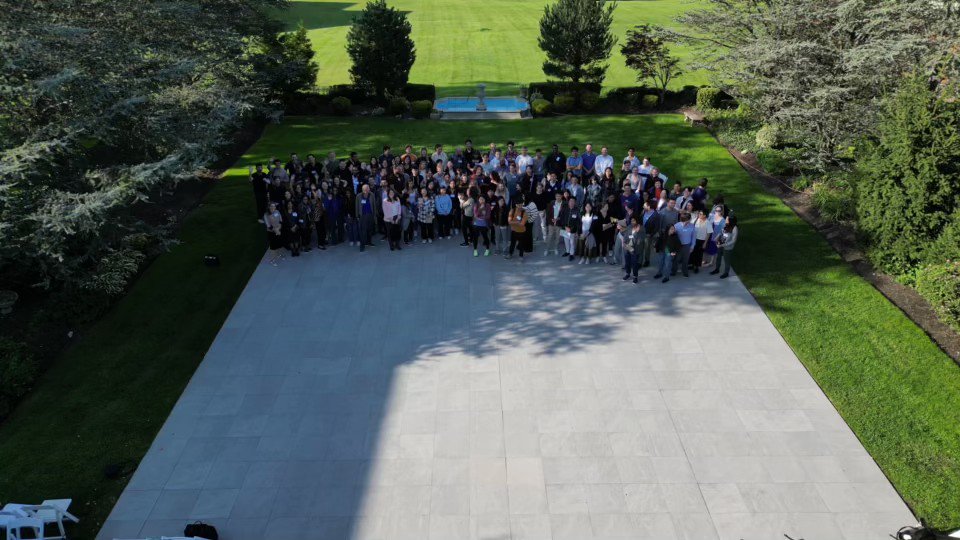
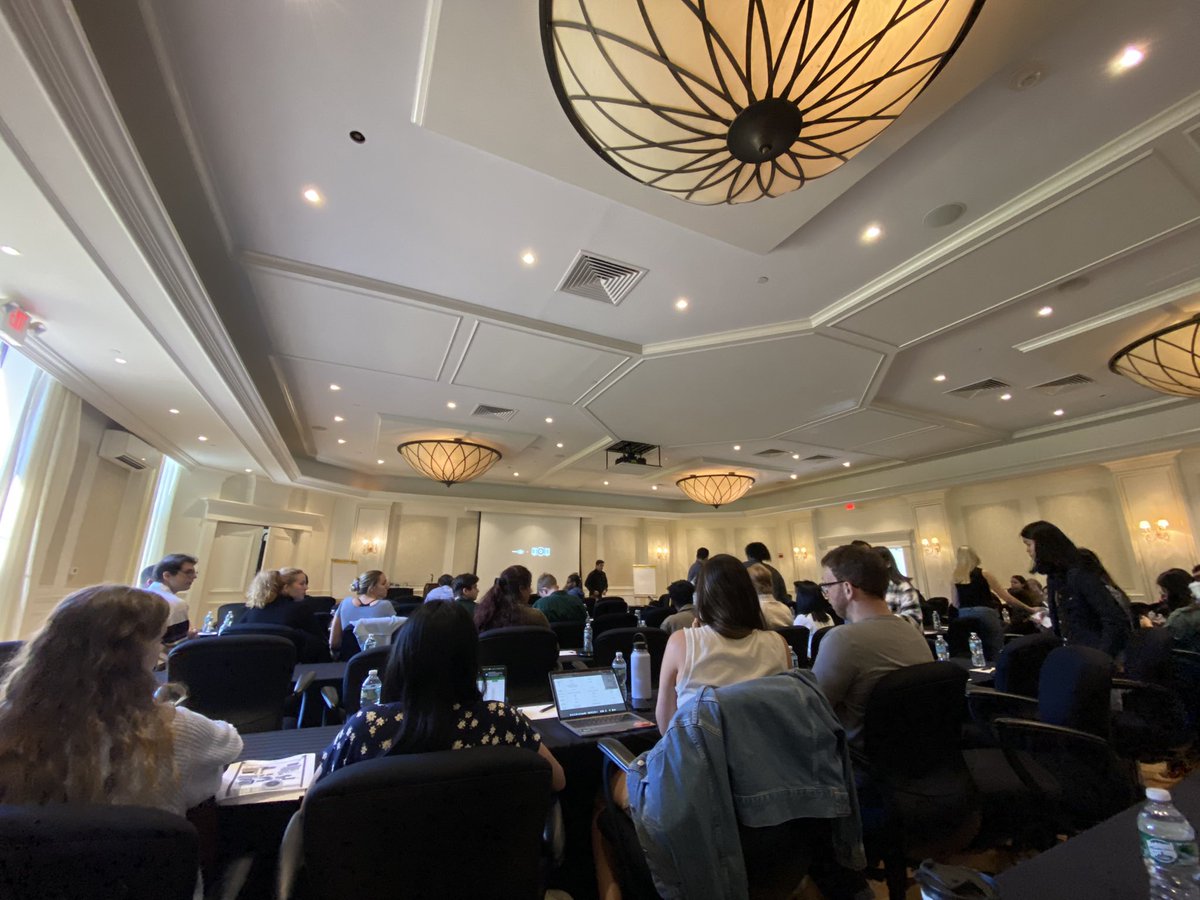
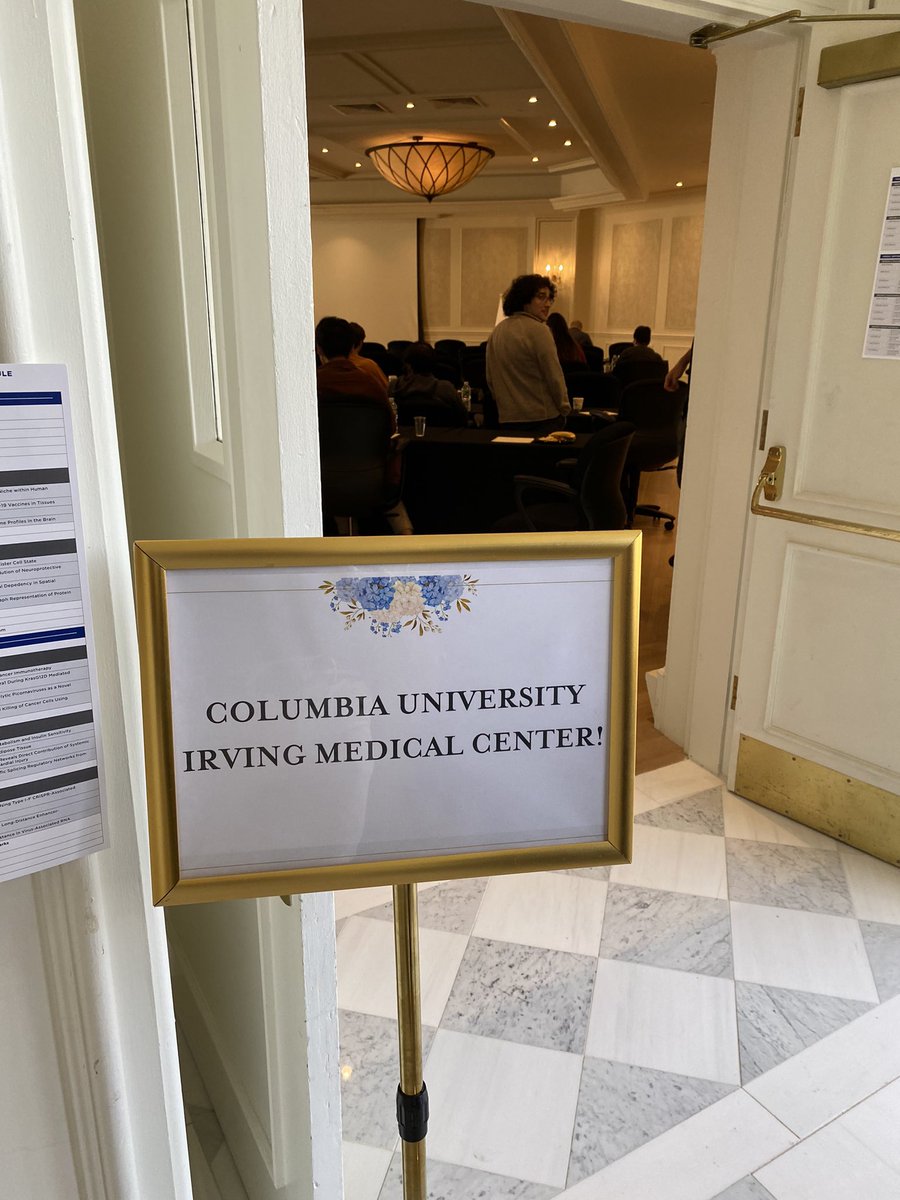
What a blast we had at @ColumbiaCMBS’s first off-site retreat post C.! Great science presented by the PhD students, community building & fun activities in an unforgettable Gatsby setting. Thank you for making this possible @Columbia! What a start for the new first year PhDs.
23 Sep 2023

We had a wonderful time at our 2023 CMBS retreat! Fantastic talks and posters presented by our students made for fun scientific conversations. Thanks to the student and faculty organizers for putting together a great event! @ColumbiaMed @ColumbiaGSAS
🎥 credits to @fthoffmann
1
6
883
Florian Hoffmann, PhD retweeted
9 Aug 2023
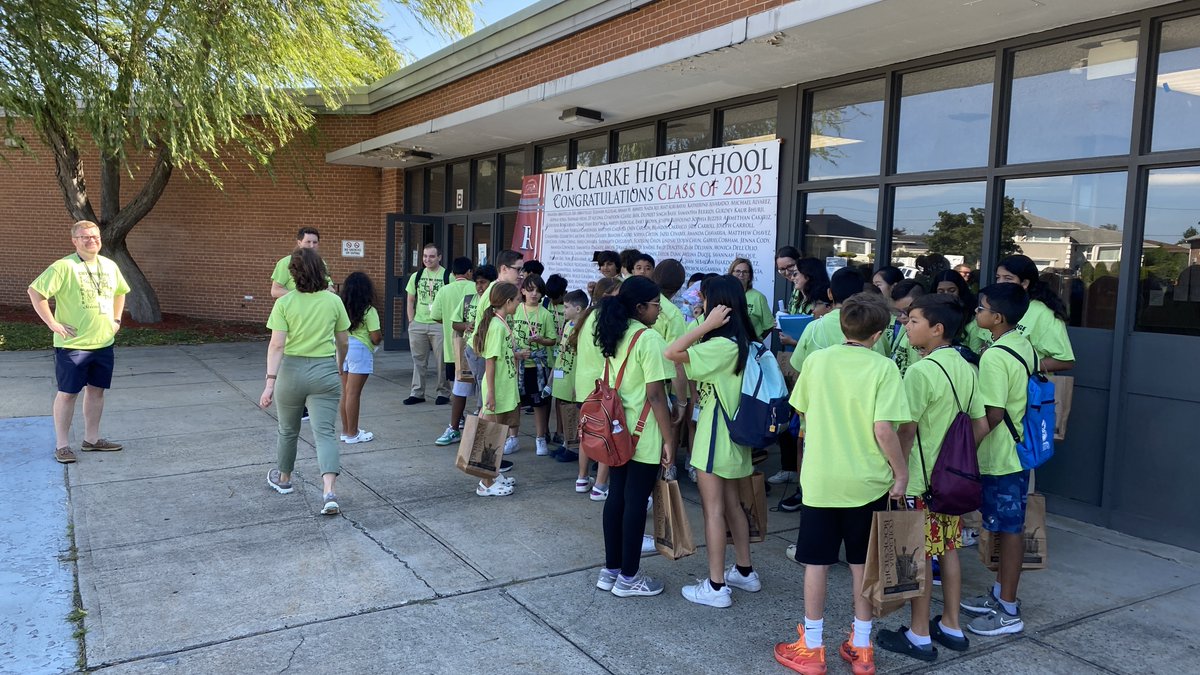
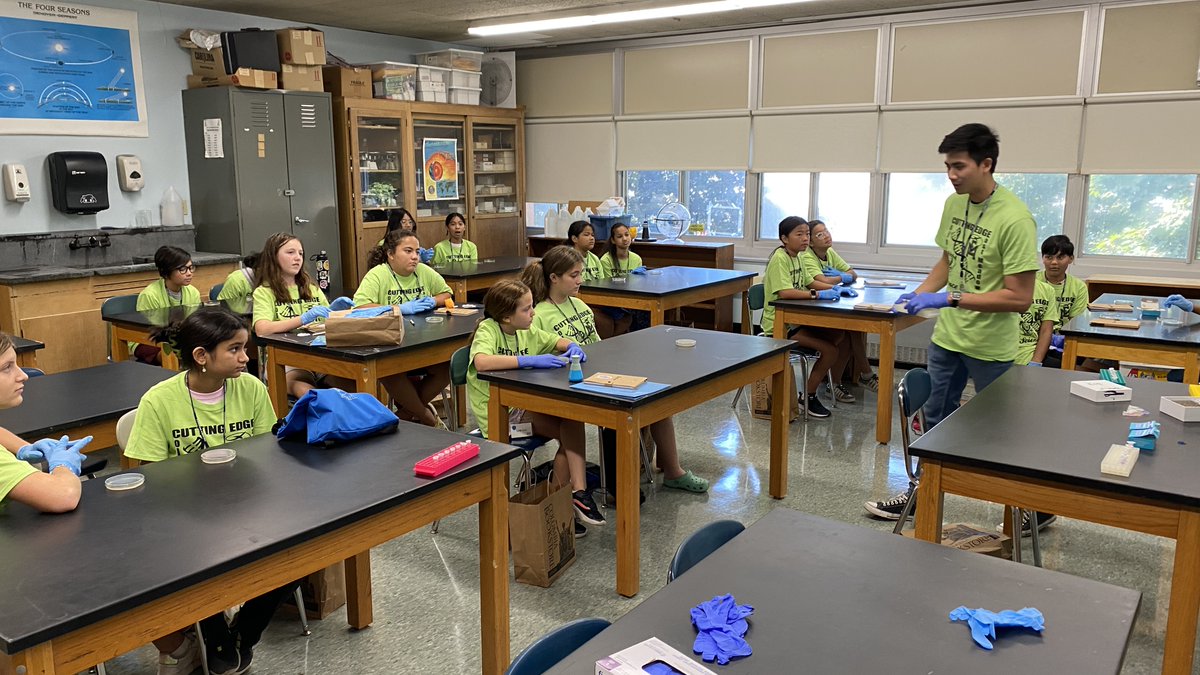
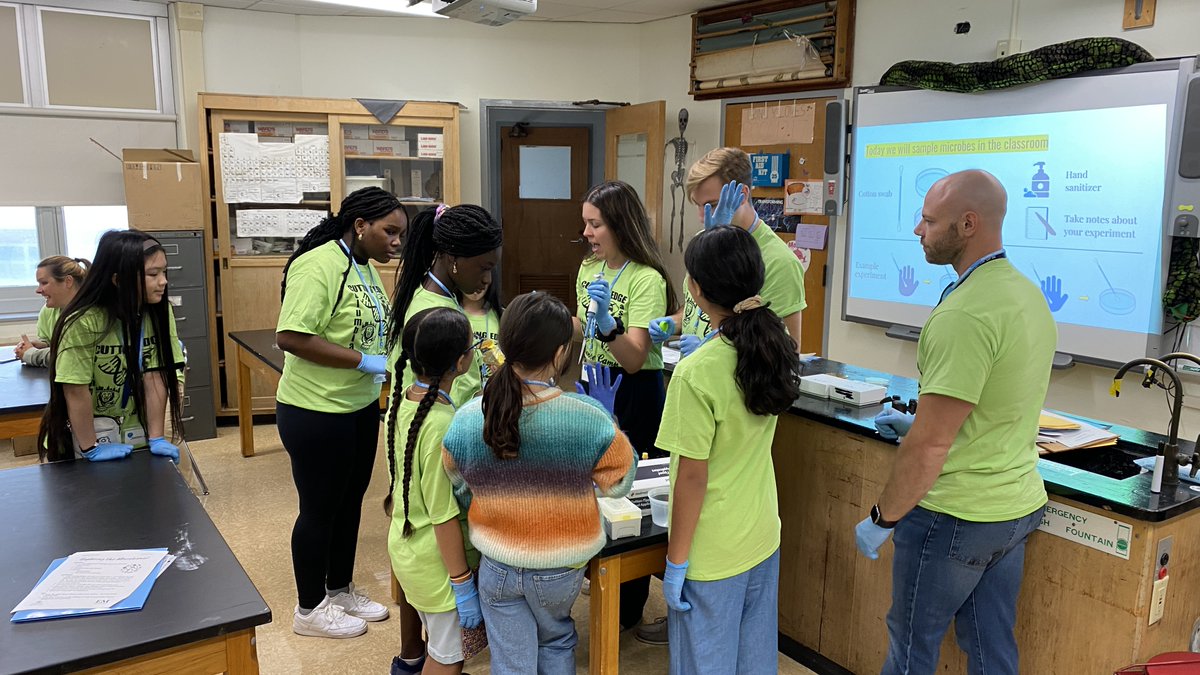
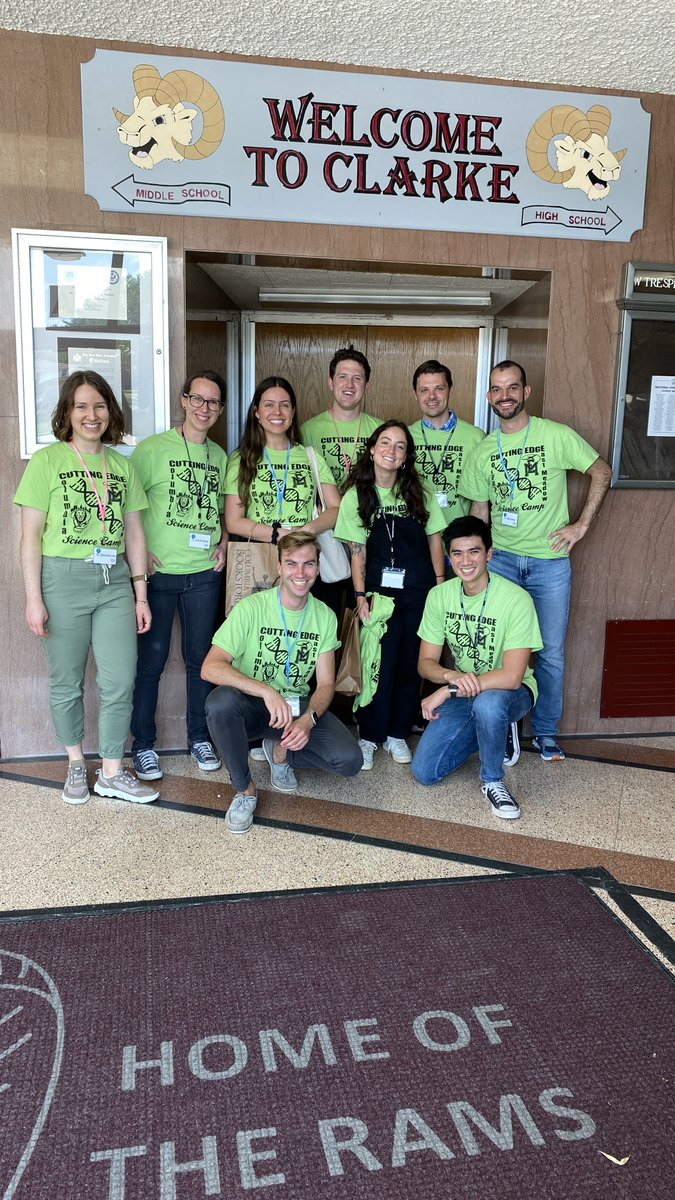
What a day! We had such a blast sharing our science with middle-schoolers in Long Island, at the inaugural Cutting-Edge Science Camp! Big shout-out to all the volunteers from @Columbia, and to @SawickiScience @jameshmccabe @dharls1 @WenWanso and all the teachers from East Meadow!
2
4
61
3,366