561 Photos and videos
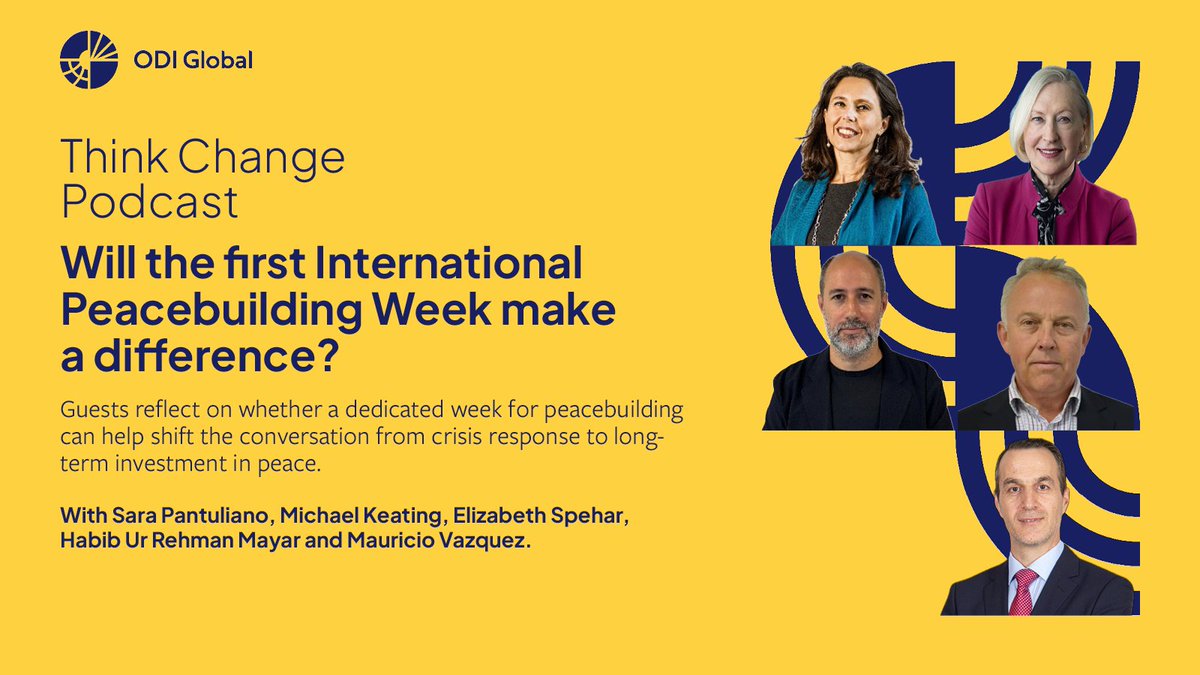





Can the first International Peacebuilding Week on 22 - 26 June help turn words into action?
With conflicts lasting longer and global challenges growing, peacebuilding is receiving renewed attention around the world.
In the latest episode of Think Change, @ODI_Global CEO Sara Pantuliano speaks with leading voices in peacebuilding and international affairs:
@ElizabethSpehar , UN Assistant Secretary-General for Peacebuilding and Peace Support
- Michael Keating, Executive Director of the @Eurpeace
- @Habibmayar Deputy General Secretary of the g7 Secretariat
- @Mauricio Vazquez, Head of Policy, ODI Global Risks and Resilience Programme.
A key takeaway is that peacebuilding cannot be confined to policy discussions and international meetings. Lasting peace depends on the leadership, voices, and experiences of the communities and countries directly affected by conflict.
🎧 Listen now: odi.org/en/insights/think-ch……
#Peacebuilding #InternationalPeacebuildingWeek #ConflictPrevention #Fragility #ClimateSecurity #GlobalDevelopment #ThinkChange #odiglobal
21
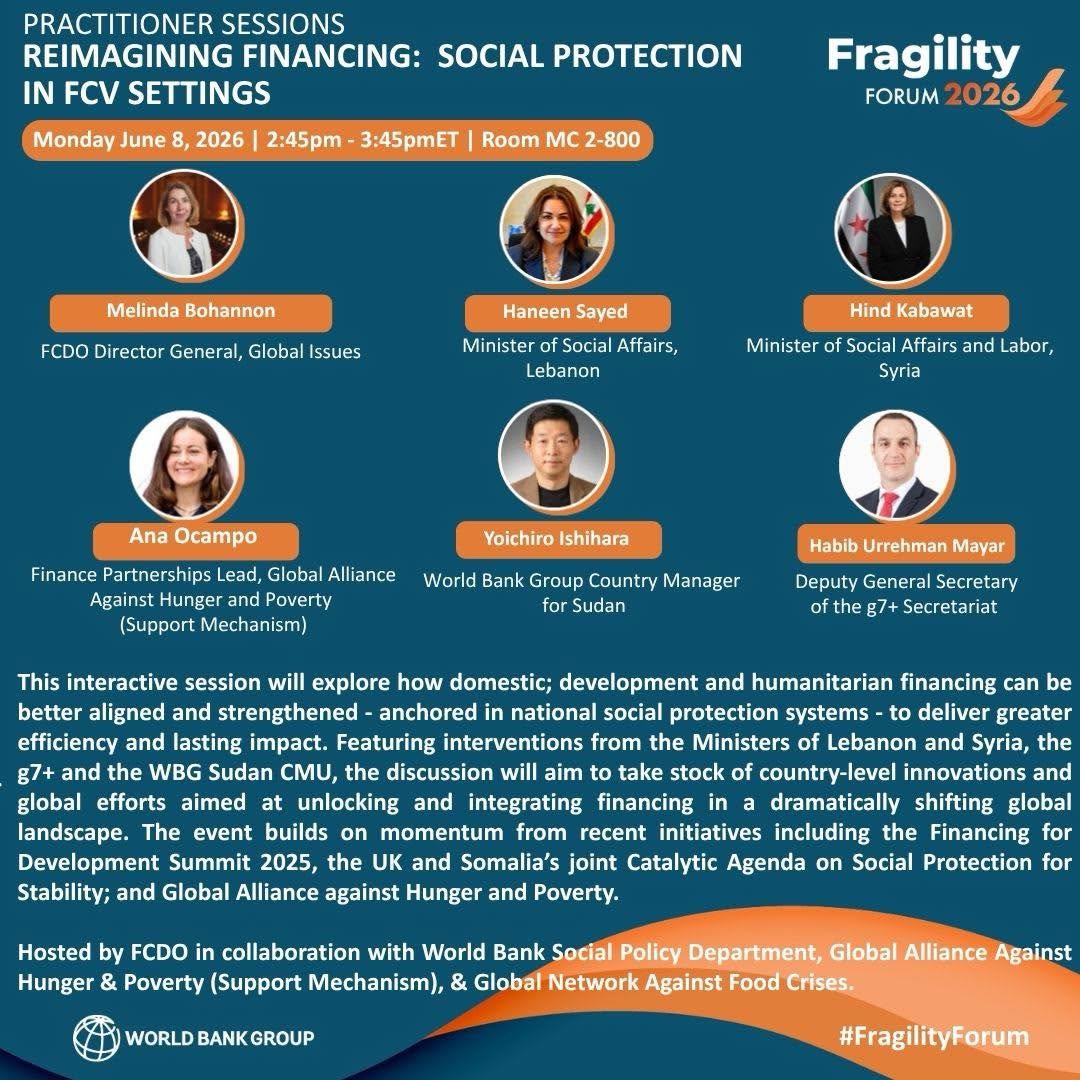
𝐠𝟕 𝐚𝐭 #FragilityForum 𝟐𝟎𝟐𝟔
We are excited that Habib Mayar, Deputy General Secretary of the g7 , will share the perspectives and experiences of g7 member countries during the practitioner session:
“Reimagining Financing: Social Protection in FCV Settings”
🗓️ 8 June 2026
🕒 2:45–3:45 PM (ET)
Room: MC 2-800
The discussion will explore how social protection systems can be financed more effectively in fragile and conflict-affected settings, drawing on lessons and insights from countries on the frontlines of fragility.
Please join us for this important conversation.
#FragilityForum2026 #SocialProtection #FCV #WorldBankGroup #DevelopmentFinance #Resilience See less
1
82
g7plus retweeted

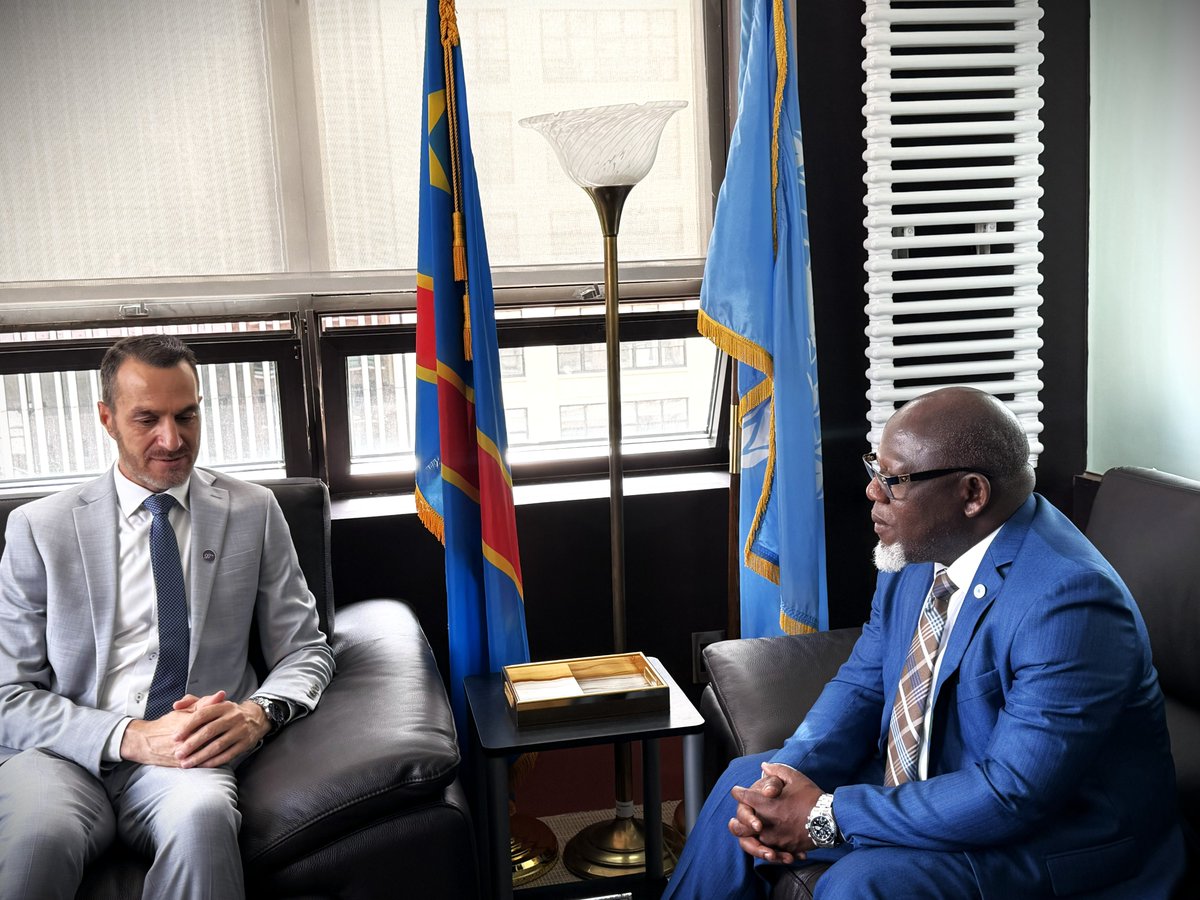
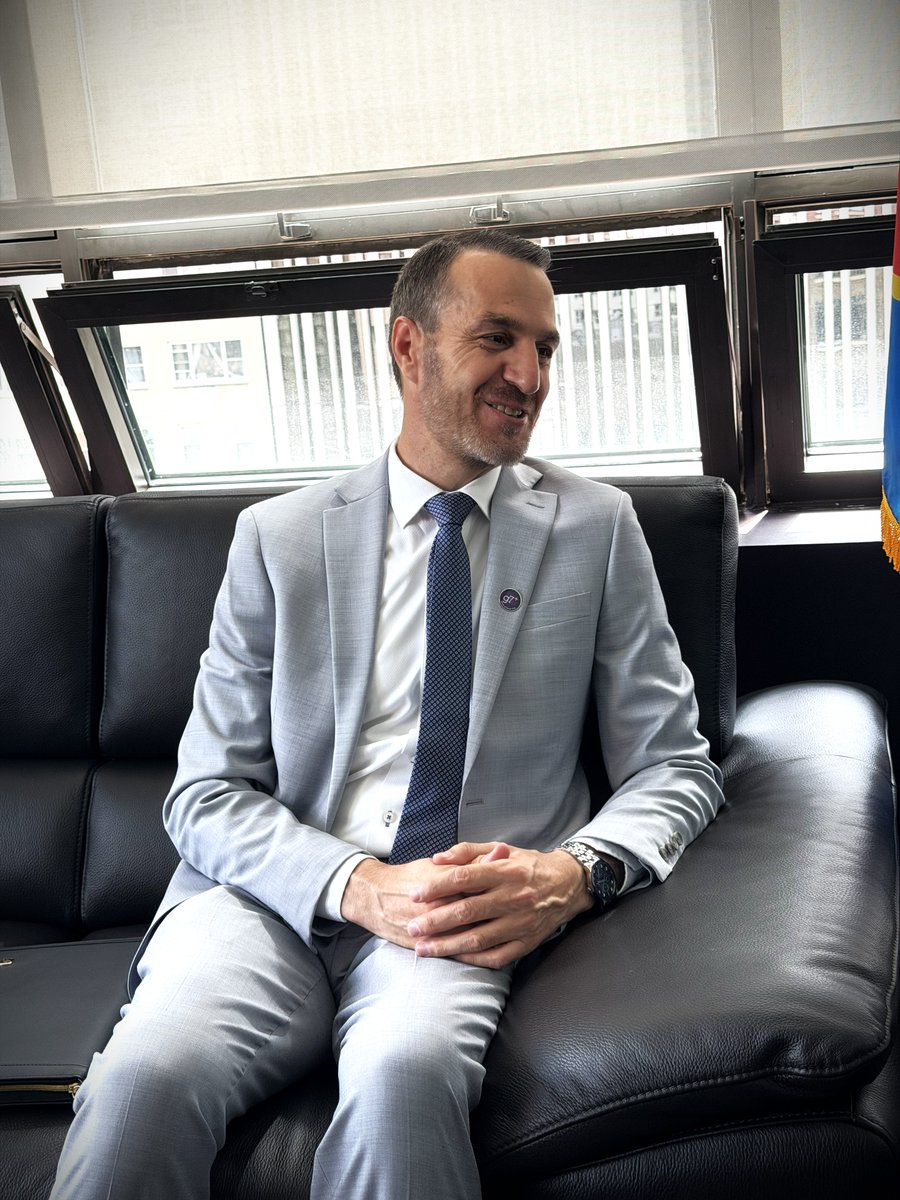
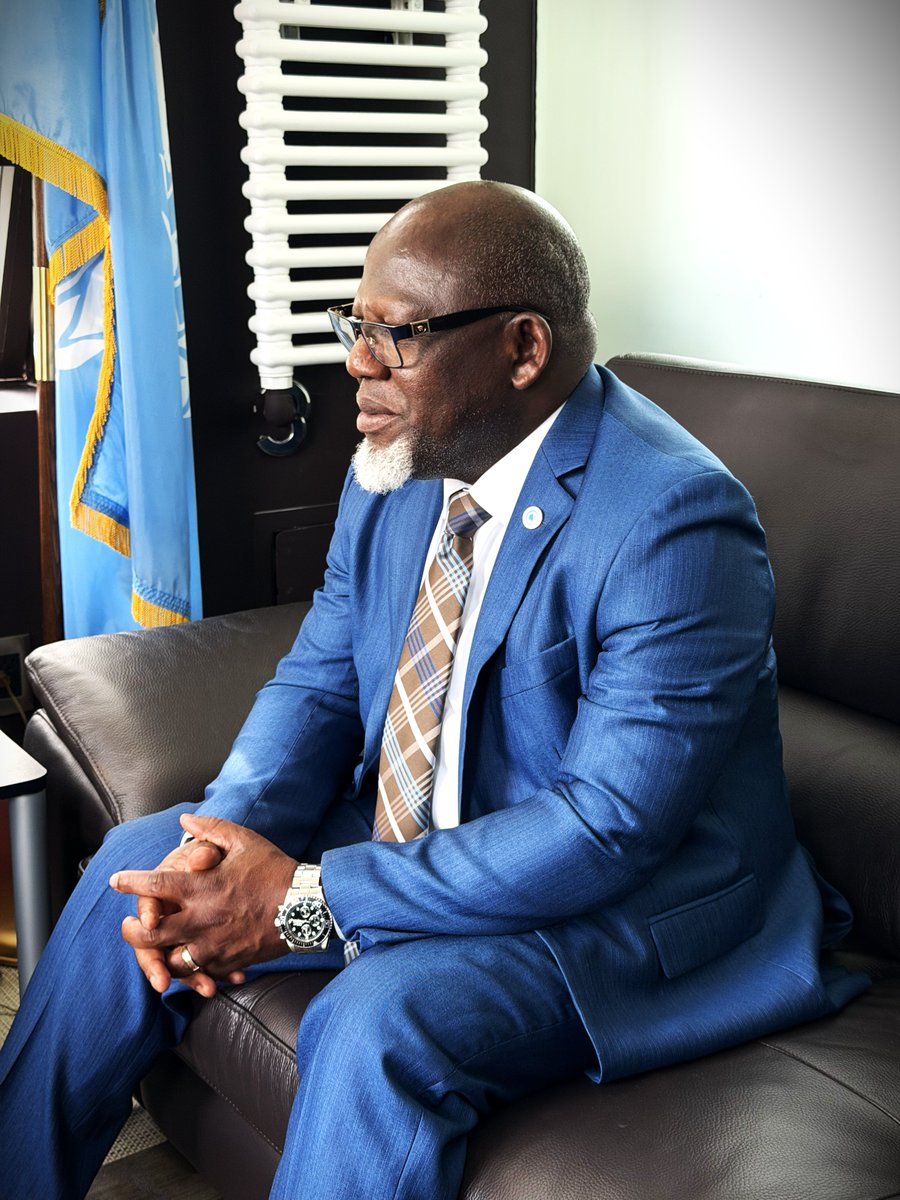
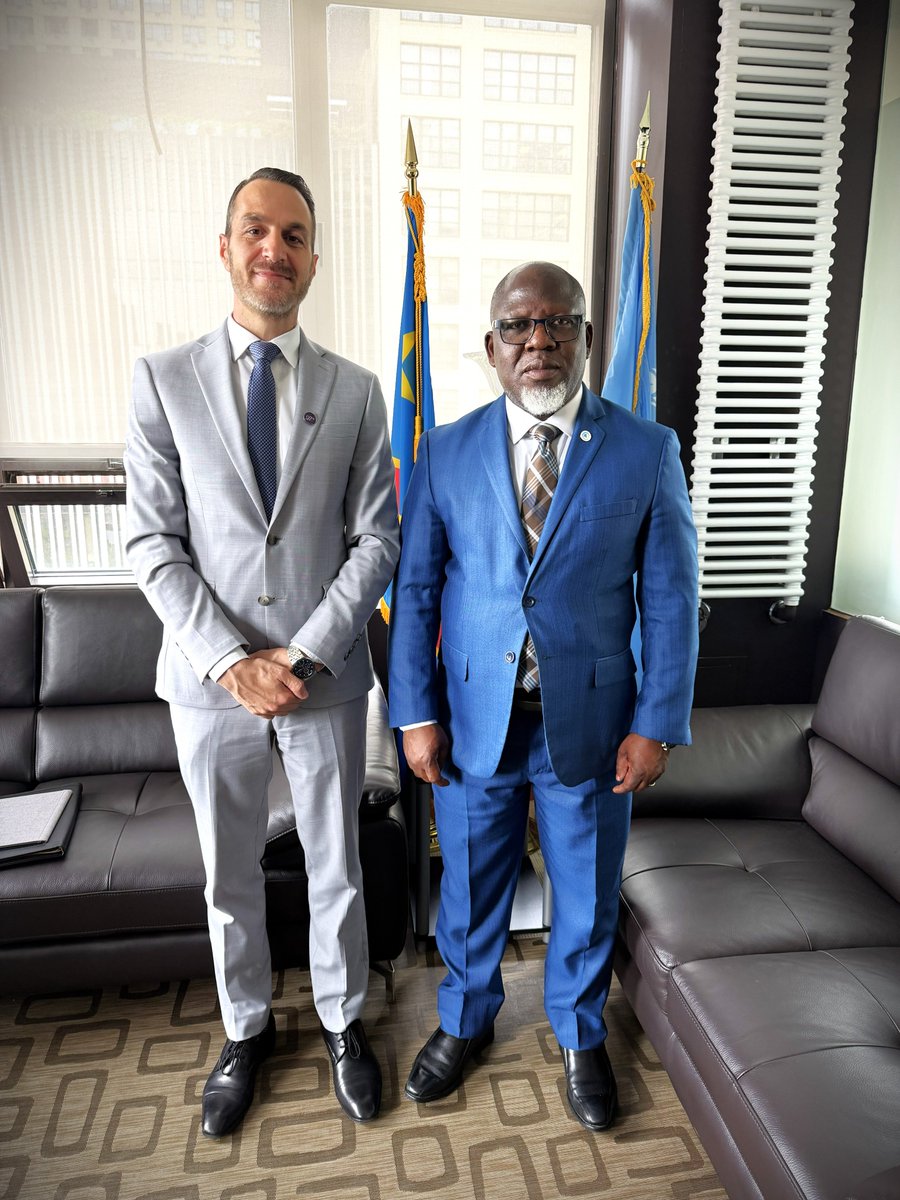
Le Secrétaire général adjoint et Directeur exécutif de la Fondation g7 @g7plus, M. Habib Ur Rehman Mayar (@Habibmayar), a été reçu en audience le 30 avril 2026, par l’Ambassadeur Zénon Mukongo Ngay (@ZMukongo), Représentant permanent de la RDC auprès des Nations Unies,
Les échanges ont porté sur le renforcement de la collaboration entre la RDC et @g7plus, ainsi que sur le souhait exprimé par cette organisation de participer aux activités prévues dans le cadre de la présidence congolaise du Conseil de sécurité en juillet 2026.
@Presidence_RDC
@RDC_Minafet
@Com_mediasRDC
2
22
79
4,575
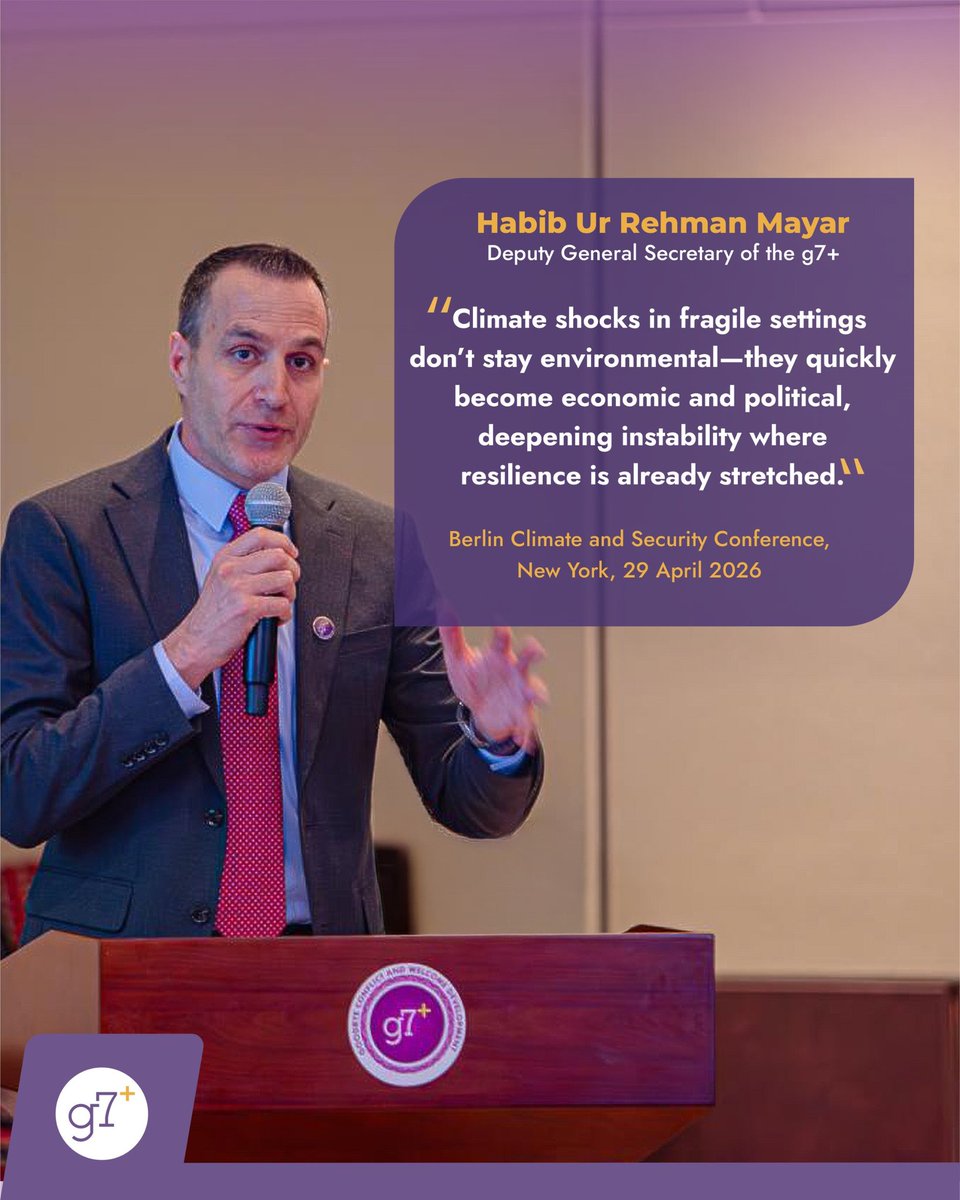
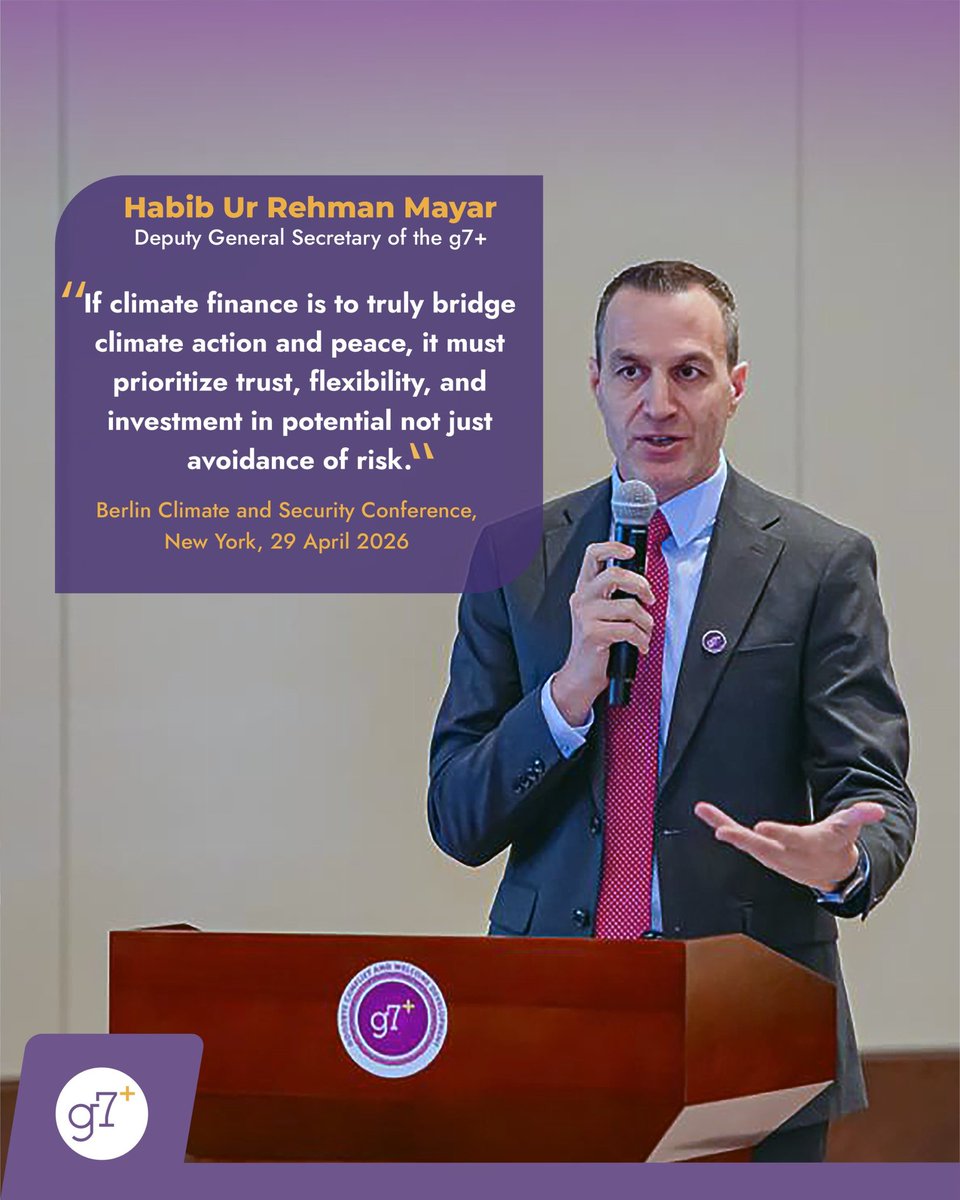
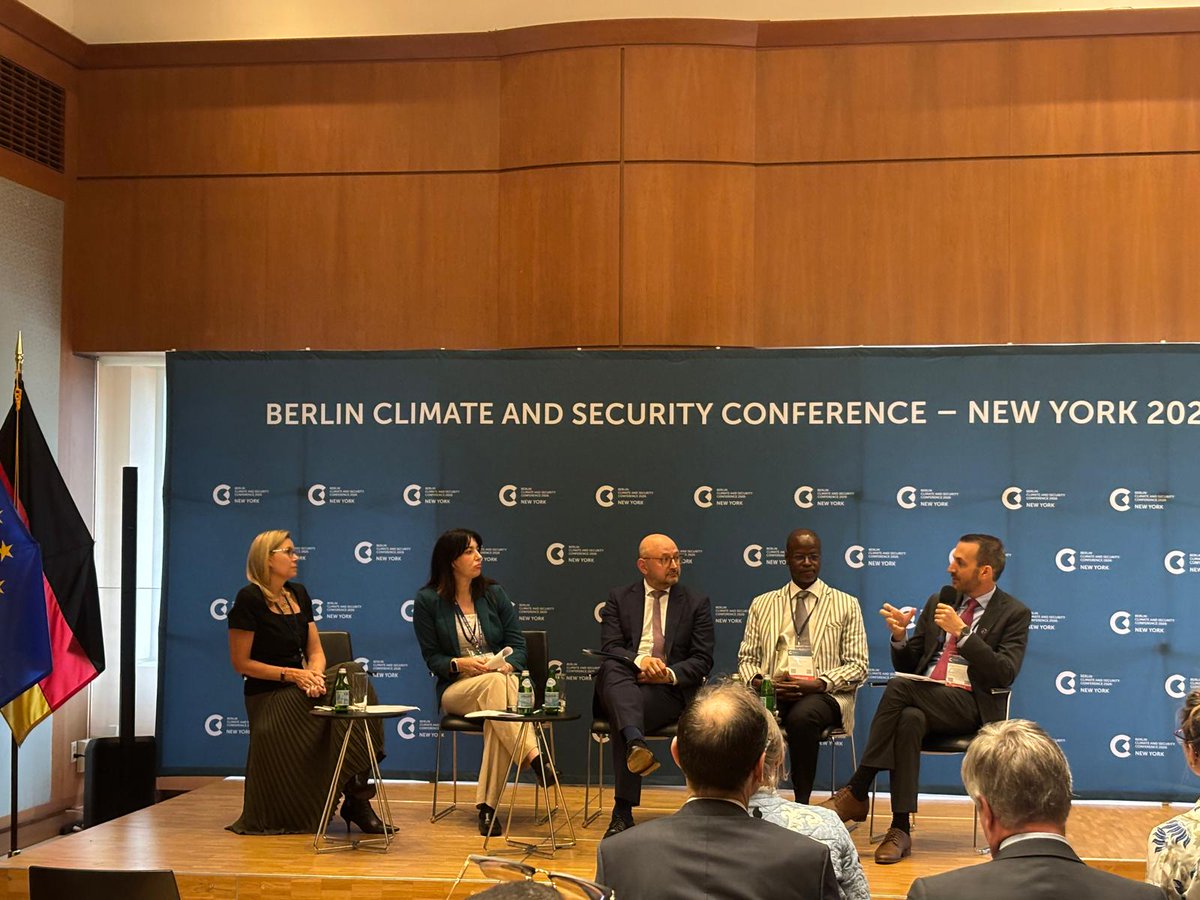
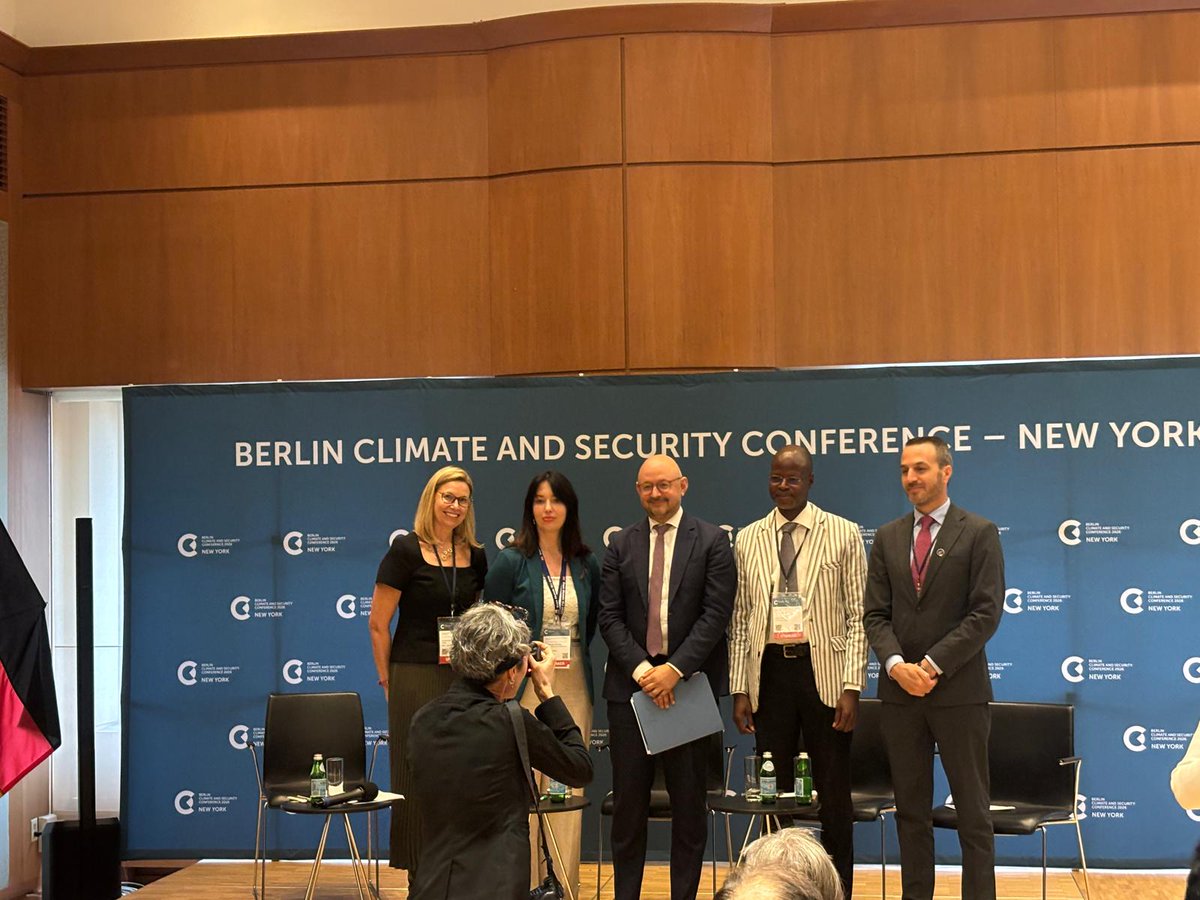
New York, 29 April 2026 – Deputy General Secretary Mr. Habib Mayar shared the g7 perspective at the Berlin Climate and Security Conference 2026, hosted by the Permanent Mission of Germany to the United Nations @GermanyUN. #BCSCNewYork
He highlighted a critical gap such as countries most affected by climate change are often the same ones facing conflict and fragility, yet they receive only a fraction of global climate finance. Decades of instability have weakened institutions and eroded resilience, leaving them highly exposed to climate shocks.
But these countries are not just vulnerable, they are essential to the global climate solution. g7 members hold significant forests, carbon stocks, biodiversity, and renewable energy potential, accounting for around 11% of the world’s forests. The issue is not a lack of opportunity, but a failure to connect finance to it.
Mr. Mayar pointed to key barriers in the system: rigid eligibility criteria, complex fiduciary requirements, and risk frameworks focused on avoidance rather than management. As a result, finance flows where it is easiest, not where it is most needed.
He called for a clear shift: faster, more flexible access to finance, greater risk-sharing, investment in readiness, stronger national ownership, and scaled-up adaptation finance. This is not about lowering standards, it’s about making climate finance fit for purpose and closing both the funding and stability gaps.
1
4
193
g7plus retweeted

"The Palestinians should be in the driving seat."
@Habibmayar, Deputy General Secretary of the @g7plus, on why international support in Palestine must ultimately be transferred to Palestinian leadership.
📽️Full interview: bit.ly/4sB17q0
1
1
179

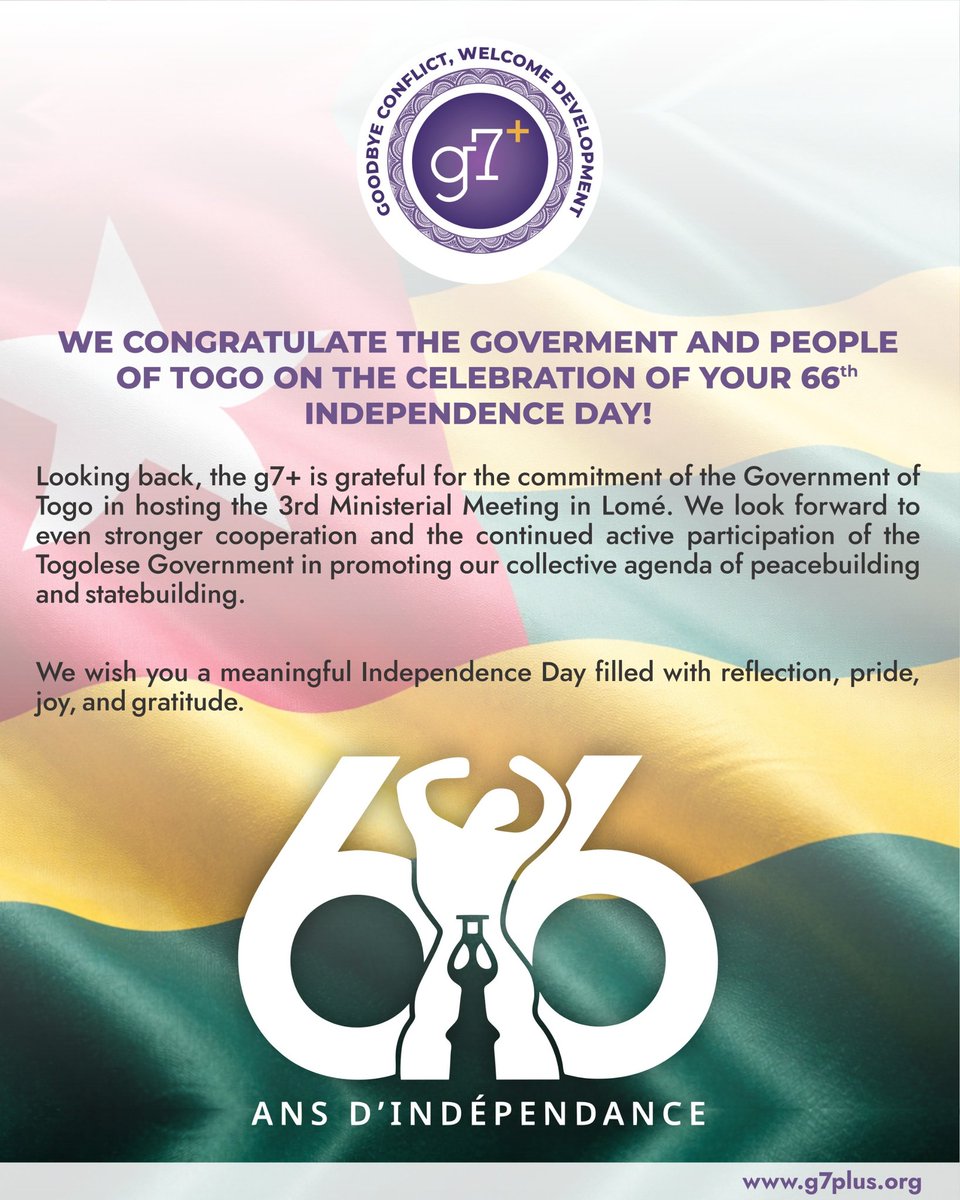
Nous félicitons le gouvernement et le peuple togolais à l'occasion du 66e anniversaire de l'indépendance.
Nous vous souhaitons une fête de l'indépendance riche de sens, empreinte de réflexion, de fierté, de joie, de paix et de prospérité.
@rdussey @FEGnassingbe @presidencecstg
43
We warmly congratulate the Government and People of Sierra Leone on the 65th Anniversary of the Independence Day.
🗓 April 27, 1961.
@Presidency_SL @julius_maadabio @Bkenyeh @moped2025 @MichaelKanuSL @SierraLeoneUN
1
45
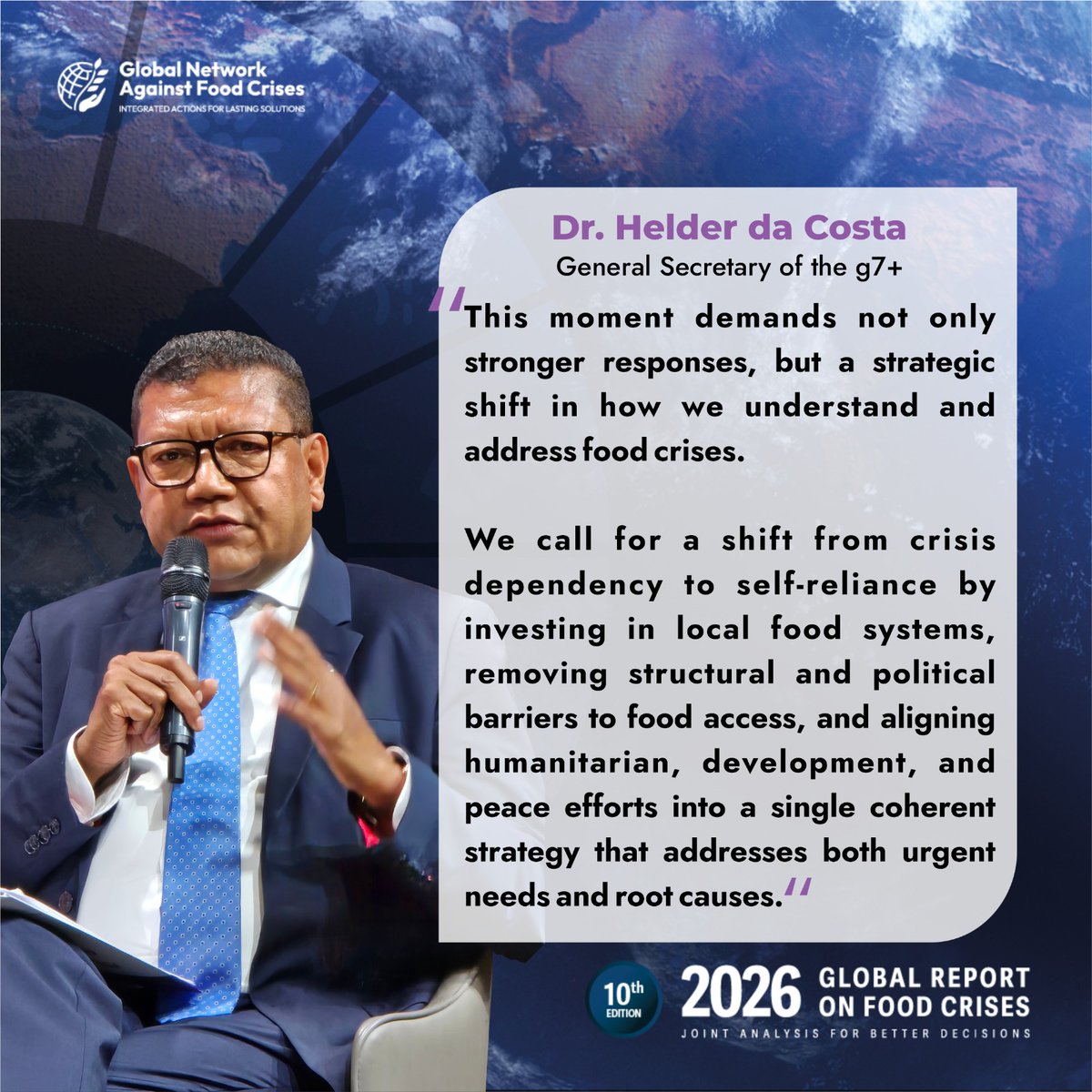
The Global Report on Food Crises is out now.
The report finds that 266 million people across 47 countries experienced high levels of acute food insecurity in 2025, nearly a quarter of the population analysed and almost double the share recorded in 2016.
Conflict remains the primary driver, accounting for more than half of all people facing severe hunger.
Read full report here:
fightfoodcrises.net/global-r… @fightfoodcrises @FAO @WFP
1
1
86
g7plus retweeted

Apr 24
The Global Report on Food Crises is out — and the data is alarming.
Over the past decade:
🔺 Extreme hunger has DOUBLED worldwide
🔺 9x more people now face the most severe form of food insecurity
🔺 Food crises are lasting longer
🔗Learn more: ow.ly/XTv150YOWoY
18
116
161
30,501
g7plus retweeted

Just Released! The 10th edition of Global Report on Food Crises #GRFC25 is now available.
#fightfoodcrises
Download the report here: openknowledge.fao.org/server…
@EU_Commission @ODI_Global @FCDOGovUK @UNICEF @WFP @FAO @WorldBankGroup @g7plus @IFAD @agriculture_ie @BMZ_Bund
2
15
15
1,160
REGISTER NOW! The @g7plus Secretariat looks forward to attending the roundtable to share the group’s perspective on the impacts of food insecurity in @g7plus member states at the hybrid launch event for the release of the 2026 Global Report on Food Crises #GRFC26, @fightfoodcrises, hosted by @FCDOGovUK and @ODI_Global in London, UK, on Friday 24 April 2026 at 11:00 am CEST.
Register here: 2026-global-report-food.rsvp…
1
1
141
g7plus retweeted
The @g7plus membership in the GNAFC will focus on translating GNAFC data & evidence into actionable policies at the national & international level, engaging in joint policy advocacy on solutions & innovations &exploring debt swaps to address acute food insecurity & malnutrition.
1
1
39
g7plus retweeted
The GNAFC is delighted to announce that the @g7plus is now a member of the GNAFC. The g7 & its membership of 20 countries affected by conflict & fragility will help to ensure that the perspectives, solutions & leadership of affected states will be an integral part GNAFC's work
1
1
3
75
g7plus retweeted
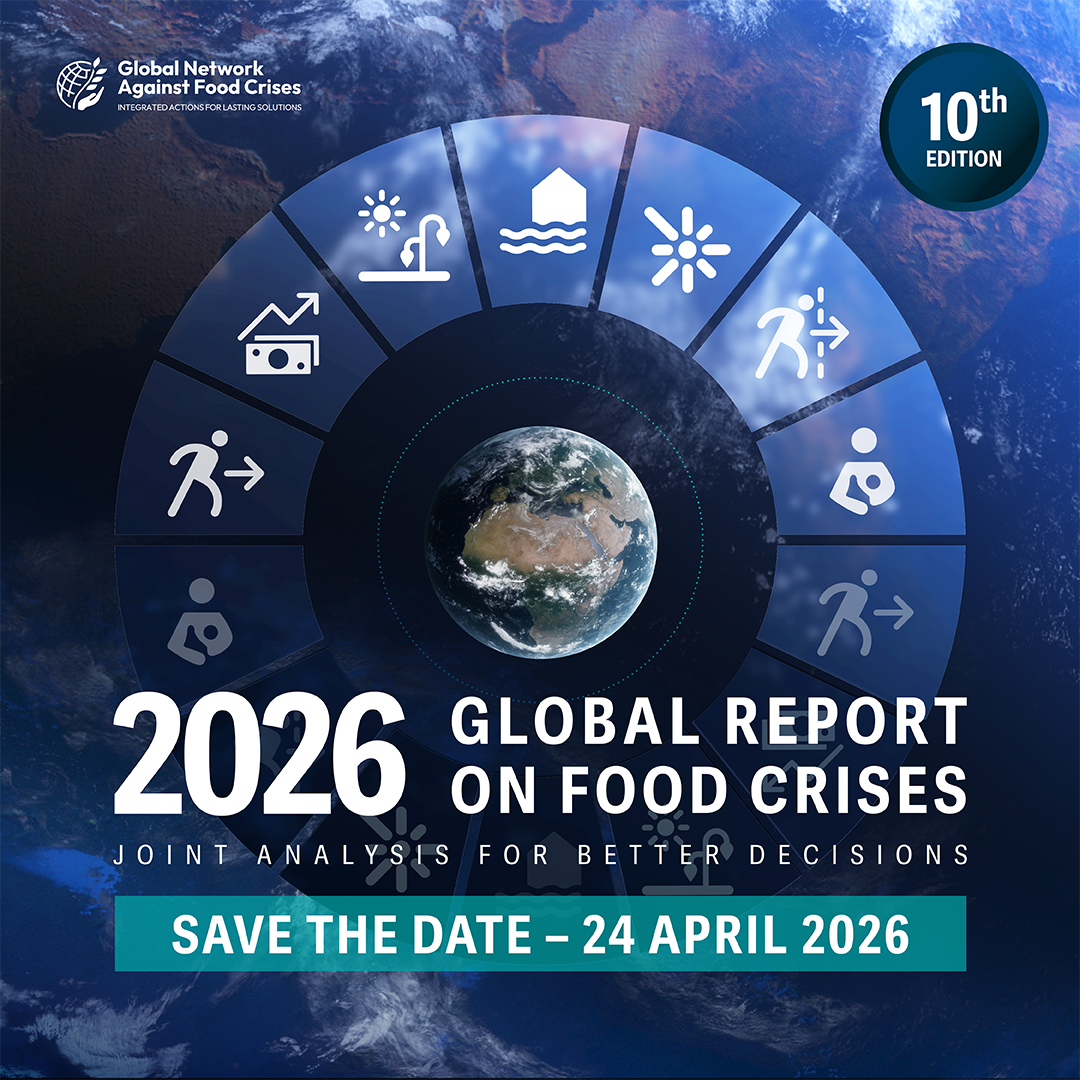
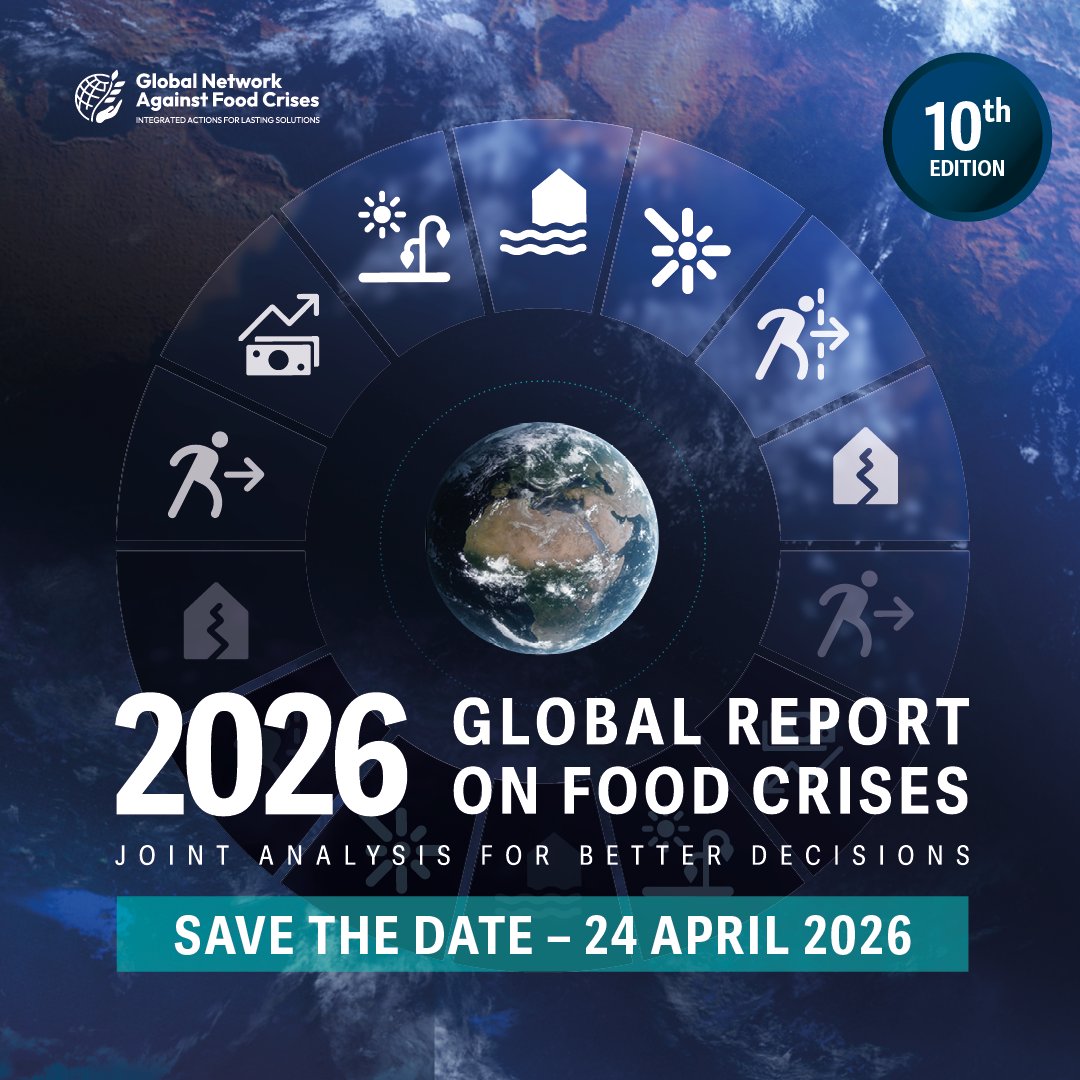
Register now! The 2026 Global Report on Food Crises #GRFC26 releases on 🗓️ 24 April 2026 🕑 10:00-11:00 GMT at a high-level hybrid launch event hosted by the GNAFC, @ODI_Global & @FCDOGovUK in📍 London, England.
Register here: 2026-global-report-food.rsvp…
11
10
709
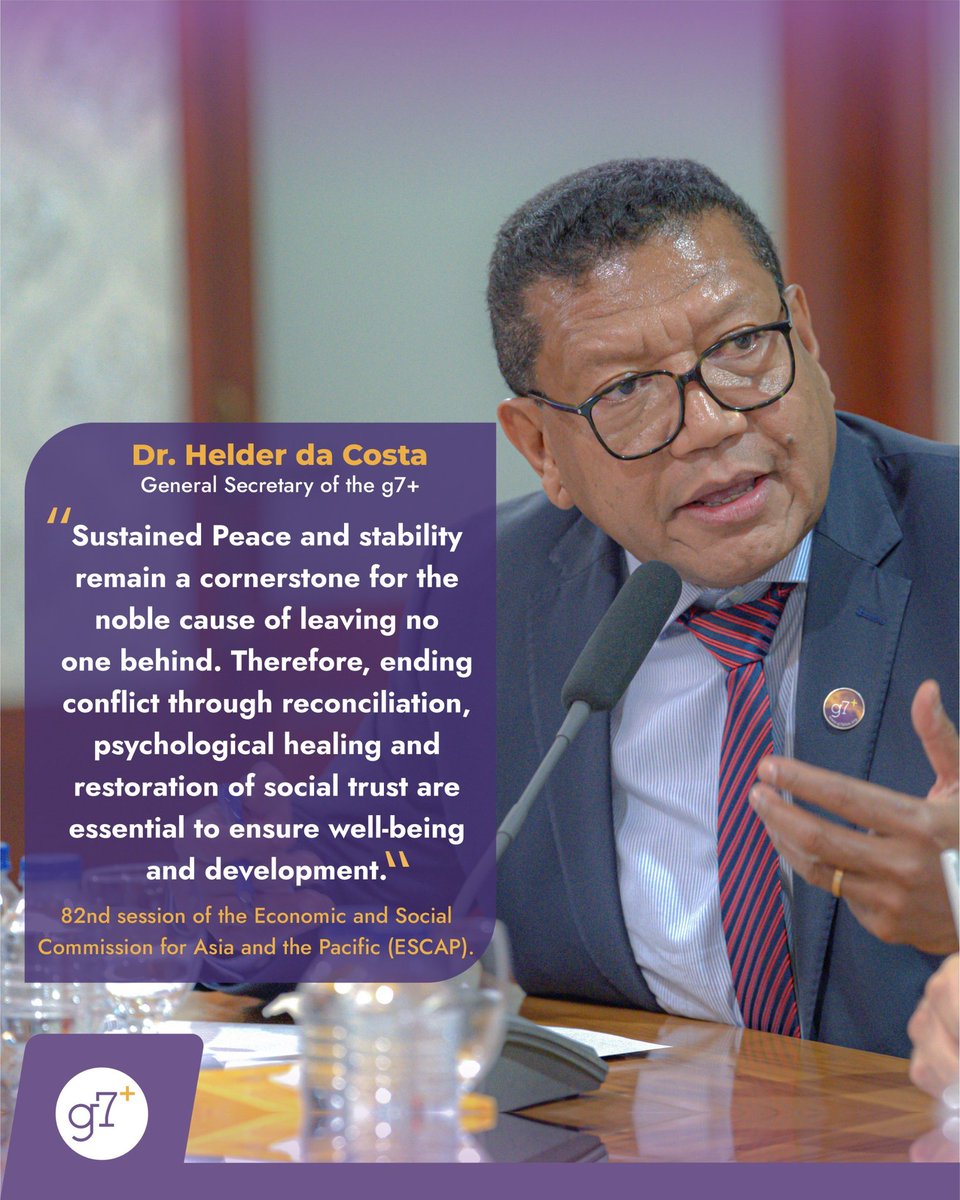
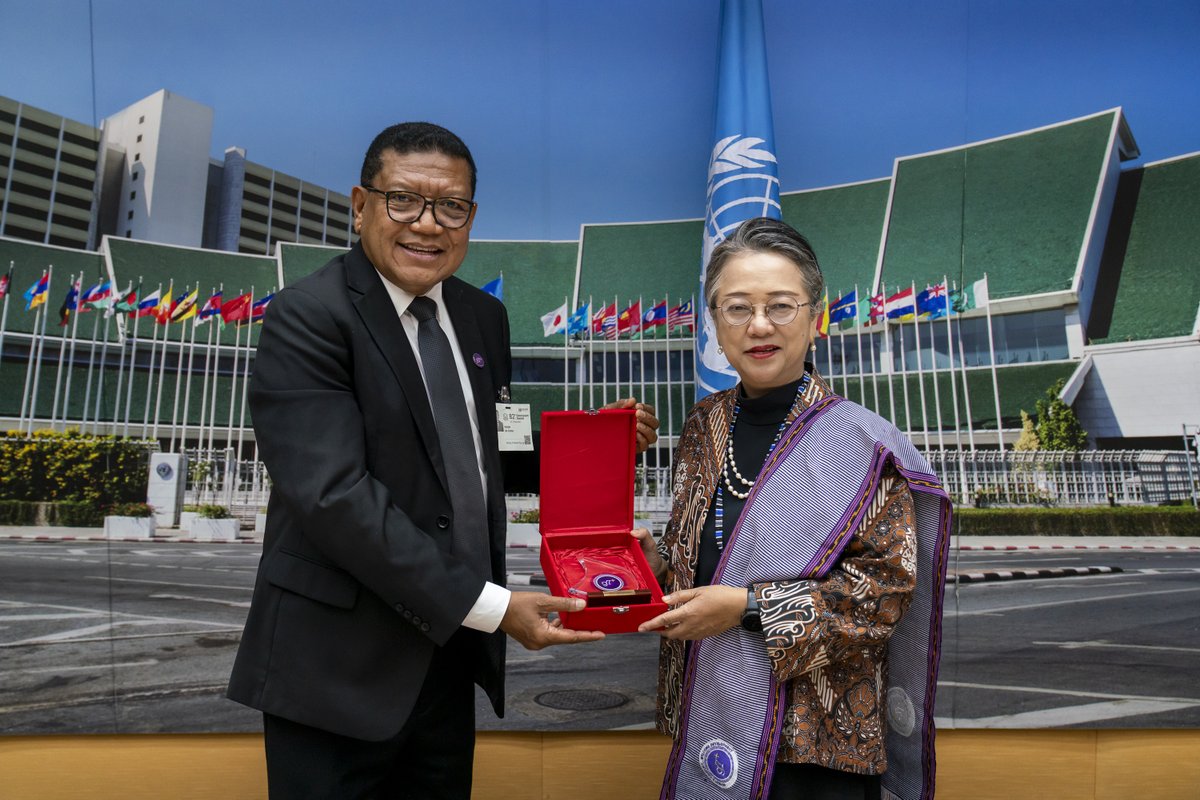
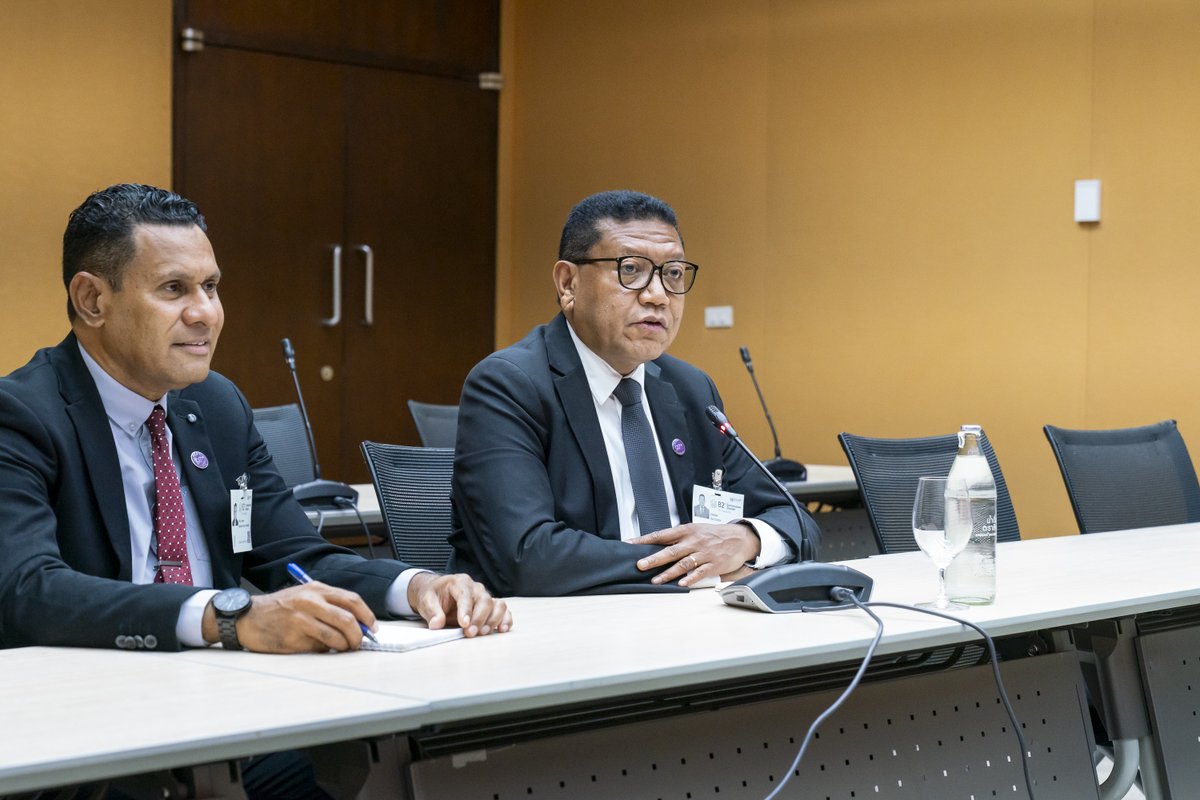
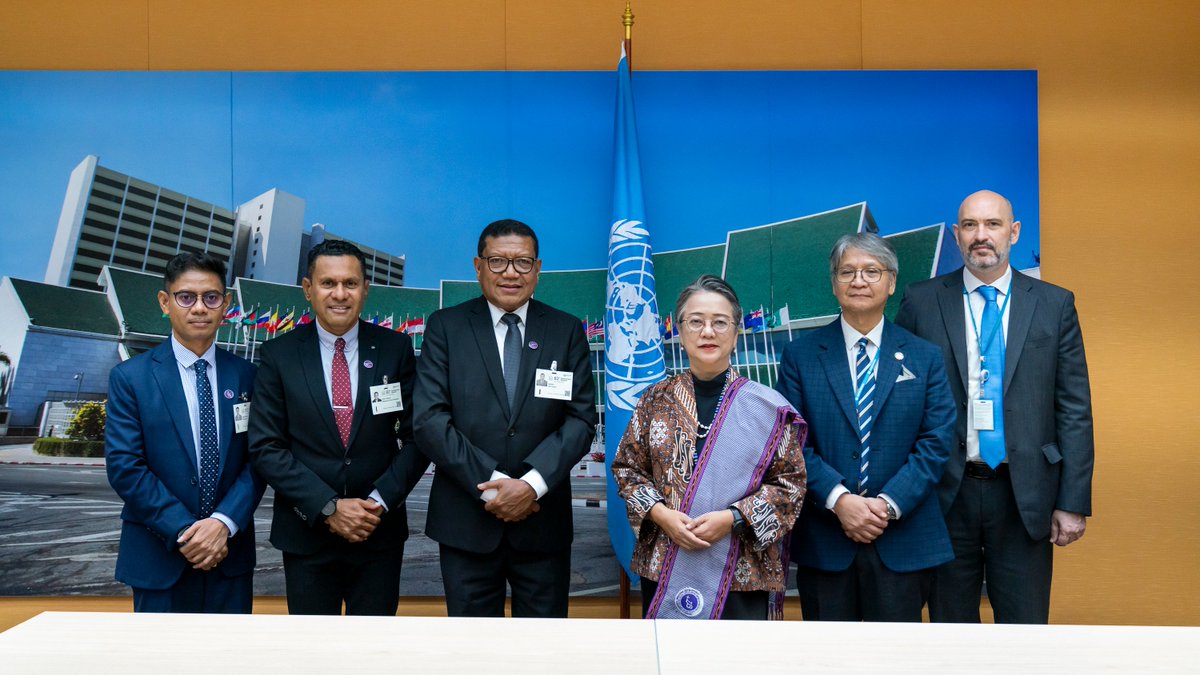
21 April 2026 - Dr. Helder da Costa, General Secretary of the g7 , delivered an intervention at the 82nd session of the Economic and Social Commission for Asia and the Pacific (ESCAP).
Speaking under Agenda Item 3 — “Leaving no one behind: advancing a society for all ages in Asia and the Pacific” #CS82 #societyforallages
Watch the full intervention here:
webtv.un.org/en/asset/k1b/k1…
46
g7plus retweeted
What does it take to build lasting peace?
@Habibmayar, Deputy General Secretary of the @g7plus, draws on the experiences of 20 conflict-affected countries to answer that question.
🎥Full interview: bit.ly/4sB17q0
2
4
239
g7plus retweeted

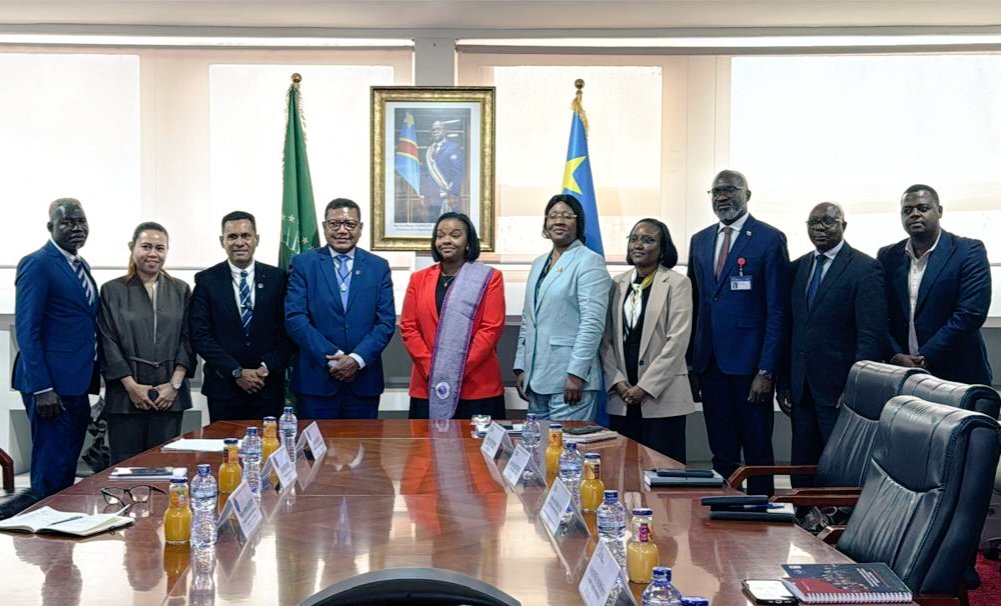
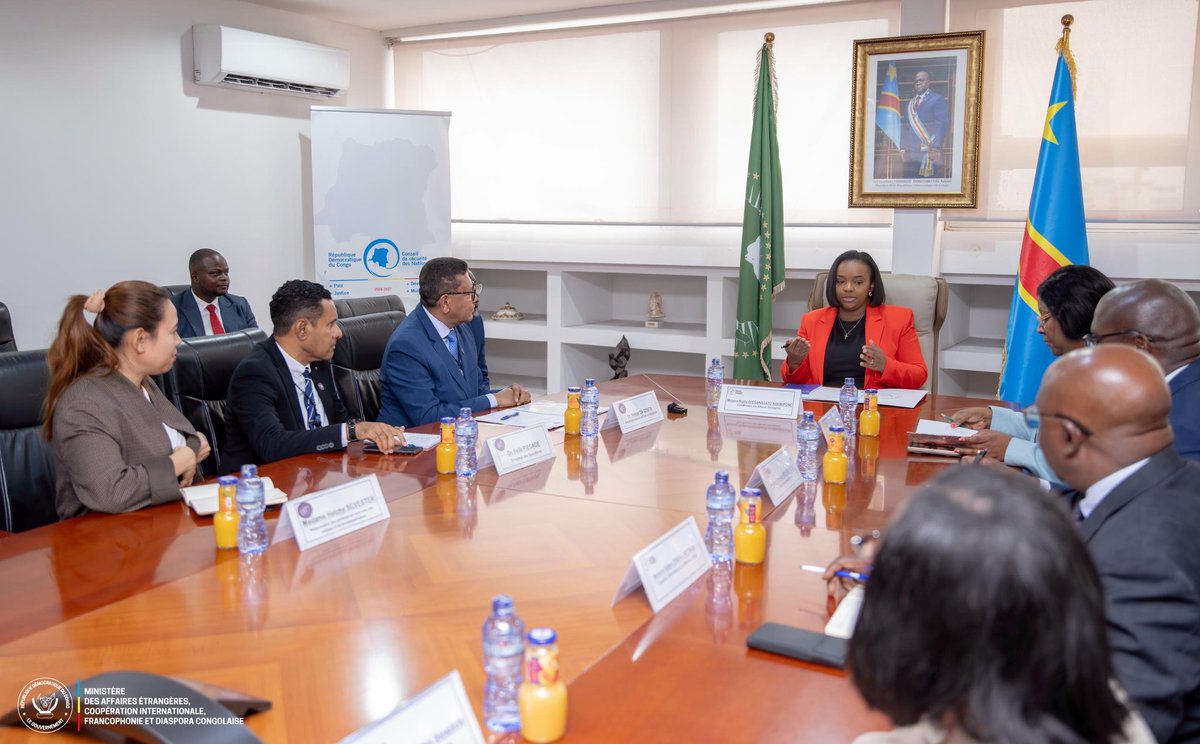
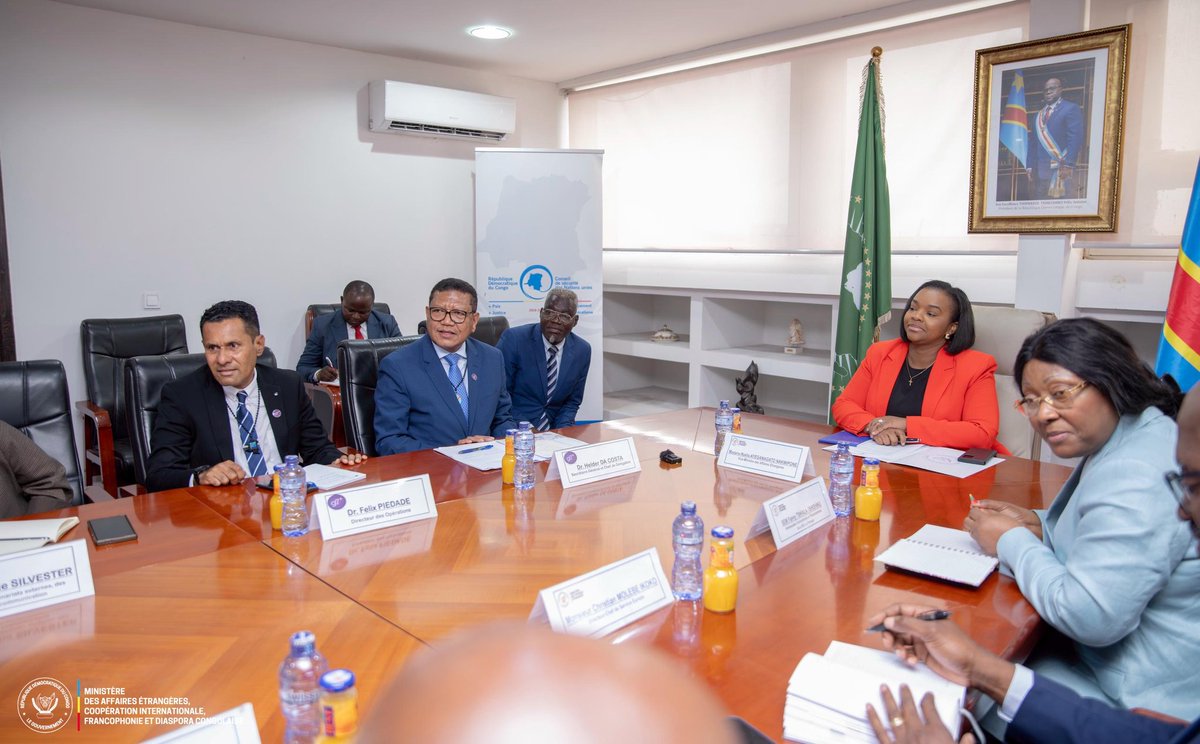
🇨🇩 | Ce lundi 23 mars 2026 à Kinshasa, S.E. Mme Noëlla Ayeganagato Nakwipone (@Ayeganagato_N1), Vice-Ministre des Affaires étrangères, a reçu en audience Dr. Helder da Costa, Secrétaire général du G7 , dans le cadre d’une mission de consultation stratégique du groupe auprès de la RDC, Vice- présidente de cette organisation.
Les échanges ont porté sur la promotion de la paix, de la justice et du développement, ainsi que sur la nécessité de renforcer la coordination avec les Nations Unies, notamment à travers les mécanismes de réponse rapide et le partage d’expériences.
Cette rencontre s’inscrit dans la dynamique de consolidation du rôle de la RDC comme acteur clé au sein du G7 . La Vice-Ministre a réaffirmé l’engagement de la RDC à jouer pleinement son rôle et à renforcer la coopération avec le G7 .
@Presidence_RDC
@PrimatureRDC
@Com_mediasRDC
6
19
86
4,266